标签: Dominica

多米尼克

  • Tonight’s Monarch of the Tent focused on entertainment value, say organizers

    Tonight’s Monarch of the Tent focused on entertainment value, say organizers

    Dominica’s cultural scene is set to ignite on Wednesday, February 11, 2026, as the Stardom Tent prepares to crown its newest Calypso Monarch in a highly anticipated musical showdown. The event promises to deliver an unforgettable evening of artistic excellence and competitive spirit at The Realm venue, commencing at 8:30 PM.

    Nineteen exceptional calypso artists are poised to take the stage in a bid to claim the prestigious title, representing both established performers and emerging talents within the genre. The lineup features an impressive roster including Abiyah Israel, Reds, JD, Royette, Tasha P., Trendsetter, Kalfa P., Checker, Son of the Saint, Danian, Meeker, Shadowflow, Mystery, The Web, Mighty D, Bingo, Mighty Umi, and Daddy Chess. The evening will commence with an opening performance by Observer, setting the tone for what organizers describe as an electric atmosphere filled with vibrant entertainment.

    In a distinctive approach to judging, organizers have implemented a specially tailored scoring system that balances technical mastery with audience engagement. The evaluation criteria allocate 30 points each for lyrical content and melodic composition, 20 points for vocal rendition, and additional points for stage presentation (10) and crowd response (10). This innovative scoring methodology reflects the unique character of the tent environment, prioritizing both artistic quality and entertainment value.

    Event coordinators emphasize that the judging process has been specifically designed to foster a dynamic and immersive experience that resonates with attendees. The scoring system encourages performers to connect with their audience while maintaining the high artistic standards characteristic of calypso tradition. This dual focus aims to elevate the overall spectator experience while honoring the cultural significance of the art form.

    The competition represents a significant moment in Dominica’s cultural calendar, offering both residents and visitors an opportunity to witness the finest calypso talent in a celebratory atmosphere. Organizers extend an open invitation to all music enthusiasts to participate in this vibrant celebration of Caribbean musical heritage.

  • Nine youth complete Digital Culture For the Caribbean Project (CL.AU.DI.A)

    Nine youth complete Digital Culture For the Caribbean Project (CL.AU.DI.A)

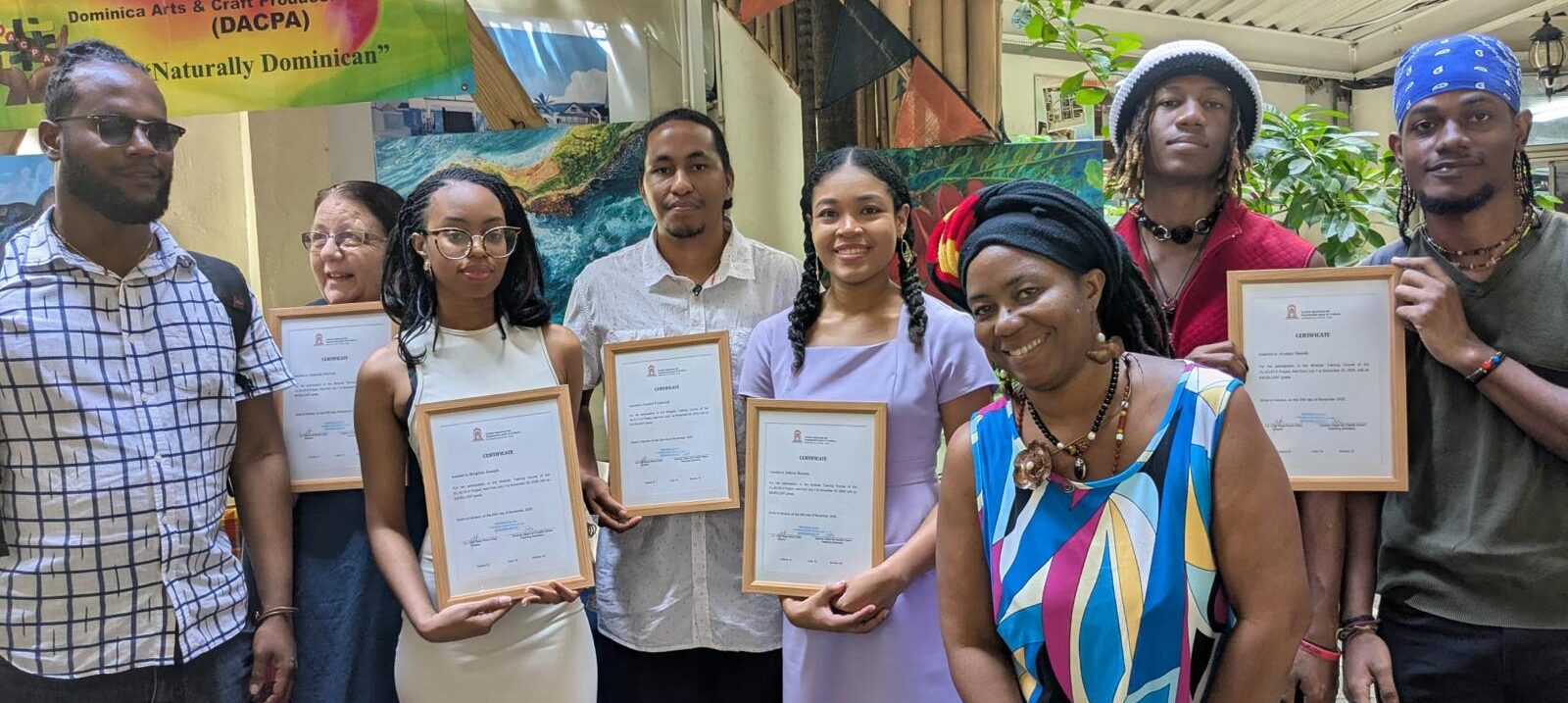
    A cohort of nine young artisans in Dominica has successfully graduated from the innovative CL.AU.DI.A. (Cultura Digital Antilliana / Digital Culture in the Antilles) project, marking a significant milestone in Caribbean digital education. The certificate award ceremony and a mini exhibition showcasing their achievements were hosted at Prevo Cinemall on February 7, 2026.

    This ambitious three-year initiative (2023–2025), funded under the Erasmus+ programme, was established to enhance professional training in digital culture across the Caribbean region. It represented a unique international collaboration between a consortium of organizations including ARCS – ARCI Culture Solidali APS (Italy), D’Antilles et D’Ailleurs (Martinique), Asociación Hermanos Saíz (Cuba), Centro Nacional para la Superación de la Cultura (Cuba), Universidad de las Ciencias Informáticas (Cuba), École Supérieure d’Infotronique d’Haïti (Haiti), and the Dominica Arts and Crafts Producers Association (DACPA).

    From July 2024 to December 2025, DACPA spearheaded the project’s core educational phases in Dominica. The implementation began with an intensive ‘Training of Trainers’ program, where facilitators utilized digital platforms like WhatsApp and Google Meet to master the curriculum and pedagogical approaches. Following this preparatory stage, a recruitment drive successfully enrolled nine young participants for the pilot program.

    Vanessa Winston, President of DACPA, highlighted the project’s adaptability in overcoming logistical hurdles, including local transportation and scheduling conflicts. By transitioning the program to a fully virtual and online format, the association ensured uninterrupted and complete participation. The educational model employed a dedicated mentorship system, pairing each trainee with a trainer for personalized guidance and support.

    The project’s culmination featured significant international engagement, with selected DACPA representatives and program participants traveling to Cuba. There, they attended the final project conference, an exhibition, and participated in the official signing of the CL.AU.DI.A Network agreement, cementing a lasting framework for continued regional cooperation in digital cultural development.

  • Fire contained at Gutter, one home lost

    Fire contained at Gutter, one home lost

    A residential fire erupted in the Gutter community earlier today, culminating in the complete destruction of one single-family home. Emergency services were promptly dispatched to the scene following multiple distress calls from local residents.

    The local fire department executed a rapid and coordinated response, successfully containing the intense blaze and preventing its spread to adjacent properties. Their strategic deployment of resources and effective firefighting techniques proved crucial in mitigating what could have escalated into a larger neighborhood catastrophe.

    Authorities have confirmed that despite the substantial property damage sustained, no civilian or firefighter injuries resulted from this incident. Preliminary investigations into the fire’s origin are underway, though officials have indicated the initial assessment points toward an accidental cause rather than deliberate wrongdoing.

    Community support networks have mobilized to assist the displaced homeowner, providing temporary shelter and essential supplies while insurance assessments are conducted. The incident has prompted local safety advocates to reiterate the importance of functional smoke detectors and residential fire preparedness plans.

  • At CAF summit, CDB President calls for enhanced South-South collaboration to drive development

    At CAF summit, CDB President calls for enhanced South-South collaboration to drive development

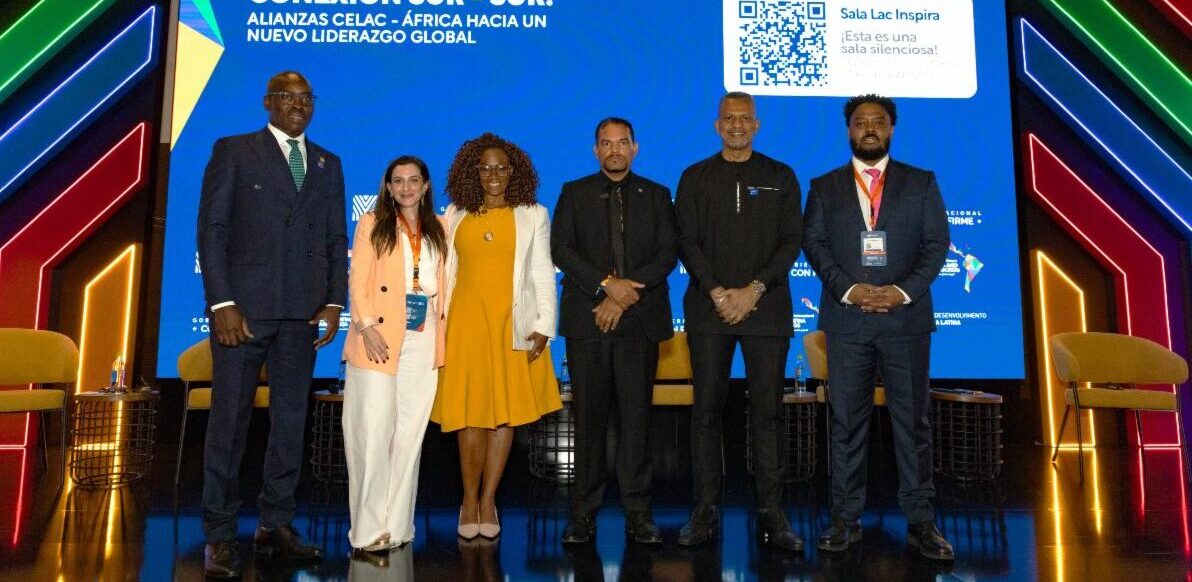
    At the pivotal Latin America and Caribbean International Economic Forum 2026, Caribbean Development Bank (CDB) President Daniel M. Best articulated a compelling vision for accelerated regional progress through strengthened South-South collaboration. The high-level gathering in Panama City, attracting over 6,500 delegates from 70 nations, became the staging ground for a strategic reassessment of Global South partnerships.

    Mr. Best emphasized the critical importance of forging more deliberate transatlantic connections between Caribbean, Latin American, and African nations. ‘Africa represents the world’s fastest-growing region,’ Best noted during his address. ‘Beyond our profound historical and cultural linkages, tremendous opportunities exist for mutual learning and crafting a cohesive developmental pathway for our populations.’

    The CDB president detailed concrete institutional efforts to transform this vision into reality through innovative financial mechanisms. Current initiatives include developing a multi-guarantor debt swap facility and establishing new credit lines specifically designed for Caribbean nations. These efforts are being advanced through strategic partnerships with CAF – Development Bank of Latin America and the Caribbean and the African Export-Import Bank (Afreximbank).

    Dr. Stacy Richards-Kennedy, CAF’s Regional Manager for the Caribbean, reinforced this collaborative imperative, stating: ‘Our engagements demonstrate the power of regional partnerships in mobilizing capital, addressing development gaps, and promoting inclusive growth. By combining our expertise and financial resources, we can effectively assist the Caribbean in meeting its development challenges.’

    The forum’s discussions extended across multiple development sectors, with particular focus on regional integration, trade facilitation, artificial intelligence applications, energy transition strategies, and competitiveness enhancement. The overarching objective remained transforming regional vulnerabilities into strategic global leadership through coordinated action and innovative financing solutions.

    Parallel to the main events, CDB representatives conducted substantive dialogues with regional policymakers and development partners to explore pioneering financing approaches aimed at accelerating infrastructure development, reducing inequality, and supporting inclusive economic growth throughout the Caribbean region.

  • COMMENTARY: AI as a tool can elevate the human to become a hero

    COMMENTARY: AI as a tool can elevate the human to become a hero

    The technological revolution continues its relentless march forward, with artificial intelligence emerging as the defining force reshaping modern workplaces. Drawing a powerful parallel to the musical synthesizer’s transformative impact, AI is fundamentally altering how knowledge work is performed and valued. Where the synthesizer enabled a single musician to command the sonic power of an entire orchestra, AI now empowers individual professionals with capabilities previously requiring entire teams.

    This technological evolution represents a fundamental shift from labor-intensive execution to leverage-intensive strategy. Modern AI systems enable a single strategic thinker to perform comprehensive research, generate detailed drafts, conduct sophisticated analysis, create designs, perform quality assurance, and manage complex scheduling—functions that traditionally demanded multiple specialists. The individual transforms from task executor to creative director, orchestrating multiple AI instruments with precision and vision.

    This transformation carries significant organizational implications. AI functions as both compressor and amplifier, collapsing traditional team structures while expanding individual impact. What previously required six hours of human labor can now be accomplished in six minutes, effectively giving two AI-augmented professionals the operational firepower of a twenty-person team. This compression reshapes organizational hierarchies and work models, creating new paradigms of efficiency and productivity.

    The transition demands proactive institutional response. Organizations must prioritize AI literacy programs and develop hybrid talent strategies that emphasize reskilling rather than replacement. Forward-thinking institutions that embrace this transformation will gain substantial competitive advantages through enhanced efficiency and productivity. Those that delay risk facing widening skills gaps, escalating operational costs, and strategic vulnerability in increasingly dynamic markets.

    AI’s true significance extends beyond technological advancement—it represents the next frontier of human potential. Rather than replacing human talent, AI amplifies it; instead of eliminating teams, it elevates individuals to operate at team-scale. As we transition from an age of human limitation to an era of human leverage, the organizations and individuals who master this new paradigm will define the future of work.

  • UK Court rules Mehul Choksi’s claim of kidnapping from Antigua to Dominica, not substantiated

    UK Court rules Mehul Choksi’s claim of kidnapping from Antigua to Dominica, not substantiated

    In a significant legal development, a United Kingdom court has delivered a substantial setback to fugitive diamond merchant Mehul Choksi, rejecting his allegations of abduction by Indian operatives while imposing a hefty financial requirement for his ongoing lawsuit.

    Justice Mansfield presiding over the case found Choksi’s claims of being forcibly taken from Antigua in 2021 notably lacking in substantive evidence. The court determined that the diamantaire, who obtained Antiguan and Barbudan citizenship through the nation’s investment program, failed to provide concrete proof supporting his assertion that Indian agents orchestrated his kidnapping.

    The judicial assessment highlighted critical evidentiary shortcomings in Choksi’s narrative. Notably, the court observed that the allegations relied predominantly on circumstantial elements without independent witness corroboration. “Unsurprisingly, there is no witness evidence as to the kidnapping and assault of the Claimant, other than that of the Claimant himself,” Justice Mansfield noted in the ruling.

    While acknowledging that circumstantial evidence can occasionally prove compelling in conspiracy litigation, the court maintained that at this preliminary stage, without comprehensive evidentiary examination, the strength of such claims remained difficult to properly evaluate.

    Choksi’s legal representation, led by London-based attorney Mr. Fitzgerald KC, vigorously argued that requiring security for costs would constitute an injustice given the alleged conspiracy involving abduction, torture, and forced rendition to India. These arguments ultimately failed to persuade the judicial authority.

    The current proceedings stem from a May 2024 lawsuit filed by Choksi against multiple parties including the Government of India, four non-resident Indians, and a Hungarian national. The suit alleges physical assault and psychological harassment following his purported abduction from Antigua and Barbuda and subsequent transportation by vessel to Dominica.

    Evidentiary materials presented by Choksi’s team included an Antiguan police report compiled by Inspector Adonis Henry in June 2021 and a witness statement from private investigator Oliver Laurence, retained by Choksi’s family. The court however noted that both documents heavily depended on secondary accounts and reviewed documentation rather than firsthand testimonial evidence.

    The ruling further referenced prior European judicial decisions, noting that both the Antwerp Court and the Court of Cassation had previously reached similar conclusions regarding the lack of evidence supporting claims of Indian government involvement in Choksi’s alleged abduction.

    With the security for costs order now established, Choksi faces a considerable financial obstacle as litigation continues in the UK judicial system. Separate legal proceedings filed by Choksi against the Antiguan government regarding alleged investigative collusion remain pending resolution.

  • OP-ED: A primer into 21 st Century Caribbean geopolitics – The importance of Guyana

    OP-ED: A primer into 21 st Century Caribbean geopolitics – The importance of Guyana

    The Caribbean Community (CARICOM), comprising 15 member states across insular Caribbean territories and mainland regions of Central and South America, faces complex geopolitical challenges stemming from its numerous territorial boundaries. The region contends with 10 land borders and 37 maritime boundaries, many of which remain disputed—including tensions between Guyana and Venezuela, Belize and Guatemala, and Trinidad and Tobago and Barbados.

    Geopolitically, CARICOM exists in the shadow of global powers, positioned proximate to the United States to the north, Brazil to the south, and Cuba in the central Caribbean. Member states grapple with post-colonial legacies, environmental vulnerabilities, resource distribution inequalities, and persistent border complications that challenge regional cohesion.

    Guyana emerges as a critical actor in this landscape, serving as the only English-speaking nation in South America and functioning as a strategic bridge between Caribbean and South American integration initiatives. Since Exxon Mobil’s landmark oil discovery in 2015, Guyana has experienced transformative economic growth, positioning itself as a potential future BRICS member candidate due to its growing regional influence and commitment to multilateralism.

    The nation’s agricultural capacity—producing staples of the West Indian diet including rice, sweet potatoes, and various fruits and vegetables—offers significant opportunities for enhancing regional food security. Additionally, its cross-border connectivity with Brazil through the Lethem-Bon Fim corridor provides CARICOM members access to broader South American markets.

    Despite operating in an increasingly volatile global environment where power dynamics often override multilateral cooperation, Guyana represents Caribbean resilience and potential. As noted by Dr. Kai-Ann Skeete, Trade Policy Research Fellow at the Shridath Ramphal Centre, the country exemplifies how Caribbean nations can maintain cultural identity while pursuing deeper regional integration and economic transformation, even amid the uncertainties inherent in geopolitical change.

  • POLL: Best Dominica 2026 Calypso

    POLL: Best Dominica 2026 Calypso

    The vibrant musical culture of Dominica is currently in the spotlight as the nation engages in an interactive poll to crown the Best Calypso of 2026. This democratic initiative invites calypso enthusiasts and the general public to actively participate in determining which artist and composition will reign supreme in this year’s musical landscape.

    The voting mechanism is designed for maximum accessibility and engagement. Participants are instructed to hierarchically rank their preferred calypso tracks, positioning their ultimate favorite at the apex of their list. The process culminates with a simple click of the ‘Vote’ button, officially registering their artistic preferences.

    Organizers have implemented a strict electoral timeline, with all votes requiring submission before the precise cutoff of Thursday, February 12 at 6:15 PM. This creates a sense of urgency while ensuring the integrity of the voting process. The campaign strongly emphasizes community involvement through social sharing, encouraging participants to distribute the poll among their networks to amplify their preferred calypsonian’s chances.

    The underlying message transcends mere musical preference—it represents a cultural assertion where every vote contributes directly to shaping Dominica’s contemporary musical narrative. This initiative transforms passive appreciation into active cultural participation, allowing the collective voice of the people to ultimately determine which calypsonian will capture the coveted 2026 title.

  • Dr. Damien Dublin of the Dominica Reparations Committee Calls for reflection and revival during Black History Month 2026

    Dr. Damien Dublin of the Dominica Reparations Committee Calls for reflection and revival during Black History Month 2026

    During Black History Month observances, Dr. Damien Dublin, Chairman of the Dominica Reparations Committee, has issued a compelling call for substantive engagement with Caribbean historical narratives rather than superficial acknowledgment. In an official audio statement, the prominent reparations advocate emphasized the critical importance of pausing to reflect on and recommit to preserving the region’s rich cultural heritage.

    Dr. Dublin articulated that Black History Month should transcend mere remembrance, serving instead as an opportunity for profound understanding and active honoring of those who shaped Caribbean history. He stressed that national heroes, freedom fighters, cultural icons, and everyday resistance figures deserve more than fleeting mentions—they warrant celebration, discussion, and integration into the collective consciousness.

    The reparations leader specifically addressed educators and parents, urging them to employ history as a tool of enlightenment for Black children. “History should be taught to educate, inspire, and excite our children, to highlight the achievements and triumph of Black people,” Dublin asserted. He challenged the conventional narrative that often reduces Black history to slavery, pointing instead to pre-colonial civilizations like the Kingdom of Kush, Benin, and the Ashanti Empire that made significant contributions across science, medicine, agriculture, industry, and commerce.

    Dr. Dublin highlighted numerous technological innovations by Black inventors, including the traffic light system, automatic gear shift, carbon filament for light bulbs, improved ironing boards, artificial heart technology, pacemakers, and even toilet paper. These achievements, he noted, deserve recognition and pride alongside the more familiar narratives of struggle.

    The committee head also advocated for teaching about influential figures like Bob Marley, Marcus Garvey, Nelson Mandela, Fidel Castro, and contemporary leaders such as Ibrahim Traoré. By exposing youth to stories of triumph and resilience, Dublin believes we can inspire a new generation to pursue excellence while instilling cultural pride.

    Dr. Dublin cautioned against disconnection from historical roots, stating: “If we do not teach our history with intention and creativity, we risk losing the connection between our people, youth, and their identity.” He emphasized that understanding history equips people to shape the future with greater confidence and purpose.

    Finally, Dr. Dublin expressed gratitude to media outlets and the public for their support while encouraging broader societal participation in historical preservation efforts. He called on radio stations, schools, churches, community groups, and families to actively elevate local history initiatives and ensure that Caribbean stories are told through Caribbean voices rooted in lived experiences.

  • COMMENTARY: How Dominica’s small businesses are—or aren’t—harnessing renewable energy

    COMMENTARY: How Dominica’s small businesses are—or aren’t—harnessing renewable energy

    Nestled in the heart of the Lesser Antilles, the Commonwealth of Dominica lives up to its ‘Nature Island’ moniker. This volcanic territory, blessed with near-year-round sunshine, abundant rainfall, and powerful rivers, possesses a natural profile almost perfectly suited for renewable energy generation. For decades, this potential simmered quietly, with early adoption seen in household solar water heaters—objects of childhood curiosity for many Dominicans that symbolized a nascent green consciousness.

    The narrative of energy in Dominica is now rapidly evolving, moving from individual households to the core of its small business sector. A cohort of local manufacturers, celebrated for their regional award-winning products, is grappling with the dual pressures of expansion and escalating energy costs. These enterprises, including producers of tropical snacks, pepper sauce, rum, and natural cosmetics, form the backbone of a local economy formalized by the 2018 Small and Micro Business Act.

    Despite operating on a modest scale with fluctuating energy demands, growth is driving a critical reassessment of power sources. Interviews with business owners reveal a common trajectory: as production capacity expands with the addition of mixers, blenders, and refrigeration units, electricity consumption and costs rise in lockstep. This is not a sign of inefficiency but a direct correlation to increased output and operational frequency.

    Currently, most rely on the national grid, operated by the Dominica Electricity Services (DOMLEC), which has harnessed hydro power since 1952. However, one standout example points to a viable alternative. Sea Cliff Eco Cottages and its on-site gin distillery operate entirely on solar energy, supported by battery storage. The distillery recently invested in a larger solar array to accommodate its growing energy needs, demonstrating a proactive commitment to energy independence.

    The high initial investment for renewable technology remains a significant barrier for many. Yet, the long-term calculus is shifting. Businesses like Big G’s Pepper Pot view solar adoption as an essential cost-saving measure for future growth, stating, ‘Where there is growth, there is going to be expenses, and so the move towards renewable solar energy is to save even if it is a dollar.’ Others, like Bonnit Enterprises, are looking beyond solar to future opportunities in biogas, utilizing by-products from their food manufacturing.

    The island’s looming energy solution casts a long shadow over these decisions: geothermal power. With a plant in the volcanic community of Laudat expected to be commissioned in 2026, a cautious optimism prevails. Business owners express hope that geothermal energy will deliver not only cleaner power but also the reliability and lower costs needed for competitiveness. For manufacturers like Jaydees Naturals, this promises an end to the disruptive outages and diesel shortages that crippled operations in 2022-2023, allowing for smoother production and reduced operational stress.

    The journey from the solar water heater on a neighbor’s roof to a future-powered geothermal grid encapsulates Dominica’s energy transition. The ambition and innovation of its small business owners are clear. The extent to which the nation’s renewable energy infrastructure can keep pace with their growing demands will ultimately determine the sustainability and resilience of this vital economic sector.