标签: Dominica

多米尼克

  • World Pediatrics, ‘Circle of Friends’ facilitate fifth traveling language clinic in Dominica

    World Pediatrics, ‘Circle of Friends’ facilitate fifth traveling language clinic in Dominica

    DOMINICA – World Pediatrics has launched its fifth consecutive Speech and Language Traveling Team Clinic in Dominica, marking a significant milestone in providing specialized therapeutic care to children facing communication disorders. The initiative has already delivered critical interventions to nearly 200 young patients, fundamentally enhancing their speech articulation and language acquisition capabilities.

    The program operates in collaboration with the non-profit organization ‘Circle of Friends,’ which facilitates patient registration and works synergistically with clinical therapists to bolster local healthcare infrastructure. A core component of the mission involves hands-on training for Dominican educators, who are learning and implementing innovative therapeutic strategies directly within their classrooms. Early reports indicate these methods are catalyzing extraordinary developmental progress among students.

    Christel Pascal, a special education instructor at Achievement Learning in Dominica and a three-time participant in the clinic, testified to its profound impact. “Participating in these clinics has been an immense professional and personal blessing,” Pascal stated. “My heightened awareness of students’ communicative needs allows me to integrate techniques from both speech and occupational therapy into daily lessons. This has cultivated an inclusive educational atmosphere where children feel empowered to engage, leading to marked improvements in their confidence and expressive abilities.”

    In an expansion of this year’s itinerary, a new Communication Support Training session will be held for parents and caregivers on the clinic’s final day from 4 PM to 6 PM. This workshop is designed to equip families and teachers with practical, sustainable tools to reinforce children’s communication skills in home and school environments, ensuring continuity of care.

    Through this ongoing partnership, World Pediatrics and Circle of Friends are not only delivering essential medical services but also fostering sustainable community empowerment and building more inclusive support networks across Dominica.

  • Ladira Dyer is new Miss Teen Dominica

    Ladira Dyer is new Miss Teen Dominica

    In a dazzling display of talent and poise, Ladira Dyer from Isaiah Thomas Secondary School emerged victorious as the newly crowned Miss Teen Dominica 2026. The prestigious coronation ceremony unfolded on Sunday evening at the vibrant Windsor Park Sports Stadium, famously known as Carnival City, where five exceptional contestants competed for the coveted title.

    Dyer’s remarkable performance throughout the competition earned her multiple distinguished awards, including Best Speech, Best Spectacular Wear, and Best Talent, demonstrating her multifaceted excellence. Her triumph represents not only personal achievement but also brings honor to her educational institution.

    Marina Jno Baptiste of Operation Youth Quake claimed the first Runner-Up position, impressing judges with her elegance in evening wear and earning the Miss Amity award for her congenial spirit. Joyette Carbon from Portsmouth Secondary School secured the second Runner-Up recognition, rounding out the top three finalists.

    The competitive field also included Jeffrine Joseph representing Castle Bruce Secondary School and Janeece Williams of Goodwill Secondary School, both of whom delivered commendable performances throughout the event. The pageant showcased the extraordinary talents, intelligence, and cultural pride of Dominica’s youth, highlighting the promising future leadership of the Caribbean nation.

    This annual celebration of young women’s achievements continues to serve as a platform for personal development, cultural expression, and community engagement, reinforcing positive values among the island’s next generation.

  • Tana Valmond, a Kalinago youth creating history as Blue Future Youth Ambassador at Bowseat Organization

    Tana Valmond, a Kalinago youth creating history as Blue Future Youth Ambassador at Bowseat Organization

    Tana Valmond, a young Indigenous woman from Dominica’s Kalinago Territory, has achieved a historic milestone by becoming the first Kalinago youth appointed as a Blue Future Youth Ambassador with the Bowseat Organization. This U.S.-based environmental program, recognized as the world’s largest youth conservation initiative focused on creative arts, operates across 142 countries with a mission to develop environmental leaders who approach ecological challenges with artistic perspective and innovative thinking.

    Valmond’s appointment represents a significant breakthrough for Indigenous representation in global environmental advocacy. Her unique background combines artistic mastery with deep environmental commitment, qualities that have elevated her profile within the organization to her current role as an Alumni Advisor. As a self-described passionate advocate for environmental sustainability, youth empowerment, and the arts, Valmond wears her Kalinago identity as a badge of honor and aims to serve as an inspirational figure for Dominican youth.

    Her environmental awakening came from observing firsthand ecological degradation—coral reefs bleaching, rivers drying, and coastlines eroding. This inspired her to become an agent of change, drawing upon her Kalinago heritage which emphasizes symbiotic relationships with nature. In her essay ‘Protecting the Ocean: Lessons from the Kalinago People,’ she explains how her ancestors have lived in harmony with land and sea for centuries, using traditional knowledge to guide resource utilization.

    Valmond attributes her accomplishments to her faith, citing Matthew 5:16 as her spiritual motto: ‘Let your light shine before others, that they may see your good works and glorify your Father, who is in Heaven.’ She expresses immense pride in representing both Dominica (which she calls the ‘Isle of Beauty, Isle of Splendour’) and the Indigenous Waitukubuli community on the global stage, seeing this ambassadorship as the opportunity of a lifetime to promote environmental awareness through her voice and artwork.

  • U.S. issues a ban on St Lucia’s top resort

    U.S. issues a ban on St Lucia’s top resort

    The U.S. Embassy in Bridgetown has elevated security protocols for American government personnel in Saint Lucia, implementing an immediate ban on stays at the luxury Ladera Resort near Soufrière. This decisive action follows a comprehensive internal security review conducted by the U.S. State Department, which identified significant vulnerabilities at the property.

    The assessment, publicly released on February 4, 2026, concluded that criminal activity presents a serious threat to guest safety and raised concerns about the resort’s emergency response capabilities. While specific intelligence triggering the review remains classified, the directive mandates that all U.S. government employees avoid the property indefinitely. Private American citizens are strongly advised to exercise heightened vigilance and consider alternative accommodations.

    Concurrently, the embassy addressed separate diplomatic tensions with the Saint Lucian government. Officials explicitly denied issuing any directives preventing Saint Lucian students from pursuing medical education in Cuba, directly contradicting statements made by Prime Minister Philip J. Pierre. Furthermore, the embassy refuted claims of attempting to sever regional diplomatic ties, clarifying that while it does not endorse Cuba’s medical programs, it has not instructed Saint Lucia to cut relations.

    The embassy emphasized that the security assessment of Ladera Resort is entirely separate from these diplomatic discussions. The overall travel advisory level for Saint Lucia remains unchanged, with travelers advised to maintain standard precautionary measures.

    Notably affected is the renowned Ladera Resort, an exclusive five-star property situated within a UNESCO World Heritage Site between the iconic Pitons. As the island’s top hospitality revenue generator, the resort reported earnings of USD 17.6 million in the previous fiscal year. The U.S. advisory includes specific safety recommendations: avoiding the resort, maintaining situational awareness, sharing itineraries with contacts, not resisting robbery attempts, and carrying passport copies while securing originals.

  • OP-ED: Cuba and the moral cost of global silence

    OP-ED: Cuba and the moral cost of global silence

    The Caribbean region faces a critical test of solidarity as Cuba grapples with intensified US economic sanctions that have escalated into a full-scale humanitarian crisis. In late January 2026, the United States formally designated Cuba as an “unusual and extraordinary threat” to its national security, implementing measures that severely restrict the island nation’s access to essential oil supplies. This development represents the latest escalation in a six-decade economic embargo that began following the Cuban Revolution of 1959.

    The consequences of these sanctions are immediate and severe. With Venezuela’s oil shipments halted after US intervention removed President Nicolas Maduro, and other suppliers like Mexico facing economic retaliation threats, Cuba’s energy infrastructure faces collapse. The fuel shortage has triggered widespread blackouts, paralyzed water systems, compromised medical equipment in hospitals, and created critical shortages of basic necessities. Cuban President Miguel Diaz-Canel has consistently condemned these measures while maintaining openness to diplomatic dialogue.

    Despite Cuba’s remarkable social achievements—including life expectancy rates comparable to the US and lower child mortality rates than many wealthier nations—the country of 11 million people now faces unprecedented challenges. UN Secretary-General Antonio Guterres has warned of the dire humanitarian implications of the intensified embargo.

    The international response has been characterized by concerning silence, particularly from Caribbean nations that have historically benefited from Cuba’s generosity. The island nation has provided medical scholarships, healthcare assistance, and disaster relief throughout the region, including crucial support during the COVID-19 pandemic. However, regional governments now face a stark choice between speaking out against injustice or protecting their citizens from potential US retaliation through tariffs and visa restrictions.

    This situation presents a moral imperative for the Caribbean community. While powerful nations remain passive, regional collective action through bilateral engagement and international forums could provide crucial support. Citizens are urged to petition their governments, organize advocacy efforts, and demand that regional leaders honor historical ties with Cuba. As the crisis deepens, the Caribbean’s response will ultimately define its commitment to regional solidarity and moral courage in the face of asymmetric power dynamics.

  • COMMENTARY: We’ve only understood ovulation for 100 years

    COMMENTARY: We’ve only understood ovulation for 100 years

    A medical breakthrough that fundamentally altered the understanding of human reproduction emerged independently from two gynecologists in the 1920s, yet its application sparked a century of religious and ethical debate. The discovery that a woman’s fertile window occurs approximately 14 days before her next menstrual period was first identified by Japanese physician Kyusaku Ogino in 1923 and later by Austrian doctor Hermann Knaus in 1928.

    While Dr. Ogino’s research, published in Japanese, initially remained unknown in the West, his work and that of Dr. Knaus would eventually converge to form what became known internationally as the Rhythm Method. The two pioneers held strikingly different visions for their discovery: Ogino focused exclusively on addressing infertility to help couples conceive, while Knaus, a devout Catholic, saw potential for birth control through periodic abstinence.

    The method’s adoption by the Catholic Church created one of history’s most significant intersections of science and religion. In 1951, Pope Pius XII formally approved the technique as the only contraceptive approach morally acceptable to the Church hierarchy. This endorsement came despite Ogino’s own objections that his findings were too unreliable for contraceptive purposes.

    In practice, the method’s effectiveness proved highly dependent on regular menstrual cycles, minimal travel, and low-stress environments—conditions difficult to maintain consistently. This variability earned it colloquial labels such as ‘Catholic roulette’ and ‘Roman roulette’ among skeptics outside Catholic circles.

    The legacy continues through organizations like ASPIRE, a pro-motherhood advocacy group operating across six Caribbean nations including Dominica, which promotes research and dialogue on reproductive health justice, demonstrating how this nearly century-old discovery remains relevant in contemporary reproductive health discussions.

  • District Governor of Rotary District 7030 welcomed for visit to Dominica

    District Governor of Rotary District 7030 welcomed for visit to Dominica

    Rotary International’s District 7030 Governor, Soraya A.J. Warner-Gustave, has concluded a highly productive official visit to the Commonwealth of Dominica from January 28 to February 1, 2026. The extensive tour strengthened collaborative ties with local Rotary and Rotaract organizations while advancing numerous community development initiatives across the island nation.

    The visit commenced with strategic engagements at the Rotary Club of Portsmouth, where Governor Warner-Gustave inspected ongoing playground development projects at Temple SDA Primary School and Dublanc/Bioche Primary School. These initiatives form part of a broader strategy to combat childhood obesity through promoting physical activity and creating safe recreational spaces for youth development.

    A significant environmental conservation effort was demonstrated through a tree-planting exercise along the Indian River, aligning with Rotary’s global environmental objectives. The district governor also participated in strategic discussions with corporate sponsor Secret Bay to ensure sustainable support for the club’s community programs.

    A landmark moment of the visit featured the unveiling of Portsmouth Secondary School’s first Peace Pole, where Governor Warner-Gustave addressed students and faculty on the critical importance of peacebuilding and youth leadership in community harmony.

    The engagement extended to the Rotary Club of Dominica, where the district governor conducted separate meetings with the Rotaract Club of Roseau and Interact Clubs of Dominica State College and Dominica Grammar School. These interactions highlighted Rotary’s commitment to youth empowerment, with particular emphasis on developing leadership capabilities among young change-makers.

    At Dominica Community High School, the governor inspected the newly implemented Snack Benches Project, which provides designated seating areas to enhance student comfort and inclusivity during break periods.

    A particularly notable ceremony involved the formal handover of completed improvements at the Acute Psychiatric Unit, underscoring Rotary’s dedication to advancing mental healthcare infrastructure and services. The district governor commended the collaborative efforts that made this vital healthcare initiative possible.

    The official visit included a courtesy call with Her Excellency Sylvanie Burton, President of Dominica, reaffirming Rotary’s commitment to national development through humanitarian initiatives and potential future collaborations aligned with Rotary’s strategic focus areas.

    The visit concluded with a celebratory cocktail reception at Sunset Bay, where Rotarians from across generations gathered to strengthen fellowship bonds and reflect on the accomplishments achieved during the comprehensive tour. District Governor Warner-Gustave expressed profound gratitude for the hospitality extended and reaffirmed confidence in the ongoing efforts of Dominican Rotary clubs to create meaningful impact throughout the nation.

  • Malik Ferrol of Paix Bouche Primary is Junior Calypso Monarch 2026, St Luke’s Primary Diaminti Warrington is Bouyon Junior Monarch

    Malik Ferrol of Paix Bouche Primary is Junior Calypso Monarch 2026, St Luke’s Primary Diaminti Warrington is Bouyon Junior Monarch

    Dominica’s cultural future shines brightly as two extraordinary nine-year-old talents claimed top honors in the island’s prestigious 2026 junior music competitions. Malik Ferrol, performing under the stage persona “De Reverend” from Paix Bouche Primary School, captured the Junior Calypso Monarch title with his dynamic performance of “Right Up,” demonstrating remarkable stage presence and lyrical prowess beyond his years.

    The calypso competition saw fierce talent with Bijou Nicholas, known as “Mighty Jewel” from Convent High School, earning first runner-up status, while Faith St. Ville of Dominica Grammar School secured second runner-up position. Notably, St. Ville, who performs as “Queen Melody,” defended her 2025 crown with another strong showing.

    Simultaneously, the Junior Bouyon Monarch competition crowned Diamanti Warrington, another nine-year-old sensation from St. Luke’s Primary School. Performing as “Rinser Pop,” Warrington mesmerized judges and audience alike with his infectious single “Free Up,” showcasing the evolving bouyon genre that continues to dominate Dominica’s musical landscape.

    The bouyon category featured impressive contenders including first runner-up Kirlisa Prince (“Kim Possible” from Convent High School) and second runner-up Josiah Fagan (“King Ziah” from Goodwill Secondary School). These victories mark a significant passing of the torch from 2025 champion Shervez “Moxie Shervey” Seaman.

    These competitions, organized by DBS Radio, highlight Dominica’s commitment to preserving and evolving its unique musical heritage through youth engagement. The event demonstrates how traditional Caribbean genres like calypso and bouyon continue to thrive through fresh, young interpretations that honor cultural roots while injecting contemporary energy.

  • OP-ED: As glaciers melt, the world’s hidden water banks are at risk

    OP-ED: As glaciers melt, the world’s hidden water banks are at risk

    The world’s glaciers, often described as nature’s frozen water banks, serve as critical lifelines for nearly two billion people globally. These immense ice formations sustain some of Earth’s most vital river systems—including the Indus, Nile, Ganges, and Colorado—which provide essential irrigation for agriculture, drinking water for communities, and power for electricity generation. However, accelerating climate change is triggering an unprecedented glacial retreat that threatens water, food, and livelihood security on a planetary scale.

    Scientific observations reveal that five of the past six years have witnessed the most rapid glacier melting ever recorded. Mountainous regions, which cover over a quarter of the world’s land surface and host 1.2 billion inhabitants, are warming at rates exceeding the global average. This thermal increase is producing immediate environmental hazards including flash floods, glacial lake outbursts, avalanches, and landslides. More concerning still is the long-term prospect of permanent glacial disappearance, which would fundamentally alter hydrological cycles that have persisted for millennia.

    The phenomenon of ‘peak water’—the point at which glacial meltwater reaches maximum output before declining—is already occurring or expected within coming decades for many glaciers. From the Andes to the Himalayas, communities report shortened snow seasons, erratic water flows, and diminished agricultural yields. In Peru, shrinking glaciers have directly reduced crop production, while Pakistan faces disruptions to traditional planting cycles due to unreliable snowmelt.

    Beyond practical survival concerns, glacial loss carries profound cultural implications. For Indigenous communities across Asia, Latin America, Africa, and the Pacific, glaciers represent sacred elements of their heritage. Their disappearance erodes centuries-old traditions, rituals, and cultural identities tied to mountain landscapes.

    In response to this crisis, the United Nations has designated 2025 as the International Year of Glaciers’ Preservation. The Food and Agriculture Organization (FAO), mandated to lead related observances, emphasizes that effective solutions require integrated approaches combining emission reduction, improved water management, and adaptive agricultural practices. Traditional techniques such as terrace farming, agroecology, and crop diversification—perfected by mountain communities over generations—offer valuable models for sustainable adaptation.

    Innovative preservation initiatives are already demonstrating promise. In Kyrgyzstan, FAO-supported projects construct artificial glaciers that store over 1.5 million cubic meters of ice for summer irrigation. India’s Ladakh region employs automated ice reservoirs to capture and preserve winter water, while Peruvian communities implement natural filtration systems to address water quality issues caused by mineral exposure from retreating glaciers.

    Despite these efforts, experts warn that current global responses remain fragmented and insufficient. Addressing the glacier-water-agriculture nexus demands coordinated policy alignment, increased climate financing, cross-border cooperation, and enhanced monitoring systems. As population growth escalates water demand while glacial supplies diminish, the preservation of these frozen ecosystems becomes increasingly synonymous with safeguarding humanity’s future.

  • STATEMENT: Arrival of CARICOM Election Observation Mission – General elections of Barbados

    STATEMENT: Arrival of CARICOM Election Observation Mission – General elections of Barbados

    The Caribbean Community (CARICOM) has formally established a specialized Election Observation Mission to monitor Barbados’ upcoming General Election scheduled for February 11, 2026. This multinational delegation arrived following an official invitation from the Barbadian government dated January 27, 2026, and will maintain presence in the country from February 5 through February 13 to ensure comprehensive electoral oversight.

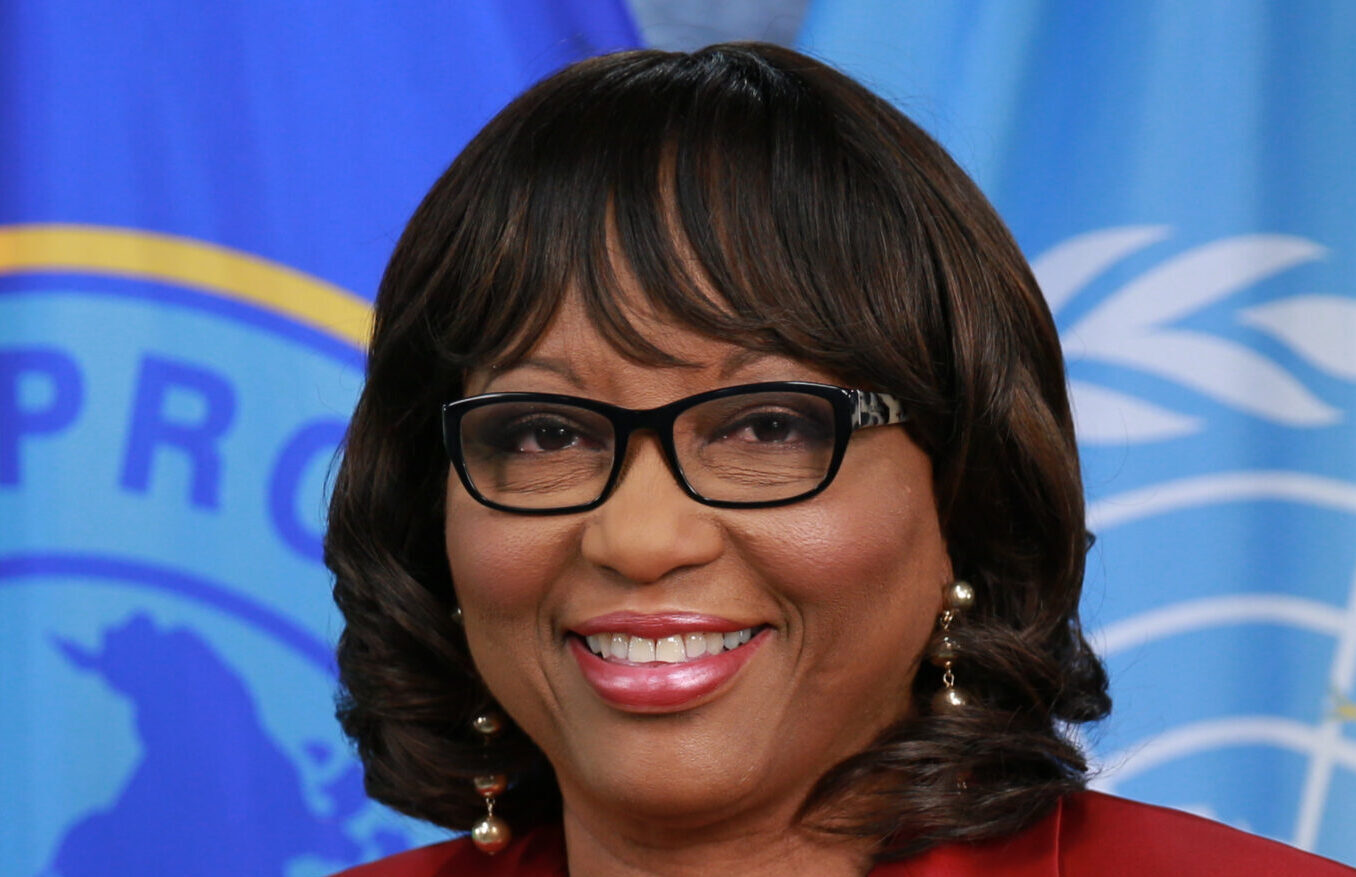
    The mission leadership comprises distinguished electoral experts from three CARICOM member nations: Mr. Ian S. Hughes, Supervisor of Elections from Antigua and Barbuda Electoral Commission, serves as Chief of Mission. He is supported by Deputy Chief of Mission Ms. Josephine Tamai, Chief Elections Officer of Belize, and Mr. Andrew Smith, Regional Manager from Jamaica’s Electoral Commission. Administrative support is provided by three CARICOM Secretariat staff members specializing in community and foreign relations.

    Since their arrival on February 5, the observation team has initiated critical dialogues with key stakeholders including Barbados’ Commissioner of Police, senior law enforcement officials, the Barbados Christian Council, and media representatives. The mission’s agenda includes forthcoming high-level meetings with Prime Minister Mia Amor Motley (Barbados Labour Party), Opposition Leader Ralph Thorne (Democratic Labour Party), Electoral and Boundaries Commission Chair Ramon Alleyne, and Chief Electoral Officer Sherland Turton, alongside engagements with civil society organizations and additional political parties.

    The observation protocol encompasses comprehensive monitoring throughout election day, including polling station operations from opening to closing procedures, vote casting mechanisms, ballot counting processes, and results declaration. The mission will also evaluate post-election developments before issuing a Preliminary Statement containing initial assessments prior to their departure.

    A comprehensive Final Report detailing the mission’s findings and recommendations will be submitted to CARICOM Secretary-General Dr. Carla Barnett for subsequent public dissemination. The observation mission acknowledges the cooperative reception from Barbadian authorities and expresses commitment to supporting democratic integrity during this electoral process.