标签: Dominica

多米尼克

  • Macmillan Education Caribbean opens entries for second ‘New Branches’ Poetry Competition

    Macmillan Education Caribbean opens entries for second ‘New Branches’ Poetry Competition

    Building on the overwhelming success of its 2025 inaugural launch, Macmillan Education Caribbean has officially opened submissions for the second edition of its beloved New Branches Poetry Competition, calling on students and educators across the Caribbean region to put their creative talents on display. Kicking off on June 8, 2026, this year’s iteration has been strategically expanded to remove barriers to broader participation, while upholding the competition’s core mission: boosting literacy, celebrating Caribbean cultural identity, and nurturing a lifelong passion for Language Arts among learners and teaching professionals across the region.

    The most notable update for the 2026 competition is the introduction of a brand-new Upper Secondary division, extending eligibility beyond the three original categories—Primary, Lower Secondary, and Teacher—offered in the first year of the event. This adjustment opens the creative platform to older secondary students who were previously unable to compete, creating space for more diverse voices from across the regional education community.

    All participants are required to submit original poetry centered on Caribbean-focused themes, with organizers curating a flexible list of prompts to spark creativity. The suggested topics include Life by the Sea in the Caribbean, Festivals in My Country, Caribbean Food and Culture, My Island or My Community, Voices of the Caribbean, and Journeys, Roots and Belonging—all designed to encourage creators to draw from their own lived experiences in the region.

    Organizers have also updated submission guidelines to align with the new category structure. Primary school entrants must submit poems between 8 and 20 lines long, while competitors in the Lower Secondary, Upper Secondary, and Teacher divisions face a 10 to 25 line limit for their entries.

    A carefully selected two-person judging panel will evaluate all submissions, bringing together decades of literary and educational experience from across the region. Returning for her second consecutive year as a judge is Julia Sander, a celebrated author and creative writing trainer, who is joined by first-time judge Mansha Hunte-Baptiste, a Saint Lucian author and educator who recently took part in Macmillan Education’s Caribbean Author Academy initiative.

    Beyond the opportunity to showcase their work on a regional stage, top entries will earn a permanent spot in the 2026 New Branches poetry anthology, with all winning creators receiving a complimentary printed copy of the collection to commemorate their achievement.

    In alignment with the competition’s focus on literacy, the submission window will close exactly three months after opening, on September 8, 2026, to coincide with the annual observance of World Literacy Day. Full competition rules, eligibility details, and submission instructions will be accessible via a downloadable blog post on Macmillan Education Caribbean’s official website, as well as through a dedicated SharePoint link distributed directly to schools and education stakeholders across the Caribbean.

    The 2025 inaugural competition saw three standout winners from across the region: Celine Rolle of St. Andrew’s Anglican Primary School in Exuma, The Bahamas, who took top honors in the Primary division; Shakeir Thomas of Antigua Grammar School in Antigua and Barbuda, the winning Lower Secondary participant; and Sasha Maynard, a teacher at Charles E. Mills Secondary School in St. Kitts and Nevis, who claimed first place in the educator category.

    Interested participants and educators can find additional information by visiting the Macmillan Education Caribbean official website, or reach out directly to Dr. Katy Anyasoro, Marketing Manager for Macmillan Caribbean and International Curriculum, via email or telephone for inquiries.

  • BVI calls on UN decolonization committee to take stronger action on remaining territories

    BVI calls on UN decolonization committee to take stronger action on remaining territories

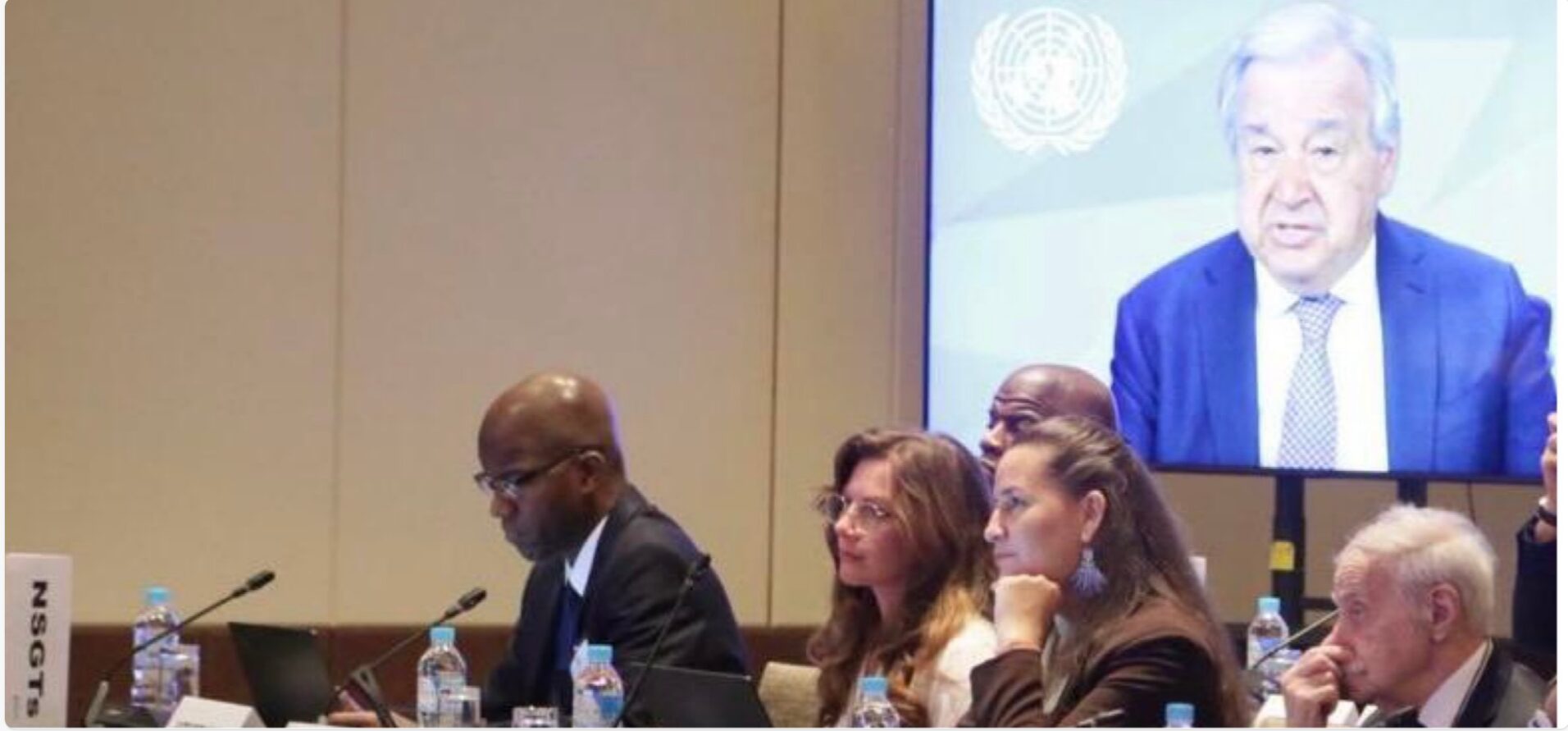
    At a recent regional decolonization seminar hosted in Managua, Nicaragua, the British Virgin Islands (BVI) has delivered a clear call to the United Nations Special Committee on Decolonization (C24) to leverage its full authority to accelerate progress toward self-determination for the 17 remaining Non-Self-Governing Territories (NSGTs) across the globe.

    The appeal was presented by BVI Special Envoy Benito Wheatley during the UN C24 Caribbean Regional Seminar on Decolonization, a gathering centered on advancing the goals of the Fourth International Decade for the Eradication of Colonialism. In his address, Wheatley laid out two key priorities for the committee to act on immediately.

    First, he called on C24 to use its formal good offices mandate to create structured dialogue frameworks between the four current administering powers — France, New Zealand, the United Kingdom, and the United States — and the territories they oversee. This dialogue, he emphasized, should be focused on supporting territories to pursue one of the three decolonization pathways officially recognized by the United Nations: full integration with the administering power, free association, or full sovereign independence.

    Second, Wheatley urged the committee to expand its efforts to approve and deploy UN visiting missions to NSGTs that request them. These on-the-ground missions are designed to allow the UN to directly assess political, economic, and social progress toward self-governance, and to document the priorities of territorial populations.

    “The Special Committee on Decolonization can make a tangible difference in advancing decolonization by employing the major tools at its disposal, which include good offices and visiting missions,” Wheatley said in his address. “Both provide useful engagement and dialogue for both the Administering Power and the Governments and peoples of those Non-Self-Governing Territories seeking a full measure of self-government.”

    Wheatley also shared an update on the BVI’s own decolonization journey. The territory is currently preparing for upcoming constitutional negotiations with the UK, with the goal of securing full internal self-governance. Following those negotiations, a public referendum is scheduled for 2025 to 2031, where BVI residents will select their preferred final decolonization status from the three UN-endorsed sovereignty options.

    The special envoy expressed gratitude for the committee’s recent support, including the deployment of a UN visiting mission to the BVI in August 2024 to assess progress toward self-determination, and its ongoing backing for the territory’s democratic institutions. But he also issued a stark warning: if the committee fails to deliver meaningful progress across all remaining NSGTs before the Fourth International Decade concludes in 2030, its ongoing relevance to the decolonization process will be called into question by the communities it is meant to serve.

    As of 2025, 17 territories remain on the UN’s official list of Non-Self-Governing Territories: American Samoa, Anguilla, Bermuda, the British Virgin Islands, the Cayman Islands, the Falkland Islands, French Polynesia, Gibraltar, Guam, Montserrat, New Caledonia, Pitcairn, Saint Helena, Tokelau, the Turks and Caicos Islands, the United States Virgin Islands, and Western Sahara. This report is based on an official press release issued by the Government of the Virgin Islands following the Managua seminar.

  • Barbados and British Virgin Islands tourism leaders receive top regional recognition at CTO awards

    Barbados and British Virgin Islands tourism leaders receive top regional recognition at CTO awards

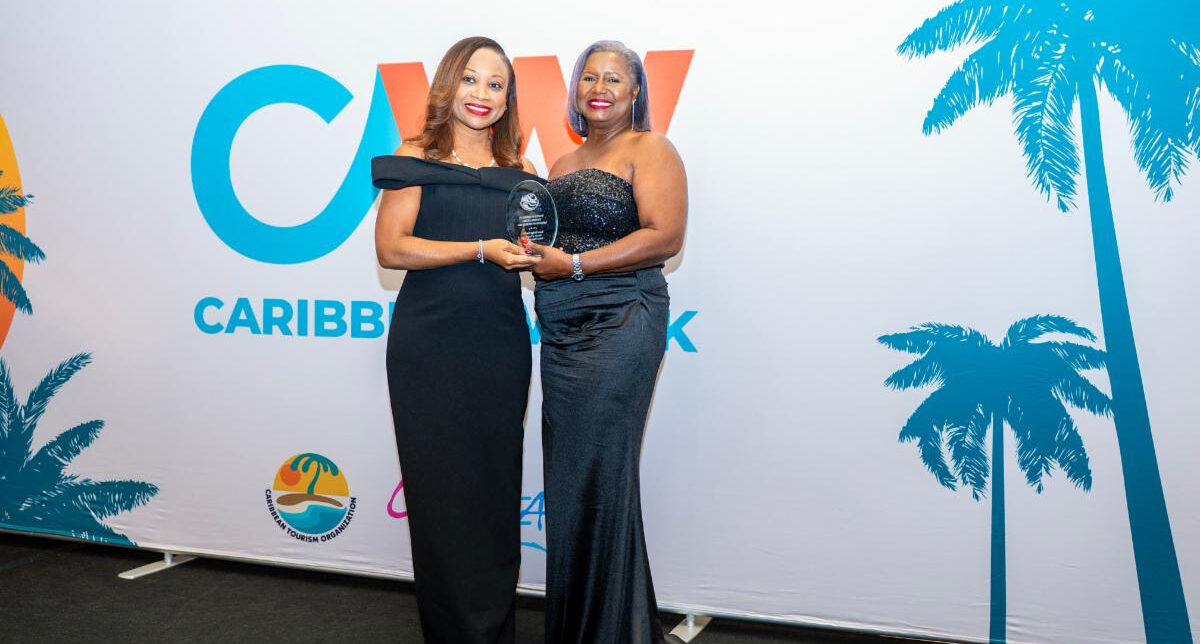
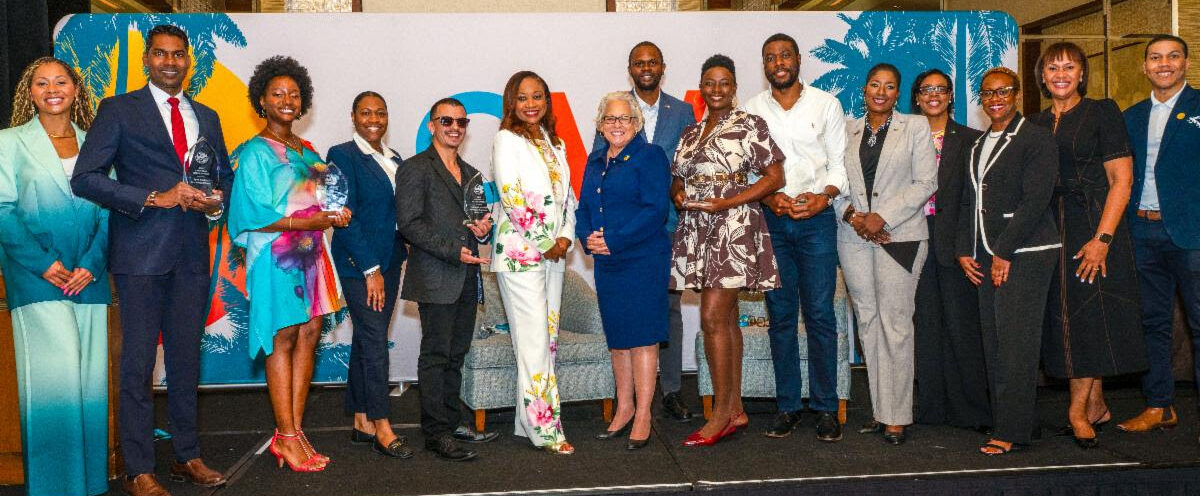
    The Caribbean Tourism Organization (CTO) capped the first day of New York’s 2026 Caribbean Week with its third annual Caribbean Women in Tourism Leadership Awards, a ceremony that celebrated outstanding female leadership across the region’s tourism sector and laid groundwork for the next generation of women industry leaders. Held on Monday at the InterContinental New York Times Square, the event drew tourism stakeholders, industry executives and government officials from across the Caribbean and beyond to honor women whose work has strengthened the sector, driven destination growth and inspired emerging talent.

    Two leading industry figures took home the event’s top annual awards, selected via peer voting among regional tourism professionals. Andrea Franklin, who serves dual roles as Chief Executive Officer of Barbados Tourism Marketing Inc. and Chair of the CTO Board of Directors, claimed the 2026 title of Director of Tourism of the Year. Luce Hodge-Smith, Junior Minister of Tourism and Culture for the British Virgin Islands, was named 2026 Minister/Commissioner of Tourism of the Year for her leadership in advancing the territory’s tourism profile.

    The CTO Secretary-General’s Distinguished Service Award was presented to Dr. Lisa Indar, Executive Director of the Caribbean Public Health Agency (CARPHA). Dr. Indar was recognized for her transformative work building safer, healthier tourism destinations across the Caribbean while advancing industry-wide adoption of sustainable tourism practices that balance growth with environmental and community stewardship.

    In one of the ceremony’s most anticipated segments, six pioneering women with decades of impact on Caribbean tourism were inducted into the Caribbean Women in Tourism Leadership Hall of Fame. The 2026 inductees are Valérie Damaseau, Commissioner of Tourism and Culture for Saint-Martin; Marsha Henderson, Minister of Tourism for St. Kitts and Nevis; Rosa Harris, Director of Tourism for the Cayman Islands; Beverly Nicholson Doty, CEO of Figment Design; Petra Roach, Director of Sales and Marketing at Wyndham Grand Barbados; and Karolin Troubetzkoy, Executive Director of Marketing and Operations at St. Lucia’s Anse Chastanet and Jade Mountain Resorts. Each inductee was honored for their enduring contributions that have shaped the Caribbean tourism landscape over decades of service.

    The event featured a keynote address from Christine Valls, Managing Director for Latin America and the Caribbean at United Airlines. Drawing on her decades of experience in the aviation and travel sector, Valls shared insights on what drives effective female leadership, the critical role of innovation and cross-sector collaboration in advancing tourism growth, and the urgency of creating accessible pathways for women to advance into leadership roles across the industry.

    Beyond honoring established leaders, the ceremony marked two major new initiatives designed to lift up the next generation of Caribbean women in tourism. Organizers launched the *From Her to Her: From Today’s Female Leaders to Tomorrow’s Tourism Stars* scholarship program, a scholarship fund created to support young Caribbean women pursuing tourism-focused higher education and career entry. A live auction held during the awards ceremony raised an initial US$13,000 for the fund, which will be administered by the CTO Foundation. Going forward, the fund will award annual financial grants to high-potential female Caribbean students enrolled in tourism-related academic programs.

    Attendees also got an exclusive first look at *From the Sea Suite*, a new print magazine from CTO that centers the stories, achievements and professional insights of influential women working across all segments of Caribbean tourism. The publication is scheduled for its official global print launch this October at the CTO State of the Tourism Industry Conference, which will be hosted in Georgetown, Guyana from October 5 to 9, 2026.

    In a statement shared after the event, CTO leadership emphasized that the awards program, backed by the Antigua and Barbuda Tourism Authority, fills a critical gap in recognizing the outsized contribution of women to Caribbean tourism, one of the region’s most vital economic sectors. Beyond recognition, the initiative seeks to build a legacy of mentorship and opportunity that will keep the Caribbean tourism industry growing and inclusive for decades to come.

  • Historic Papal apology highlights Vatican’s role in sanctioning slavery

    Historic Papal apology highlights Vatican’s role in sanctioning slavery

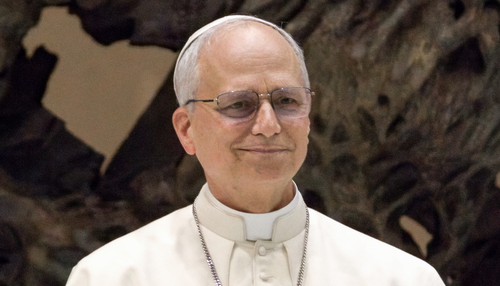
    In a watershed moment for the global Catholic Church, Pope Leo XIV has delivered what leading theologians and historians broadly agree is the most unreserved papal apology in history for the institutional Church’s centuries-long role in legitimizing chattel slavery and delaying its formal condemnation, framing the long-overdue step as a critical prerequisite for meaningful redress.

    The apology was formally unveiled in the pontiff’s May 25, 2026 encyclical *Magnifica Humanitas* (“Magnificent Humanity”), a document that opens with a discussion of artificial intelligence before turning to confront the Church’s historical sins, drawing a direct line between the transatlantic slave trade authorized by past papal edicts and the new forms of exploitative power and neocolonialism taking shape in the digital age.

    Historical records confirm that while the Vatican has long claimed it always upheld the inherent dignity of all people as children of God, 15th-century papal directives explicitly granted European rulers permission to conquer Indigenous lands across Africa and the Americas and enslave non-Christian populations. The 1452 papal bull *Dum Diversas*, issued by Pope Nicholas V, gave the Portuguese crown authority to “invade, conquer, fight and subjugate” non-Christian communities and force them into “perpetual slavery”. A second 1455 bull, *Romanus Pontifex*, expanded these powers and laid the legal and theological groundwork for the Doctrine of Discovery, a framework that would be used for centuries to justify colonial land grabs and the systematic enslavement of African and Indigenous peoples. According to Jesuit historian Christopher J. Kellerman, these policies received endorsement from multiple successive popes over generations.

    In his address accompanying the encyclical, Pope Leo characterized the transatlantic slave trade as an “open wound in Christian memory.” He explicitly acknowledged that the apostolic See repeatedly intervened to regulate and legitimize systems of subjugation, including the enslavement of people labeled as “infidels” by Church leaders.

    Prior papal efforts to address the Church’s role in slavery have been far more limited. In 1888, Pope Leo XIII — the current pontiff’s namesake — became the first pope to formally condemn slavery, a step that came decades after most nations had already abolished the transatlantic trade. More recently, in 1992, Pope John Paul II delivered a speech on Senegal’s Gorée Island, once a central departure point for enslaved people bound for the Americas, in which he asked for forgiveness for the “heinous acts” of “baptized people” who failed to live out their faith. However, he stopped short of holding the institutional Church itself accountable.

    By contrast, Pope Leo’s apology is the first to explicitly recognize the Vatican’s institutional responsibility for legitimizing slavery, a distinction that scholars and activists have emphasized. Anna Rowlands, a professor of Catholic thought at Durham University who took part in the encyclical’s official presentation, told the National Catholic Reporter that the document frames this reckoning as a collective responsibility for the entire global Church, not just a failure of individual Christians.

    Historians have long documented that slavery was embedded within Church institutions for hundreds of years, drawing sustained criticism from Pan-African and radical thinkers. One of the most well-documented examples, cited in an NPR report, involves the U.S.-based Society of Jesus (the Jesuits). In 1838, Jesuit leaders sold 272 enslaved men, women, and children from their Maryland plantations to slaveholders in Louisiana, a transaction that propped up the Church’s financial standing in the young United States. Journalist and author Rachel Swarns chronicled this history in her book *The 272: The Families Who Were Enslaved and Sold to Build the American Catholic Church*, revealing that Jesuit priests prayed for the souls of the enslaved people they owned, while violently exploiting their labor.

    Caribbean intellectuals have also long called out the Church’s role as a core participant in colonial systems of exploitation. Guyanese historian Sir Walter Rodney, in his 1972 foundational work *How Europe Underdeveloped Africa*, framed the gap between Christian teachings of equality and the Church’s active participation in slavery as a defining example of institutional hypocrisy. Rodney argued that the Church-sanctioned ideology of European “divine right” to Africa and its resources created a deeply ingrained racist system that formed the backbone of global colonial infrastructure whose harms persist today.

    The historic apology has been widely welcomed by Black Catholic scholars and activists, who have spent decades organizing to pressure the Vatican to directly confront its institutional role in slavery. Shannen Dee Williams, a historian and author at the University of Dayton, told America Magazine that the pope’s statement marks a “monumental step” toward collective truth-telling and reparative justice. Williams noted that generations of Black Catholics have waited for the Vatican to openly acknowledge the Church’s involvement in the transatlantic slave trade, chattel slavery, and the ongoing legacy of anti-Black racism, saying: “The Catholic Church has never been an innocent bystander in the history of white supremacy.”

    With more than 200 million Black Catholics across the globe, the apology comes amid a growing global movement demanding reparations for the harms of slavery and colonialism. Observers expect the announcement will open new avenues for ongoing dialogue about institutional accountability and redress within the global Catholic Church in the coming years.

  • COMMENTARY: Eddie Toulon and the Frontline Cooperative Bookstore – The architecture of Dominican nation building via education, cooperative economics and cultural rendition

    COMMENTARY: Eddie Toulon and the Frontline Cooperative Bookstore – The architecture of Dominican nation building via education, cooperative economics and cultural rendition

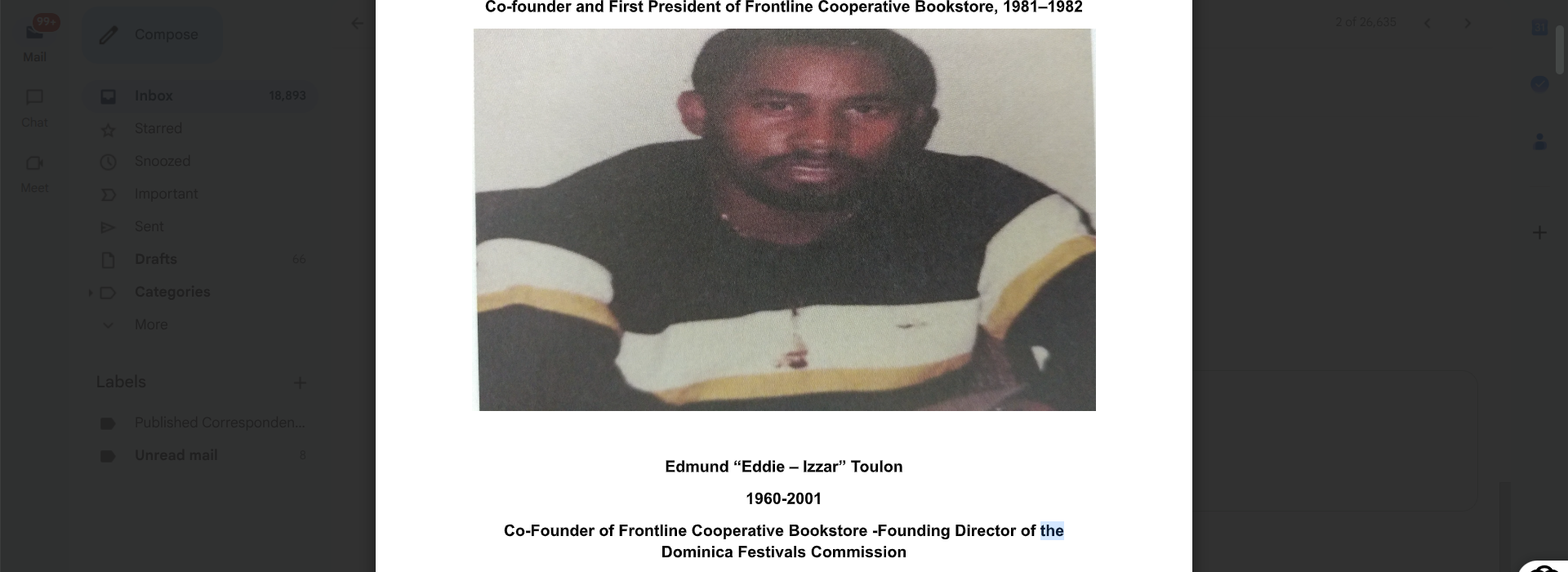
    In the decades following Dominica’s independence, few institutions have shaped the country’s national identity and collective consciousness as profoundly as the Frontline Cooperative Bookstore. More than just a retail space for books, it emerged as a movement for mental liberation, cultural pride, cooperative development, and Pan-African solidarity—led by a visionary Dominican activist named Edmund A. “Eddie” “Izzar” Toulon, whose legacy continues to resonate across the island long after his passing and the bookstore’s closure.

    Born in Roseau in 1960 to a family rooted in public service and discipline, Toulon cut his teeth politically during his years studying and working in London from the 1970s to early 1980s. Immersed in West London’s vibrant world of Black British activism, Caribbean migrant organizing, Pan-Africanist thought, and working-class resistance, he developed a core belief: education and cultural identity are the most powerful tools for marginalized communities to claim empowerment. Working as a social worker in North Paddington connected him directly to the struggles of working-class Caribbean and African families, while his time as lead vocalist for the band Samaritans reinforced his understanding that music and liberation are inseparable.

    When Toulon returned to his native Dominica in 1981, he gathered with fellow activists Sonny Felix, Alvin Bertnard, and Gabriel Christian to turn his vision into action. The group drew inspiration from Cadre Number One (also known as the Sisserou Youth Movement), the Roseau branch of the Popular Independence Committee led by Rosie Douglas, which was rooted in the broad currents of Dominican nationalism, anti-colonial thought, Black consciousness, and socialist development that swept the Caribbean in the decades before and after independence. For the founding generation, political independence alone was not enough: without mental liberation, Dominica would remain trapped in neocolonial dependency, racial insecurity, and foreign economic control. A people disconnected from their own history, they argued, could never shape their own future. So they built Frontline as a people’s university, a school without walls, and a hub for national awakening, opening its doors in Roseau in 1982 with the motto “Knowledge Conquers All.”

    From its humble beginnings—starting with just two tea chests of donated books in a small rented basement space—Frontline grew into one of Dominica’s most influential cultural institutions. Located on Queen Mary Street in Roseau, it intentionally stocked Afro-Caribbean, African, Indigenous, Third World, and local Dominican literature that was largely unavailable from mainstream booksellers. It centered stories of African and Kalinago heritage, maroon resistance to enslavement, and anti-colonial struggle, rejecting the colonial narratives that had long taught Dominicans to devalue their own culture and prioritize foreign approval. Operating on cooperative principles rather than pure profit motive, it expanded far beyond a bookstore, evolving into a cultural center, music outlet, photographic studio, printing shop, and publishing house that created local jobs, trained young workers, and promoted local Dominican writers.

    One of Frontline’s most enduring contributions was *Rampart* magazine, a radical cultural platform named for its mission to defend resistance and break colonial barriers. Through three editions, *Rampart* gave a voice to Dominican poets, essayists, artists, and thinkers, publishing work that challenged colonial myths (including critical essays debunking the celebration of Christopher Columbus), centering women’s roles in national development, and affirming solidarity with anti-apartheid movements in southern Africa. Every poem and essay was a deliberate act of consciousness-raising, designed to free Dominicans from the inferiority complexes imposed by colonial rule and prove that the island had its own unique history, heroes, and creative genius worth celebrating.

    Under Toulon’s leadership, Frontline also embraced popular culture as a core part of its nation-building project. It promoted major concerts featuring top regional and international Caribbean artists, from Gregory Isaacs and Burning Spear to Chalkdust, turning the events into cultural gatherings that connected Dominica to the wider African diaspora. It launched the “Caribbean Heroes” silk-screen project to celebrate regional icons, documented national history and community life through its photography service, and organized the 1988 “Vwa Dominik” tour to London, bringing Dominican performers to West Indian migrant communities for a powerful act of diaspora connection to mark the country’s tenth independence anniversary. Frontline also proved the power of cooperative economics: it grew from its small rented space to own its own facility, housing a bookstore, darkroom, printshop, and research library, contributed to national scholarship funds and school charities, and showed that collective, community-led effort could build lasting institutions that served the public good.

    After decades leading Frontline, Toulon carried his commitment to community and culture into wider public service. In 1992, he was elected the first Mayor of the Canefield Urban Council, serving two consecutive terms and also leading the national local government authority, all while chairing the National Education Trust Fund. In 1997, he became the first Executive Director of the newly created Dominica Festivals Commission, where he realized his long-held vision of culture as national infrastructure: he organized and built the World Creole Music Festival, which grew into Dominica’s flagship cultural event and major tourist attraction, putting the island’s Creole identity, music, and heritage on the global map.

    Tragically, Toulon died suddenly from a fatal asthma attack in 2001 at just 41 years old, shocking the entire nation. Thousands of Dominicans lined the streets of Roseau to pay their respects, and his friend Gabriel J. Christian famously eulogized him as a fallen giant Gommier tree: a large, shade-giving native tree that had sheltered generations of young writers, artists, activists, and citizens, nourishing a movement of cultural pride and national service.

    After Toulon’s death, Frontline struggled on for another nine years, held together by the valiant efforts of supporters including Harold Sealey and Zenith Jean-Jacques, before closing its doors in 2010 after 29 years of operation. But its legacy, and Toulon’s, did not die with the bookstore. Toulon left behind enduring institutions: Rampart magazine, the World Creole Music Festival, the model of cooperative community development, and a blueprint for cultural leadership that proves small nations can stand tall through embracing their own identity.

    Decades later, the core lesson of Frontline and Eddie Toulon remains clear: a nation is not built only by roads, buildings, budgets, and elections. It is built first in the minds of its people, in their imagination, their shared history, their books, their songs, their cooperative efforts, and their pride in the heritage of their ancestors. It is a lesson summed up in the bookstore’s enduring motto, which still resonates with undiminished power across Dominica today: Knowledge Conquers All.

  • OP-ED: The cost of money in the ECCU – Why Caribbean lending rates are where they are, and the strategic decision now in front of the region.

    OP-ED: The cost of money in the ECCU – Why Caribbean lending rates are where they are, and the strategic decision now in front of the region.

    In early March 2026, the Caribbean Development Bank (CDB) held its annual press briefing in Bridgetown, where President Daniel M. Best framed the coming ten years as the Eastern Caribbean’s “decade of decision”. This label comes against a stark backdrop: the region requires $65.2 billion in targeted financing between 2024 and 2033 to avoid prolonged economic stagnation, a need that aligns with CDB’s new 10-year strategic plan built on three core pillars: social, economic, and environmental resilience. Two months later, the Monetary Council of the Eastern Caribbean Central Bank (ECCB) reaffirmed its commitment to Governor Timothy Antoine’s “Big Push for Shared Prosperity and Resilience”, an ambitious strategy to double the size of Eastern Caribbean Currency Union (ECCU) economies over the decade through coordinated action across six priority areas: food and nutrition security, energy security, digital transformation, human capital development, financial wealth creation, and trade logistics and shipping.

    This opening piece of the new Caribbean Banking Series, building on the April 2026 analysis *The ECCU’s Decade of Decision* which argued the next 24 months will set the region’s economic trajectory for 20 years, asks a critical question that underpins all these institutional ambitions: is the current cost of borrowing in the ECCU compatible with delivering on these strategic goals? This analysis examines the issue through four core angles: variation in lending rates across the ECCU’s eight member states, international benchmark comparisons, the size of bank intermediation spreads, and the alternative model offered by the region’s credit union sector, before connecting findings to the region’s shared strategic agenda.

    ### One Currency Union, Eight Distinct Lending Markets
    Despite sharing a single pegged currency (the Eastern Caribbean dollar, fixed at EC$2.70 to US$1), a unified central bank, and harmonized financial regulation, the ECCU’s eight member states see dramatic variation in commercial bank lending rates. Data for ECCB-supervised commercial banks shows the highest average lending rate is 340 basis points above the lowest. A small business owner seeking a loan in St. Vincent and the Grenadines pays substantially more than an identical borrower in Anguilla or Montserrat, even though the ECCB’s 2% minimum savings rate has been uniformly enforced across the entire union since 2015.

    While legitimate factors such as differing national public debt profiles, fiscal positions, credit risk concentrations, and sectoral exposures explain some of this gap, the analysis raises a key question: can 3.4 percentage points of spread within a single currency union be fully explained by these factors, or does it also stem from unaddressed market fragmentation, limited cross-border competition between regional banks, and missing price discovery mechanisms that the ECCU’s existing institutional framework is well positioned to fix? It is worth noting that credit unions, which operate under national regulators and provide a large share of consumer and small business lending across many ECCU economies, are excluded from this commercial bank dataset and are examined separately later in the analysis.

    ### How ECCU Lending Rates Stack Up Globally
    To put the ECCU’s lending landscape in global context, the analysis benchmarks regional rates against three comparators: the Euro Area, U.S. prime rate, and Trinidad and Tobago. As of mid-2025, the average Euro Area business lending rate sits at 3.3%, while U.S. prime hovers around 7.5%, Trinidad and Tobago’s average lending rate hits 8.5%, and the ECCU’s average commercial lending rate comes in at 8.2%. For agricultural lending, a sector identified as critical to the region’s goal of cutting food import costs and boosting food security, average ECCU rates range from 10% to 12%, with a midpoint of 11.5% — an 820 basis point gap over Euro Area business lending.

    This massive structural difference in the cost of capital creates a significant competitive disadvantage for ECCU businesses competing against European producers in global export markets. A regional farmer paying 11-12% for working capital operates with a cost of capital that European competitors have not faced in a generation. This issue extends far beyond agricultural competitiveness: high borrowing costs raise the cost structure for all regional businesses, erode housing affordability, discourage new entrepreneurship, and dissuade diaspora communities from investing their savings back into the region.

    ### The Intermediation Spread: A Structural Marker of Limited Competition
    The gap between what banks pay depositors for savings and what they charge borrowers for loans — called the intermediation spread — is the core profit margin for retail banking, and its size reveals key insights about market competition and capital mobilization efficiency. Between 2018 and 2025, the ECCU’s average intermediation spread held steady between 6.0 and 6.4 percentage points, even as Euro Area benchmark business lending rates fluctuated between 1.7% and 4.3% over the same period. With a regulated 2% minimum savings rate for ECCU depositors and an average commercial lending rate just above 8%, this wide margin has remained remarkably consistent.

    Some portion of this wider spread can be explained by structural realities: higher per-customer operating costs, elevated correspondent banking expenses, smaller economies of scale, and more concentrated credit risk across regional banking portfolios. The 2026 IMF Article IV Staff Report has recognized the region’s sustained macroeconomic stability, while also echoing the ECCB Monetary Council’s focus on addressing growth headwinds. The stability the region has achieved is a critical win, but it comes with a tangible cost to long-term growth that cannot be ignored. The core strategic challenge now is to preserve that hard-won stability while reducing borrowing costs to unlock growth.

    ### Credit Unions Prove Lower-Cost Lending Is Feasible
    Credit unions are a major player in the ECCU’s credit market, particularly for consumer loans, small mortgages, and small and medium enterprise (SME) financing, so any complete analysis of regional borrowing costs must examine their model alongside commercial banks. The ECCB has already recognized the sector’s importance through its regional Credit Bureau initiative, which integrates credit reporting from banks, credit unions, other lenders, and government agencies across the union.

    Data shows the weighted average lending rate for credit unions across all eight ECCU member states is 130 to 220 basis points lower than commercial bank rates, with the largest gap occurring in member states where commercial bank rates are the highest. This performance provides empirical proof that lower-margin banking is operationally viable in the Caribbean. As member-owned cooperatives with different fee structures, lending assumptions, and reserve requirements, credit unions deliver substantially lower borrowing costs while still offering competitive returns to depositors. This feasibility opens a critical policy question: what regulatory, institutional, and capital market reforms could allow the broader commercial banking sector to achieve similar low spreads while maintaining the region’s commitment to financial stability?

    ### How Borrowing Costs Undermine Regional Strategic Goals
    Multiple major regional strategic agendas are already on the table: the CDB’s 10-year plan calling for $65.2 billion in regional financing, the ECCB’s Big Push to double ECCU GDP, CARICOM’s 25 by 2025+5 framework to cut the region’s $17 billion annual food import bill, and the Bridgetown Initiative to build a fit-for-purpose climate finance architecture for small island developing states. There is broad institutional consensus around these goals, but high borrowing costs directly undermine their delivery.

    For example, achieving food security requires massive capital investment in regional agriculture, but Caribbean farmers paying 10-12% for loans cannot compete on a level playing field with European farmers paying 3.3%. The same logic applies to every other priority: climate-resilient infrastructure, medical tourism, digital transformation, and trade logistics. As this series’ earlier analysis of regional aviation (*Grounded: The Case for a Unified ECCU and CARICOM Transport Strategy*) documented, 52% of the cost of a typical intra-Caribbean airline ticket comes from government taxes, fees, and charges. Just as excessive taxes raise operating costs, high capital costs do the same: a regional airline financing new aircraft at a cost of capital 400 to 600 basis points higher than international peers carries a permanent structural disadvantage that compounds existing tax burdens. Tax reform and borrowing cost reform are complementary policy tools — both are required to drive growth, and neither can deliver results alone.

    ### Existing Institutional Tools Are Already in Place
    The ECCB’s formal mandate explicitly requires the institution to “promote credit and exchange conditions and a sound financial structure conducive to the balanced growth and development of the economies” of its member territories. It already has multiple policy tools in place to address borrowing costs: a current discount rate of 3.0% for short-term credit and 4.5% for long-term credit, the Eastern Caribbean Partial Credit Guarantee Corporation to mitigate credit risk premiums for priority lending segments, and the Regional Government Securities Market (RGSM) which has raised over $20 billion since 2001, with the 2025 Retail Bond Initiative expanding the investor base by cutting the minimum investment to just EC$500.

    Added to these are the 2026 ECCB move to integrate the CARICOM Payments and Settlement System and the CDB’s expanded lending capacity. Taken together, these tools give the region more institutional capacity to address high borrowing costs than it has had in 30 years.

    ### Core Strategic Takeaways for the Next Phase
    Three key conclusions emerge to support the ongoing work of regional central banks, finance ministries, the CDB, the Caribbean Association of Banks, and bank leadership across the region. First, the ECCU already has a more extensive institutional toolkit to address this issue than public discourse typically recognizes. Coordinated, sequenced use of these existing tools targeting the highest cost-of-capital pressure points would amplify their impact far beyond what individual interventions can achieve.

    Second, the credit union sector’s consistently lower intermediation spreads provide clear empirical proof that lower-cost financial intermediation is feasible in the ECCU. The next step, already underway through the Credit Bureau initiative, is to identify what regulatory and institutional reforms can translate this proven model to the broader commercial banking sector while preserving financial stability.

    Third, lasting reform of borrowing costs in the ECCU requires addressing the region’s connectivity to the global financial system. External factors including correspondent banking relationships, global de-risking pressures, and extra-regional regulatory frameworks all shape the intermediation costs that ECCU banks face. The next installment of this series will examine this critical dimension in depth.

    ### Opening the Conversation
    In 2026, the ECCU has more institutional capacity, international partnership infrastructure, and analytical sophistication to address its economic challenges than at any point in the past 30 years. The ECCB and its Monetary Council, the CDB with its 10-year strategic plan, the Caribbean Association of Banks, the IMF through its 2026 Article IV engagement, and the credit union sector have all reached consensus that the next decade requires bold, coordinated action. All the institutional building blocks are in place. What matters now is the depth and speed of work to turn that institutional capacity into tangible operational outcomes that reduce borrowing costs and unlock growth.

    This commentary launches the Caribbean Banking Series, an ongoing analytical project examining the cost of capital, credit market structure, and the regional financial system’s global connectivity. The next piece, *Banked, But for How Long? Caribbean Correspondent Banking at a Strategic Inflection*, will dive into global connectivity challenges, including rising cross-border banking costs, a decade of steady attrition in correspondent banking relationships, and the impact of emerging global stablecoin and digital asset payment infrastructure on regional banks’ access to the global financial system.

  • Afreximbank deepens partnership with Jamaica as Africa-Caribbean economic links expand

    Afreximbank deepens partnership with Jamaica as Africa-Caribbean economic links expand

    In a landmark move to deepen economic ties between Africa and the Caribbean, the African Export-Import Bank (Afreximbank) hosted its inaugural regional roadshow in Kingston, Jamaica on June 2, underscoring the region’s rising priority in the bank’s global strategy for cross-continental trade, investment and collaborative development.

    Branded under the theme “Empowering Jamaica’s Growth: Catalysing Trade, Investment and Industrialisation through Tailored Afreximbank Solutions”, the event comes on the heels of two major milestones in the bilateral relationship: Jamaica signed a formal partnership agreement with Afreximbank in July 2025, and the bank shortly after approved a $5 billion multi-country financing facility that allocates resources for Jamaica and other Caribbean nations.

    The roadshow drew a diverse audience of stakeholders, including senior government officials, private sector leaders, and representatives from local and regional financial institutions. For Jamaican attendees, the gathering served as a hands-on opportunity to explore the full scope of Afreximbank’s offerings, from structured trade financing instruments and trade facilitation programs to targeted investment advisory services. For Afreximbank, the engagement provided invaluable on-the-ground insight into Jamaica’s core economic priorities, untapped investment openings, and specific financing needs to inform future tailored support.

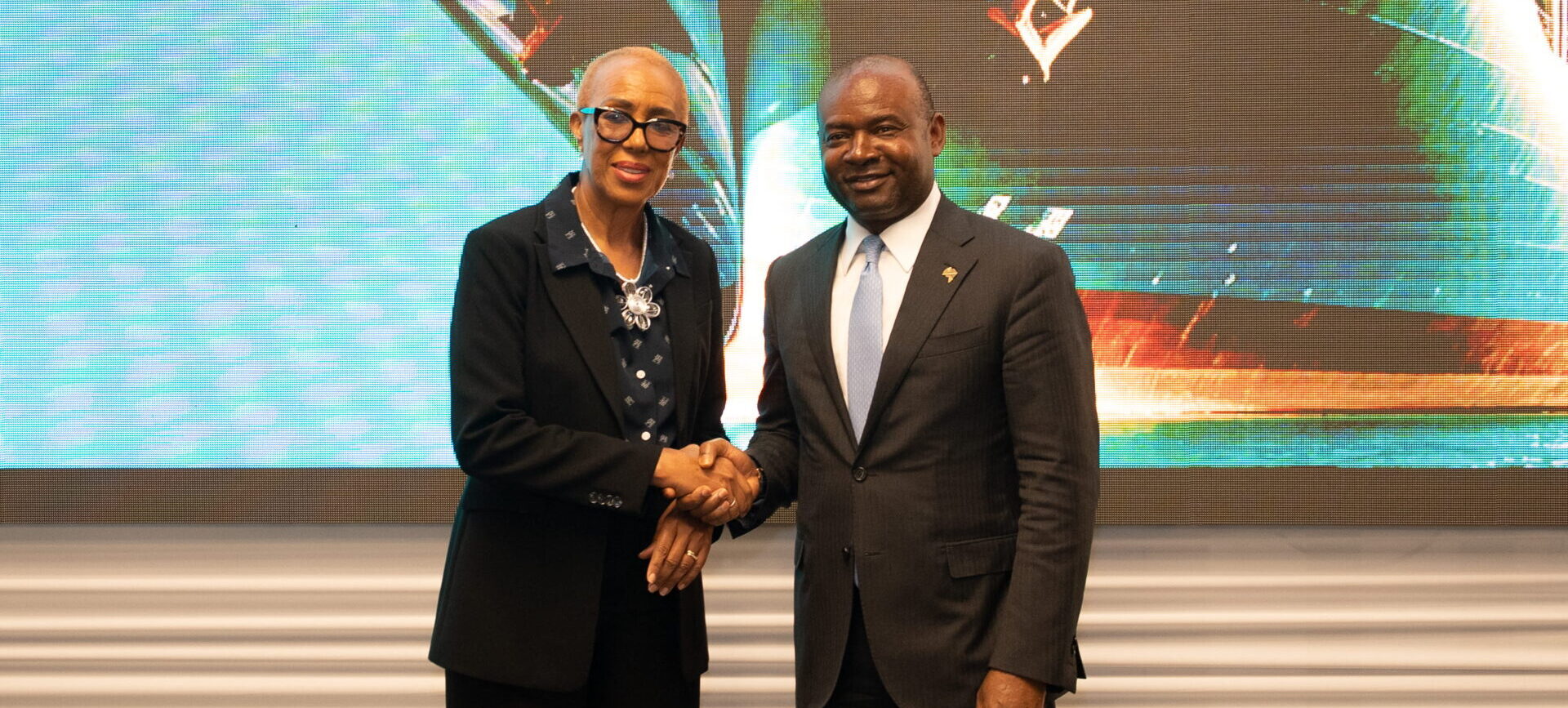
    Opening the event, Jamaica’s Minister of Finance and the Public Service, Hon. Fayval Williams, celebrated the deepening alliance between the Caribbean nation and the pan-African financial institution. She noted that for over 30 years, Afreximbank has built a proven track record of delivering transformative financing that boosts trade and drives inclusive growth across the African continent, and its expanding footprint in the Caribbean marks a new chapter of mutually beneficial collaboration. “I encourage all Jamaican institutions represented here today to deepen their engagement with Afreximbank so that, together, we can unlock greater opportunities for two-way trade and investment between Jamaica and Africa,” Williams said in her address.

    Afreximbank leaders emphasized that Jamaica’s strategic geographic and economic position leaves it uniquely primed to capture outsized benefits from growing Africa-Caribbean trade and investment flows, particularly for initiatives focused on advancing industrial development and value-added production.

    Eric Monchu Intong, Afreximbank’s Group Managing Director for Client Relations and Regional Office Operations, drew on the bank’s decades of experience supporting industrial infrastructure across Africa to frame Jamaica’s growth opportunity. Intong highlighted the bank’s extensive work financing industrial parks, special economic zones, and local manufacturing projects across 18 African nations, including a $450 million global credit facility in partnership with ARISE IIP that has scaled up industrial development across the continent.

    “At Afreximbank, we believe that industrialisation is the foundation of sustainable trade and economic transformation. To trade successfully with Global Africa, we must first produce,” Intong said. “Through investments in industrial parks, special economic zones and local manufacturing, Jamaica has an opportunity to reduce import dependence, increase value-added exports, create jobs and strengthen its economic resilience. We believe these lessons and solutions can be adapted to support Jamaica’s industrial growth ambitions and unlock new opportunities for trade, investment and economic development.”

    The Kingston roadshow forms a core component of Afreximbank’s broader Global Africa agenda, which centers on building robust, mutually beneficial commercial and financial linkages between African and Caribbean economies. The bank has reiterated its long-term commitment to expanding both intra-Caribbean trade and Africa-Caribbean trade by increasing local access to affordable financing, patient investment capital, and specialized industry advisory services.

  • New book by Dominican author on Caribbean WWII history donated to secondary schools in Dominica

    New book by Dominican author on Caribbean WWII history donated to secondary schools in Dominica

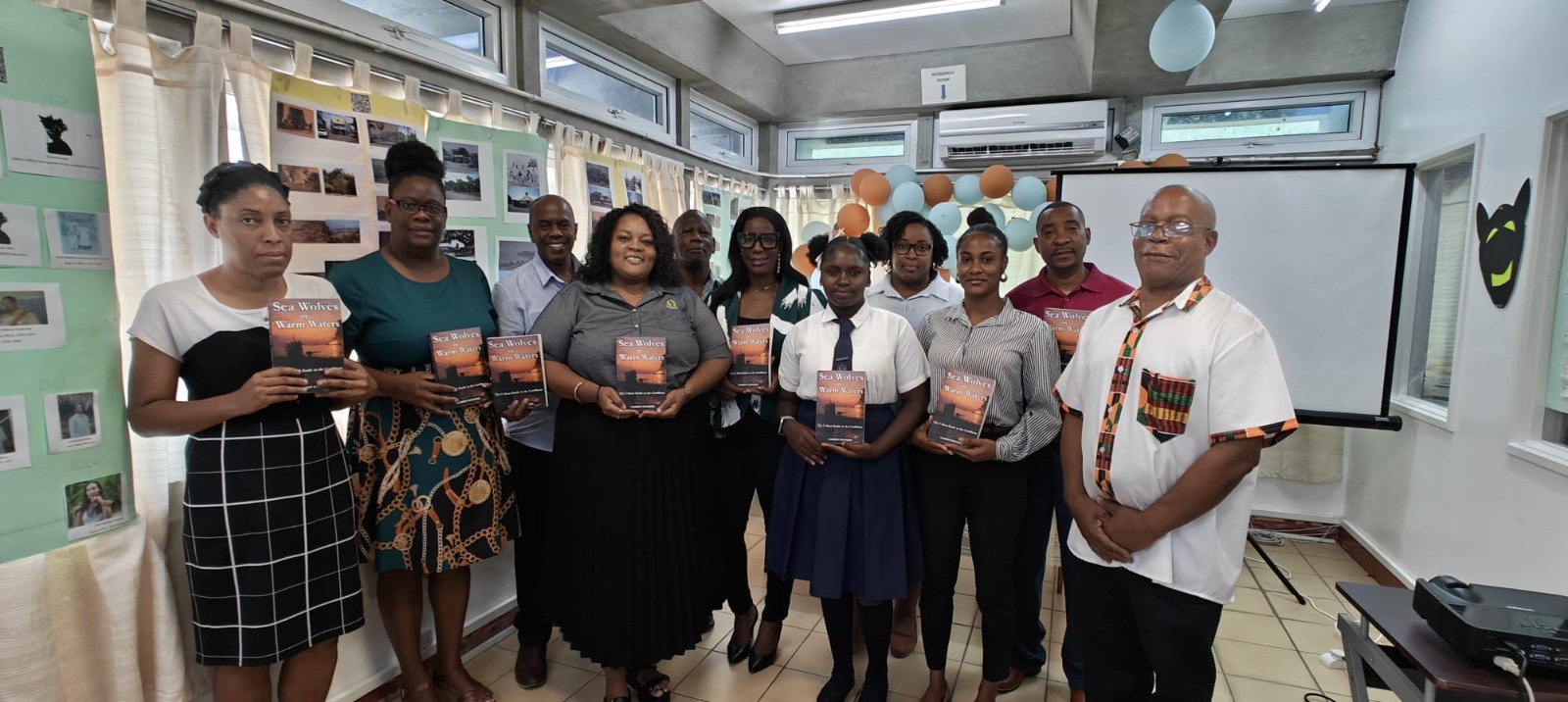
    A meaningful initiative to expand local access to regionally focused historical literature has brought 11 complimentary copies of *Sea Wolves in Warm Waters: The U-Boat Battle in the Caribbean* to secondary schools and the state college across Dominica. Written by Dominican author Clement Richards, the new book sheds light on a largely forgotten chapter of World War II history that unfolded in Caribbean waters, and the donation was organized through a cross-border partnership between the U.S.-based Law Offices of Gabriel J. Christian & Associates LLC and the non-profit Rebuild Dominica Organization.

    This educational collaboration is rooted in a clear core mission: to strengthen public historical awareness across the island, boost support for local and regional literary creators, and encourage more students and residents to engage with works written by authors from the Caribbean. For Richards, who made his literary debut last year with the novel *Indian Warner: Son of Two Worlds*, the latest release is far more than a new publication—it is a deliberate effort to pull overlooked history back into public view. During the event, Richards emphasized that German U-boat operations in the Caribbean during World War II represent a critical, yet commonly ignored, segment of the region’s modern history. His work is designed to inform readers both in the Caribbean and across the globe about the lasting importance of this understudied period.

    The official handover ceremony was hosted at the Archives Unit on Kennedy Avenue in Roseau, Dominica’s capital. The event drew representatives from all recipient institutions, local educational leaders, and community members. In addition to opening and closing remarks from Richards and Prince St Jean, Officer-in-Charge of the Dominica Library and Information Service, the ceremony featured interactive elements that brought the book’s content to life: Yoland Blaize, a student from St. Martin Secondary School, shared a dramatic reading of a key excerpt from the text, while Brenda Barzey of Pierre Charles Secondary School delivered a formal acceptance speech on behalf of all 11 participating schools and colleges.

    The full list of recipient institutions includes 10 secondary schools and Dominica State College: Castle Bruce Secondary, Dominica Grammar School, North East Comprehensive, Pierre Charles Secondary, Convent High, St. Martin Secondary, St. Mary’s Academy, Wesley High, Portsmouth Secondary, and Isaiah Thomas Secondary.

    Organizers of the donation project have articulated long-term hopes for the initiative. Beyond simply placing new books on school library shelves, they expect the donation to expand student access to historically relevant works rooted in local and regional context, and spark deeper curiosity about Dominica’s place in both Caribbean history and broader global historical events. The project also underscores a growing movement across Caribbean education systems to center more works by local and regional authors in curricula and library collections, ensuring that young people can develop a more nuanced, comprehensive understanding of their own cultural heritage and shared history.

  • Dominica launches 2026 Tourism Awareness Program with focus on wellness

    Dominica launches 2026 Tourism Awareness Program with focus on wellness

    The Caribbean island of Dominica has officially kicked off its 2026 Tourism Awareness Program, a strategic initiative designed to leverage wellness tourism as a core engine for accelerating destination growth and boosting competitive advantage in the global travel market.

    Organized under the overarching theme “Positioning Dominica through Wellness Tourism” with a public engagement slogan “Be Well in Nature,” the program prioritizes inclusive local community participation, environmentally sustainable development, and centering the island’s one-of-a-kind natural assets. A full slate of events and outreach activities will run through the end of July, engaging stakeholders across every level of Dominican society.

    Claudius Lestrade, Permanent Secretary at the Ministry of Tourism, emphasized that wellness tourism is a natural strategic fit for Dominica, which boasts abundant untapped geothermal reserves, pristine rivers and ancient rainforests, generations-old agricultural traditions, and rich, living cultural heritage. He pointed to the massive scale of the global wellness tourism market—valued at $814 billion in 2022—as a transformative opportunity for the island to carve out a reputation as the Caribbean’s leading wellness destination.

    Lestrade also underlined that coordinated collaboration between local communities, private tourism businesses, and government agencies is critical to delivering high-quality, authentic experiences for visitors while protecting Dominica’s fragile natural and cultural resources for future generations.

    Recent industry data confirms that Dominica’s tourism sector is already on a strong upward trajectory. In 2025, total visitor arrivals grew 15% year-over-year to hit 496,635. Overnight stayover arrivals rose an even faster 19% to reach 99,846, while cruise ship passenger arrivals increased 14% to 382,923. These solid gains reflect the momentum building as the island shifts its tourism focus toward wellness-centered offerings.

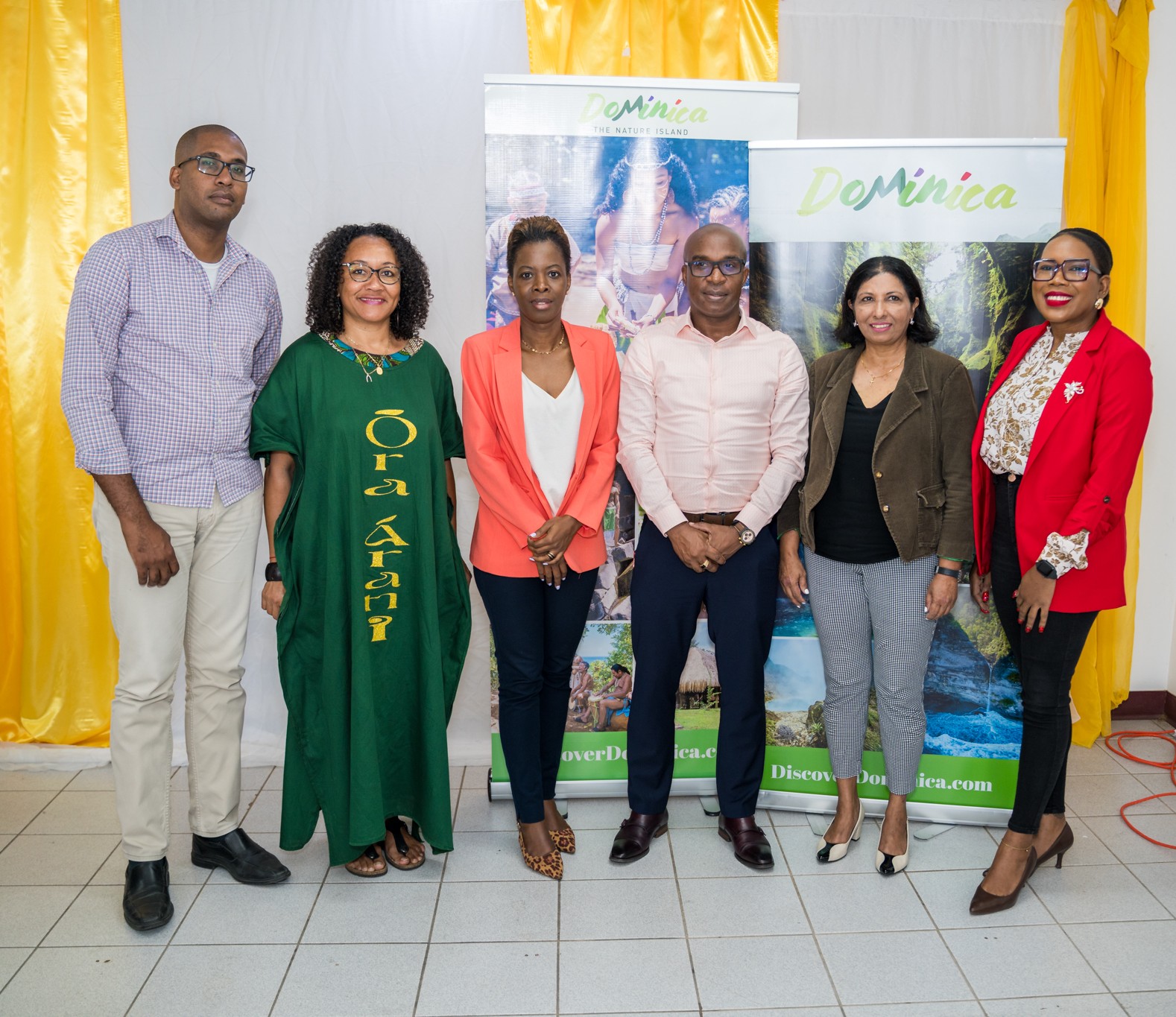
    Odile Jno Baptiste, Product Promotions Manager for the Discover Dominica Authority (DDA), detailed the wide range of program activities crafted to engage secondary school students, local wellness practitioners, small business entrepreneurs, and the general public. She emphasized that growing the wellness tourism sector delivers tangible benefits directly to local residents, supporting small business owners, family farmers, and community groups, while also encouraging healthier lifestyles and greater environmental stewardship across the island.

    Wendy Lake, Destination Marketing Manager, who delivered her first public address after taking up the new role on June 1, noted that wellness tourism in Dominica extends far beyond luxury spas and isolated retreats. Instead, the initiative focuses on creating accessible, welcoming spaces that allow visitors to step away from the stress of daily life, recharge, and reconnect with nature and local culture. Every stakeholder, she said, from frontline hotel staff to local taxi drivers, has a part to play in creating a memorable, authentic wellness experience for visitors.

    The 2026 Tourism Awareness Program features a packed schedule of public and industry events:
    – June 10: Poetry Competition open to secondary school students aged 14 to 16, focused on themes of nature and wellness
    – June 11: Stakeholder Panel Discussion titled “Wellness Tourism in Dominica: A Destination That Benefits Everyone,” hosted at Jungle Bay Resort and Spa
    – July 4: Public Wellness Fair held at the UWI Global Campus, offering free health screenings, wellness consultations, and interactive nature-focused experiences
    – July 19: Local Mocktail Challenge, showcasing indigenous Dominican ingredients and culinary creativity
    – July 28: Annual Tourism Service Excellence Awards, honoring outstanding contributions to the tourism industry across all sectors

    Additional programming includes a multi-day Hike Fest, official celebrations for Global Wellness Day, hosted wellness retreats, and a range of community-led initiatives that connect visitors directly to local life.

    Ultimately, the program seeks to deepen public understanding of tourism’s economic and social role across Dominica, while strengthening the island’s global brand as the “Nature Island of the Caribbean.” By centering visitor experiences rooted in wellness, natural connection, and community engagement, the initiative advances long-term sustainable growth and cements Dominica’s position as a top destination for travelers looking to disconnect, recharge, and reconnect with the natural world.

    Updates on the 2026 Tourism Awareness Program will be posted regularly to the Dominica Tourism Updates Facebook page and the Discover Dominica Authority LinkedIn page.

  • CTO recognizes outstanding media contributions during Caribbean Week in New York

    CTO recognizes outstanding media contributions during Caribbean Week in New York

    Held alongside Caribbean Week in New York City, the annual Caribbean Media Awards Luncheon, hosted by the Caribbean Tourism Organization (CTO) and sponsored by the Bahamas Ministry of Tourism, brought together industry leaders and media professionals to celebrate exceptional storytelling centered on the Caribbean region. At the event, journalists, broadcasters, filmmakers, and digital creators from across the Caribbean and the United States were recognized for work that amplifies underrepresented narratives of the region’s culture, communities, natural landscapes, and evolving tourism sector.

    In her opening address to attendees, Dona Regis-Prosper, Secretary-General and Chief Executive Officer of the CTO, underscored the critical role that thoughtful storytelling plays in shaping global perceptions of the Caribbean. “Great storytelling has the power to transform perceptions and create deeper connections between people and destinations,” Regis-Prosper said. “The individuals recognized through the Caribbean Media Awards are helping to tell a more complete story of our region — one that goes beyond beaches and resorts to showcase our people and heritage. Through thoughtful, impactful journalism, they are elevating Caribbean voices and bringing greater visibility to the stories that matter most.”

    This year’s awards were distributed across three core thematic categories: Storytelling Excellence, Digital and Innovation, and Voices of the Caribbean. CTO representatives noted that 2026 submissions distinguished themselves through their striking originality, investigative depth, and commitment to sharing authentic narratives that move far beyond generic, conventional tourism marketing.

    Among the standout winners, Dana Givens took home the Best Consumer Story award for her National Geographic feature titled “Jamaica’s Greenest Parish Is Its Best-Kept Secret.” Christina Jelski of *Travel Weekly* claimed the Best Trade Article honor for her revealing interview with former Bahamas Director General of Tourism Joy Jibrilu.

    In the broadcasting category, Ryan Bachoo of Trinidad and Tobago-based Guardian Media won Best Podcast/Radio for his in-depth reporting on how sargassum blooms threaten tourism economies across the Caribbean. The Jamaica Tourist Board also earned recognition for digital excellence, taking home the Social Media Campaign award for its widely successful “Reggae Marathon 2025” promotional initiative.

    The Voices of the Caribbean category, which highlights work that centers local and diaspora perspectives, awarded its top Video Production prize to Meschida Philip for her documentary *“Echoes of Waltham.”* Esther Jones of the Caribbean Investigative Journalism Network received the Best News Reporting award for her rigorous investigation into the complex trade-offs between cruise tourism expansion and marine conservation in Barbados.

    Ralph Thomassaint Joseph of *Documented NY* claimed the Personal Immersive Story award for “Dancing Through Fear: A Haitian Performer Faces Deportation in New York,” a intimate feature that explores the lived experiences of Haitian community members in the Caribbean diaspora based in New York. Miami Herald journalist Jacqueline Charles was named Diaspora Journalist of the Year for her consistent, nuanced coverage of Haiti, while Luis Joel Méndez González of the Center for Investigative Journalism took home the title of Emerging Journalist of the Year for his investigative “Esencia” series.

    Beyond honoring award-winning work, the 2026 luncheon also marked the official launch of CTO TV, a new digital video platform designed to expand the CTO’s global storytelling reach. The channel will host a diverse range of content, including destination spotlights, one-on-one interviews with tourism industry leaders, public policy debates, and other tourism-focused programming. Drawing from an existing archive of more than 700 pre-produced videos alongside newly commissioned content, CTO TV will focus on highlighting tourism innovation, sustainable development, and cross-regional collaboration across the Caribbean.