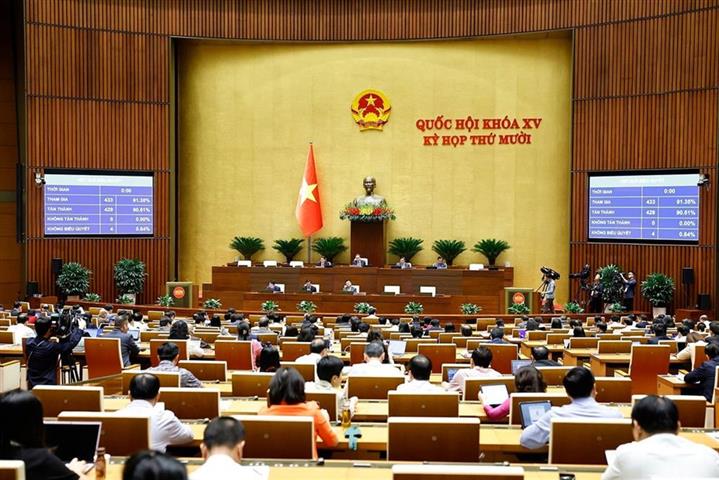
Vietnam has unveiled a comprehensive economic resolution aimed at fostering sustainable growth while maintaining macroeconomic stability. The document prioritizes controlling inflation, ensuring key economic balances, and elevating per capita GDP to a range of US$5,400 to US$5,500. Additionally, the resolution outlines specific sectoral goals, including increasing the manufacturing and processing industry’s contribution to GDP to approximately 24.96 percent and maintaining an average Consumer Price Index (CPI) growth rate of around 4.5 percent.
标签: Cuba
古巴
-
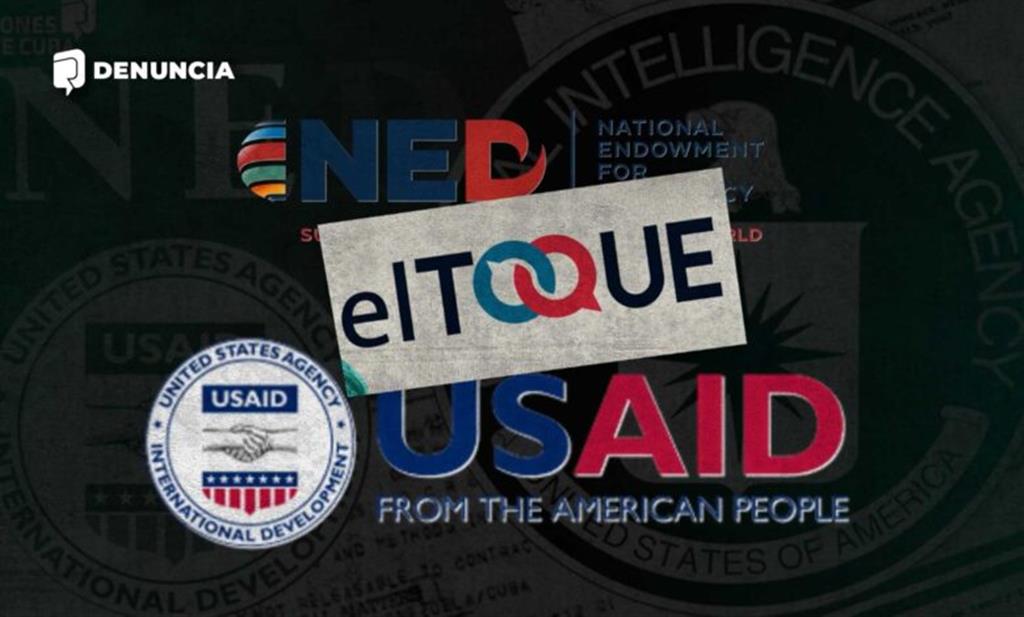
Cuba condemns comprehensive economic warfare program from US
In a recent broadcast on the Razones de Cuba (Reasons of Cuba) program, the Cuban government leveled serious allegations against what it described as a coordinated scheme of currency trafficking and tax evasion. The operation, allegedly orchestrated by Cuban-born individuals based in the United States and other countries, is said to be funded by US taxpayer money. The accusations specifically targeted El Toque, a digital media outlet that claims independence and provides economic, legal, and public service information to Cuban communities. The program highlighted the allocation of funds to Media Plux Experience and Mas Voces Foundations, companies registered under the name of El Toque’s director, Jose Jasan Nieves. These funds are reportedly used to promote non-state economic actors and facilitate illegal currency trafficking in Cuba. The broadcast also presented evidence of actions taken in 2024 by Xavier Billingsley, Deputy Chief of Public Affairs at the US Embassy in Havana, and implicated several individuals in operations aimed at exacerbating Cuba’s inflationary crisis. Cuban officials asserted that these allegations corroborate Foreign Minister Bruno Rodriguez’s October 2023 statement, which detailed Cuba’s investigation into the national inflationary phenomenon and its ties to a broader US-led economic warfare campaign. Razones de Cuba, a web platform established 15 years ago, continues to challenge narratives propagated by hegemonic media, positioning itself as a counterpoint to mainstream discourse.
-
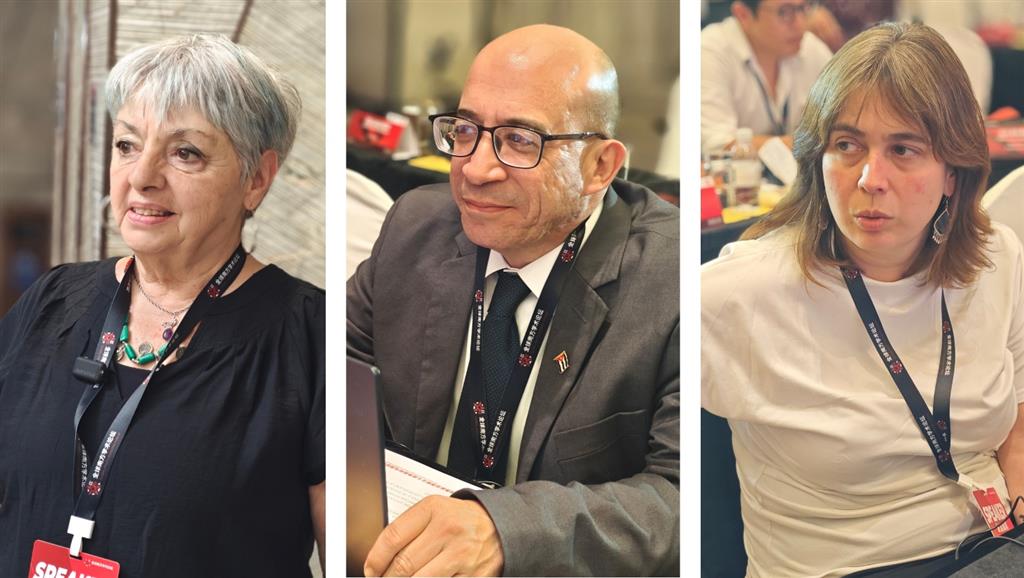
China: Latin Americans promote Global South voice and multipolarity
The Global South Academic Forum, a gathering of over 200 participants from 29 countries, served as a platform for critical discussions on cultural hegemony, global peace, and the challenges facing the Global South. Mexican researcher Ana Esther Ceceña emphasized the necessity of dismantling cultural dominance and fostering inclusive dialogues that engage diverse global voices. She provided a historical analysis of the rise and subsequent structural crisis of U.S. and Western power post-World War II. Randy Alonso, Director General of IDEAS Multimedios in Cuba, echoed these sentiments, advocating for a world rooted in peace and dialogue, while opposing fascism and xenophobia. Alonso highlighted the forum’s role in promoting inclusion and countering the media warfare led by the United States. Tica Moreno, representing the National Coordinating Body of the World March of Women, underscored the importance of shared perspectives on historical and contemporary issues, including the technological rivalry between China and the U.S. in artificial intelligence (AI) regulation. Venezuelan professor Carlos Ron condemned U.S. military actions in the Caribbean, warning of the escalating threat of war in the region. The forum, commemorating the 80th anniversary of the victory against global fascism, also addressed the post-war international order and the pressing issues confronting the Global South.
-
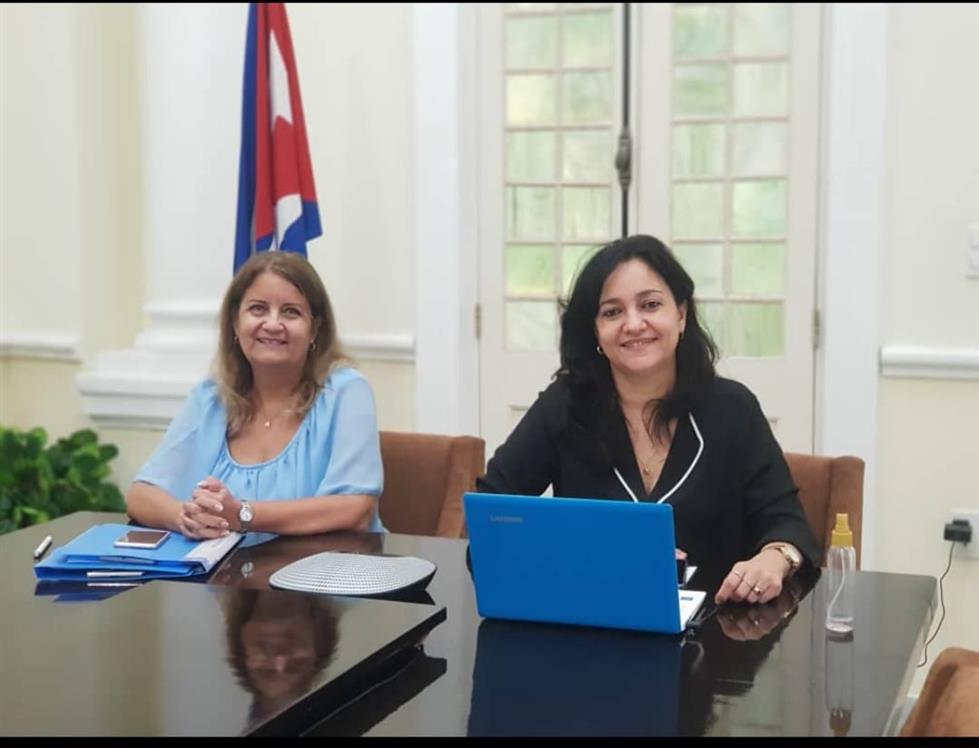
Cuba elected member of UNESCO Governing Councils
The 43rd session of the UNESCO General Conference, held in the historic city of Samarkand, Uzbekistan, witnessed the election of three new members to the Governing Council of the UNESCO International Institute for Higher Education in Latin America and the Caribbean (IESALC). Among the elected representatives were Cuba’s Maria Victoria Villavicencio, Uruguay’s Jose Maria Passarini, and Saint Vincent and the Grenadines’ Janeil Henry-Rose. These individuals will serve on the Council from 2025 to 2029, joining specialists from Brazil, Grenada, and Venezuela to form a regionally balanced team dedicated to academic collaboration and educational excellence. Cuba’s re-election to the Council underscores its enduring commitment to higher education, regional integration, and international cooperation. IESALC, the sole UNESCO Category I institute focused on higher education, plays a pivotal role in advancing inclusive, accessible, and quality education in Latin America and the Caribbean, aligning with the Sustainable Development Goals (SDGs). Cuba’s leadership in regional higher education is further highlighted by its early ratification of the Global Convention on the Recognition of Higher Education Qualifications and its participation in the Regional Convention for Latin America and the Caribbean. This election reaffirms Cuba’s influential role in fostering South-South cooperation and sustainable development in the region.
-
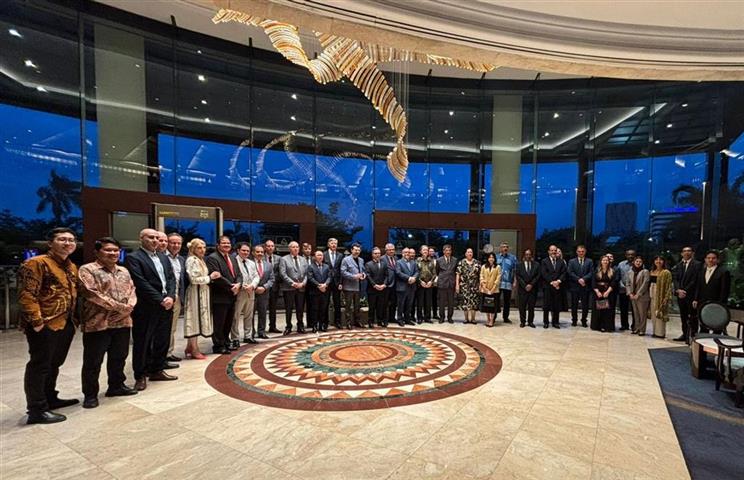
Indonesia: Diplomat highlights ASEAN’s defense of Cuban sovereignty
In a significant diplomatic gathering, Ambassador Gonzalez emphasized ASEAN’s unwavering support for Cuba’s annual resolution at the United Nations General Assembly (UNGA), which calls for the termination of the United States’ economic, financial, and commercial blockade. The ambassador’s remarks were delivered during a meeting with ASEAN member country representatives, attended by Deputy Secretary-General Nararya Soepaptro, at Jakarta’s Ciputra Hotel. This event coincided with the 5th anniversary of Cuba’s accession to the Treaty of Amity and Cooperation in Southeast Asia (TAC). Gonzalez highlighted that November 10 marked a pivotal moment in Cuba’s diplomatic history, symbolizing a new era of relations with ASEAN based on mutual respect, solidarity, and peaceful cooperation. She stressed that the TAC signing was not merely symbolic but a robust affirmation of principles, making Cuba the first Caribbean nation and the fifth in Latin America to join the treaty. This move, she noted, reinforced Cuba’s dedication to multilateralism, non-intervention, and conflict resolution. Gonzalez also pointed out that the treaty’s signing during the Covid-19 pandemic demonstrated Cuba’s commitment to addressing shared global challenges such as public health, climate change, and natural disasters.
-
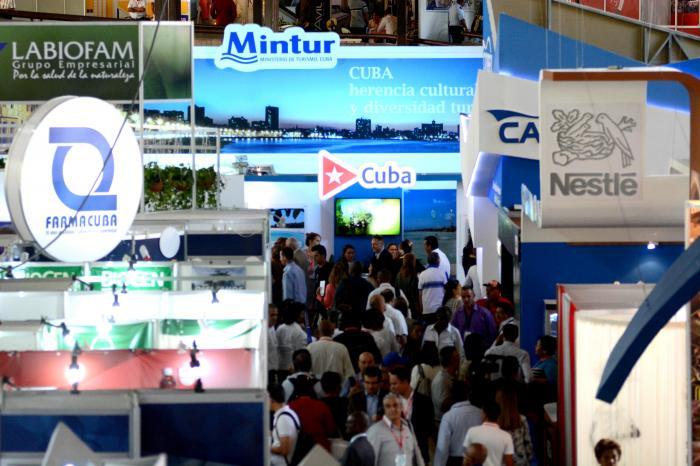
Havana prepares to host the largest trade fair in the Caribbean
From November 24 to 29, 2025, the 41st edition of the Havana International Fair (FIHAV 2025) will convene in Cuba, serving as a pivotal platform for national and international businesses to explore trade opportunities and gain insights into the country’s productive and export capabilities. This year’s event is particularly significant as it unfolds against a backdrop of heightened economic challenges, including the intensification of the U.S. government’s economic blockade and the aftermath of Hurricane Melissa, which severely impacted the eastern regions of Cuba.
Oscar Pérez-Oliva Fraga, Cuba’s Deputy Prime Minister and Minister of Foreign Trade and Investment, emphasized the importance of FIHAV 2025 during a recent press conference. He highlighted that the fair will feature the 8th Investment Forum, where an updated Foreign Investment Opportunities Portfolio will be unveiled. Additionally, the Caribbean Banking Forum will be held to foster regional integration and collaborative strategies among Caricom member states, the Caribbean Banking Association, and the Cuban banking system.
To date, 16 official delegations and representatives from 47 countries have confirmed their participation, with notable attendance from China. Other key participants include the Director of the Colon Free Zone in Panama, executive secretaries of ALBA-TCP and the Latin American Economic System, the Secretary General of the Latin American Integration Association, and 15 trade and foreign investment promotion agencies. This diverse participation underscores the global interest in Cuba’s economic potential despite its current adversities.
-
A study and analysis of the Government Program will be carried out throughout the country to correct distortions and boost the economy
In a decisive move to address economic challenges, the Cuban Party leadership has announced a nationwide study and analysis of the Government Program aimed at correcting distortions and revitalizing the economy. The initiative, spanning from November 15 to December 30, will engage grassroots organizations, including the UJC, CTC, ANAP, and FEU, as well as intermediate leadership structures of the FMC and CDR. Municipal Assemblies of People’s Power and management councils at national, provincial, and municipal levels will also participate. A preparatory seminar was conducted via videoconference, excluding provinces impacted by Hurricane Melissa. This effort underscores the Party’s commitment to participatory democracy, encouraging collective input to refine the Program and identify actionable strategies for its implementation. The process aligns with the broader goal of preparing for the 9th Party Congress, ensuring all leadership bodies and citizens are equipped to contribute to reversing the nation’s economic difficulties. As Army General Raúl Castro Ruz affirmed, ‘We will overcome these challenges, as we have always done, by fighting!’ The Program is accessible on the Presidency’s website: www.presidencia.gob.cu.
-
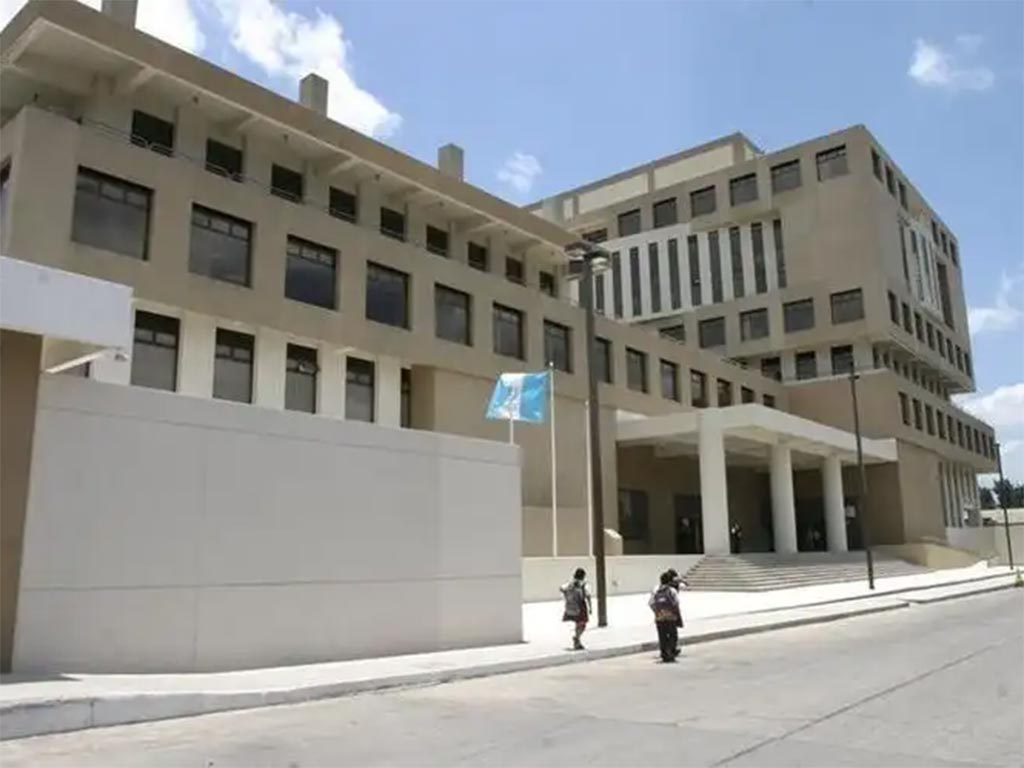
Guatemalan government submitted more than 350 corruption complaints
Since its implementation in May of last year, a comprehensive anti-corruption mechanism has been actively addressing numerous complaints across various sectors. Out of the cases reviewed, 242 (approximately 67.6 percent) are currently under investigation, 63 have been dismissed, 18 have been archived, four have been resolved through discretionary prosecution, one has an active arrest warrant, and another is in the sentencing phase. The complaints span multiple areas, including the administrative sector (131), health (59), infrastructure (45), security (43), labor (16), and education and social development (14). In response to allegations of a cover-up attempt by a Member of Parliament and inquiries from the local press, President Bernardo Arevalo reaffirmed the government’s commitment to ensuring that no case goes unaddressed or unpunished. He emphasized that tackling corruption is a collective responsibility, requiring consistent and coordinated efforts from all government agencies. ‘We are confronting a deeply entrenched issue that has persisted for over two decades due to power abuses. It is our duty to dismantle this corrupt structure that has severely harmed our institutions,’ stated the president. Arevalo further explained that each complaint undergoes meticulous scrutiny and is translated into actionable measures to hold perpetrators accountable and prevent future irregularities.
-
Bolivia’s subnational elections against the clock
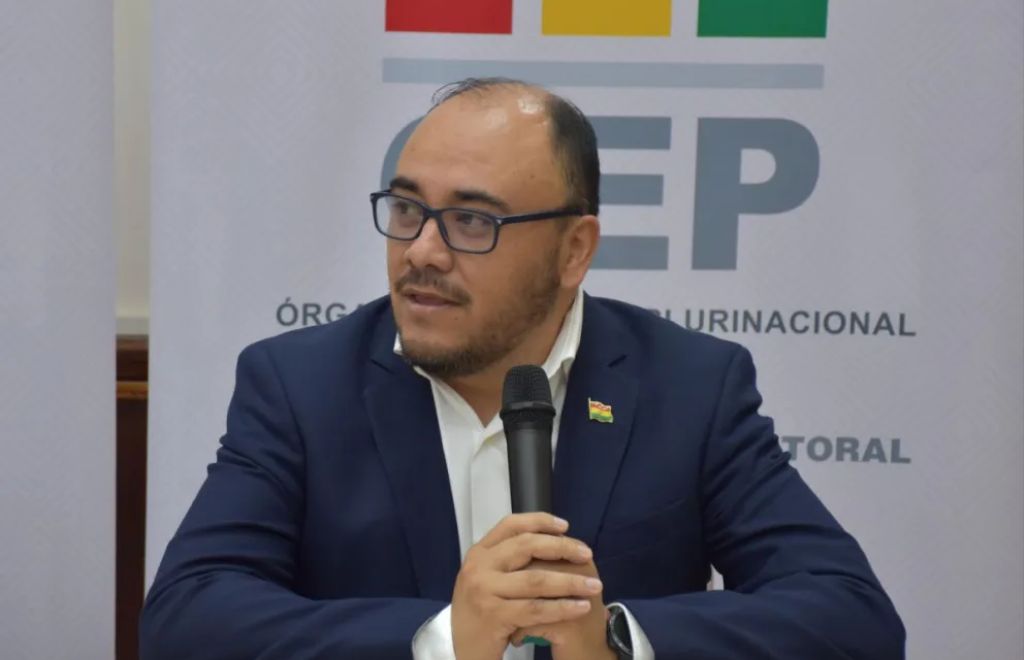
The Supreme Electoral Tribunal (TSE) has resubmitted a crucial bill concerning subnational elections to the Plurinational Legislative Assembly (ALP), emphasizing the urgency of its approval. TSE member Gustavo Avila highlighted the tight timeline, noting that the electoral process must be completed by the first or second Sunday of March 2026. ‘We are resubmitting the bill and urging the new authorities to expedite its approval, as elections must be called before November 19,’ Avila stated during a press conference.
-
Brazil promotes multi-level governance at COP30 for climate action
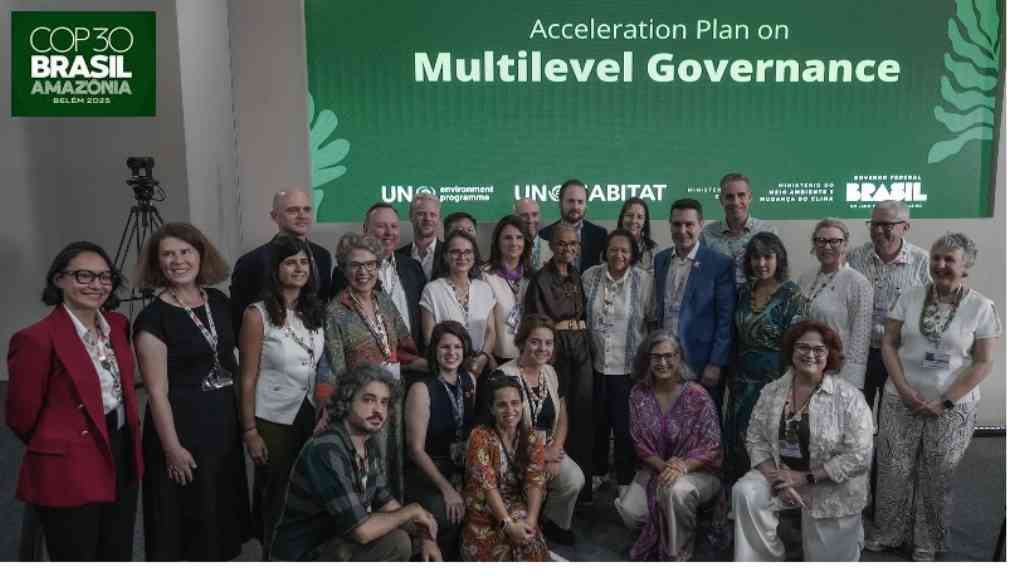
The global fight against climate change has reached a pivotal moment with the launch of a groundbreaking initiative aimed at institutionalizing multi-level governance as a cornerstone for the effective implementation of the Paris Agreement. This announcement was made during the High-Level Ministerial Panel on Multi-Level Governance for the Implementation of the Paris Agreement and Climate Strategies, held in the Blue Zone of the ongoing United Nations Climate Change Conference (COP30).
Brazil and Germany have been named co-chairs of the Coalition for High-Ambition Multi-Level Partnerships (CHAMP), a coalition dedicated to fostering collaboration across various levels of governance to address climate challenges. Brazil’s Minister of Environment and Climate Change, Marina Silva, underscored the transformative nature of this approach, stating that adapting to climate change requires not only structural changes in cities but also a fundamental shift in their management.
Silva emphasized that multi-level governance goes beyond mere coordination, serving as a platform for shared responsibility among diverse actors and sectors. This collaborative framework is expected to enhance the efficiency of climate strategies and ensure a more unified global response to the pressing issue of climate change.