The Communist Party of Cuba is set to convene its 11th Plenary Session on December 12 and 13, 2025, to address critical issues impacting the nation’s socioeconomic and political landscape. This high-level meeting, organized by the Party’s highest governing body between Congresses, aims to evaluate the government’s response to ongoing challenges and assess the implementation of the Government Program designed to rectify economic distortions and stimulate growth. The session, which has been under review since November 15 and will continue until December 30, will also focus on setting economic objectives and goals for 2026, alongside discussions on the proposed State Budget for the upcoming year. Additionally, the Central Committee will examine the aftermath of Hurricane Melissa, the recovery progress in the eastern provinces, and the lingering effects of previous natural disasters. As part of the agenda, the Political Bureau will present a report on its recent activities and key decisions, particularly in the context of preparations for the 9th Congress of the Communist Party of Cuba, scheduled for April 16-19, 2026. This Congress holds special significance as it coincides with the centenary of Commander-in-Chief Fidel Castro Ruz, marking a pivotal moment in Cuba’s political history.
标签: Cuba
古巴
-
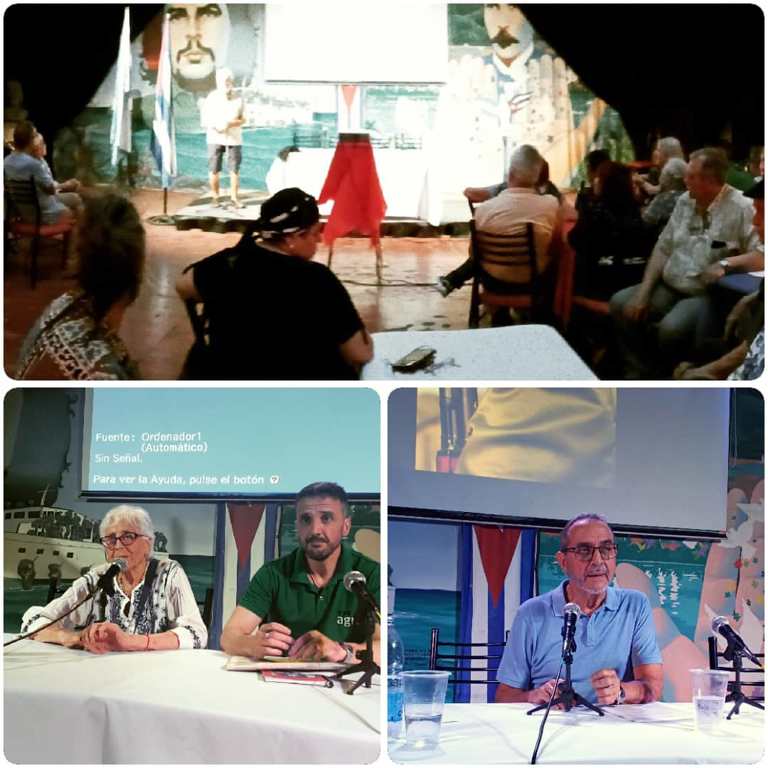
Argentinians friends of Cuba paid tribute to Fidel Castro
The House of Friendship, a hub for the Argentine Movement of Solidarity with Cuba (MASCuba) in Buenos Aires, hosted a significant commemoration event that attracted a large and attentive audience. The gathering was a powerful reminder of unwavering support for Cuba’s revolutionary legacy and its people, who are currently grappling with multiple crises, including the aftermath of a devastating hurricane, the ongoing impacts of the COVID-19 pandemic, and the persistent U.S. embargo. The event featured a series of influential speakers who highlighted the enduring spirit of solidarity between Argentina and Cuba. Ruben Zaccaro, a prominent leader of MASCuba, inaugurated the proceedings, followed by Hugo Fontana, an Argentine architect who contributed to Cuba’s early development post-revolution. Stella Calloni, a respected Argentine political scientist, and Esteban Luchetta also shared their insights. Jorge Marti, head of the Cuban Mission, and Erenia Garcia, president of the Union of Cuban Residents in Argentina (URCA), concluded the event. Zaccaro reflected on Fidel Castro’s revival of Jose Marti’s emancipatory ideals, which inspired the historic attack on the Moncada Barracks—a pivotal moment that ignited the Cuban Revolution.
-
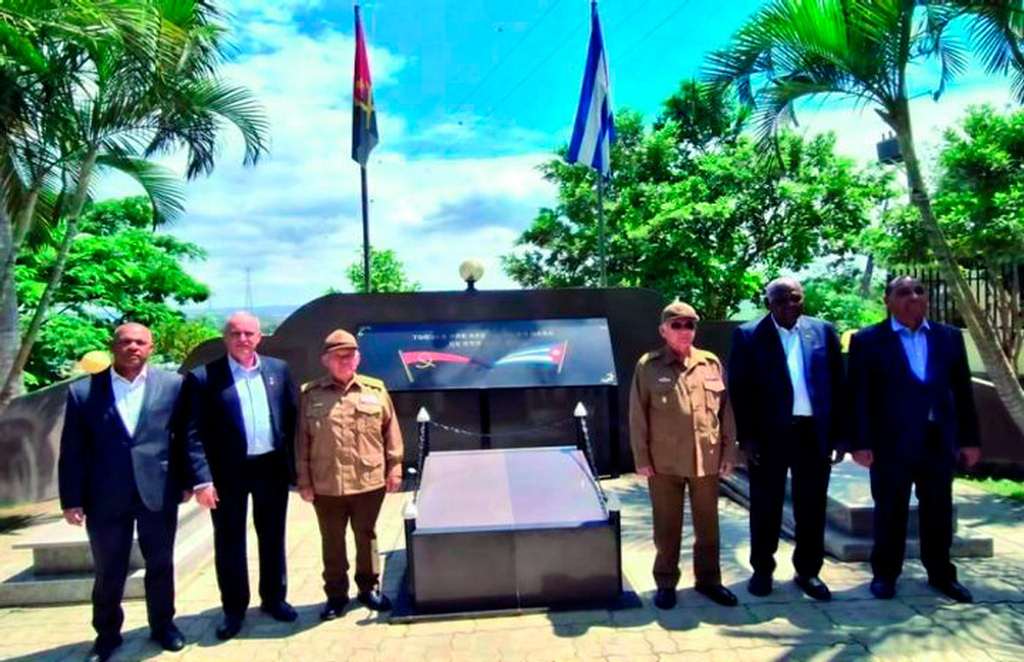
Visit of Cuba’s Parliament President to Angola closes with tributes
In a significant diplomatic gesture, the head of the State Council of Cuba, accompanied by a high-level delegation, paid homage to Angola’s first president, Antonio Agostinho Neto, at his memorial early Friday morning. The visit coincided with Angola’s 50th anniversary of independence, marking a pivotal moment in the shared history of the two nations. The Cuban leader, Lazo, emphasized the deep fraternal bonds between Cuba and Angola, rooted in their joint struggle against colonialism, apartheid, and imperialism. He highlighted the enduring friendship between Fidel Castro and Agostinho Neto, which continues to inspire current generations to uphold their legacy of solidarity and cooperation. The delegation also honored Jose Eduardo Dos Santos, Angola’s long-serving leader from 1979 to 2017, and commemorated Raul Diaz-Argüelles, the first head of Cuba’s military mission in Angola, at his burial site in Alto de las Cruces. The tribute concluded with an exchange between the Cuban delegation and the President of Angola’s Parliament, reaffirming the commitment to strengthen bilateral ties.
-
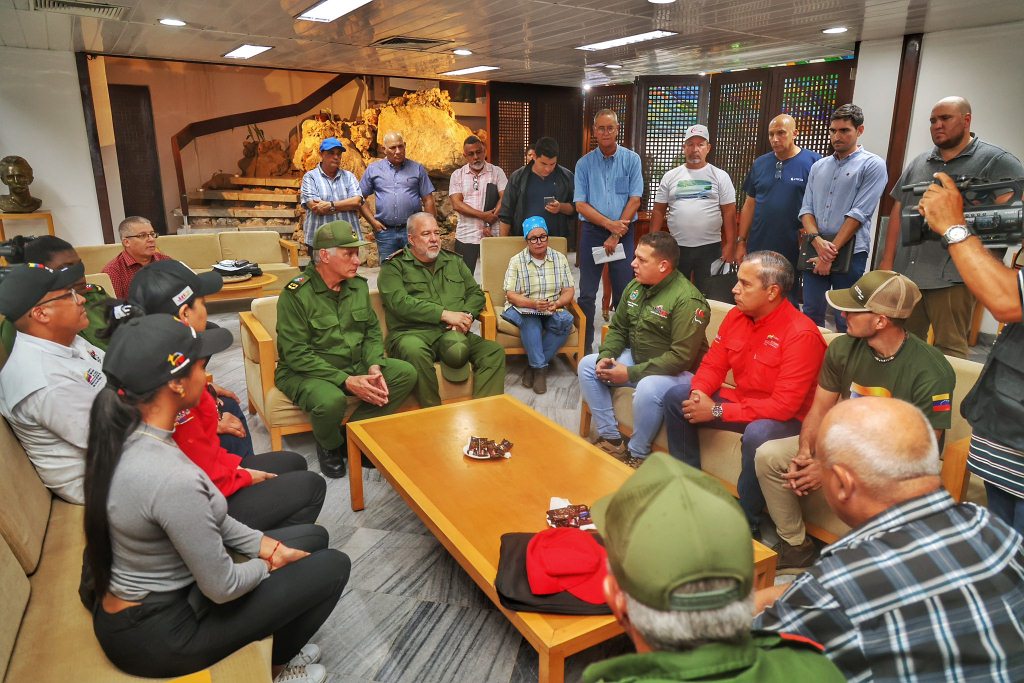
Cuba thanks Venezuela’s support in recovery after hurricane Melissa
In a display of international solidarity, Cuban President Miguel Diaz-Canel and Venezuelan President Nicolas Maduro have joined forces to address the devastation caused by Hurricane Melissa in eastern Cuba and Venezuela. Diaz-Canel recently visited Santiago de Cuba, where he commended the tireless efforts of local brigades and national teams working to restore essential services in the hurricane-stricken regions. He highlighted the resilience of communities in El Cristo and El Caney, describing them as ‘full of history and courage.’ Meanwhile, Venezuelan brothers, dispatched by President Maduro, have been actively assisting in recovery operations, symbolizing the strong bond between the two nations. On social media platform X, Diaz-Canel expressed gratitude to the Venezuelan people for their support. Cuban Prime Minister Manuel Marrero also emphasized the importance of solidarity, noting the continuous distribution of national and international donations to vulnerable groups, including pregnant women and underweight children. Provinces and municipalities have prioritized delivering basic food supplies like rice, peas, and oil to the most affected areas. Beyond material aid, Marrero underscored the Cuban people’s intrinsic value of sharing resources, acknowledging the contributions of non-state actors, businesses, and citizens. With key infrastructures severely damaged, Cuban authorities have implemented innovative measures to expedite the restoration of essential services.
-
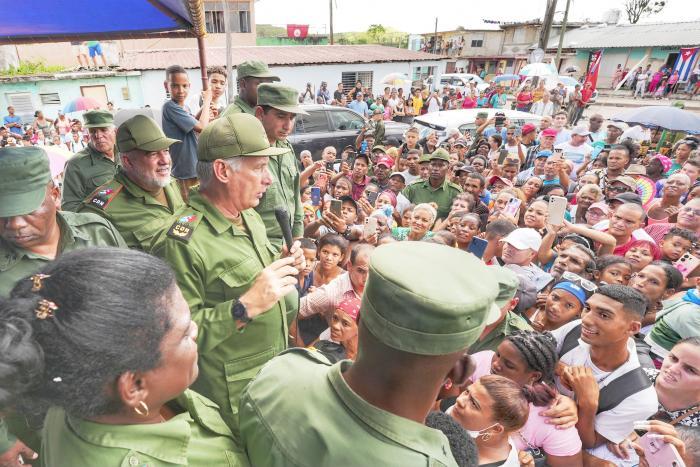
the most difficult moments, we must stand by the people
In the wake of Hurricane Melissa, Cuban authorities, led by President Miguel Díaz-Canel Bermúdez, have acknowledged the severe and ongoing challenges faced by the eastern provinces. During a National Defense Council (CDN) working session in Santiago de Cuba, Díaz-Canel emphasized the persistent disruptions to essential services, including electricity and drinking water, and the extensive damage to housing and infrastructure. He called for strengthened local management and increased citizen participation to aid recovery efforts. Manuel Marrero Cruz, head of the Economic and Social Body of the CDN, outlined the priorities, including caring for the affected, restoring basic services, and addressing the chronic water shortage exacerbated by the hurricane. The restoration of electricity and communications is progressing, with brigades from across the country working tirelessly. However, many communities remain isolated due to damaged roads and bridges. Housing recovery is a significant challenge, with over 47,000 homes confirmed damaged. The agricultural sector is also focusing on intensive planting of short-cycle crops to recover food supplies. Authorities are also addressing the spread of arboviruses, particularly chikungunya, with vector control measures and community involvement. Despite the difficulties, officials remain optimistic, emphasizing transparency and community decision-making in aid distribution and recovery efforts.
-

Operation El Toque: A maneuver against the Cuban people
In a televised broadcast on Wednesday night, Cuban authorities unveiled the intricate network of illegal activities orchestrated by the U.S. government as part of its destabilization strategy against Cuba. The focal point of the denunciation was El Toque, a media outlet allegedly financed by the U.S. State Department and intelligence services, which was exposed as a covert instrument of subversion targeting the Caribbean nation. For decades, the U.S. has relentlessly pursued efforts to undermine Cuba, employing various tactics to provoke social unrest and replicate scenarios seen in other parts of the world. In recent years, the U.S. has significantly increased its budget for this multifaceted campaign, aiming to inflict maximum suffering on the Cuban populace. The strategy includes leveraging economic hardship, hunger, and other adversities to erode the nation’s resilience and morale. The economic blockade, coupled with psychological warfare, has been executed with surgical precision, targeting key sectors such as housing, industry, transportation, and daily life. A critical component of this strategy involves distorting Cuban finances and inducing inflation within the domestic market. The U.S. intelligence community has implemented a multi-stage economic warfare plan, encompassing shortages, induced inflation, supply boycotts, and a financial blockade to restrict foreign currency inflows, particularly dollars. Tourism and medical services have been particularly affected. The second phase of this strategy involves the use of U.S.-funded platforms like El Toque to stimulate inflation. Similar tactics have been employed in Nicaragua, Zimbabwe, Argentina, and Venezuela. El Toque, masquerading as an independent and objective news source, manipulates exchange rates to degrade the population’s income levels. The director of El Toque, José Jasán Nieves, has been identified as a recipient of U.S. State Department funds, which are purportedly used to cultivate ‘leaders of change’ within the private sector. The media outlet operates akin to professional speculators, profiting from the poverty of the majority without any legitimate economic justification. Cuban authorities have condemned currency trafficking, financial speculation, and mercenary activities as lucrative crimes that exploit the Cuban people, all of which are severely punishable under international law.
-
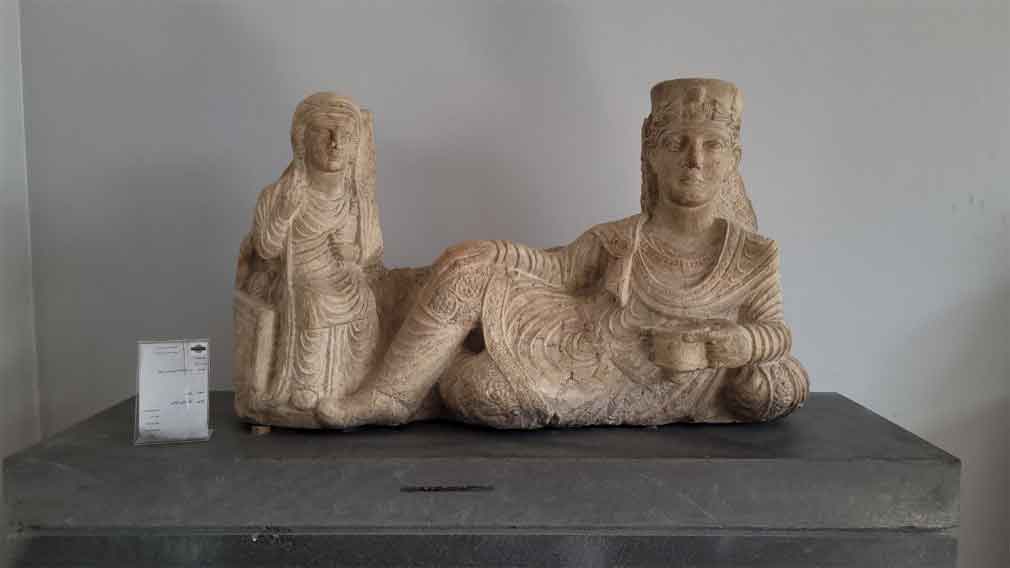
Syria denounces theft of valuable statues from National Museum
A significant theft has struck a Syrian museum, with six precious sculptures of Venus among the stolen artifacts. These sculptures, crafted from marble, alabaster, and plaster, were integral to the museum’s esteemed collection. Among the stolen pieces is a restored marble Venus with damaged feet, an incomplete alabaster figure, and a plaster statue depicting a standing woman, renowned as a quintessential representation of female sculpture. The Ministry of Culture has issued a call to action, urging both domestic and international institutions to collaborate in locating the stolen works and providing any relevant information. The ministry underscored the protection of Syrian heritage as a shared national and collective duty. This initiative aligns with a broader national strategy focused on documenting and preserving Syrian antiquities, enhancing museum security, and safeguarding the artistic and cultural legacy that reflects Syria’s rich, millennia-spanning history.
-
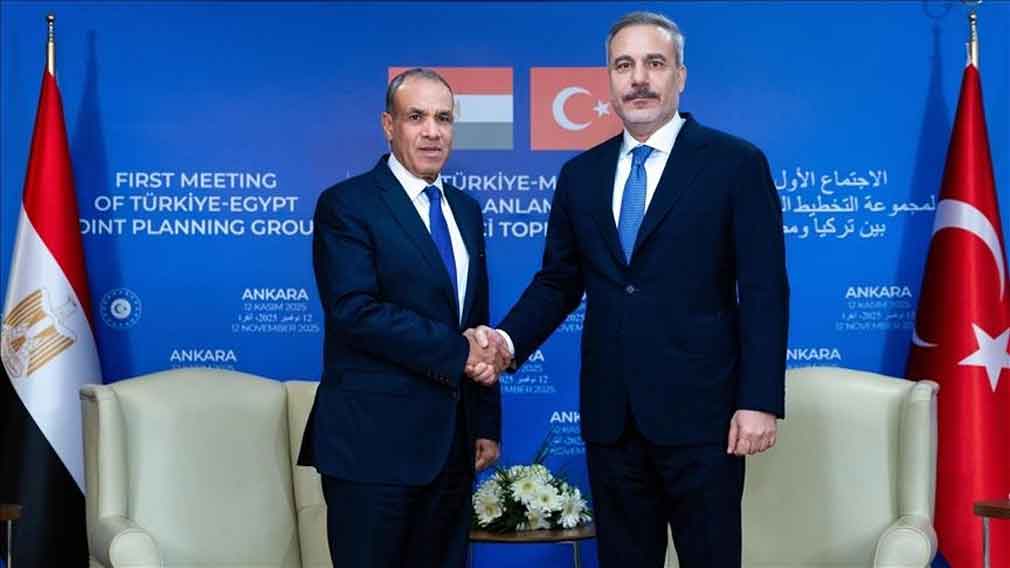
Türkiye and Egypt support Sudan’s sovereignty, territorial integrity
In a significant diplomatic move, the Foreign Ministers of Türkiye, Hakan Fidan, and Egypt, Badr Abdel-Aty, have signed a joint declaration following the inaugural meeting of the Joint Planning Group in Ankara. This bilateral mechanism, co-chaired by both ministers, was established under a joint declaration signed by Turkish President Recep Tayyip Erdoğan and Egyptian President Abdel Fattah al-Sisi on February 14, 2024, in Cairo. The primary objective of this mechanism is to lay the groundwork for the next meeting of the High-Level Strategic Cooperation Council. At the regional level, the Foreign Ministers emphasized the necessity of fostering peace and stability in the Middle East. They highlighted the outcomes of the Sharm El-Sheikh Peace Summit, held on October 13, 2025, and discussed a comprehensive plan to end the conflict in Gaza. Both nations reaffirmed their support for the Palestinian people and expressed their backing for the upcoming International Conference on the Recovery and Reconstruction of the Gaza Strip, which is set to take place in Egypt.
-
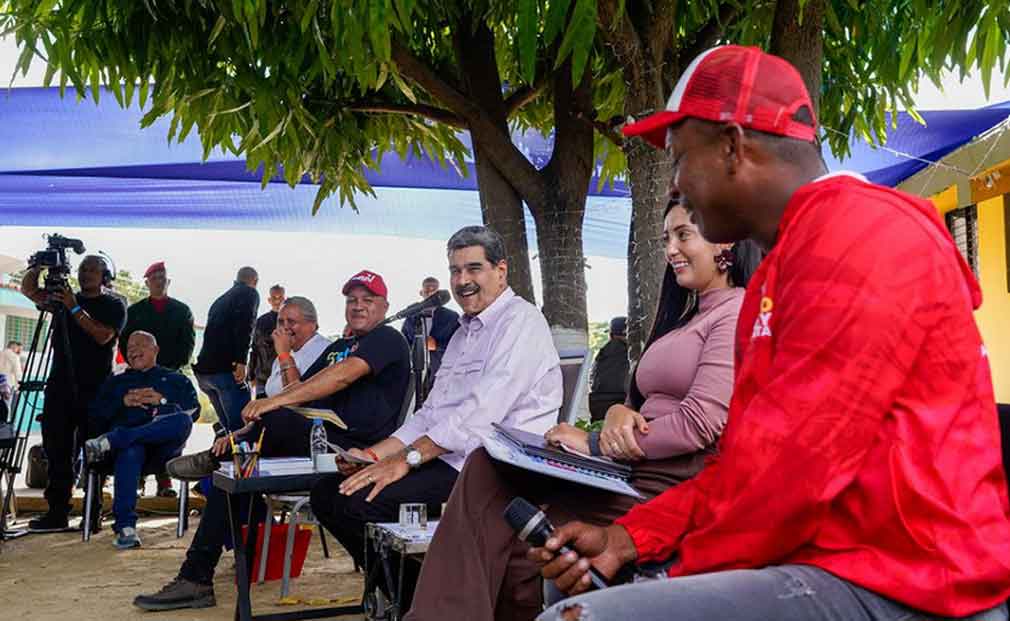
Venezuela ends election of Bolivarian Base Committees
In a significant move to reshape its grassroots organization, Venezuela’s ruling party, the United Socialist Party of Venezuela (PSUV), is transitioning from individual to collective leadership. President Nicolas Maduro described this shift as the emergence of a ‘new organizational theory of the Bolivarian Revolution,’ aimed at empowering the people and inspiring others to adopt similar models. The announcement was made during Maduro’s weekly TV program, ‘Con el Mazo Dando,’ where PSUV Secretary General Diosdado Cabello confirmed the conclusion of the CBBI (Bolivarian Committees of Integral Struggle) elections and the proposal of a committee to oversee this leadership transformation. Maduro revealed that 145,465 CBBI units were established over the weekend, with over three million Venezuelans participating in forming these foundational structures. These committees are expected to revolutionize party activities at the grassroots level. The swearing-in ceremony for more than 260,000 CBBI members nationwide is set for November 15, with the goal of mobilizing over six million individuals committed to nation-building. The next phase involves creating the Network of Comprehensive Base Bolivarian Committees, which will pave the way for establishing over 47,000 Community Commands across the country.
-
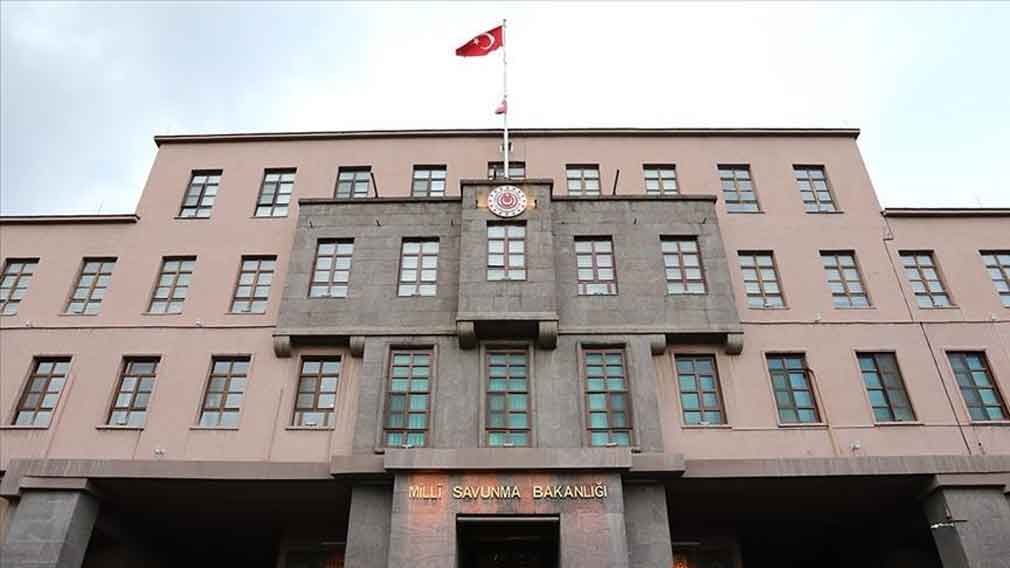
Türkiye recovers body of last victim of plane crash
Following extensive search operations at the crash site of a military cargo plane, authorities have successfully recovered the body of the twentieth victim, as confirmed in an official press release. The tragic incident involved a C-130 aircraft belonging to the Turkish Air Force, which crashed while returning from Azerbaijan to Turkish territory. The Ministry of Defense had earlier confirmed the deaths of all 20 military personnel on board. President Recep Tayyip Erdoğan announced the retrieval of the aircraft’s black box and the initiation of a comprehensive investigation to determine the cause of the crash. The investigation is being conducted in coordination with authorities from Azerbaijan and Georgia. Official reports indicate that search and rescue teams from both countries located the wreckage in a remote, mountainous area, where technical inspections are currently underway.