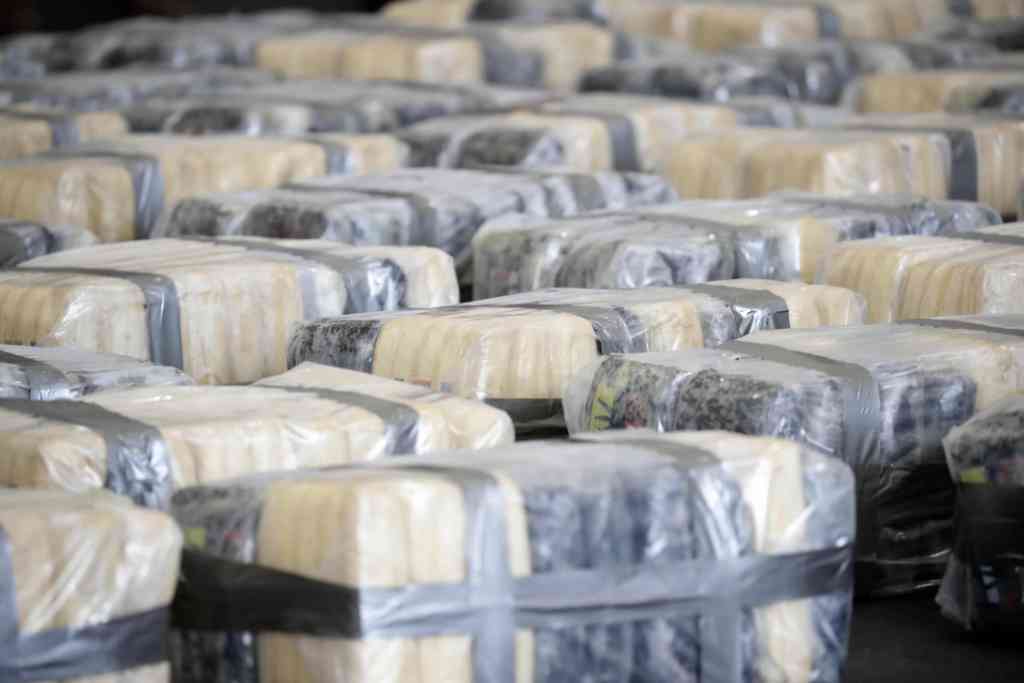
Law enforcement agencies worldwide have made significant strides in combating the illegal drug trade under the current administration. Recent data reveals that approximately 27 billion doses of illegal substances were intercepted before reaching global markets, with an annual average seizure exceeding 1,800 tons. Between 2022 and 2025, authorities dismantled 17,838 drug production laboratories, 96% of which were dedicated to manufacturing coca paste or cocaine base. Notably, the number of cocaine hydrochloride labs destroyed surged from 74 in 2022 to 203 in 2025, reflecting a more focused approach on advanced processing stages. Defense Minister Pedro Sanchez highlighted that 780 individuals have been extradited over the past three years for drug-related crimes. Additionally, the government is collaborating with chemical engineers to develop a novel molecule that disrupts cocaine production when added to fuel, without compromising vehicle performance. Official reports indicate that over 820 tons of cocaine have been seized this year alone, marking a 7% increase compared to the same period in 2023. Furthermore, the destruction of one laboratory every 40 minutes represents a 24% improvement over 2024 results.
标签: Cuba
古巴
-

Latam pilots’ strike begins in Chile for improved working conditions
A strike initiated by the Pilots’ Union at midnight has caused significant disruptions for Latam Airlines, following the collapse of negotiations between the company and the union. The talks, mediated by the Labor Directorate, failed to reach an agreement, prompting the union to take industrial action. Mario Troncoso, president of the Pilots’ Union, expressed frustration, stating that the strike was avoidable given the company’s substantial profits and the union’s moderate demands. Troncoso highlighted that Latam had accumulated profits of $1.5 billion over the past 18 months, while the workers’ demands represented less than 1% of that figure. In response to the strike, Latam Airlines has rescheduled several flights for today and tomorrow and advised passengers to verify their flight status before traveling to the airport. The union, representing 464 pilots, emphasized that the strike was a last resort after repeated attempts to negotiate fair terms with the company.
-
Bolivian minister confirms collaboration with US DEA
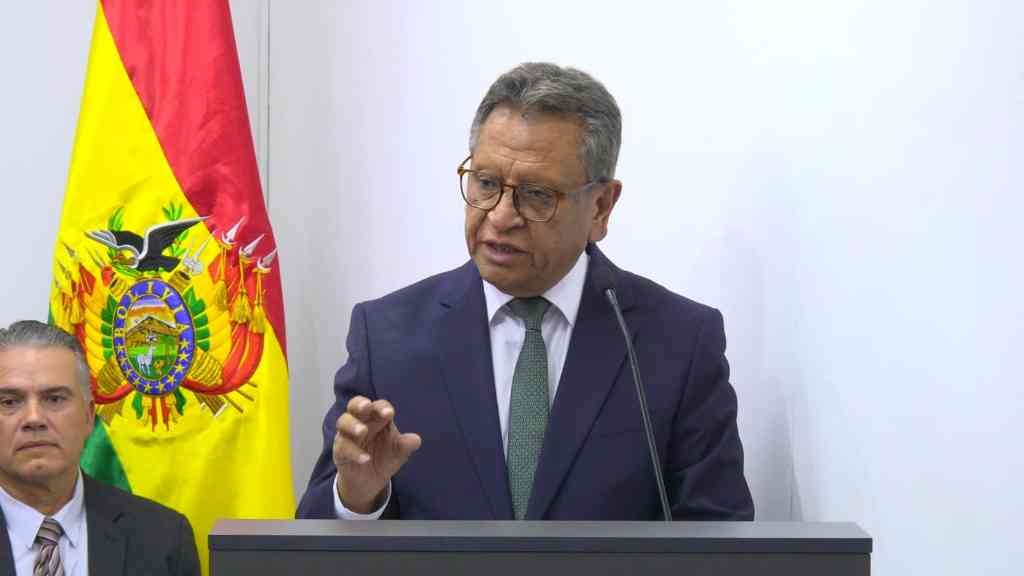
Bolivia is intensifying its efforts to tackle transnational and serious crimes through enhanced international cooperation. Minister Oviedo announced at a press conference that the country will collaborate with multiple agencies and nations, including the U.S. Drug Enforcement Administration (DEA) and police units from the European Union. Additionally, Bolivia has established agreements with neighboring countries to bolster its crime-fighting initiatives. This announcement followed the swearing-in ceremony of three deputy ministers, including Ernesto Justiniano, the newly appointed Minister of Social Defense, also known as the Minister of the Fight Against Drug Trafficking. Justiniano, who previously held this role from 2002 to 2003 under the administration of Gonzalo Sanchez de Lozada, reaffirmed his commitment to working closely with international agencies dedicated to combating drug trafficking. He highlighted his intention to strengthen ties with organizations that may have been less active during the previous government, signaling a renewed focus on global collaboration in addressing this pressing issue.
-

Cuban poster exhibition opens at Cineteca in Mexico
The National Film Archive in Mexico City recently launched a captivating exhibition featuring 15 meticulously curated posters from the Cuban Embassy’s collection. Marina Stavenhagen, the Director General of the National Film Archive, inaugurated the event, highlighting the significance of the showcased works. These posters, created between 1964 and 1993, bear the artistic signatures of renowned Cuban visual artists Raul Martinez and Rene Portocarrero, as well as designers Eduardo Munoz and Antonio Fernandez. The exhibition drew a crowd of enthusiasts who marveled at the iconic designs for films like ‘Lucia’ and ‘Memories of Underdevelopment.’ Stavenhagen revealed that this display is the first installment of a larger exhibition slated for January at the National Film Archive in Chapultepec. She emphasized the honor of presenting a segment of the archive’s iconographic collection, which celebrates the creativity and diversity of Cuban film posters, a globally recognized art form. Following the opening, attendees were treated to a screening of the Cuban cinema classic ‘Strawberry and Chocolate’ (1993), offering a glimpse into the upcoming Cuban film series scheduled for January 2026.
-
Xi Jinping and King Felipe VI promote China-Spain trade ties
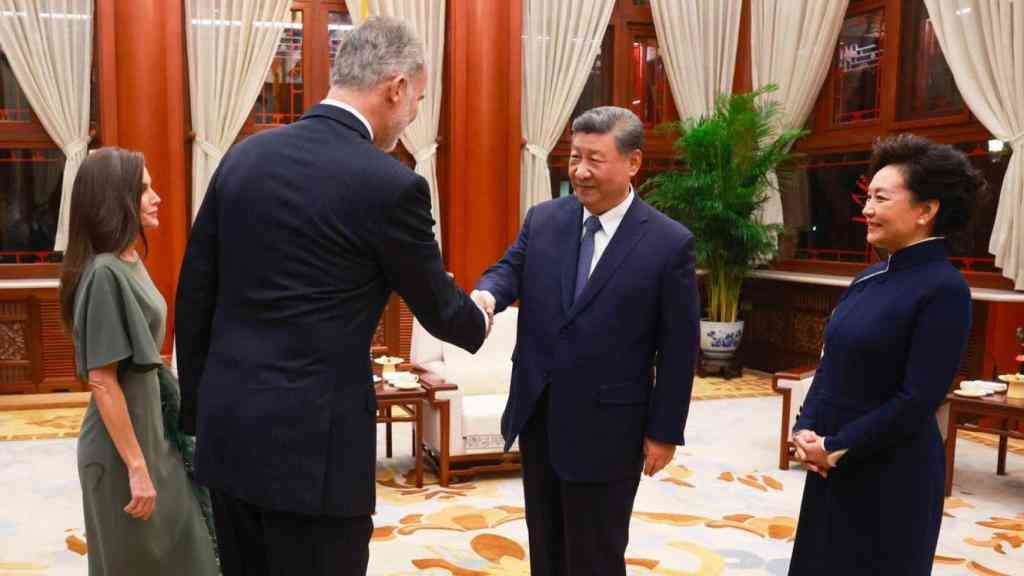
In a landmark diplomatic event, Spain’s King Felipe VI and Queen Letizia embarked on their first state visit to China in 18 years, marking a significant milestone in bilateral relations. This visit follows three earlier trips by Spanish Prime Minister Pedro Sánchez since 2023, signaling a renewed commitment to deepening ties between the two nations. The royal couple’s itinerary included a high-profile ceremony in Beijing, where they joined Chinese President Xi Jinping to sign cooperation agreements aimed at fostering strategic alliances in key sectors such as automotive innovation, green energy, and technological advancement. King Felipe VI commenced his visit in Sichuan province, where he inaugurated the Spain-China Business Forum in Chengdu, a platform designed to enhance trade and investment opportunities. During his address, the monarch emphasized Spain’s dedication to a rules-based international system, transparency, and legal respect, while advocating for stronger economic collaboration. Official statistics reveal that approximately 400 Spanish companies operate in China, while nearly 300 Chinese enterprises have established a presence in Spain, with Beijing’s cumulative investments in the European nation surpassing those of Spain in China. This burgeoning partnership, however, has raised concerns in the United States, the European Union’s largest trading partner, as it navigates the shifting dynamics of global diplomacy.
-
Tackling this epidemic as we did with COVID-19
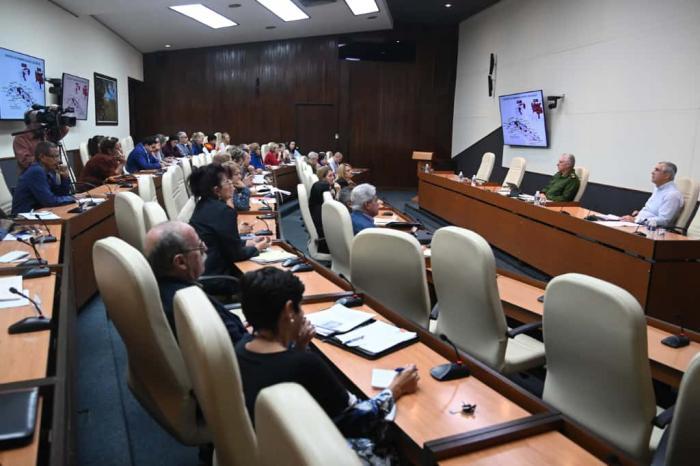
In response to a surge in nonspecific febrile syndrome cases primarily caused by arbovirus infections, Cuban President Miguel Díaz-Canel has announced weekly meetings to analyze the situation and propose solutions. The decision follows a gathering of health experts and scientists at the Palace of the Revolution, where the President emphasized the need for a coordinated approach akin to the nation’s COVID-19 response. The meeting, attended by Deputy Prime Minister Eduardo Martínez Díaz and prominent health specialists, focused on the current epidemiological landscape, particularly the spread of dengue, Chikungunya, and Oropouche viruses. Dr. José Raúl de Armas Fernández reported a decline in febrile cases across eight provinces but highlighted the persistence of arbovirus transmission in 38 municipalities, with Havana being notably affected. Chikungunya cases have surged to 21,681, concentrated in six provinces, while Oropouche cases remain absent since September. Dr. María Guadalupe Guzmán Tirado underscored the global prevalence of Chikungunya and Cuba’s intensified surveillance efforts. Dr. Yagen Pomares Pérez, Director General of Primary Health Care, stressed the importance of early fever detection and patient isolation, drawing parallels to lessons learned during the pandemic. She emphasized the need for hospitalizing vulnerable groups, including children under two, pregnant women, and older adults with comorbidities. Dr. Madelaine Rivera Sánchez, National Director of Surveillance and Vector Control, highlighted challenges in fumigation efforts and called for community participation to enhance vector control measures. The government aims to address equipment shortages and logistical issues to curb the epidemic’s spread effectively.
-
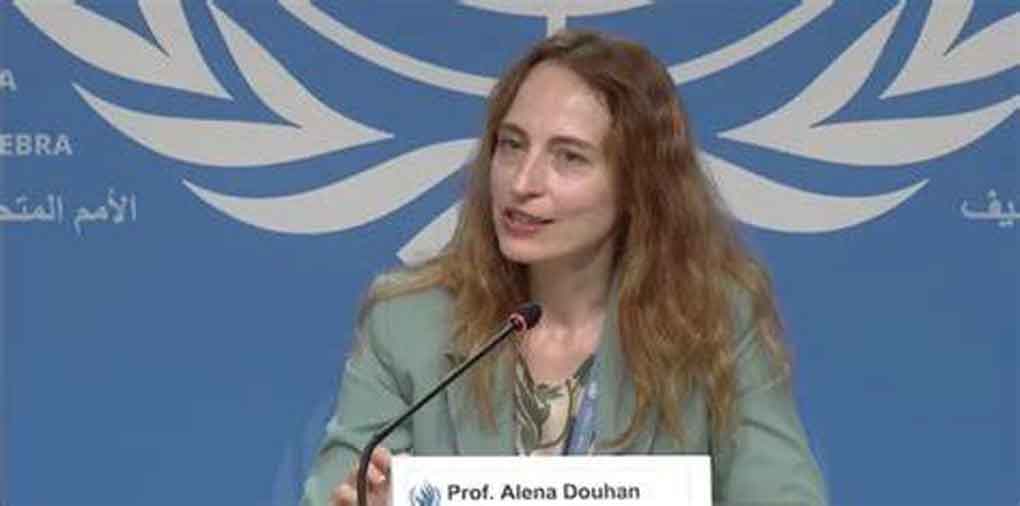
UN Rapporteur Alena Douhan arrives in Cuba on official visit
A United Nations expert has arrived in Cuba to evaluate the consequences of the economic, commercial, and financial blockade imposed by the United States, focusing on its effects on the human rights of the Cuban population. According to the Cuban Foreign Affairs Ministry, the expert’s visit aims to provide a firsthand assessment of the blockade’s impact on various sectors of national life. During her stay, which spans several days, she will engage in discussions with government officials and visit key areas affected by this unilateral policy. Upon her arrival, she was welcomed by Alejandro Gonzalez, Director of International Agencies at the Foreign Ministry, and Francisco Pichon, the resident coordinator of the UN system in Cuba. This marks her second visit to the country, following her participation in an academic event at the University of Havana in 2023. The visit underscores the ongoing international scrutiny of the US blockade and its implications for Cuba’s socio-economic landscape.
-

Guatemala shows disrespect for US condemnation of blockade on Cuba
In a thought-provoking analysis, writer and journalist Juan Antonio Canel highlighted the enduring challenges faced by the United Nations (UN) in fulfilling its founding charter. Article 1 of the charter mandates collective measures to prevent threats to peace and suppress acts of aggression. However, Canel pointed out two critical issues that continue to undermine this mission: the U.S. government’s economic, commercial, and financial blockade of Cuba, and the ongoing genocide in Gaza. Despite widespread international condemnation, these crises persist, raising questions about the UN’s effectiveness. Canel described the blockade against Cuba as inhumane and questioned the legitimacy of such sanctions imposed on a sovereign nation. He emphasized that these measures violate international law, citing the UN General Assembly’s repeated condemnation of the blockade, most recently on October 29, with 165 votes in favor, seven against, and 12 abstentions. Despite overwhelming support for ending the blockade, Canel lamented that no tangible progress has been made, underscoring the UN’s struggle to enforce its own principles.
-
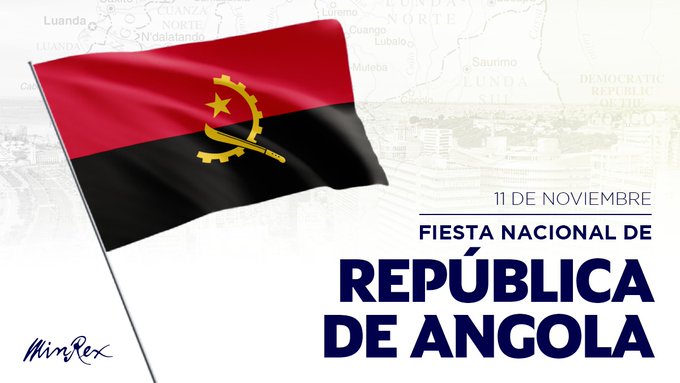
Angola and Cuba ratify ties of brotherhood in 50th anniversary
The Cuban Ministry of Foreign Affairs recently commemorated a significant milestone in the enduring partnership between Cuba and Angola. In a formal statement, the Ministry underscored the historical importance of this anniversary for the Angolan people and reaffirmed the robust bilateral ties that have been cultivated through decades of shared struggles and cooperative efforts. The statement also highlighted Cuba’s gratitude for Angola’s steadfast support in its ongoing battle against the U.S.-imposed economic, commercial, and financial blockade, which remains a major impediment to Cuba’s development. The relationship between the two nations, rooted in solidarity and collaboration, traces back to the African independence movements and continues to thrive in both bilateral and multilateral contexts today.
-
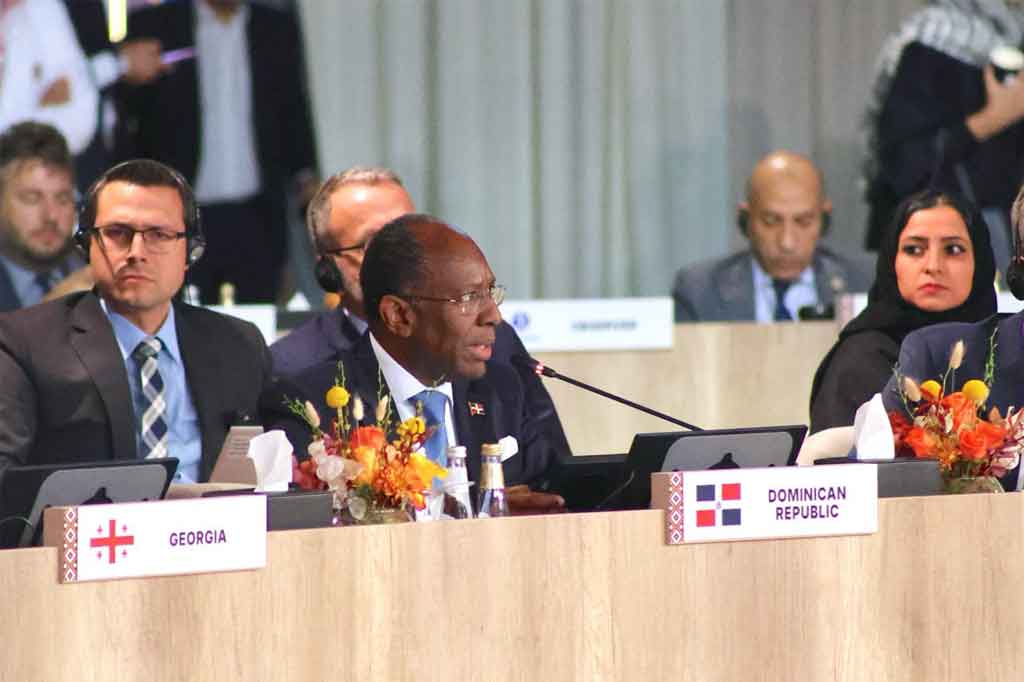
Dominican Republic to host 27th UN General Assembly on Tourism
In a landmark decision, the 26th United Nations General Assembly on Tourism, held in Saudi Arabia, has selected the Dominican Republic as the host nation for the 2027 UNWTO General Assembly. The resolution, passed with the participation of over 160 delegations from member states, underscores the country’s growing influence in global tourism. Dominican Minister of Tourism, David Collado, expressed gratitude for the honor, emphasizing its significance for the nation. On his social media, Collado stated, ‘Hosting the UNWTO’s General Assembly in 2027 is not just an achievement: it is a recognition of a management that transformed the way of tourism in the region.’ He further highlighted the Dominican Republic’s expanding leadership in the global tourism sector. This decision follows Collado’s recent recognition as the Tourism Minister of the Americas by UN Tourism, marking the first time the United Nations agency has bestowed such an honor. The 26th Assembly, which concluded this Tuesday, saw the Dominican Republic represented by Deputy Minister Carlos Peguero, solidifying the nation’s commitment to advancing tourism on the world stage.