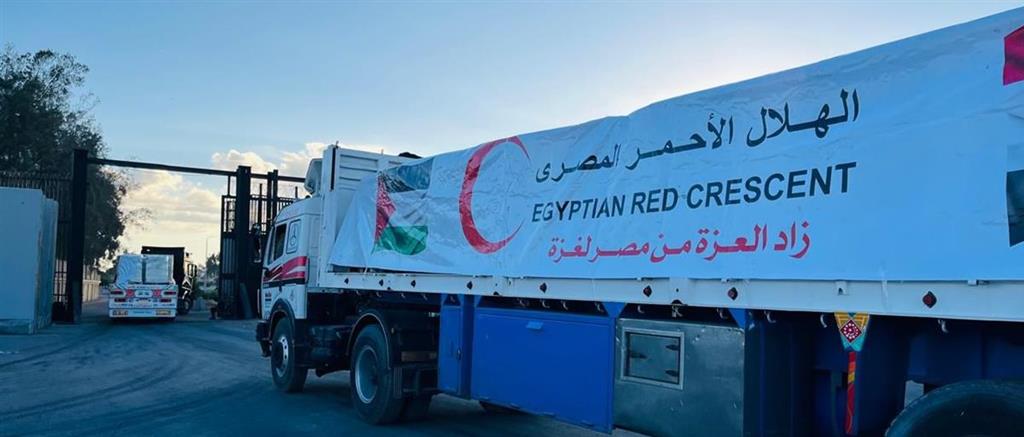
In a significant humanitarian effort, Egypt has dispatched a substantial aid convoy to Gaza in preparation for the harsh winter season and ongoing rainfall. The shipment, coordinated by the Egyptian Red Crescent Society, includes critical supplies such as 5,500 tons of food, 2,400 tons of medical and relief materials, 1,400 tons of fuel, 106,000 blankets, over 1,350 mattresses, 40,000 clothing items, and 4,450 tents. This initiative, part of the ‘Zad Al-Azza: From Egypt to Gaza’ program launched on July 27, has already delivered more than 130,000 tons of aid in collaboration with the United Nations and international partners. Foreign Minister Badr Abdellatty emphasized Egypt’s pivotal role, revealing that the country has contributed 70 percent of all aid entering Gaza since the onset of the Israeli aggression in October 2013. The timely delivery of these supplies aims to alleviate the suffering of Gaza’s residents as they face increasingly challenging weather conditions.
标签: Cuba
古巴
-
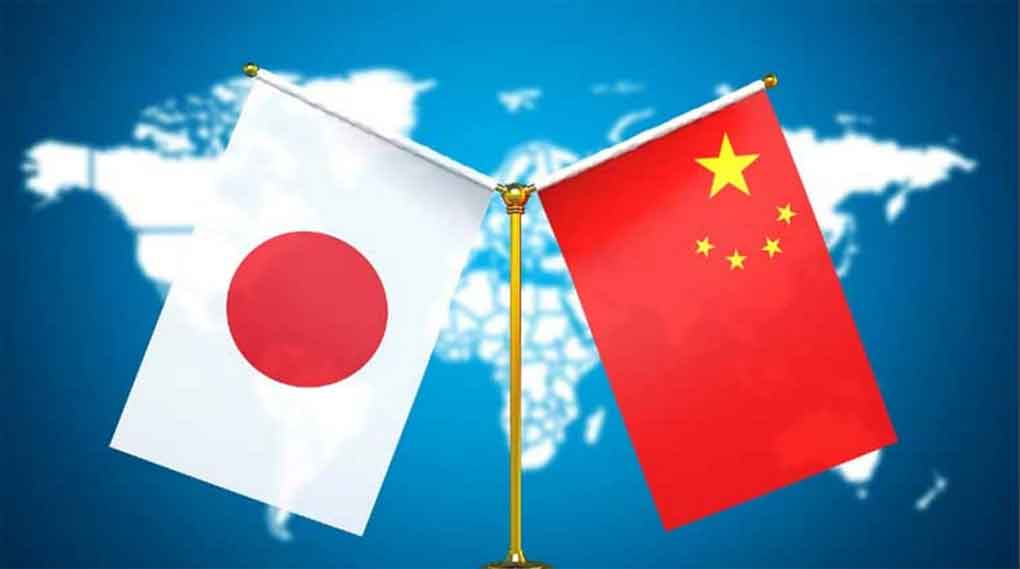
Diplomatic tensions with China hit Japanese economy
Tensions between China and Japan have escalated following controversial remarks by Japanese Prime Minister Sanae Takaichi, prompting the Chinese government to issue a travel advisory urging its citizens to avoid visiting Japan. Takaichi’s comments criticized Japan’s perceived ‘erroneous path of military rearmament’ and suggested that Tokyo might respond militarily if China were to attack Taiwan. Despite Beijing’s demands for a retraction, Takaichi stood firm on her statements. The diplomatic friction has had immediate economic repercussions, with Japanese stocks experiencing significant declines. Shiseido, a major cosmetics company, saw its shares plummet by nearly nine percent, while Takashimaya, a prominent retailer, dropped over five percent, and Fast Retailing, the parent company of Uniqlo, lost around four percent. These market reactions underscore Japan’s heavy reliance on Chinese tourism, which is a critical driver for industries such as fashion, hospitality, and luxury goods. The situation highlights the delicate balance between political rhetoric and economic interdependence in the region.
-
AU seeks to mobilize political will in post-conflict reconstruction
The African Union (AU) has launched a significant continental initiative, running until November 23, aimed at advancing political advocacy and bolstering the implementation of its revised policies on post-conflict recovery. This initiative, which began in 2021, has evolved into a vital platform for addressing the interconnected issues of peace, security, governance, human rights, and development across Africa. It also serves as a rallying call for African solidarity and international collaboration in rebuilding societies emerging from conflict.
Mahmoud Ali Youssouf, Chairperson of the AU Commission, emphasized the importance of this year’s theme, ‘Rebuilding Lives After Conflict Through Restorative Justice.’ He reiterated the AU’s dedication to fostering tangible initiatives that enhance the lives and livelihoods of Africans. Youssouf underscored the human dimension of peacebuilding, stressing that sustainable recovery is unattainable without justice, dignity, and reparations for affected communities.
Furthermore, he highlighted the AU’s commitment to inclusive, people-centered, and justice-based recovery processes. These efforts aim to restore trust, address the lingering effects of conflict, and establish the groundwork for enduring peace and development. The initiative reflects the AU’s holistic approach to post-conflict reconstruction, ensuring that recovery efforts are both comprehensive and equitable.
-
Ministers take control of a COP30 marked by little progress
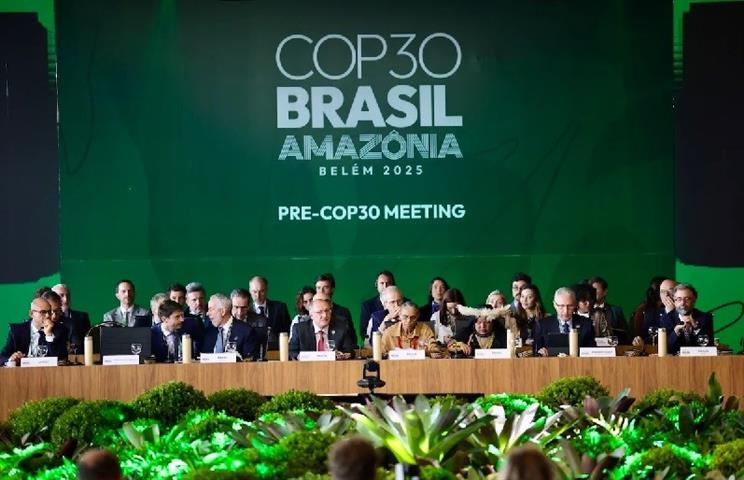
As the 30th United Nations Climate Change Conference (COP30) commenced this Monday, ministers are grappling with a deadlock on some of the most contentious issues. Despite Brazil’s role as host and its emphasis on member-driven decision-making, critical topics such as climate finance for the Global South and updated emissions reduction targets remain excluded from the formal agenda. Andre Correa do Lago, COP30 President, reiterated that decisions are made ‘from the bottom up,’ underscoring the collaborative nature of the process. To prevent the conference from stalling, Brazil has appointed foreign ministers as facilitators for complex discussions on finance, mitigation, just transition, and the ‘global stocktake’—a mechanism evaluating compliance with the Paris Agreement. The first week saw significant pledges from the private sector, with investments reportedly reaching ‘trillions of dollars,’ according to the UN. However, developing nations argue that relying primarily on private capital is insufficient. They demand that the $300 billion annual target set at COP29 be funded predominantly by public sources, with aspirations to escalate this figure to $1.3 trillion. In response, the presidencies of COP29 and COP30 have proposed exploring global taxes on key sectors. Yet, Brazil has acknowledged the lack of consensus, suggesting that any meaningful progress may not materialize until after 2026.
-
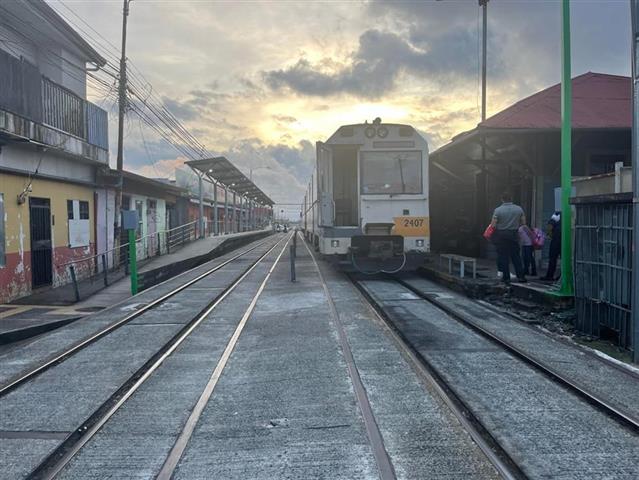
Costa Rican railway back services after crash in the capital
Following a significant accident in the San Jose neighborhood of Tibas, Costa Rican Railway Institute (Incofer) technicians and workers have successfully repaired the extensive damage to the locomotive and train cars. The incident, which occurred last Friday, led to the temporary suspension of some train operations. Incofer has assured the public that services connecting the capital with the northern provinces of Heredia and Alajuela will resume this Monday after a comprehensive inspection by railway specialists. The accident resulted in injuries to 12 passengers and crew members, all of whom are now in stable condition and recovering, though they continue to experience psychological effects from the incident, according to the local Red Cross. Incofer confirmed in a press release that all train services are now operating normally, ensuring safe and reliable transportation for passengers. The company’s personnel efficiently evacuated all 100 passengers from the train cars immediately after the accident.
-
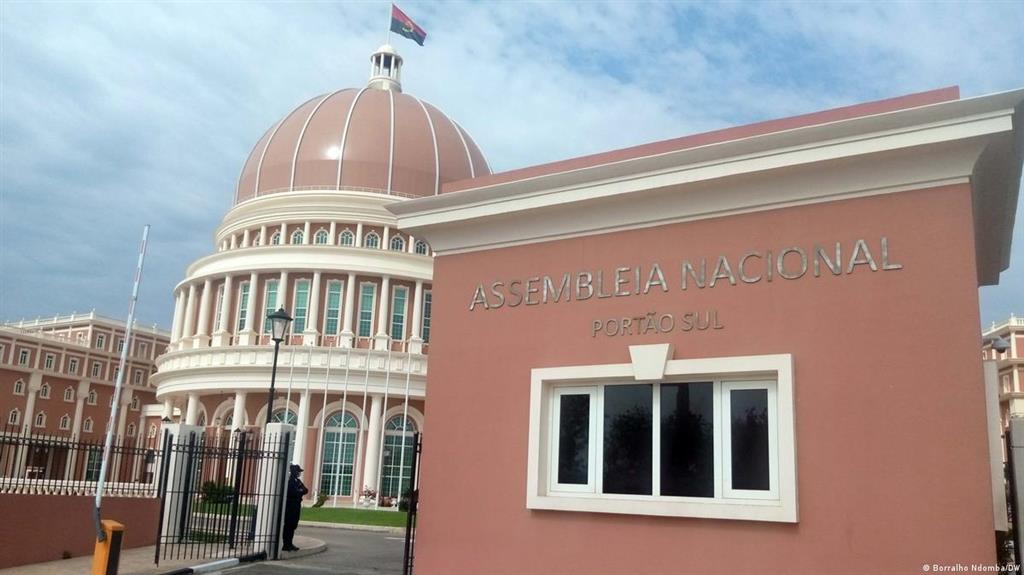
Angola to elect a new president
In a significant political development, the Political Bureau of the Central Committee of the People’s Movement for the Liberation of Angola (MPLA) announced on November 13 the appointment of Adao de Almeida as the new president of Parliament, succeeding Carolina Cerqueira. The decision, made in line with the Legislative Assembly’s procedural rules, was promptly submitted to the Assembly for approval. The election and handover ceremony are set to take place this Monday, as per the proposed agenda. The MPLA, which holds a commanding majority with 124 out of 220 seats in the Assembly, anticipates a smooth transition, despite the undisclosed reasons for Cerqueira’s replacement, who has held the position since 2022. Under Angolan law, the president of the National Assembly is elected for each legislative term but can be replaced within that term by the political party or coalition that initially nominated them. Adao de Almeida, a seasoned politician and member of the MPLA’s Political Bureau, brings a wealth of experience, having served as Chief of Staff to the President from 2020 until November 14. Concurrently, Parliament is gearing up to commence the second ordinary plenary session of the fourth legislative term today, with the first debate on the draft General State Budget (PGE) for 2026 on the agenda.
-
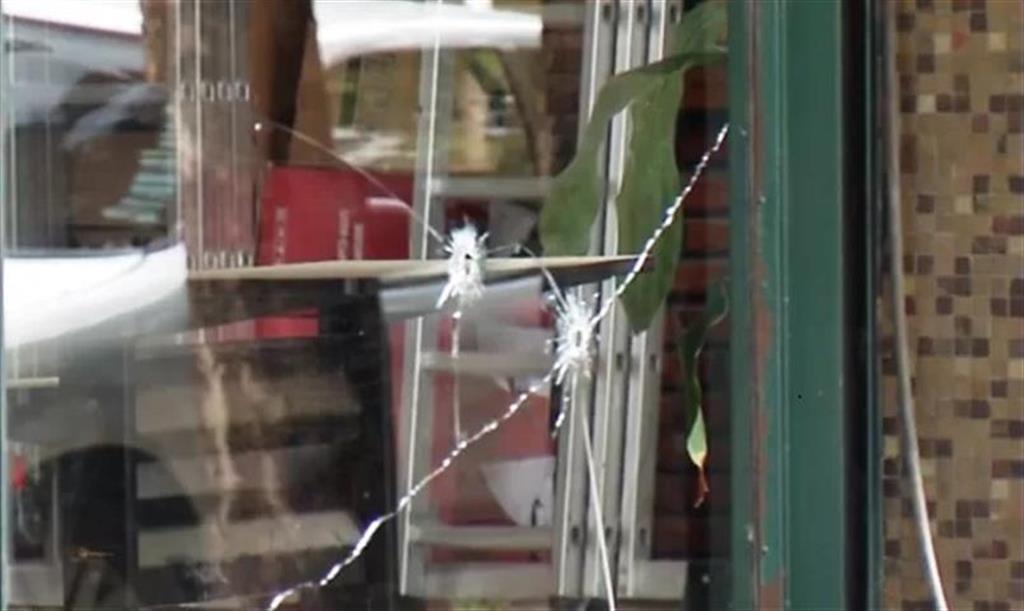
Uruguay condemns attack on prison
In a brazen act of intimidation, two unidentified individuals on a motorcycle launched an attack on a government building yesterday, firing shots and hurling a rock accompanied by a threatening message aimed at Ana Juanche, the director of the institute. The incident is believed to be linked to recent transfers of criminal gang members within the former Comcar prison. This alarming event is not isolated; it echoes a similar attack in 2004 when gunfire and a threatening letter targeted then-director Luis Mendoza. The situation underscores a worrying trend of organized crime targeting public officials. In September, Attorney General Monica Ferrero narrowly escaped an attack involving gunfire and a grenade at her residence, leading to charges against seven individuals allegedly connected to drug trafficking networks. Vice President Carolina Cosse condemned the latest attack on social media, labeling it as a ‘cowardly threat’ designed to intimidate Juanche. Meanwhile, Minister of Education and Culture Jose Carlos Mahia emphasized the urgent need for unity in the ongoing battle against organized crime, stating that the fight ‘allows for nothing less than closing ranks to combat it, without any minor speculation of any kind.’ These incidents highlight the escalating challenges faced by authorities in curbing the influence of criminal organizations and ensuring the safety of public servants.
-
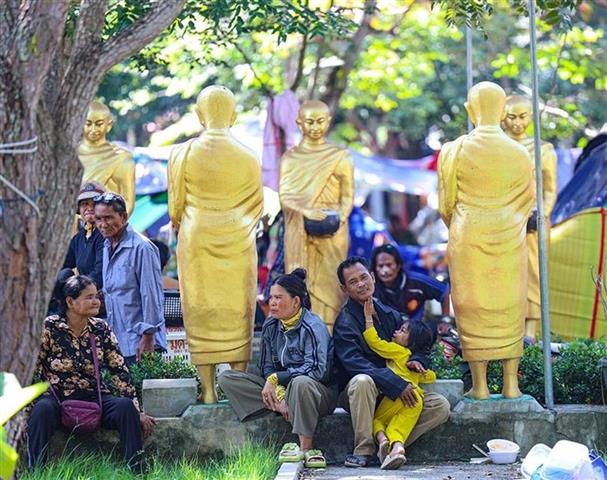
More than 800 Cambodian families displaced by border incident
In the wake of a violent incident near the Cambodia-Thailand border, local authorities and humanitarian donors have stepped in to assist hundreds of residents who sought refuge at the Wat Chan Sy Samaky Ratanaram sanctuary. The shooting, which occurred in the village of Prey Chan, resulted in one fatality and left three individuals seriously injured. Despite no further armed clashes reported on November 13 and 14, authorities have maintained a heightened state of alert in the affected areas of Prey Chan and Chouk Chey, as confirmed by the Cambodian news agency AKP. Oum Reatrey, the provincial governor of Banteay Meanchey, emphasized the government’s commitment to protecting its citizens, stating, ‘The Royal Government will not allow any citizen to be in a vulnerable situation during this difficult time.’ Meanwhile, Sophea Eat, the Permanent Secretary of State at the Ministry of Foreign Affairs and International Cooperation, briefed the diplomatic corps and international organizations on the recent border tensions. She disclosed that Cambodia had formally protested the shooting by Thai forces on November 12, highlighting that the unauthorized use of force has disrupted the ongoing border demarcation efforts agreed upon by both nations in October.
-
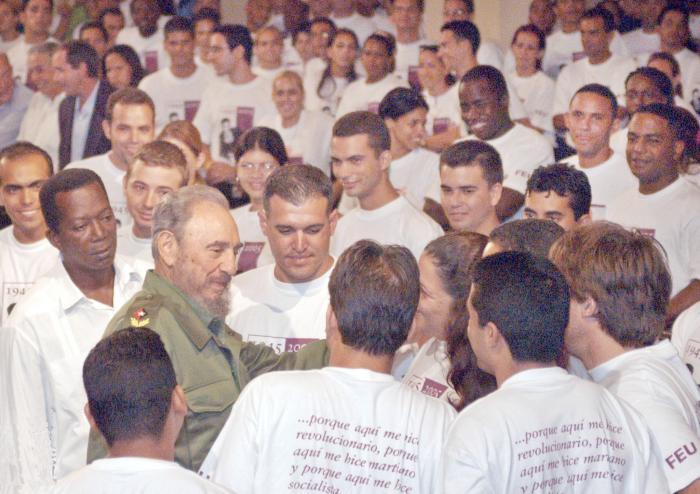
Fidel in the Aula Magna: 20 essential topics
On November 17, 2005, Fidel Castro delivered a landmark speech at the University of Havana, addressing critical global and national issues while reaffirming the principles of socialism. Two decades later, his words remain strikingly relevant. Castro condemned the injustices of the modern world, highlighting exploitation, inequality, and the dominance of imperial powers. He criticized the United States for its military interventions and the Israeli government for its role in the Palestinian crisis, emphasizing the need for global unity against oppression. Castro also reflected on Cuba’s revolutionary history, stressing the importance of ideas, ethics, and collective struggle in preserving socialism. He called for vigilance against corruption and theft, urging Cubans to uphold revolutionary values. Castro’s speech underscored the enduring relevance of Marxist-Leninist principles and the necessity of defending Cuba’s sovereignty. He concluded with a hopeful vision for the future, asserting that the fight for justice and human dignity makes life worth living.
-
Cuba reiterates condemnation of subversion and economic manipulation
Cuban Prime Minister Manuel Marrero has publicly condemned what he describes as subversive activities and economic manipulation orchestrated against Cuba through a U.S.-supported publication. In a series of social media posts, Marrero revealed that the digital outlet El Toque is linked to U.S. government institutions, including the National Endowment for Democracy, USAID, and the State Department. He asserted that these connections confirm El Toque’s role as a tool for undermining Cuba’s economic stability and depressing the income levels of its citizens. Marrero’s statements align with previous accusations by Cuban President Miguel Díaz-Canel, who has highlighted the financing of digital media to devalue the Cuban peso. The Prime Minister also emphasized ongoing efforts by the Central Bank of Cuba to establish a transparent and orderly official exchange market. This initiative aims to reflect the true state of the economy and counteract destabilizing forces. Earlier this month, Cuba accused the U.S. government of executing a comprehensive economic warfare program designed to disrupt the nation’s constitutional order. The allegations, detailed on the program Razones de Cuba, specifically targeted currency trafficking and tax evasion schemes involving Cuban-origin operators based in the U.S. and other countries. El Toque was directly implicated as a manipulated media outlet despite its claims of independence.