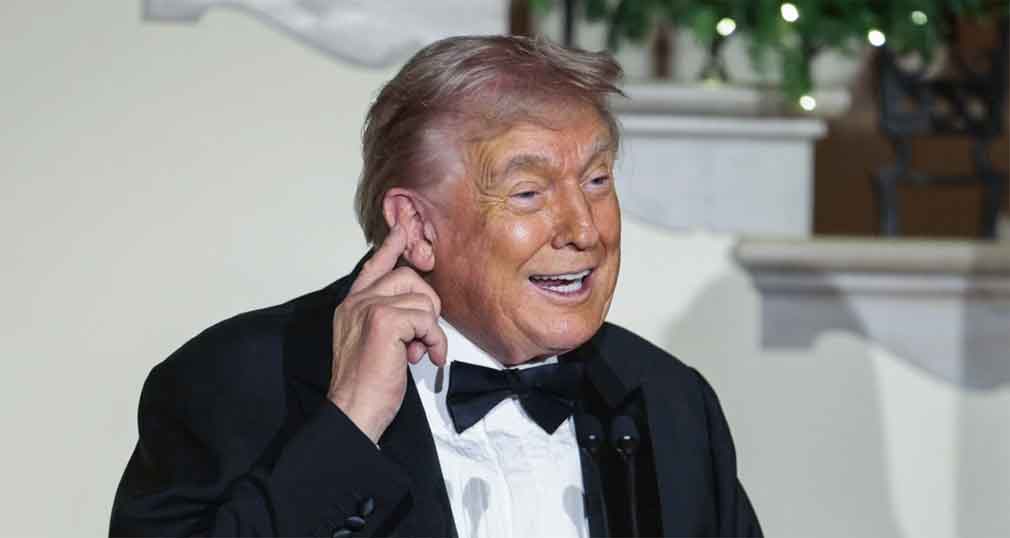
The United States has significantly intensified its strategic posture toward Venezuela through a series of coordinated military and policy actions. Recent weeks have witnessed a bolstering of U.S. military assets in the Caribbean Sea, positioning them in close proximity to the South American nation’s coastline. In a notable interview with Politico, former President Donald Trump explicitly declined to dismiss the potential deployment of Pentagon forces into Venezuela, signaling a hardened approach. He further escalated rhetoric by ominously declaring that the days of Venezuelan President Nicolás Maduro are ‘numbered,’ a statement perceived as a direct threat to the incumbent government. Complementing this verbal posture, the U.S. administration announced a comprehensive closure of airspace over and adjacent to Venezuela, characterizing it as part of an intensified ‘maximum pressure’ campaign aimed at Caracas. Venezuelan Defense Minister Vladimir Padrino has publicly condemned these actions as acts of intimidation, specifically citing the unauthorized incursion of U.S. F-18 fighter jets into the airspace over the Gulf of Venezuela. In a parallel development, the U.S. Department of Homeland Security (DHS) terminated the Family Reunification Parole (FRP) programs for nationals from seven countries—Colombia, Cuba, Ecuador, El Salvador, Guatemala, Haiti, and Honduras—along with their immediate relatives. This policy shift, justified by citing systemic abuses of the protections, mandates that affected immigrants must depart U.S. territory by mid-January unless they can secure an alternative legal status to remain.
标签: Cuba
古巴
-
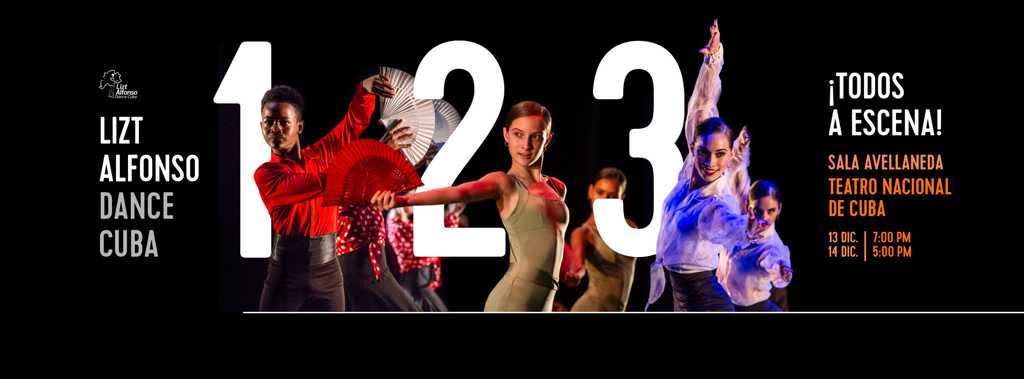
LADC bids farewell to 2025 with a grand show
Havana’s cultural scene is set to dazzle as the Teatro Nacional de Cuba prepares for a spectacular ballet presentation this December. The prestigious Avellaneda Hall will serve as the stage for an extraordinary display of artistic excellence on December 13th at 7:00 PM and December 14th at 5:00 PM local time.
This significant cultural event will feature the distinguished professional company alongside members of the Vocational Workshops and the Children’s and Youth Ballet. Audiences will witness the remarkable artistic progression of students as they demonstrate their technical mastery and perform alongside established professionals.
The program will include revivals from the renowned repertoire of Lizt Alfonso Dance Cuba, the acclaimed company established in 1991. Founder Lizt Alfonso, recognized as a United Nations Children’s Fund (UNICEF) Goodwill Ambassador for her cultural contributions, has built an institution that represents the pinnacle of Cuban dance education and performance.
This year-end presentation offers a unique opportunity to observe the seamless transition of dancers from training to professional performance, highlighting Cuba’s enduring commitment to artistic education and cultural preservation. The event stands as a testament to the country’s vibrant dance tradition and its successful mentorship model.
-
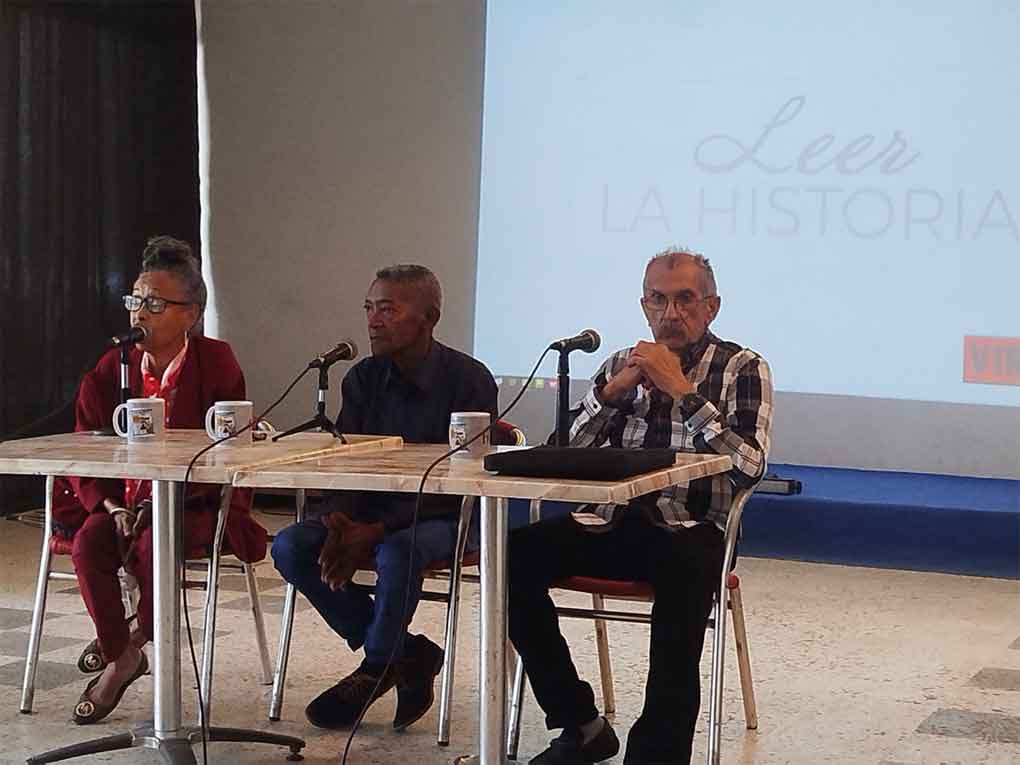
Fidel Castro, focus of a conference on Cuban history
Camagüey, the historic birthplace of the Cuban Constitution, recently hosted a significant academic symposium titled “Fidel Castro: A Life Dedicated to Humanity.” The event convened scholars and prominent public figures who conducted a multidimensional examination of the Commander-in-Chief’s legacy, expanding the discourse beyond national boundaries to encompass universal relevance.
Maricela Valido, President of the José Martí Cultural Society, articulated the inseparable intellectual connection between Martí’s philosophical framework and Fidel’s revolutionary ideology. “Martí instructs us through historical triumphs to address contemporary challenges—a fundamental principle that Fidel embodied,” Valido asserted, characterizing Castro as a transformative “social educator” whose historical perspective formed the foundation for comprehensive societal development.
The symposium featured personal reflections from MSc. Marcial Mendoza, who presented an intimate portrait of Castro as “an individual of exceptional human sensitivity.” Mendoza prompted attendees to contemplate how a leader bearing immense governmental responsibilities maintained profound connections with family, children, and comrades throughout his political career.
Noel Manzanares contributed historical-political analysis, tracing Fidel’s strategic relationship with Camagüey dating to 1953 and examining his early conceptualization of socialist principles. Manzanares highlighted Castro’s January 4, 1959 declaration—”Homeland represents where no citizen suffers exploitation”—as a foundational philosophical statement, emphasizing how his Martí-inspired socialist vision remained resolute following the collapse of European socialist governments.
Concluding the event, Fernando Manso, President of Cuba’s Union of Historians in Camagüey, emphasized the critical importance of maintaining scholarly forums for examining the Commander-in-Chief’s ideological legacy. Manso asserted that Fidel’s enduring relevance stems from his unique synthesis of globally-oriented strategic thinking, unshakeable political determination, and profound human empathy—qualities that established his leadership both within Cuba and internationally.
-
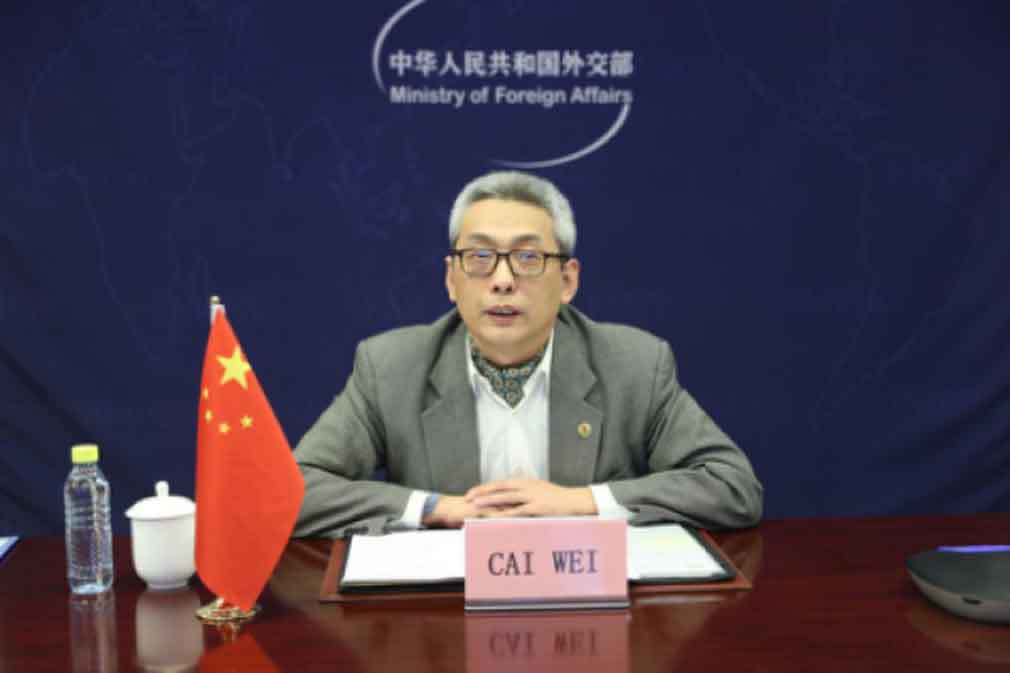
Policy towards Latin America and crisis with Japan mark China’s week
China has formally released its third comprehensive policy document outlining strategic engagement with Latin America and the Caribbean (LAC), emphasizing cooperation free from geopolitical maneuvering during a period of increasing global instability. The announcement was made by Assistant Foreign Minister Cai Wei, who presented the framework centered on building a shared future between China and LAC nations.
The policy paper explicitly reaffirms Beijing’s opposition to external geopolitical pressures and third-party interference in its relations with Latin American countries, while simultaneously defending China’s longstanding principle of non-interference in the internal affairs of sovereign states.
Concurrently, diplomatic friction with Japan intensified following incidents involving Chinese naval exercises conducted near Japanese territorial waters. Chinese officials asserted that recent statements by Japan’s Prime Minister regarding potential military intervention in a “Taiwan contingency” constituted a violation of Chinese sovereignty.
Beijing further issued warnings to the international community about what it characterized as a resurgence of Japanese militarism and the associated regional security risks.
In domestic policy developments, China’s Central Economic Work Conference convened to assess economic performance projections for 2025 and establish key priorities for 2026, with particular focus on optimizing the balance between domestic supply and demand.
Separately, China celebrated productive diplomatic dialogue with Germany, highlighting continued efforts to maintain constructive international partnerships amid complex global relations.
-
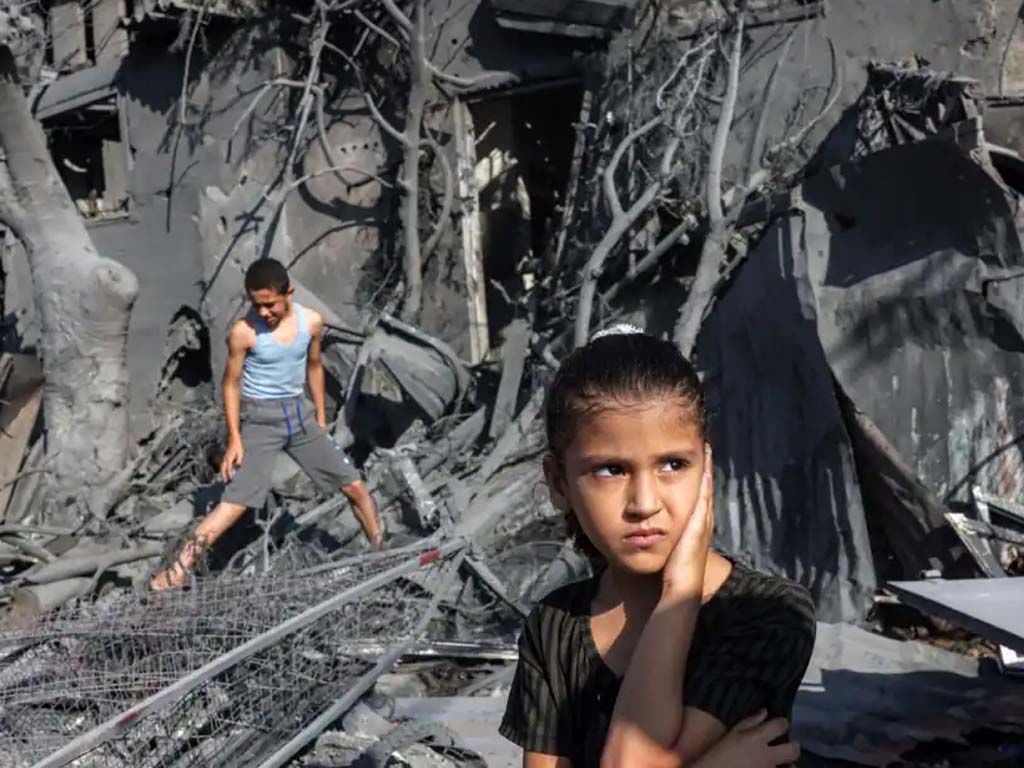
Palestinian group criticizes global response to Israeli crimes
The Popular Front for the Liberation of Palestine (PFLP) has issued a stark condemnation of the international community, declaring a systemic collapse of the legal and moral frameworks purportedly upheld by global powers. The leftist organization characterized the ongoing situation as a profound moral failure, highlighting what it describes as the complete disintegration of the values the world claims to defend.
According to the group, the humanitarian emergency in the Gaza Strip has escalated to intolerable levels. This assessment comes after more than two years of sustained Israeli military operations, compounded recently by the devastating impact of Storm Byron. The convergence of conflict and natural disaster has exacerbated the already dire conditions for the civilian population.
The PFLP’s statement detailed the immense scale of suffering, drawing attention to the plight of over one million internally displaced persons. These individuals, the group emphasized, are trapped in a vicious cycle of severe hunger, rampant disease, and exposure to harsh weather conditions without adequate shelter or protection.
In response to this escalating catastrophe, the PFLP has issued an urgent appeal to international mediators and guarantors involved in ceasefire negotiations. The organization is demanding immediate and concrete action to pressure Israel into permitting the unrestricted entry of critical humanitarian aid. This aid includes essential supplies such as fortified tents for shelter, food provisions, and medical resources necessary to address the growing health crisis.
-
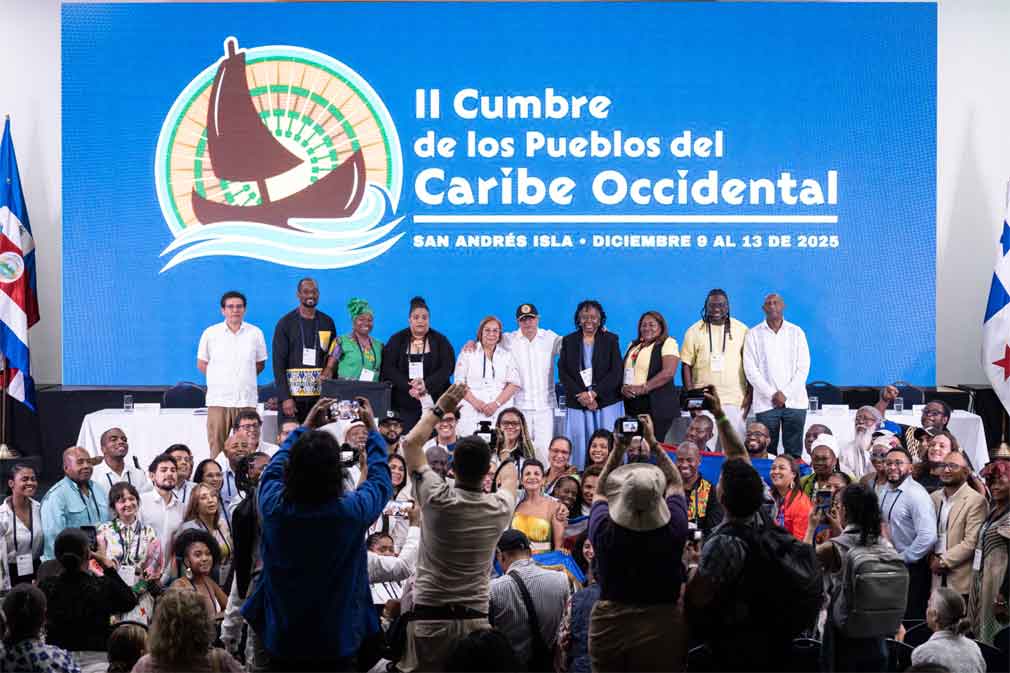
Rejection of US attacks and threats highlights in Colombia
The People’s Confederation of the Western Caribbean (CPCW) has issued a forceful condemnation of recent military operations in Caribbean waters, denouncing both the lethal bombings and a direct threat made by former US President Donald Trump against Colombian leader Gustavo Petro. The statement emerged from the Second Summit of the Peoples of the Western Caribbean, hosted on San Andres Island, which established the CPCW as a regional diplomatic body.
The Confederation’s declaration highlighted that the aerial bombardments have resulted in approximately 100 extrajudicial fatalities, primarily affecting civilian fishermen whose livelihoods are now jeopardized by ongoing military actions. The CPCW demanded an immediate cessation of all threatening operations and called for comprehensive investigations into the events, accompanied by appropriate sanctions and reparations for victims and affected communities.
A significant portion of the statement addressed what it termed ‘unacceptable threats’ against Colombia’s democratically elected president. The Confederation called for absolute respect for President Petro’s physical and moral integrity, referencing direct statements from Donald Trump suggesting Petro would be ‘next’ in line for aggression similar to that directed against Venezuela and its leader Nicolas Maduro.
In response to these developments, President Petro attributed Trump’s comments to a fundamental misunderstanding of South American realities. The Colombian leader articulated substantive policy disagreements with US approaches toward Palestine, Caribbean relations, Venezuela, and strategies for combating organized crime. Petro particularly challenged the effectiveness of missile strikes against small boat operators, arguing that such tactics primarily impact impoverished fishermen rather than actual drug traffickers who operate luxury vessels near global hubs like Dubai and Madrid.
-
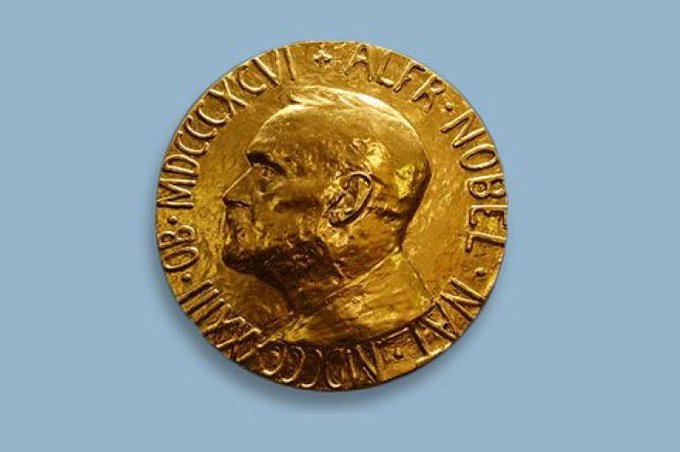
Cuban Foreign Minister disqualifies Nobel Peace Prize Committee
Cuban Foreign Minister Bruno Rodriguez has launched a scathing critique of the Nobel Peace Prize selection process, characterizing the prestigious award as a political tool favoring United States allies. Through his official Twitter account, Rodriguez asserted that the Norwegian Nobel Committee members—appointed by a NATO-aligned parliament—systematically transform the prize into recognition for “docile US allies” while simultaneously providing a platform for criticizing governments Washington finds inconvenient.
The seasoned diplomat drew upon Cuba’s direct experience with over six decades of American economic blockade to question the committee’s consistent exclusion of Cuba’s Medical Brigades from consideration. These medical professionals have received repeated nominations for their humanitarian work worldwide, yet remain unrecognized by the Nobel committee.
Rodriguez highlighted what he characterized as profound hypocrisy, noting the committee’s silence regarding aggressive US actions against Venezuela while enthusiastically presenting awards that allegedly contradict peace principles. He specifically referenced controversial past laureates including Henry Kissinger, Shimon Peres, and more recent recipients whose recognition coincided with US Secretary of State initiatives that Rodriguez claims promote military intervention in Venezuela.
The Foreign Minister concluded that such demonstrated “double standard” fundamentally disqualifies the committee from delivering authoritative lectures on democratic values, arguing that the prize has become complicit in actions directly opposed to genuine peacekeeping efforts.
-
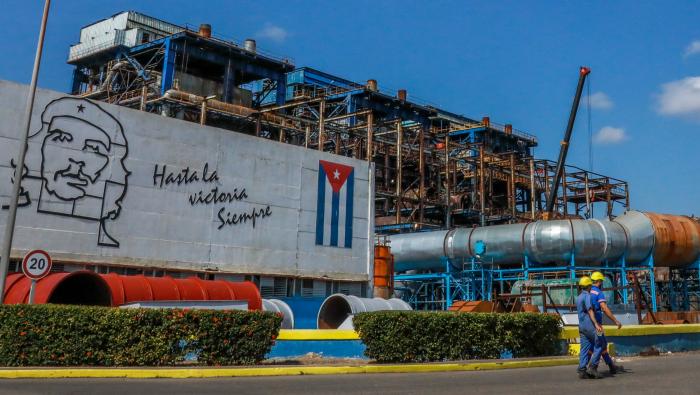
Communist Party of Cuba debates national agenda
The Central Committee of the Cuban Communist Party (PCC) has convened an extraordinary plenary session via videoconference, compressing a previously scheduled two-day meeting into a single intensive session. This adjustment responds directly to what officials describe as “the complex situation currently facing the nation.
The agenda encompasses multiple critical national priorities. Central to discussions is the comprehensive evaluation of the Government Program designed to rectify economic distortions and stimulate economic revitalization. This program recently underwent public consultation from November 15 through December 30, 2023, gathering citizen input on national recovery strategies.
Committee members will further examine proposed economic targets for 2026 and deliberate the upcoming State Budget proposal. A significant portion of the session will address recovery efforts in eastern provinces devastated by Hurricane Melissa, including assessment of damages and evaluation of reconstruction progress. The meeting will also review ongoing recovery from previous natural disasters that have impacted the island nation.
In organizational matters, the Political Bureau will present a comprehensive work report and announce key decisions regarding the preparatory process for the 9th PCC Congress. This significant party gathering is scheduled for April 16-19, 2026—a historically symbolic year that will mark the centenary of former leader Commander-in-Chief Fidel Castro Ruz’s birth.
-
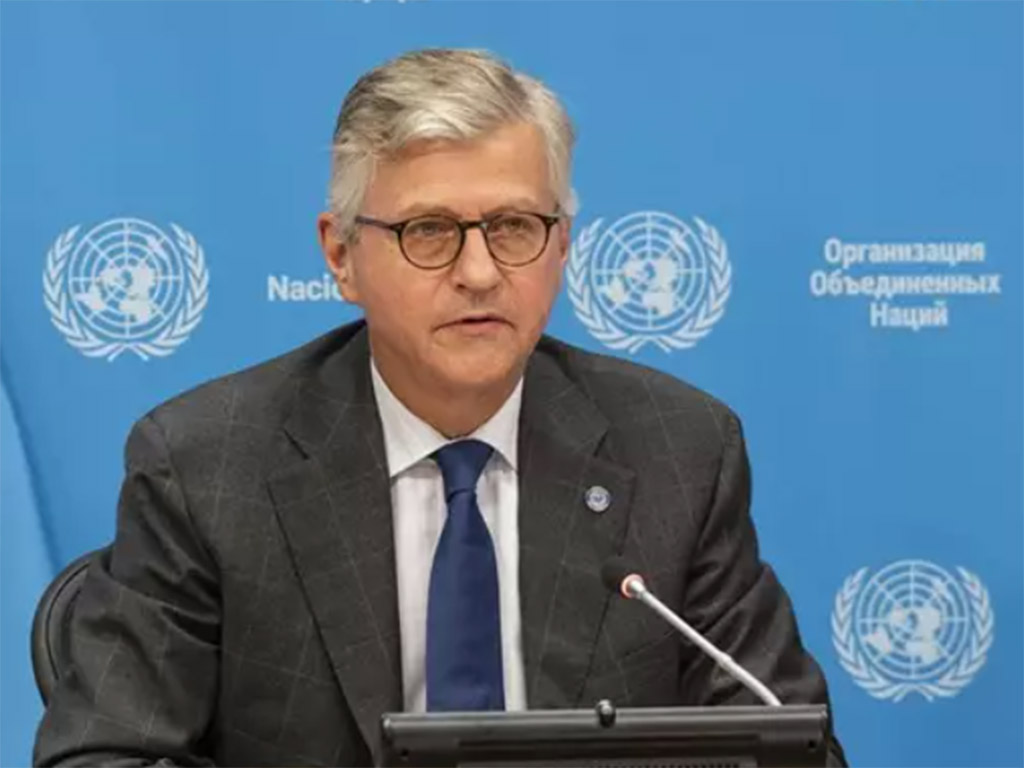
UN warns of possible spread of conflict in DRC to the region
United Nations Under-Secretary-General for Peace Operations Jean-Pierre Lacroix has issued a stark warning to the UN Security Council, declaring that a renewed military offensive by the Congo River Alliance-March 23 Movement (AFC/M23) in South Kivu province has dramatically escalated regional tensions. Lacroix emphasized that this development has “rekindled the specter of a regional conflagration with incalculable consequences” for Central Africa.
The UN peacekeeping chief expressed grave concerns about the deteriorating security situation, noting that rebel advancements are creating serious risks of national fragmentation within the Democratic Republic of Congo. This is particularly evident in the eastern provinces where insurgent groups have established parallel governing structures challenging state authority.
Complicating the crisis further, Lacroix highlighted the involvement of armed forces and militant groups from neighboring countries, whose direct and indirect participation threatens to expand the conflict beyond DRC’s borders. This external dimension significantly increases the danger of the confrontations spreading throughout the entire Great Lakes Region, potentially destabilizing multiple nations.
The warning comes despite previous diplomatic efforts to de-escalate tensions, including agreements signed in Washington, D.C. between DRC President Felix Tshisekedi and Rwandan President Paul Kagame. Notably, the AFC/M23 offensive has already achieved significant territorial gains, capturing the strategic city of Uvira on December 10. Uvira served as the provisional capital of South Kivu province and represents a crucial border hub near Burundi, underscoring the conflict’s transnational implications.
-

Ecuador and Dom Rep send votes to PL sports poll
Prensa Latina’s esteemed annual sports survey has garnered significant participation from media organizations across Latin America, with the submission deadline set for December 22. The prestigious poll has already attracted entries from nearly 50 national and international media outlets representing multiple countries including Ecuador, Dominican Republic, Argentina, Brazil, Chile, El Salvador, Nicaragua, Panama, Mexico, Uruguay, and Venezuela.
Ecuadorian javelin world champion Juleisy Angulo has emerged as a notable contender, receiving four votes from Radio Pichincha’s endorsement. Her performance places her third in the women’s category, trailing behind Cuban triple jumper Leyanis Pérez who leads with 30 votes, and Mexican athlete Andrea Becerra who holds second place with five votes.
Dominican media outlet Vanguardia del Pueblo has highlighted several national athletes in their submissions. Sprinter Marileidy Paulino has garnered two votes, while Major League Baseball star Vladimir Guerrero and the baseball team Águilas Cibaeñas have received their inaugural votes in the poll.
This year’s edition carries special historical significance as it honors two legendary figures in Latin American sports history. The poll is dedicated to commemorate the 100th birthday anniversary of Cuban revolutionary leader Fidel Castro, recognized as the architect of Cuba’s sports movement, and the fifth death anniversary of Argentine soccer icon Diego Armando Maradona, who won the Sports Poll in 1986 following his World Cup triumph.
The Prensa Latina Sports Poll maintains a rich tradition dating back to 1964 when Cuban sprinter Enrique Figuerola became its first recipient. The awards have evolved significantly over decades, with the Best Team of the Year category introduced in 1980 and gender-separated voting implemented in 1988 to ensure equitable recognition for male and female athletes.