标签: Cuba

古巴

  • The unity we need today is that of those who argue strongly, but march together

    The unity we need today is that of those who argue strongly, but march together

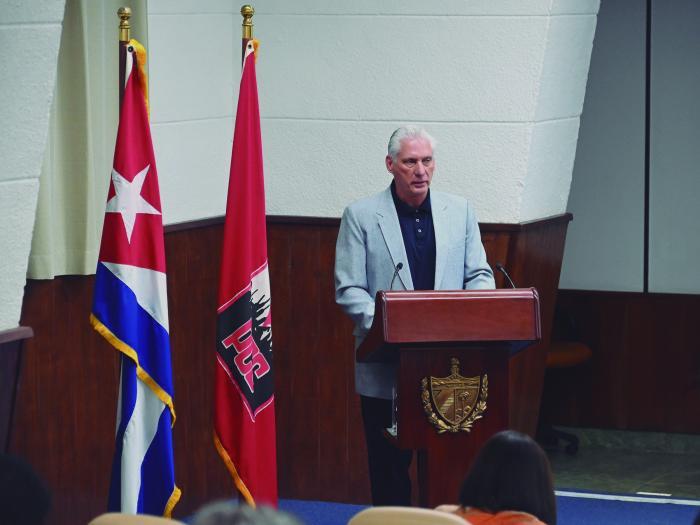
    In a pivotal address concluding the 11th Plenary Session of Cuba’s Communist Party Central Committee, President Miguel Díaz-Canel delivered a comprehensive assessment of the nation’s critical challenges while outlining a path forward for the revolutionary government. The December 13, 2025, speech at Havana’s Palace of the Revolution confronted Cuba’s severe economic contraction, with GDP declining over 4% and inflation soaring amid what the president characterized as “brutal persecution” by the United States.

    Díaz-Canel acknowledged the devastating impact of Hurricane Melissa alongside structural economic problems, including paralyzed industrial activities, critical power generation shortages, and unmet food distribution needs. He presented these challenges within the context of six decades of US economic embargo, which he described as a “genocidal policy” designed to suffocate the Cuban Revolution.

    The president emphasized that revolutionary transformation requires more than economic adjustments, demanding fundamental changes in mentality and party work methods. He stressed that authentic leadership emerges not from reports but through direct engagement with communities, stating: “Our most important tasks are in the field, in the neighborhoods, with our ears to the ground and our feet on the ground.”

    Díaz-Canel condemned the new US National Security Strategy as a return to “gunboat diplomacy,” citing the recent seizure of a Venezuelan oil tanker as evidence of escalating aggression in the region. He positioned Cuba within broader Latin American solidarity movements, vowing to strengthen integration with sister nations facing similar pressures.

    The address outlined specific economic measures, including prioritizing food production as a national security imperative, reforming state enterprises, responsibly integrating MSMEs and cooperatives, and pursuing monetary reforms while protecting vulnerable populations. The energy transition emerged as a critical focus, with investments in renewable sources and efficiency programs framed as both practical necessities and social justice commitments.

    Díaz-Canel called for renewed youth engagement, transparency in governance, and systematic implementation of plenary agreements with clear accountability mechanisms. He concluded with a rallying cry for unity and revolutionary perseverance, invoking Cuba’s historical resilience against external pressure while acknowledging internal shortcomings that require addressing through criticism and self-criticism.

  • Every day of the Revolution is a victory

    Every day of the Revolution is a victory

    In a significant political decision, Cuba’s Central Committee has unanimously voted to postpone the 9th Communist Party Congress originally scheduled for April 2026. The 11th Plenary Session, conducted virtually on December 13, concluded that the nation must prioritize addressing its severe economic challenges over political gatherings.

    The postponement proposal originated from Army General Raúl Castro Ruz, revolutionary leader and former president, who emphasized the revolutionary principle of always choosing what best serves Cuba’s interests. His recommendation, presented by current First Secretary and President Miguel Díaz-Canel Bermúdez, argued that all national resources and cadre energy should be directed toward resolving pressing economic problems rather than congress preparations.

    The decision reflects Cuba’s deteriorating economic situation amid what officials describe as an intensified U.S. blockade and ongoing media warfare. The Plenary Session identified several immediate priorities: refining the government’s economic program to correct distortions, implementing approved economic measures, ensuring the 2026 budget addresses popular needs and national defense, and strengthening support for regions devastated by recent natural disasters.

    President Díaz-Canel outlined additional critical objectives, including enhancing youth participation in national development and intensifying ideological and cultural efforts to counter what he characterized as anti-Cuban disinformation campaigns. The leadership called for united action to boost production, generate income, and multiply successful economic experiences while eliminating bureaucratic inertia and pessimistic thinking.

    The postponed congress will now focus on 2026 recovery efforts, coinciding with the centenary celebration of Fidel Castro’s birth, which officials hope to honor through tangible economic improvements. The resolution reaffirmed confidence in Cuba’s capacity for self-emancipation through dedicated effort, citing ongoing recovery work in eastern provinces following Hurricane Melissa as evidence of the population’s resilience.

    The statement concluded with revolutionary rhetoric, describing the Cuban people as heir to José Martí’s tradition and faithful to Fidel and Raúl Castro’s teachings, capable of daily creative resistance against external pressures and economic siege.

  • Progress on Green Hydrogen Production Plant in Colombia

    Progress on Green Hydrogen Production Plant in Colombia

    Colombian President Gustavo Petro has announced a groundbreaking green hydrogen initiative following his inspection of the Cartagena Refinery construction site. The project, leveraging newly inaugurated solar infrastructure, is projected to yield an annual production of 800 tons of green hydrogen starting April next year.

    President Petro emphasized the strategic significance of green hydrogen as a versatile energy carrier that can be transported through existing natural gas pipelines. “This development opens pathways for advanced phase exports of clean energy to global markets including Europe, the United States, and China through ammonia shipping,” he stated. The president further highlighted the dual benefit of producing green urea for domestic agriculture, enhancing both energy security and agricultural productivity.

    The announcement comes amid recognition of state-owned energy company Ecopetrol’s progressive strides in Colombia’s energy transition. However, President Petro identified a significant regulatory barrier: current legislation prohibits Ecopetrol from electricity generation for public distribution. Despite energy transition being a government priority, amending this restriction falls entirely under Congressional authority.

    “Ecopetrol must pursue legislative reform to enable commercial electricity generation,” Petro asserted, underscoring the need for regulatory modernization to align with national energy objectives.

    The green hydrogen facility, operating at five megawatts capacity, will produce premium-quality hydrogen for hydrotreating processes at the Cartagena refinery. This integration is projected to reduce carbon dioxide emissions by approximately 7,700 tons annually while simultaneously diminishing the carbon footprint of refined fuels. The project represents a crucial step toward enhancing Colombia’s energy independence and establishing the country as a participant in the global clean energy market.

  • Damage reported in central Cuba due to heavy rains

    Damage reported in central Cuba due to heavy rains

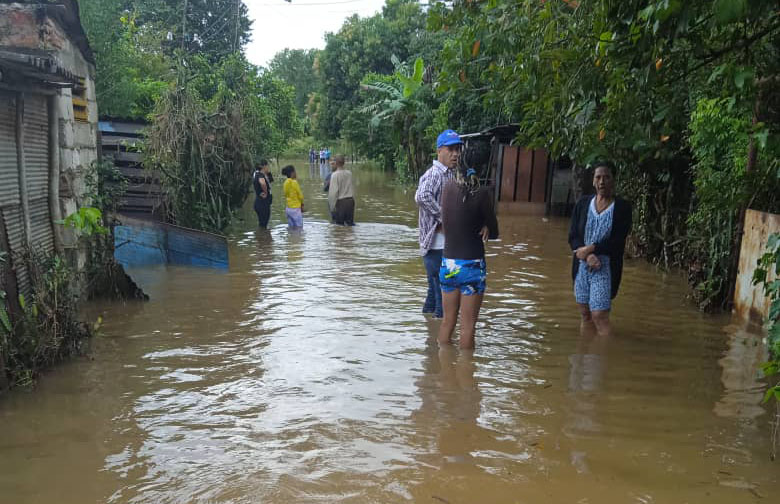
    Central Cuba’s Villa Clara province is confronting severe flooding as torrential rainfall continues to batter the region, affecting over 200 residents across multiple municipalities. The town of Sitiecito has emerged as the epicenter of the crisis, with overflowing rivers and severed road connections isolating communities.

    Meteorological experts from the Provincial Meteorological Center attribute the extreme weather conditions to a storm system currently positioned over central Cuba. Specialist Amaury Machado confirmed the system’s persistence, indicating that heavy precipitation will likely continue throughout the day.

    Quantitative measurements reveal the severity of the downpour. By 8:00 a.m. local time, the Institute of Hydraulic Resources recorded staggering rainfall accumulations: 156 millimeters in Sitiecito, 91.8 millimeters at the Alacranes reservoir, and 54 millimeters at the Sagua la Grande weather station. These measurements confirm locally intense rainfall exceeding normal thresholds.

    Provincial leadership has activated emergency protocols in response to the escalating situation. Governor Milaxy Sanchez announced comprehensive protective measures for vulnerable families, private property, and state infrastructure. Civil Defense units and the Integrated Medical Emergency System have been placed on high alert, implementing response strategies developed since the region’s last major flooding event in 2017.

  • Colombia and Russia strengthen ties in Education

    Colombia and Russia strengthen ties in Education

    Colombia and Russia have formalized a comprehensive educational partnership through a newly signed memorandum that establishes extensive academic exchange programs between the two nations. The agreement enables Colombian students, academics, and professionals to pursue undergraduate and graduate studies at Russian universities, with particular emphasis on strategic fields including artificial intelligence, agribusiness, advanced technologies, and applied sciences.

    As part of the enhanced cooperation, Russia has committed to increasing its scholarship allocation for Colombian candidates by confirming an additional 20 scholarships immediately. Both governments anticipate this number will grow progressively following the memorandum’s implementation. The partnership framework also facilitates the development of dual-degree programs, collaborative research initiatives, and mutual exchange of scientific materials and educational resources.

    The bilateral agreement further provides for the organization of joint academic conferences, seminars, and research projects designed to address global challenges. Colombian authorities emphasized that this collaboration will significantly strengthen the quality of higher education in Colombia while connecting the nation to cutting-edge scientific and technological advancements worldwide.

    In reciprocal arrangements, Colombia will facilitate access for Russian citizens to its higher education institutions and provide additional consideration points for Russian applicants seeking Colombia Scholarship opportunities. The alliance additionally promotes linguistic exchange through mutual support for Russian and Spanish language learning programs, creating enhanced opportunities for students and professionals from both countries.

  • Cuban Film Festival concludes with screenings of award-winning works

    Cuban Film Festival concludes with screenings of award-winning works

    The 46th Havana Film Festival culminated in a grand finale with special screenings of its most celebrated cinematic works across multiple venues. The festival’s closing events showcased an impressive array of international co-productions that had earned top honors in the prestigious Coral Awards competition.

    At the Charles Chaplin Cinema, audiences were treated to ‘A Poet,’ the festival’s most awarded feature film, followed by ‘The Mysterious Gaze of the Flamingo’ (Chile-France collaboration), which claimed the Best First Feature category, and the Colombian-Honduran co-production ‘Eva,’ recognized for its outstanding Artistic Contribution.

    Simultaneously, Yara Cinema presented a diverse program including Cuba’s ‘Raptus’ (Animated Short/Medium-Length Film winner), Brazil’s ‘Sappho’ (Special Jury Prize recipient), and the Franco-Brazilian production ‘Heart of Darkness’ (Animated Feature Film Award winner).

    La Rampa cinema featured the multinational documentary ‘The Prince of Nanawa’ (Argentina-Paraguay-Colombia-Germany), honored with the Best Documentary Feature Coral Award. Additional venues including Acapulco, Infanta, and Glauber Rocha Foundation theaters screened notable works such as Cuba’s ‘Nora,’ France’s ‘Case 137,’ the transnational production ‘The Reborn’ (Argentina-Chile-Spain), and ‘Oca’ (Mexico-Argentina collaboration).

    The festival’s final day included special presentations at 23 y 12 cinema of the Cuban-Italian project ‘Baracoa’ (Sumate Award winner with Honorable Mention from Havana’s Agrarian University) and ‘Son of Tiger and Mule’ (Panama-Colombia), recipient of the Special Coral Jury Prize for Best Documentary Feature. Multiple award-winning films including ‘Belen’ (Argentina), ‘Cuerpo Celeste’ (Chile-Italy), ‘Tierra enferma’ (Brazil), ‘El agente secreto’ (Brazil-France), and ‘Neurotica Anonima’ (Cuba) received encore presentations across Chaplin, Yara, and Acapulco theaters, bringing the cinematic celebration to a magnificent close.

  • EU-CELAC Summit, an oasis in the desert, says experts in Spain

    EU-CELAC Summit, an oasis in the desert, says experts in Spain

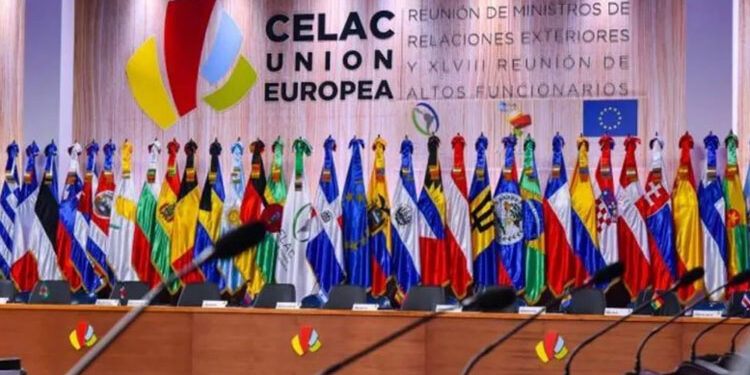
    At a recent policy seminar, former European Parliament member Ramón Jauregui delivered a candid assessment of the evolving international geopolitical landscape, emphasizing Latin America and the Caribbean’s critical role. His address centered on the pressing necessity for the European Union to finalize the long-pending Cooperation Agreement with Mercosur, the South American trade bloc.

    Jauregui provided a critical examination of former U.S. President Donald Trump’s disruptive foreign policy maneuvers, which included attempts to alter established international norms. These controversial actions ranged from proposals to rename the Gulf of Mexico to implementing aggressive tariff policies against trading partners.

    The discussion further addressed how such protectionist strategies could potentially destabilize European interests and create pressure on China through extraterritorial policies. Against this complex backdrop, Jauregui identified the recent EU-CELAC Summit in Santa Marta, Colombia, as providing a cautiously optimistic outlook for international cooperation, despite existing challenges.

    The seminar, titled ‘After the IV CELAC-EU Summit in Santa Marta: Results Achieved and Objectives to Fulfill,’ featured multiple experts who unanimously stressed the critical importance of developing new multilateral collaboration frameworks. Participants explored potential investment initiatives and analyzed the prospects for a comprehensive EU-Mercosur agreement, drawing comparisons to the EU’s existing successful partnerships with Chile and Mexico.

    Experts concluded that strengthening the EU-Mercosur partnership would serve as a robust response to evolving global trade mechanisms and reinforce international cooperation frameworks during a period of significant geopolitical transformation.

  • Colombian movie A Poet with 2 Coral Awards at Havana Film Festival

    Colombian movie A Poet with 2 Coral Awards at Havana Film Festival

    The Colombian cinematic production ‘A Poet’ has achieved remarkable international recognition, securing multiple prestigious awards at global film festivals. Directed by Simon Mesa, this dramatic feature earned both the Coral Award for Best Feature Film and the Coral Award for Best Actor for Ubeimar Rios’ compelling performance.

    The film’s acclaim extended beyond these honors to include the Don Quixote Award, presented by the International Federation of Film Societies, and the Signis Award from the World Catholic Association for Communication. This multi-national co-production between Colombia, Germany, and Sweden has demonstrated exceptional staying power in Colombian theaters, maintaining a three-month theatrical run—the longest of any Colombian film.

    At a press conference held at Hotel Nacional de Cuba in Havana, Professor Ubeimar Rios, who portrays the central character Oscar Restrepo, reflected on the film’s universal themes. He noted that while the narrative explores specific family dynamics in particular locations, the story resonates internationally as similar situations occur in numerous other communities worldwide.

    Rios revealed his personal connection to the role, explaining that much like his character, he shares a passion for poetry, works as a professor, and has experienced similar literary frustrations—a parallel he acknowledged with humorous self-awareness.

    The film’s narrative centers on Oscar Restrepo, whose obsessive pursuit of poetic glory has yielded little success or recognition. His life takes an unexpected turn when he encounters Yurlady, a talented teenager from humble circumstances. While guiding her artistic development brings newfound purpose to his existence, the film thoughtfully examines whether introducing her to the demanding world of poetry represents the most appropriate mentorship approach.

    ‘A Poet’ stands as a significant achievement in international cinema, blending authentic local storytelling with themes that transcend cultural boundaries, earning both critical acclaim and audience appreciation across multiple continents.

  • Argentine ballet star to perform In Cuba

    Argentine ballet star to perform In Cuba

    In a landmark cultural exchange, principal dancer Marianela Nunez of London’s Royal Ballet will perform alongside Cuban-Australian star Patricio Reve at Havana’s Teatro Nacional de Cuba on December 28 and 30. The performances form part of the Cuban National Ballet’s special production of Don Quixote honoring legendary Cuban prima ballerina assoluta Alicia Alonso on what would have been her 105th birthday.

    Nunez, celebrated by critics for her extraordinary technical mastery and captivating stage presence that has enthralled audiences at the world’s most prestigious venues, will share the stage with Reve—a product of Cuba’s National Ballet School who has risen to international prominence through his refined artistry and impeccable technique. Reve currently serves as guest artist with The Royal Ballet while maintaining his principal position with Queensland Ballet in Australia.

    The commemorative season will feature nine performances total, with the National Ballet Company (declared a National Cultural Heritage institution) showcasing both established stars and emerging talent. Company members Anette Delgado, Dani Hernandez, Yanquiel Vazquez, Anyelo Montero, Gabriela Druyet, Nadila Estrada, Laura Kamila, and Alejandro Alderete will make their debuts in leading roles during the production.

    This collaboration represents a significant moment of artistic diplomacy, bringing together Cuban-trained talent with international ballet stars in a celebration of Cuba’s rich ballet heritage and its global influence.

  • Panama establishes foreign trade facilitation plan

    Panama establishes foreign trade facilitation plan

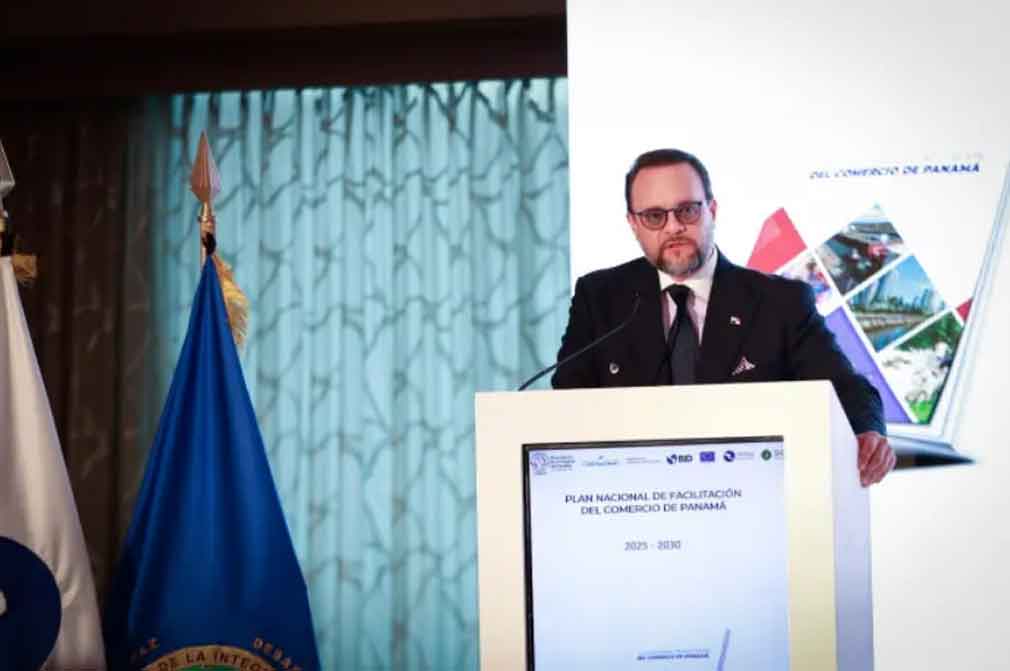
    In a strategic move to enhance Panama’s role in global commerce, Commerce and Industry Minister Julio Molto has announced the formation of a National Committee dedicated to overseeing the country’s international trade integration program. This newly established body will serve as a central coordinating mechanism, bringing together all relevant governmental entities and fostering collaboration with private sector stakeholders.

    Minister Molto emphasized that this coordinated approach will enable Panama’s Executive branch to function as a unified team, significantly strengthening the nation’s position within international trade networks. The initiative represents a key component of Panama’s broader economic strategy, which aims to establish the country as both a reliable and efficient hub for regional and global commerce.

    The comprehensive program is designed to generate substantial opportunities for Panamanian businesses while simultaneously providing a significant boost to the national economy. By streamlining coordination between public and private sectors, Panama seeks to optimize its logistical advantages and geographic positioning to maximize trade benefits and economic growth.