标签: Cuba

古巴

  • Pakistan tests long-range missile in Arabian Sea

    Pakistan tests long-range missile in Arabian Sea

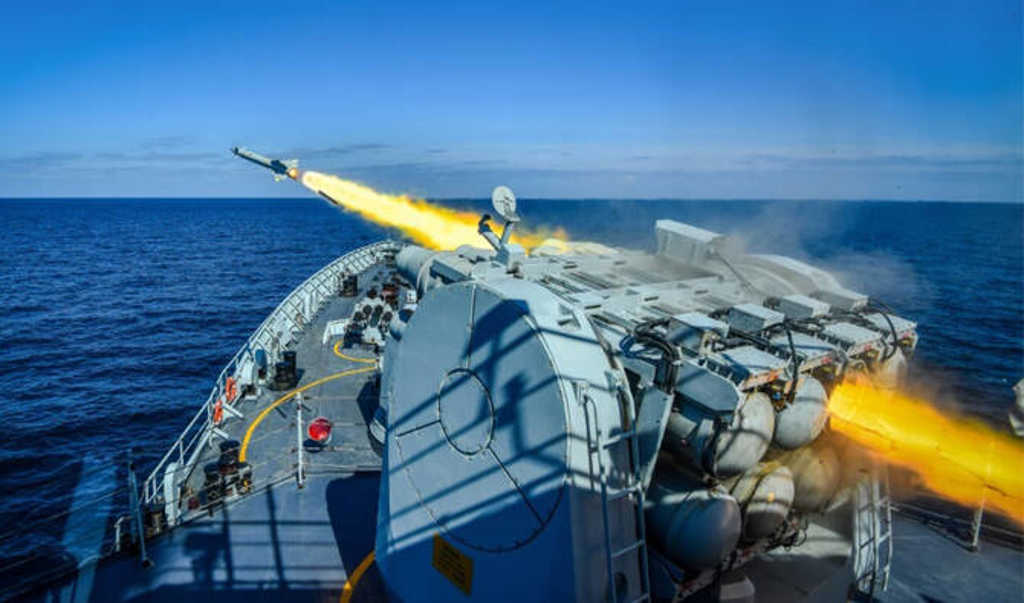
    The Pakistan Navy has successfully conducted a live-fire missile test, demonstrating its advanced defensive capabilities against highly maneuverable aerial threats. According to official statements, the precision strike effectively neutralized sophisticated airborne targets, showcasing significant enhancements to the Navy’s operational readiness and combat potential.

    Rear Admiral Abdul Munib, Commander of the Pakistan Fleet, emphasized the Navy’s unwavering commitment to securing the nation’s maritime borders and protecting vital national interests. “Our forces remain perpetually vigilant and fully prepared to defend Pakistan’s maritime sovereignty under any circumstances,” stated Munib, reinforcing the Navy’s strategic deterrence posture.

    The demonstration coincides with the return of PNS Saif, a frontline warship that recently completed a significant diplomatic and operational mission across South Asia. The vessel’s deployment included port calls in Bangladesh and Sri Lanka, strengthening regional naval cooperation and bilateral ties.

    Notably, the warship’s visit to Chittagong, Bangladesh marked a historic milestone—the first deployment of a Pakistani naval vessel to the country in over twenty years. This diplomatic engagement signals warming relations between the neighboring nations and reflects Pakistan’s growing maritime diplomacy in the Indian Ocean region.
  • UNICEF concerned about mass displacement of children in DRC

    UNICEF concerned about mass displacement of children in DRC

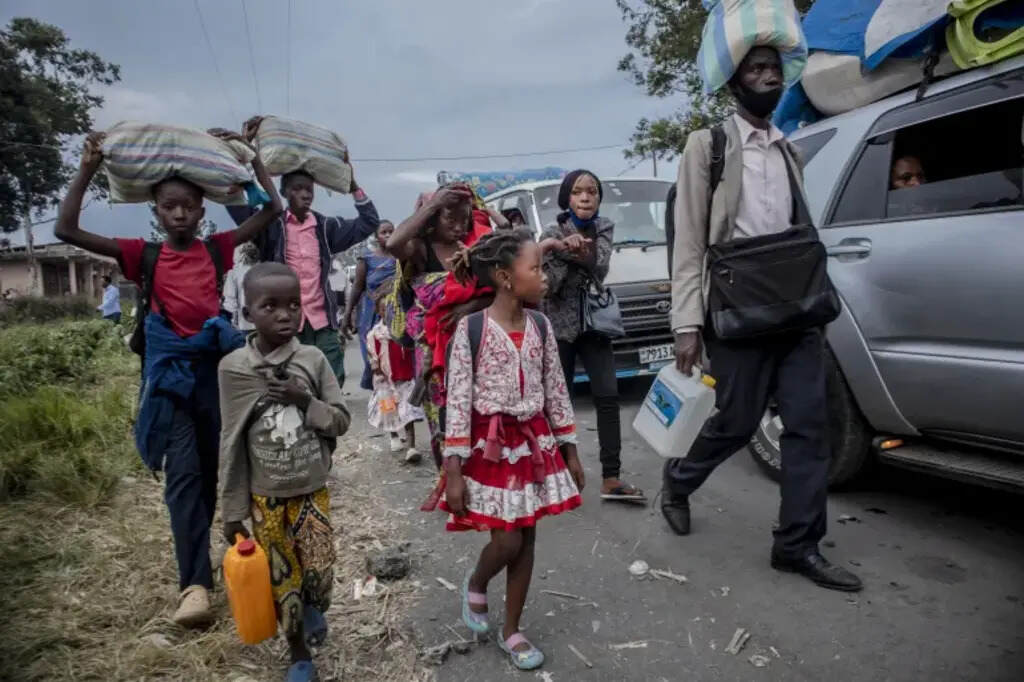
    A severe humanitarian emergency is unfolding in Central Africa as escalating violence in the Democratic Republic of Congo’s South Kivu province triggers a massive displacement crisis. According to UNICEF assessments, intense combat operations since December 1st have compelled approximately 500,000 individuals to abandon their homes, with more than 100,000 children among those forcibly displaced.

    The international organization reports that countless families are undertaking perilous journeys to seek sanctuary, with many crossing international borders into neighboring Burundi and Rwanda. Current projections indicate this exodus will intensify as armed conflict continues to spread across the region.

    UNICEF’s official statement highlights profound concerns regarding the safety and welfare of displaced minors, who confront multiple protection risks including family separation, physical violence, exploitation, and gender-based abuse. The psychological trauma experienced by children exposed to conflict situations represents another critical dimension of this crisis.

    Recent data reveals alarming trends, with over 50,000 Congolese nationals documented as arriving in Burundi between December 6-11 alone. Nearly half of these refugees are minors, and humanitarian agencies anticipate these numbers will surge in coming days.

    The visible consequences include injured civilians and significant numbers of unaccompanied children separated from familial protection networks. In response, UNICEF is coordinating with governmental authorities in both the DRC and Burundi to activate emergency humanitarian interventions.

    The agency has issued urgent appeals to all conflict participants, emphasizing obligations under international humanitarian law and the Convention on the Rights of the Child. UNICEF officials stress that children must never bear the consequences of armed confrontation between warring parties.

  • Europe hopes to sign agreement with Mercosur

    Europe hopes to sign agreement with Mercosur

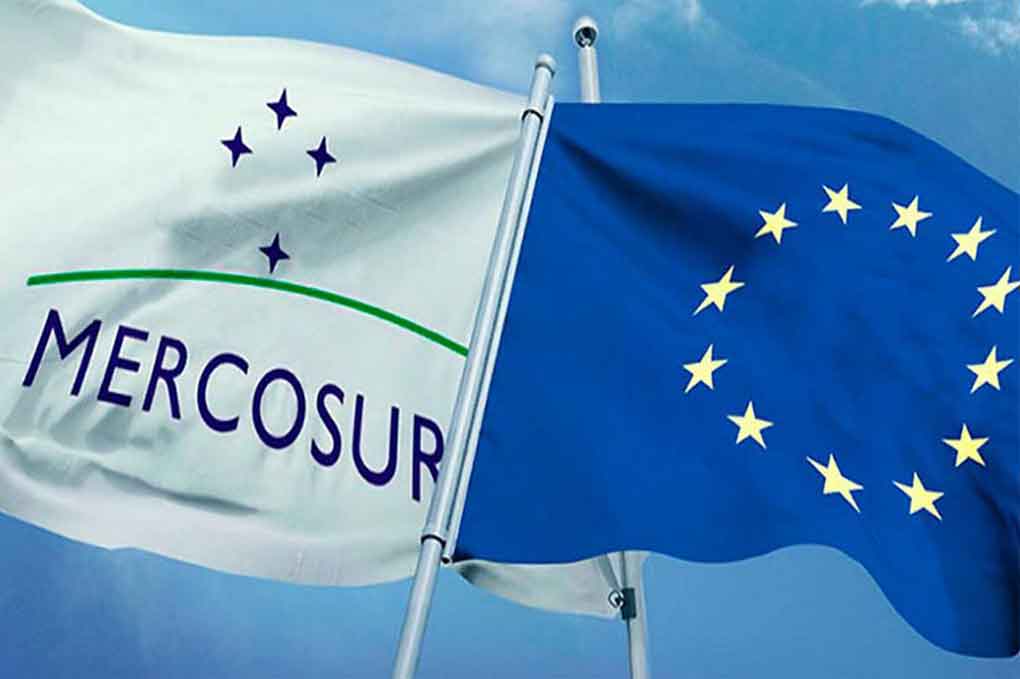
    In a significant diplomatic development, France has formally called for the postponement of a high-stakes meeting between the European Union and the Mercosur trade bloc, originally scheduled for December. The French government contends that the necessary conditions for finalizing the long-anticipated EU-Mercosur trade agreement remain unfulfilled.

    This proposed pact represents a matter of profound importance for the European Union, impacting economic, diplomatic, and geopolitical spheres while also shaping the bloc’s global responsibilities, as articulated by EU Spokesperson Olof Gill.

    The Southern Common Market (Mercosur), established in 1991, originally comprised Argentina, Brazil, Paraguay, and Uruguay. The economic union expanded to include Venezuela in 2012, with Bolivia’s full membership recently ratified by the Brazilian Senate on November 28, 2023. Mercosur functions as an open and dynamic process designed to create a unified economic space that enhances trade and investment opportunities through competitive integration.

    Negotiations are managed by the European Commission, the EU’s executive arm headquartered in Brussels. Founded in 1958, the Commission represents the collective interest of the 27-member European Union, a political and economic partnership established in 1993 where member states delegate portions of their sovereignty to common institutions for democratic decision-making on issues of mutual concern.

    The French intervention introduces a substantial hurdle for one of the world’s most ambitious trade agreements, reflecting ongoing concerns about alignment on environmental, agricultural, and regulatory standards between the two major economic blocs.

  • Chile shifts to far right

    Chile shifts to far right

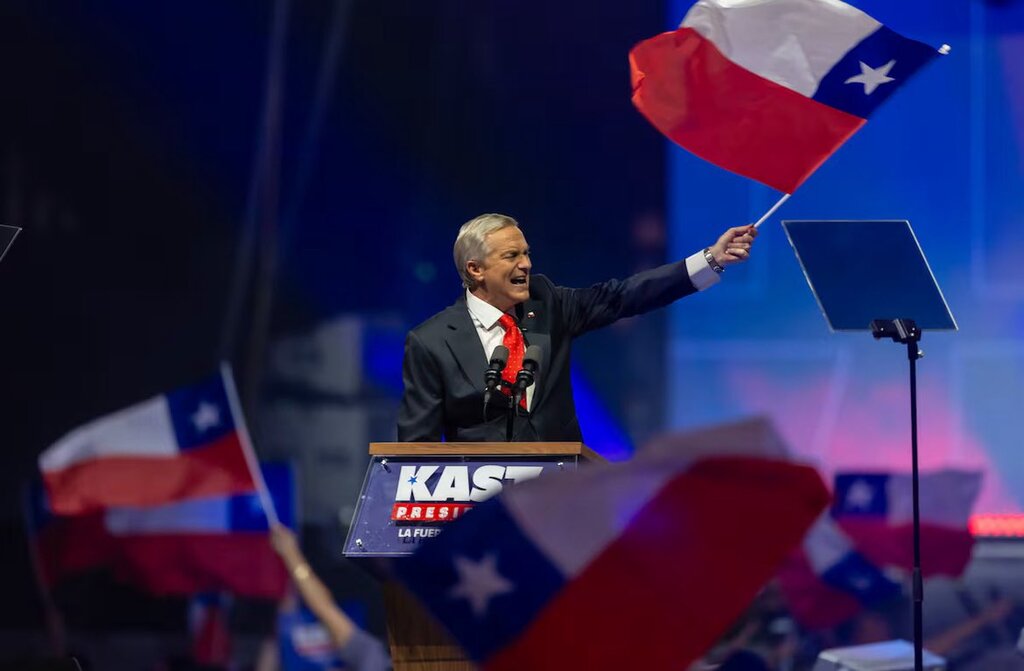
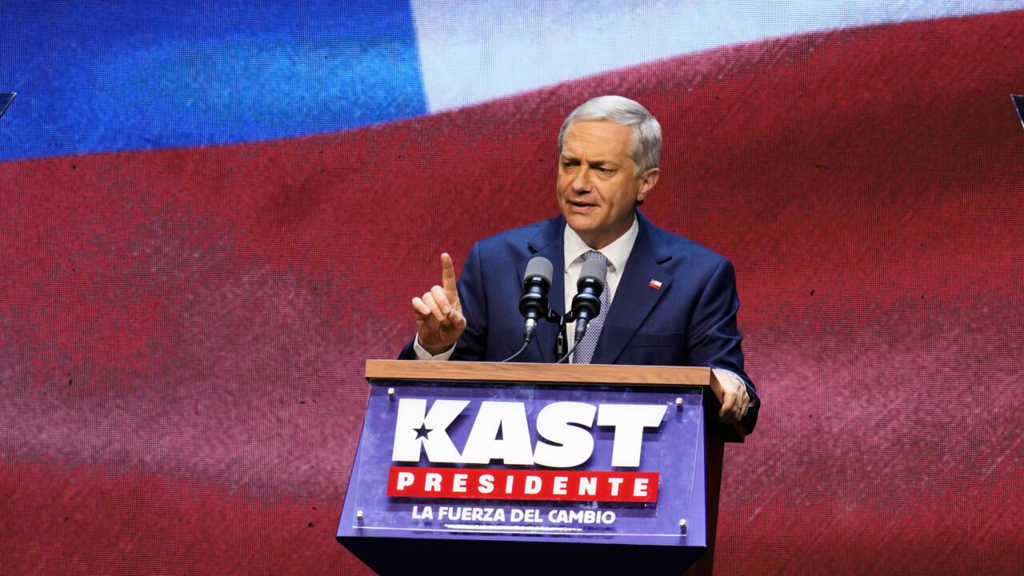
    Chilean voters have delivered a decisive victory to far-right candidate José Antonio Kast in Sunday’s presidential election, with near-complete results showing a commanding 58.16% majority. His progressive opponent Gabriel Boric, representing a coalition of left-wing and social democratic parties, captured 41.84% of the national vote.

    In his inaugural national address, President-elect Kast immediately emphasized his signature campaign theme: national security. He pledged to restore “peace and order” throughout Chile and reinforced his hardline stance on immigration policy. “Do not ask us, irregular migrants, to spend resources on you,” Kast declared. “Anyone who breaks the law has to leave.”

    The electoral outcome has triggered significant introspection within Chile’s political left. The eight-party coalition that supported Boric’s candidacy now faces mounting pressure to analyze the root causes behind their substantial defeat. Political analysts across the hemisphere are examining the factors that propelled far-right politics to unprecedented prominence in a nation traditionally known for its political moderation.

    Kast’s Republican Party secured this victory through an alliance with the extremist National Libertarian Party, which espouses ideologies aligned with Argentine President Javier Milei, alongside traditional conservative factions. This coalition successfully capitalized on widespread public concerns regarding crime rates and immigration challenges.

    The presidential transition is now underway, with Kast scheduled to assume office on March 11, marking a significant rightward shift in Chilean governance and potentially influencing regional political dynamics.

  • Russia’s claims against Euroclear exceed 225.7 billion

    Russia’s claims against Euroclear exceed 225.7 billion

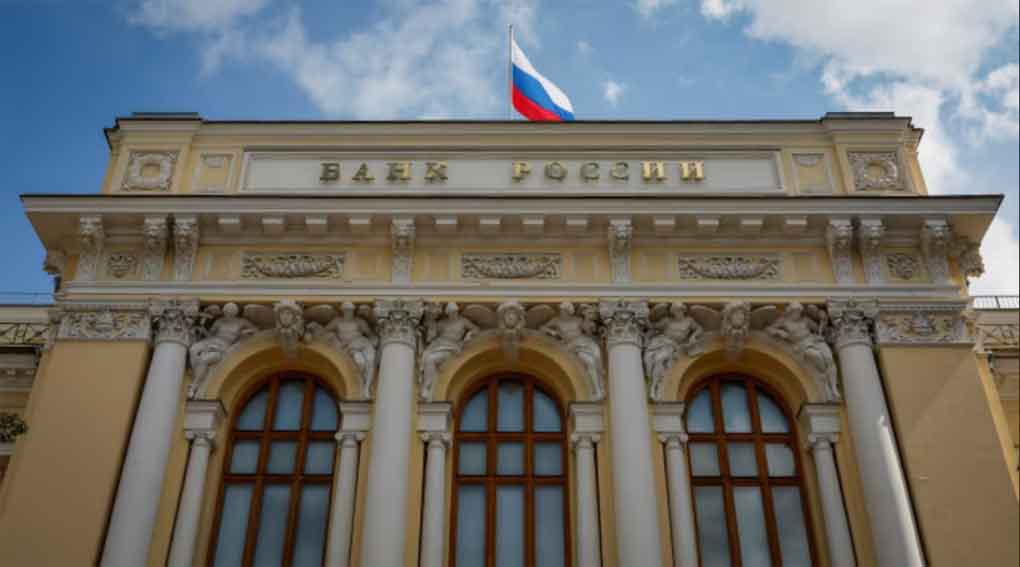
    In a significant escalation of financial tensions stemming from the Ukraine conflict, Russia’s Central Bank has initiated legal proceedings against Euroclear, one of the world’s largest financial clearinghouses. The lawsuit, filed with the Moscow Arbitration Court last Friday, alleges that the Belgium-based institution has caused substantial financial damage to the Russian regulator by blocking access to its funds and securities.

    The legal action represents a direct response to the European Commission’s ongoing considerations regarding mechanisms that would enable the direct or indirect utilization of Russian sovereign assets without obtaining proper consent. According to court documents, the Central Bank is seeking comprehensive compensation for multiple categories of losses, including the full value of frozen funds, blocked securities, and significant revenue that would have been generated from these assets.

    This development follows the coordinated decision by the European Union and G7 nations in February 2022 to freeze approximately €300 billion in Russian assets following Moscow’s military operations in Ukraine. Notably, about two-thirds of these frozen assets (€200 billion) are maintained within the European Union, with the majority held in Euroclear accounts.

    The Russian Foreign Ministry has characterized these asset freezes as outright ‘theft,’ emphasizing that the EU’s measures target not merely private investor holdings but specifically Russia’s sovereign wealth. This legal confrontation underscores the increasingly complex intersection of international finance, geopolitical conflict, and sovereign asset protection in the contemporary global economy.

  • Venezuela condemned the attack against civilians in Bondi Beach

    Venezuela condemned the attack against civilians in Bondi Beach

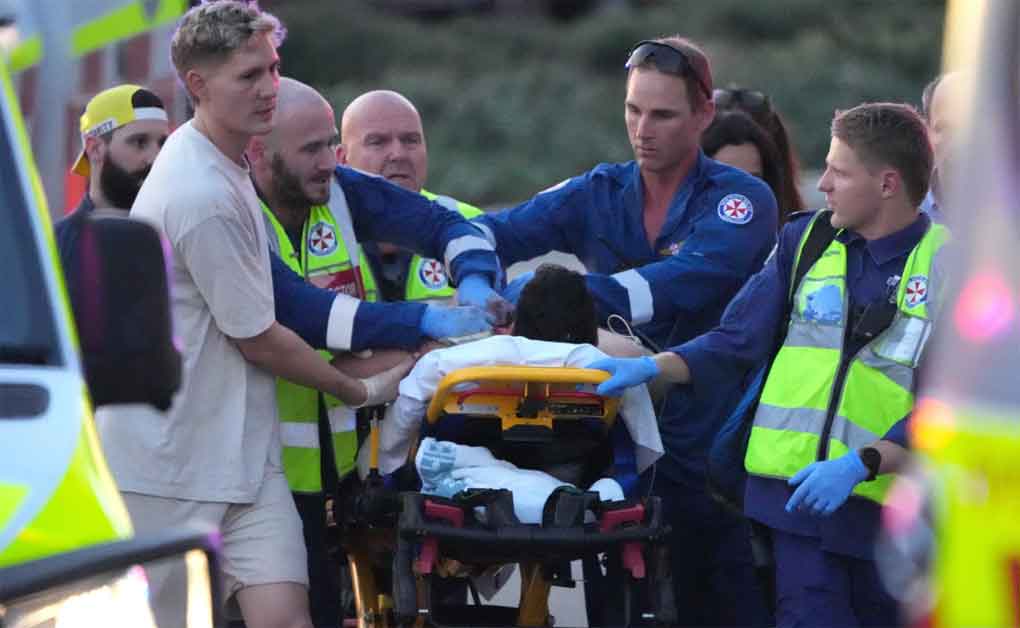
    The Bolivarian Republic of Venezuela has issued a formal diplomatic condemnation through its Ministry of Foreign Affairs regarding a recent violent attack targeting Jewish civilians during a religious observance. In an official statement, the government expressed profound condolences and solidarity with the Jewish community, characterizing the assault as a ‘horrendous attack’ that violated fundamental humanitarian principles.

    The declaration emphasized that violence against civilian populations remains unjustifiable under any circumstances, irrespective of motivations, origins, or contextual circumstances. The South American nation explicitly categorized acts of hatred, intolerance, and terrorism as severe breaches of established international legal frameworks and essential human values.

    Reiterating its diplomatic stance, Venezuela renewed its dedication to fostering global peace, intercultural coexistence, and mutual respect among diverse religious traditions. The statement concluded with an urgent appeal for the universal rejection of all manifestations of violence and discrimination, positioning the nation as an advocate for dialogue and understanding in international affairs.

  • Panamanian government congratulates president-elect in Chile

    Panamanian government congratulates president-elect in Chile

    The Republic of Panama has formally extended diplomatic congratulations to Chile’s newly elected leadership following the conclusive presidential runoff. In an official statement disseminated through multiple channels, including a presidential message on social media platform X and a communiqué from the Ministry of Foreign Affairs, Panamanian President José Raúl Mulino conveyed his wishes for success to the incoming administration.

    The government’s message emphasized aspirations for the ‘well-being, stability, and development of the Chilean people’ under the new leadership. Officials further lauded the Chilean populace for their ‘exemplary civic and democratic conduct’ throughout the electoral process, characterizing it as a testament to the robustness of the nation’s institutions and its profound commitment to democratic principles.

    Reaffirming their dedication to international partnership, the Panamanian government explicitly reiterated its intent to ‘continue strengthening the historic bonds of friendship, cooperation, and mutual respect’ that exist between the two nations.

    This diplomatic exchange follows the decisive victory of right-wing candidate José Antonio Kast in the second round of the Chilean presidential election. Kast, who campaigned on a platform featuring stringent policies on crime and immigration, secured a commanding 58.16 percent of the vote. His opponent, Jeannette Jara, representing a coalition of leftist, progressive, and social democratic factions, garnered 41.84 percent. These results were confirmed with nearly all polling stations fully reporting.

  • Death toll from floods in Morocco rises to 37

    Death toll from floods in Morocco rises to 37

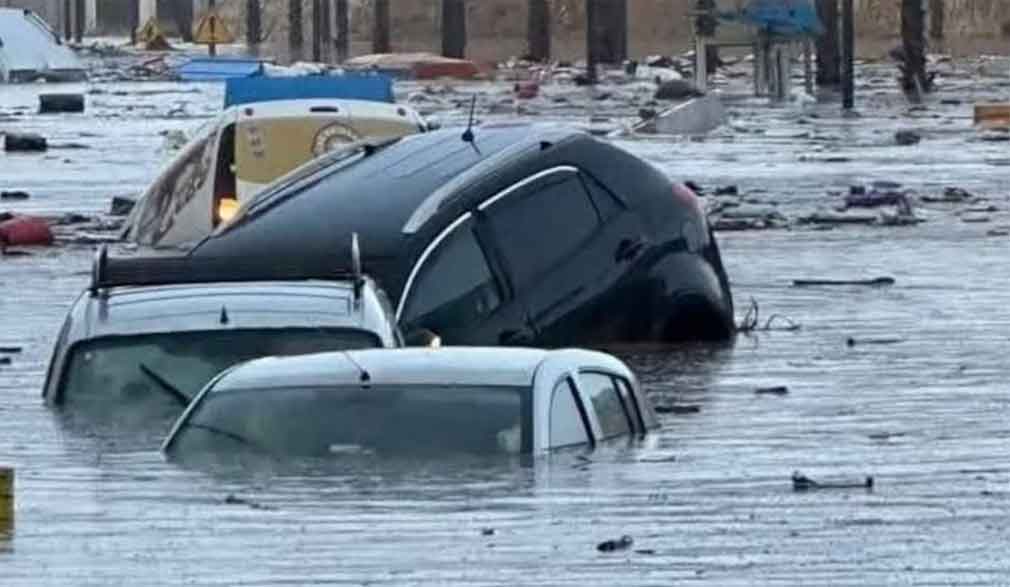
    The coastal province of Safi in southwestern Morocco experienced catastrophic flash flooding described by authorities as exceptional in both intensity and rapid onset. The deluge, which occurred within an extremely condensed timeframe, has resulted in significant casualties and ongoing emergency response efforts.

    Medical authorities at Mohammed V Hospital in Safi confirmed at least 14 individuals sustained injuries during the severe weather event. While many victims are receiving standard medical care, two patients remain in critical condition under intensive care supervision according to hospital officials.

    Rescue and civil protection units are conducting extensive search and recovery operations throughout affected communities. The Moroccan news agency MAP, citing official medical sources, reported that emergency services are working tirelessly to provide assistance to residents impacted by the sudden flooding.

    Local governmental authorities have issued urgent advisories urging residents to maintain heightened awareness of continuing flood risks. Officials emphasized the importance of monitoring official communications channels and adhering strictly to safety instructions as weather conditions develop. The coordinated response involves multiple agencies working to mitigate further danger to vulnerable populations.

  • Moscow confirms meeting between Russian and Iranian foreign ministers

    Moscow confirms meeting between Russian and Iranian foreign ministers

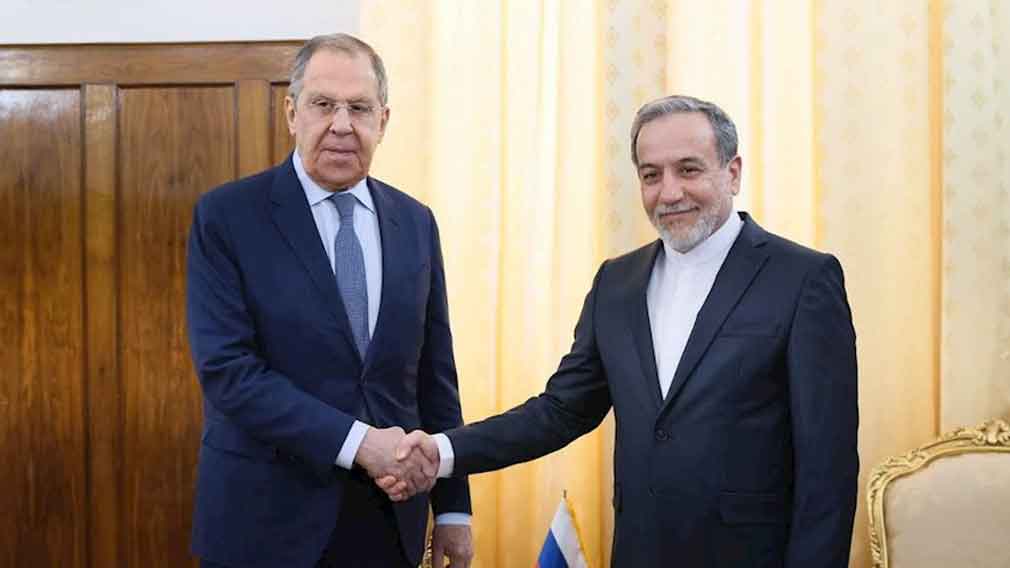
    Iranian Deputy Foreign Minister Abbas Araghchi is embarking on a significant diplomatic tour to Eastern Europe, with high-level meetings scheduled in both Belarus and Russia. The itinerary, confirmed by Iranian Foreign Ministry spokesman Ismail Baghaei, includes a stop in Minsk on December 15th, followed by a working visit to Moscow on December 16th and 17th.

    In the Russian capital, Minister Araghchi’s agenda is packed with strategic dialogues. On December 16th, he is scheduled to engage with representatives from the State Duma, the lower chamber of the Russian Parliament. This will be followed by a pivotal bilateral meeting on December 17th with his Russian counterpart, Foreign Minister Sergey Lavrov.

    The Russian Foreign Ministry has outlined an ambitious agenda for the Lavrov-Araghchi talks. Central to their discussions will be a thorough analysis of pressing international concerns, with particular emphasis on the evolving situation surrounding the Joint Comprehensive Plan of Action (JCPOA), commonly known as the Iranian nuclear deal. The diplomats are also expected to exchange detailed perspectives on critical regional matters of mutual interest.

    A key focal point will be the advancement of Russian-Iranian bilateral relations, which have been elevated to a new tier following the enactment of a landmark interstate treaty. This agreement, which entered into force on October 2, 2025, formally established a comprehensive strategic partnership between the two nations, marking a significant deepening of their political and economic ties. The talks in Moscow are anticipated to build upon this foundation, addressing current priorities within this intensified cooperative framework.

  • Israel sends reinforcements to illegal base in Syria

    Israel sends reinforcements to illegal base in Syria

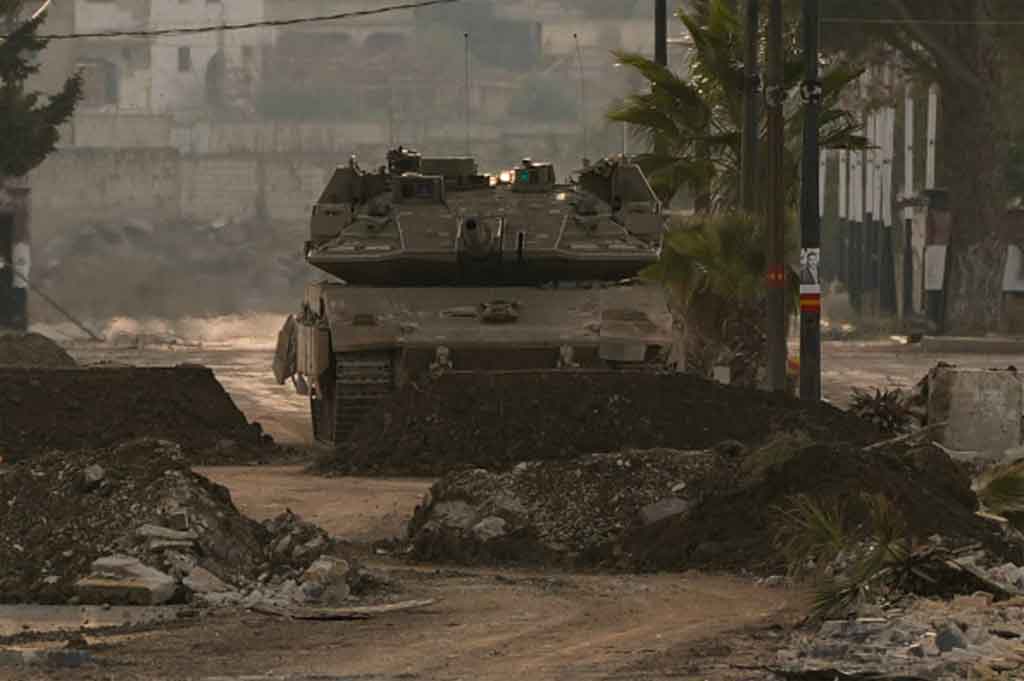
    Syrian state media has reported a significant escalation of Israeli military activities within the occupied Golan Heights region. According to the Syrian Arab News Agency (SANA), an armored contingent comprising 18 military vehicles and a large armored personnel carrier advanced from interior positions to establish a new operational base at Tel Ahmar Gharbi in the southern sector of Quneitra governorate.

    The military expansion continued with the deployment of forces into the village of Ruehina, where Israeli troops installed two permanent checkpoints as part of broader operational movements across the territory. These developments follow similar incursions conducted the previous day when Israeli forces entered the villages of Bir Ajam and Bariqa al-Qadima, conducting searches of residential properties that generated heightened tensions among local communities.

    Damascus has characterized these actions as systematic violations of the 1974 Disengagement Agreement, which established buffer zones and demilitarized areas between Israeli and Syrian forces. Syrian officials accuse Israel of pursuing increasingly aggressive policies through repeated military incursions into both Quneitra and Daraa governorates, accompanied by reported attacks against civilian populations.

    The Syrian government has formally reiterated its demand for full implementation of relevant United Nations resolutions concerning the occupied territories. Officials have called upon the international community to exercise its responsibilities in curtailing what Damascus describes as illegal occupation practices, urging diplomatic pressure to halt the ongoing military expansion in the region.