标签: Cuba

古巴

  • Panama expresses condolences to Switzerland for fire in Crans-Montana

    Panama expresses condolences to Switzerland for fire in Crans-Montana

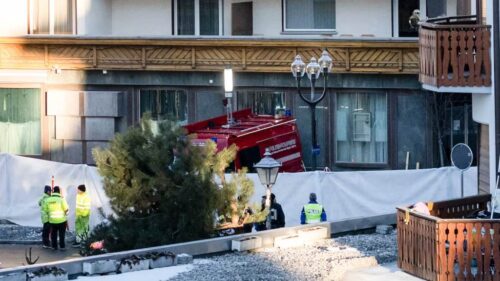
    The Government of Panama has formally conveyed its profound sympathies to Switzerland in the aftermath of a catastrophic fire that struck the Alpine nation. In an official communiqué released by its Ministry of Foreign Affairs, the Central American republic expressed its deepest condolences to the Swiss Confederation’s government and its citizens.

    The statement articulated a message of solidarity, noting that Panama stands united with Switzerland during this period of profound grief. The Panamanian government also extended its heartfelt sympathies to the families who lost loved ones and all those impacted by what it described as a ‘tragic event’ and ‘irreparable loss.’

    The incident, which unfolded in the canton of Valais on December 31st, involved a devastating blaze that consumed a bar densely packed with revelers celebrating the New Year. Swiss authorities have characterized the event as one of the most severe tragedies in the country’s modern history.

    While the investigation remains ongoing under the direction of the public prosecutor’s office, preliminary findings suggest an accidental cause. The leading hypothesis indicates the fire originated within the venue, potentially triggering a subsequent explosion. Law enforcement officials have reportedly dismissed theories of a deliberate attack, instead focusing the inquiry on mishaps related to the evening’s celebrations. The human toll remains severe, with a significant number of the injured still listed in critical condition.
  • Venezuela releases 88 people linked to July 28, 2024

    Venezuela releases 88 people linked to July 28, 2024

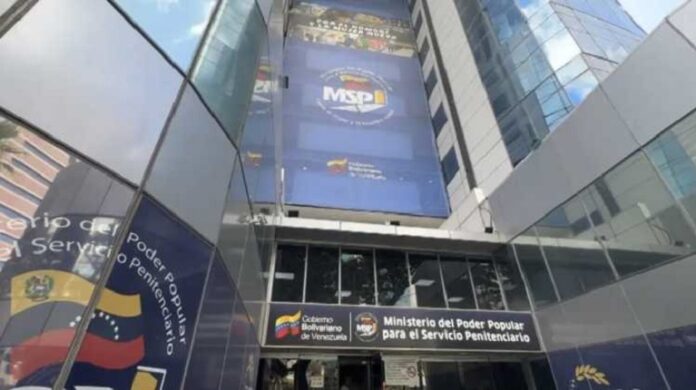
    The Venezuelan government has issued an official declaration concerning its ongoing judicial review process for individuals accused of destabilization activities. According to the statement, these individuals are charged with committing crimes intended to undermine national stability and disregard the sovereign will of the Venezuelan populace.

    This comprehensive case evaluation initiative was personally instructed by President Nicolas Maduro. The process involves individual assessments of each situation, with the state implementing legally prescribed precautionary measures for each case. The government characterizes this approach as part of a broader justice policy that emphasizes humanistic principles and prioritizes the preservation of national peace.

    The statement further emphasized that despite what it described as an ‘ongoing siege against the nation,’ the Venezuelan state maintains its commitment to ensuring dignified treatment for all detainees. This includes respect for human rights and comprehensive care for those deprived of their liberty.

    Additionally, the Bolivarian government reaffirmed its dedication to defending national stability, social justice, and sovereignty. The declaration positions these judicial reviews within the context of Venezuela’s ongoing political challenges and the government’s response to perceived threats against its administration.

  • Cuban President congratulates Margarita Ruiz for Patrimony award

    Cuban President congratulates Margarita Ruiz for Patrimony award

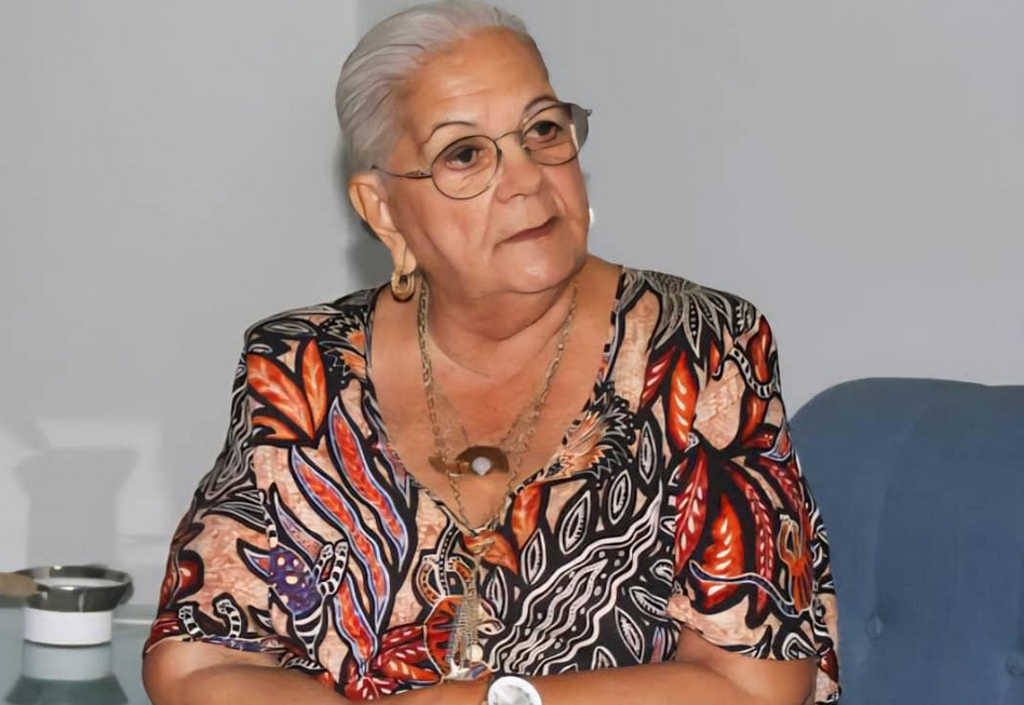
    An eminent 89-year-old Cuban researcher has been conferred the nation’s 2025 National Cultural Heritage Award in recognition of her lifelong dedication to the preservation and academic study of Cuba’s artistic legacy. Throughout her distinguished career, she has cultivated multiple generations of heritage specialists while championing comprehensive conservation efforts for both tangible artifacts and intangible cultural traditions.

    The Union of Writers and Artists of Cuba (UNEAC) has formally endorsed this honor, highlighting the recipient’s exceptional academic rigor and unwavering advocacy for artists across all creative disciplines. The organization characterized her influence as establishing a ‘school of best practices’ that has profoundly elevated professional standards within Cuba’s cultural sector.

    This latest accolade joins an impressive collection of national honors previously bestowed upon the scholar, including the 2014 National Cultural Research Award, the National Culture Distinction, the Alejo Carpentier Medal, and Havana’s prestigious Giraldilla award. Her systematic documentation methodologies and ethical preservation frameworks have fundamentally transformed how Cuba approaches its cultural heritage conservation, creating enduring institutional knowledge that will benefit future generations.

  • Lukashenko describes attack on Putin’s residence as terrorism

    Lukashenko describes attack on Putin’s residence as terrorism

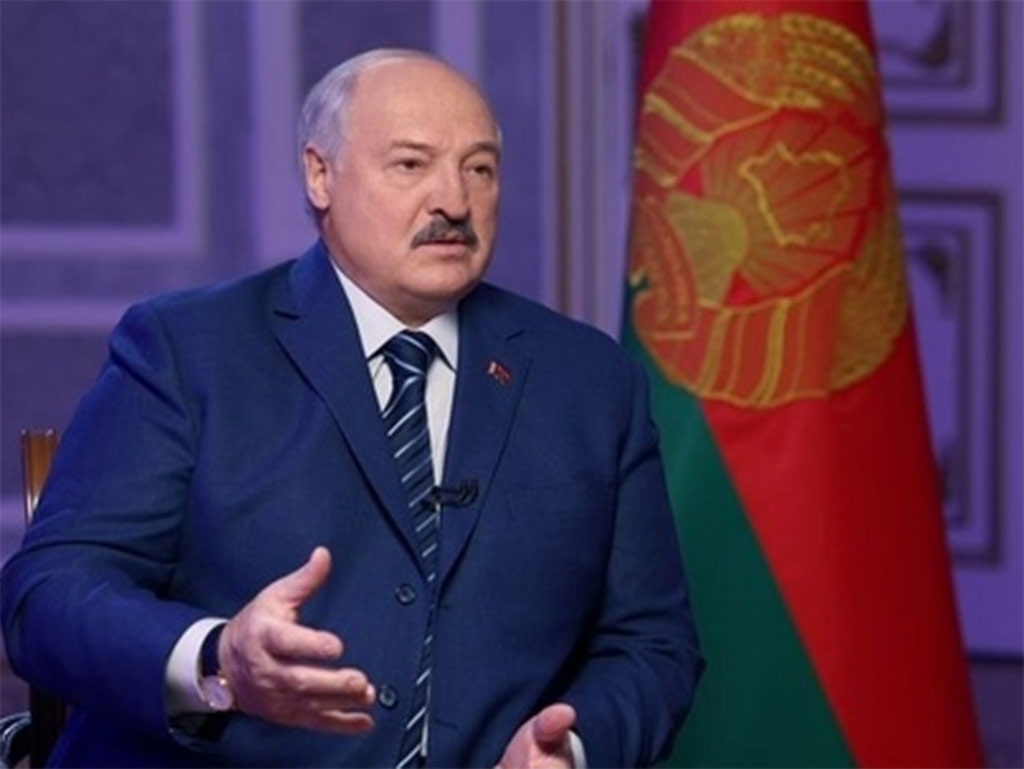
    In a significant escalation of diplomatic rhetoric, Belarusian President Alexander Lukashenko has characterized a recent drone assault on a Russian presidential compound as “the most savage terrorism, at the highest state level.” The remarks came during a press briefing where Lukashenko expressed bewilderment about the attack’s motives, questioning “who needs it?”

    The incident, which Russian authorities claim occurred in the Novgorod region, involved an alleged deployment of 91 unmanned aerial vehicles targeting the presidential residence. Russian Foreign Minister Sergey Lavrov directly attributed the attack to Ukrainian forces, marking one of the most serious accusations in recent months.

    Despite the severity of the alleged assault, Lavrov reported that Russian air defense systems successfully intercepted all drones involved, preventing any damage to the presidential compound. The minister’s statement highlighted Russia’s continued military preparedness against what it characterizes as terrorist tactics.

    In a consequential development for international diplomacy, Lavrov indicated that while Russia does not plan to completely abandon negotiation channels with the United States following the incident, Moscow will substantially reassess its position in those talks. This suggests potential hardening of Russia’s diplomatic stance toward Western powers engaged in the Ukraine conflict.

    The allegations emerge against a backdrop of intensified hostilities in the region, with drone warfare becoming increasingly prevalent. Security analysts note that attacks on high-profile political targets represent a dangerous escalation in tactics, potentially altering the conflict’s dynamics.

  • Panamanians commemorate transfer of canal administration

    Panamanians commemorate transfer of canal administration

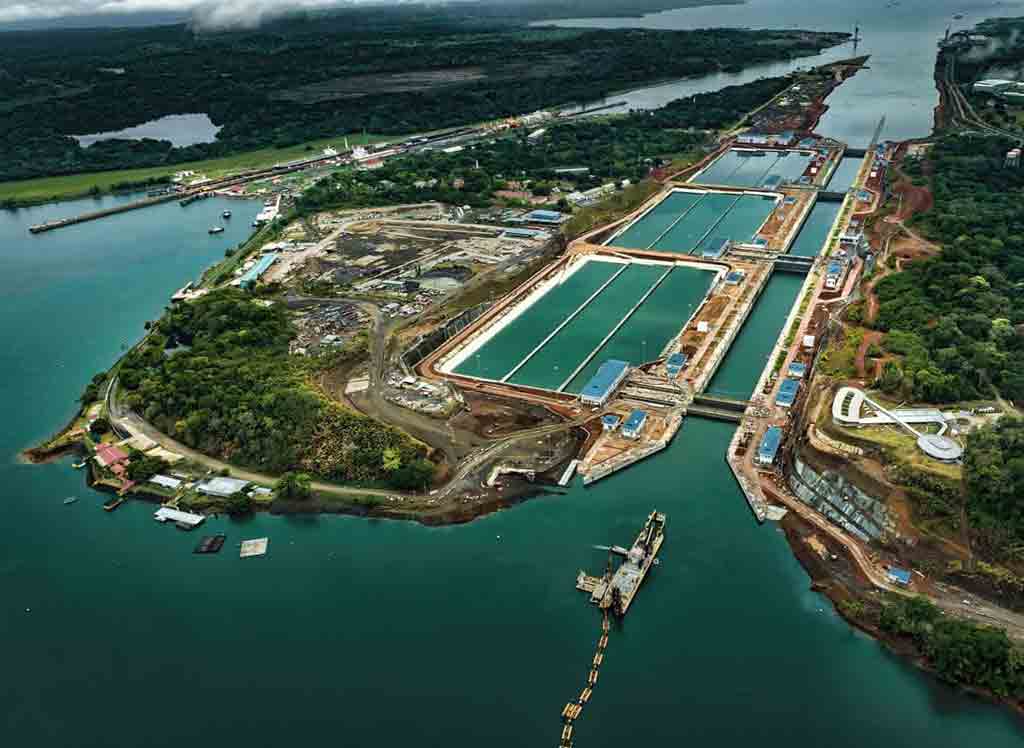
    December 31, 1999, marked a historic transition of power as Panama assumed full sovereignty over one of the world’s most critical maritime infrastructures—the Panama Canal. This transfer ended nearly a century of United States administration that began with the waterway’s 1914 inauguration. During the US operational period, the Canal Zone functioned as a sovereign enclave with separate laws and authorities, creating a physical and jurisdictional division through the heart of the isthmus.

    Over the past 26 years, Panama has not only maintained seamless operations but has significantly advanced the canal’s capabilities and global standing. The establishment of the Panama Canal Authority (PCA) proved instrumental in this success, facilitating comprehensive technical training programs to ensure operational continuity during the sovereignty transition.

    Panama’s stewardship has been characterized by visionary development projects, most notably the 2016 canal expansion that substantially increased transit capacity. The nation has successfully navigated complex water crises while enhancing the waterway’s efficiency. These strategic improvements have solidified the canal’s position in global maritime trade, with the infrastructure now handling approximately 6% of worldwide commercial shipping traffic.

  • Cuba commemorates centenaries of Fidel Castro and Alfredo Guevara

    Cuba commemorates centenaries of Fidel Castro and Alfredo Guevara

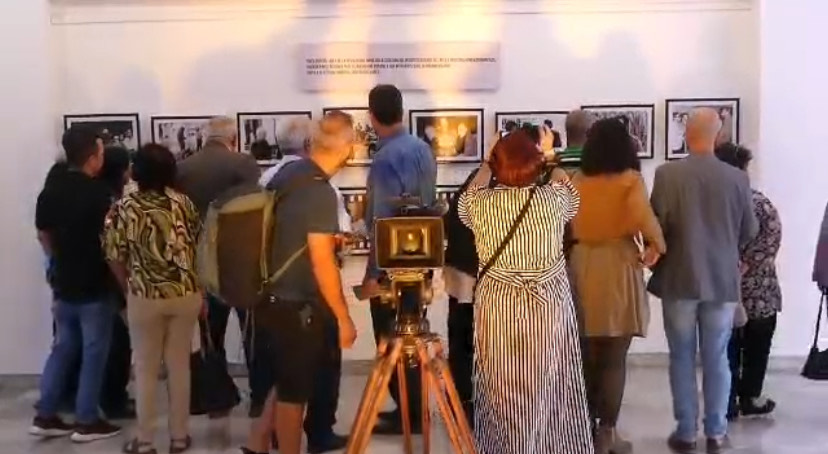
    Havana witnessed the inauguration of a significant photographic exhibition on December 31st, serving a dual commemorative purpose: honoring the 67th anniversary of the Cuban Revolution’s triumph and celebrating the centenary of Che Guevara’s birth. The collection showcases profound historical moments between revolutionary leaders Fidel Castro and Ernesto ‘Che’ Guevara, emphasizing their collaborative efforts in cultivating Cuba’s cinematic and cultural landscape.

    The opening ceremony attracted prominent national figures, including Minister of Culture Alpidio Alonso, Elier Ramírez—Deputy Head of the Ideological Department of the Central Committee of the Communist Party of Cuba—and Alexis Triana, President of the Cuban Institute of Cinematographic Art and Industry (ICAIC). The event was further graced by distinguished artists and government representatives from the cultural sector.

    Central to the tribute was the enduring relevance of the two leaders’ ideological contributions. The exhibition specifically highlighted Guevara’s foundational role in establishing ICAIC and his creation of pivotal projects dedicated to the advancement of Cuban and Latin American cinema. These initiatives were consistently bolstered by the unwavering support of Commander-in-Chief Fidel Castro, underscoring a partnership that extended beyond revolution into cultural nation-building.

  • Alfredo Guevara, a cultural legacy in Cuba and Latin America

    Alfredo Guevara, a cultural legacy in Cuba and Latin America

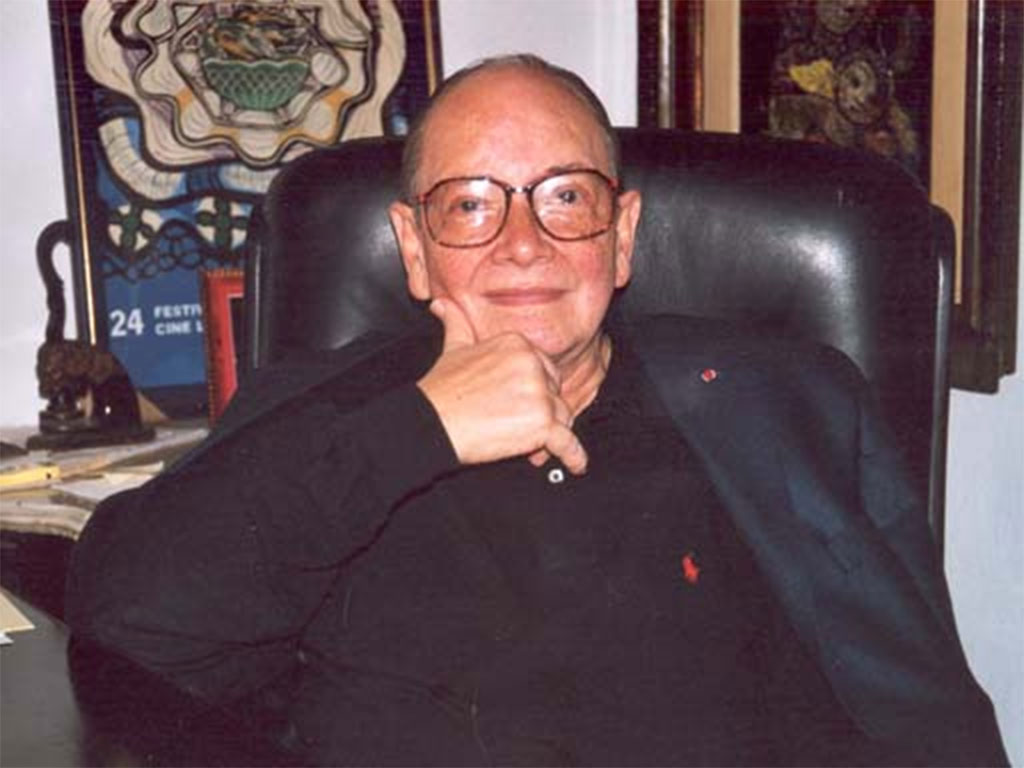
    Alfredo Guevara’s transformative impact on Cuban culture originated during his academic years at the University of Havana, where he pursued Philosophy and Letters. It was during this formative period that he forged a historically significant friendship with Fidel Castro, which would later shape Cuba’s cultural landscape.

    Following the successful Cuban Revolution in 1959, Guevara established and assumed leadership of the Cuban Film Institute (ICAIC), marking the beginning of an extraordinary cultural revolution that extended far beyond cinema. His visionary approach led to the creation of multiple groundbreaking initiatives that would redefine Latin American cinema.

    Guevara launched the influential publication ‘Cine Cubano’ magazine and established the Latin American ICAIC Newsreel under the directorship of Santiago Álvarez. In 1960, he founded the Cuban Film Archive, simultaneously championing the extraordinary artistic development of cinematic poster art that became internationally recognized for its revolutionary aesthetic.

    His most significant musical contribution came with the establishment of the ICAIC Sound Experimentation Group, which served as the foundational incubator for the Cuban Nueva Trova Movement that revolutionized Latin American music. Among his most cherished accomplishments was the creation of the Havana International New Latin American Film Festival, which debuted on December 3, 1979. The inaugural festival attracted an unprecedented gathering of over 600 filmmakers, establishing Havana as a crucial center for Latin American cinema.

  • Doumbouya declared winner of presidential elections in Guinea

    Doumbouya declared winner of presidential elections in Guinea

    Guinea’s military leader Mamady Doumbouya has clinched a definitive victory in the nation’s presidential election, according to official provisional results announced by election authorities. Djenabou Toure, Director of the General Directorate of Elections, confirmed that Doumbouya achieved an absolute majority in the first round of voting, eliminating the need for a runoff election.

    The electoral contest featured eight additional candidates, with Abdoulaye Balde of the Democratic Front of Guinea party emerging as the distant runner-up with merely 6.6% of the total vote. Other presidential hopefuls received significantly lower percentages in the final tally.

    Approximately 6.7 million registered voters participated in the landmark election, which was conducted under a radically transformed constitutional framework. This new constitution, ratified in a September referendum, introduced sweeping changes to Guinea’s political system. Most notably, it removed previous restrictions barring military officials from seeking elected office and extended the presidential term from five to seven years.

    Doumbouya, who seized power through a military coup in September 2021 that ousted then-President Alpha Condé, entered the race as the overwhelming favorite. His transition from military ruler to elected president marks a significant political transformation for the West African nation.

    The election occurs against a backdrop of persistent economic challenges. According to World Food Programme data, despite Guinea’s substantial mineral wealth—particularly its extensive bauxite reserves—more than half of the country’s 15 million citizens continue to live below the poverty line, highlighting the economic difficulties facing the incoming administration.

  • Cuba: Marianela Nunez and Patricio Reve marked dance in 2025

    Cuba: Marianela Nunez and Patricio Reve marked dance in 2025

    The National Theater of Cuba witnessed an extraordinary celebration of ballet heritage on December 28th and 30th, as principal dancers Nunez of London’s Royal Ballet and Reve, guest artist from the same renowned British company, delivered a breathtaking performance of the classic ‘Don Quixote.’ Their artistry served as a powerful testament to the enduring legacy of the Cuban ballet school founded by Alicia, Alberto, and Fernando Alonso.

    The performance remarkably embodied the fundamental principles that maestro Alonso consistently emphasized throughout his career: the sensuality of artistic expression, meticulous attention to line, and the seamless harmony between dancers and music. Nunez and Reve moved with such natural elegance and synchronization that they appeared to caress the musical notes with their movements, creating a gentle, poetic communication between their characters.

    This guest performance, orchestrated by the National Ballet of Cuba (BNC) under the direction of prima ballerina Viengsay Valdes, carried special significance. The BNC, declared a Cultural Heritage of the Nation in 2018, concluded a challenging year by continuing its tradition of attracting world-class dance talent to the island. This cultural exchange serves to refresh and reinforce the foundations of Cuba’s prestigious ballet institution, which remains a source of immense pride throughout Latin America.

    The Argentine ballerina Nunez shares deep connections with Cuban ballet royalty, having known renowned teacher Loipa Araujo since age fourteen and previously dancing extensively with Carlos Acosta, another legendary figure from Cuba’s dance tradition. These historical ties added layers of meaning to a performance that both honored tradition and demonstrated the vibrant ongoing evolution of Cuban ballet artistry.

  • Cuban FM rejects US sanctions on Venezuela and Iran

    Cuban FM rejects US sanctions on Venezuela and Iran

    Venezuelan Foreign Minister Yván Gil has issued a formal condemnation of recently imposed United States sanctions targeting both Venezuela and Iran. Through a statement posted on his official X (formerly Twitter) profile, Minister Gil characterized the measures as ‘unilateral coercive measures’ that stand in direct opposition to international law. He asserted that the primary objective of these sanctions is to escalate pressure and aggression against the two nations.

    This diplomatic rebuke follows reports confirming that the U.S. government has enacted sanctions against a total of ten entities and individuals operating within Iran and Venezuela. The White House justification for these financial penalties cites alleged involvement in the advancement of Iran’s unmanned aerial vehicle (drone) trade and its ballistic missile development program. U.S. authorities have labeled these programs as significant threats to national security interests and the stability of its allies throughout the Middle East region.

    In an official release, the U.S. Department of the Treasury provided further context, stating that these new sanctions are designed to reinforce measures previously re-established by the United Nations. These UN sanctions specifically target Iran’s nuclear development activities. This stance is starkly contrasted by the position of Tehran, which maintains that its nuclear program is exclusively intended for peaceful, civilian purposes and is in full compliance with international non-proliferation agreements. The move signifies a continuing deterioration in diplomatic relations between the involved nations.