标签: Cuba

古巴

  • Marianela Nunez receives Honorary Dance Award in Cuba

    Marianela Nunez receives Honorary Dance Award in Cuba

    Cuba’s National Union of Artists and Writers (UNEAC) has conferred its highest dance distinction upon Argentine ballerina Marianela Núñez, recognizing her as one of the most exceptional dance artists of the contemporary era. The prestigious award, established in 2008, honors iconic figures who have made extraordinary contributions to the world of dance.

    Critic Ahmed Piñero, in his official declaration, described Núñez as “perhaps the most extraordinary ballerina of our time,” emphasizing her profound artistic impact. The recognition comes shortly after Núñez’s remarkable performances in Havana, where she partnered with Cuban dancer Patricio Revé in a celebrated production of the classic ballet Don Quixote.

    The collaboration between Núñez and Revé—a principal dancer with both London’s Royal Ballet and Australia’s Queensland Ballet—demonstrated exceptional artistic chemistry and technical mastery. Their performances with the National Ballet of Cuba were met with widespread acclaim from audiences and critics alike.

    Piñero further reflected on Núñez’s deep connections to Cuban ballet traditions, noting that the Argentine dancer considers dance her true homeland. “For Marianela,” he asserted, “ballet has always been more than just her profession; it’s a calling.”

    The ballet specialist highlighted Núñez’s rapid ascent to the pinnacle of her art, achieving the coveted rank of prima ballerina with Britain’s Royal Ballet at just twenty years of age. In a significant comparison, Piñero drew parallels between Núñez’s artistry and that of Cuban ballet legend Alicia Alonso, noting that both dancers prioritize expressive interpretation over technical display, subordinating virtuosity to dramatic authenticity.

    This honor adds to Núñez’s recent recognitions, including the Most Excellent Order of the British Empire bestowed by King Charles III, cementing her status as a truly global ballet icon.

  • Cuban FM expresses grief after fire in Crans-Montana, Switzerland

    Cuban FM expresses grief after fire in Crans-Montana, Switzerland

    The Cuban government has extended its formal condolences to Switzerland following a devastating New Year’s Eve fire that killed approximately 40 people at a popular ski resort. Cuban Foreign Affairs Minister Bruno Rodríguez utilized social media platform X to convey his nation’s sympathy regarding the tragic incident.

    Minister Rodríguez explicitly stated: “Our deepest condolences for the human losses caused by the fire,” while simultaneously expressing “solidarity with the people and government of Switzerland and with the families of the victims.” The diplomatic message additionally included wishes for the prompt recovery of those injured in the blaze.

    The catastrophic event occurred in the early hours of January 1st at approximately 01:30 local time within Le Constellation bar, located in the Crans-Montana ski resort within Switzerland’s Valais canton. The establishment was reportedly crowded with international visitors celebrating New Year’s Eve when the fire erupted.

    Current official reports indicate at least 115 individuals sustained injuries of varying severity, with between 80 to 100 classified as seriously wounded. Authorities have cautioned that the death toll may potentially rise due to the critical condition of many victims. The multinational nature of the casualties reflects the resort’s popularity among international tourists, though specific nationalities have not yet been formally disclosed.

    Swiss investigative authorities have launched a comprehensive investigation into the incident, but have confirmed that the precise cause of the fire remains undetermined at this preliminary stage. Emergency response teams continue to operate at the scene as recovery efforts progress.

  • Cuban actress Adela Legra passes away

    Cuban actress Adela Legra passes away

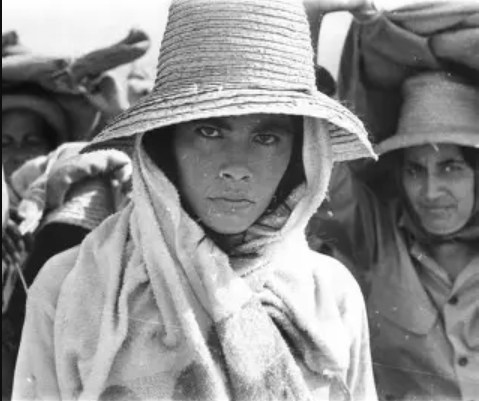
    The Cuban film industry mourns the loss of one of its most distinguished actresses, Adelaida López Legra, who passed away in the early hours at a provincial hospital. The announcement was made by Alexis Triana, President of the Cuban Institute of Cinematographic Art and Industry (ICAIC), confirming the demise of the beloved screen legend known professionally as Adela Legra.

    Born in 1939 in Guantánamo, Legra’s extraordinary talent was first recognized by acclaimed filmmaker Humberto Solás, who catapulted her to stardom with her debut lead role in the medium-length film ‘Manuela’ (1965). This groundbreaking performance marked the beginning of an illustrious career that would span over four decades, establishing her as a foundational figure in Cuban cinema.

    Her artistic partnership with Solás yielded some of Cuba’s most significant cinematic works, including the landmark historical trilogy ‘Lucía’ (1968), which remains a masterpiece of Latin American cinema, followed later by ‘Miel para Oshún’ (2001) and ‘Barrio Cuba’ (2005). Beyond these collaborations, Legra’s versatile acting graced numerous other productions including Sergio Giral’s ‘Rancheador’ (1976), Octavio Cortázar’s ‘El Brigadista’ (1977), Enrique Pineda’s ‘Aquella noche larga’ (1979), Luis Felipe Bernaza’s ‘Vals de la Habana Vieja’ (1988), and Juan Carlos Cremata’s ‘Nada’ (2001).

    Legra’s contributions to the arts were recognized with numerous honors, including the prestigious Heredia Plaque, tributes at the Havana Film Festival New York (2002), and recognition at the inaugural Gibara International Low-budget Film Festival (2003). Her legacy was further immortalized through two documentary films: ‘Adela un nombre de mujer’ (1999) and ‘Quien me quita lo bailao’ (2000), both dedicated to celebrating her life and career.

    The cultural community will pay final respects to the revered actress at El Calvario funeral home in Santiago de Cuba, where memorial services will be held in the coming hours, allowing colleagues, admirers, and the nation to bid farewell to an icon whose work became an integral part of Cuba’s cultural identity.

  • Spain rejects Israel’s intention to expel NGOs

    Spain rejects Israel’s intention to expel NGOs

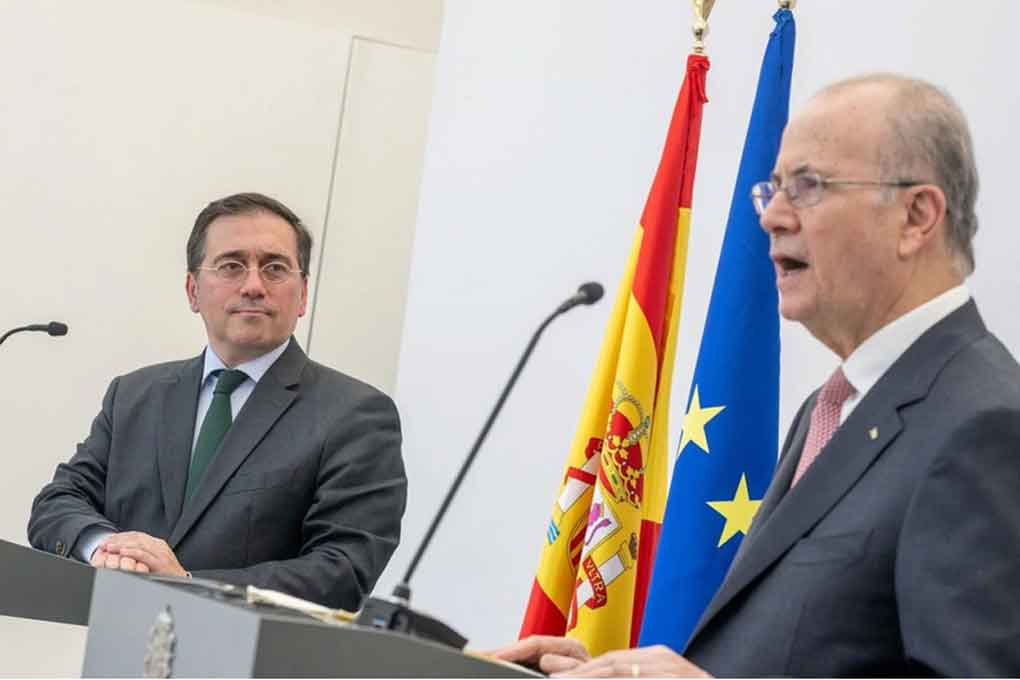
    The Spanish government has issued a formal diplomatic condemnation against Israel’s systematic targeting of humanitarian organizations operating in Palestinian territories. Through an official statement released by its Foreign Ministry, Madrid denounced Israel’s controversial practice of requiring NGOs to register, only to subsequently revoke their operational licenses and expel them from the region.

    This regulatory crackdown has significantly impacted both Spanish and international aid groups, effectively crippling their capacity to address what Spain describes as a ‘humanitarian catastrophe’ in Gaza. The measures directly hinder the delivery of essential supplies and services to Palestinian civilians facing extreme deprivation.

    The Spanish statement further contextualized these actions within Israel’s broader legislative offensive against humanitarian operations. Reference was made to the recent Knesset-approved law authorizing the termination of electricity and water supplies to UNRWA facilities while simultaneously stripping the agency of its diplomatic immunities and operational privileges.

    Madrid expressed profound alarm regarding the compounded severity these decisions impose on Gaza’s already dire humanitarian landscape. The government emphasized that these policies will have devastating consequences for civilian populations throughout the Occupied Palestinian Territories.

    Concluding with a firm diplomatic demand, Spain urged Israeli authorities to immediately reverse these ‘unacceptable decisions’ that obstruct life-saving humanitarian operations. The appeal specifically highlighted the need to protect vulnerable refugee populations across Gaza, the West Bank, and the broader Middle East region who rely on international aid for survival.

  • More than 3,000 Brazilians repatriated or deported in 2025

    More than 3,000 Brazilians repatriated or deported in 2025

    Brazil has significantly escalated its national repatriation efforts in response to intensified deportation measures from the United States, with its “Here is Brazil” program facilitating 37 separate operations since January 2025. The initiative has successfully returned numerous vulnerable Brazilian citizens, primarily from US territories, marking a substantial increase in governmental intervention.

    The current repatriation volume demonstrates a dramatic surge, nearly doubling the total 1,600 repatriations recorded throughout the entire previous year of 2024. This sharp increase aligns with the implementation of stricter immigration enforcement policies under US President Donald Trump, who had prominently featured mass deportations as a cornerstone of his presidential campaign agenda. The policy shift has notably affected Brazilian nationals residing in the United States.

    Following their arrival at Belo Horizonte International Airport—the primary gateway in Minas Gerais state’s southeastern region—repatriated individuals receive comprehensive support. A segment of the most recent group was transferred to specially equipped hotel accommodations providing essential services including meals, hygiene products, and specialized medical and psychological care. The Brazilian Ministry of Human Rights and Citizenship (MDCH) has established robust psychosocial support systems alongside logistical guidance and transportation assistance to facilitate returnees’ journeys to their home cities.

    The ministry further noted that individuals with established local connections or those opting for immediate onward travel received full assistance directly within the airport terminal, ensuring all returning citizens access necessary support regardless of their final destination arrangements.

  • DRC begins two-year term on UN Security Council

    DRC begins two-year term on UN Security Council

    The Democratic Republic of Congo has officially commenced its term as a non-permanent member of the United Nations Security Council, marking its first return to the powerful diplomatic body in over three decades. Foreign Minister Therese Kayikwamba Wagner characterized this development as a profound responsibility rather than an accolade, emphasizing the nation’s dedication to international peace and security during a video address.

    This ascension to the Security Council occurs amid significant domestic security challenges within the DRC, including ongoing instability and external aggression. Minister Wagner expressed gratitude to all UN member states for their confidence in the Central African nation’s capabilities, acknowledging the timing as particularly symbolic given the country’s current circumstances.

    The diplomatic mission will prioritize conflict prevention and resolution, with particular focus on African continent security issues. The minister articulated the nation’s approach would be grounded in principles of multilateral cooperation, respectful dialogue, and strict adherence to international legal obligations.

    Minister Wagner explicitly framed the Security Council position as “a mission, not a reward,” underscoring the DRC’s commitment to defending fundamental international principles including state sovereignty, territorial integrity, and the established framework of international law. The country previously held Security Council membership during the 1982-1983 and 1990-1991 periods, bringing historical perspective to its current term.

  • Maldives expresses interest in strengthening ties with Cuba

    Maldives expresses interest in strengthening ties with Cuba

    Marking the 67th anniversary of the triumph of the Cuban Revolution, Maldivian Foreign Minister Moosa Zameer has articulated a clear vision for enhanced cooperation between the Maldives and Cuba. In a formal diplomatic communiqué addressed to his Cuban counterpart, Bruno Rodríguez Parrilla, Minister Zameer extended warm congratulations on behalf of both the Maldivian government and its citizens, recognizing the occasion as Cuba’s ‘Liberation Day.’

    The correspondence served as a platform to reaffirm the enduring diplomatic partnership between the two nations. Minister Zameer explicitly expressed his intent to fortify the existing bilateral and multilateral collaboration in the years ahead, underscoring a mutual commitment to international solidarity. The message concluded with formal assurances of the Minister’s highest regard and esteem for his Cuban colleague.

    The foundation for this modern partnership was established on January 29, 1977, when diplomatic relations were first formalized. For nearly five decades, the relationship has been defined by a consistent pattern of strong diplomatic alignment and reciprocal support across numerous international forums and development initiatives, fostering a relationship built on shared principles and mutual respect.

  • UNICEF reports worsening sexual violence against children in DRC

    UNICEF reports worsening sexual violence against children in DRC

    A recent United Nations report has revealed a devastating epidemic of sexual violence throughout the Democratic Republic of Congo (DRC), describing it as both systemic and deeply entrenched within the nation. Shockingly, over 35,000 cases were officially documented within just the first three quarters of 2025. Preliminary data from the previous year paints an even grimmer picture for conflict-affected regions, indicating that cases reported in the first half of 2024 may constitute over 80% of the total annual figure. UNICEF, the UN’s children’s agency, has issued a stark warning that these already staggering numbers likely represent a significant undercount of the true crisis. The organization emphasized that countless victims remain silenced due to pervasive fear, intense social stigmatization, ongoing security threats, and critically limited access to support services and safe reporting mechanisms. The eastern provinces of North Kivu, South Kivu, and Ituri bear the heaviest burden of this violence. In these regions, relentless armed conflict, mass population displacements, and the complete collapse of community protection systems have created a perfect storm of risk and vulnerability. While adolescent girls are identified as the demographic most severely impacted across the country, the report also highlights that boys are subjected to these horrific acts, though their cases are vastly underreported due to additional layers of stigma and shame.

  • Cuba expresses gratitude for messages on the anniversary of the Revolution

    Cuba expresses gratitude for messages on the anniversary of the Revolution

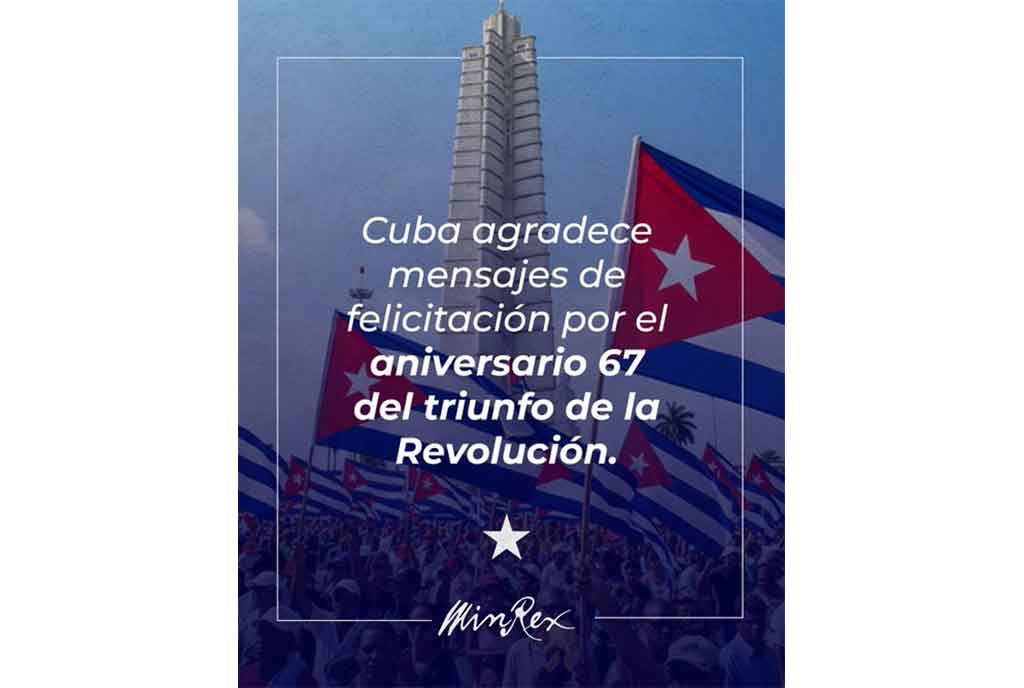
    Cuban Foreign Minister Bruno Rodríguez has publicly reciprocated the diplomatic messages received from international leaders and counterparts through his official social media account. The communications, which conveyed congratulations, solidarity, and goodwill, originated from heads of state, government officials, and global associates across multiple nations.

    In his digital correspondence, Minister Rodríguez underscored the Caribbean nation’s international recognition for its humanitarian initiatives and solidarity-driven foreign policy. The minister’s post emphasized Cuba’s revolutionary ethos, encapsulated by the hashtag #APuebloEnRevolución (A People in Revolution), which champions peace advocacy and the establishment of a reformed international framework characterized by democratic values, equity, and inclusiveness.

    Furthermore, Rodríguez articulated Cuba’s diplomatic vision for a global order free from armed conflicts, coercive force, and unilateral sanctions. His statements coincided with commemorations marking the 67th anniversary of the Cuban Revolution, during which he reaffirmed the government’s commitment to enhancing bilateral friendship and cooperative agreements with partner nations. The minister’s message serves as both an acknowledgment of international solidarity and a reaffirmation of Cuba’s revolutionary principles in global diplomacy.

  • Rebels accuse DRC government of preparing genocide against Tutsis

    Rebels accuse DRC government of preparing genocide against Tutsis

    In a sharp escalation of rhetorical hostilities, rebel forces in the Democratic Republic of Congo have publicly denounced recent allegations from the Congolese government. The statement specifically targeted remarks made by government spokesperson Patrick Muyaya concerning Rwandan military presence and territorial expansion in eastern DRC.

    The armed group, identified as AFC/M23, characterized the government’s assertions as a calculated disinformation campaign designed to obscure accountability for ongoing military operations and breaches of the Qatar-mediated truce. The rebels presented a counter-narrative alleging that Congolese forces have been conducting attacks in densely populated regions while systematically violating the Doha Framework Agreement.

    Most alarmingly, the rebel communication issued a grave warning to the international community regarding what they termed an ‘imminent genocide risk’ targeting Congolese Tutsis. The statement detailed accusations of state-sponsored hate speech dissemination and institutionalized stigmatization against this ethnic minority. The rebels further contended that Kinshasa maintains policies of systematic exclusion and discrimination, exacerbating ethnic tensions while simultaneously undermining diplomatic peace efforts through persistent ceasefire violations.