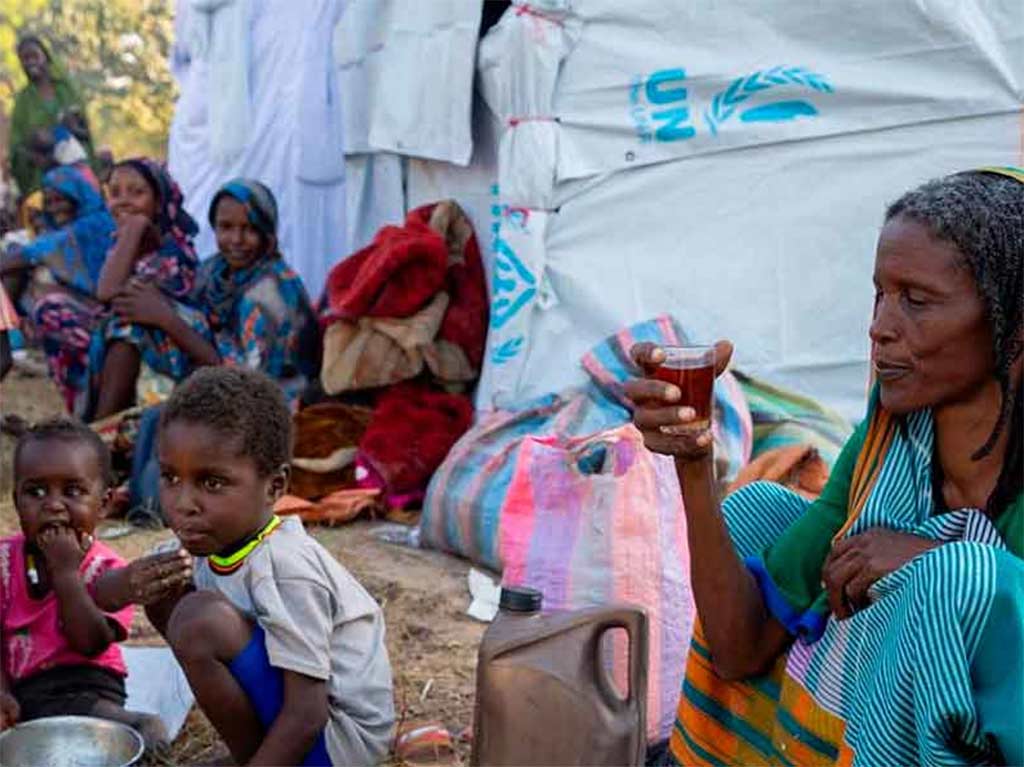
The United Nations Children’s Fund (UNICEF) has issued a grave warning regarding the escalating humanitarian catastrophe in Sudan, describing the situation as a ‘silent emergency’ for the global community but ‘deafening for the children who endure its horrors daily.’ Blanca Carazo, overseeing International Programs at UNICEF Spain, emphasized on Wednesday that millions of Sudanese children have been forcibly displaced from their homes, facing profound uncertainty regarding their next meal or access to essential medical treatment. The UN agency further reported that Sudan’s healthcare infrastructure is teetering on the brink of total collapse, exacerbated by multiple direct airstrikes targeting medical facilities. Compounding the crisis, humanitarian access remains critically constrained, severely hampering relief efforts. This devastating turmoil stems from an intense power struggle that erupted in mid-April 2023 between the nation’s military leader, General Abdel Fattah al-Burhan, and the commander of the paramilitary Rapid Support Forces (RSF), General Mohamed Hamdan Dagalo. The conflict has plunged the country into a severe internal war, creating one of the world’s most urgent yet underreported humanitarian disasters.
标签: Cuba
古巴
-
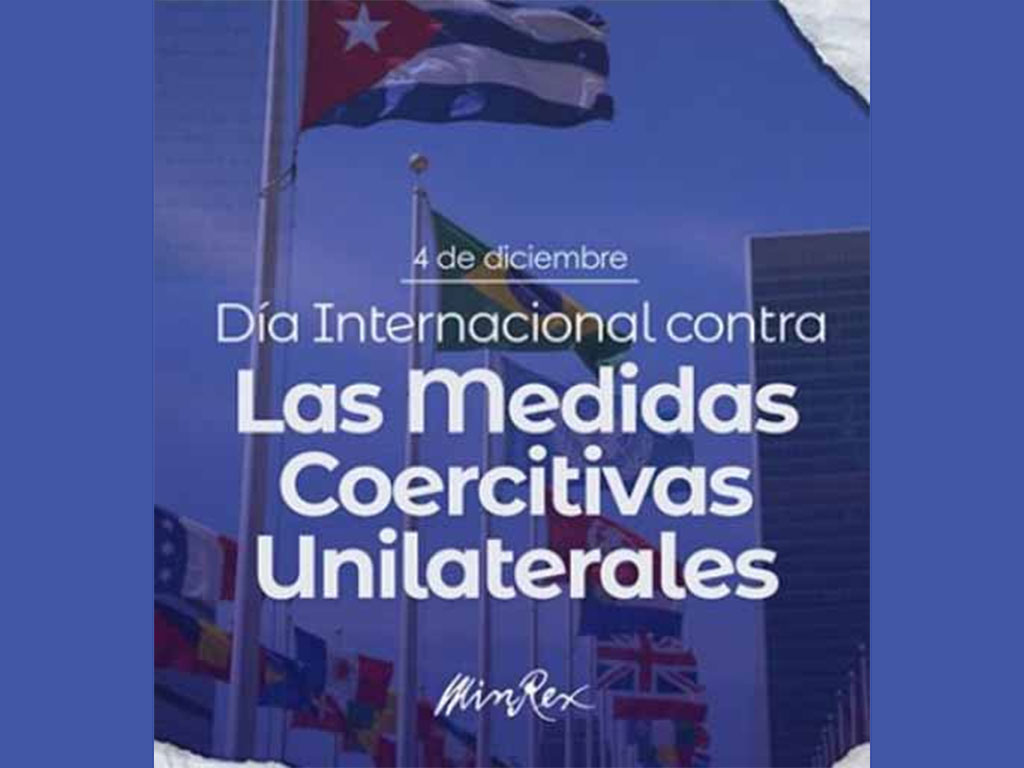
Cuba commemorates Day Against Unilateral Coercive Measures
In a forceful diplomatic statement, Cuban officials have launched a renewed condemnation against the longstanding United States economic embargo, characterizing the policy as a deliberate campaign of “economic war and intensified strangulation” against the Cuban populace. The remarks highlighted the daily hardships and systemic challenges faced by ordinary citizens as a direct consequence of the comprehensive sanctions regime.
Extending beyond national interests, the address expressed Cuba’s firm solidarity with all sovereign states subjected to comparable unilateral coercive measures. These international sanctions were categorically denounced as both “illegal and arbitrary,” representing what was described as a violation of international law and the principles of national self-determination. The rhetoric framed the embargo not merely as a bilateral issue, but as part of a broader pattern of geopolitical pressure tactics employed against independent nations.
The condemnation underscores the persistent tension in US-Cuba relations and signals Havana’s intent to continue its diplomatic campaign against the embargo on the global stage. This positioning aligns Cuba with other nations critical of the use of economic sanctions as a tool of foreign policy, seeking to build a coalition of support within international forums like the United Nations, where the embargo has been overwhelmingly criticized by the General Assembly.
-
Cuba reaffirms Zero tolerance policy on drugs
Cuban authorities have detailed the nation’s ongoing battle against international drug trafficking networks during a comprehensive press briefing. Silvera, who chairs the National Drug Commission, acknowledged that while domestic drug consumption remains relatively contained, the country faces escalating challenges from increasingly diverse and potent narcotics circulating globally.
Addressing the complex situation, Silvera emphasized the government’s collaborative approach, working across multiple societal sectors to implement preventative strategies against substance abuse. This multi-faceted effort comes despite Cuba’s unique position as a non-producing and non-trafficking nation that nevertheless suffers repeated attempts at drug introduction, primarily through maritime routes.
Colonel Juan Carlos Poey, head of the Specialized Anti-Drug Unit at the Ministry of the Interior (Minint), provided critical context, noting that Cuba’s geographical placement on major trafficking corridors makes it vulnerable to transnational criminal operations. First Colonel Ivey Carballo, Chief of Staff of the Border Guard Troops Directorate, further elaborated on this strategic challenge, explaining that the nation’s position on the South-North trafficking route necessitates constant vigilance over maritime territories.
The officials highlighted the crucial role of public cooperation in anti-drug efforts, with Cuban citizens frequently assisting authorities by reporting and temporarily securing packages containing illicit substances discovered in coastal waters. This community involvement, combined with systematic institutional efforts, forms the backbone of Cuba’s comprehensive strategy to eliminate drug trafficking—a phenomenon fundamentally incompatible with the nation’s social principles and foundational values.
-
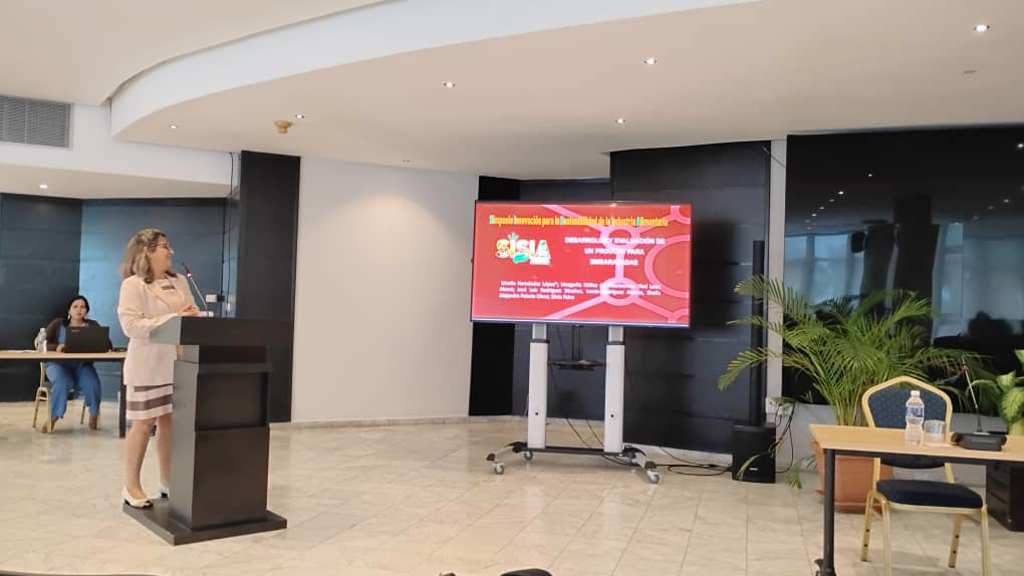
Cuban product for pregnant women presented at Food Symposium
Cuban scientists have unveiled a groundbreaking nutritional supplement specifically formulated to address iron deficiency in pregnant women. Developed by the Institute of Research for the Food Industry (IIIA), the product named ‘Hemolin’ is a syrup created through an innovative process combining stabilized bovine blood, honey, and potassium sorbate.
Research director Urselia Hernandez Lopez presented the development at the SISIA 2025 symposium in Havana, explaining that the formulation meets all required physical, chemical, microbiological, and sensory standards for consumption during pregnancy. According to Hernandez, who led the research team, just one tablespoon of Hemolin delivers 2.8 milligrams of iron – representing approximately 10% of the recommended daily intake for expectant mothers.
The symposium, themed ‘Sustainable Food Innovation’ and organized by IIIA, serves as a platform for showcasing Cuba’s advancements in food technology. The event is notably dedicated to commemorating the centennial of Fidel Castro’s birth next year, as highlighted by Jesus Rodriguez, IIIA’s director general and president of the organizing committee.
IIIA has established itself as a pioneering institution in Cuba’s food innovation landscape, with previous achievements including specialized nutrition products for elderly citizens, children’s fruit and vegetable juices, and reduced-sugar food items. The four-day symposium at Melia Habana Hotel features comprehensive programming including conferences, panel discussions, poster sessions, and workshops covering cutting-edge developments in food production.
Notable attendees included Oscar Treto from the Central Committee of the Communist Party of Cuba, along with officials from the Ministry of the Food Industry, prominent scientists, and students. Discussion topics span food engineering and technology, food safety protocols, nutritional solutions for vulnerable populations, novel product development, and the emerging application of artificial intelligence in food science.
-

President affirms Colombia faces threats and calls for unity
During a landmark visit to the conflict-affected municipality of El Tarra in Norte de Santander, Colombian President Gustavo Petro delivered a powerful address from the village of Bracitos while inaugurating new educational facilities. The president issued a stark warning against escalating global violence, specifically referencing alarming statements from world leaders concerning invasions and missile threats.
President Petro characterized the current international climate as a dangerous departure from diplomacy toward ‘barbarism,’ emphasizing that such paths inevitably lead to destruction. He positioned Colombia as a nation that must demonstrate global leadership in peacebuilding, stating that its people ‘never bow their heads’ or ‘kneel before anyone.’
The president articulated a vision of Colombia leading humanity toward peaceful coexistence through practical implementation of ‘effective love’ principles—a doctrine originally advanced by revolutionary priest Camilo Torres Restrepo. This philosophy emphasizes tangible acts of solidarity over mere theoretical compassion.
Petro specifically addressed the long-troubled Catatumbo region, declaring it should become territory belonging to and thriving for working people—both campesinos and urban laborers alike. He confirmed that beginning January 2024, youth from this historically marginalized area will access higher education through newly established technical, technological, and university programs at the El Tarra College-University institution.
-
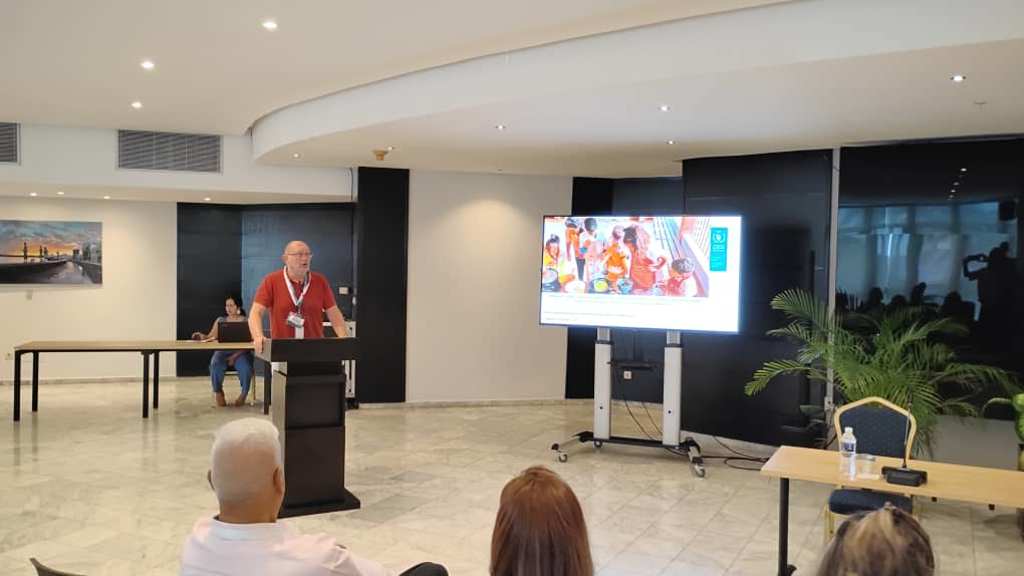
Cuba debates National Food Fortification Strategy
The Institute of Aquatic Research (IIIA), Cuba’s premier institution for food industry innovation, recently hosted a landmark symposium centered on “Sustainable Food Innovation.” This gathering showcased significant scientific advancements designed to address critical nutritional challenges within the nation.
A primary focus of the event was the Cuban government’s National Food Fortification Strategy, implemented with facilitation and support from the World Food Programme (WFP). This strategic initiative prioritizes securing viable mass-consumption food options, enhancing the technological capabilities of domestic industrial production, and establishing a robust regulatory framework to legally mandate national food fortification.
Discussions highlighted the pivotal role of fortified foods in improving dietary quality and consumption practices among vulnerable demographic groups, particularly through distribution networks within the social protection system.
Among the groundbreaking innovations presented was a novel fermented dairy dessert, specifically formulated by IIIA researchers for the nutritional needs of senior citizens. Comprising milk, sugar, modified starch, dairy culture, gelatin, salt, and soursop flavoring, this product is engineered to meet the needs of elderly individuals suffering from chewing difficulties or dysphagia (impaired swallowing ability).
Furthermore, the institute unveiled a development with significant import-substitution potential: a chocolate-flavored confectionery syrup crafted from roasted cocoa husks. This innovation demonstrates IIIA’s broader achievements, which also include specialized foods for pregnant women and the elderly, nutritious fruit and vegetable juices for children, a range of reduced-sugar products, and various technical, educational, and scientific services bolstering Cuba’s food sovereignty.
-

Clinical trial begins with Jusvinza to treat joint sequelae of chikungunya
A groundbreaking clinical trial investigating Cuba’s domestically developed Jusvinza medication for treating persistent polyarthritis in chikungunya survivors commenced this week at the Comandante Faustino Pérez Provincial Clinical Surgical Hospital. The study represents a significant advancement in addressing one of the most debilitating long-term effects of the viral disease.
Under the leadership of Dr. Yudisay Reyes Pelier, an oncology specialist and member of the Center for Genetic Engineering and Biotechnology (CIGB) Clinical Research Group, the research will assess Jusvinza’s efficacy in alleviating chronic joint inflammation and pain that continues to afflict patients months after recovering from the acute infection phase.
The randomized trial involves 120 participants aged 19-80, all with confirmed chikungunya diagnoses and joint symptoms persisting beyond three months. Researchers have divided subjects into two equal cohorts: an experimental group receiving Jusvinza alongside conventional therapy, and a control group continuing with standard treatment alone.
Treatment protocol entails nine subcutaneous injections administered over six weeks, with flexibility for outpatient or inpatient delivery based on individual clinical circumstances and geographical location.
Jusvinza (scientific designation CIGB-258) is a peptide-based biopharmaceutical product with established emergency authorization in Cuba for severe COVID-19 cases. The drug has demonstrated capacity to regulate hyperinflammatory responses causing pulmonary damage, showcasing its immunomodulatory properties.
Dr. Eulogio Pimentel Vázquez, CIGB Director, emphasized the medication’s proven safety profile and its development as a cost-effective therapeutic alternative for chronic inflammatory conditions compared to international counterparts.
This investigation forms part of Cuba’s comprehensive healthcare strategy to address chikungunya’s lasting sequelae following recent epidemic outbreaks that left substantial patient populations with enduring arthralgia compromising quality of life and workforce participation.
Research teams anticipate Jusvinza will achieve over 70% improvement in clinical outcomes, potentially establishing the Cuban-developed drug as an accessible solution for a condition currently lacking specific effective treatments. The trial simultaneously highlights Faustino Pérez Hospital’s role as a clinical research hub and demonstrates Cuba’s scientific capability in creating innovative solutions for pressing public health challenges.
-
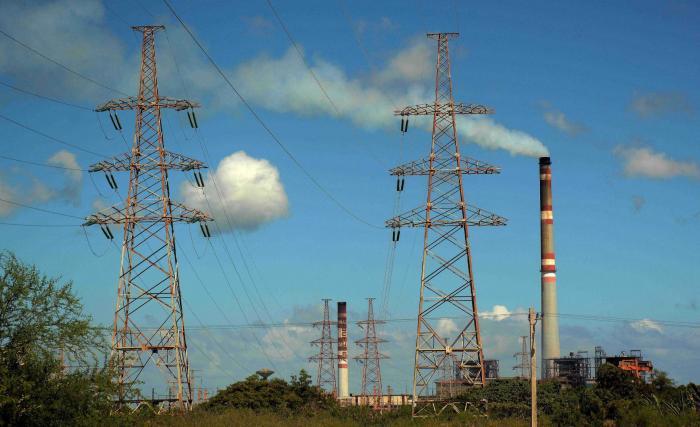
The system was restored, but the impact persists
Cuba is confronting a critical electricity generation crisis characterized by severe power shortages affecting the entire nation. The situation stems primarily from an acute fuel shortage that has rendered over 1,000 megawatts of distributed generation capacity inoperable, creating substantial deficits across the electrical grid.
Engineer Lázaro Guerra Hernández, General Director of Electricity at Cuba’s Ministry of Energy and Mines (Minem), provided exclusive insights to Granma regarding the emergency. He confirmed that while the national electrical system has been technically restored following recent failures, generation capacity remains critically constrained due to fuel unavailability.
The crisis intensified with the simultaneous shutdown of Unit 1 at the Felton power plant and planned maintenance at Energas facilities. However, authorities implemented contingency measures by postponing the complete shutdown of gas plants, maintaining approximately 320-330 MW of generation from Energas engines. This decision also secured continued gas supply for domestic use in Havana.
Félix Estrada Rodríguez, Director of the National Load Dispatch Center, reported that Unit 6 at Mariel and Machine 1 at Santa Cruz had been successfully synchronized, bringing available generation to between 1,200-1,300 MW. Nevertheless, officials acknowledge that complex conditions and service disruptions will persist throughout the day.
The Felton unit is expected to remain offline for approximately 36 hours for repairs, with its return anticipated to contribute over 200 MW to the system. The recent national grid separation on Wednesday morning was attributed to a failure in the interconnection between the Ernesto Guevara thermoelectric plant in Santa Cruz and the Antonio Guiteras facility in Matanzas, creating an uncontrollable power imbalance in the region.
-

Maduro remembers pepple’s victory in 2023 Consultative Referendum
President Nicolás Maduro has commemorated the two-year milestone of Venezuela’s landmark consultative referendum on the disputed Essequibo territory, hailing the 2021 vote as an unprecedented democratic exercise in the nation’s 150-year territorial struggle. Through his Telegram account, Maduro characterized the electoral process as a transformative campaign that revitalized national consciousness through inclusive public engagement and civic education.
The Venezuelan leader emphasized the government’s political courage in submitting such complex geopolitical matters to popular consultation, noting that citizens demonstrated remarkable awareness and preparedness in their response. Maduro declared the Venezuelan people—without partisan distinction—the ultimate victors in the ongoing territorial claim, framing the referendum as a constitutional mechanism that enabled citizens to reclaim the legacy of their liberators.
Concurrently, Foreign Minister Yvan Gil utilized social media platforms to reinforce the administration’s position, describing the referendum’s second anniversary as marking a “resounding victory” that strengthened Venezuela’s historical claims to the oil-rich Essequibo region. Both officials portrayed the popular consultation as providing critical momentum for Venezuela’s renewed constitutional efforts to assert sovereignty over the 160,000-square-kilometer territory currently administered by Guyana.
The commemorations occur amid ongoing diplomatic tensions between Venezuela and Guyana regarding the border dispute, with Caracas continuing to leverage the 2021 referendum results as democratic justification for its territorial claims in international forums.
-

Israel carried out more than 2,140 attacks in the West Bank in November
A comprehensive monthly report from the Palestinian Commission Against the Wall and Settlements has documented an alarming escalation of Israeli military and settler activities across occupied territories. According to Commission Head Muayyad Shaaban, security forces perpetrated 1,523 distinct operations while settlers conducted additional attacks throughout the reporting period.
The investigation reveals a systematic pattern of violations including structural demolitions, property confiscation, deliberate vandalism, movement restrictions, lethal violence, physical assaults, and widespread theft. Shaaban emphasized these actions represent not random incidents but a coordinated strategy to displace indigenous populations and establish an institutionalized system of racialized control.
Particularly concerning is the attempted establishment of 19 unauthorized settler outposts—initial infrastructures designed to evolve into permanent Jewish settlements. The report asserts these developments occur with explicit political authorization from the highest levels of Israeli governance, intentionally fragmenting Palestinian territorial continuity and imposing demographic realities through fait accompli tactics.
Quantitative analysis confirms the seizure of approximately 280 hectares (692 acres) of West Bank land through multiple legal mechanisms including confiscation orders, expropriation procedures, and reclassification of state land boundaries. Additionally, authorities executed 46 demolition operations affecting 76 structures while issuing 51 preliminary notices targeting additional properties for future destruction.