标签: Cuba

古巴

  • Violence against women persists in El Salvador

    Violence against women persists in El Salvador

    Newly released statistical data for 2024-2025 has exposed the severe magnitude of gender-based violence plaguing El Salvador, with the Attorney General’s Office (FGR) documenting a staggering 18,949 cases targeting women. Among these reported incidents, sexual assault accounted for 8,938 cases, representing nearly half of all gender violence reports.

    According to analyses by the Organization of Salvadoran Women for Peace (ORMUSA), these figures position El Salvador among nations with the highest rates of femicide in the Americas, with 82 gender-motivated killings recorded during this reporting period. The breakdown of violence types shows psychological abuse as the most prevalent form at 7,062 cases, followed by physical violence accounting for 2,339 incidents.

    While the statistics indicate a slight reduction compared to previous reporting cycles, ORMUSA emphasizes that sexual violence remains the most persistent and widespread manifestation of gender-based aggression throughout the country. The organization’s comprehensive assessment concludes that sexual violence constitutes a deep-rooted, structural problem requiring immediate and coordinated intervention.

    The findings underscore the critical need for enhanced commitment from state institutions and civil society to implement effective protective measures, strengthen legal frameworks, and transform societal attitudes toward gender-based violence. ORMUSA advocates for a multifaceted approach combining prevention, prosecution, and support systems to address this pervasive human rights challenge.
  • Cubans in Ecuador condemn US aggression against Venezuela

    Cubans in Ecuador condemn US aggression against Venezuela

    A prominent international association has issued a forceful condemnation of recent actions targeting Venezuelan leadership, characterizing them as unlawful under established global governance principles. The Association of Caribbean Unity and Regional Entities (ACURE) has formally denounced what it describes as the effective abduction of Venezuelan President Nicolás Maduro and First Lady Cilia Flores, asserting these actions constitute a blatant violation of diplomatic immunities granted to sitting heads of state.

    In an official communiqué disseminated through the Cuban Consulate in Ecuador, ACURE posed a challenging question to United States authorities: “Under which specific tenets of International Law does the United States presume the authority to act as global adjudicator while simultaneously disregarding fundamental international legal standards?”

    The organization additionally expressed strong opposition to President Donald Trump’s assertion of American jurisdiction over Venezuelan affairs during a recent press briefing. ACURE specifically condemned the invocation of the nineteenth-century Monroe Doctrine as justification, labeling this approach “entirely illicit and contrary to contemporary international legal frameworks.”

    Further analysis from the association suggests that potential military engagement would be principally motivated by Washington’s strategic interests in controlling Venezuela’s substantial natural resources, including petroleum reserves, gold deposits, and critical rare earth elements essential for modern technology.

    The statement provided historical context referencing previous military interventions throughout the region, cautioning against the repetition of such patterns driven primarily by economic ambitions rather than humanitarian or democratic concerns. ACURE emphasized the imperative of immediately restoring President Maduro and his wife to their rightful positions while advocating for strengthened respect for national sovereignty and international law as cornerstones of peaceful global coexistence.

  • Spain in mass  drives in support of  Venezuela

    Spain in mass drives in support of Venezuela

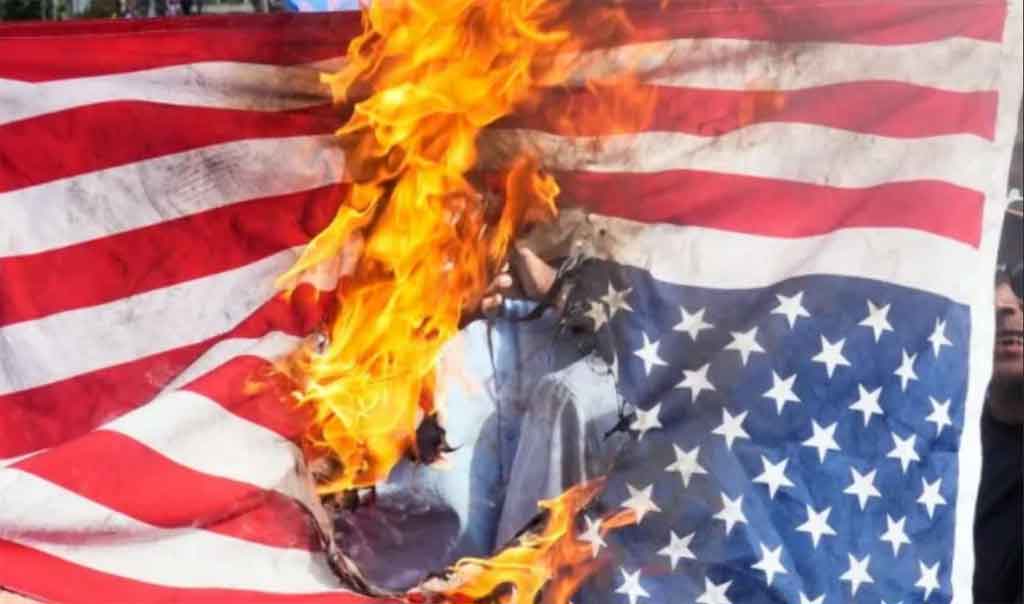
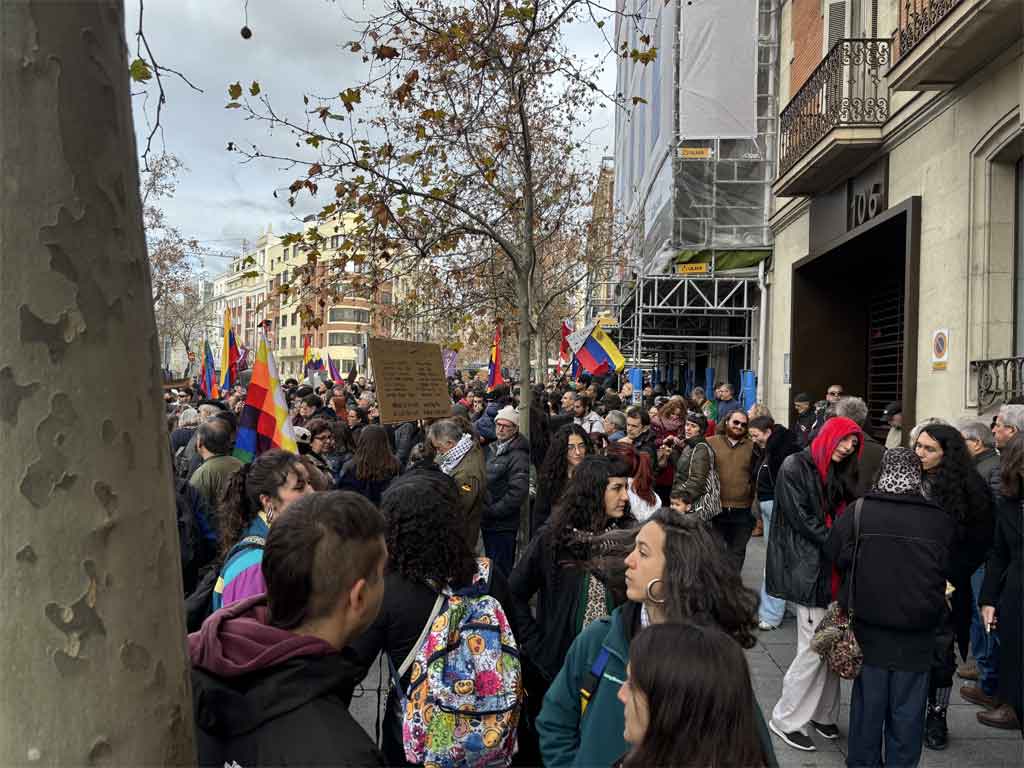
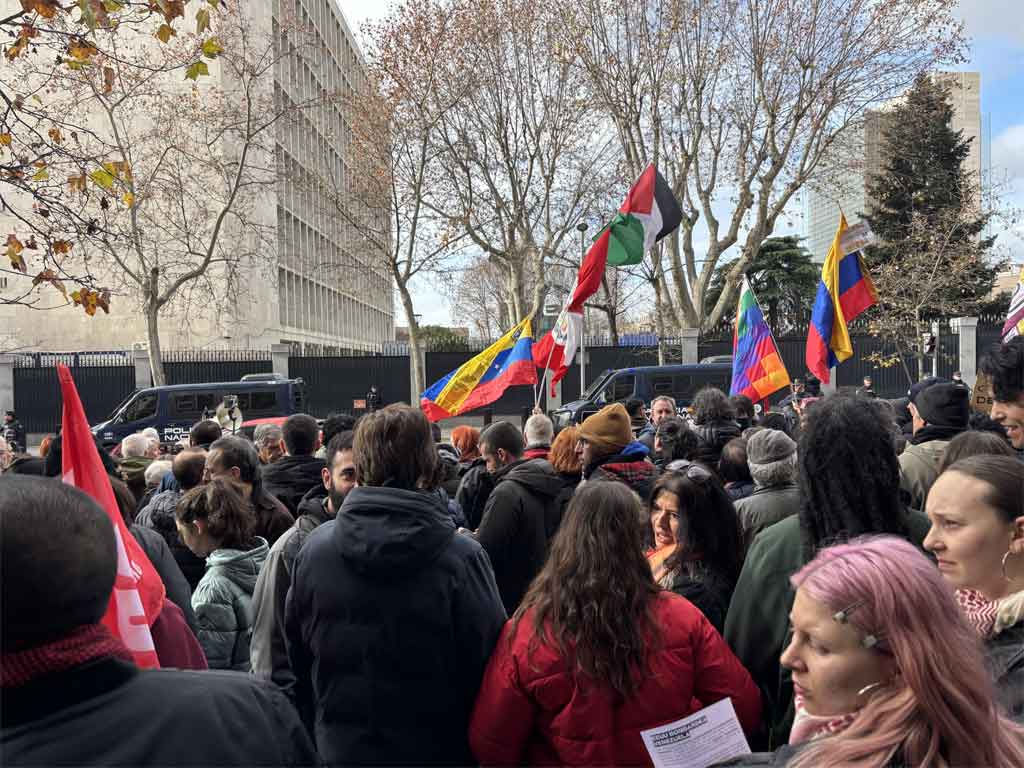
    A substantial crowd of demonstrators convened peacefully outside the United States diplomatic mission in Madrid on Sunday, responding to a mobilization call from the Committee Against NATO and Military Bases alongside the Antifascist International. The assembly, which drew thousands, was met with a significant security presence comprising Spanish Civil Guard and national police forces.

    Protesters vocalized strong opposition to U.S. foreign policy through resonant chants including “Yankees hands off Venezuela” and demands to cease American interference while respecting Latin American sovereignty. The visual symbolism of the gathering extended beyond Venezuelan flags to include Palestinian banners, merging condemnation of Israel’s military actions in Gaza with criticisms of NATO’s escalating militarism and European Union complicity.

    Araceli Escudero, representing the Bolivarian Solidarity Platform and Cuban friendship associations, characterized the event as exceptionally successful. She noted the unprecedented turnout for such a demonstration in recent memory, warning that current developments in Venezuela represent a comprehensive violation of rights with potential to destabilize the entire Latin American and Caribbean region. Escudero’s statements to Prensa Latina emphasized the interconnected nature of global geopolitical struggles against Western interventionism.

  • Social rejection grows in El Salvador against aggression of Venezuela

    Social rejection grows in El Salvador against aggression of Venezuela

    A coalition of international voices has sharply criticized what they characterize as an unprecedented interventionist escalation by the United States government against Venezuela’s leadership. The coordinated response follows reports of operations targeting Venezuelan President Nicolás Maduro and First Lady Cilia Flores, which multiple organizations have denounced as an illegal kidnapping attempt designed to destabilize the legitimately constituted government of the Bolivarian Republic.

    Central to the condemnation is the assertion that these actions represent an extrajudicial application of force that undermines international norms. The movement argues that Washington’s operations seek to effectively decapitate Venezuela’s democratic institutions through means that circumvent established legal frameworks.

    Amid the widespread criticism, Salvadoran legislator Claudia Ortiz of the center-right Vamos party offered a more nuanced perspective. While not defending the Maduro government, Ortiz questioned the methodological implications of such operations, emphasizing that “the challenge for the region is not only to combat organized crime, but to do so without making the exception the rule or weakening the rule of law.” The parliamentarian, quoted extensively in El Mundo, further expressed concerns about the United States exercising power without democratic constraints, warning that “without active institutions, no democracy can withstand the pressure” of such approaches.

    The political condemnation has been amplified by social and popular movements across El Salvador. Multiple labor unions have aligned with statements from the World Federation of Trade Unions, which contends that Washington’s true objective centers on gaining control over Venezuela’s substantial oil reserves. This economic interpretation of geopolitical motives has gained traction among critical voices.

    Adding to the chorus of disapproval, three significant organizations—the Antifascist International El Salvador Chapter, the Operation Solidarity Network, and Mission Miracle—have jointly reaffirmed their rejection of the operations against Venezuela’s leadership. These groups have characterized the actions as violations of national sovereignty that establish dangerous precedents for international relations in the Western Hemisphere.

  • Chinese academician warns of US intentions in Venezuela

    Chinese academician warns of US intentions in Venezuela

    A prominent Chinese Latin America specialist has condemned recent United States actions against Venezuela’s leadership as a violation of international legal standards that establishes a concerning historical precedent. Dr. Sun Yanfeng, Director of the Institute of Latin American Studies at the China Institute of Contemporary International Relations, characterized Washington’s operation as another instance of the U.S. elevating its domestic legislation above established international law.

    In an exclusive interview with The Paper, Dr. Sun criticized the American justification for the action, noting that the U.S. relied solely on its own judicial orders and narcotics trafficking allegations under domestic statutes without presenting internationally verifiable evidence. The analyst emphasized that fundamental principles of international relations—specifically the sovereign equality of nations and the prohibition against interference in internal affairs—explicitly forbid the extraterritorial application of national laws against sitting heads of state.

    The expert drew parallels to a historically significant event from 1989, when United States military forces invaded Panama and apprehended its leader on similar drug-related charges. Dr. Sun described this earlier intervention as establishing a ‘dangerous precedent’ that now appears to be repeating itself in the Venezuelan context.

    Beyond the surface-level narcotics enforcement narrative, Dr. Sun identified broader geopolitical motivations behind Washington’s actions. He asserted that the operation serves strategic American objectives aimed at diminishing Venezuela’s influence as a regional actor that frequently opposes U.S. policies while maintaining close diplomatic and economic ties with both China and Russia.

    This development represents what the analyst considers the first direct U.S. intervention in Latin America during the 21st century, occurring shortly after the implementation of Washington’s newly updated national security strategy. The timing suggests a potential shift in American foreign policy approach toward the region that could have significant implications for international relations and regional stability.

  • Turkiye’s ruling party opposes intervention in Venezuela

    Turkiye’s ruling party opposes intervention in Venezuela

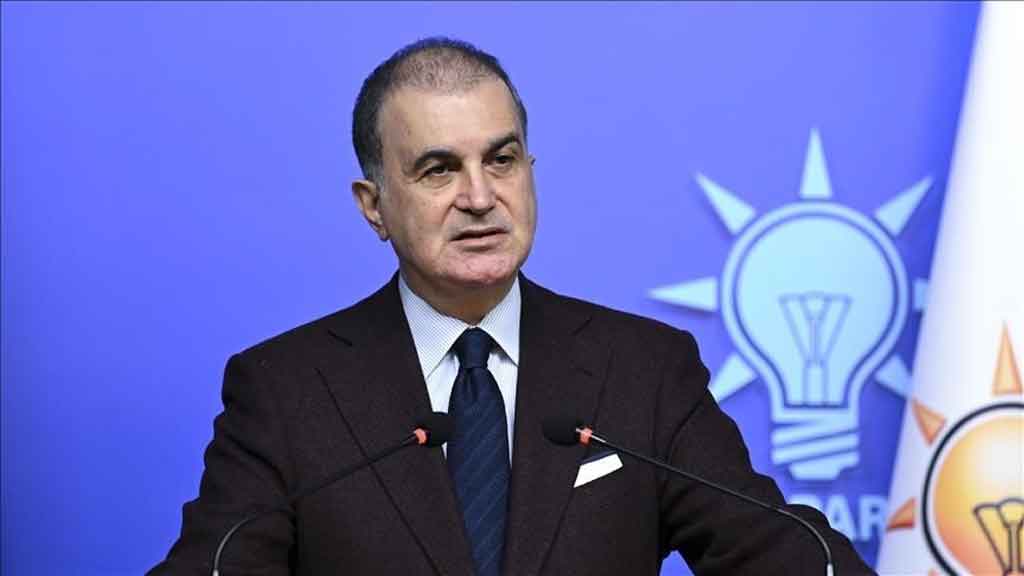
    In a firm declaration of diplomatic principles, Turkey’s ruling Justice and Development Party (AKP) has articulated its unwavering stance on Venezuela’s political sovereignty amid growing international tensions. Party spokesman Omer Celik utilized social media platform X to communicate the AKP’s position, emphasizing that political sovereignty resides exclusively with the Venezuelan people and that his party rejects any initiatives compromising state sovereignty.

    Celik’s statement established that the AKP’s approach to Venezuelan affairs is fundamentally grounded in respect for international legal frameworks and the democratic will of populations. The spokesman recalled that both Turkish President Recep Tayyip Erdogan and the AKP have consistently championed legitimate state sovereignty and territorial integrity as cornerstone principles of their political philosophy and international engagements.

    The declaration comes in response to recent developments that saw the Venezuelan government issue a formal statement on Saturday condemning what it characterized as US aggression aimed at appropriating the country’s strategic natural resources, including its substantial petroleum reserves and mineral wealth. Caracas asserted that these actions represent a deliberate campaign to undermine Venezuela’s political autonomy and economic independence.

    Venezuela’s government simultaneously announced its reserved right to employ legitimate self-defense measures to protect its citizens, territorial boundaries, and national independence. The South American nation additionally called for international solidarity in condemning what it perceives as foreign aggression, seeking broader global support against external pressure campaigns.

    The AKP’s reaffirmation of these principles signals Turkey’s continuing commitment to a foreign policy that prioritizes state sovereignty above geopolitical alignments, maintaining consistency with Ankara’s historical positions on international law and non-interventionist principles.

  • China calls for immediate release of Maduro and his wife

    China calls for immediate release of Maduro and his wife

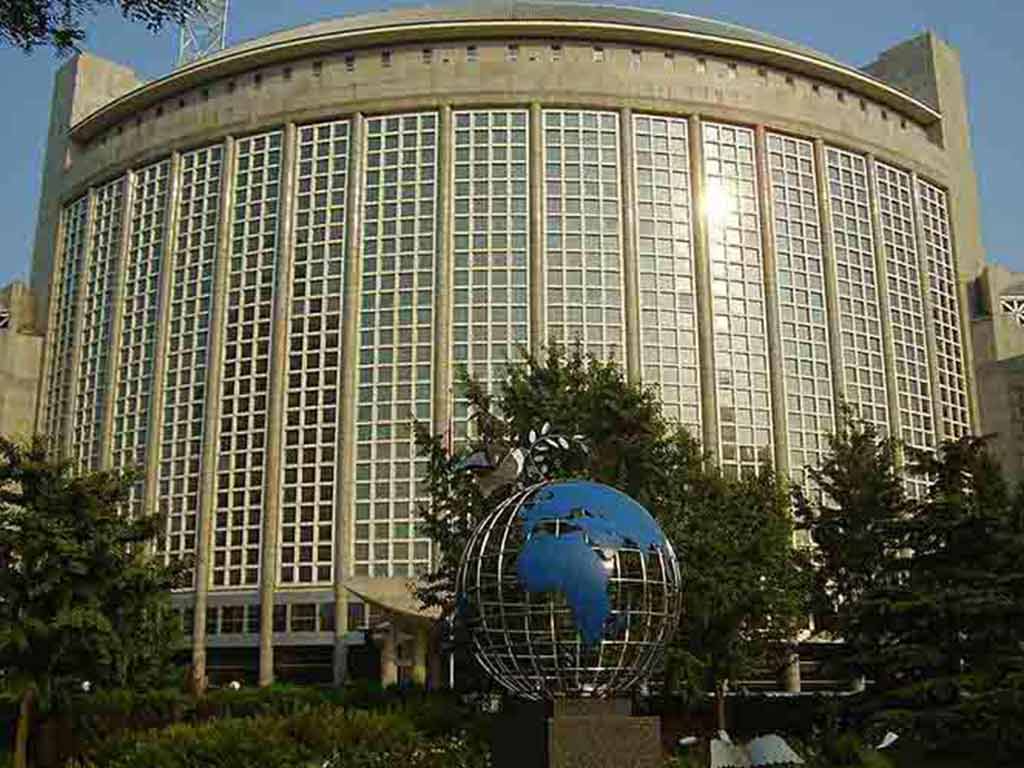
    The Chinese government has issued a forceful condemnation of United States military operations in Venezuela, characterizing Washington’s actions as a severe breach of international legal standards and fundamental principles governing international relations. In an official statement released through its Foreign Ministry, Beijing expressed profound consternation regarding what it termed ‘reckless use of force’ against the sovereign nation of Venezuela and its leadership.

    The diplomatic communiqué emphasized China’s deep concern over the reported detention and coerced deportation of Venezuelan President Nicolás Maduro and his spouse, demanding immediate guarantees for their physical security and personal wellbeing. The Asian nation further called for the prompt and unconditional release of the Venezuelan head of state and his wife.

    Beijing’s position maintains that such military interventions directly contravene the established purposes and principles enshrined in the United Nations Charter. The Chinese statement characterized American conduct as ‘hegemonic behavior’ that not only infringes upon Venezuela’s national sovereignty but also potentially destabilizes regional peace and security throughout Latin America and the Caribbean.

    China has urged the United States to pursue resolution of bilateral differences with Venezuela exclusively through diplomatic channels and peaceful negotiations rather than military confrontation. The escalating situation has attracted concentrated attention from international media outlets, with extensive coverage of the developments unfolding in the South American nation where sovereignty violations and executive kidnapping allegations have created diplomatic upheaval.

  • Majority in Spain rejects US interference in Venezuela

    Majority in Spain rejects US interference in Venezuela

    Spanish legal and political organizations have issued strong condemnations of U.S. President Donald Trump’s recent actions regarding Venezuela, characterizing them as violations of established international legal frameworks. The Progressive Union of Prosecutors (UPF) formally expressed deep concern over Trump’s Venezuela policies, asserting they represent a fundamental breach of international law standards.

    Igor Zulaika, Head of Politics and International Relations for the Basque political party EH Bildu, escalated the criticism by accusing Trump of actively seeking to ‘destroy international law’ following Saturday’s military action in Venezuela. Zulaika further warned of potential intervention risks in European politics, specifically suggesting Trump might attempt to influence upcoming European elections in favor of far-right movements.

    The diplomatic tensions manifested locally in Bilbao, where demonstrators gathered outside the Venezuelan Consulate shortly before Zulaika’s statements. The Basque representative characterized Trump’s actions as implementing an ‘imperialist plan’ against Venezuela’s sovereignty.

    Glenna del Valle Cabello, Venezuelan Consul in Bilbao, responded to the escalating situation by calling for nationwide mobilization to counter what she described as ‘imperianist aggression’ against her country.

    Broad political consensus against Trump’s Venezuela policy emerged across Spain’s left-wing political spectrum. The United Left, Podemos, and Sumar parties joined major labor unions including Workers’ Commissions and UGT in condemning both the reported kidnapping of Venezuelan President Nicolas Maduro and his wife Cilia Flores, and the White House’s announcement regarding overseeing Venezuela’s democratic transition. The coordinated statements reflect deepening European concerns about U.S. foreign policy approaches in Latin America.

  • Russian air defense downs 90 Ukrainian drones in a single day

    Russian air defense downs 90 Ukrainian drones in a single day

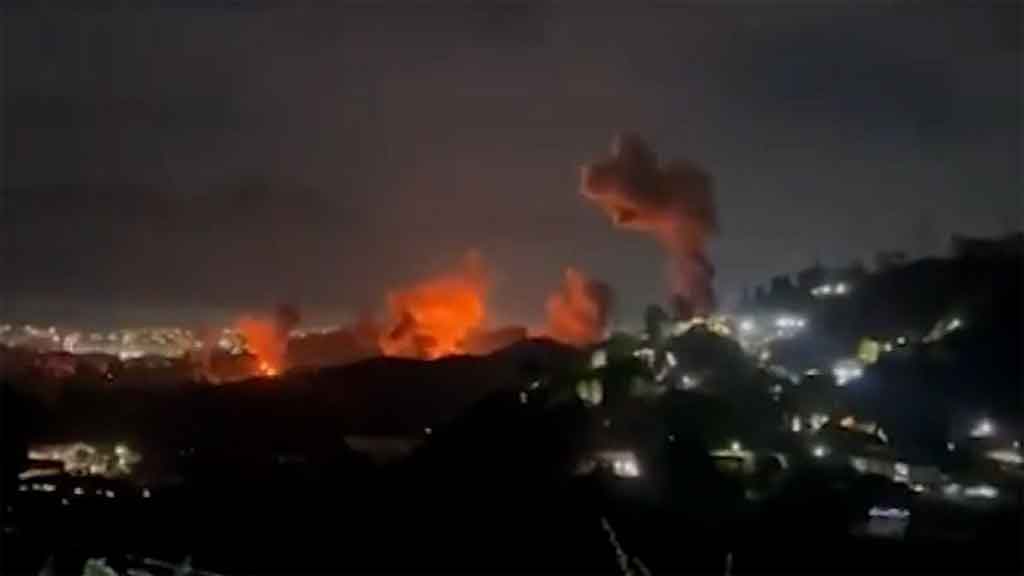
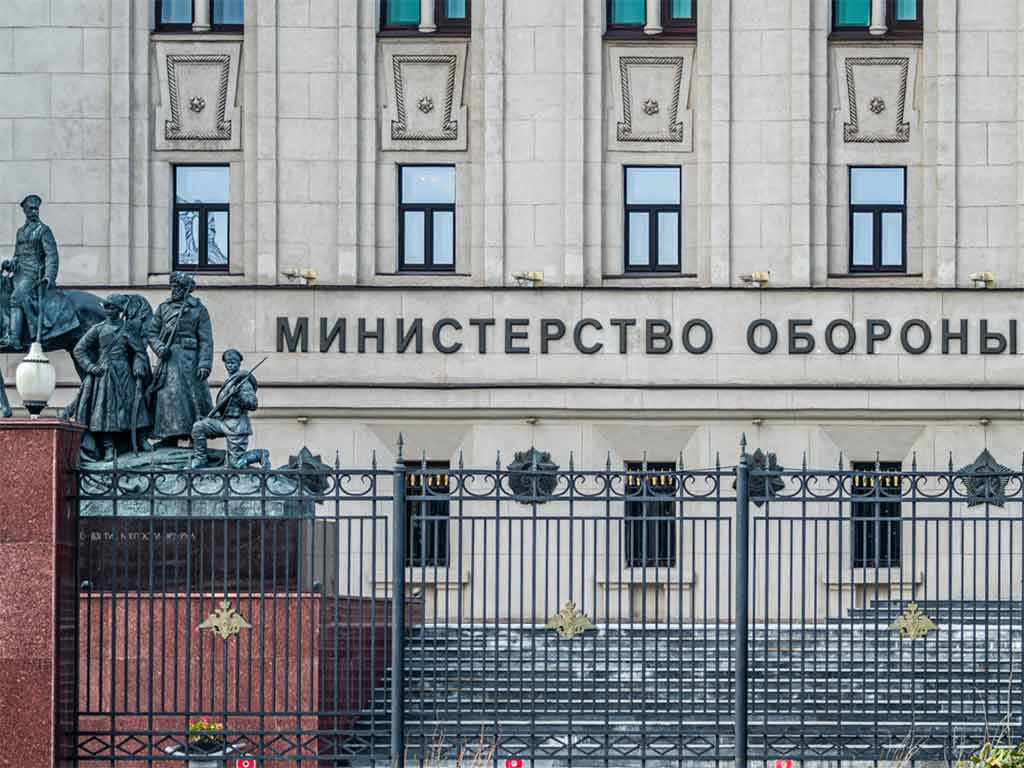
    Russian military authorities have issued a stark warning regarding a significant escalation in Ukrainian unmanned aerial vehicle (UAV) operations targeting Russian territory. In an official statement released on their Telegram channel, defense officials attributed this anticipated increase to substantial losses sustained by Ukrainian armed forces along the front lines of the ongoing conflict.

    The Ministry of Defense provided detailed figures on recent aerial defense operations, announcing the successful interception of 37 drones over the Bryansk region. Additional UAVs were neutralized in other strategic locations: 22 over Kursk, 11 over Kaluga, 11 over Moscow, four over Tula, two over Voronezh, and one each over Belgorod, Rostov, and Oryol territories.

    Concurrently, Russia’s national air transport agency, Rosaviatsia, implemented temporary flight restrictions at multiple airports citing security concerns. The affected airports include those serving Saratov, Tambov, and Yaroslavl, along with two of Moscow’s four major airports—Vnukovo and Zhukovsky International.

    The context for these developments traces back to February 24, 2022, when Russia initiated what it terms a ‘special military operation’ in Ukraine. President Vladimir Putin has consistently framed this campaign as a necessary measure to protect Russian-speaking populations from what he describes as ‘genocide by the Kiev regime.’ Additionally, Russian leadership has emphasized the operation’s strategic purpose in countering perceived national security threats resulting from NATO’s continued eastward expansion toward Russia’s borders.

  • China: South Korean leader boosts a new stage in bilateral ties

    China: South Korean leader boosts a new stage in bilateral ties

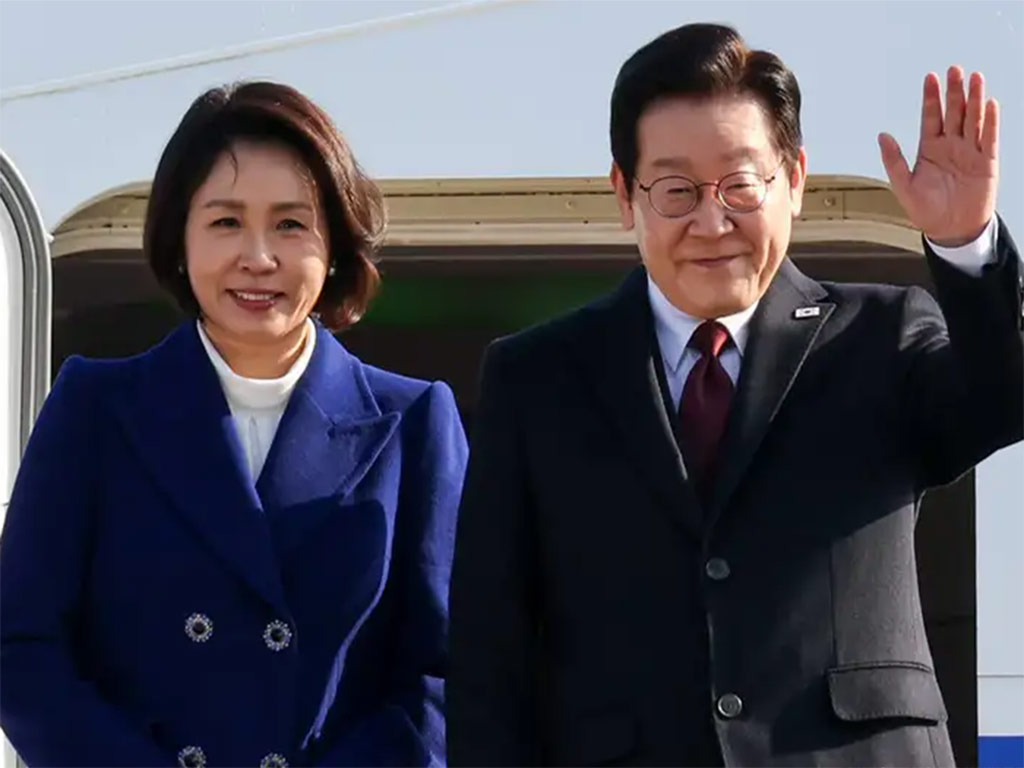
    In a significant diplomatic development, South Korean President Lee is scheduled to undertake his first state visit to China in nearly nine years from January 4-7. The landmark trip follows the recent bilateral summit held in Gyeongju just two months ago, signaling a renewed commitment to enhanced cooperation between the two Asian nations.

    The official itinerary includes high-level talks with Chinese leadership in Beijing during the initial phase of the visit (January 4-6), followed by engagements in Shanghai on January 6-7. According to diplomatic sources from Seoul, the agenda encompasses comprehensive discussions on multiple fronts including supply chain collaboration, investment opportunities, digital economy initiatives, environmental cooperation, and joint efforts against transnational criminal activities. Several memoranda of understanding are anticipated to be signed during the visit.

    South Korean officials emphasized that the primary objective of this diplomatic mission is to reinforce the strategic partnership framework and establish more robust political dialogue channels between the two countries. The timing of the visit holds particular historical significance as it coincides with commemorative events honoring Kim Gu’s 150th birthday and the centenary of the Provisional Government of the Republic of Korea’s establishment. President Lee’s itinerary includes a symbolic visit to the former site of the Korean Provisional Government in Shanghai, underscoring the historical connections between the two nations.

    This state visit represents a crucial step in revitalizing diplomatic relations and addressing mutual concerns while exploring new avenues for economic and strategic collaboration in the region.