标签: Cuba

古巴

  • NGO deplores acute hunger in Gaza

    NGO deplores acute hunger in Gaza

    The Gaza Strip is confronting an unprecedented humanitarian catastrophe with three-quarters of its population now experiencing acute hunger classified at IPC Phase 3 or higher, according to recent assessments. The remaining quarter faces chronic food deprivation in what humanitarian organizations describe as one of the most severe hunger crises globally.

    Action Against Hunger’s Spanish chapter reports that extreme weather conditions and critical infrastructure damage have dramatically worsened the situation. Recent torrential rains have devastated displacement camps, flooding shelters and destroying essential belongings while exposing vulnerable populations to dangerously low temperatures and additional emergencies.

    Affected families provided harrowing accounts of the flooding. ‘The water rushed toward us like a raging river, completely inundating our tent. The protective tarpaulins collapsed and were damaged beyond repair,’ one survivor recounted. ‘We desperately attempted to construct sand barriers, hoping to divert the water from our shelter.’

    The NGO further documented that Gazan families confront immense challenges in obtaining adequate nutrition. In Deir Al-Balah, numerous households can afford protein-rich foods or vegetables only once weekly due to catastrophic economic conditions. The systematic destruction of agricultural land, market infrastructure, and livelihood opportunities has left the population unable to meet their most basic food requirements, creating a dependency on humanitarian aid that struggles to meet overwhelming needs.

  • Syria seeks reintegration into the international financial system

    Syria seeks reintegration into the international financial system

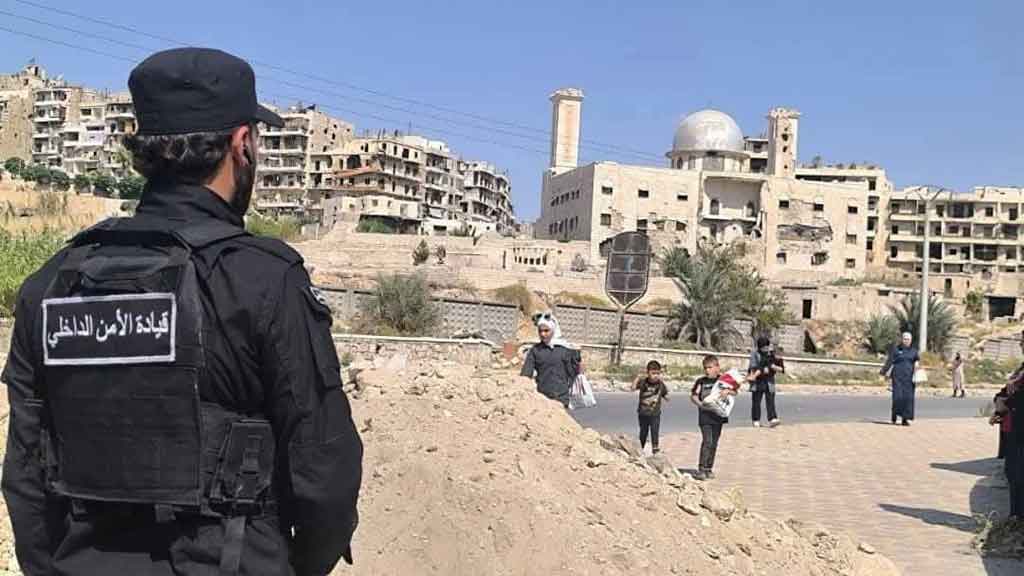
    In a significant development for Syria’s economic landscape, the Governor of the Central Bank of Syria (CBS) has outlined a strategic pathway toward obtaining a sovereign credit rating. Through an official communication on his Facebook account, the governor emphasized that this initiative serves dual purposes: alleviating pressures from the ongoing sanctions regime and creating avenues for collaboration with international credit rating agencies.

    The proposed approach involves Syria initially seeking a ‘shadow’ sovereign rating—an advisory evaluation that remains confidential. This preliminary step would lay the groundwork for transitioning to an official public assessment once economic and political conditions become more favorable.

    Central Bank Governor Al-Hasriya provided crucial clarification regarding the nature and purpose of credit ratings. He emphasized that such ratings do not automatically translate into immediate access to international loans or financing. Instead, they function as comprehensive diagnostic tools that offer objective assessments of a nation’s economic and financial health. These evaluations are designed to strengthen fiscal discipline, prioritize necessary reforms, enhance institutional transparency, and facilitate more effective engagement with global investors and international financial organizations.

    The governor further detailed the Central Bank’s pivotal role in this process, highlighting commitments to enhanced monetary transparency, the provision of reliable economic data, and the promotion of financial stability. These elements, he noted, constitute fundamental prerequisites for establishing a credible sovereign rating that would be recognized by the international financial community.

    Acknowledging the challenging road ahead, the governor recognized that Syria would likely receive a low initial rating—a common circumstance for nations emerging from prolonged conflict situations. However, he stressed that the true value of pursuing a credit rating lies not in the numerical score itself, but in the established standards it provides and the clear roadmap it creates for systematic economic improvement and recovery.

  • Russian deputy FM rules out commitments on NATO presence in Ukraine

    Russian deputy FM rules out commitments on NATO presence in Ukraine

    Russia has emphatically reaffirmed its categorical opposition to Ukraine’s potential accession to NATO and the deployment of alliance military assets on Ukrainian territory. Deputy Foreign Minister Alexander Grushko declared this position “absolutely unacceptable” during recent statements to Sputnik news agency, emphasizing that Moscow’s stance on this security red line remains consistent and well-documented.

    The ongoing diplomatic efforts to resolve the Ukraine conflict have brought this fundamental disagreement to the forefront of negotiations. Representatives from Kyiv, Brussels, and Washington are currently engaged in intensive discussions to formulate a peace arrangement that might prove acceptable to Moscow while addressing Ukraine’s security concerns.

    A significant development occurred on December 14 when high-level talks convened in Berlin involving Ukrainian President Volodymyr Zelensky, White House Special Envoy Steve Witkoff, and Jared Kushner, former senior advisor to the Trump administration. The five-hour deliberation focused on a comprehensive 20-point peace framework, with participants reporting substantive progress toward consensus.

    Following these consultations, European Union leadership advanced a proposal involving the deployment of a multinational security force to Ukraine. The initiative additionally recommends maintaining Ukrainian armed forces at a strength of no fewer than 800,000 personnel. These measures are designed to address regional stability concerns while simultaneously countering perceived security threats associated with NATO’s continued eastern expansion, which Russia identifies as a primary national security challenge.

    The diplomatic impasse continues to center on reconciling Ukraine’s sovereign aspirations with Russia’s security objections, creating a complex negotiation landscape that requires careful balancing of competing geopolitical interests.

  • Brazil: MERCOSUR assesses future after delay in deal with EU

    Brazil: MERCOSUR assesses future after delay in deal with EU

    The landmark trade agreement between the European Union and South America’s MERCOSUR bloc faces potential collapse following Brussels’ decision to postpone ratification. The development emerged during the MERCOSUR Summit in Foz do Iguaçu, Brazil, where member nations Argentina, Brazil, Paraguay, and Uruguay had anticipated finalizing the treaty that has been under negotiation for nearly three decades.

    The postponement, resulting from insufficient consensus among European nations, has triggered significant discontent among South American governments. The EU has deferred its decision until January, citing the need for additional assessment time, particularly for Italy to evaluate the agreement’s domestic implications.

    In response to the delay, MERCOSUR leadership issued stark warnings about the future of negotiations. Brazil, which is transferring the bloc’s pro tempore presidency to Paraguay, joined with its successor in indicating that further delays could terminate the protracted talks permanently.

    Brazilian Foreign Minister Mauro Vieira articulated the bloc’s contingency strategy, stating that failure to secure the EU agreement would prompt MERCOSUR to pivot toward alternative strategic markets. Potential trading partners identified include Canada, the United Kingdom, Japan, and various Asian nations. Additionally, the bloc plans to pursue updated agreements with existing partners such as India.

    The postponement represents another setback for one of the world’s most ambitious trade pacts, which would create a market encompassing nearly 800 million consumers and reshape transatlantic economic relations.

  • New exchange rate attracts attention in Cuba

    New exchange rate attracts attention in Cuba

    Cuban financial authorities have initiated a comprehensive transformation of the country’s foreign exchange market, implementing strategic measures that took effect on December 18, 2025. The development, reported extensively by Cuban media including Cubadebate, follows a special appearance by Central Bank of Cuba President Juana Lilia Delgado Portal on the same day the reforms were enacted.

    The Central Bank has been systematically preparing conditions for these foreign exchange market changes, operating under principles of gradualism and strategic timing. The current Cuban economy suffers from multiple coexisting exchange rates that create significant economic distortions, encourage informal market activities, and complicate banking and tax oversight of economic transactions.

    This currency reform initiative aims to restore convertibility to the Cuban peso, strengthen monetary institutions, and facilitate an orderly transition toward exchange rate and monetary convergence. Authorities emphasize that establishing a functional foreign exchange market requires fundamental prerequisites: macroeconomic stability, operational banking system capacity, and a regulatory framework adapted to contemporary economic conditions.

    Financial experts caution that immediate exchange rate unification without a transitional period could trigger severe currency devaluation, potentially generating higher inflationary pressures than currently experienced and further eroding the national currency’s purchasing power against foreign denominations. After careful consideration of these economic factors, Cuban officials determined that implementing measured reforms represents the most prudent approach to foreign exchange market transformation.

  • Putin highlights importance of taking Krasnoarmeisk

    Putin highlights importance of taking Krasnoarmeisk

    Russian President Vladimir Putin has characterized the seizure of Krasnoarmeisk as a pivotal military achievement during a major public address in Moscow. Speaking at the combined Direct Line with Citizens event and press conference held at the Gostiny Dvor exhibition complex, the leader framed this territorial gain as a critical strategic asset.

    President Putin elaborated on the tactical advantages gained, describing the captured city as “an optimal operational base for subsequent offensive maneuvers.” This assessment positions Krasnoarmeisk as more than just another territorial acquisition, but rather as a forward operating position essential for sustaining military momentum.

    The Russian commander-in-chief simultaneously dismissed Ukrainian counteroffensive efforts, asserting that attempts to reclaim portions of Krasnoarmeisk have resulted in substantial personnel and material losses without meaningful progress. According to his battlefield assessment, Ukrainian forces continue to encounter formidable resistance despite their persistent counterassaults.

    In his broader operational overview, President Putin maintained that Russian armed forces continue to exercise strategic dominance across the conflict zone. He emphasized that units engaged in the special military operation not only maintain initiative but are consistently achieving forward progression along the entire contact line, suggesting a sustained offensive posture rather than reactive defensive operations.

  • China: International tourism fair opens, Cuba attends

    China: International tourism fair opens, Cuba attends

    The Chinese island province of Hainan is currently hosting the nation’s premier tourism trade exhibition, a significant event organized by China’s Ministry of Culture and Tourism. Spanning three days, the fair marks a historic relocation, being held for the first time in Hainan since its establishment in 2001, after previously alternating between the major mainland cities of Shanghai and Kunming.

    This year’s edition, operating under the vibrant theme “Hello China,” occupies an expansive 65,000 square meters of exhibition space. The event is strategically designed to foster direct business engagement, featuring dedicated rounds of in-person professional negotiations between tourism industry buyers and sellers to facilitate concrete partnerships.

    The fair’s layout is organized into five distinct thematic areas, creating a comprehensive showcase of tourism products and opportunities. The event has attracted global participation, notably including a delegation from the Caribbean nation of Cuba. The Cuban contingent is led by First Deputy Tourism Minister Jorge Alberto García, signaling the importance the country places on the Chinese outbound travel market.

    Highlighting Cuba’s unique offerings, Cuban Ambassador to China Alberto Blanco Silva conducted a specialized presentation titled “Cuba as a Tourist Destination.” During his address, Ambassador Silva emphasized the distinctive attractions promoted under the “Cuba Única” (Unique Cuba) initiative, specifically tailoring the message to highlight the exceptional opportunities awaiting Chinese travelers seeking unique cultural and leisure experiences.

  • Lula inaugurates integration bridge between Brazil and Paraguay

    Lula inaugurates integration bridge between Brazil and Paraguay

    Authorities in Brazil’s southern state of Paraná have initiated a carefully phased opening of a significant new infrastructure project—a 1,300-meter bridge featuring the longest free span in Latin America at 470 meters. The structure, designed to alleviate chronic congestion on the critical Friendship Bridge, represents a major engineering achievement for the region.

    The initial opening comes with notable restrictions following a safety assessment. Currently, only empty trucks are permitted to traverse the bridge in both directions during this preliminary phase. This cautious approach stems from concerns raised by both the National Department of Transport Infrastructure and the Federal Highway Police, who identified that certain roadworks connecting to the bridge remained incomplete and posed potential safety risks to all users if fully opened to traffic.

    Financed primarily through resources from Itaipu Binacional—the massive hydroelectric plant renowned for generating clean, renewable energy—with supplementary funding from the Paraná state government, the project occupies municipal land. The bridge forms part of a broader 14.7-kilometer perimeter road section that state authorities had previously inspected and opened.

    While immediately beneficial for empty truck transportation, the bridge’s full potential for relieving congestion will only be realized in 2027 when Paraguay completes its complementary perimeter road in Puerto Franco, enabling the seamless flow of loaded trucks between Foz do Iguaçu and Puerto Franco. Beyond transportation efficiency, the infrastructure project aims to stimulate regional tourism, enhance commercial exchange, and foster greater integration between Brazil and Paraguay.

  • India and Cuba enhance cooperation in traditional medicine

    India and Cuba enhance cooperation in traditional medicine

    In a significant advancement for global healthcare collaboration, representatives from sixteen nations have formalized a comprehensive partnership in traditional medicine through a newly signed memorandum of understanding. The agreement establishes a Joint Working Group under the leadership of the All India Institute of Ayurveda (AIIA) to drive multinational cooperation in curriculum development, public health integration, and regulatory standardization for Ayurvedic practices.

    This diplomatic initiative coincides with the World Health Organization member states meeting in Delhi, where traditional medicine has emerged as a central theme for international health policy. The summit has entered a critical phase with high-level discussions focusing on scientific validation, research investment, safety protocols, and systemic healthcare integration for traditional therapies.

    Entitled “Restoring Balance: The Science and Practice of Health and Wellbeing,” the conference sessions directly support the recently adopted WHO Global Traditional Medicine Strategy 2025-2034. The proceedings aim to transform strategic vision into practical implementation frameworks for participating nations, positioning traditional medicine as a fundamental component of equitable and resilient global healthcare ecosystems.

    The memorandum specifically addresses Panchakarma training standardization and regulatory coherence, creating structured pathways for international Ayurvedic education and practice. This development represents a concrete step toward mainstreaming traditional healing modalities within contemporary public health infrastructures worldwide.

  • Díaz Canel: “We are making history every day, right now”

    Díaz Canel: “We are making history every day, right now”

    In a comprehensive address concluding the Sixth Ordinary Session of Cuba’s National Assembly, President Miguel Díaz-Canel presented a stark assessment of the nation’s challenges while outlining a path forward through economic reforms and strengthened national unity. The President characterized Cuba’s current situation as an accumulation of structural distortions exacerbated by what he described as an “extremely aggressive external siege” from the United States.

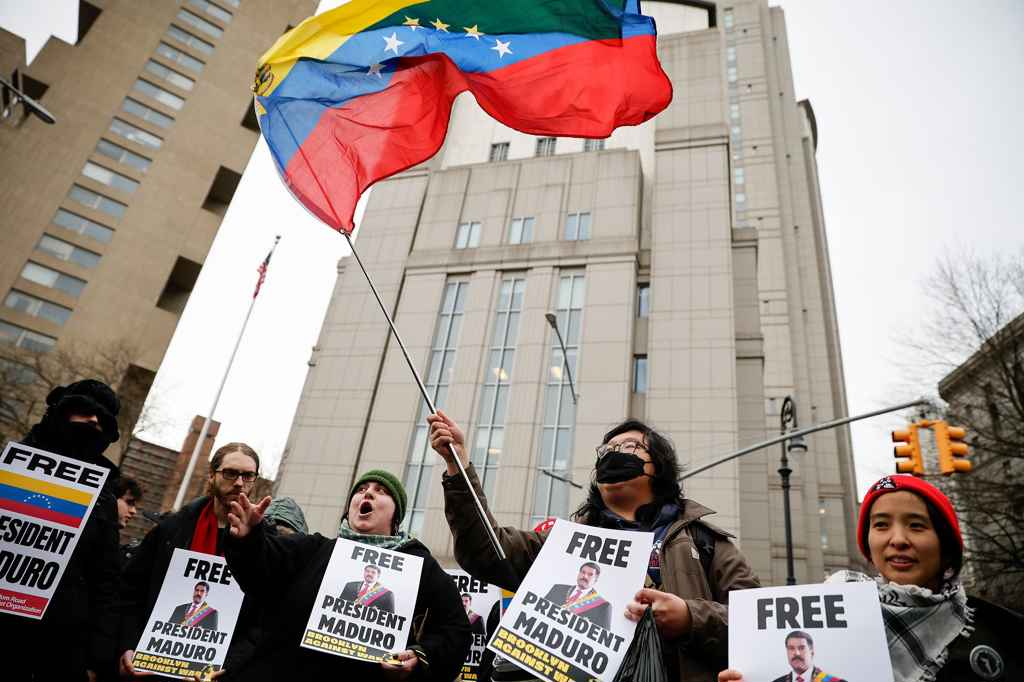
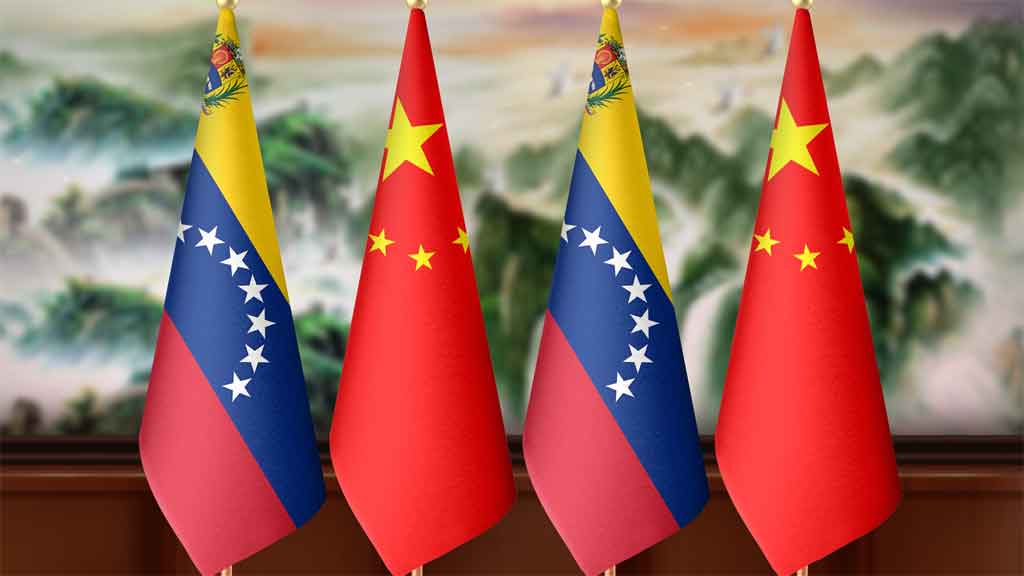
    Díaz-Canel condemned U.S. foreign policy approaches, particularly what he termed the doctrine of “peace through strength,” which he argued represents imperialist ambitions threatening international law and regional stability. He specifically highlighted concerns about U.S. military presence in the Caribbean and threats against Venezuela, while reaffirming Cuba’s solidarity with the Bolivarian Republic.

    The address detailed several approved measures including the Economic Plan, National Budget, and a Government Program designed to correct economic distortions. The President emphasized that these initiatives are interconnected and essential for addressing both domestic challenges and regional threats. A significant focus was placed on the newly approved Science, Technology and Innovation Law, which aims to bridge the gap between research and production while fostering technological sovereignty.

    Economic reforms will prioritize food production through guaranteed inputs and incentives, accelerate investments in the national electricity system combining thermal plant repairs with renewable energy expansion, and regulate foreign currency allocation to favor import substitution sectors. The President called for drastic reduction in unproductive spending and greater territorial responsibility in revenue collection and resource management.

    Díaz-Canel acknowledged the postponement of the 9th Party Congress as a strategic decision to allow focus on economic recovery and implementation of necessary structural adjustments. He proposed designating 2026 as the “Year of the Centennial of Commander-in-Chief Fidel Castro Ruz” to inspire national unity and revolutionary commitment.

    The President concluded by emphasizing that solutions would require “concrete work, systematic control, and active popular participation,” asserting that “the task is complex, but the will of this people is invincible.”