标签: Cuba

古巴

  • Today’s complexity demands deeper, faster, and more responsible responses

    Today’s complexity demands deeper, faster, and more responsible responses

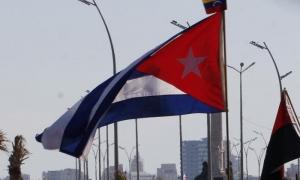
    Cuba’s National Assembly has officially declared 2026 as the “Year of the Centennial of Commander-in-Chief Fidel Castro Ruz” during its fifth regular session, attended by Revolutionary leader Army General Raúl Castro Ruz. The designation, proposed by President Miguel Díaz-Canel Bermúdez, comes as the Caribbean nation confronts severe economic challenges while maintaining its revolutionary legacy.

    President Díaz-Canel delivered a critical assessment of Cuba’s economic situation, describing it as “an accumulation of distortions, adversities, difficulties, and mistakes of our own, exacerbated by an extremely aggressive external blockade.” Despite these challenges, the President emphasized that resigned crisis management was unacceptable, calling instead for “greater creativity, greater discipline, greater control, and a relentless fight against bureaucracy, indolence, and corruption.”

    The parliamentary session resulted in significant legislative advancements, including approval of the 2026 Economic Plan and State Budget Law. Díaz-Canel characterized the economic strategy as “a plan of offensive and readjustment” rather than mere technical adjustments, describing it as “a revolutionary necessity to perfect socialism under construction, to make it more prosperous, sustainable, and fair.”

    A landmark achievement of the session was the passage of the General Law on Science, Technology, and Innovation. This comprehensive legislation introduces modern concepts to stimulate economic innovation through Technology-Based Companies (TBCs), High-Tech Companies (HTCs), science parks, and interface organizations. The law establishes tax incentives, financial benefits, and incubation systems for new enterprises, while creating a Science and Innovation Financial Fund supported by a 10% contribution from TBC profits.

    The assembly also witnessed significant leadership changes, including the election of José Luis Toledo Santander as secretary of the National Assembly, the appointment of Rosabel Gamón Verde as Minister of Justice, and the selection of Oscar Manuel Silvera Martínez as president of the People’s Supreme Court. Eight new deputies joined the assembly, expanding popular representation in Cuba’s highest state authority.

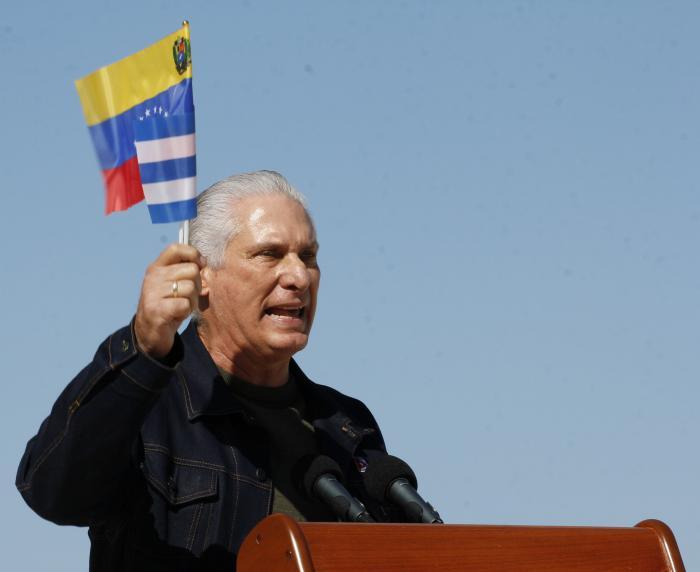
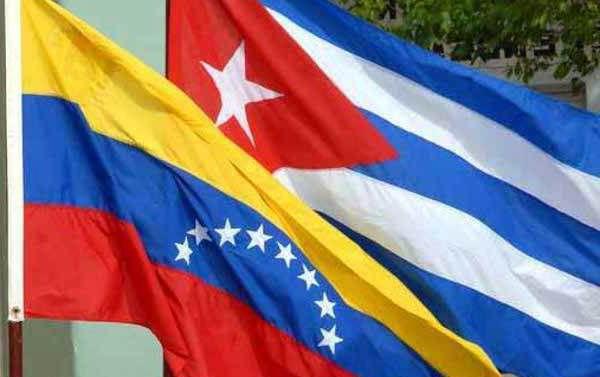
    President Díaz-Canel reiterated concerns about U.S. government hostility, highlighting “relentless economic aggression against Cuba” and similar pressures on Venezuela. He framed these actions as part of a broader regional doctrine seeking “to impose arbitrary will and domination through threats, coercion, and even direct aggression.”

    The session demonstrated Cuba’s dual commitment to honoring its revolutionary heritage while implementing structural reforms to address contemporary economic challenges, setting the stage for a transformative period leading to Fidel Castro’s centennial celebrations.

  • A separate currency market: a means or an end to stabilizing the economy?

    A separate currency market: a means or an end to stabilizing the economy?

    Cuba has launched a groundbreaking monetary reform initiative establishing three official exchange rate segments as part of a comprehensive strategy to address critical macroeconomic challenges. The Central Bank of Cuba confirmed the implementation of this multi-tier system designed to gradually converge toward a unified exchange rate while stimulating foreign currency earnings through exports.

    The newly structured framework creates distinct segments with varying exchange mechanisms: Segment I maintains the current 1:24 rate for exporting entities; Segment II introduces a 1:120 rate for certain foreign income generators; while Segment III establishes a floating exchange rate for individuals and non-state management forms. This phased approach represents a significant departure from previous monetary policy and aims to create a legal, transparent exchange market accessible to both state and non-state actors.

    According to Ian Pedro Carbonell Karell, Director of Macroeconomic Policy at the Central Bank of Cuba, these reforms address the country’s urgent need to organize foreign currency flows through formal banking channels. “These changes give legal access to foreign currency to many actors who did not have it until now and who resorted to the informal market,” Karell stated, emphasizing the measure’s role in combating speculation and volatility.

    The reform specifically incentivizes export-oriented enterprises by allowing them to exchange retained foreign currency at Segment III’s more favorable floating rate, potentially increasing their Cuban peso earnings. This designed advantage aims to strengthen Cuba’s export sector—the nation’s primary foreign currency generator—while supporting essential population needs through central treasury revenues.

    For non-state management entities, the reforms introduce unprecedented access to foreign currency for investment and restocking purposes, though purchasing power will be limited to 50% of average gross income reflected in fiscal accounts. The banking system will expand exchange services nationwide, with 41 branches currently operational and more planned as market consolidation progresses.

    Authorities acknowledge that eliminating Cuba’s illegal currency market will require time and sustained implementation. The success of these measures ultimately depends on their ability to generate increased foreign currency liquidity and translate into tangible improvements in Cuban citizens’ quality of life amid prolonged economic challenges.

  • Cuba works on recovering the National Power Grid

    Cuba works on recovering the National Power Grid

    Cuba’s national energy authority has reported a significant yet insufficient recovery in its power generation capacity. Recent efforts have successfully restored 422 megawatts (MW) to the distributed generation network, elevating its total operational capacity beyond the 1,000 MW threshold. Concurrently, an additional 228 MW has been brought back online within the centralized generation system.

    A major stride in renewable integration has been achieved with the synchronization of 778 MW of new capacity from 41 photovoltaic solar parks. These installations are now playing a pivotal role in the national grid, contributing more than 30% of Cuba’s total electricity generation during peak sunlight hours.

    Despite these advancements, government officials acknowledge the persistence of a severe energy crisis. The national power system continues to operate under extreme duress, grappling with an average daily generation deficit ranging between 1,500 and 1,700 MW. The situation has deteriorated further in recent days, with the shortfall exceeding 2,000 MW.

    This critical power deficit has resulted in service disruptions occurring throughout the day and night, creating widespread public dissatisfaction and inflicting substantial damage to economic activity. Authorities attribute the ongoing crisis primarily to generation instability and a critical shortage of fuel supplies for distributed generation units. Approximately 1,000 MW of potential generation capacity remains unavailable due to these fuel constraints, highlighting the deep-rooted challenges facing Cuba’s energy infrastructure.

  • Venezuela says Trump wants to turn back the clock 200 years

    Venezuela says Trump wants to turn back the clock 200 years

    At the 80th session of the United Nations General Assembly during the International Day against Colonialism, Venezuela’s diplomatic representative delivered a scathing condemnation of former U.S. President Donald Trump’s controversial statements regarding Venezuelan territory and natural resources. Ambassador Samuel Moncada referenced Trump’s December 16 declaration that “Venezuelan lands and oil belong to him and must be handed over immediately,” accompanied by threats of naval and air blockades using what Trump characterized as “the most powerful navy in history” if compliance was not forthcoming.

    The Venezuelan diplomat characterized this proclamation as a “monstrous declaration” that defies all established international legal frameworks. Moncada systematically cited multiple pillars of international law that Trump’s statement violated, including the UN Charter, customary international law, resolutions from both the Security Council and General Assembly, jurisprudence from international courts, and the German Convention.

    In his address, Moncada labeled the threat as “a grotesque violation of all civilizational norms” and explicitly defined it as modern colonialism and a crime of aggression. He drew historical parallels between current U.S. foreign policy approaches and the destructive behaviors of malign actors preceding World War II, asserting that such gunboat diplomacy has no legitimate place in 21st-century international relations. The ambassador warned that these actions are imposing chaos and destruction on the global diplomatic landscape, undermining decades of progress in international law and cooperation.

  • Cuba committed to social justice, says Prime Minister

    Cuba committed to social justice, says Prime Minister

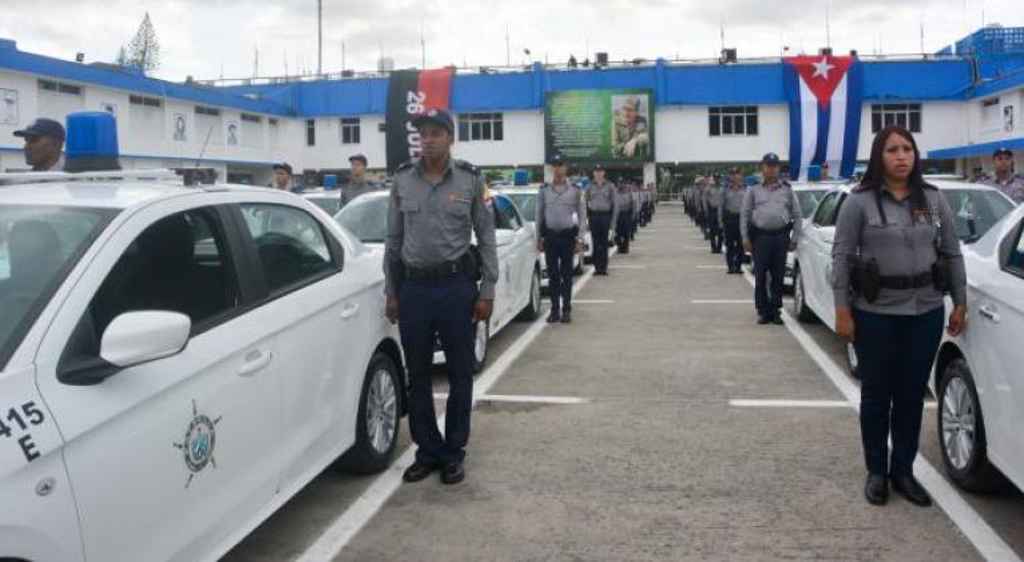
    Cuban Prime Minister Manuel Marrero Cruz presented a comprehensive economic revitalization report to the National Assembly, outlining both progress and challenges facing the Caribbean nation. In his address, Marrero identified national security and homeland protection as fundamental strategic priorities for the Cuban state, emphasizing the heightened preparedness of military and interior ministry forces in response to escalating regional tensions.

    The government restructuring initiative has shown measurable progress, with authorities working to streamline the Central State Administration by reducing the number of governmental agencies. This administrative overhaul forms part of broader economic correction measures designed to address systemic distortions in the Cuban economy.

    Healthcare indicators revealed concerning trends, with infant mortality rates climbing to 9.8 per 1,000 live births—a significant increase from the 7.0 rate recorded during the same period last year. Despite implemented interventions, the healthcare system continues to face substantial challenges in reversing this negative trajectory.

    Education reforms continue with the ongoing implementation of the Teaching Process Quality Improvement Program, though specific outcomes and metrics were not detailed in the presentation.

    Most alarmingly, Marrero highlighted Cuba’s accelerating demographic crisis as one of the nation’s most pressing challenges. Current projections indicate the population will decline to 9.6 million by 2025 and further plummet to approximately 7.7 million by 2050, representing a severe population contraction that threatens long-term economic and social stability.

    The Prime Minister acknowledged the coordinated efforts between military institutions, the Communist Party, government entities, and mass organizations in addressing these multifaceted challenges while maintaining national security preparedness.

  • The youth of Latin America and the Caribbean deserve to have books in their hands, not just in display cases

    The youth of Latin America and the Caribbean deserve to have books in their hands, not just in display cases

    In a significant cultural initiative bridging Latin American nations, Cuban President Miguel Díaz-Canel has officially launched “Project 25 for 25” from Havana’s National Capitol, simultaneously with Mexican President Claudia Sheinbaum’s parallel ceremony in Mexico City. The ambitious literacy project aims to distribute 25 classic Latin American books to young readers aged 15-30 across the region completely free of charge.

    The project, conceived by the Mexican government and coordinated through Cuba’s Casa de las Américas cultural institution, represents a strategic effort to combat the dominance of digital entertainment and social media among younger generations. President Díaz-Canel emphasized the initiative’s importance in preserving printed literature as a fundamental tool for knowledge acquisition and cultural preservation.

    The Cuban leader drew historical parallels to Fidel Castro’s revolutionary literacy campaigns, noting how Cuba’s first cultural institution established in 1959 was the National Printing House. Its inaugural publication was Cervantes’ “Don Quixote,” followed by educational materials for the nationwide Literacy Campaign that eliminated illiteracy within a year.

    The selected works include 20th century Latin American literary classics, with Gabriel García Márquez’s documentation of Cuba’s African engagements among the featured titles. Distribution will occur through educational institutions, cultural centers, and public reading spaces across participating countries, deliberately bypassing commercial channels to ensure accessibility regardless of economic barriers.

    President Díaz-Canel characterized the project as a “bridge of paper and ink” strengthening historical ties between Mexico and Cuba, nations that have shared centuries of cultural exchange and parallel revolutionary struggles. The initiative specifically targets youth who have never owned physical books by Latin American authors, providing tangible access to literary works that explore regional identity, historical memory, and social justice themes.

    The Cuban government has committed to integrating the collection into educational programs, reading workshops, and community discussion groups, framing literature as both a right and tool for critical thinking rather than merely academic obligation.

  • The foreign exchange market in Cuba is undergoing transformation

    The foreign exchange market in Cuba is undergoing transformation

    The Central Bank of Cuba has initiated a comprehensive transformation of its foreign exchange market with the implementation of a three-segment exchange rate system effective December 18, 2025. Under the leadership of President Juana Lilia Delgado Portal, the monetary authority has designed this gradual approach to address longstanding economic distortions while avoiding severe macroeconomic shocks.

    The new structure establishes two fixed exchange rates—Segment I operating at 1:24 and Segment II at 1:120—alongside a third segment featuring a daily floating rate determined by market forces. This multi-tiered system aims to bridge the gap between official rates and the real value reflecting Cuba’s foreign currency shortage while protecting essential transactions from sharp devaluation.

    Central Bank officials emphasized that immediate unification without transition could trigger excessive inflation and further erosion of the Cuban peso’s purchasing power. The strategy instead focuses on gradual correction of accumulated imbalances through controlled mechanisms that connect state and non-state economic actors in production, export, and marketing operations.

    The floating rate segment specifically targets increased foreign currency inflows by offering competitive prices to exporters and remittance senders. This approach intends to discourage informal market activities while creating incentives for export sector development and higher wage payments to skilled workers.

    Complementing these measures, the government will strengthen MLC accounts and guarantee operability of foreign currency transactions for non-state enterprises. The reforms form part of broader macroeconomic stabilization efforts aligned with Cuba’s socialist development objectives, prioritizing reduced inflation, currency convertibility, and economic growth.

    The Central Bank will publish daily exchange rates on its official website, with full regulatory details appearing in the Official Gazette. Additional information regarding implementation mechanisms will be released in coming days.

  • The point at which the chain of history was reassembled

    The point at which the chain of history was reassembled

    Beneath the overcast skies of December 1956, a pivotal moment in Cuban history unfolded within a remote clearing known as Cinco Palmas. Following the devastating ambush at Alegría de Pío and subsequent days of scattered retreat through Oriente’s sugarcane fields, Fidel Castro arrived not with a formidable army but with what would become the foundational core of revolutionary perseverance.

    At midnight, amidst Mongo Pérez’s palm-studded cane field, the sound of approaching footsteps signaled a long-awaited reunion. The Castro brothers—Fidel and Raúl—embraced with restrained emotion, their meeting charged with both the anguish of recent days and the ferocity of survival. From this historic encounter emerged a brief yet monumental exchange that would define their revolutionary trajectory.

    ‘How many rifles do you have?’ Fidel inquired. Raúl’s response came: ‘Five.’ With characteristic determination, Fidel declared, ‘And I have two, seven! Now we will win the war!’

    This statement represented far more than blind optimism—it constituted a strategic assessment that with this nucleus of moral fortitude, tactical intelligence, and mountainous terrain, achieving victory remained entirely possible. It embodied Fidel’s most crucial lesson: never surrender, even when confronting extreme adversity.

    The subsequent days validated this conviction as expeditionaries including Efigenio Ameijeiras and Ramiro Valdés joined the original group, soon followed by local campesinos who collectively formed the embryonic Rebel Army. By December 25, this strengthened contingent—now better armed and fortified with unwavering resolve—commenced its definitive advance into the Sierra Maestra.

    This moment exemplified the Cuban Revolution’s extraordinary capacity for regeneration. Cinco Palmas thus transcended its geographical significance to become the foundational moment of an enduring principle: victory awaits not perfect conditions but emerges through collective determination and unwavering will.

  • Cuba strengthens programs on agriculture

    Cuba strengthens programs on agriculture

    Havana witnessed a significant gathering of agricultural experts, community representatives, and academic professionals this Wednesday for a specialized workshop on tropical agriculture development. The event, organized by the Alejandro de Humboldt Institute of Fundamental Research in Tropical Agriculture (INIFAT) in partnership with the International Committee for the Development of Peoples (CISP), focused on preserving and leveraging Cuba’s rich agricultural heritage.

    The workshop formed part of the broader initiative ‘Conservation and dissemination of scientific knowledge and results of basic research in tropical agriculture.’ Participants discussed strategies for enhancing the scientific and historical collections maintained by INIFAT, particularly those housed in the institution’s archives and library in Santiago de Las Vegas.

    A key component of the project involves the integration of renewable energy solutions through the ‘Green Line, Renewable Energy Communities and Food Security’ project in Pinar del Río, funded by the Italian Agency for Development Cooperation (AICS). This energy aspect complements the broader objectives of sustainable agricultural development.

    The diverse attendance included not only INIFAT managers and specialists but also officials from the Agro-Forestry Business Group (GAF) and students from the Information Sciences program at the University of Havana’s Faculty of Communication.

    Central to the discussions was the announcement of several progressive programs designed to modernize Cuban agriculture. These initiatives include the comprehensive digitization of Cuba’s agricultural documentary heritage, improvements to material conditions in agricultural research facilities, enhanced training programs to strengthen staff capabilities, and the development of new information services to support academic and scientific applications.

  • Honduras sees no end in sight to the post-election crisis

    Honduras sees no end in sight to the post-election crisis

    Honduras faces a deepening electoral crisis after the National Electoral Council (CNE) decisively rejected a comprehensive recount of all presidential ballots. The contentious decision emerged from a majority vote that dismissed appeals from two major political parties seeking to examine 19,167 disputed votes.

    The tripartite CNE, composed of representatives from Honduras’ dominant political forces—the right-wing National Party (PN), the right-wing Liberal Party (PL), and the left-wing ruling Liberty and Refoundation Party (Libre)—reached an impasse during its latest plenary session. PL magistrates Ana Hall and Cossette López formally challenged the recount motion presented by Libre council member Marlon Ochoa, who cited substantial evidence of voting record irregularities.

    According to suspended preliminary results from the electoral authority, PN candidate Nasry Asfura—known for his alignment with former U.S. President Donald Trump—maintains a narrow lead with 40.54% of the vote. Trailing closely behind is Salvador Nasralla of the PL party with 39.19%. Both Nasralla and Libre have jointly accused the National Party of attempting electoral fraud and have demanded a nationwide recount.

    The electoral process has been paralyzed for several days amid these allegations. Most notably, Libre candidate Rixi Moncada, who led pre-election polls before the November 30 vote, now sits in third position with just 19.29% of counted ballots, adding further controversy to the unresolved electoral outcome.