标签: Cuba

古巴

  • Laos and the UN deepen collaboration on sustainable development

    Laos and the UN deepen collaboration on sustainable development

    Vientiane hosted a high-level strategic dialogue this week, convening national leaders and international development partners to mark a significant milestone in their collaborative efforts. Prime Minister Sonexay Siphandone presided over the assembly, which brought together senior government ministers, diplomatic corps representatives, key development partners, and youth delegates.

    The gathering served as a platform to evaluate past accomplishments and chart future cooperative endeavors. Deputy Foreign Minister Anouparb Vongnorkeo addressed attendees, highlighting how the commemoration provided crucial momentum for assessing joint achievements while reinvigorating strategic alliances. He specifically acknowledged the substantial contributions of UN agencies across multiple development sectors, noting their instrumental role in enhancing living standards, poverty reduction initiatives, environmental conservation measures, and national preparation for sustainable transition.

    Following extensive deliberations, both parties established a reinforced framework for deepened cooperation. The new agreement specifically targets enhanced collaboration in climate resilience infrastructure, access to emerging technologies, and sustainable financing mechanisms. Additionally, the pact emphasizes strengthened support mechanisms for nations facing particular vulnerability to economic and environmental challenges.

    United Nations Resident Coordinator Bakhodir Burkhanov outlined the partnership’s renewed priorities, emphasizing that the revitalized collaboration would concentrate on human capital development through educational and capacity-building programs. The initiative further commits to expanding accessible basic services including healthcare, clean water, and sanitation infrastructure across Lao communities.

  • Palestinian party calls on the world to support Gaza and its people

    Palestinian party calls on the world to support Gaza and its people

    A prominent left-wing political organization has issued a forceful appeal for the reactivation of international solidarity movements in support of Palestinian civilians. The Popular Front for the Liberation of Palestine (PFLP) called for intensified global pressure to compel Israeli authorities to immediately cease military operations, unconditionally open all border crossings, and ensure the unimpeded flow of humanitarian assistance into the Gaza Strip.

    The faction’s statement highlighted the rapidly deteriorating humanitarian situation throughout Palestinian territories, including Gaza, the West Bank, and East Jerusalem. The group attributed this crisis to what it described as persistent violations by Israeli forces, creating increasingly perilous conditions for the civilian population.

    Furthermore, the PFLP strongly condemned what it characterized as escalating human rights abuses and the worsening circumstances faced by Palestinian detainees in Israeli prisons. The organization emphasized the urgent need to expand worldwide grassroots campaigns aimed at stopping arms transfers to Israel and pressuring defense contractors involved in weapons sales to the country.

    The statement serves as both a condemnation of current conditions and a strategic call to action for international organizations, governments, and civil society groups to intervene through diplomatic pressure and arms embargo initiatives.

  • Chinese Embassy urges citizens to avoid traveling to Japan

    Chinese Embassy urges citizens to avoid traveling to Japan

    Diplomatic relations between China and Japan have deteriorated significantly following controversial statements by Japanese Prime Minister Sanae Takaichi regarding Taiwan. The Chinese diplomatic mission in Tokyo issued a formal protest after Takaichi suggested during a parliamentary session in early November that Japan might consider military intervention should China initiate offensive operations against Taiwan.

    In retaliation, China’s Foreign Ministry has implemented travel advisories, urging its citizens to avoid visiting Japan since November 14. The Chinese Embassy in Japan reinforced this warning on Thursday, citing a concerning increase in discriminatory incidents targeting Chinese nationals within Japanese territory. According to a consular report, there has been a notable surge in verbal harassment and physical assaults against Chinese citizens this month.

    Simultaneously, Japan announced on Wednesday its decision to deploy advanced missile defense systems across islands in close proximity to Taiwan, a strategic move that has further inflamed tensions. China’s Defense Ministry condemned both Prime Minister Takaichi’s remarks and the military deployment as severe violations of Chinese sovereignty and unacceptable interference in internal affairs. The situation represents one of the most significant diplomatic confrontations between the two Asian powers in recent years.

  • Cold front to arrive in western Cuba this afternoon

    Cold front to arrive in western Cuba this afternoon

    Meteorological authorities in Cuba have issued a detailed forecast indicating a significant shift in weather patterns for the nation’s western region. The Institute of Meteorology (Insmet) reports that residents in the provinces of Pinar del Rio, Mayabeque, and the capital city of Havana should prepare for increasing cloud cover commencing in the late afternoon hours. This cloud development is expected to precipitate into showers and sustained rainfall, with meteorological models projecting an intensification of these conditions as evening approaches.

    The deteriorating weather system will bring multiple consequential effects across western Cuba. A notable increase in wind velocity is anticipated to commence tomorrow, adding another element to the unsettled conditions. Furthermore, a continued downward trend in maximum temperatures is forecasted, with the most significant drop expected by Friday, marking a distinct shift from recent conditions.

    Temperature parameters have been specifically outlined by Insmet meteorologists. Maximum daytime temperatures across affected regions will range between 28°C and 31°C (82°F and 88°F), with inland areas experiencing the warmer readings. Overnight minimums will provide some relief, settling between 21°C and 24°C (70°F and 75°F).

    Wind patterns will undergo a distinct evolution throughout the forecast period. Initial light and variable winds are predicted to shift, becoming consistently northeasterly along Cuba’s northern coastline. Wind speeds are expected to range between 10 to 25 kilometers per hour, with notably stronger gusts projected for the northwestern coastal areas. Marine conditions will reflect this atmospheric activity, with swells developing along both eastern coastlines. The northwestern coast will experience a gradual increase in swell activity beginning in the afternoon, while the remainder of the Cuban coast will see only slight swells, according to the comprehensive Insmet analysis.

  • National blackout in the DR caused by improper disconnection

    National blackout in the DR caused by improper disconnection

    A catastrophic nationwide power outage was initiated by an unauthorized operational maneuver that violated established protocols, according to an official report from the Coordinating Body of the National Interconnected Electric System (SENI). The incident generated an exceptionally high-intensity short circuit that activated protective systems throughout the electrical infrastructure.

    The technical analysis reveals that the initial fault precipitated a cascading failure across the grid. Multiple transmission lines in proximity to the incident automatically disconnected in an effort to contain the problem, resulting in the separation of Eastern generation facilities producing 575 MW from the main network. This sudden disconnection created an immediate and substantial imbalance between electricity supply and consumer demand.

    As designed by their safety protocols, large-capacity power plants implemented automatic shutdown procedures to prevent equipment damage. While the National Interconnected System initially maintained frequency stability for approximately 89 seconds, the absence of synchronized cold reserve capacity left the system critically vulnerable. This deficiency led to an abrupt frequency decline that culminated in the complete collapse of the national power grid.

    Energy specialists have proposed comprehensive measures to fortify grid resilience, including accelerated installation of protective devices in double-busbar substations and operational modifications to leverage advanced technologies in both thermal and renewable energy generation. Additional recommendations incorporate the integration of battery storage systems for auxiliary services and emergency power, coupled with a thorough review and adjustment of protective device timing configurations and automated disconnection schemes.

  • Chile to hold National Meeting of Solidarity with Cuba

    Chile to hold National Meeting of Solidarity with Cuba

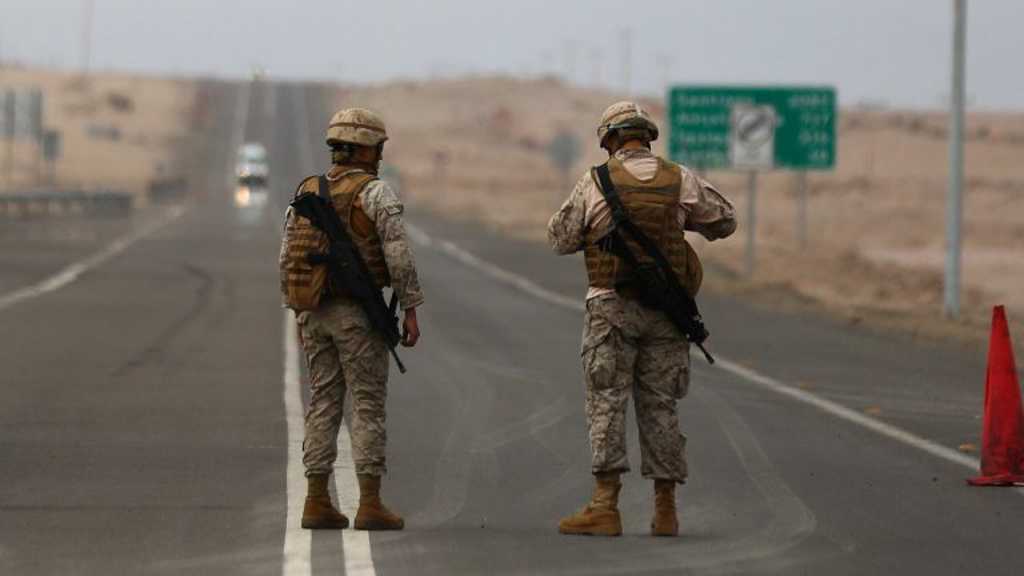
    Chilean solidarity organizations are preparing for a significant national gathering scheduled for November 28-29, bringing together activists from across the country to coordinate enhanced support efforts for Cuba. The event will unite members of movement groups from multiple cities including Coquimbo, La Serena, Santiago, Talca, Valdivia, Ovalle, Concepcion, and Valparaiso.

    According to Sary Olmos of the Chilean-Cuban Friendship House in Viña del Mar, the assembly will serve as a strategic platform for delegates to evaluate their annual activities and develop coordinated responses to Cuba’s pressing challenges. The agenda features comprehensive sessions dedicated to analyzing the effectiveness of current advocacy work and formulating strengthened strategies against the long-standing US economic blockade.

    The timing of this conference holds particular significance as participants will also address Cuba’s recovery needs following the devastating impact of Hurricane Melissa. Olmos emphasized that many Chilean organizations have maintained sustained efforts to deliver essential supplies and medical aid to Cuba, and are now redirecting focus toward a targeted campaign assisting the hardest-hit eastern provinces.

    Preparations for this major solidarity event have been underway since May, characterized by what Olmos described as ‘tremendous enthusiasm, responsibility, and commitment’ from participating groups. The convergence of activists from diverse Chilean regions represents a consolidated national effort to amplify humanitarian assistance and political advocacy for Cuba during a period of compounded difficulties.

  • A strategic enclave for your Investment in Cuba

    A strategic enclave for your Investment in Cuba

    Positioned as Cuba’s premier industrial and logistics center, the Mariel Special Development Zone (ZED Mariel) is demonstrating remarkable resilience and competitive advantages for international investors. Following Hurricane Rafael’s impact in late 2024, the zone showcased exceptional recovery capabilities, restoring full operations within one month—a testament to its robust infrastructure designed for operational continuity during extreme weather events.

    At the recent 41st Havana International Fair, Zone Director Ana Teresa Igarza Martínez highlighted the innovative Single Window system that provides comprehensive investor support throughout the business lifecycle. This streamlined approach facilitates everything from initial documentation to ongoing operational requirements.

    The development zone currently offers 35 strategic projects across multiple sectors including food processing (dairy, pasta, processed meats), biotechnology (pharmaceutical production, protein exports), chemical manufacturing, logistics services, and construction materials. A distinctive feature emphasized by officials is that all goods produced and marketed within ZED Mariel are 100% Cuban-made, providing both national production strengthening and market competitive advantages.

    Recent enhancements include updated financial, tax, labor, and commercial incentives designed to maximize profitability for established companies. The zone’s deep-water port and integrated logistics platform enable companies to import components, conduct assembly and packaging operations, and redistribute products throughout the region leveraging Cuba’s trade agreements.

    An upcoming milestone includes a modern glass container production plant that will eliminate costly imports while fostering collaboration among local producers. Current investors report positive experiences, with Vietnamese company Thai Binh expanding to two operational factories and a photovoltaic panel park after six years of production. Similarly, Nescor S.A. Deputy General Manager Alexei Pica Páramo confirmed the zone’s development potential, urging prospective investors to verify opportunities directly rather than relying on potentially distorted information.

  • Those innocent young people

    Those innocent young people

    HAVANA – The haunting memory of November 27, 1871, continues to cast a profound shadow over Cuba’s historical consciousness, marking one of the most tragic judicial miscarriages in the nation’s colonial history. On this date, eight young medical students—most still in their teenage years—faced a firing squad for crimes they never committed, their lives extinguished by Spanish colonial authorities in an act that would become symbolic of colonial oppression.

    The sequence of events began innocuously when first-year medical students gathered at the San Dionisio Asylum amphitheater adjacent to Espada Cemetery, awaiting their anatomy professor. When the instructor failed to appear promptly, several students ventured into the cemetery grounds—an action not prohibited—where some engaged in minor mischief including climbing onto a corpse transport cart. The most trivial act, plucking a single rose from the garden by 16-year-old Alonso Álvarez de la Campa, would ultimately carry fatal consequences.

    Spanish authorities fabricated charges accusing the students of desecrating the burial niche of Gonzalo de Castañón, a Spanish journalist who had advocated for the extermination of Cubans. Despite conclusive evidence proving the vandalism predated the students’ presence, colonial officials proceeded with a sham trial. The accused ranged from 16 to 21 years old, with Carlos Verdugo not even present in Havana during the alleged incident.

    At 4:20 PM on that fateful November afternoon, three volleys of gunfire ended the lives of eight promising young scholars. Their executions were compounded by the additional killing of five Abakuá men who attempted to rescue the students, amplifying the tragedy’s human toll. Contemporary accounts describe how the victims’ parents succumbed to grief and helplessness, while the students themselves faced their final moments bewildered by the unjust accusations against them.

    Now commemorated 154 years later, this episode remains etched in Cuba’s national memory as both a testament to colonial brutality and a symbol of resilience. Annual ceremonies honor the students’ legacy, ensuring that new generations understand the price paid by those who fell victim to unjust power.

  • 6th Ordinary Session of the National Assembly of People’s Power, in its 10th Legislature, convened

    6th Ordinary Session of the National Assembly of People’s Power, in its 10th Legislature, convened

    Havana, Cuba – The National Assembly of People’s Power has officially announced the convocation of its 6th Ordinary Session, marking a significant moment in Cuba’s legislative calendar. President Esteban Lazo Hernández, exercising constitutional authority under Article 111, has scheduled the parliamentary gathering for December 18, 2025, at Havana’s Convention Center.

    The session will commence at 9:00 a.m. with a comprehensive agenda focused on critical national issues. Central to the discussions will be the evaluation of Cuba’s Government Program measures designed to address economic distortions and stimulate growth. Lawmakers will examine the implementation effectiveness and socioeconomic impact of these ongoing reforms.

    Additionally, the assembly will review proposed economic objectives and targets for the upcoming year, with particular emphasis on the draft State Budget Law for 2026. This budgetary deliberation comes at a crucial juncture as Cuba continues to navigate complex economic challenges.

    The legislative schedule also includes accountability sessions featuring the Ministry of Science, Technology and Environment alongside the Provincial Government of Ciego de Ávila. The Ministry of Justice will present a report on its oversight activities, while various legislative bills will undergo thorough analysis and debate.

    Preceding the main session, permanent working committees will convene from December 15-17 to examine over 90 agenda items affecting Cuban citizens’ daily lives. The official announcement, published November 26 on the parliamentary website, will be distributed to deputies, central state administration agencies, and relevant authorities. Full documentation will appear in the Official Gazette of the Republic and various media outlets for public transparency.

  • The irrevocable oath of the new generations

    The irrevocable oath of the new generations

    As Cuba approaches the 100th anniversary of Fidel Castro’s birth, the nation has reaffirmed its commitment to preserving his revolutionary legacy. The commemorative event, held at the historic University of Havana, was attended by prominent political figures, including President Miguel Díaz-Canel Bermúdez and members of the Communist Party’s Central Committee. Meyvis Estévez Echevarría, a key leader in the Union of Young Communists, delivered a poignant speech, emphasizing Fidel’s enduring influence on Cuban society and the global socialist movement. She highlighted how Fidel’s revolutionary ideals, rooted in the teachings of José Martí, continue to inspire the younger generation. The event also featured the slogan ‘One Hundred Years with Fidel,’ symbolizing the deep emotional and ideological connection the Cuban people maintain with their former leader. The gathering served as a reminder of Fidel’s warning about the fragility of the Revolution and the collective responsibility to safeguard it. The evening concluded with a solemn oath to ensure that Fidel’s legacy remains alive, particularly as the nation faces ongoing economic and political challenges.