标签: Cuba

古巴

  • Italy: Growing rejection of US sttack and threats on Venezuela

    Italy: Growing rejection of US sttack and threats on Venezuela

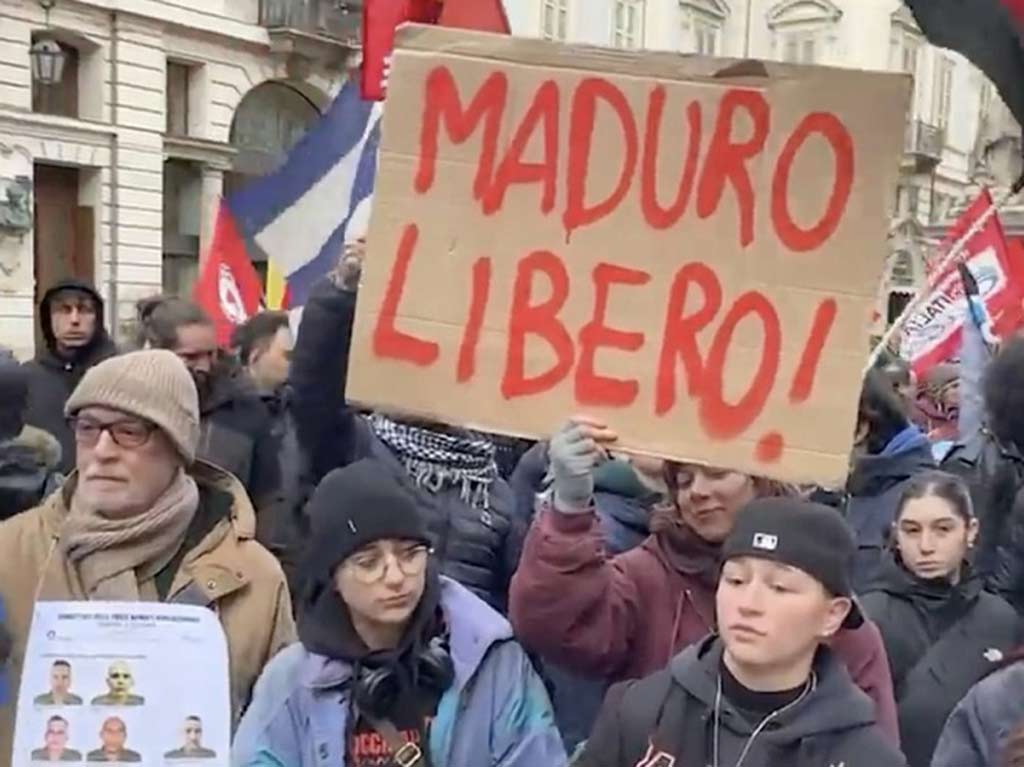
    In an unprecedented display of international solidarity, hundreds of thousands of Italian citizens flooded the streets across thirty major cities in coordinated demonstrations against United States foreign policy toward Latin American nations. The widespread protests, organized through a coalition of political parties, labor unions, student associations, and social advocacy groups, represented one of Europe’s most significant expressions of dissent against American interventionism.

    The mobilization spanned the entire Italian peninsula, with substantial gatherings documented in Rome, Milan, Turin, Venice, Bologna, Genoa, Florence, Naples, Palermo, and numerous other urban centers. Participants voiced strong opposition to what they characterized as US imperialist ambitions, state-sponsored terrorism, and the continued application of the nineteenth-century Monroe Doctrine, which they view as an anachronistic tool of hemispheric domination.

    Rome witnessed one of the largest concentrations of protesters, where columns of demonstrators advanced along central thoroughfares from Esquiline Square toward the US Embassy. The atmosphere remained charged with political fervor as speakers addressed the crowds, warning of escalating tensions and potential military confrontations. ‘We gather today knowing the threat of further aggression remains imminent,’ declared one organizer, capturing the movement’s apprehensive mood.

    The protests specifically highlighted solidarity with Venezuela’s Bolivarian government and Cuba’s socialist administration, both facing increased US economic and diplomatic pressure. Demonstrators carried banners and chanted slogans advocating for alternative global governance models free from American hegemony, with many participants emphasizing their commitment to continued mobilization for ‘a different world order based on mutual respect and sovereignty.’
  • Chile offers help to Argentina for fires in Patagonia

    Chile offers help to Argentina for fires in Patagonia

    Chilean Foreign Minister Alberto van Klaveren has formally declared his nation’s commitment to assist neighboring Argentina in combating severe wildfires through an official statement on Twitter. The diplomatic gesture emphasizes the importance of cross-border cooperation during environmental emergencies.

    “In times of adversity, solidarity between sister nations and joint efforts are fundamental to addressing shared challenges,” Minister van Klaveren stated, highlighting the regional partnership between the two South American countries.

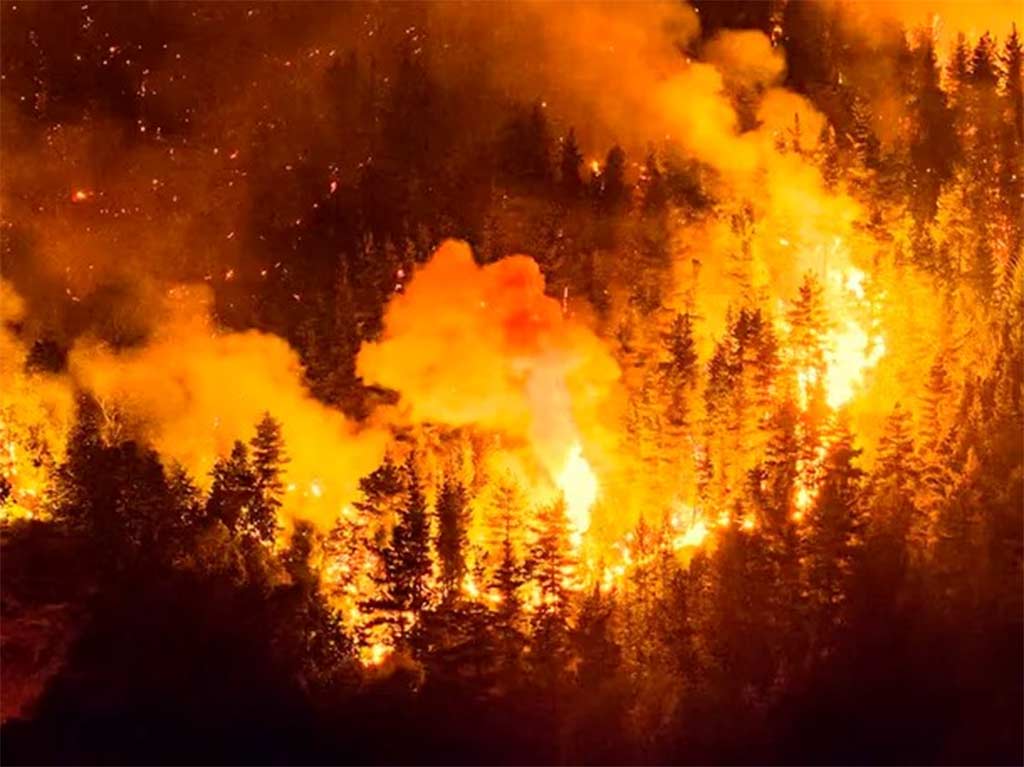
    The devastating wildfires are currently impacting multiple provinces in southern Argentina, including Neuquen, Rio Negro, Chubut, and Santa Cruz. These blazes have prompted a massive emergency response involving hundreds of firefighters, technical personnel, and support staff utilizing advanced equipment including heavy machinery, drone technology, water tankers, and aerial firefighting aircraft.

    Despite the proximity of the fires to the Chilean border—with one blaze reportedly 17 kilometers from the boundary and another approximately 20 kilometers away—Chile’s National Forestry Corporation (CONAF) has indicated that current wind patterns are directing the fires toward the Atlantic rather than across the border into Chilean territory. This meteorological assessment has provided temporary relief for Chilean authorities while they prepare contingency measures.

    The bilateral cooperation initiative represents a significant development in regional disaster management coordination, demonstrating how neighboring nations can mobilize resources and expertise across international boundaries to address environmental crises that potentially affect both countries.

  • Miraflores Museum, a trip to ancient Kaminaljuyu in Guatemala

    Miraflores Museum, a trip to ancient Kaminaljuyu in Guatemala

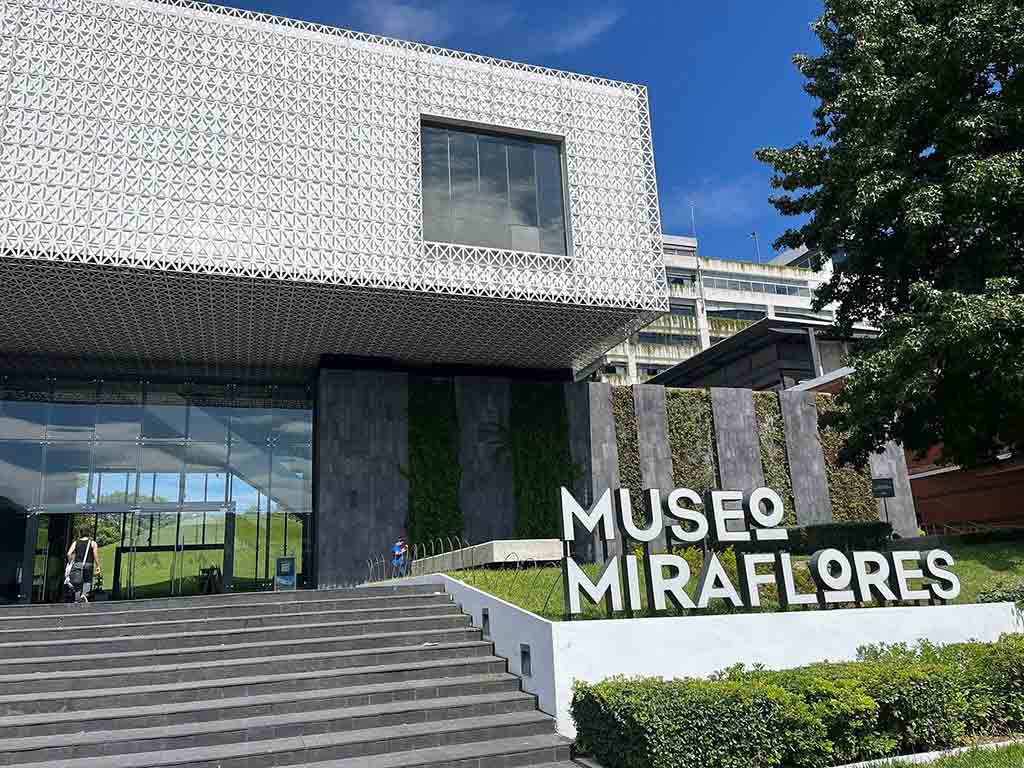
    The Kaminaljuyu Archaeological Site Museum in Guatemala has transformed conventional historical education through an innovative technological approach to showcasing ancient Mayan civilization. Established in 2002 within the 5,030-square-meter complex, the institution provides visitors with a multisensory journey into the ancestral culture and pre-Hispanic history of the country’s central valley.

    Archaeologist Hari Castillo explained to Prensa Latina that the museum’s mission centers on public engagement and knowledge sharing. “Our intention is to reach the public, provide an engaging tour, and spark the interest of anyone, at any age,” Castillo stated, emphasizing the institution’s commitment to accessibility across generations.

    The museum focuses on Kaminaljuyu, which flourished from approximately 1500 BC through the Classic period. Its collections primarily derive from archaeological discoveries made during construction of the adjacent Miraflores Shopping Center, supplemented by private donations that have expanded the repository of artifacts.

    Describing the museum’s innovative methodology, Castillo noted: “We are a center that strives to be cutting-edge and engaging because that’s how you learn the most.” The exhibition encompasses multiple aspects of Mayan life including religious practices, agricultural techniques, cacao cultivation, architectural achievements, and craft traditions.

    The technological integration includes detailed reconstructions, ceremonial reenactments, virtual reality experiences, and interactive screens that allow visitors to discover their personal Mayan nahual (spiritual guide). An educational game based on the numerical system of the ancient civilization further enhances the learning experience.

    The museum continues to push technological boundaries with ongoing 3D modeling projects and immersive room installations. However, Castillo emphasizes that technological sophistication serves a greater purpose: “Above all, we want people to understand the connection between the past and the present.”

    The exhibition comprehensively explains Kaminaljuyu’s historical significance as a major political, economic, and ceremonial hub that influenced regional trade routes and maintained cultural connections throughout Mesoamerica.

  • Uncontrolled fires in Patagonia, Argentina

    Uncontrolled fires in Patagonia, Argentina

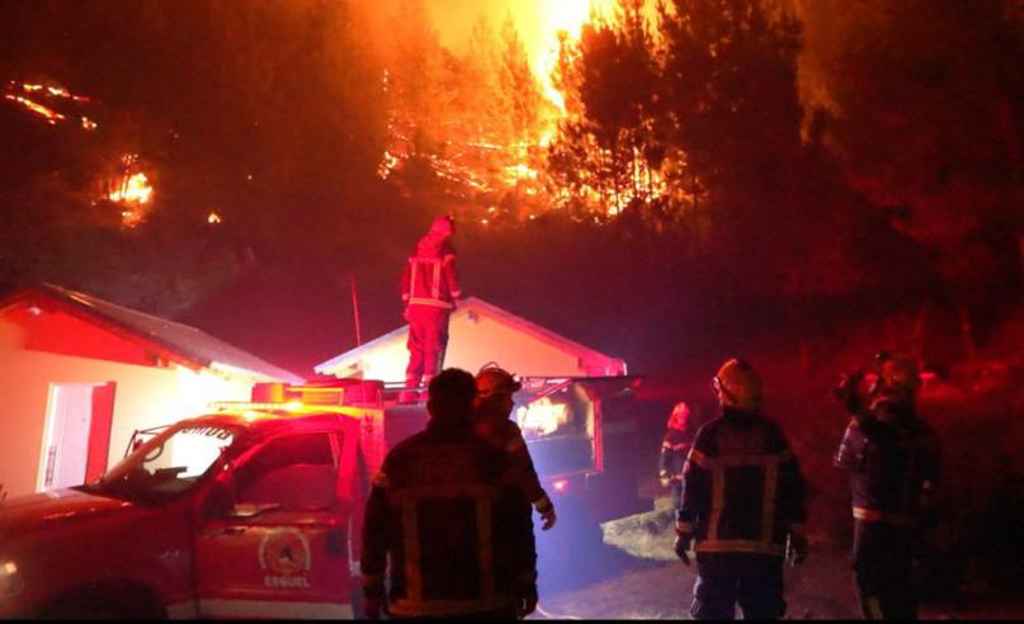
    A devastating wildfire, suspected to be deliberately ignited, continues its relentless advance across Argentina’s Chubut Province, prompting widespread evacuations and causing what officials are calling the region’s most severe environmental disaster in two decades. The inferno, which originated on January 5th, has already scorched approximately 7,000 hectares of pristine native forest.

    The blaze is primarily concentrated near the towns of Epuyén and El Hoyo, where extreme weather conditions—a historic drought compounded by scorching temperatures and powerful winds—have severely hampered firefighting efforts. These elements are actively fueling the fire’s spread toward populated zones, creating a volatile and dangerous situation for residents and emergency crews alike.

    In the community of Puerto Patriada, the fire’s ferocity has resulted in the complete destruction of at least ten homes. The escalating threat has compelled local governments to issue a series of urgent advisories. The municipality of El Maitén has instructed its inhabitants to prepare for potential immediate evacuation. Neighboring towns, including El Coihue and Buenos Aires Chico, remain on high alert, with public facilities being preemptively converted into emergency shelters.

    As a critical preventative measure, the Municipality of El Hoyo has mandated a proactive self-evacuation for all residents, tourists, and visitors in the El Pedregoso and Aldea San Francisco areas. Concurrently, authorities have imposed traffic restrictions on the crucial Route 40 to facilitate emergency operations and ensure public safety.

    With preliminary investigations pointing towards arson, judicial authorities are actively working to corroborate the charge and identify those potentially responsible for the catastrophe.

  • Marrero Cruz reiterates need to strengthen government structures

    Marrero Cruz reiterates need to strengthen government structures

    Cuban Prime Minister Manuel Marrero has utilized social media platform X to outline the government’s strategic approach to navigating the nation’s current difficulties. Emphasizing the necessity of public involvement and supervisory mechanisms, Marrero articulated a vision grounded in collective effort to identify and implement solutions.

    The Prime Minister conveyed a sense of determined optimism, invoking the teachings of revolutionary leaders Fidel and Raul Castro. “We will emerge from this adverse context by fighting, as #Fidel and #Raul taught us,” he stated, framing the current struggle within Cuba’s historical revolutionary narrative.

    His communications also included celebratory remarks for the 15th anniversaries of Cuba’s youngest provinces, Artemisa and Mayabeque. This recognition of provincial milestones coincides with a broader governmental review process.

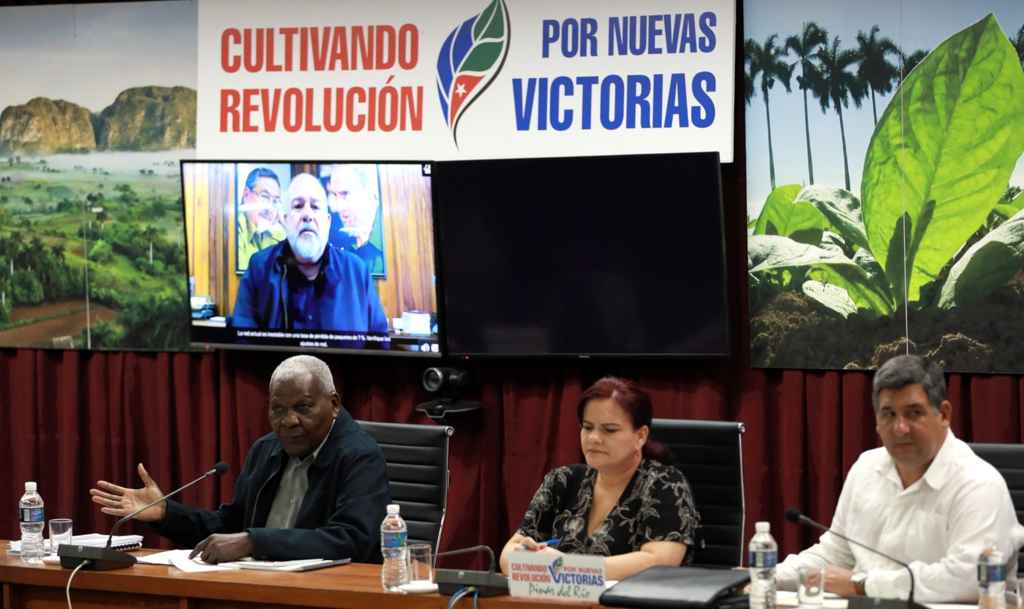
    Marrero specifically referenced recent Extraordinary Provincial Councils conducted in Pinar del Rio and Artemisa. These assemblies served to evaluate and acknowledge each region’s potential to enhance their contribution to national economic output and improve citizen welfare.

    Parallel to these provincial councils, extraordinary plenary sessions of the Communist Party’s provincial committees are being conducted across the Cuban archipelago. These high-level meetings, personally led by President and First Secretary of the Central Committee Miguel Diaz-Canel, are designed to critically assess Cuba’s position within a new historical moment.

    The comprehensive agenda for these party meetings includes formulating strategic work plans leading to 2026, addressing national defense requirements, and analyzing the pressing economic and social conditions facing the Caribbean nation. This coordinated effort reflects the government’s attempt to harmonize regional capabilities with national objectives during a period of significant complexity in both domestic and international affairs.

  • We will defend Cuba, says FM

    We will defend Cuba, says FM

    Cuban Foreign Minister Bruno Rodríguez has issued a forceful condemnation of United States foreign policy, accusing Washington of six decades of aggression and a persistent campaign to impose its will on sovereign nations. The diplomatic broadside was delivered via the social media platform X, framing the long-standing conflict as a battle between raw power and principled international law.

    Rodríguez characterized the US position as one backed by ‘enormous military power’ and economic might, supplemented by what he described as a ‘vast experience of aggression and crimes.’ This portrayal positioned the United States as a hegemon relying on force rather than diplomacy. In direct contrast, the Minister asserted that Cuba’s strength derives from ‘reason, international law, and the patriotic spirit of its people,’ framing the island nation as the moral and legal underdog in the protracted dispute.

    The core of the message was an unequivocal declaration of Cuban resilience and sovereignty. ‘We Cubans are not willing to sell our country or give in to threats and blackmail,’ Rodríguez stated, emphasizing the nation’s ‘inalienable prerogative’ to determine its own destiny independently. This statement was presented not as mere rhetoric but as a proven commitment forged through decades of resistance.

    Rodríguez further contextualized his remarks within Cuba’s ongoing diplomatic efforts, noting that his government has consistently denounced US ‘hostile policies’ in multiple international forums. A key point of contention highlighted was the alleged reactivation of the Monroe Doctrine, a 19th-century US policy that Rodríguez accused the US of using to justify military interventions and hegemony throughout the Latin American region. The Minister’s concluding vow, ‘We will defend Cuba. Those who know us know that it is a firm, categorical and proven commitment,’ served as a definitive summary of the nation’s unyielding stance.

  • Panama:Social organization express solidarity with Cuba and Venezuela

    Panama:Social organization express solidarity with Cuba and Venezuela

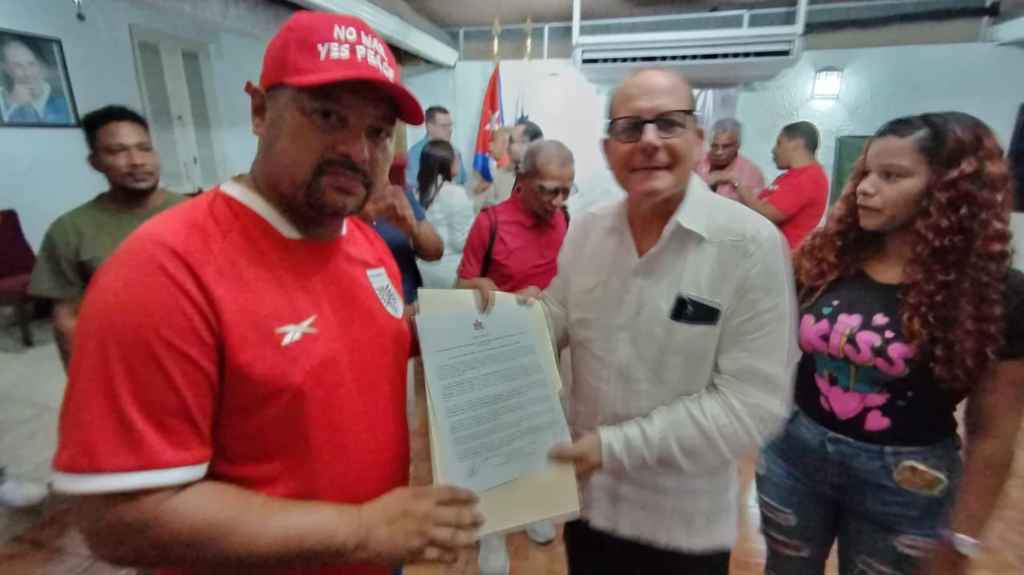
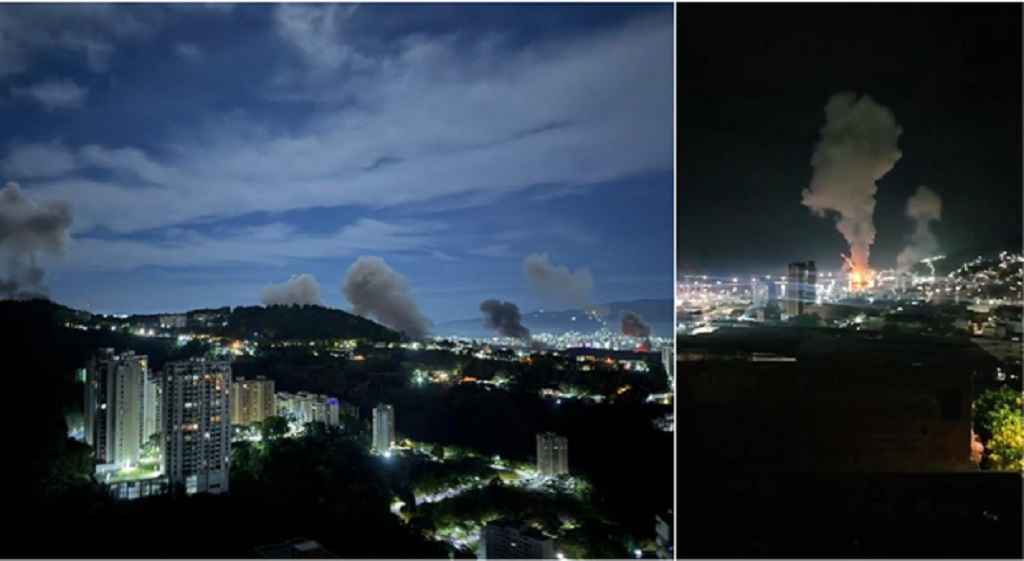
    In a formal demonstration of solidarity, representatives from the National Front for the Defense of Economic and Social Rights (Frenadeso) have submitted a strongly-worded communiqué to diplomatic officials in Panama. The document was addressed to Cuban Ambassador Orestes Pérez and Venezuelan Consular Head Julio Chávez, condemning what they describe as imperialist attacks that resulted in significant casualties among Cuban internationalists and Venezuelan citizens.

    The correspondence honors the 32 Cuban military personnel who perished while executing internationalist duties in Venezuela, characterizing them as martyrs who sacrificed their lives defending national sovereignty and providing solidarity support to the Venezuelan people. According to the communication, these individuals demonstrated exceptional honor and dignity in fulfilling their mission to protect the sovereignty of nations.

    The message further emphasizes that Venezuelan military and civilian personnel also suffered casualties as direct consequences of these aggressive actions. Frenadeso asserts that these events demonstrate that the Bolivarian Revolution maintains substantial international support and that the Venezuelan populace remains prepared to resist external pressures and ultimately prevail.

    Frenadeso’s analysis positions these incidents within a broader pattern of systematic aggression rather than isolated events. The organization contends that these actions represent components of a coordinated policy involving warfare, destabilization efforts, economic blockades, and psychological operations allegedly promoted by U.S. imperialist interests. The communication specifically identifies the administration of former President Donald Trump and associated hardline policymakers as having intensified threats against sovereign governments throughout the region, including Venezuela and Cuba.

    The organization further maintains that this escalation of hostilities constitutes a flagrant violation of established international legal frameworks, particularly the principle of self-determination for sovereign nations. Frenadeso specifically references the 2014 Havana Proclamation, which formally designated Latin America and the Caribbean as a Zone of Peace, arguing that current aggressive policies directly contravene this regional commitment to peaceful coexistence.

  • DRC: OCHA is concerned about civilian deaths and lack of assistance

    DRC: OCHA is concerned about civilian deaths and lack of assistance

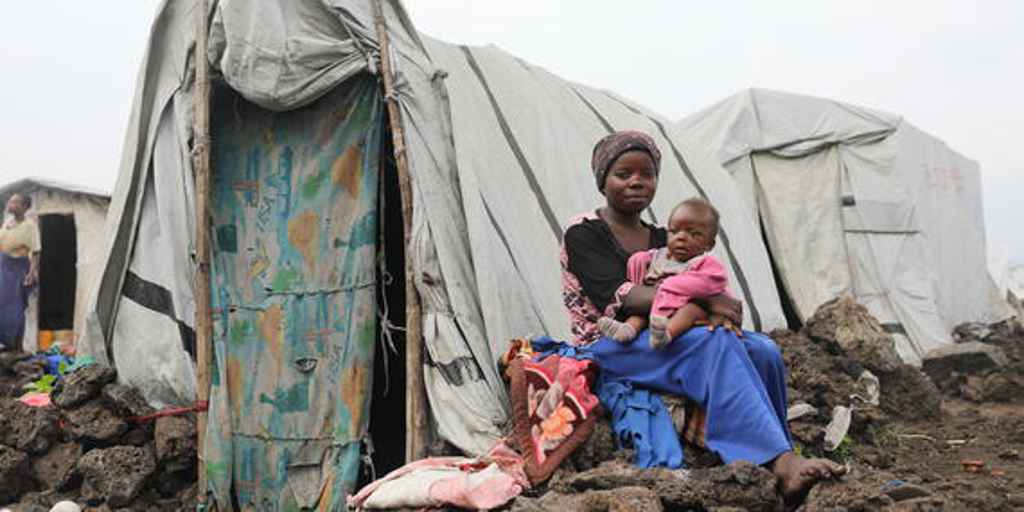
    A recent United Nations Office for the Coordination of Humanitarian Affairs (OCHA) report reveals a severe humanitarian emergency unfolding in the eastern Democratic of Congo. Intensified armed conflict centered around the city of Bule and its environs since early December has precipitated a large-scale crisis characterized by substantial civilian casualties and mass displacement.

    According to the assessment, the persistent violence has directly claimed the lives of at least 25 non-combatants and left 40 others wounded. The instability has forcibly uprooted over 87,000 individuals from their homes, creating a vast displaced population that remains entirely cut off from critical aid supplies for over a month. The precarious security landscape has rendered humanitarian access impossible, preventing any aid organization from operating in the affected zones.

    The consequences of this aid suspension are dire. Displaced families are confronting extreme shortages of essential resources, including food, potable water, and medical services. The report grimly notes that an estimated 17 additional deaths have already been attributed to these harsh conditions, stemming from starvation, disease, and an utter lack of medical care. Many of those affected have been forced to flee multiple times, increasing their vulnerability.

    OCHA’s report underscores a fundamental breach of international humanitarian law, emphasizing that all parties engaged in the conflict are obligated to guarantee the protection of civilians and ensure the safe, unhindered passage of humanitarian personnel and assistance. These protections, the agency states, are being consistently violated in the volatile eastern regions of the Congo, exacerbating the suffering of the local population.

  • US attacks Venezuela, disrespecting Latin America as a zone of peace

    US attacks Venezuela, disrespecting Latin America as a zone of peace

    A senior official from India’s Communist Party has issued a scathing condemnation of United States foreign policy toward Venezuela, characterizing recent actions as imperialist aggression driven by resource exploitation motives.

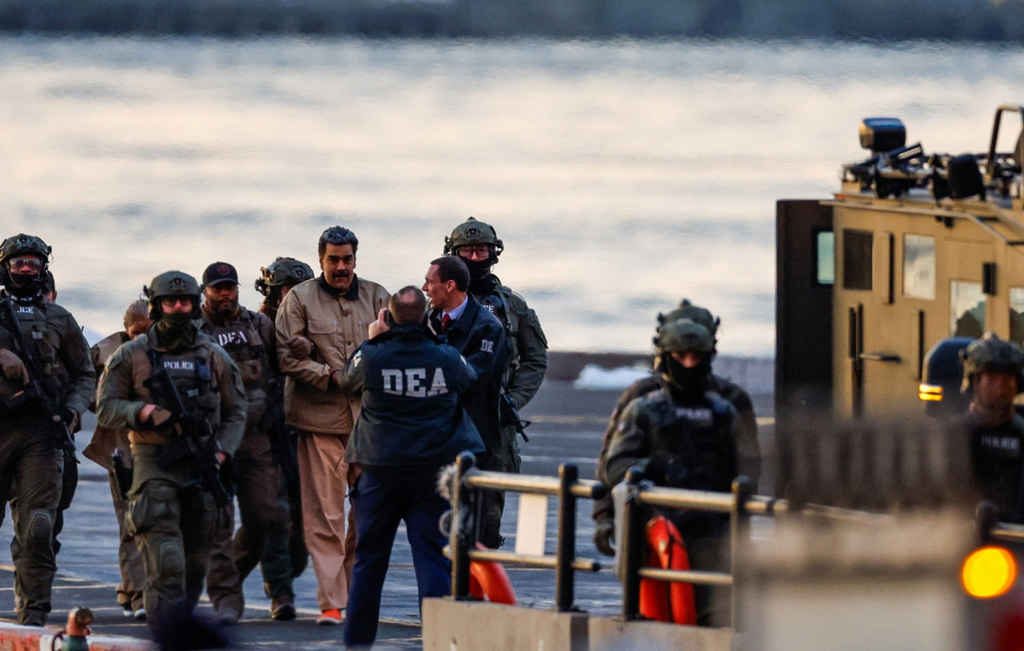
    Arun Kumar, a Political Bureau member of the Communist Party of India (Marxist) or CPI(M), delivered sharp criticisms in statements to Prensa Latina, denouncing what he termed the “kidnapping” of Venezuelan President Nicolas Maduro and First Lady Cilia Flores. Kumar asserted this action aligns strategically with the recently unveiled US National Security Strategy 2025, which he claims explicitly treats Latin America as American territory.

    The Indian communist leader elaborated that the US administration now considers any nation establishing trade relationships outside Washington’s approved network as aggressors subject to punitive measures. “This doctrine explains why Venezuela, with its substantial petroleum reserves and natural wealth, has become a primary target,” Kumar stated, characterizing US imperialism as “brazen, ambitious, and aggressive” in its openly declared intentions to control Venezuelan oil resources.

    Kumar framed the situation within broader global power dynamics, accusing former President Trump of seeking to impose worldwide hegemony. “We must oppose imperialism and protect the right of nations to sovereignty,” he emphasized, “ensuring countries can govern according to their people’s will without external coercion.”

    The CPI(M) official confirmed these principles motivate his party’s organized protests against US policies toward Venezuela, positioning the struggle as part of a larger resistance against American imperial overreach in global affairs.

  • Bangladesh condemns US aggression against Venezuela

    Bangladesh condemns US aggression against Venezuela

    In a powerful display of international solidarity, left-wing political organizations from Bangladesh have issued a joint declaration condemning perceived American aggression against Venezuela while honoring fallen Cuban security personnel. The groups expressed profound condolences for the Cuban guards who perished during a recent protective operation for President Nicolás Maduro in Caracas, describing their sacrifice as historically significant. “The lives of these brave revolutionary comrades will occupy a prominent place in contemporary history,” the declaration stated. The organizations further reaffirmed their unwavering support for Cuban President Miguel Diaz-Canel and the Venezuelan government. Demonstrating their commitment through action, the coalition revealed ongoing mobilization efforts including peasant demonstrations in Barisal and nationwide protests against what they termed “US attack and kidnapping attempts” targeting President Maduro. Additionally, the groups announced plans to commemorate the 67th anniversary of the Cuban Revolution’s triumph through a special meeting at the Cuban consulate in Dhaka, further cementing their ideological alignment with the socialist nations.