标签: Cuba

古巴

  • Cuba commemorates the International Day of Solidarity with Palestine

    Cuba commemorates the International Day of Solidarity with Palestine

    Senior Cuban officials have issued forceful declarations of support for Palestinian sovereignty, aligning with global observances of the International Day of Solidarity with the Palestinian People. Through official communications on social media platform X, Cuban leadership articulated an unequivocal endorsement of Palestine’s claim to statehood within pre-1967 borders, with East Jerusalem as its designated capital.

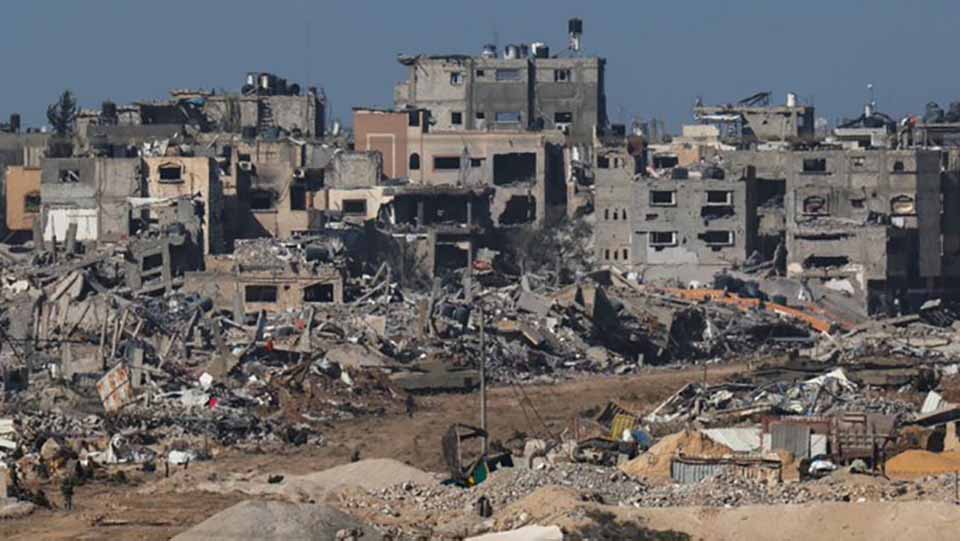
    The statements included severe condemnation of Israeli military operations in Gaza, with Cuban officials employing the term ‘genocide’ to characterize Israel’s actions. The rhetoric further accused the ‘Zionist regime’ of conducting what was described as ‘extermination operations’ in the contested territory.

    This demonstration of solidarity coincides with the annual United Nations observance held every November 29th, a date commemorating the 1947 UN General Assembly resolution that initially proposed the establishment of two independent states within the Palestinian mandate. Roberto Morales, Organization Secretary of the Central Committee of the Communist Party of Cuba, explicitly commemorated this historical context while reaffirming Cuba’s perpetual alliance with the Palestinian cause.

    The International Day of Solidarity has been recognized for 48 consecutive years, serving as a platform for nations to express diplomatic positions on one of the world’s most protracted geopolitical conflicts. Cuba’s latest pronouncements reinforce its longstanding foreign policy orientation toward the Israeli-Palestinian conflict, emphasizing Palestinian self-determination and harsh criticism of Israeli military tactics.

  • Cuban President receives minister from the Republic of Congo

    Cuban President receives minister from the Republic of Congo

    In a significant diplomatic engagement, Cuban officials and Congolese representatives have reinforced their longstanding bilateral relations through mutual acknowledgments of solidarity and shared historical struggles. The discourse, prominently shared via official government channels on social media platform X, highlighted the profound personal connections between the nations’ leaderships, particularly recalling the camaraderie between the historic leader of the Cuban Revolution and President Denis Sassou Nguesso of the Republic of the Congo.

    Cuban representatives paid tribute to the resilience demonstrated by the Cuban people throughout decades of economic constraints imposed by the United States’ embargo, framing it within a narrative of unwavering national spirit. This acknowledgment was met with reciprocal appreciation from the Congolese delegation, which expressed a steadfast desire for continued mutual support and unity between the two populations.

    The meeting served as a platform to celebrate and further solidify the fraternal bonds and cooperative framework existing between Havana and Brazzaville. Both parties emphasized the importance of enhancing their commercial and diplomatic partnerships, viewing this strengthened alliance as crucial for navigating contemporary global challenges. The dialogue underscored a common vision for future collaboration, rooted in a history of cooperation and a shared commitment to sovereignty and international solidarity.

  • Thousands of patients await leaving Gaza for medical treatment

    Thousands of patients await leaving Gaza for medical treatment

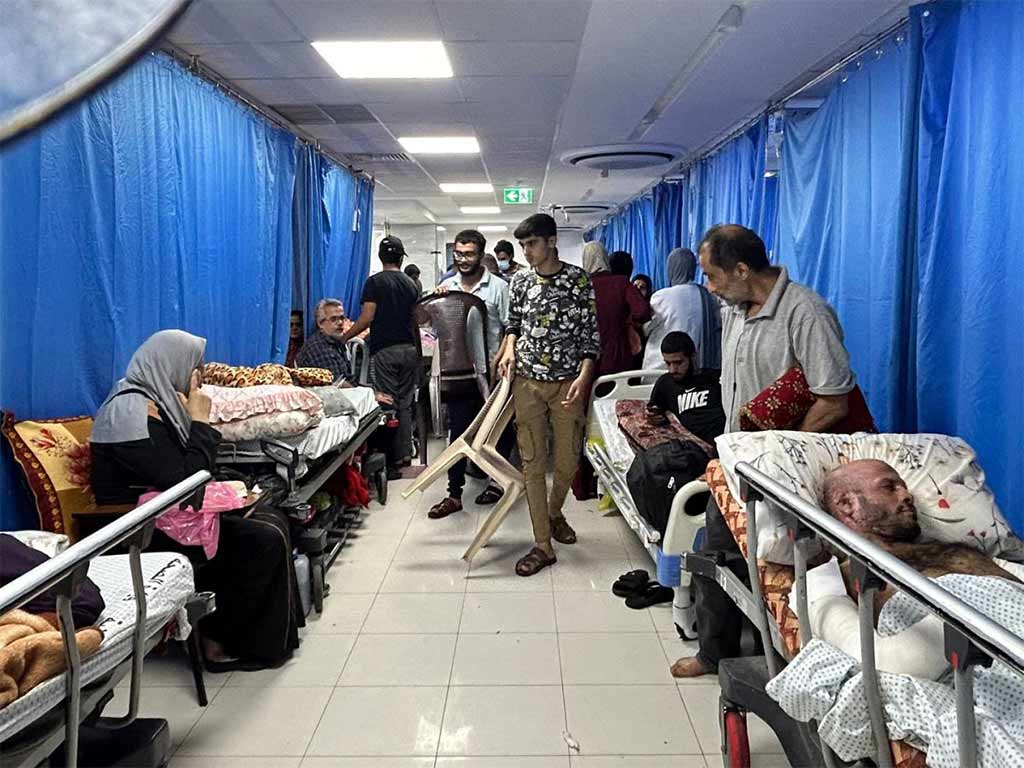
    Gaza’s healthcare system faces catastrophic collapse as medical authorities reveal a devastating human toll of delayed medical evacuations. Health Ministry Director-General Munir al-Barash reported that approximately 1,000 patients holding approved referrals for external treatment have died during the protracted waiting period for border crossings to open.

    The documented casualties represent only a fraction of the growing healthcare emergency in the coastal territory. Official records indicate that 18,100 patients have received approval for medical transfer abroad, including 5,000 cancer patients, 7,000 injured individuals, and approximately 500 children requiring specialized care unavailable in Gaza.

    Al-Barash criticized neighboring countries for maintaining closed border crossings despite the documented medical emergencies. All patient cases have been formally submitted to both United Nations agencies and the World Health Organization (WHO), which are working with local authorities to address the crisis.

    The healthcare collapse stems from the devastating combination of destroyed medical infrastructure and critical shortages of essential supplies, including life-saving medications. The territory’s health system, already weakened by years of conflict and restrictions, now faces complete breakdown under the weight of overwhelming medical needs and insufficient resources.

    This week’s warning from Gaza’s health leadership highlights the urgent need for international intervention to prevent further loss of life among critically ill patients awaiting evacuation.

  • Foreign policy, COP32 hit Ethiopia this week

    Foreign policy, COP32 hit Ethiopia this week

    Ethiopia’s capital, Addis Ababa, has been officially selected as the host city for the 2032 United Nations Climate Change Conference (COP32), marking a significant diplomatic achievement for the African nation. Foreign Ministry Spokesperson Nebiat Getachew announced that this decision demonstrates global recognition of Ethiopia’s substantial contributions to international climate action initiatives.

    The selection committee particularly acknowledged Ethiopia’s groundbreaking Green Legacy Initiative (GLI), a massive environmental program launched under Prime Minister Abiy Ahmed’s administration in 2019. This ambitious project has positioned Ethiopia as a continental leader in sustainable development and ecological restoration efforts.

    Prime Minister Ahmed elaborated on Ethiopia’s comprehensive climate strategy, which includes remarkable advancements in renewable energy infrastructure, nationwide expansion of electric vehicle adoption, and the development of environmentally sustainable urban centers through strategic corridor projects. These coordinated efforts significantly strengthened Ethiopia’s candidacy for hosting the prestigious international summit.

    In a related diplomatic development, Foreign Minister Gedion Timothewos has been appointed as COP32 President-designate, tasked with overseeing the complex preparatory proceedings for the major global event. The Ethiopian government expressed gratitude toward the African Negotiating Group for their endorsement, interpreting this support as affirmation of Ethiopia’s growing influence in international environmental diplomacy and its operational capacity to organize world-class gatherings.

  • Syria denounces to UN recent Israeli aggression

    Syria denounces to UN recent Israeli aggression

    In a recent interview with Al-Arabiya Al-Hadath, Syrian diplomat Olabi articulated Damascus’s firm stance on maintaining national advancement while countering external threats. The official emphasized that Syria would continue progressing “at all levels” without yielding to destabilizing provocations.

    Olabi clarified that any response from Damascus would be meticulously coordinated through established international channels, with the paramount priority being the protection of Syrian civilians. This approach underscores the government’s commitment to measured diplomacy amid regional tensions.

    The Syrian government is concurrently intensifying diplomatic campaigns to isolate Israel internationally and diminish support from its allied nations. This strategic initiative aims to reshape geopolitical dynamics through multilateral engagement rather than unilateral action.

    Referencing recent developments at the United Nations, the diplomat highlighted that during the latest Security Council session, the Israeli ambassador witnessed unanimous consensus among all fifteen member states. The council collectively condemned acts of aggression and reaffirmed support for Syria’s sovereignty and territorial integrity.

    Furthermore, Syrian representatives are actively engaged in efforts to renew the United Nations Peacekeeping Force’s mandate. This initiative seeks to enhance security mechanisms along separation lines and contribute meaningfully to long-term regional stability, demonstrating Syria’s commitment to diplomatic solutions within international frameworks.

  • FIHAV 2025 ends with Cuba’s economic highlights

    FIHAV 2025 ends with Cuba’s economic highlights

    Havana’s International Trade Fair has become the focal point for significant foreign investment policy revelations, with government officials detailing an ambitious macroeconomic stabilization program. Deputy Prime Minister and Minister of Foreign Trade and Foreign Investment Oscar Perez-Oliva presented these transformative measures during the 8th Investment Forum, capturing the attention of international companies and economic experts alike.

    The comprehensive reforms include the strategic expansion of Special Economic Zones beyond the established Mariel Special Development Zone (ZEDM) model. These new zones will target specific sectors including technology parks and real estate development, creating specialized hubs for foreign investment.

    Financial innovation forms a cornerstone of the new policy framework, particularly through Selective Swap Operations. This sophisticated financial mechanism enables targeted debt restructuring to generate foreign currency earnings and secure international financing. The government simultaneously introduced a groundbreaking real estate initiative that allows foreign investors to fund residential projects under specific conditions.

    All proposed business ventures must demonstrate financial self-sufficiency in foreign currency while adhering to stringent requirements for heritage conservation, energy efficiency standards, and implementation of renewable energy sources. These environmental and cultural protections form an integral part of the investment criteria, ensuring sustainable development aligns with economic objectives.

  • Turkiye reaffirms its firm support for Palestinian cause

    Turkiye reaffirms its firm support for Palestinian cause

    The Turkish Ministry of Foreign Affairs has issued a decisive statement through its official social media channels, marking the International Day of Solidarity with the Palestinian People. The diplomatic communiqué emphasized Ankara’s continued and resolute backing of Palestinian aspirations for self-determination and statehood.

    In the declaration, Turkish authorities articulated their persistent advocacy for the establishment of an independent, sovereign Palestinian nation with territorial integrity. The proposed state would be founded upon pre-1967 borders with East Jerusalem serving as its designated capital, aligning with numerous United Nations resolutions that have historically addressed the Palestinian question.

    This annual observance, formally recognized by the United Nations General Assembly since 1977, serves as a global platform for nations to voice their support for Palestinian rights and condemn ongoing violations stemming from occupation. Turkey’s participation joins a chorus of international voices that utilize this date to reaffirm their diplomatic positions regarding one of the world’s most protracted geopolitical conflicts.

    The Turkish statement notably avoids any direct mention of Israel while simultaneously reinforcing the nation’s longstanding policy orientation toward the Palestinian cause. This positioning reflects Ankara’s careful diplomatic balancing act in the region while maintaining its principled stance on Palestinian self-determination.

  • Solidarity Meeting with Cuba begins with a march in Valparaiso

    Solidarity Meeting with Cuba begins with a march in Valparaiso

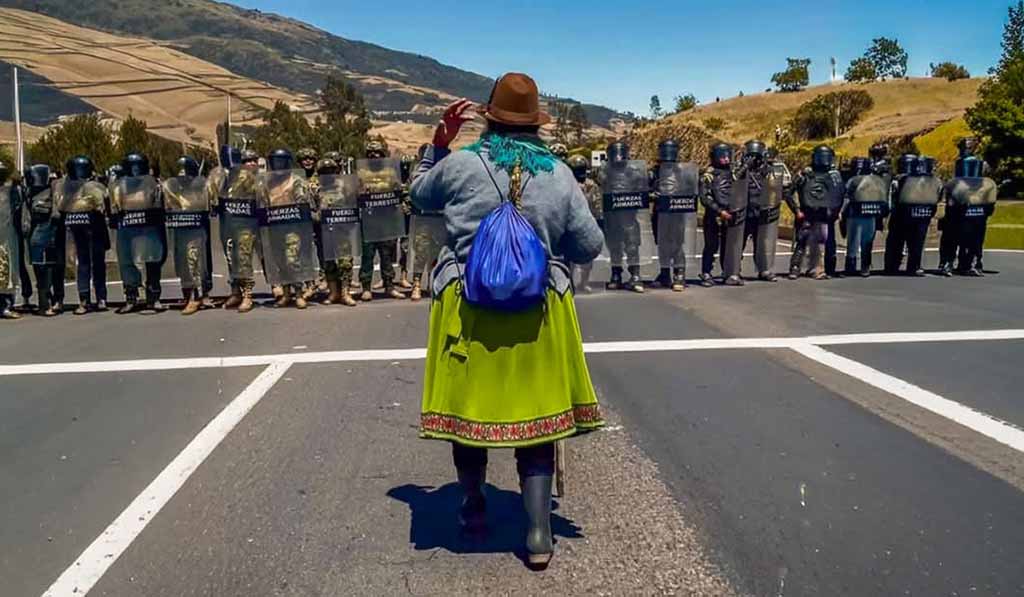
    Across multiple Chilean cities, a powerful coalition of solidarity activists united in a vibrant demonstration against the United States’ longstanding economic embargo against Cuba. The two-day event, organized by solidarity movement groups from Coquimbo, La Serena, Santiago, Talca, Valdivia, Ovalle, Concepcion, Valparaiso, and Viña del Mar, featured a spirited march through the streets followed by a political and cultural gathering at the Insomnia Theater.

    Protesters carried signs and waved flags while chanting slogans such as “A Tumbar, a Tumbar el Bloqueo Criminal” (Do Away, Do Away The Criminal Blockade), “Cuba Si, Bloqueo No” (Cuba Yes, Blockade No), and phrases honoring Fidel Castro’s legacy of resistance against American imperialism.

    Marisol Molina, head of the movement’s southern region, expressed both joy at the reunion of activists and deep concern about recent developments. She specifically highlighted President Donald Trump’s escalating threats in the Caribbean region, his administration’s tightening of the economic, commercial, and financial siege against Cuba, and the additional hardship caused by Hurricane Melissa’s recent impact on the island’s eastern region.

    The event attracted significant diplomatic presence, including Cuban Ambassador to Chile Oscar Cornelio Oliva, alongside other members of the diplomatic corps, city council members, academics, and representatives from various political and social organizations who gathered to show their support for the Caribbean nation.

  • Cuba and St. Petersburg strengthen historic bonds of brotherhood

    Cuba and St. Petersburg strengthen historic bonds of brotherhood

    In a significant diplomatic engagement, St. Petersburg Governor Alexander Beglov met with Roberto Morales, a high-ranking official from the Communist Party of Cuba, on Friday, solidifying the strategic alliance between Russia and Cuba. Governor Beglov emphatically declared that Russia would perpetually stand in solidarity with Cuba, reinforcing his nation’s commitment to defending what Russian officials frequently refer to as the ‘island of freedom.’

    The high-level discussion, part of Morales’ official visit to Russia, served as a platform to deepen bilateral ties. Beglov extended specific gratitude to Cuban President Miguel Diaz-Canel for the warm hospitality during recent exchanges, which facilitated productive dialogues on critical joint initiatives. The Governor emphasized the mutual dedication to preserving Cuba’s independence and sovereignty.

    In reciprocal remarks, Morales, the Secretary of Organization of the Central Committee of the Communist Party of Cuba, acknowledged the substantial advancements in relations linking St. Petersburg with key Cuban provinces, including Havana, Matanzas, and Santiago de Cuba. A central point of his address was the profound appreciation for the consistent political and material support from both the Russian government and its citizens. This support is crucial for Cuba’s ongoing struggle against the long-standing U.S. commercial and financial blockade, a policy maintained across multiple American administrations. Morales also thanked Russia for its prompt humanitarian assistance following the devastation of Hurricane Melissa.

    Prior to this meeting, the Cuban delegation was formally received at the St. Petersburg Legislative Assembly by its President, Alexander Belsky. Morales’ official tour, which commenced in Moscow on November 25 under the invitation of the United Russia party and the Communist parties of the Russian Federation, is scheduled to conclude on November 30. The visit underscores a shared objective to further broaden and intensify the strategic cooperation between the two nations.

  • Neither Cayo Granma nor Santiago de Cuba are alone

    Neither Cayo Granma nor Santiago de Cuba are alone

    Cuban President Miguel Díaz-Canel Bermúdez conducted a comprehensive inspection tour of Santiago de Cuba, the province most severely impacted by Hurricane Melissa’s recent devastation. The presidential visit included Cayo Granma, a historic fishing community situated three nautical miles inland from Santiago Bay, where the hurricane’s destructive forces wreaked particular havoc on the island’s infrastructure.

    The presidential delegation, comprising deputy prime ministers, ministers, and key sector directors coordinating recovery efforts, assessed the extensive damage across coastal communities including La Socapa, Caracoles, and Aguadores. Local residents compared Melissa’s destruction to Hurricane Sandy’s impact thirteen years prior, with many describing the recent storm as equally or more devastating.

    Remarkably, comprehensive evacuation procedures prevented casualties or injuries—a point of local pride shared with the visiting president. This marked the first presidential visit to Cayo Granma according to island residents, symbolizing the administration’s commitment to affected regions.

    The tour included Juan Gualberto Gómez Primary School, which had lost its entire roof during the October 29th storm but has since been reroofed and reopened for its 61 students. President Díaz-Canel engaged with students and faculty, discussing educational continuity, meal programs, and athletic facilities. When the president suggested basketball court installation, students unanimously requested soccer facilities instead—a request the president laughingly committed to fulfilling.

    Damage assessments reveal 170 of Cayo Granma’s 256 homes sustained damage, with 15 completely destroyed and 20 partially destroyed. Roof damage affected 115 structures, while 170 mattresses required replacement. Recovery assistance has included approximately 1,000 roofing tiles and food kits from the Cuban government, World Food Programme, Venezuela, and private donations from MSMEs and Cuban citizens.

    At a subsequent Provincial Defense Council meeting, President Díaz-Canel reviewed recovery progress, noting electrical service restoration at 84% completion and damage validation for 48,768 of 141,000 initially reported damaged homes. The president committed to deploying national resources for final recovery pushes, emphasizing that Santiago de Cuba—the cradle of the Cuban Revolution—deserves and will receive full national support in rebuilding efforts.