标签: Cuba

古巴

  • Cuba: teachers defend Fidel Castro’s literacy epic

    Cuba: teachers defend Fidel Castro’s literacy epic

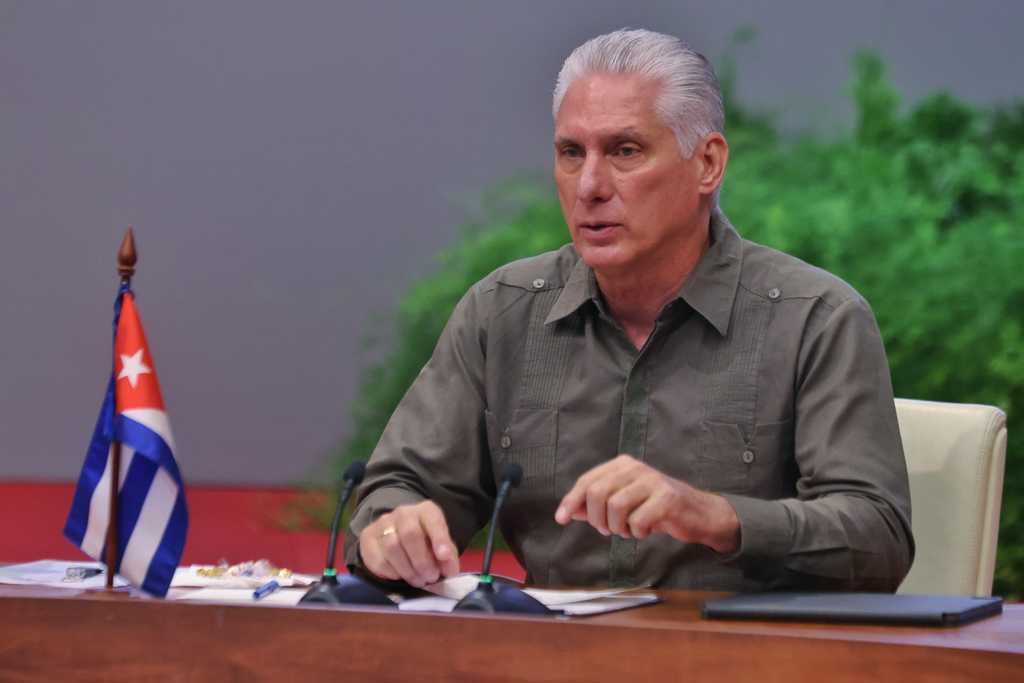
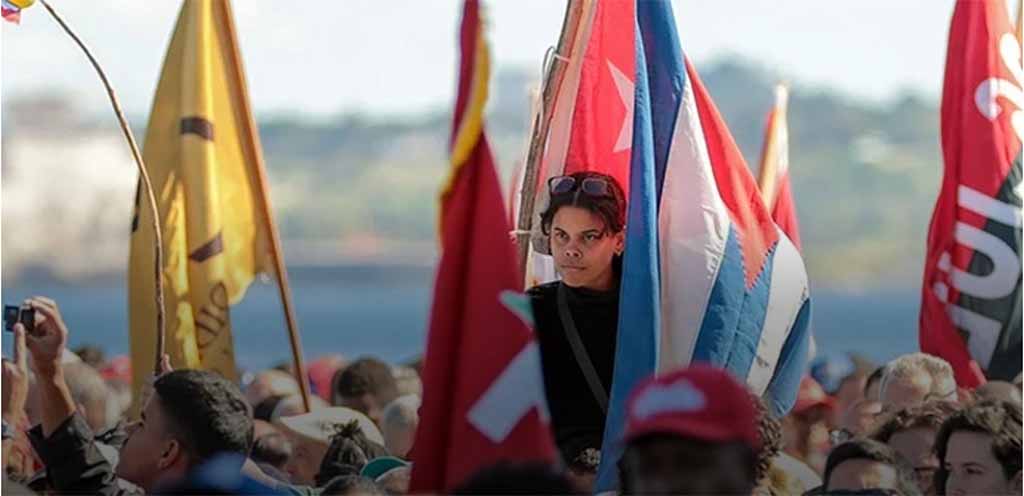
    Cuban President Miguel Díaz-Canel and Prime Minister Manuel Marrero Cruz presided over the nation’s principal Teachers’ Day celebration at the José Martí Anti-Imperialist Tribune. The event brought together a cross-section of the educational community, including active teachers, members of the pedagogical detachment, representatives from various training models, retirees, and educators who recently completed international missions, such as a brigade returning from Honduras.

    Education Minister Ena Elsa Velázquez Cobiella delivered a keynote address that connected contemporary educational challenges with Cuba’s revolutionary pedagogical heritage. She emphasized that the period coinciding with Teachers’ Day, the anniversary of the Revolution’s triumph, and the start of the academic year represents both a time for honoring educators and for conducting critical assessment of the educational system’s development.

    The minister specifically recalled Fidel Castro’s historic 1960 proclamation before the United Nations, when he declared Cuba would become the first illiteracy-free nation in the Americas. “This pledge exemplified revolutionary boldness that materialized through an ambitious campaign where the people educated the people, with youth assuming tremendous responsibility,” Velázquez stated, referencing the landmark 1961 literacy campaign that dramatically reduced illiteracy rates.

    The ceremony served as both recognition of current educational professionals and a reaffirmation of Cuba’s ongoing commitment to educational accessibility and quality, tracing a direct lineage from the revolutionary achievements to present-day efforts in maintaining the country’s educational standards.

  • Palestinian NGOs urge world action on Gaza crisis

    Palestinian NGOs urge world action on Gaza crisis

    A coalition of humanitarian organizations has issued a dire warning regarding the rapidly deteriorating conditions in the Gaza Strip, home to over two million residents. The network’s statement highlights an escalating humanitarian catastrophe, intensified by border closures imposed by the Israeli military that severely restrict the entry of essential supplies including food, medical resources, and fuel.

    The statement reveals a tragic consequence of these restrictions: approximately 1,200 Palestinian fatalities have occurred due to the inability to evacuate critically ill patients for specialized medical treatment. The healthcare infrastructure in Gaza is reportedly on the verge of collapse amid widespread disease outbreaks that have been aggravated by seasonal cold weather and rainfall.

    Medical professionals within the enclave are observing alarming increases in skin and respiratory infections, particularly among displaced populations living in overcrowded temporary shelters. The network further emphasized the deteriorating health of chronic disease patients, especially elderly individuals, who face severe medication and supply shortages.

    In response to these developments, the NGO coalition has called upon the international community to exert pressure on Israel to reopen border crossings for humanitarian access. Additionally, the statement demands legal accountability for Israeli leadership through international prosecution and sanctions for alleged crimes committed in occupied territories.

  • China criticizes US unilateral harassment tactics against Venezuela

    China criticizes US unilateral harassment tactics against Venezuela

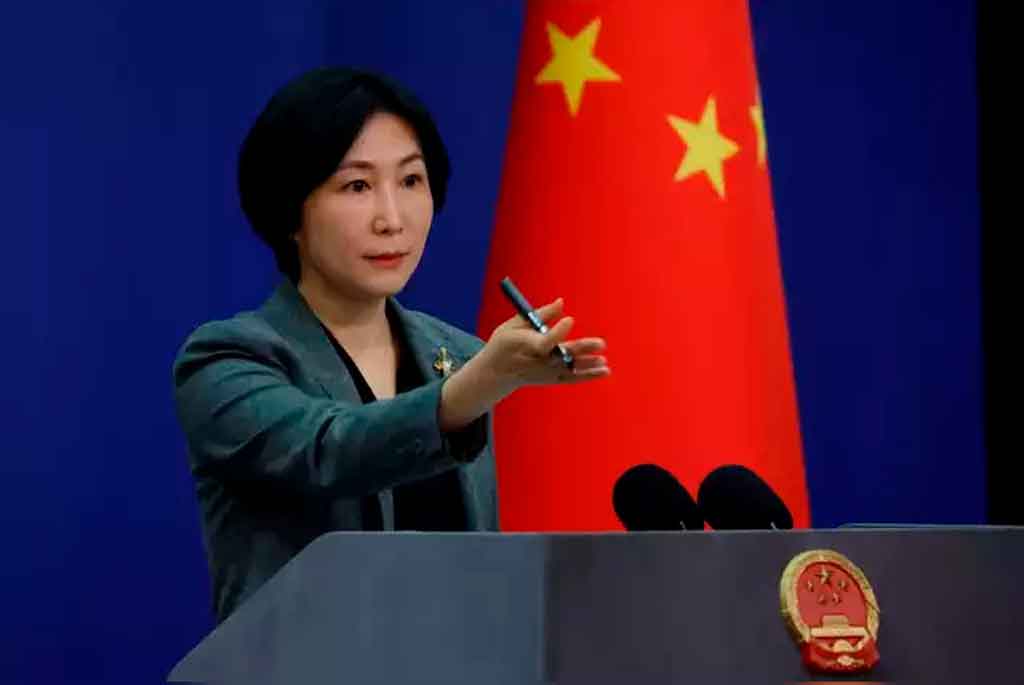
    China has issued a firm diplomatic rebuke against the United States following Washington’s interception of another Venezuelan oil tanker near the South American nation’s coastline. Foreign Ministry spokesman Lin Jian articulated Beijing’s position during a press briefing, emphasizing China’s consistent opposition to what it characterizes as illegal unilateral sanctions.

    ‘The Chinese government maintains unwavering opposition to unilateral sanctions that lack proper foundation in international legal frameworks and have not received authorization from the United Nations Security Council,’ Lin stated unequivocally. The spokesman further reinforced China’s stance against any measures that undermine the fundamental principles established in the UN Charter, particularly those compromising national sovereignty and security interests.

    Lin’s remarks highlighted China’s support for Venezuela’s autonomous rights in pursuing international partnerships. ‘Venezuela possesses the legitimate right to independently develop mutually beneficial cooperative relationships with other sovereign states,’ he affirmed. The spokesman expressed confidence that global actors would recognize and endorse Venezuela’s efforts to protect its lawful national interests through appropriate diplomatic channels.

    The incident represents the latest escalation in tensions between Washington and Caracas, with China positioning itself as a defender of multilateralism and state sovereignty. Beijing’s statement aligns with its broader foreign policy approach that challenges what it perceives as American overreach in international affairs, particularly regarding resource sovereignty and economic independence.

  • China shocked by Japan’s statements on nuclear weapons

    China shocked by Japan’s statements on nuclear weapons

    China’s Foreign Ministry has issued a stern condemnation of recent political statements emerging from Japan, characterizing them as a direct challenge to the established international framework. Spokesperson Lin Jian declared that such pronouncements represent an open provocation against the post-World War II international order and fundamentally undermine the global nuclear non-proliferation regime.

    Lin emphasized Japan’s specific obligations as a non-nuclear-weapon state and signatory to the Treaty on the Non-Proliferation of Nuclear Weapons (NPT), stating the country must strictly adhere to its international commitments against accepting, manufacturing, or possessing nuclear weapons. The spokesperson highlighted concerning patterns, noting that numerous former Japanese officials have publicly claimed the nation possesses the technical capability to develop nuclear arms.

    Further escalating concerns, Lin revealed that Japan has been manufacturing and stockpiling plutonium materials in quantities that significantly exceed reasonable civilian nuclear energy requirements. This accumulation, coupled with provocative political rhetoric, suggests a coordinated push toward remilitarization by right-wing factions within Japan’s political landscape.

    The diplomatic warning extended to recent statements on Taiwan by Japanese Prime Minister Sanae Takaichi, which Beijing views as particularly dangerous and destabilizing. These developments occur against a backdrop of deteriorating bilateral relations and growing apprehension from Beijing regarding Japan’s apparent shift toward militarization. The Chinese government asserts that these actions threaten regional and international stability while jeopardizing collective global non-proliferation efforts.

  • Cuban minister highlights education’s impact on the world

    Cuban minister highlights education’s impact on the world

    In a nationally televised address, Cuba’s Education Minister Eva Josefina Torres Trujillo delivered a powerful tribute to the nation’s teaching profession, framing their daily work as an act of modern heroism. The minister’s speech drew direct parallels between contemporary educational efforts and the historic 1961 Literacy Campaign masterminded by revolutionary leader Fidel Castro.

    Minister Trujillo identified the preservation of Cuba’s educational achievements as the paramount challenge facing educators today, particularly given the country’s current complex socioeconomic circumstances. She characterized the teaching profession as an ‘epic journey,’ acknowledging that educators remain deeply connected to the emotional landscape of each student they encounter both within classrooms and throughout broader social activities.

    Reaffirming Cuba’s foundational educational principles, the minister emphasized that the state-maintained system continues to provide inclusive, universal, and tuition-free education to all citizens. Beyond domestic implementation, Trujillo highlighted how Cuba’s educational model has achieved international influence through cooperative programs that have assisted other nations in combating illiteracy using methodologies inspired by Cuba’s revolutionary experience.

    Concluding her address, the education minister extended formal gratitude to educators for their persistent efforts under challenging conditions. She urged teaching professionals to continually reflect on their extraordinary social value and maintain their supportive role in overcoming national educational challenges.

  • Palestine condemns new Israeli settlements in the West Bank

    Palestine condemns new Israeli settlements in the West Bank

    In a significant escalation of Middle East tensions, Israeli authorities have approved the establishment of 19 new settlements in Palestinian territories, drawing sharp condemnation from Palestinian leadership and human rights organizations. Muayyad Shaban, head of a prominent Palestinian organization, characterized the move as a dangerous expansionist policy that threatens the viability of a future Palestinian state.

    Shaban issued a statement condemning what he described as “a systematic policy led by the settler government” under Prime Minister Benjamin Netanyahu and Finance Minister Bezalel Smotrich. He warned that the settlement approvals represent “a new attack on Palestinian territory” and demonstrate Israel’s true intentions to consolidate a system of annexation and apartheid through what he termed the “complete Judaization” of Palestinian land.

    The Palestinian official emphasized that this legalization of settlements constitutes “another step in the race to annihilate Palestinian geography in favor of the colonial settlement project” and represents a blatant challenge to international law. According to Shaban, Israeli authorities are implementing a strategic vision aimed at eliminating the possibility of a geographically contiguous Palestinian state through systematic settlement expansion.

    Finance Minister Smotrich, known for his hardline anti-Palestinian and anti-Arab positions, described the approval of these settlements as historic. The move comes amid already heightened tensions in the region, with over 750,000 Jewish settlers currently residing in the West Bank, including East Jerusalem, distributed among approximately 180 settlements and 256 outposts according to official figures.

    The international community has consistently rejected Israel’s expansionist policy in the occupied territories, which are considered integral to any future Palestinian state under numerous United Nations resolutions and international agreements. Shaban called for urgent international action to halt what he characterized as a dangerous escalation that threatens prospects for peace and stability in the region.

  • Rejection grows in Italy against the aggressive escalation by the US

    Rejection grows in Italy against the aggressive escalation by the US

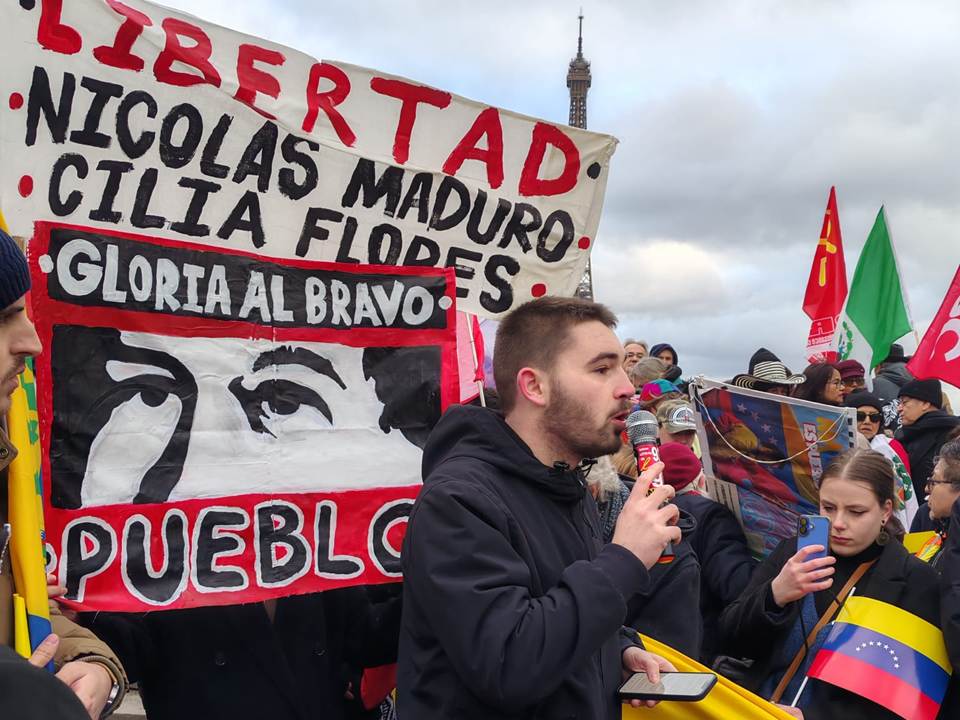
    Prominent Italian economist Luciano Vasapollo, serving as leader of Italy’s Network of Communists, has issued a strong condemnation of what he characterizes as American “acts of piracy” targeting Venezuelan oil tankers. In statements published by Il Faro di Roma newspaper, Vasapollo denounced recent actions authorized by former U.S. President Donald Trump against Venezuelan maritime assets as manifestations of “pure colonialism.”

    Vasapollo, who also co-founded the Italian chapter of the Network of Intellectuals in Defense of Humanity, highlighted several solidarity initiatives supporting the Bolivarian Republic government. He specifically referenced a significant gathering in Rome that attracted hundreds of young activists expressing support for Venezuela.

    The December 19th event, organized at the Patriotic Action Group headquarters through a collaboration between the Network of Communists and left-wing youth organizations Cambiare Rotta and Alternative Student Opposition (OSA), served as a platform for criticizing American foreign policy. During the meeting, Vasapollo articulated his perspective that these actions represent “an attempt to dominate Global South countries, treating them as slaves.”

    The gathering featured notable diplomatic presence, including María Elena Uzzo, head of Venezuela’s diplomatic mission in Italy, who participated in the solidarity event. Vasapollo’s comments reflect growing international criticism of U.S. sanctions policy toward Venezuela and increasing European left-wing opposition to American intervention in South American affairs.

  • Thank you, today and always, for being there

    Thank you, today and always, for being there

    The profound impact of educators extends far beyond academic instruction, creating lasting imprints on their students’ character and life trajectory. Personal reflections reveal how teachers serve as foundational pillars in personal development, embodying virtues that transcend conventional lesson plans.

    Exceptional educators distinguish themselves through unique qualities that leave indelible marks. Preschool teacher Silvia demonstrated extraordinary patience and genuine vocational passion, celebrating each student’s achievement with exceptional enthusiasm. Her dedication illustrated how profound love for one’s profession becomes the most valuable lesson imparted to young minds.

    María, affectionately known as ‘Coca,’ balanced strong-willed integrity with pedagogical artistry. Despite personal hardships, she maintained unwavering commitment to classroom excellence, earning such admiration that students composed musical tributes to her teaching spirit.

    Edelys pioneered inclusive education methodologies, rejecting standardized expectations while nurturing individual potential. She championed holistic understanding of children’s circumstances, actively engaging parents and addressing root causes rather than superficial behaviors.

    Migdalia exemplified educational advocacy through relentless pursuit of student welfare. When concerns arose, she initiated home visits without hesitation, demonstrating unprecedented commitment to ensuring every child received necessary support and attention.

    Alexander provided dual mentorship as both academic guide and paternal figure during challenging adolescent years. His historical expertise within classroom walls matched his sincere counsel outside them, commanding respect through authentic empathy that resonated even with resistant students.

    University professors further solidified this educational foundation, combining scholarly wisdom with emotional intelligence. They emphasized ethical professionalism and social responsibility as core components of comprehensive education, preparing graduates for meaningful societal contributions.

    These narratives represent countless educators whose daily dedication constructs invisible architectures of character and capability. Their collective legacy manifests in generations of professionals who carry forward not merely knowledge, but values, compassion, and transformative worldviews acquired through inspirational teaching.

  • Southwestern Colombia shaken by a 4.6 magnitude earthquake

    Southwestern Colombia shaken by a 4.6 magnitude earthquake

    A significant seismic event rattled multiple regions of Colombia on Thursday morning, initiating a sequence of tremors across the nation’s central and southwestern territories. According to the Colombian Geological Service (SGC), the initial earthquake, registering a notable magnitude, struck with an epicenter depth of 34 kilometers at precisely 9:05 a.m. local time.

    The tremors were perceptibly felt across a wide geographical expanse, including the urban centers of Garzon, Armenia, Ibague, Cali, Popayan, and Florencia, alongside numerous other municipalities. Local media outlets documented the widespread nature of the event, which prompted momentary alarm among residents.

    Subsequent to the primary quake, the SGC seismic monitoring network detected two additional aftershocks. The first, a milder tremor measuring 3.1 in magnitude, was recorded at 9:36 a.m. with its epicenter located in San Jose del Palmar, within the northwestern department of Choco. A third seismic event, further diminished at a magnitude of 2.6, occurred at 10:10 a.m. near the municipality of Murindo in the Antioquia department.

    Despite the unsettling series of events, national authorities have provided preliminary assurances that no structural damage or personal injuries have been reported in the immediate aftermath. Emergency response teams remain on high alert, conducting standard preliminary assessments across the affected zones to verify the initial reports.

  • Peruvian diplomat suggests debate on proposed alliance with the US

    Peruvian diplomat suggests debate on proposed alliance with the US

    In a comprehensive analytical piece, retired career diplomat Jorge Castaneda has called for a crucial national dialogue regarding Peru’s potential designation as a Major Non-NATO Ally (MNNA) of the United States. The seasoned ambassador’s assessment, published on Efectividat Consultores’ digital platform, presents a balanced examination of the strategic partnership recently proposed by the Trump administration.

    Castaneda emphasizes that any definitive decision must be predicated on a fundamental national discourse that clarifies Peru’s aspirations as an international actor. He insists this deliberation must objectively weigh the tangible benefits against the established principles of autonomy and alliance diversification that have traditionally guided Peruvian foreign policy.

    The diplomatic expert issues a significant cautionary note, stating that only through a coherent, long-term state strategy can Peru determine whether MNNA status would serve as a valuable instrument for national objectives or instead represent an unnecessary and potentially counterproductive commitment. He underscores that the effectiveness of such designation critically depends on the recipient nation’s strength, cohesion, and strategic clarity.

    Central to Castaneda’s argument is the assertion that Peruvian foreign policy—not the partnering nation—must unequivocally define the utilization parameters and limitations of any diplomatic or security arrangement. This positioning reaffirms the necessity of maintaining sovereign control over international engagements while considering enhanced cooperation frameworks.