标签: Cuba

古巴

  • Cuba congratulates Thailand on its national day

    Cuba congratulates Thailand on its national day

    The Cuban Ministry of Foreign Affairs has publicly conveyed its heartfelt congratulations to the nation of Thailand commemorating its annual National Day observance. In an official communiqué disseminated via the social media platform X, Cuban diplomatic authorities extended sincere well-wishes to both the Thai populace and government leadership.

    This significant date, marked annually on December 5th, holds profound cultural and historical importance for the Thai people. The celebration simultaneously honors Father’s Day while paying tribute to the enduring legacy of the late King Bhumibol Adulyadej the Great (Rama IX), whose birth occurred on this date in 1927. King Bhumibol remains a deeply revered figure in Thai society, having presided over the nation’s development through seven decades of transformative leadership.

    The diplomatic exchange underscores the enduring international relationship between the Caribbean nation and Southeast Asian kingdom. Historical records indicate that formal diplomatic engagement between Bangkok and Havana was initially established on May 15, 1958, creating over six decades of continuous bilateral engagement.

    Beyond ceremonial congratulations, the Cuban statement notably emphasized Havana’s renewed commitment to enhancing mutual cooperation frameworks. This diplomatic gesture signals ongoing interest in strengthening international partnerships across geopolitical boundaries, highlighting how nations continue to foster diplomatic relationships despite geographical separation and cultural differences.

  • Russia awaits US reaction to Putin’s meeting with Witkoff

    Russia awaits US reaction to Putin’s meeting with Witkoff

    The Kremlin has confirmed it is anticipating a formal response from American officials following high-level discussions held this Tuesday regarding the ongoing conflict in Ukraine. Yuri Ushakov, a senior foreign policy advisor to President Vladimir Putin, addressed reporters but declined to provide specifics about the confidential dialogue, emphasizing that both parties had agreed to maintain discretion about the precise details negotiated.

    Ushakov characterized the meeting, which included Russian Direct Investment Fund CEO Kirill Dmitriev—a key envoy for international economic cooperation—as “highly productive” and indicated that diplomatic contacts are expected to continue. However, he offered no clarity regarding the timing of a potential follow-up telephone discussion between President Putin and U.S. President Donald Trump.

    The talks centered on Washington’s recently proposed initiative to advance a negotiated resolution to the armed conflict in Ukraine. The U.S. government has similarly avoided publicizing details, citing the sensitive and ongoing nature of the diplomatic process.

    Earlier, on November 21, President Putin had acknowledged that President Trump’s peace proposal might serve as a viable foundation for a political settlement. However, he noted that the United States appeared hesitant to engage Russia in detailed discussions before first securing consent from the Ukrainian government.

  • WHO warns of challenges to malaria elimination

    WHO warns of challenges to malaria elimination

    A recent World Health Organization (WHO) global malaria report presents a dual narrative of significant progress and persistent challenges in the fight against the disease. The data reveals a devastating concentration of the malaria burden, with an estimated 95% of all fatalities occurring within the WHO African Region, predominantly affecting children under five years of age.

    Despite this sobering reality, the expanded deployment of innovative interventions has yielded substantial positive outcomes. The widespread introduction of new tools, including dual-ingredient insecticide-treated nets and malaria vaccines, proved highly effective in 2024, preventing an estimated 170 million infections and averting approximately one million deaths. A key preventive strategy, seasonal malaria chemoprevention, has seen remarkable growth. Now implemented across 20 nations, this approach reached 54 million children in 2024—a dramatic surge from a mere 200,000 children covered in 2012.

    Certification milestones further underscore the global advancement. To date, the WHO has officially recognized 47 countries and one territory as malaria-free. Cabo Verde and Egypt attained this esteemed status in 2024, with Georgia, Suriname, and Timor-Leste joining their ranks in 2025.

    However, the report sounds a strong alarm on emerging threats that jeopardize these gains. A growing resistance to antimalarial medications is significantly impeding elimination efforts. WHO Director-General Dr. Tedros Adhanom Ghebreyesus emphasized this precarious balance, stating, ‘New tools for malaria prevention give us new hope, but we still face significant challenges.’ He specifically warned that rising case numbers and mortality rates, compounded by the escalating drug resistance threat and the repercussions of funding cuts, risk reversing the hard-won progress achieved over the last twenty years. Consequently, a central objective of the Global Malaria Technical Strategy 2016–2030—the radical reduction of malaria deaths—remains distressingly out of reach.

  • Russia opens two drone production plants in the Middle East

    Russia opens two drone production plants in the Middle East

    Russian technology consortium Futurelab has announced a significant expansion of its strategic operations in the Middle East with the establishment of two comprehensive unmanned aerial systems (UAS) facilities. According to Deputy Director Ilya Shevelev’s statements to Sputnik news agency, these newly inaugurated centers represent a major advancement in the region’s drone technology landscape.

    The facilities, located in two unspecified Middle Eastern nations, will serve dual purposes as both advanced training academies for drone operators and serial production hubs for light and medium-class unmanned aircraft. Shevelev characterized this development as foundational to creating ‘a complete ecosystem for unmanned technologies’ in the region, emphasizing the company’s commitment to fostering long-term technological partnerships.

    Beyond their educational and manufacturing functions, the centers feature exhibition spaces showcasing current drone models, enabling potential clients to evaluate technical specifications and operational capabilities firsthand. Each facility also houses dedicated sales offices responsible for contract negotiations and export coordination, creating an integrated business environment for regional partners.

    Shevelev highlighted that these comprehensive centers represent a strategic milestone in global market penetration for Russian drone technology while simultaneously accelerating the development of the Middle East’s domestic drone industry. This expansion reflects growing international demand for civilian UAS applications and Russia’s increasing role as a technology exporter to emerging markets.

  • Ukrainian drone attack damages Russian port infrastructure

    Ukrainian drone attack damages Russian port infrastructure

    Russian military authorities reported significant drone activity over its southwestern territories, announcing the interception of 41 Ukrainian unmanned aerial vehicles (UAVs) within a 24-hour period. The defensive operations occurred across multiple regions including Samara, Crimea, Saratov, Volgograd, Rostov, and Krasnodar.

    According to an official statement released by the Defense Ministry on Friday, port facilities in Temryuk sustained damage from what was described as “an attack by the Kiev regime.” The assault triggered a fire at the strategic Black Sea port infrastructure, though preliminary assessments confirmed no casualties as port personnel had been safely evacuated before the incident.

    Emergency response teams deployed extensively to contain the blaze, with 32 specialized personnel and eight heavy machinery units engaged in firefighting operations. The ministry emphasized that all necessary measures were being taken to secure the area and assess the full extent of the damage.

    Concurrently, Russia’s federal air transport agency, Rosaviatsia, implemented temporary flight restrictions at ten regional airports including Saratov, Krasnodar, Sochi, and Grozny. These precautionary measures were enacted to ensure civilian aviation safety amid the heightened security situation. The coordinated aviation security protocol affected airports across southern and western Russia, demonstrating the broad geographical impact of the reported drone incursions.

    The military’s comprehensive report detailed precise interception numbers: nine UAVs neutralized in Samara region, nine over Crimea, eight in Saratov region, seven in Volgograd region, seven in Rostov region, and one in Krasnodar region. This systematic breakdown illustrates the widespread nature of the alleged aerial offensive and corresponding defensive response.

  • PAHO launches tool to assist survivors of sexual violence

    PAHO launches tool to assist survivors of sexual violence

    The Pan American Health Organization (PAHO) has launched a groundbreaking assessment instrument designed to revolutionize care for survivors of sexual violence across Latin America. This initiative emerges against a distressing regional backdrop where epidemiological studies indicate approximately one in three women endures physical or sexual violence during their lifetime.

    Unveiled during a specialized webinar focused on enhancing support systems for female survivors, this evidence-based tool equips public health authorities with a standardized methodology to evaluate emergency room and clinic services. Its primary function is to identify critical deficiencies in post-assault medical care and facilitate data-driven improvements in clinical response protocols.

    Britta Monika Baer, PAHO Advisor on Violence and Injury Prevention, emphasized the ethical imperative behind the initiative: “Every woman and girl who has been sexually assaulted deserves timely, sensitive, and comprehensive health care. This tool represents a significant advancement toward ensuring that standard.”

    The development process incorporated extensive collaboration with Ministry of Health teams and regional specialists on gender-based violence, ensuring the tool’s design reflects the operational realities and specific challenges faced by healthcare facilities throughout Latin America. By translating high-level regional commitments into practical action, the instrument enables countries to measure current service quality against survivor needs and implement targeted enhancements.

    This strategic intervention addresses one of the region’s most pressing public health and human rights challenges, creating a pathway toward systemic improvement in trauma-informed care for violence survivors.

  • Food Industry Sustainability Symposium concludes in Cuba

    Food Industry Sustainability Symposium concludes in Cuba

    Havana is currently hosting a significant scientific symposium focused on sustainable food production, organized to commemorate the upcoming centennial of Cuban revolutionary leader Fidel Castro Ruz. The event, taking place at the Meliá Habana Hotel, brings together experts and researchers to address critical challenges in food innovation and technology.

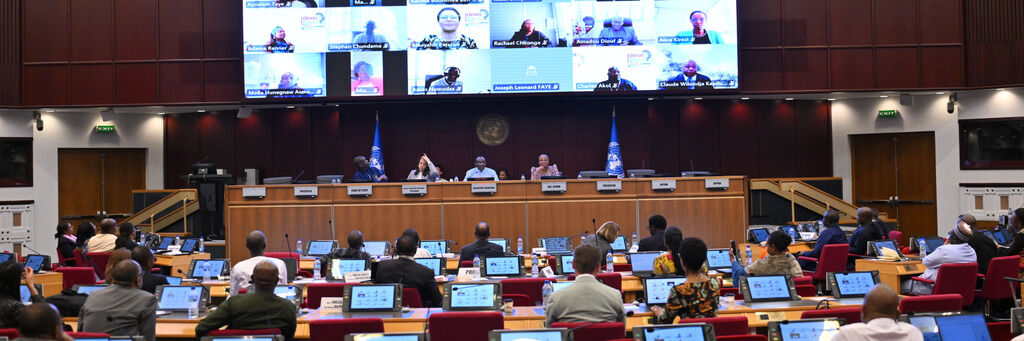
    Academic perspectives are being provided by University of Havana professors Deborah Famadas Rodriguez and Gabriel Hernandez Rodriguez from the Faculty of Mathematics and Computer Science. Meanwhile, policy insights come from Dr. Leiverg Félix Martínez Sosa, a specialist in Science, Technology, and Innovation Policy at Cuba’s Ministry of Science, Technology, and Environment, who is presenting on the national system of science and innovation programs.

    The symposium features a comprehensive program including conferences, panel discussions, poster sessions, and workshops examining current trends in food production development. Key topics span food engineering and technology, food safety protocols, quality control measures, nutritional solutions for vulnerable populations, novel product development, and the application of artificial intelligence in food science.

    Engineer Jesús Rodríguez Mendoza, Director General of the Institute of Research for the Food Industry (IIIA) and president of the organizing committee, emphasized the event’s dedication to Castro’s legacy during the opening ceremony. The IIIA, as Cuba’s leading institution for food industry innovation, is showcasing recent achievements including specialized nutritional products for elderly and pregnant populations, children’s fruit and vegetable juices, reduced-sugar alternatives, and various technical and educational services.

  • Federation of Journalists expresses support for Panamanian unions

    Federation of Journalists expresses support for Panamanian unions

    A significant labor rights confrontation is unfolding in Panama, where trade unions are engaged in a fierce struggle against executive authorities allegedly employing judicial mechanisms to suppress strike actions and social demonstrations. This development follows a motion endorsed during recent International Federation of Journalists (IFJ) Executive Committee sessions in Bari, Italy, which has since gained traction across social media platforms.

    The motion highlights the detention of two prominent construction union leaders, Jaime Caballero and Genaro López, as part of the government’s strategic approach to labor relations. The situation further intensifies with additional union representatives facing severe repercussions: Erasmo Cerrud has sought sanctuary within the Nicaraguan embassy, while Saúl Méndez lives in exile abroad.

    Beyond these high-profile cases, the document reveals a broader pattern of systematic repression. Over 180 union officials currently face legal proceedings, while approximately 1,500 workers have been dismissed from their positions following recent strikes against controversial social security reforms. These reforms have been widely criticized for undermining contributors’ rights.

    The International Federation of Journalists, established in 1926, contextualizes these events within Panama’s deteriorating labor rights landscape. The Panamanian labor movement has repeatedly submitted formal complaints to the International Labour Organization (ILO), citing consistent violations of international labor standards and systematic obstruction of collective bargaining and petition processes that are fundamental to worker representation.

  • Cuba reaffirms zero-tolerance policy against drugs

    Cuba reaffirms zero-tolerance policy against drugs

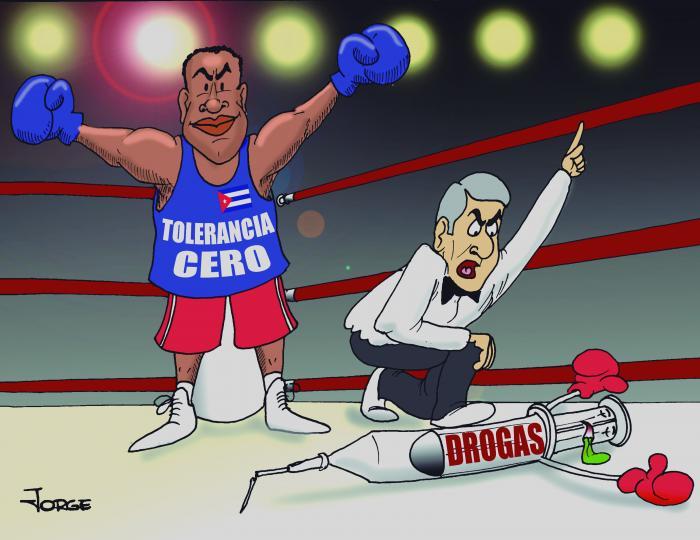
    Cuban authorities have successfully intercepted 72 separate drug smuggling attempts between 2024 and 2025, seizing substantial quantities of marijuana, cocaine, methamphetamine, and synthetic cannabinoids originating from 11 different countries. This achievement comes despite significant challenges posed by the United States embargo and the increasingly sophisticated methods employed by international drug cartels.

    At a recent press conference, Justice Minister Oscar Manuel Silvera Martínez, who chairs Cuba’s National Drug Commission, detailed the nation’s comprehensive anti-narcotics strategy. The approach combines rigorous law enforcement with extensive public education campaigns, maintaining a zero-tolerance policy toward drug trafficking and consumption. Minister Silvera emphasized that Cuba’s geographical position places it along major drug transit routes connecting South American production centers with North American consumer markets, yet the country has consistently prevented itself from becoming a significant storage or transit point for narcotics.

    Colonel Juan Carlos Poey Guerra, head of the Ministry of Interior’s Specialized Anti-Drug Enforcement Agency, highlighted emerging challenges including the proliferation of synthetic substances and innovative smuggling techniques. These include speedboat deliveries, airborne drops, and packages deliberately abandoned in Cuban waters that wash ashore due to currents and weather patterns. The recent passage of Hurricane Melissa led to the discovery of 792.5 kilograms of marijuana and 12.25 kilograms of cocaine along Guantánamo’s northern coast, demonstrating how natural phenomena can unexpectedly introduce drugs into Cuban territory.

    First Colonel Yvey Daniel Carballo Pérez of the Border Guard Troops Directorate noted that Cuba’s extensive 5,746-kilometer coastline presents substantial monitoring challenges. Despite these difficulties, authorities have captured 14 speedboats and 39 traffickers in recent operations, seizing a total of 4,487 kilograms of illicit substances. All interdiction operations have been conducted without loss of human life, even during high-speed pursuits of smuggling vessels.

    The Cuban government has intensified its anti-drug efforts through enhanced training programs, technological modernization, and sophisticated laboratory analysis that has identified 41 new synthetic drug formulations entering the country, most traced to United States origins. Community involvement remains crucial to these efforts, with coastal residents playing a vital role in reporting suspicious packages and activities.

  • Santiago marched with Fidel

    Santiago marched with Fidel

    SANTIAGO DE CUBA – Thousands of Cubans marched through the streets of Santiago de Cuba on Saturday to mark the ninth anniversary of Commander-in-Chief Fidel Castro Ruz’s interment at Santa Ifigenia Heritage Cemetery. The procession, moving from Antonio Maceo Grajales Revolution Square to the national monument, demonstrated remarkable resilience amid ongoing recovery from Hurricane Melissa and an intensified economic blockade.

    Young Adriano Giro Mustelier captured the spirit of the event, proclaiming, ‘Let’s march for Fidel, for the Revolution, and for Cuba!’ His words echoed through the crowd as participants of all ages moved along Patria Avenue to the sounds of the March of July 26 and patriotic songs.

    A university student who participated in the inaugural tribute march as a child told Granma, ‘We do this because Fidel and his example are more necessary today than ever.’ The march also served as a show of solidarity with Venezuela, expressing support against what participants termed ‘new aggressions of U.S. imperialism.’

    Concurrent with the memorial march, the Fidel Castro Ruz Center is hosting the exhibition ‘Siempre Alejandro’ (Always Alejandro) by National Prize for Plastic Arts winner Nelson Domínguez. The collection of 18 canvases in the Cinco Palmas room presents interpretive studies of Castro through striking visual allegories.

    Domínguez’s works, including pieces titled ‘Cinco Palmas,’ ‘Fidel Guerrillero,’ ‘La Guerra Necesaria,’ and ‘Fidel en la Sierra,’ explore the revolutionary leader’s legacy through symbolic imagery rather than traditional portraiture. ‘These are works in which I am searching for my Fidel,’ Domínguez explained. ‘The purpose was not to make a portrait, but an interpretation.’

    Exhibition curator Juan Martín Soler noted that Domínguez’s pieces reflect the artist’s personal experiences with Castro during the revolutionary period in the mountains and subsequent memorable encounters. The exhibition, attracting numerous young visitors, serves as another testament to Castro’s enduring presence in Cuban cultural and political life.