标签: Cuba

古巴

  • Cuba commemorates centenaries of Fidel Castro and Alfredo Guevara

    Cuba commemorates centenaries of Fidel Castro and Alfredo Guevara

    Havana witnessed the inauguration of a significant photographic exhibition on December 31st, serving a dual commemorative purpose: honoring the 67th anniversary of the Cuban Revolution’s triumph and celebrating the centenary of Che Guevara’s birth. The collection showcases profound historical moments between revolutionary leaders Fidel Castro and Ernesto ‘Che’ Guevara, emphasizing their collaborative efforts in cultivating Cuba’s cinematic and cultural landscape.

    The opening ceremony attracted prominent national figures, including Minister of Culture Alpidio Alonso, Elier Ramírez—Deputy Head of the Ideological Department of the Central Committee of the Communist Party of Cuba—and Alexis Triana, President of the Cuban Institute of Cinematographic Art and Industry (ICAIC). The event was further graced by distinguished artists and government representatives from the cultural sector.

    Central to the tribute was the enduring relevance of the two leaders’ ideological contributions. The exhibition specifically highlighted Guevara’s foundational role in establishing ICAIC and his creation of pivotal projects dedicated to the advancement of Cuban and Latin American cinema. These initiatives were consistently bolstered by the unwavering support of Commander-in-Chief Fidel Castro, underscoring a partnership that extended beyond revolution into cultural nation-building.
  • Alfredo Guevara, a cultural legacy in Cuba and Latin America

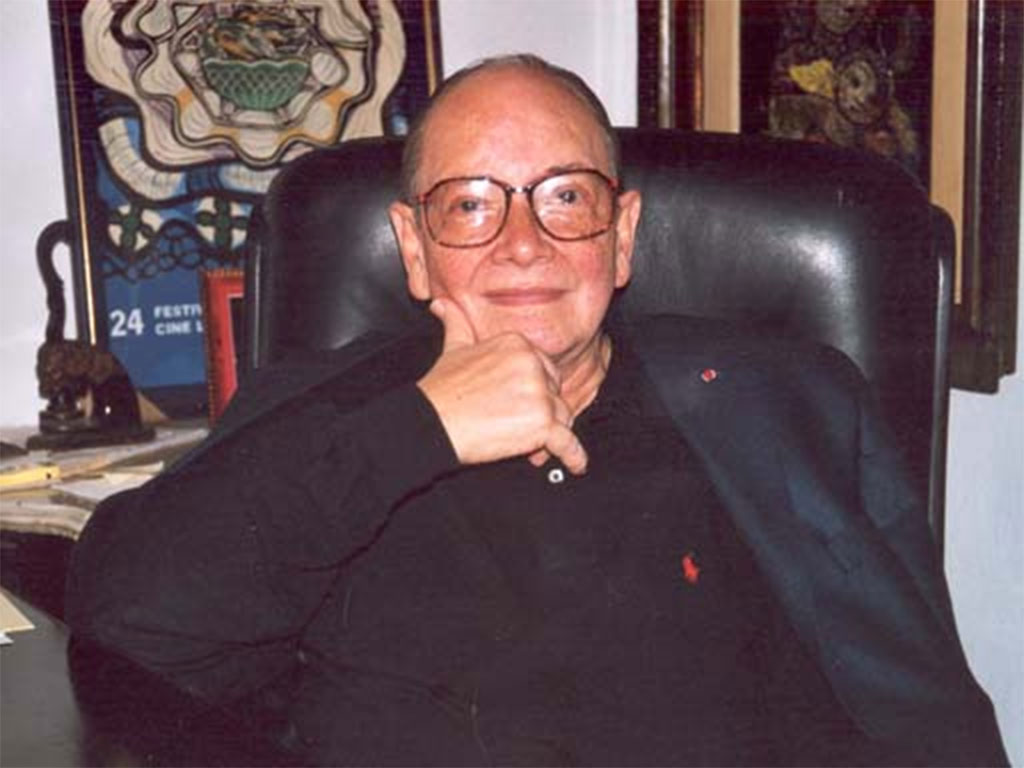
    Alfredo Guevara, a cultural legacy in Cuba and Latin America

    Alfredo Guevara’s transformative impact on Cuban culture originated during his academic years at the University of Havana, where he pursued Philosophy and Letters. It was during this formative period that he forged a historically significant friendship with Fidel Castro, which would later shape Cuba’s cultural landscape.

    Following the successful Cuban Revolution in 1959, Guevara established and assumed leadership of the Cuban Film Institute (ICAIC), marking the beginning of an extraordinary cultural revolution that extended far beyond cinema. His visionary approach led to the creation of multiple groundbreaking initiatives that would redefine Latin American cinema.

    Guevara launched the influential publication ‘Cine Cubano’ magazine and established the Latin American ICAIC Newsreel under the directorship of Santiago Álvarez. In 1960, he founded the Cuban Film Archive, simultaneously championing the extraordinary artistic development of cinematic poster art that became internationally recognized for its revolutionary aesthetic.

    His most significant musical contribution came with the establishment of the ICAIC Sound Experimentation Group, which served as the foundational incubator for the Cuban Nueva Trova Movement that revolutionized Latin American music. Among his most cherished accomplishments was the creation of the Havana International New Latin American Film Festival, which debuted on December 3, 1979. The inaugural festival attracted an unprecedented gathering of over 600 filmmakers, establishing Havana as a crucial center for Latin American cinema.

  • Doumbouya declared winner of presidential elections in Guinea

    Doumbouya declared winner of presidential elections in Guinea

    Guinea’s military leader Mamady Doumbouya has clinched a definitive victory in the nation’s presidential election, according to official provisional results announced by election authorities. Djenabou Toure, Director of the General Directorate of Elections, confirmed that Doumbouya achieved an absolute majority in the first round of voting, eliminating the need for a runoff election.

    The electoral contest featured eight additional candidates, with Abdoulaye Balde of the Democratic Front of Guinea party emerging as the distant runner-up with merely 6.6% of the total vote. Other presidential hopefuls received significantly lower percentages in the final tally.

    Approximately 6.7 million registered voters participated in the landmark election, which was conducted under a radically transformed constitutional framework. This new constitution, ratified in a September referendum, introduced sweeping changes to Guinea’s political system. Most notably, it removed previous restrictions barring military officials from seeking elected office and extended the presidential term from five to seven years.

    Doumbouya, who seized power through a military coup in September 2021 that ousted then-President Alpha Condé, entered the race as the overwhelming favorite. His transition from military ruler to elected president marks a significant political transformation for the West African nation.

    The election occurs against a backdrop of persistent economic challenges. According to World Food Programme data, despite Guinea’s substantial mineral wealth—particularly its extensive bauxite reserves—more than half of the country’s 15 million citizens continue to live below the poverty line, highlighting the economic difficulties facing the incoming administration.

  • Cuba: Marianela Nunez and Patricio Reve marked dance in 2025

    Cuba: Marianela Nunez and Patricio Reve marked dance in 2025

    The National Theater of Cuba witnessed an extraordinary celebration of ballet heritage on December 28th and 30th, as principal dancers Nunez of London’s Royal Ballet and Reve, guest artist from the same renowned British company, delivered a breathtaking performance of the classic ‘Don Quixote.’ Their artistry served as a powerful testament to the enduring legacy of the Cuban ballet school founded by Alicia, Alberto, and Fernando Alonso.

    The performance remarkably embodied the fundamental principles that maestro Alonso consistently emphasized throughout his career: the sensuality of artistic expression, meticulous attention to line, and the seamless harmony between dancers and music. Nunez and Reve moved with such natural elegance and synchronization that they appeared to caress the musical notes with their movements, creating a gentle, poetic communication between their characters.

    This guest performance, orchestrated by the National Ballet of Cuba (BNC) under the direction of prima ballerina Viengsay Valdes, carried special significance. The BNC, declared a Cultural Heritage of the Nation in 2018, concluded a challenging year by continuing its tradition of attracting world-class dance talent to the island. This cultural exchange serves to refresh and reinforce the foundations of Cuba’s prestigious ballet institution, which remains a source of immense pride throughout Latin America.

    The Argentine ballerina Nunez shares deep connections with Cuban ballet royalty, having known renowned teacher Loipa Araujo since age fourteen and previously dancing extensively with Carlos Acosta, another legendary figure from Cuba’s dance tradition. These historical ties added layers of meaning to a performance that both honored tradition and demonstrated the vibrant ongoing evolution of Cuban ballet artistry.

  • Cuban FM rejects US sanctions on Venezuela and Iran

    Cuban FM rejects US sanctions on Venezuela and Iran

    Venezuelan Foreign Minister Yván Gil has issued a formal condemnation of recently imposed United States sanctions targeting both Venezuela and Iran. Through a statement posted on his official X (formerly Twitter) profile, Minister Gil characterized the measures as ‘unilateral coercive measures’ that stand in direct opposition to international law. He asserted that the primary objective of these sanctions is to escalate pressure and aggression against the two nations.

    This diplomatic rebuke follows reports confirming that the U.S. government has enacted sanctions against a total of ten entities and individuals operating within Iran and Venezuela. The White House justification for these financial penalties cites alleged involvement in the advancement of Iran’s unmanned aerial vehicle (drone) trade and its ballistic missile development program. U.S. authorities have labeled these programs as significant threats to national security interests and the stability of its allies throughout the Middle East region.

    In an official release, the U.S. Department of the Treasury provided further context, stating that these new sanctions are designed to reinforce measures previously re-established by the United Nations. These UN sanctions specifically target Iran’s nuclear development activities. This stance is starkly contrasted by the position of Tehran, which maintains that its nuclear program is exclusively intended for peaceful, civilian purposes and is in full compliance with international non-proliferation agreements. The move signifies a continuing deterioration in diplomatic relations between the involved nations.

  • Arab League condemns new Israeli law against UN agency

    Arab League condemns new Israeli law against UN agency

    The Arab League has issued a formal condemnation of recent legislation approved by Israel’s Knesset that seeks to restrict the operational capacity of the United Nations Relief and Works Agency (UNRWA) within occupied Palestinian territories. In an official communiqué, the regional body characterized the parliamentary move as an extension of previously enacted illegal measures designed to obstruct the agency’s humanitarian mission.

    The organization emphasized that this legislative action constitutes a severe infringement upon the established immunities and privileges granted to United Nations agencies under international law. Furthermore, the Arab League characterized the Israeli legislation as a direct defiance of a recent United Nations General Assembly resolution addressing the protection of UN operations in conflict zones.

    According to the Arab League’s assessment, the implementation of this legislation would produce catastrophic humanitarian consequences by systematically undermining UNRWA’s operational capabilities. The agency maintains a critical mandate to deliver essential services that remain irreplaceable for Palestinian refugee communities across the region.

    In response to these developments, the Arab League has urgently appealed to the international community to acknowledge its collective legal and ethical obligations. The organization called for concerted diplomatic action to counter measures that threaten humanitarian operations and violate international protocols governing UN agencies.

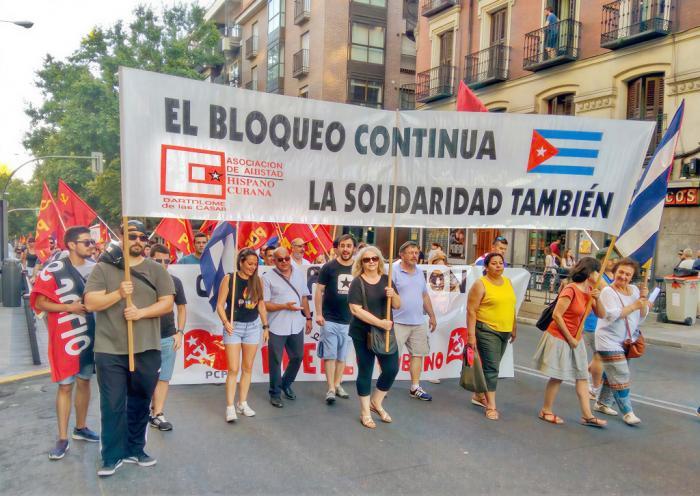
  • Solidarity with Cuba in Panama celebrates ICAP’s 65th anniversary

    Solidarity with Cuba in Panama celebrates ICAP’s 65th anniversary

    The Cuban Institute of Friendship with the Peoples (ICAP) has issued a powerful declaration reaffirming its foundational principles of international respect, affection, fraternity, and steadfast loyalty. These core values, the organization emphasized, are embodied by its personnel who represent the nation with both pride and dignity on the global stage.

    In its official communication, ICAP issued a direct appeal to the United States government, demanding the termination of an economic embargo that has been enforced for over six decades. The institute concurrently reiterated its unwavering dedication to championing Cuba’s socialist revolution, which it describes as being fundamentally humanitarian and ethical in its pursuit of comprehensive well-being and prosperity for all Cuban citizens.

    Founded under Law 901 on December 30, 1960, ICAP operates as an autonomous entity dedicated to advancing people-to-people diplomacy and fostering global solidarity. Its mission is executed through a worldwide network of friendship associations. A central component of its operational framework involves coordinating with international supporters of Cuba, including the management of volunteer work brigades. These brigades, which regularly journey to the island, serve a vital function in strengthening cross-border relationships and facilitating collaborative efforts.

  • Laos: Cuba reveals unprecedented US military deployment in Caribbean

    Laos: Cuba reveals unprecedented US military deployment in Caribbean

    In a significant address marking the 67th anniversary of the Cuban Revolution, Ambassador Viant articulated grave concerns regarding emerging threats to international norms. The diplomat asserted that current geopolitical developments pose a direct challenge to fundamental principles of trade freedom and national sovereignty, particularly undermining the proclamation that established Latin America and the Caribbean as a Zone of Peace during the 2014 Havana summit.

    The ambassador emphasized that these developments establish dangerous precedents with far-reaching implications for global stability, potentially escalating into larger conflicts that require urgent international attention to prevent widespread conflagration.

    During the commemorative event—which also honored the centenary of revolutionary leader Fidel Castro and the 50th anniversary of Kaysone Phomvihane’s historic visit to Havana—Viant identified peace as the indispensable foundation for advancing regional cooperation, fostering integration, and accelerating progress toward achieving the United Nations Sustainable Development Goals.

    Addressing domestic challenges, the ambassador detailed how the Cuban population has endured and resisted the impacts of what she described as a ‘devastating US economic blockade’ maintained for over six decades. This situation, according to Viant, has been intensified through financial restrictions, energy sector persecution, and increasingly sophisticated multidimensional warfare tactics.

    The diplomatic address also highlighted substantial advancements in Cuba-Laos relations, noting significant progress between the two nations’ governing parties, governmental structures, and parliamentary bodies. Viant pointed to expanding cooperation across multiple sectors including education, sports, healthcare, agricultural development, and scientific research.

    The ambassador specifically referenced the recent visit by Miguel Diaz-Canel, First Secretary of Cuba’s Communist Party and President of the Republic, to Laos as a demonstration of the strengthened fraternal alliance between the nations. This diplomatic engagement reportedly reaffirmed commitments to enhance economic, political, and cultural collaboration while reinforcing solidarity bonds forged through decades of shared challenges and mutual international support.

  • Building bridges, uniting wills, and cultivating peace

    Building bridges, uniting wills, and cultivating peace

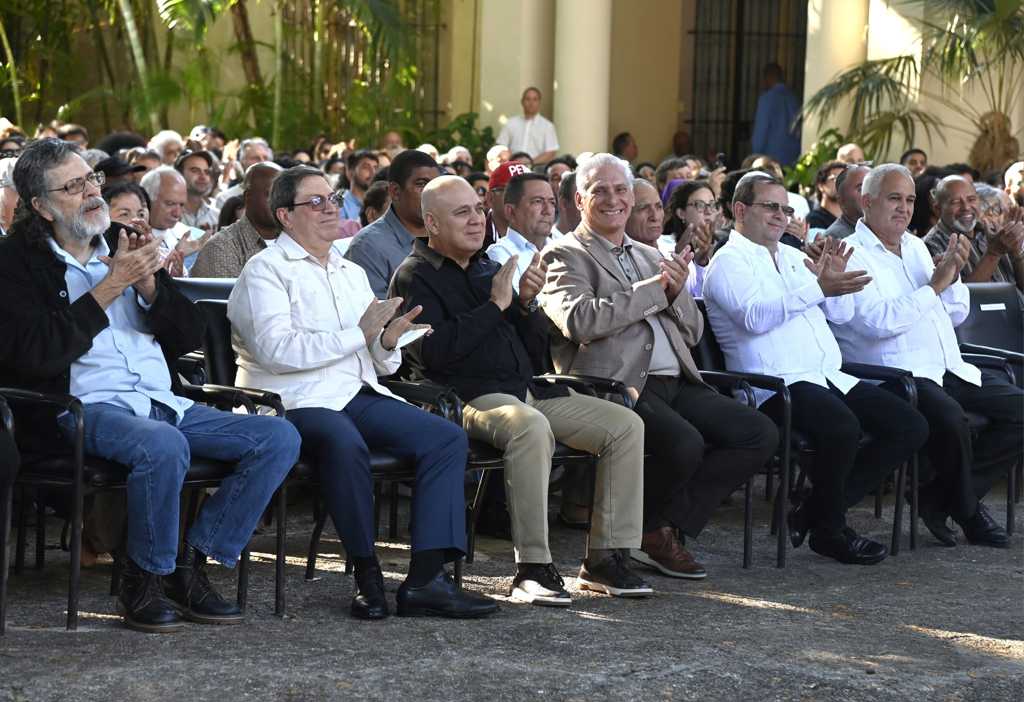
    The Cuban Institute of Friendship with the Peoples (ICAP) commemorated its 65th anniversary on December 30, 2025, with a formal ceremony attended by top government officials and international delegates. Established on December 30, 1960, through Law No. 901 published in Cuba’s Official Gazette, the organization was founded by revolutionary leader Fidel Castro during a period of heightened tensions with the United States government.

    The anniversary event was presided over by President Miguel Díaz-Canel Bermúdez, alongside high-ranking officials including Foreign Minister Bruno Rodríguez Parrilla and Organization Secretary Roberto Morales Ojeda. Also present were Cuban Heroes, ICAP President Fernando González Llort, and Gerardo Hernández Nordelo, National Coordinator of the Committees for the Defense of the Revolution.

    ICAP President González Llort addressed 240 international guests from 32 countries, emphasizing the institute’s enduring mission to “build bridges, unite wills, and cultivate peace” across global boundaries. He highlighted the organization’s critical role in developing Cuba’s international solidarity network, which now encompasses over 1,900 organizations across 151 countries worldwide.

    The ceremony included recognition of long-serving ICAP employees and presented commemorative stamps to approximately twenty organizations and personalities. Throughout its 65-year history, ICAP has facilitated the establishment of solidarity committees with Cuba across five continents and provided international support through initiatives like the renowned Henry Reeve Cuban Medical Brigade.

    The institute continues to function as a fundamental pillar in maintaining Cuba’s diplomatic relationships and people-to-people connections despite ongoing geopolitical challenges, serving as a testament to Cuba’s commitment to international cooperation and mutual understanding.

  • Diaz-Canel: ICAP is a bridge between peoples, a voice for just causes

    Diaz-Canel: ICAP is a bridge between peoples, a voice for just causes

    Cuban President Miguel Díaz-Canel has publicly commemorated the 65th anniversary of the Cuban Institute of Friendship with the Peoples (ICAP), utilizing social media platform X to honor the institution originally established by revolutionary leader Fidel Castro.

    In his digital tribute, Díaz-Canel emphasized the organization’s enduring relevance, stating: ‘Guided by Fidel’s visionary principles and foundational ideology, ICAP maintains—and now more than ever—its crucial mission of bridging nations and championing humanity’s most noble causes.’

    The President characterized the anniversary celebrations as possessing ‘particular symbolic importance,’ noting that ICAP’s headquarters has served as a epicenter for ‘dedication to peace, international friendship, and global solidarity throughout its sixty-five years of operation.’

    Echoing these sentiments, Foreign Minister Bruno Rodríguez extended official congratulations to ICAP and its personnel through the same digital platform. Rodríguez specifically recognized the institution’s ‘effectual and demanding efforts in advancing solidarity and friendship, while defending Cuba against imperialist aggression and supporting righteous global causes.’

    The commemorative events included a central ceremony held preceding the anniversary date, featuring ICAP President Fernando González. During his address, González portrayed the organization as ‘a fortress of ideals, a laboratory of friendship, and a strategic component in safeguarding the Revolution’s legacy.’