标签: Belize

伯利兹

  • Several Detained After Shooting in Belize City

    Several Detained After Shooting in Belize City

    Authorities in Belize City have taken multiple individuals into custody following a shooting event that transpired on Tuesday evening. The incident unfolded on South Street, where three men were engaged in social activities. According to police reports, an unidentified male approached the group and discharged several rounds in their direction. Miraculously, no injuries were reported from the gunfire.

    Law enforcement officials observed one of the men fleeing the scene while carrying a suspicious object, which he subsequently discarded in a neighboring property. Police immediately apprehended the individual and returned him to the original location of the shooting. A subsequent search of the area led to the recovery of a firearm equipped with a magazine containing fourteen live rounds of ammunition.

    The Belize Police Department continues to investigate the circumstances surrounding the shooting, including possible motives and the relationship between those involved. This incident marks another episode in the ongoing efforts by local authorities to address gun-related violence in urban areas. The swift response and successful recovery of weapons demonstrate improved police effectiveness in responding to such critical situations.


  • Farmers in Cayo Report Gunfire and Intimidation in Land Dispute

    Farmers in Cayo Report Gunfire and Intimidation in Land Dispute

    A severe land rights confrontation has erupted in Belize’s Cayo District, where local agriculturalists report escalating threats, gun violence, and forced eviction attempts from properties they have traditionally cultivated. Legal representative Bryan Neal has confirmed he is providing counsel to multiple farmers from San Antonio Village and adjacent communities such as Seven Miles, El Progreso, and San Ignacio.

    These agricultural workers assert generations-long peaceful occupation and farming of the disputed territories. The situation deteriorated markedly in January when an individual emerged, professing to be the designated caretaker of the land. According to Neal, this claimant has not produced verifiable legal documentation establishing his authority or ownership rights, yet has initiated aggressive measures to displace the farmers.

    The conflict turned violent when one farmer was reportedly targeted by gunfire during a recent confrontation. Although the Belize Police Department has been notified of the incident, no formal charges have been filed to date.

    Neal is urgently demanding comprehensive law enforcement investigation into the shooting allegation and is appealing to the Ministry of Natural Resources to intervene. He seeks official protection for the farmers against what he characterizes as systematic unlawful intimidation and coercive tactics aimed at dispossessing them of their agricultural livelihoods. The legal advocate emphasizes that these communities face persistent fear and instability due to the unresolved territorial dispute.

  • PSU Disappointed Following Cancelled Meeting with Belize Tax Service

    PSU Disappointed Following Cancelled Meeting with Belize Tax Service

    BELIZE CITY – February 18, 2026 – Tensions between Belize’s Public Service Union (PSU) and government authorities escalated today when a crucial negotiation meeting regarding the proposed semi-autonomous revenue authority was unexpectedly canceled. Union representatives left the Eleanor Hall visibly disappointed after arriving for what they believed would be a mediated follow-up session to address ongoing concerns about the departmental transition.

    PSU President Dean Flowers expressed profound frustration regarding the breakdown in communications. “We had a scheduled meeting with the Ministry of Finance that should have been chaired by the labor department,” Flowers stated. “This was intended as a continuation of the December 3rd mediation session that brought together multiple government entities to address our trade dispute.”

    The contentious transformation of the Belize Tax Service into a semi-autonomous body has been a point of significant conflict since November, when the union formally declared a trade dispute. The proposed restructuring has raised concerns among public service employees about job security, working conditions, and administrative changes.

    Flowers highlighted the particular disappointment of finding only minimal representation from the Project Execution Unit upon arrival, rather than the expected mediation team from the Ministry of Labor. “The absence of proper mediation representatives raises serious red flags about the government’s commitment to resolving this impasse,” Flowers noted. “Our members deserve transparent negotiations regarding this significant structural change.”

    The union leader called upon media outlets to investigate the Labor Commissioner’s and Labor Minister’s absence from the scheduled dialogue. The PSU, supported by the National Trade Union Congress of Belize, continues to seek meaningful engagement to protect the interests of tax service employees and the broader public service workforce affected by the proposed governmental restructuring.

  • BCWU Claps Back at BCWJ

    BCWU Claps Back at BCWJ

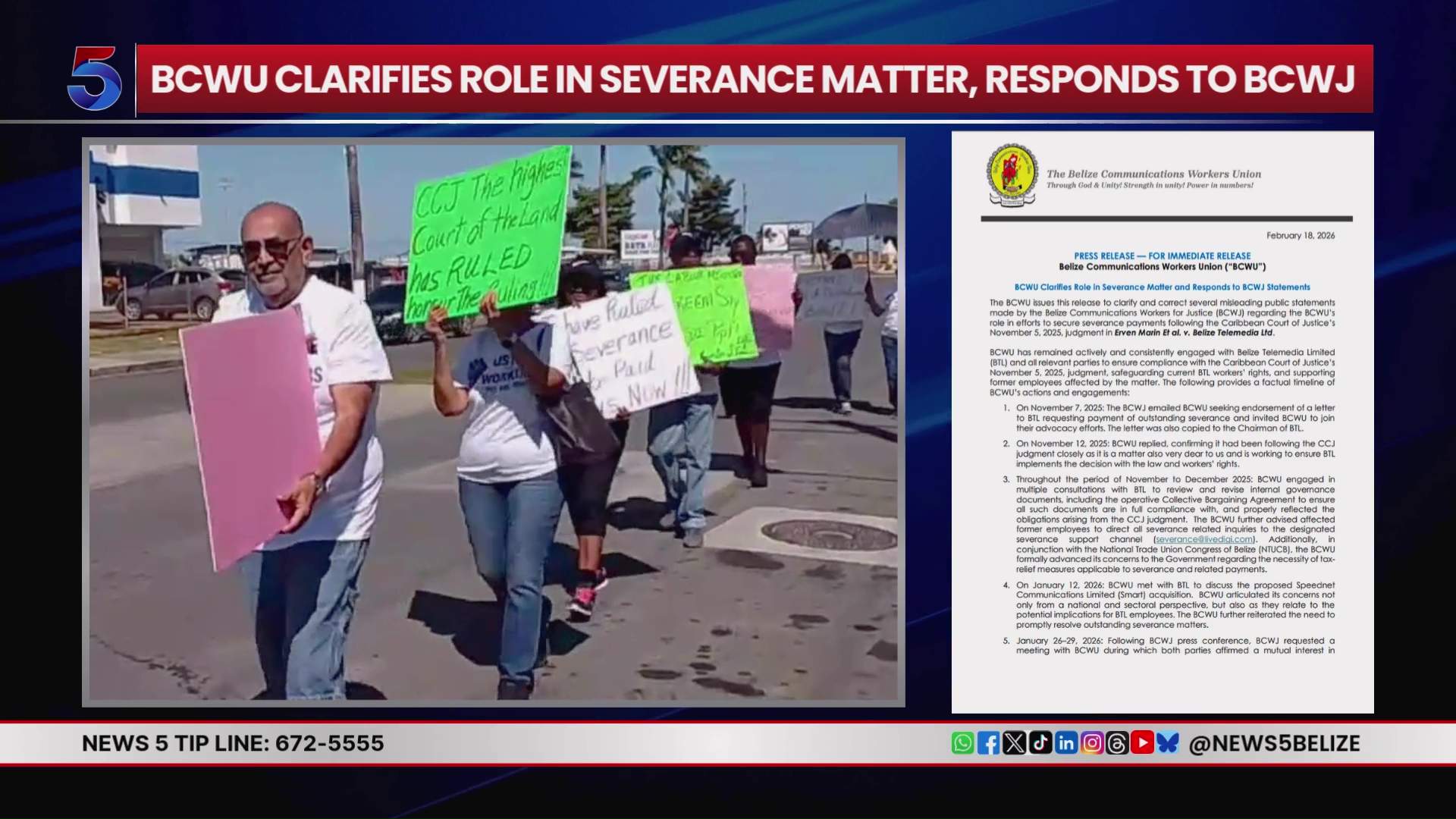
    In a significant development for Belize’s labor landscape, the Belize Communications Workers Union (BCWU) has successfully negotiated the settlement of outstanding severance payments from Belize Telemedia Limited (BTL) following a landmark Caribbean Court of Justice ruling. The breakthrough comes after months of strategic negotiations and contrasts sharply with the approach taken by a splinter labor group.

    The dispute resolution process began in earnest after the November 5, 2025 CCJ decision that unequivocally affirmed Telemedia’s obligation to provide severance payments to affected workers. Contrary to claims made by the breakaway Belize Communications Workers for Justice (BCWJ), the BCWU maintained continuous engagement with both the company and broader labor institutions throughout the negotiation period.

    Between November and December 2025, the union conducted intensive consultations with BTL management to align internal agreements with the judicial mandate. Simultaneously, the BCWU collaborated with the National Trade Union Congress of Belize to address concerning tax implications that could have diminished the value of severance packages for workers.

    Following BCWJ’s January press conference criticizing the pace of implementation, the established union extended an olive branch, inviting the rival group to join formal negotiations. BCWJ reportedly declined this collaborative approach in favor of independent protest actions. After convening an emergency membership meeting, BCWU members democratically determined not to endorse the protests officially, though individuals retained the right to show personal support outside working hours.

    The persistent diplomatic engagement yielded concrete results on February 17, 2026, when BTL formally committed to settling all outstanding severance obligations. The BCWU characterizes this outcome as a testament to constructive dialogue and respect for established labor relations processes, contrasting it with more confrontational approaches that risked destabilizing negotiations.

  • Canoe Association Opposes La Ruta Maya Finish Line Change

    Canoe Association Opposes La Ruta Maya Finish Line Change

    A proposed alteration to the final leg of Belize’s iconic La Ruta Maya canoe race has ignited significant controversy among participants and sporting officials. The race committee is considering moving the traditional finish line from the BelCan Bridge to the Grand Resort near Haulover Creek Bridge, a change that has not been formally finalized but has already generated substantial online discussion and athlete opposition.

    Carlos Linares, a veteran paddler with thirteen consecutive race participations, expressed strong objections to the potential change. He emphasized the importance of tradition, noting that the sudden proposal lacked consultation with competitors. Linares highlighted that the alteration would diminish the race’s historical significance and spectator experience, particularly criticizing new policies that charge admission for family members to watch the event—a departure from previous years’ practices.

    Elvin Penner, Vice President of the Belize Canoe Association, provided technical analysis of the proposed change’s competitive implications. He explained that the current channel approach to the BelCan Bridge creates a dramatic climax to the race due to the dense water conditions that typically determine the ultimate winner. Penner estimated the route change would eliminate approximately thirty minutes of this critical racing segment, potentially altering the fundamental character of the competition while possibly shortening the overall duration—a mixed benefit for exhausted participants.

    The controversy reflects broader tensions between event modernization and preservation of sporting heritage, with athletes questioning whether organizational decisions adequately consider competitor perspectives and tradition maintenance.

  • Rotary’s Belize Children Project Continues Transforming Lives

    Rotary’s Belize Children Project Continues Transforming Lives

    BELIZE CITY – For over fifty years, a transformative initiative has been providing critical orthopedic care to Belizean children, fundamentally altering life trajectories for those born with debilitating bone conditions. The Rotary Belize Children’s Project recently concluded its latest clinical stop at Belize Healthcare Partners, where numerous families brought their children for potentially life-changing medical assessments.

    The program addresses a profound need for specialized pediatric orthopedic care that remains largely inaccessible to many Belizean families. Through an intricate international network involving the Rotary Club of Southern Illinois and Shriners Hospitals for Children in St. Louis, the project facilitates comprehensive medical treatment including complex surgeries, rehabilitation, and ongoing care.

    Medical director Dr. Coles L’Hommedieu, an orthopedic surgeon who has volunteered with the program for seventeen years, describes the initiative as “life-altering” for both patients and providers. “We’ve helped over five hundred children during my tenure,” L’Hommedieu noted. “The bigger picture is I’m here to do good for the people of Belize above everything else.”

    The humanitarian effort extends beyond surgical theaters to include host families who open their homes to young patients during treatment periods. Kevin Sadle and his wife, who have hosted Belizean children for over a decade, recently reunited with their first patient—now a healthy 16-year-old—demonstrating the program’s lasting impact.

    Local coordination falls to the Rotary Club of Belmopan, which organizes nationwide clinics while Belize Healthcare Partners provides facilities free of charge. Ishmael Quirroz, past president of the Belmopan chapter, emphasized their commitment: “Our promise is to provide free medical care and treatment until age eighteen for those eligible.”

    The project’s success manifests in stories like that of Kideera Flowers, who received treatment for severe bow legs beginning at ten months old. Her mother Indeera recounted emotional transformation: “Some days I cried from seeing the change—from those bow legs to now up straight and tall, running like a normal child.”

    This year, ten additional children have been selected for advanced treatment at Shriners Hospital, continuing the program’s legacy of turning medical impossibilities into hopeful realities.

  • Belize Joins Challenge to Increase Glasses Coverage by Forty Percent

    Belize Joins Challenge to Increase Glasses Coverage by Forty Percent

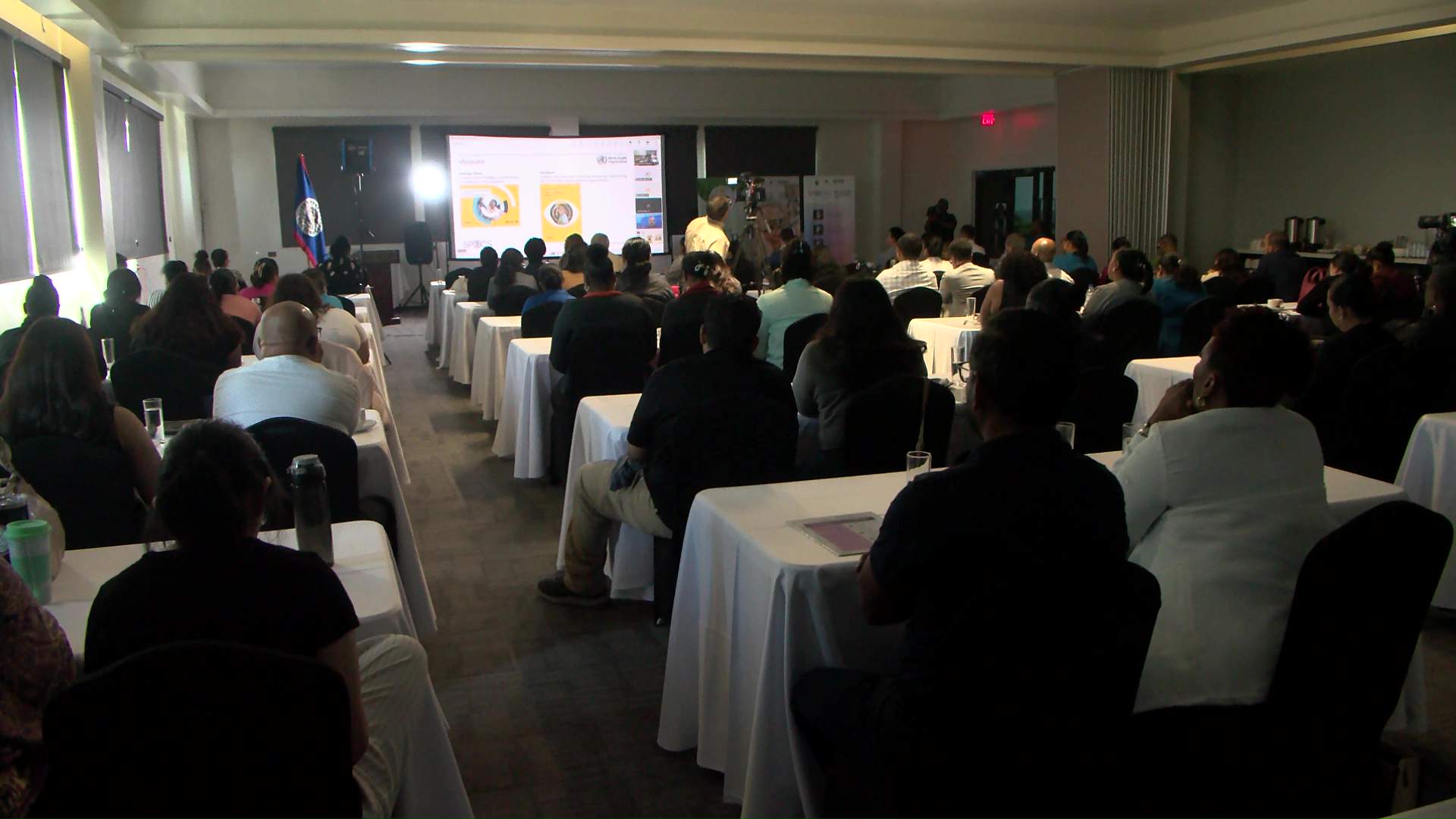
    Belize has formally aligned with the World Health Organization’s ambitious Specs 2030 initiative, marking a transformative commitment to address the nation’s vision care challenges. The groundbreaking program, unveiled during a February 18th ceremony, represents a coordinated effort to tackle uncorrected refractive errors—the predominant cause of global vision impairment.

    Dr. Melissa Diaz-Musa, Director of Public Health and Wellness, emphasized the initiative’s critical timing: “With approximately 2.2 billion people worldwide experiencing vision issues and one billion lacking access to testing and corrective glasses, this program addresses a fundamental healthcare disparity.”

    The initiative operates through five strategic pillars: Services, Personnel, Education, Cost, and Surveillance. This multidimensional approach will enhance eye care delivery systems, develop professional training programs, implement public awareness campaigns, reduce financial barriers, and strengthen data collection mechanisms.

    Carla Ayres-Musa, Executive Director of the Belize Council for the Visually Impaired (BCVI), outlined the collaborative nature of the endeavor: “This initiative creates a holistic, all-of-society approach uniting the Ministry of Health, BCVI, One Sight, Essilor Luxottica Foundation, and the Pan-American Health Organization.”

    The program specifically targets a forty percent increase in glasses coverage within four years through expanded screening initiatives. Schools will become primary intervention points, identifying students who may require vision correction but lack access to ophthalmologists or optometrists.

    Community outreach represents another crucial component, addressing cultural hesitancy around glasses adoption and emphasizing preventive eye care, particularly for aging populations. The initiative will also focus on human resource development, expanding beyond BCVI’s existing five clinics to deliver mobile services reaching remote communities.

    This partnership signifies Belize’s commitment to ensuring equitable, affordable vision care for all citizens regardless of geographic location or economic status, potentially serving as a model for other low- and middle-income nations addressing similar healthcare challenges.

  • Julian Cho Society Celebrates US$40 Million Climate Financing

    Julian Cho Society Celebrates US$40 Million Climate Financing

    In a groundbreaking development for climate justice, Belize has successfully secured approximately $40 million in climate financing dedicated to supporting indigenous Maya communities in the southern region. This substantial funding, channeled through the Green Climate Fund, represents a significant milestone as one of the first direct financing initiatives specifically led by indigenous organizations.

    The Julian Cho Society, in partnership with the Alcalde Association, will spearhead the implementation of this comprehensive decade-long project. The initiative focuses on multiple critical areas including the protection of traditional Maya lands, development of climate-resilient livelihoods, enhancement of market access for indigenous farmers, and creation of incentives for youth to remain within their communities rather than migrating.

    Pablo Mis, Executive Director of the Julian Cho Society, emphasized the revolutionary nature of this indigenous-led approach. “What is important to emphasize is that this is indigenous led,” Mis stated. “It means that it is responding to the priorities of the Maya people directly, rather than following external criteria that may not fit local needs.”

    The funding comes at a critical juncture as Maya communities face increasing challenges from climate impacts, including devastating forest fires that have threatened traditional self-sufficiency. The project aims to ensure that Maya families can continue their sustainable food production practices while simultaneously facilitating their transition into market economies through strengthened indigenous enterprises.

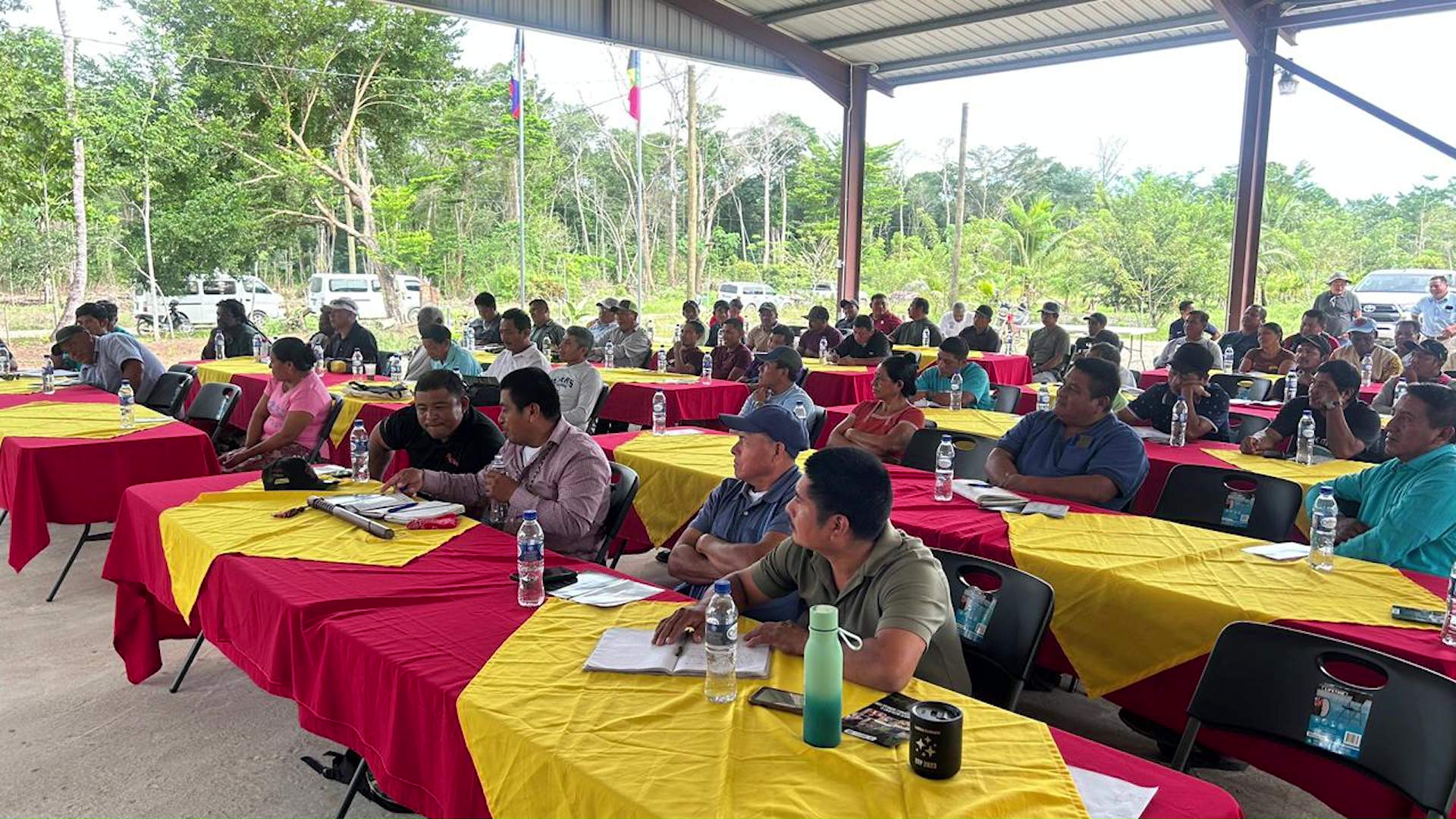
    Community consultations are already underway, with implementation expected to commence in 2027, targeting the most vulnerable Maya communities in Southern Belize.

  • San Pedranos Celebrate Juan Carnaval

    San Pedranos Celebrate Juan Carnaval

    The vibrant island community of San Pedro concluded its annual Juan Carnaval celebrations in the early hours of Wednesday morning, marking the culmination of a three-day cultural extravaganza preceding Ash Wednesday. This deeply rooted tradition, passed down through multiple generations, transforms the streets into a dynamic spectacle of dance, music, and colorful expression.

    Resident Marina Kay provided insights into the historical significance and contemporary practices of the festival. According to Kay, the celebration dates back to her great grandparents’ era and was a prominent feature of island life even during her primary school years. The modern iteration maintains this cultural continuity while adapting to contemporary participation patterns.

    This year’s festivities featured three distinct groups, each adopting unique thematic presentations across the celebration days. Participants adorned costumes reflecting their chosen themes and engaged in traditional house-to-house processions. These processions serve both cultural and charitable purposes, with collected funds directly supporting community members facing health challenges.

    Notably, the carnival has witnessed evolving participation demographics. While historically maintained by men in their thirties and forties who traditionally perform in drag with provocative dance routines, there’s been a noticeable increase in youth engagement. These cross-dressing performances remain a hallmark of the event, characterized by their sexually suggestive and intentionally outrageous choreography that challenges conventional gender norms.

    The celebration incorporates multiple sensory elements including live musical performances, the throwing of colored paint and flour, and continuous street dancing that extended through the night into Wednesday morning, preserving San Pedro’s unique cultural heritage through dynamic community participation.

  • Hundreds of Belizeans Celebrate Ash Wednesday

    Hundreds of Belizeans Celebrate Ash Wednesday

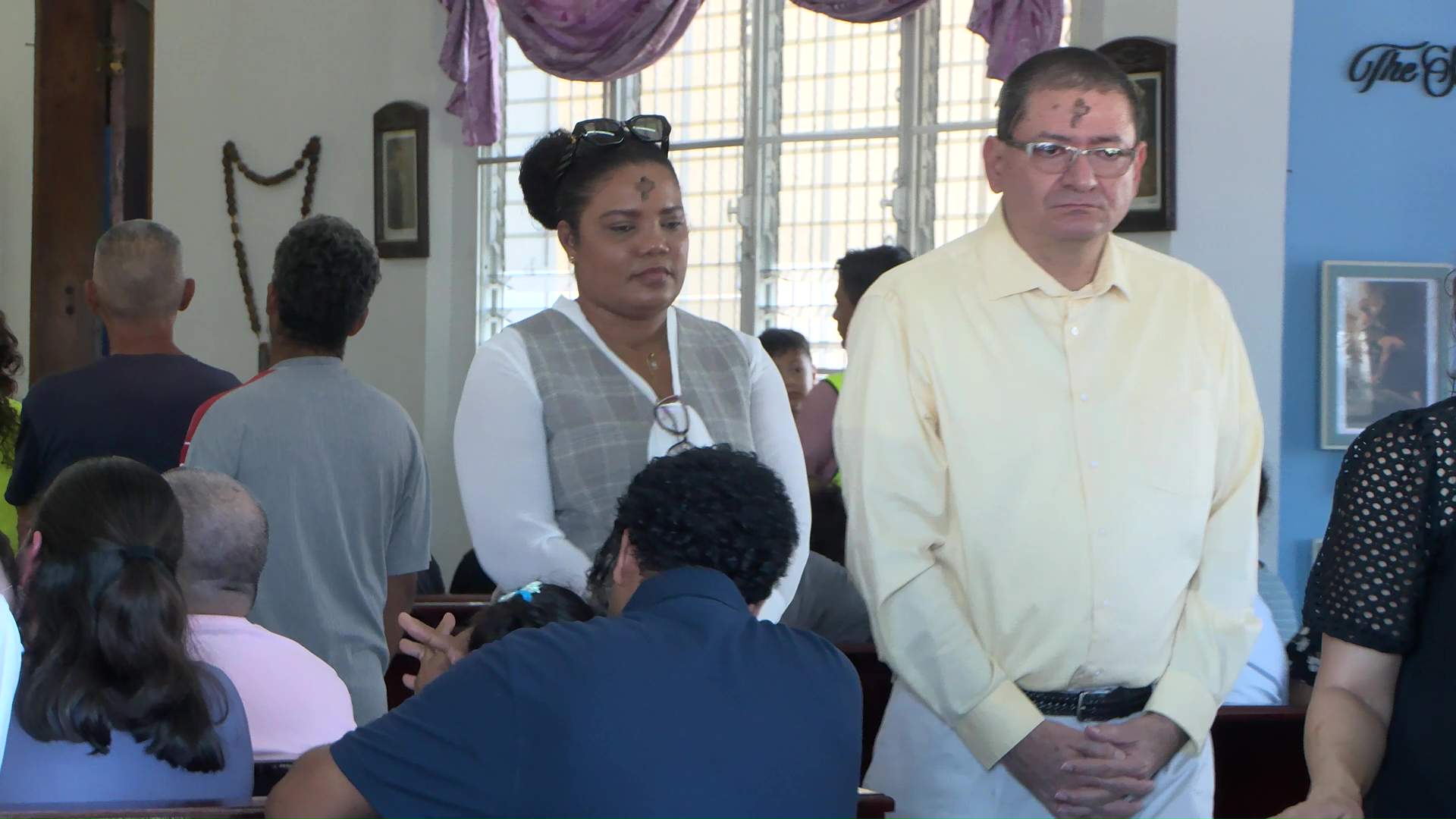
    Across Belize on February 18, 2026, Christian communities solemnly inaugurated the forty-day Lenten period through traditional Ash Wednesday ceremonies. This significant religious occasion, preceding Easter Sunday, emphasizes penitence, spiritual contemplation, and fasting practices. Nationwide churches witnessed substantial congregations participating in the symbolic imposition of ashes in cross formations upon their foreheads.

    Divine Mercy Catholic Church in Belize City served as a focal point for the observances. Father Scott Giuliani, presiding priest, articulated the theological significance: “We commemorate the divine benevolence revealed through Jesus Christ, recognizing God’s essence as absolute love and mercy. This period allows reflection upon our human imperfections while embracing divine grace that facilitates spiritual renewal through Christ’s sacrificial crucifixion.”

    Dr. Louis Zabaneh, a congregant, expressed the day’s humbling nature: “As Catholics, this communal observance reinforces biblical teachings regarding our mortal nature—from dust we originate and to dust we shall return. This realization fosters daily humility and gratitude for our Creator’s blessings.”

    Fellow attendee Aimee Jex highlighted the preparatory aspect of Lent: “The challenges of fasting and sacrifice ultimately serve as spiritual preparation. Similar to New Year resolutions, this period requires advanced planning to properly await Jesus’ resurrection.”

    The national observance maintained cultural authenticity through careful incorporation of local linguistic traditions, with Kriol language expressions preserved in standard orthography during broadcast communications.