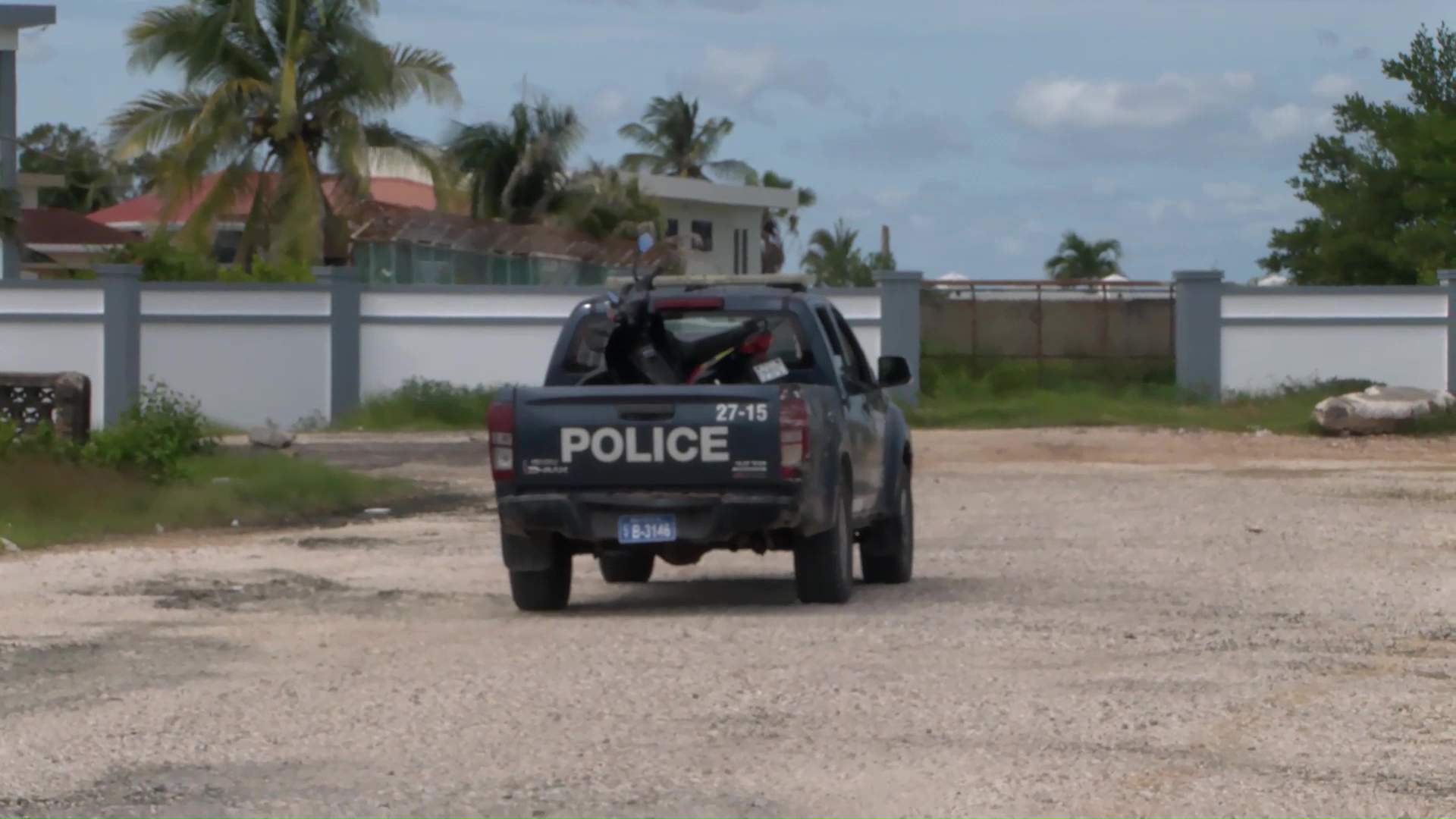
A sudden scare of gunfire at the Hangar, a popular gathering spot in Belize City, has reignited concerns over public safety and urban planning. The incident occurred on Monday night, merely days after the removal of barricades that had long restricted access to the area. Residents reported hearing what they believed to be gunfire, with some suggesting an entire ammunition clip was discharged. However, police investigations revealed no injuries or shell casings, leaving the community on edge. The timing of the event is notable, as it precedes a High Court challenge by resident Rommel Berges against the Belize City Council. Berges contends that the barricades, while intended to curb crime, posed significant safety risks by obstructing emergency vehicle access. For years, the Hangar has been a focal point of complaints, with locals decrying its reputation for drug activity, noise pollution, and criminal behavior. While some residents advocated for the barricades and even proposed subdividing the land, others opposed these measures. The council’s decision to remove the barriers ahead of the court case has left the future of the public road uncertain, raising questions about how to balance safety and accessibility in urban spaces.
标签: Belize
伯利兹
-
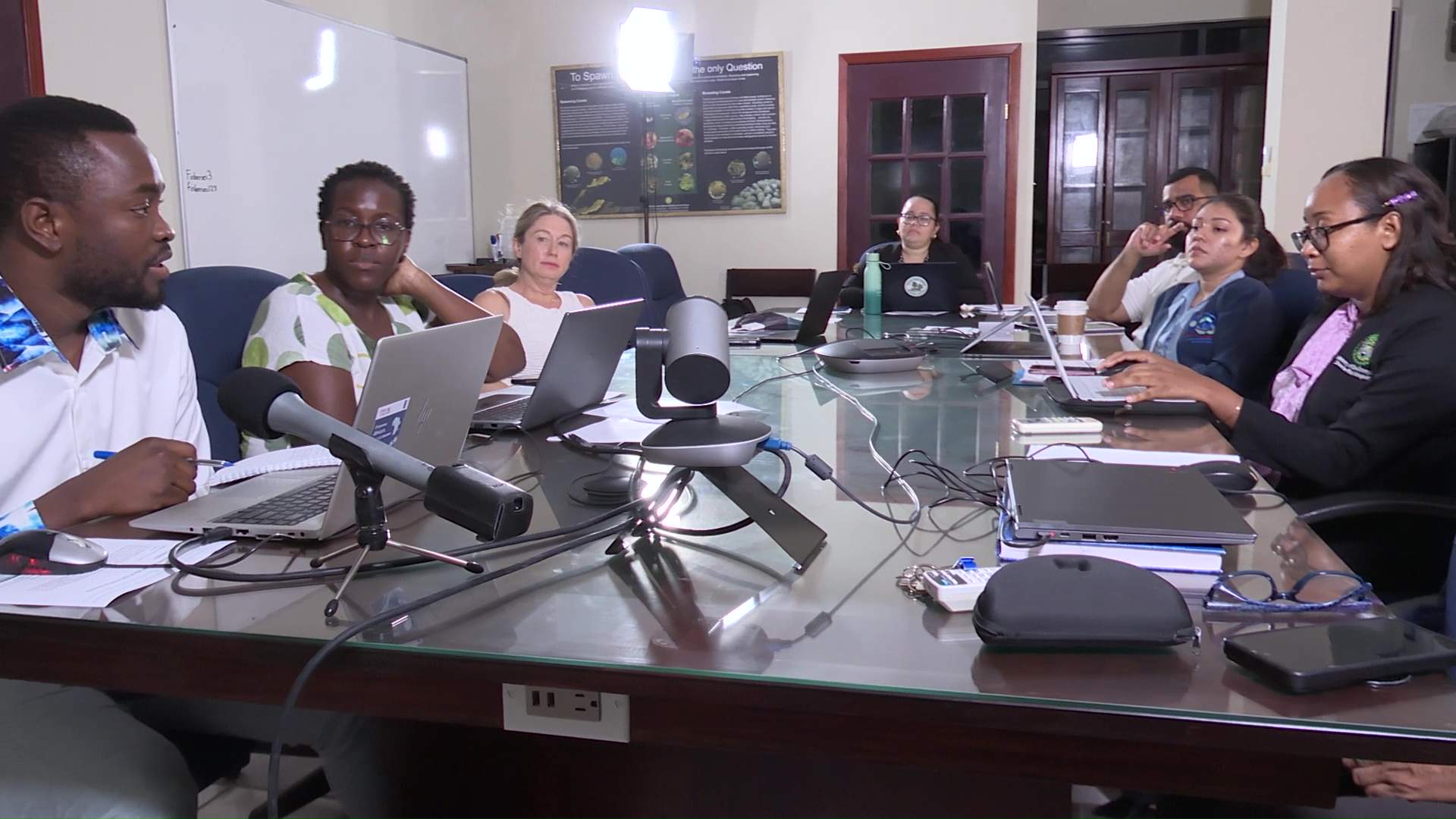
Belize at Center of the Blue Economy Exchange
Belize has emerged as a key player in the global effort to balance economic growth with marine conservation through the Blue Economy. Partnering with the African Union and the Global Water Partnership, Belize is hosting a groundbreaking knowledge exchange aimed at fostering sustainable ocean development. This initiative, supported by the Global Environment Facility (GEF), focuses on practical solutions such as sustainable fisheries, marine spatial planning, and innovative financing mechanisms. Two major projects—the African Small Island Developing States (SIDS) Blue Economy Project and PROCARIBE+—are driving this collaboration. The exchange aims to share best practices and develop policies that ensure the Blue Economy benefits both people and the planet. Carlie Gillett, Project Officer for the Blue Economy, emphasized the importance of mutual learning between projects to advance sustainable fisheries and marine planning. Sonia Gautreau of the UNDP highlighted the role of the International Waters Learning Exchange and Resources Network (IW Learn) in facilitating global collaboration. For African SIDS, the priority is establishing robust policies and frameworks to scale the Blue Economy across the continent. Shamiso Kumbrai, representing the African SIDS Project, noted the significance of on-the-ground implementation, which Belize exemplifies. Samir Rosado of the Coastal Zone Management Authority and Institute (CZMAI) underscored Belize’s vision of a healthy, resilient ocean that supports both economic prosperity and cultural well-being. The knowledge exchange, set to conclude later this week, promises to influence ocean policy and sustainable development strategies worldwide.
-
Belizean Students Face New Normal in Jamaica
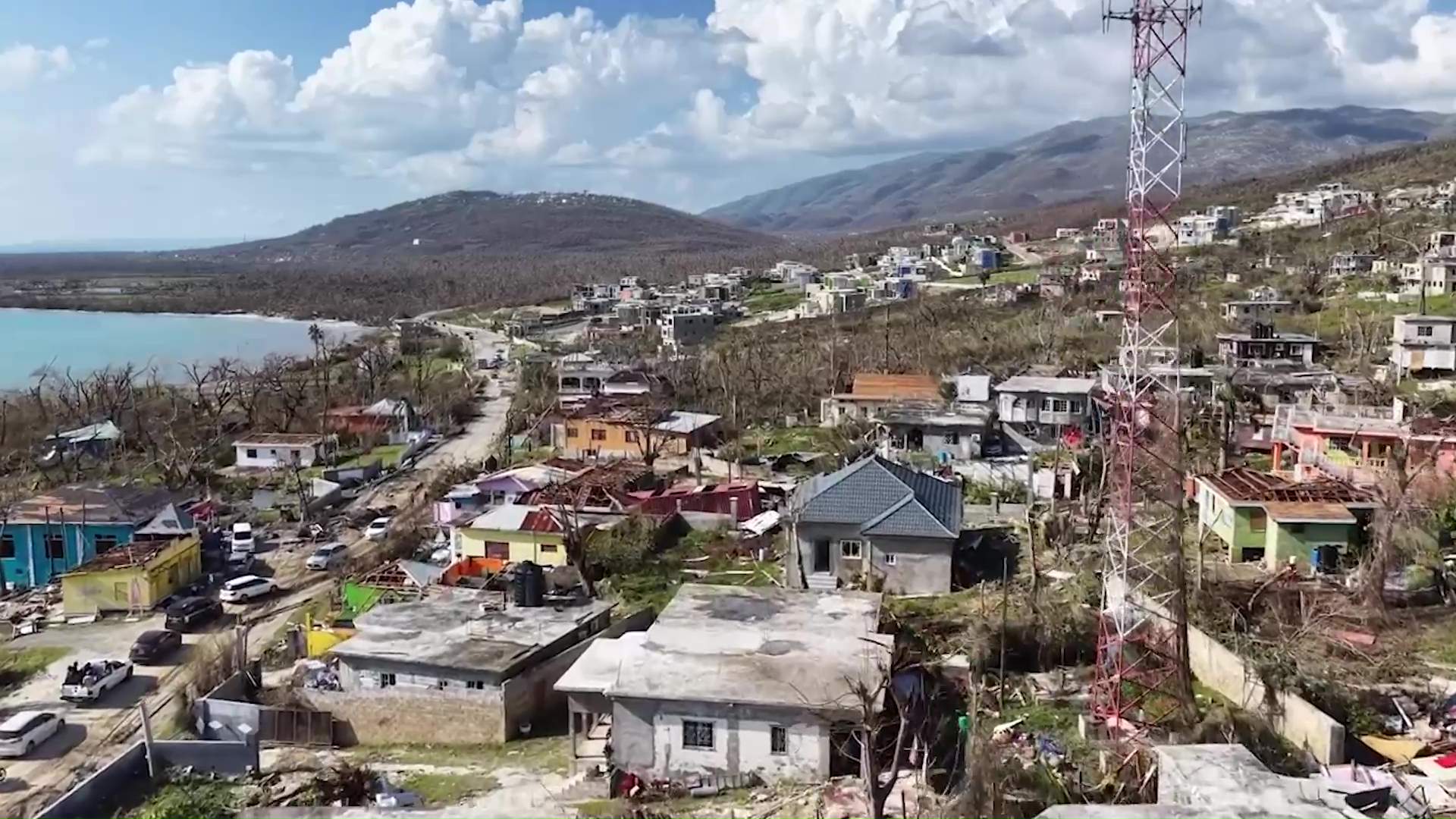
Belizean students in Jamaica are demonstrating remarkable resilience in the aftermath of Hurricane Melissa, a catastrophic Category Five storm that struck the region just a week ago. Despite the devastation, all Belizean students are safe and accounted for, and they have already resumed their studies through online classes. The University of the West Indies (UWI) has extended support, offering counseling services and adopting a hybrid learning model to help students recover while gradually transitioning back to in-person classes.
Bernard Pitts, President of the Belizean Student Association of Jamaica (BELSAJ), highlighted the progress made in distributing relief supplies, including food packages, to students. However, financial strain remains a pressing issue. Many students exceeded their budgets while preparing for the storm, covering costs for transportation, accommodation, and emergency supplies. Pitts emphasized the need for financial assistance to alleviate these burdens.
In a show of solidarity, Belizean students are planning to donate some of their relief supplies to Jamaican communities that were severely impacted by the hurricane. Jamaican Belizean activist Moses Sulph echoed this sentiment, calling on the Belizean public to contribute to relief efforts, emphasizing the importance of humanitarian support during such crises.
Despite the challenges, the students’ determination to adapt and support others underscores their resilience and community spirit. Shane Williams reports for News Five.
-

Regional Response Ramps Up After Melissa’s Fury
Jamaica is grappling with the aftermath of Hurricane Melissa, a catastrophic Category 5 storm that struck the island on October 28, 2025. The hurricane brought devastating winds, severe flooding, and destructive storm surges, leaving thousands displaced and entire communities without power. The hardest-hit areas include St. Elizabeth, St. James, Trelawny, Manchester, Hanover, and Westmoreland. In response, regional organizations have swiftly mobilized to provide aid. The Caribbean Public Health Agency (CARPHA) led the charge, with Executive Director Dr. Lisa Indar joining a high-level CARICOM delegation just two days after the storm. The team, which included representatives from the Caribbean Disaster Emergency Management Agency (CDEMA), the Caribbean Development Bank, and the Caribbean Institute for Meteorology and Hydrology, immediately began assessing the damage and coordinating relief efforts. On November 1, the delegation met with Jamaican Prime Minister Andrew Holness and Health Minister Dr. Christopher Tufton to outline a comprehensive public health response. As Jamaica embarks on its recovery journey, the region has demonstrated remarkable solidarity in the face of this natural disaster.
-
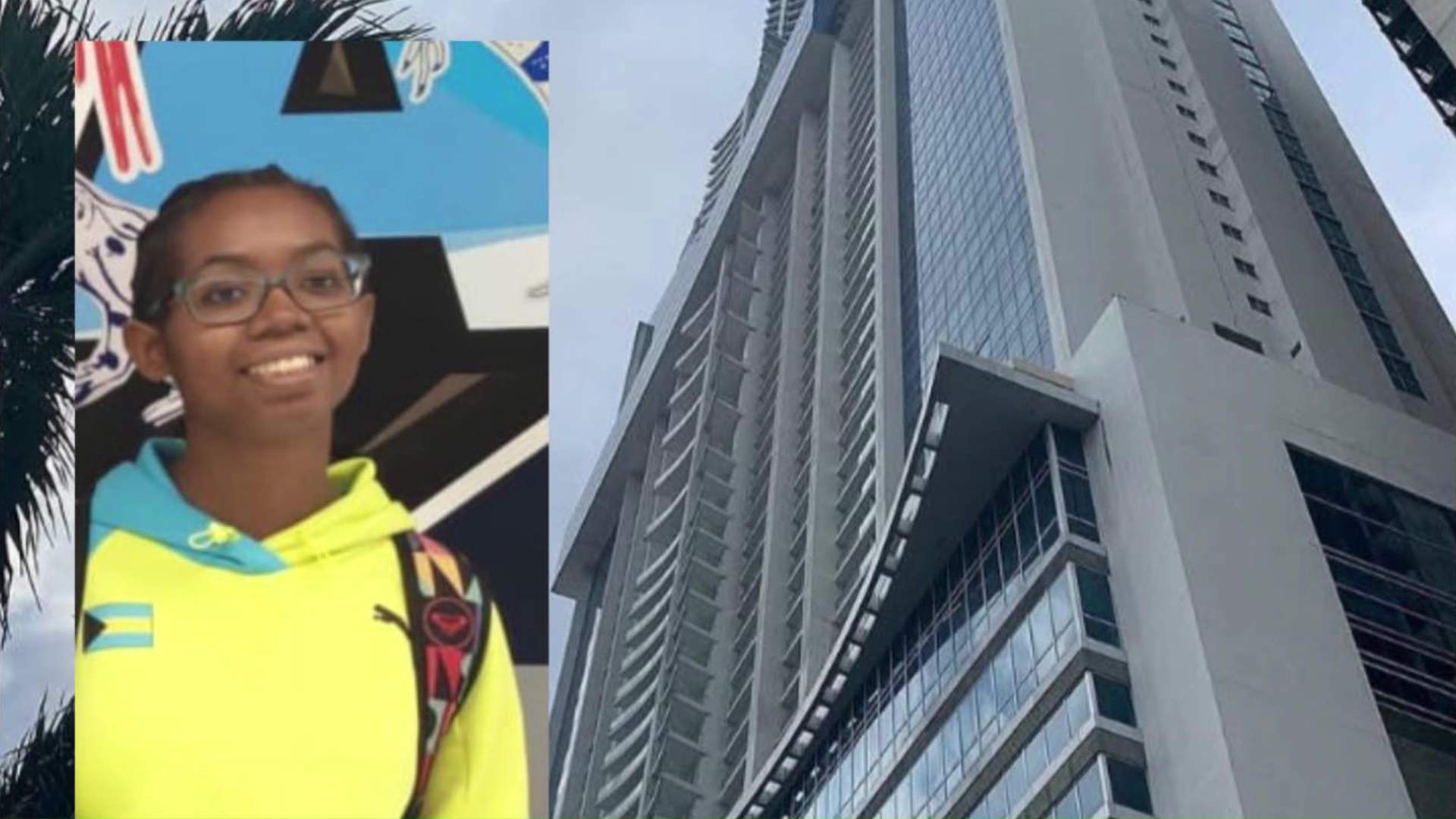
16-Year-Old Student Falls to her Death at Robotics Competition in Panama
A somber cloud descended over the FIRST Global Challenge 2025 in Panama as a tragic incident claimed the life of a young participant. Madeline Thompson, a 16-year-old student from St. Augustine’s College in the Bahamas, fell to her death during the international robotics competition. The event, which took place from October 29 to November 1, brought together teams from across the globe, including a contingent from Belize High School. The final day of the competition turned into a day of mourning when Thompson’s body was discovered near a public pool on the twelfth floor of the venue at approximately 6 a.m. Initial reports indicate that she had been staying on the twenty-seventh floor with two peers. The circumstances surrounding her fall remain unclear, and Panamanian authorities have yet to determine if foul play was involved. The Bahamian Ministry of Foreign Affairs has stepped in to assist, collaborating with local officials and Thompson’s parents, who were present at the event, to navigate the aftermath of this devastating loss.
-
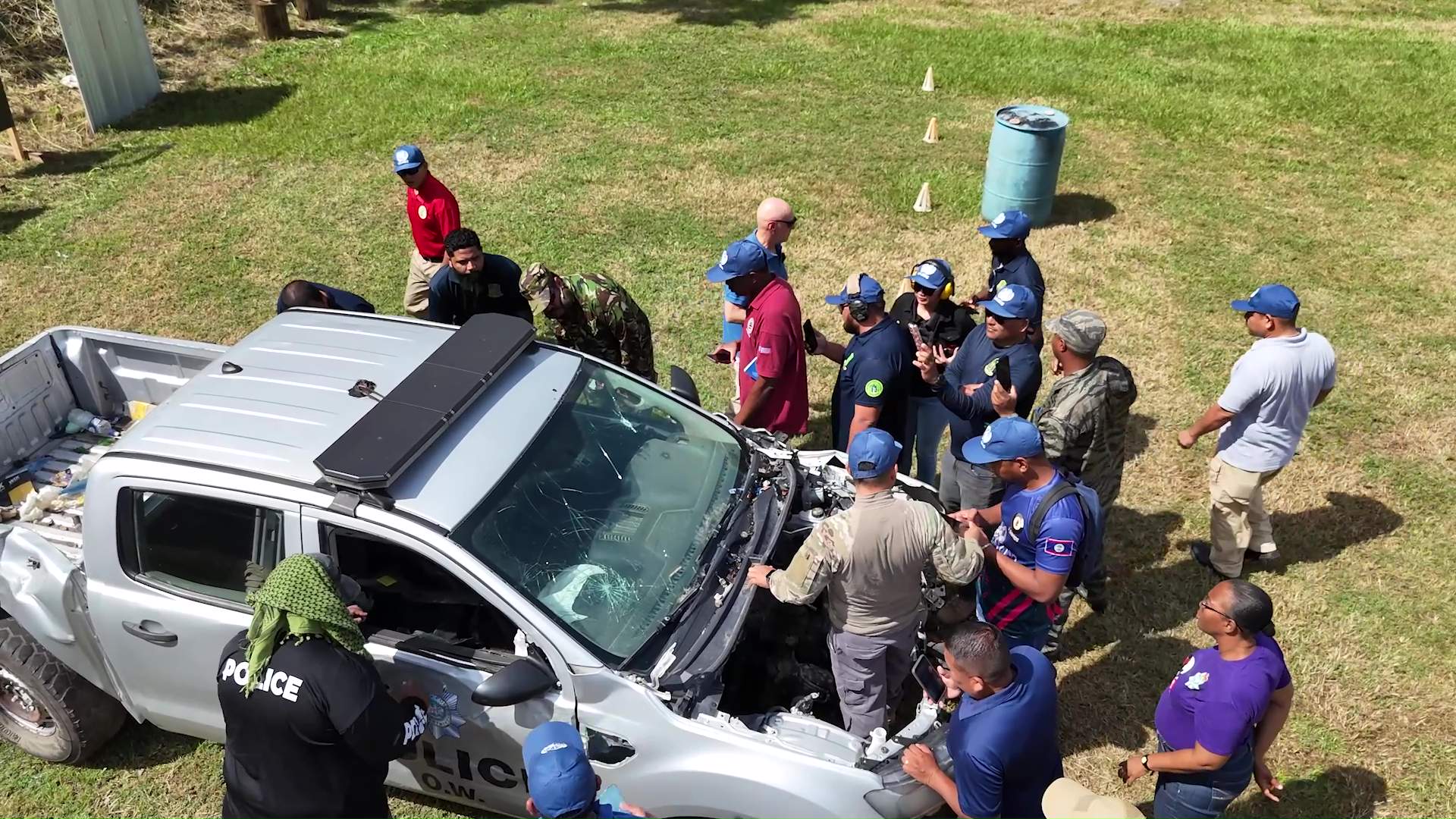
New Training Helps Officers Solve Gun Crimes
In a significant move to combat gun violence, Belizean police officers are undergoing specialized training to improve their ability to investigate shooting incidents. This initiative, led by the Ministry of Home Affairs in collaboration with the U.S. Government, is part of the Caribbean Firearms Roadmap—a regional strategy Belize has adopted alongside other CARICOM nations. The training focuses on equipping officers with advanced techniques to reconstruct crime scenes, analyze evidence, and strengthen prosecutions.
-
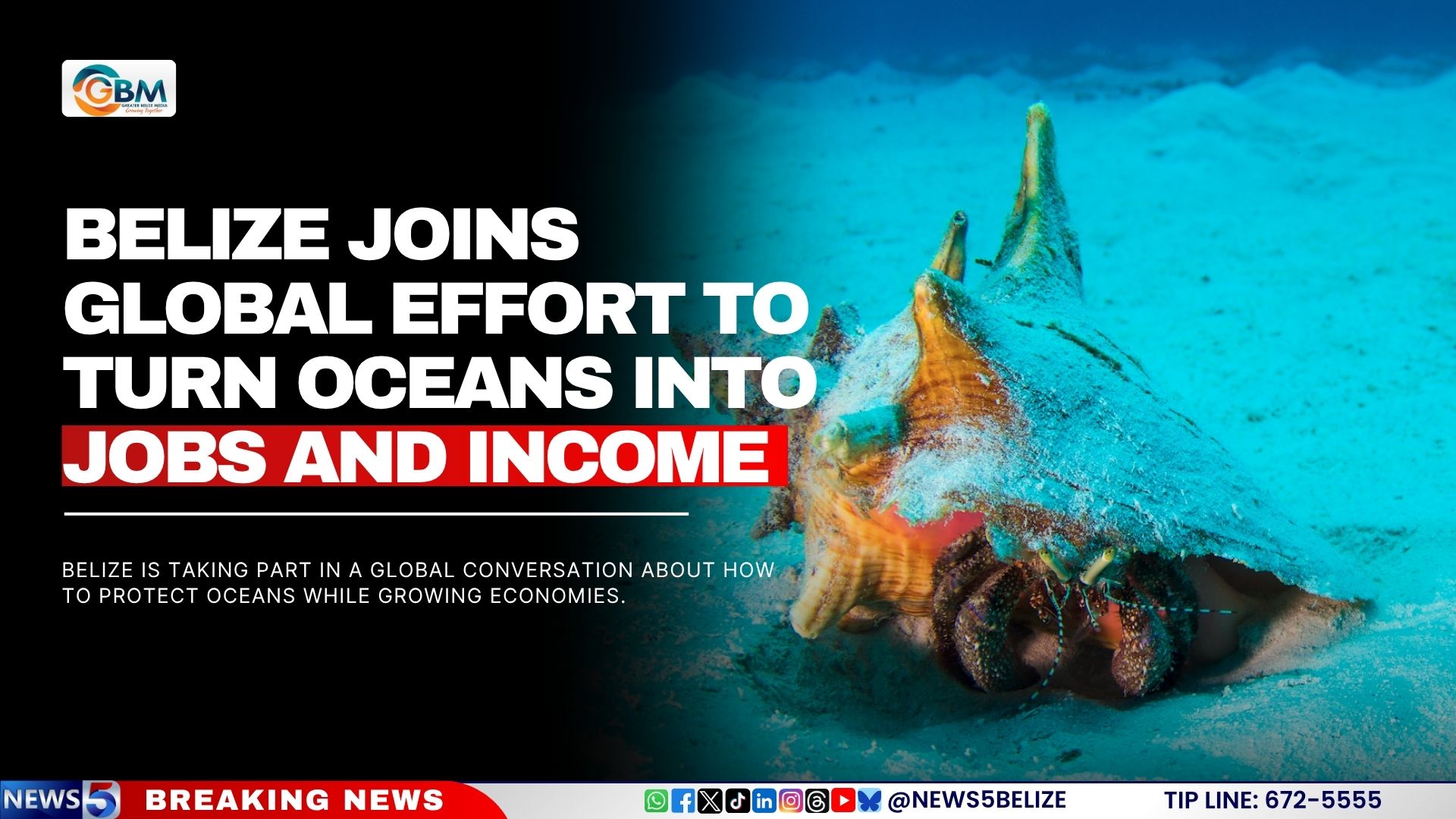
Belize Joins Global Effort to Turn Oceans Into Jobs and Income
Belize has joined a worldwide initiative aimed at transforming ocean conservation into economic opportunities. Partnering with the African Union and the Global Water Partnership, the country is actively participating in a knowledge-sharing platform centered on the Blue Economy. This innovative approach seeks to generate employment and boost income while ensuring the sustainability of marine ecosystems. The Blue Economy emphasizes responsible practices such as sustainable fishing, strategic marine planning, and innovative financing for ocean-related projects. Belize is not only contributing its own successful strategies but also gaining insights from global partners. Samir Rosado, MSP Process Lead at the Coastal Zone Management Authority and Institute (CZMAI), highlighted the vision of a healthy, resilient ocean that supports economic growth and cultural well-being for all Belizeans. This collaboration is part of a broader global network connecting ocean and water projects worldwide, with the potential to influence policies across the Caribbean and Africa. Throughout the week, officials are expected to exchange ideas, examine practical examples, and identify actionable strategies to make the Blue Economy a reality for all stakeholders.
-
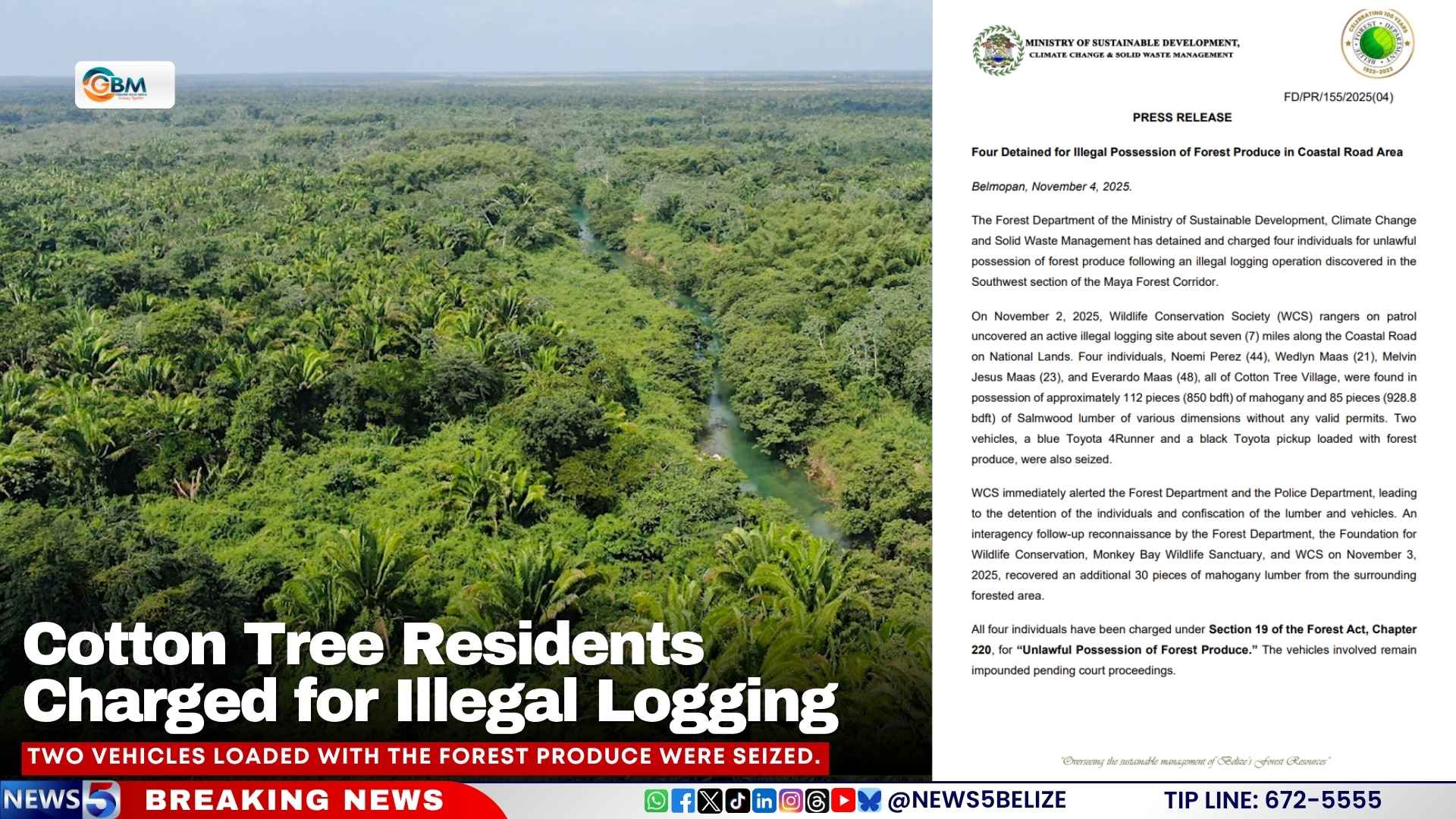
Cotton Tree Residents Charged for Illegal Logging
Four residents of Cotton Tree Village in Belize have been formally charged for the illegal possession of forest produce following the discovery of an unauthorized logging site in the Maya Forest Corridor. The Belize Forest Department revealed that the operation was uncovered on Sunday by rangers from the Wildlife Conservation Society. The site contained significant quantities of mahogany and salmwood lumber, with the individuals found in possession of approximately 112 pieces of mahogany and 85 pieces of salmwood without valid permits. The accused have been identified as Noemi Perez, 44, Wedlyn Maas, 21, Melvin Jesus Maas, 23, and Everardo Maas, 48. Authorities seized two vehicles loaded with the illegal lumber and charged the individuals under Section 19 of the Forest Act for ‘Unlawful Possession of Forest Produce.’ A subsequent operation recovered an additional 30 pieces of mahogany from the surrounding forested area. The Forest Department has called on the public to assist in safeguarding Belize’s forests by reporting suspicious activities to their hotline at 610-1524.
-

US Hits 35 Days of Government Shutdown
The United States has reached a critical milestone as the government shutdown enters its 35th day, tying the record for the longest shutdown in the nation’s history. This unprecedented standoff, reminiscent of the 2018 shutdown during President Donald Trump’s first term, stems from a bitter impasse between Trump and congressional Democrats over healthcare and funding priorities. The prolonged gridlock has left hundreds of thousands of federal workers without pay, disrupted essential public services, and created widespread uncertainty across the country. Airports are experiencing significant delays due to staffing shortages, food banks are struggling to meet surging demand, and an estimated 42 million Americans relying on the Supplemental Nutrition Assistance Program (SNAP) are facing growing desperation as their monthly benefits remain in limbo. The shutdown’s ripple effects extend beyond domestic borders, impacting US-funded initiatives in countries like Belize, where programs supported by agencies such as USAID, the State Department, and the Peace Corps have been halted. These initiatives, which focus on climate resilience, education, governance, and security partnerships, are now in jeopardy. Social media accounts for these agencies have remained inactive since October 1, with posts citing the lapse in appropriations. While essential diplomatic and consular functions continue, non-urgent activities like visa processing, exchange programs, and grant disbursements are being handled only “as the situation permits.” With no resolution in sight, the shutdown continues to fuel concerns for both domestic and international stakeholders.
-
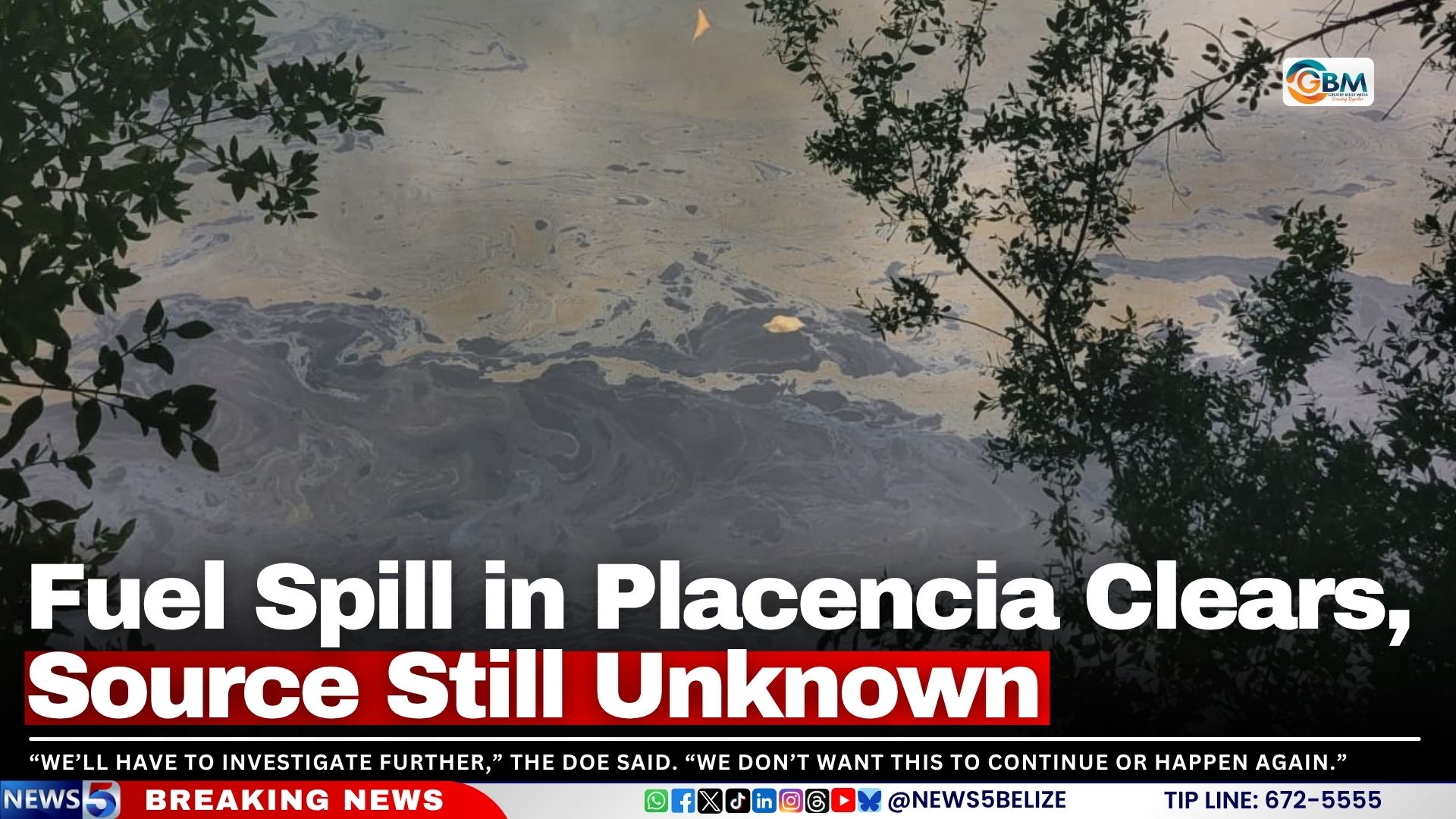
Fuel Spill in Placencia Clears, Source Still Unknown
The fuel spill that caused alarm among Placencia residents over the weekend has now dissipated, according to the local fire department. However, the source of the spill remains unidentified, raising concerns about the potential for future incidents. Initial tests conducted by the Department of Environment (DOE) confirmed that the substance was gasoline, which spreads rapidly and evaporates more quickly than heavier fuels like oil. Officials estimate that the spill affected approximately 0.3 acres of water in the Placencia Channel. Residents first noticed a strong gasoline odor and a rainbow-like sheen on the water late Saturday evening. Many initially suspected a nearby gas station, but thorough inspections of its pipelines, dispensers, sumps, and tanks revealed no leaks. The DOE indicated that the gas station is located slightly south of the affected area and that the contamination likely originated from another source. Local residents have suggested other possible culprits, including an old crane stationed nearby and a sailboat that reportedly sank two to three months ago. Additionally, there is a boatyard in the vicinity, though officials confirmed no incidents occurred there. The DOE emphasized the need for further investigation to prevent future occurrences. While the immediate environmental threat has subsided, the search for answers continues.