标签: Belize

伯利兹

  • Late-Night Shooting in Caye Caulker Leaves One Man Hospitalised

    Late-Night Shooting in Caye Caulker Leaves One Man Hospitalised

    BELIZE – A violent evening unfolded across Belize on February 13th, 2026, with two separate shooting incidents occurring within hours of each other, resulting in two men being hospitalized and multiple suspects detained.

    The first episode transpired in the tranquil tourist destination of Caye Caulker Village. At approximately 9:00 p.m., local law enforcement responded to alerts of gunfire in the Bahia precinct. During their investigation, officers intercepted a golf cart en route to the island’s medical facility. Inside, they discovered 22-year-old Dominic Castillo suffering from a severe injury consistent with a gunshot wound to his back.

    Mr. Castillo received initial emergency treatment at the Caye Caulker Clinic before being airlifted to the Karl Heusner Memorial Hospital in Belize City for advanced care. Medical authorities have reported his condition as stable. A significant breakthrough in the case occurred with the confiscation of a loaded 9mm firearm. This led to the immediate apprehension of 29-year-old Javan Moody, who is currently held for questioning regarding the weapon’s involvement.

    In a concurrent development, the capital city of Belize witnessed its own act of gun violence. Around 10:00 p.m. on Cleghorn Street, 49-year-old security guard Justo Pinelo became the victim of a shooting. He sustained injuries and was promptly transported to a medical center for treatment. Law enforcement officials confirmed the detention of two juveniles believed to be connected to this assault.

    Authorities are actively pursuing investigative leads for both cases but have not indicated any connection between the two geographically distinct events. These incidents have sparked renewed community concern regarding public safety and gun violence in the region.
  • Verdict Nears in Bobby Garcia Murder Case

    Verdict Nears in Bobby Garcia Murder Case

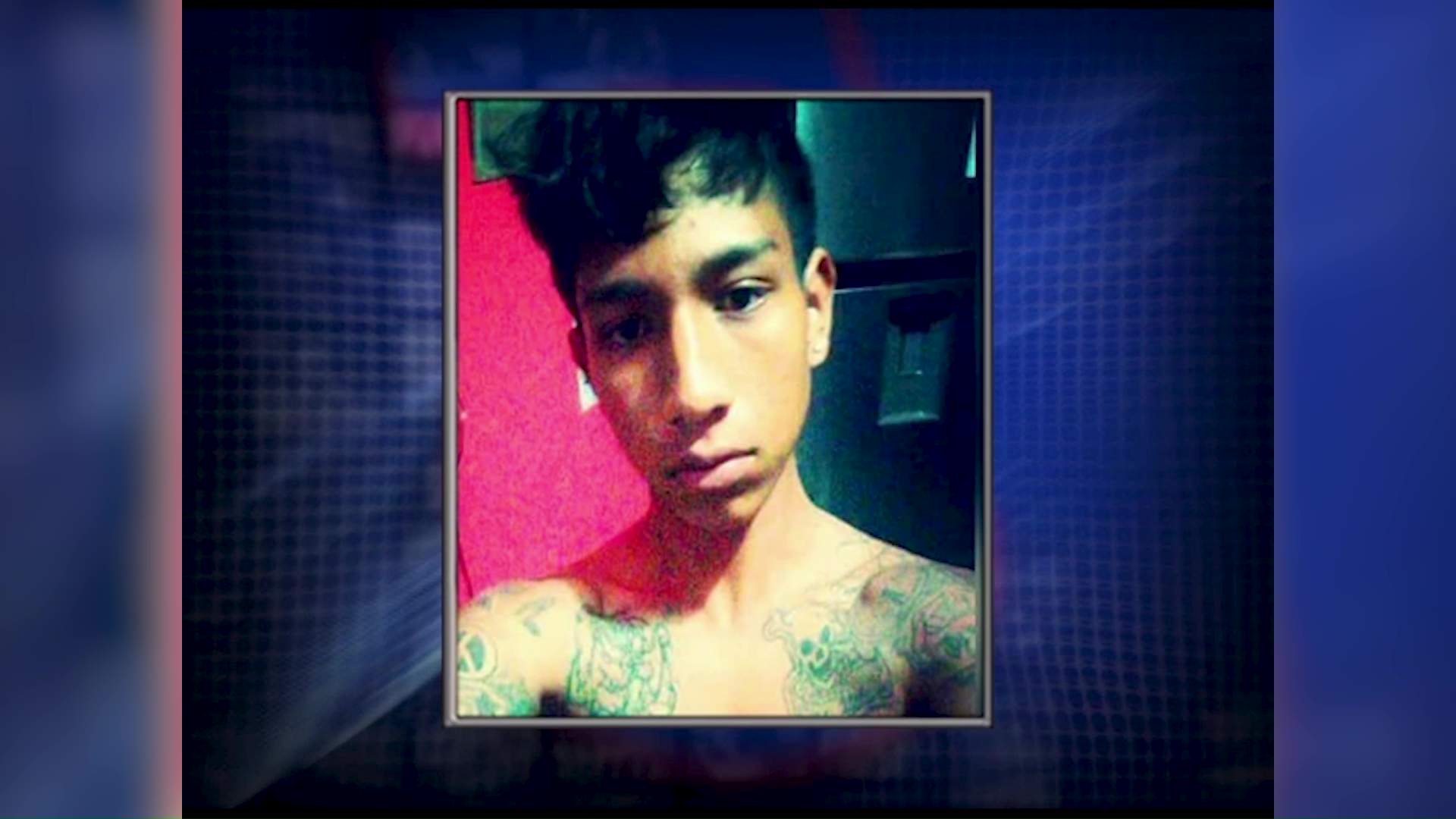
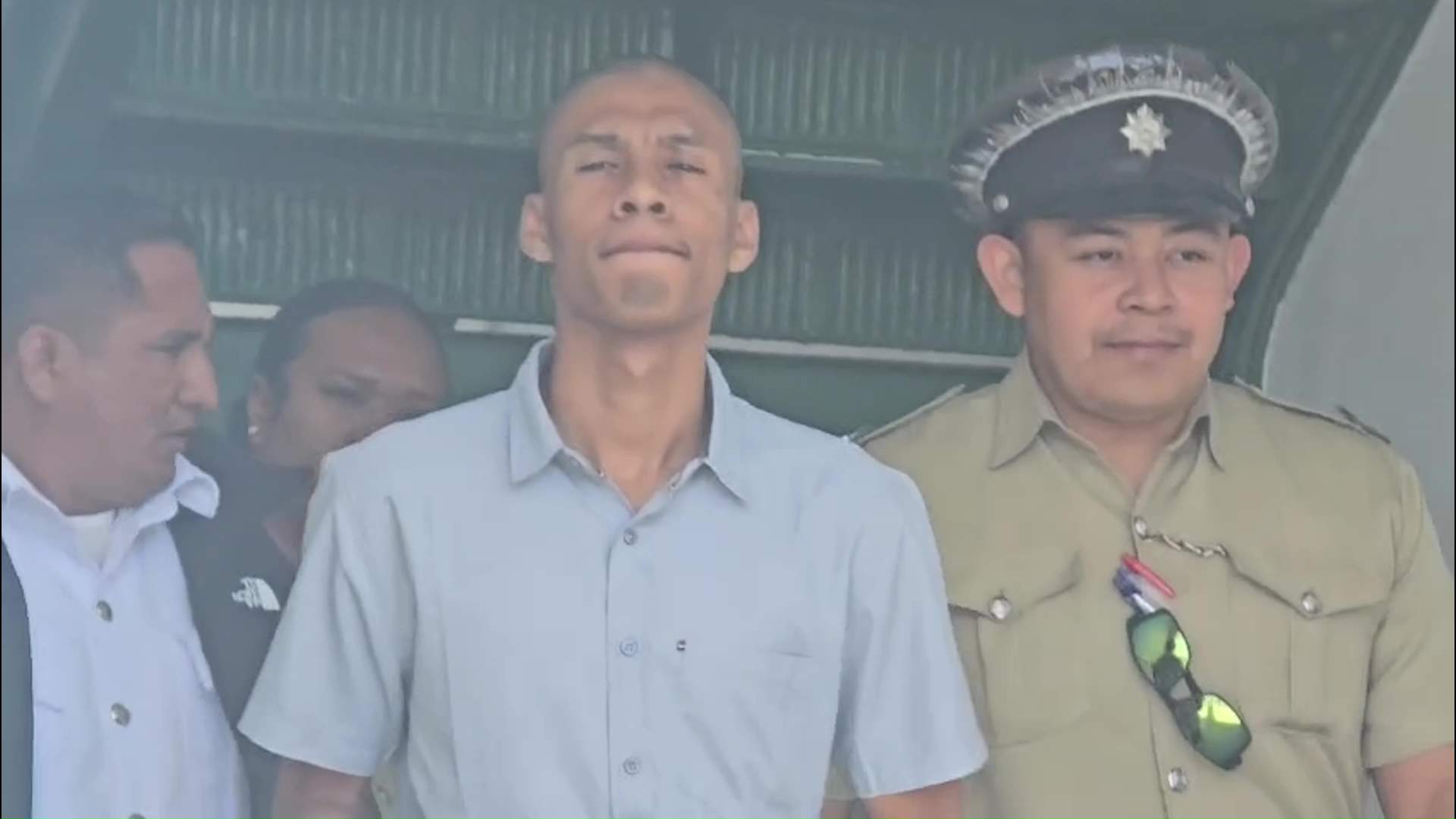
    A pivotal moment in Belizean criminal justice approaches as two defendants await sentencing this Friday for the 2018 murder that horrified San Ignacio. The accused, who were minors at the time of the crime, have spent their formative years incarcerated at Wagner’s Youth Facility while facing charges for the brutal killing of eighteen-year-old Bobby Garcia.

    The case dates to October 6, 2018, when Garcia’s mutilated body was discovered at the Cahal Pech archaeological site bearing multiple stab wounds, a slashed throat, and ritualistic ‘X’ markings carved into his chest and face. The gruesome nature of the crime immediately sparked fears of ritualistic murder within the community.

    Investigation breakthroughs came through the victim’s personal laptop, where family members discovered suspicious Facebook profiles—’Dank Frank’ and ‘Charlie Chung’—that appeared to be coordinating a meeting at the archaeological site. This digital evidence led police to two suspects, then aged fifteen and sixteen, who were formally charged with murder and conspiracy to commit murder within days of the discovery.

    Despite their circumstances, both defendants have demonstrated remarkable rehabilitation during incarceration. Through the Kaina Online Program, they completed secondary education with academic distinction, showing particular aptitude for learning and personal development. In previous interviews, both expressed how their time in custody had fostered social skills and educational focus that were previously lacking.

    Now adults, the defendants face Justice in the Belmopan High Court after a prolonged judicial process that has spanned more than seven years. The verdict will determine whether their demonstrated rehabilitation will influence sentencing for a crime that permanently altered multiple lives and shook an entire community.

  • Case Collapses, But Charleston Green Stays Jailed

    Case Collapses, But Charleston Green Stays Jailed

    In a dramatic courtroom reversal, 22-year-old Belize City resident Charleston Green saw his attempted murder case dissolve on its inaugural day of trial. The prosecution’s case collapsed entirely when Dixon Ramirez, the alleged victim of an August 2022 shooting and the prosecution’s primary witness, failed to appear in High Court. With no alternative evidence to present, prosecutors immediately filed a nolle prosequi, formally abandoning the charge.

    Despite this legal victory, Green’s freedom proved fleeting. Within moments of exiting the High Court building, law enforcement officers immediately escorted him back to the Belize City Magistrate’s Court system. His temporary release was superseded by an existing three-year prison sentence for separate convictions involving firearm and ammunition violations, plus aggravated assault against three police officers.

    These convictions stem from the same 2022 incident that generated the attempted murder charge. According to police reports, Green allegedly discharged a weapon at officers during a pursuit before being apprehended while in possession of a loaded firearm. The court had delivered these convictions in 2025, with sentences structured to run concurrently. Despite the dismissal of the most serious charge, Green remains incarcerated with the earliest possible release date set for July 2027, ensuring his imprisonment continues for at least another eighteen months.

  • Gladden Stands Alone as Judge Rejects No‑Case Claim

    Gladden Stands Alone as Judge Rejects No‑Case Claim

    A Belize City court has mandated the continuation of a high-profile criminal trial after Justice Candace Nanton dismissed a defense motion to dismiss the case. Michael Gladden, colloquially known as ‘Wannie,’ remains the sole defendant facing charges for his alleged involvement in a 2020 attempted murder, following the death of his co-accused in an unrelated incident.

    The core of the prosecution’s argument hinges on the remote testimony of the victim, Karen Pinto, who now resides in the United States under asylum protection. Testifying via video link, Pinto delivered a harrowing account of the attack, detailing how she was pursued by two assailants and forced to feign death in a swamp to survive the shooting. Her identification of Gladden as a key participant became the focal point of the legal proceedings.

    Defense attorney Ian Gray contended that his client was misidentified, presenting a no-case submission for dismissal. This was robustly countered by prosecutors who asserted Pinto had known Gladden for over a year prior to the incident and recognized him unequivocally. Evidence presented suggests Gladden not only accompanied the shooter but actively encouraged departure from the scene under the belief the victim was deceased.

    With the no-case submission rejected, the judicial process advances. Both legal teams are scheduled to submit written arguments, culminating in a final verdict from Justice Nanton on March 12th.

  • Former CEO says BTL Unlikely to Justify $80M Dollar Acquisition

    Former CEO says BTL Unlikely to Justify $80M Dollar Acquisition

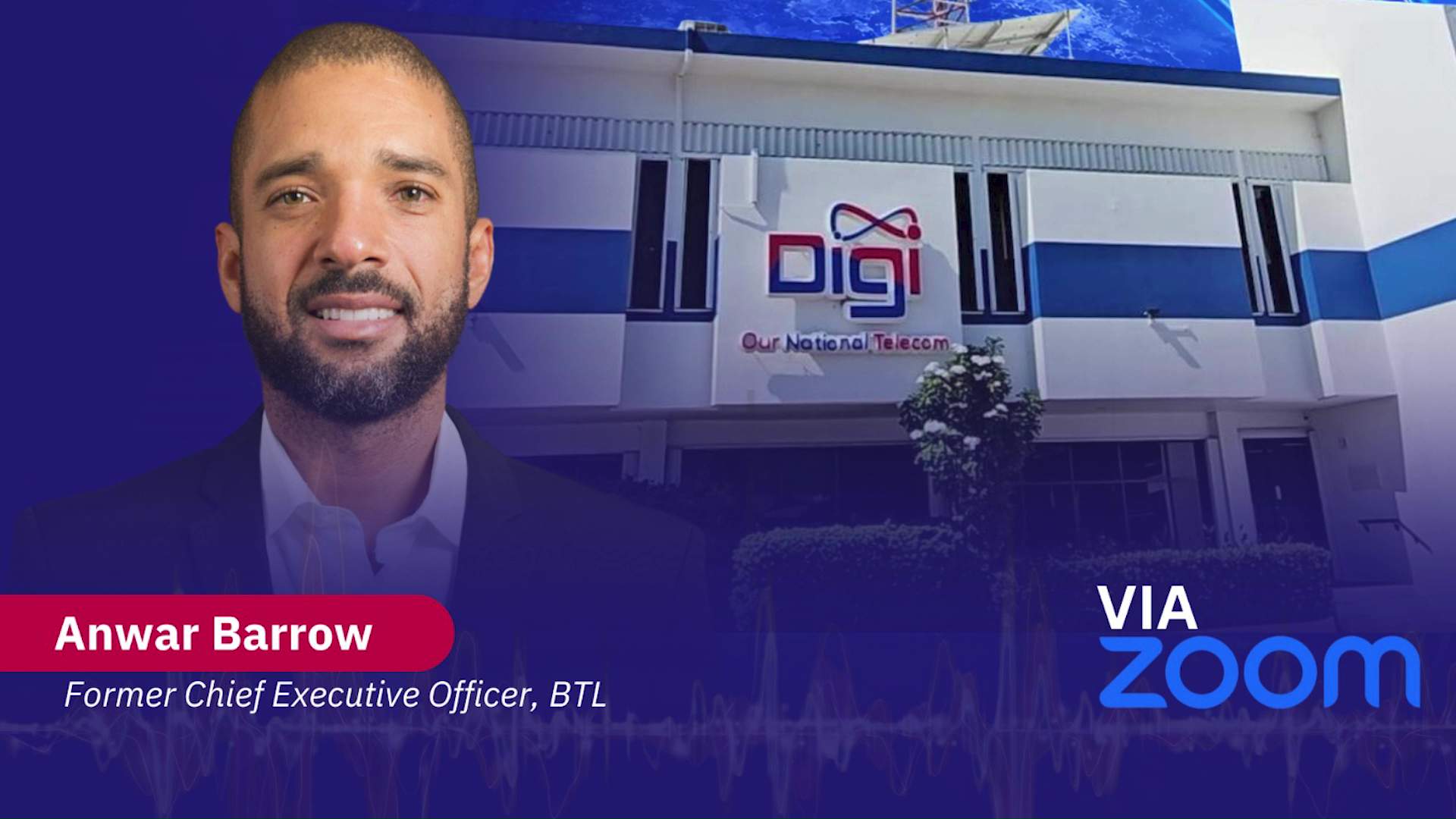
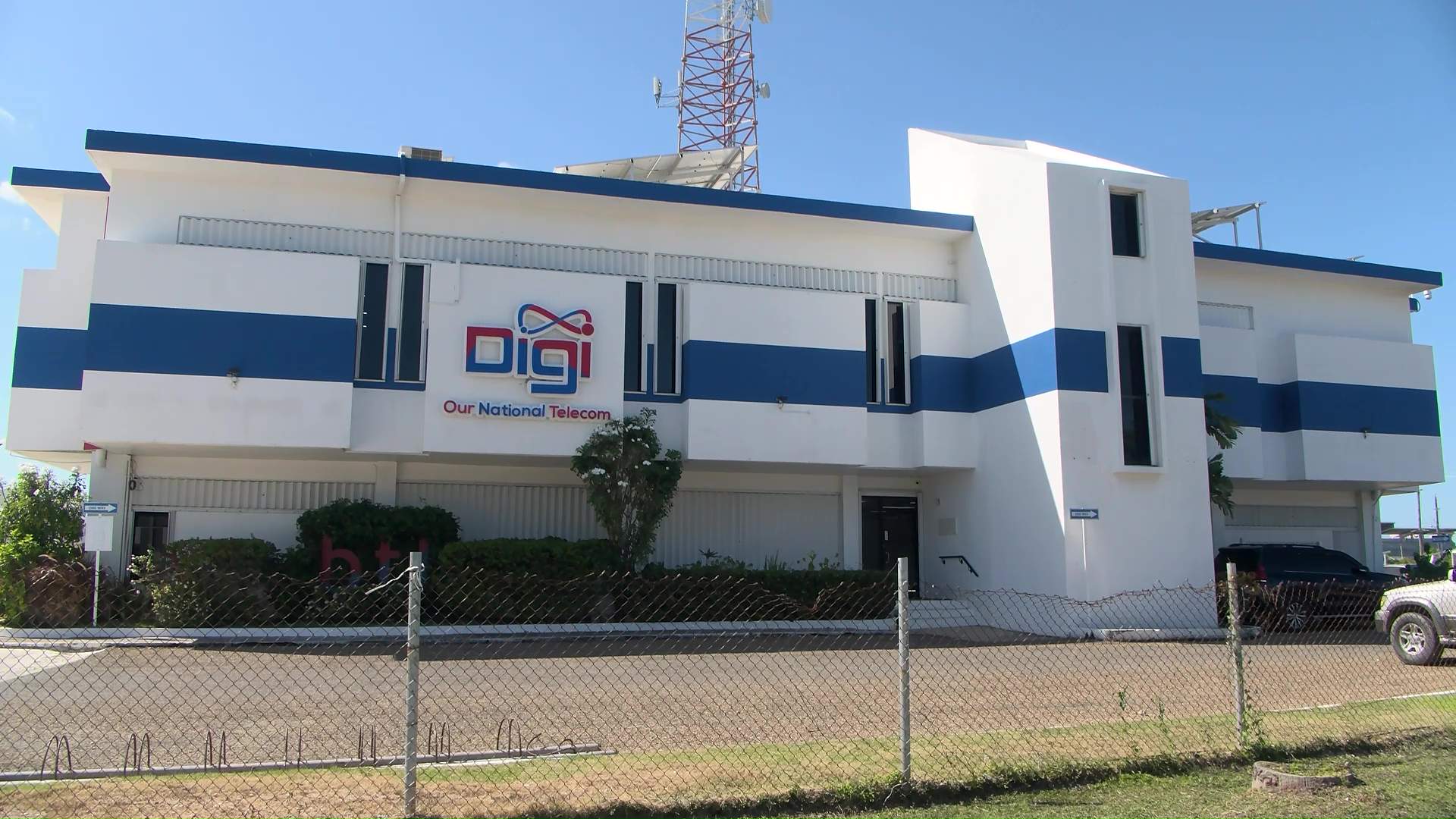
    BELIZE CITY – A controversial $80 million acquisition proposal by Belize Telemedia Limited (BTL) to purchase Speednet has ignited national debate, with former CEO Anwar Barrow casting doubt on the likelihood of financial transparency surrounding the deal.

    Speaking at a Civic Fellowship Academy panel on Wednesday, Barrow delivered a sobering assessment of the public’s ability to obtain detailed financial justification for the massive telecommunications merger. The former executive suggested that Belizean citizens should not expect comprehensive disclosure of the financial rationale behind the acquisition, despite the government’s majority ownership stake in BTL and the involvement of Social Security funds.

    ‘The fundamental question isn’t purely financial,’ Barrow stated. ‘It revolves around whether this consolidation will ultimately benefit the market and consumers.’ He acknowledged public concerns about reduced choice in the telecommunications sector, noting that the merger would effectively shrink the market from two major providers to a single dominant entity.

    Barrow elaborated on the legal limitations facing taxpayers seeking financial transparency, explaining that while the government owns substantial shares in BTL, the pathway to disclosure remains ‘indirect.’ He further addressed potential financial risks, indicating no automatic mechanism would require government intervention should the acquisition fail to deliver expected returns.

    The emerging controversy transcends typical business negotiations, evolving into a broader examination of corporate governance, public accountability, and the ethical responsibilities of government-backed enterprises when executing major financial transactions affecting national infrastructure.

  • BTL Acquisition Challenged on Law and Logic

    BTL Acquisition Challenged on Law and Logic

    A proposed $80 million acquisition by Belize Telecommunications Limited (BTL) to purchase Speednet is facing mounting legal and financial challenges from prominent figures. Former BTL CEO Anwar Barrow has declared that Belizeans should not anticipate a transparent financial justification for the substantial deal. Simultaneously, attorney Darrell Bradley is raising fundamental legal objections, asserting the transaction may violate the Belize Telecommunications Act by bypassing mandatory regulatory procedures.

    The controversy centers on significant concerns over regulatory oversight and public transparency. Bradley emphasizes that any legitimate merger must be initiated through a formal application to the Public Utilities Commission (PUC), a process designed to include public commentary as required by law. He criticizes the current trajectory, noting that the deal came to light through media and trade union inquiries rather than through proper, regulator-led channels. This approach, he argues, sidesteps essential democratic safeguards.

    Further compounding the issue are profound concerns about potential conflicts of interest in Belize’s compact business landscape. Bradley questions the absence of an independent valuation of Speednet, the mechanisms to ensure an arm’s-length transaction, and the overall representation of the Belizean public’s interest in a deal involving powerful domestic players. The escalating debate now places a critical question at the forefront: in this multi-million dollar negotiation, who is truly advocating for the citizens of Belize?

  • Behind the Placards: Rain‑Soaked Protest for Severance

    Behind the Placards: Rain‑Soaked Protest for Severance

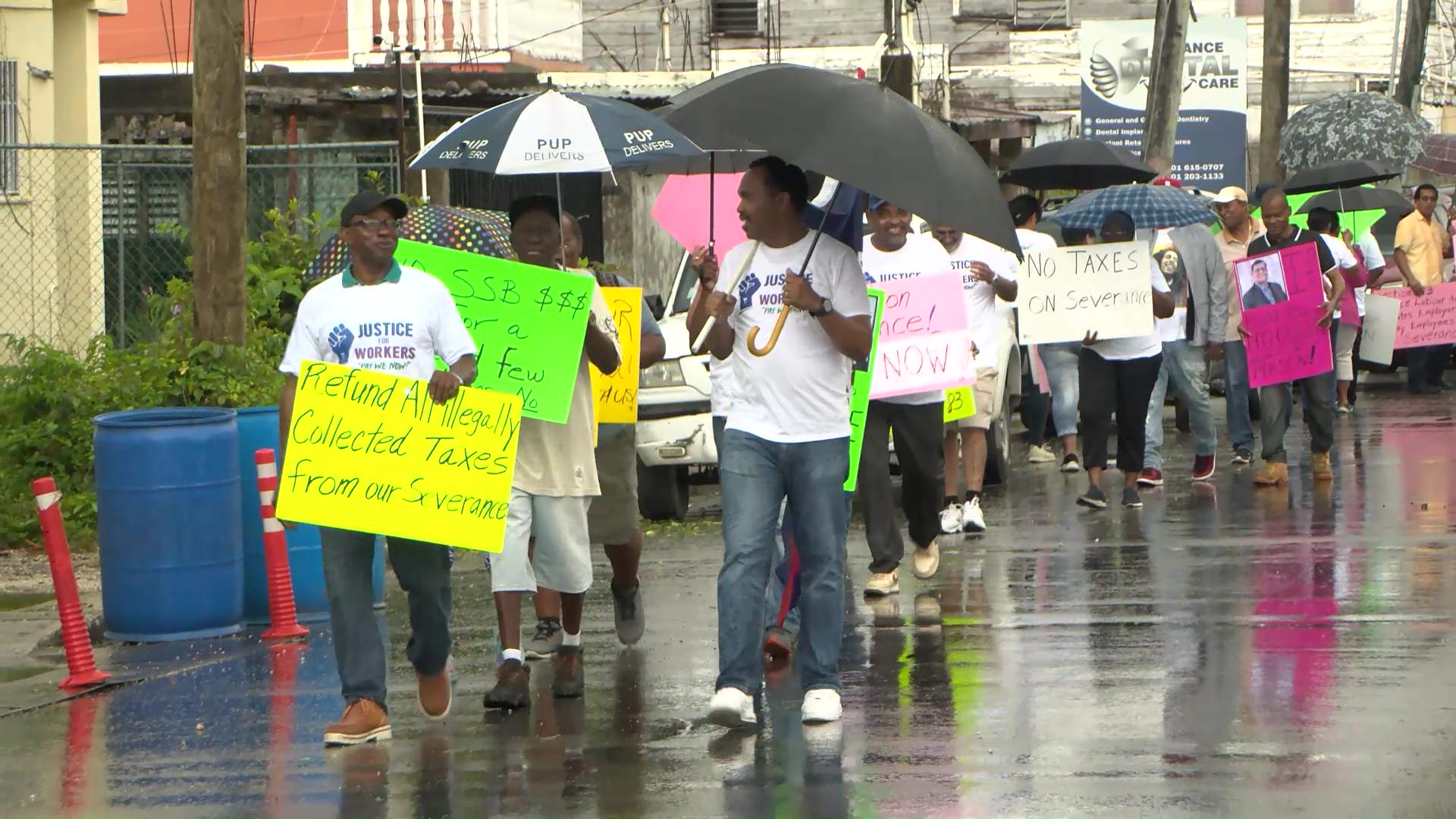
    BELIZE CITY — Under torrential rain and mounting frustration, former Belize Telemedia Limited employees have resumed picketing operations, demanding severance payments they assert are rightfully earned after decades of dedicated service. Despite vocal endorsements from Prime Minister Johnny Briceño and Labor Minister Kareem Musa, members of the Belize Communication Workers for Justice collective declare that political rhetoric has proven insufficient—now requiring concrete action.

    The protest assembly predominantly comprises elderly former employees, many confronting significant health challenges, who remain steadfast in their demand for compensation. Their unified message resonates clearly through the downpour: immediate payment of outstanding severance packages.

    Emily Turner, lead organizer for Belize Communication Workers for Justice, articulated the group’s skepticism toward governmental assurances. “Unless BTL demonstrates tangible action, the Prime Minister’s statements remain merely verbal expressions,” Turner stated. “The board operating under his authority disregards his directives, opting instead to postpone deliberations until subsequent meetings. Our continued presence here underscores that words without implementation yield no results.”

    The human narrative behind the protest banners reveals profound personal struggles. Leticia Reyes, a twenty-six-year BTL veteran who provided essential Spanish-language emergency services, now battles severe health complications including multiple strokes and cardiac conditions. “My medical needs are urgent,” Reyes explained. “Previous requests for assistance from BTL received no response. This severance represents survival funding for my impending heart surgery.”

    Patricia Bradley, seventeen-year BTL veteran, described how her post-retirement restaurant venture collapsed during COVID-19 lockdowns. Now working as a caregiver, Bradley emphasized: “We sacrificed family events, holidays, and personal safety during hurricanes. Our youth and dedication built this company—now we require compensation to rebuild our lives.”

    Gregory Bennett, an eleven-year test officer who witnessed BTL’s technological evolution, expressed outrage over the company’s priorities: “They plan to invest $80 million in acquisitions while ignoring former employees. My severance would enable educational advancement and vehicle purchase at sixty years old.”

    The collective has vowed to maintain continuous protest presence until full severance disbursement occurs, maintaining that delayed justice effectively constitutes denied justice for Belize’s telecommunications pioneers.

  • BTL Severance Fight Escalates with Senator’s Support

    BTL Severance Fight Escalates with Senator’s Support

    The protracted struggle for severance pay by former Belize Telecommunications Limited (BTL) employees has intensified dramatically this week as demonstrators braved torrential rain during renewed street protests. Their persistent campaign for compensation, which they assert has been unjustly withheld for years, has successfully captured national attention and now resonates within parliamentary chambers.

    Adding substantial political weight to their cause, Union Senator Glenfield Dennison has publicly aligned himself with the workers’ demands. In a powerful personal testament, Senator Dennison revealed his deep familial connections to the telecommunications company, disclosing that his father served as a linesman for BTL—a physically demanding, modestly compensated position that nonetheless supported their family’s education and livelihood.

    “My father’s dedication to his work at BTL provided the foundation for our family’s future,” Senator Dennison recounted during an emotional address. “His relentless work ethic—early mornings, late evenings—instilled in me the profound value of labor dignity. To be recognized by his former colleagues as the product of one of their own is profoundly heartfelt.”

    When questioned about his advocacy role, the senator characterized his involvement as “the pride of a son” able to advance not just his father’s cause but that of all affected workers. His message to BTL’s board members was unequivocal: cease creating obstacles to payment.

    Senator Dennison referenced the Caribbean Court of Justice’s (CCJ) clear ruling that BTL had erred in its historical failure to provide severance payments. He urged the company to acknowledge this judicial determination, recognize the constitutional and statutory rights of employees, and prioritize the “social justice element” affirmed by the region’s highest court. His final directive was emphatic: “Simply find the money and pay these people.”

  • Barbados Landslide Win, But Where Were Voters?

    Barbados Landslide Win, But Where Were Voters?

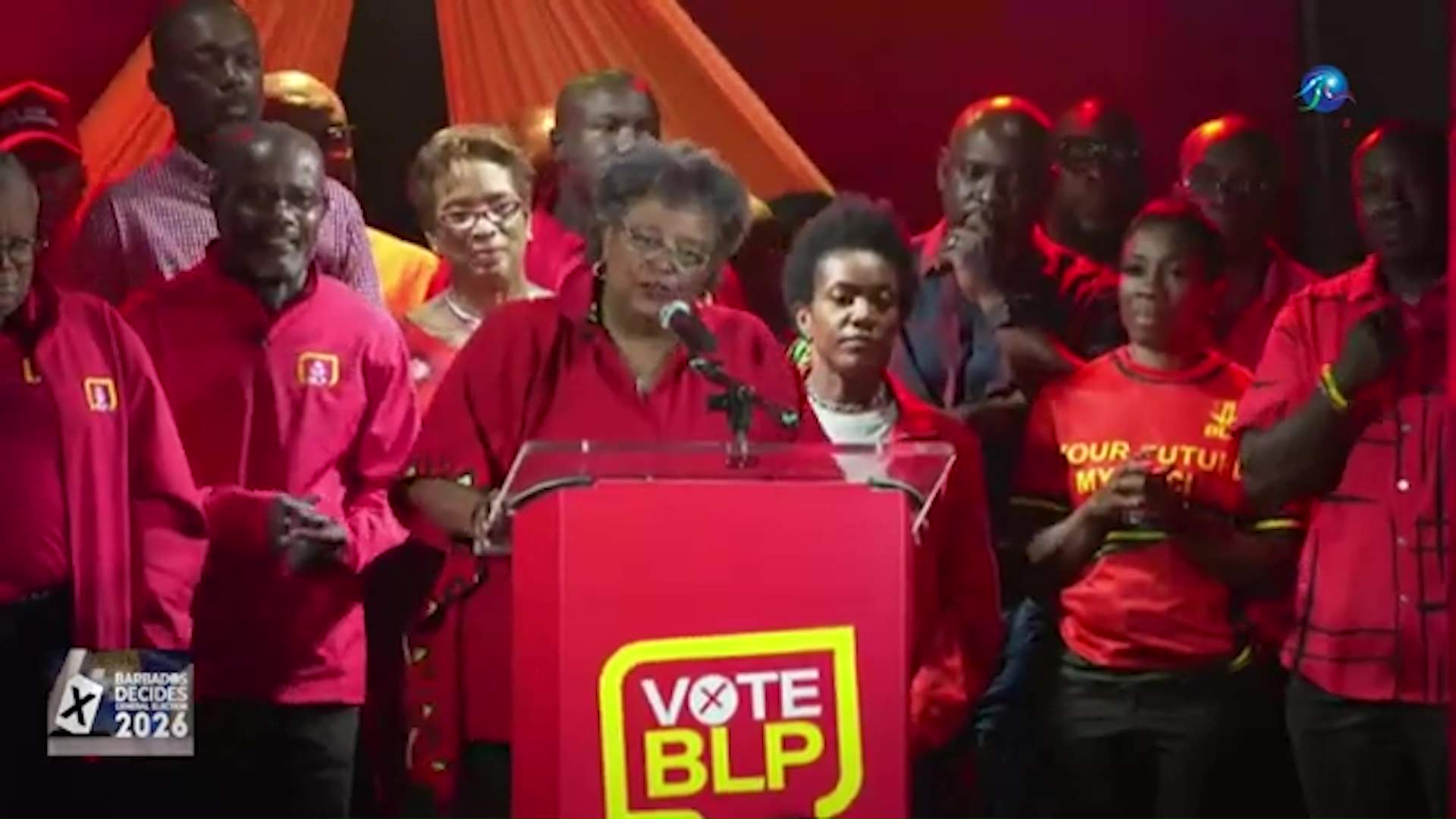
    In an unprecedented political achievement, Prime Minister Mia Mottley has secured her third consecutive comprehensive electoral victory in Barbados, with her Barbados Labour Party capturing all thirty parliamentary seats. This remarkable triumph solidifies Mottley’s position as one of the Caribbean’s most dominant political figures and represents a rare feat in global democratic politics.

    Despite the overwhelming margin of victory, the election was characterized by notably subdued voter participation across the island nation. Preliminary reports indicate mid-to-low turnout levels persisted throughout polling day, despite extensive civic engagement campaigns urging citizens to exercise their democratic rights. This apparent disconnect between electoral enthusiasm and the scale of the governing party’s success has emerged as a significant subplot to the historic outcome.

    In her post-election address, Prime Minister Mottley reflected on her administration’s challenging journey since initially assuming power in 2018. She acknowledged the unforeseen complications presented by the COVID-19 pandemic, which forced a strategic pivot from immediate growth initiatives to survival measures during the global health crisis. Mottley emphasized that only within the past thirty months has her government been able to transition toward its intended transformation agenda.

    The Prime Minister articulated her administration’s fundamental philosophy, stating: ‘We did not come simply to hold office. We have come to make Barbados better and to make your lives better.’ She reiterated the party’s longstanding commitment to poverty alleviation, social justice, and creating substantive opportunities for national development. Mottley framed her government’s mission as building strong families, communities, workers, and businesses toward the ultimate goal of forging a resilient nation.

    Political analysts are now examining the implications of both the electoral sweep and the participation patterns, questioning how a government achieves such dominance while apparently failing to energize substantial portions of the electorate. This dual reality presents both a powerful mandate and a governance challenge for Mottley’s third term administration.

  • The Art and Artists Bringing Caye Caulker’s Identity to Life

    The Art and Artists Bringing Caye Caulker’s Identity to Life

    On the picturesque island of Caye Caulker, Belize, two monumental art installations have transcended their function as tourist attractions to become profound symbols of community identity. The Caye Caulker sign and The Split sign, adorned with vibrant, culturally-rich artwork, stand as testaments to the island’s creative spirit and natural beauty, drawing both visitors and locals alike.

    The journey of these iconic pieces began in 2018 when the village commissioned the Caye Caulker sign for Lobster Fest celebrations. Armando ‘Rootsman’ Rivero, the artist behind this vivid underwater masterpiece, transformed the concept into a visual narrative of the island’s marine ecosystem. ‘They wanted the underwater theme,’ Rivero explains. ‘I combined animals like lizards with marine life—fish, sharks—to create a comprehensive representation of our environment.’

    Rivero’s artistic journey began after moving to the island at fifteen, quickly developing his oil painting techniques inspired by his surroundings. His work revitalized the original sign that had been painted by another local artist, Mr. Meegan, which had faded over time.

    Meanwhile, another artistic landmark emerged with The Split sign, created by Lilly Alamina, owner of Sea Dih Soul art studio and lifelong Caye Caulker resident. Alamina drew inspiration from the island’s famous sunsets, incorporating the vibrant reds, oranges, and yellows that characterize the social hub where her installation stands. ‘The Split is our premiere spot for socialization,’ Alamina notes. ‘We wanted to capture that energy and the beautiful sunsets you see there daily.’

    Both artists represent a thriving, collaborative art community that Caye Caulker Chairlady Seleny Villanueva-Pott describes as exceptionally talented. ‘These are both islanders,’ she emphasizes proudly. ‘We have very talented artists on the island.’

    The creative processes differed significantly between the two artists—Rivero works intuitively without sketching (‘I just go straight to the brush’), while Alamina spent four days completing her sign after collaborating with local business owners on the design.

    Beyond these prominent installations, the artistic expression continues across the island through murals and various artworks that these creators have contributed over years. Rivero offers advice to aspiring artists: ‘Look within and stay committed. Use challenges to benefit your inspiration.’

    These landmark signs now serve as more than photo opportunities—they embody the community’s personality, pride, and the creative vision that makes Caye Caulker uniquely Belizean.