标签: Belize

伯利兹

  • Beyond Textbooks: Sacred Heart College’s Whole‑Student Mission

    Beyond Textbooks: Sacred Heart College’s Whole‑Student Mission

    Nestled in the hills of San Ignacio, Sacred Heart College has established itself as an educational institution committed to developing students beyond conventional academic metrics. With an enrollment exceeding nine hundred students, this Catholic high school integrates spiritual formation, artistic expression, and athletic development into its comprehensive educational philosophy.

    Under the leadership of President Dr. Berta Cambranes, the institution maintains that its Catholic ethos guides a mission focused on creating well-rounded individuals. The curriculum extends beyond traditional academics to include robust arts programs, mandatory physical education, and weekly liturgical celebrations. Annual spiritual retreats further reinforce the school’s commitment to faith-based development.

    The campus ministry program, directed by Emmanuel Mangar, demonstrates this holistic approach through the evolution of the school choir. What began with minimal equipment has grown into a technically supported ensemble of twenty vocalists and multiple musicians. Participants report significant growth in leadership capabilities and public speaking proficiency through weekly performances before audiences numbering nearly a thousand.

    Student Fernando Mesh attested to the program’s impact: “Being in the choir helped me develop musically and provided opportunities to host community events outside school.”

    Beyond musical development, the college offers diverse extracurricular engagements including chess, drama, Red Cross, and Interact clubs. Chess enthusiast Bianca Reyes recalled winning best female player in a regional Blitz Tournament, highlighting the institution’s support for diverse student interests.

    The counseling department, led by Amanda Dixon, provides essential support systems addressing academic challenges, peer relationships, family issues, and identity formation during adolescents’ critical developmental years.

    Student leadership receives particular emphasis, with elected representatives Lyna Silva (Student Council President) and Chloe Martinez (Head Prefect) embodying the school’s values of excellence and pride in the institution’s traditions.

    According to Dr. Cambranes, Sacred Heart ultimately strives to produce graduates who become contributing community members, representing the institution’s success in shaping grounded, confident young adults prepared for life beyond secondary education.


  • Carnival Clash: Band Leader Confronts President Over Missing Prize

    Carnival Clash: Band Leader Confronts President Over Missing Prize

    A contentious confrontation has erupted within Belize’s Carnival Association, casting shadows over the transparency of prize fund management during a recent press conference. Band leader Leroy Smith of Fort Revelers publicly challenged President Patrick Thompson regarding an unfulfilled promise of third-place prize money.

    The dispute originated when two competing bands were disqualified from competition for failing to meet the mandatory requirement of fielding 100 revelers. Smith asserted that despite this disqualification, association leadership had committed to awarding the third-place prize to one of the affected bands. The controversy has now expanded beyond the initial promise, raising critical questions about whether unclaimed prize funds were properly returned to the National Celebrations Commission (NCC), the governmental body responsible for funding carnival prizes.

    In his defense, Thompson referenced the association’s rulebook which clearly stipulates participation eligibility requirements. He emphasized that the disqualification was solely based on numerical shortcomings rather than subjective judgment. The president further clarified the financial workflow, explaining that prize money never enters the association’s accounts directly. Instead, the NCC disburses funds exclusively to qualified winners based on official results submitted by the association.

    Thompson stated unequivocally that since no third-place winner met the criteria, the NCC consequently never issued the corresponding prize check. This procedural explanation however failed to address Smith’s core allegation regarding the alleged promise of awarding the prize despite the disqualification. The public exchange has ignited broader concerns about accountability and financial transparency within the organization responsible for managing one of Belize’s most significant cultural celebrations.

  • Women in Law Enforcement Preparing for Historic March

    Women in Law Enforcement Preparing for Historic March

    In a groundbreaking display of gender solidarity, Belize’s law enforcement agencies are preparing to make history with the nation’s first all-female march through the streets of Belize City. Scheduled for March 2nd, 2026, this unprecedented event will feature approximately 650 uniformed women from the Belize Police Department, Coast Guard, and Belize Defense Force collectively demonstrating their commitment to public safety and gender representation.

    The historic procession will commence at 9:00 a.m. from the House of Culture, proceeding along Regent Street and onto Albert Street. Organized in conjunction with Women’s Month observances, the march operates under the thematic banner “Uniting Women in Law Enforcement for a Safer Belize.” Assistant Superintendent Stacy Smith, Staff Officer of the Belize Police Department, confirmed the participation of multiple law enforcement branches and extended invitations to educational institutions and the general public to witness this landmark event.

    According to ASP Smith, the collaborative initiative aims to showcase the strength and unity of women serving in traditionally male-dominated security sectors. The march represents both a celebration of women’s contributions to national security and an inspirational display for younger generations considering careers in law enforcement. Organizers emphasize that this coordinated public demonstration will highlight the evolving role of women in maintaining public order while promoting greater gender inclusion within Belize’s security apparatus.

  • Youth, Unity, Action Define 50th CARICOM Meeting

    Youth, Unity, Action Define 50th CARICOM Meeting

    The 50th Conference of Heads of Government of the Caribbean Community (CARICOM) commenced in St. Kitts and Nevis on February 24, 2026, signaling a transformative approach to regional governance. Under the leadership of Secretary General Dr. Carla Barnett, the gathering has distinguished itself through its substantive focus rather than ceremonial formalities.

    Dr. Barnett highlighted the emergence of a ‘new energy’ characterizing this milestone meeting, crediting Prime Minister Terrence Drew’s proactive leadership since assuming the CARICOM chairmanship on January 1. The summit began with emergency sessions from its opening day, reflecting the urgency with which regional leaders are addressing pressing challenges.

    Notably, the presence of young CARICOM ambassadors established a tone of confidence and passion at the proceedings. Dr. Barnett emphasized that these youth representatives exemplify the region’s readiness for progressive advancement through their clarity and dedication.

    Despite being the Caribbean’s smallest sovereign state, St. Kitts and Nevis has demonstrated exceptional organizational capacity, having previously hosted two major CARICOM meetings in 2025. The current summit continues this tradition of excellence, with the host nation providing gracious hospitality to all delegations.

    The Secretary General expressed confidence that under Prime Minister Drew’s guidance, supported by regional institutions and fellow heads of government, CARICOM will achieve accelerated progress toward unified objectives, moving beyond rhetoric to deliver tangible results for the Caribbean community.

  • Cuban Ambassador Denounces US Blockade Pressure

    Cuban Ambassador Denounces US Blockade Pressure

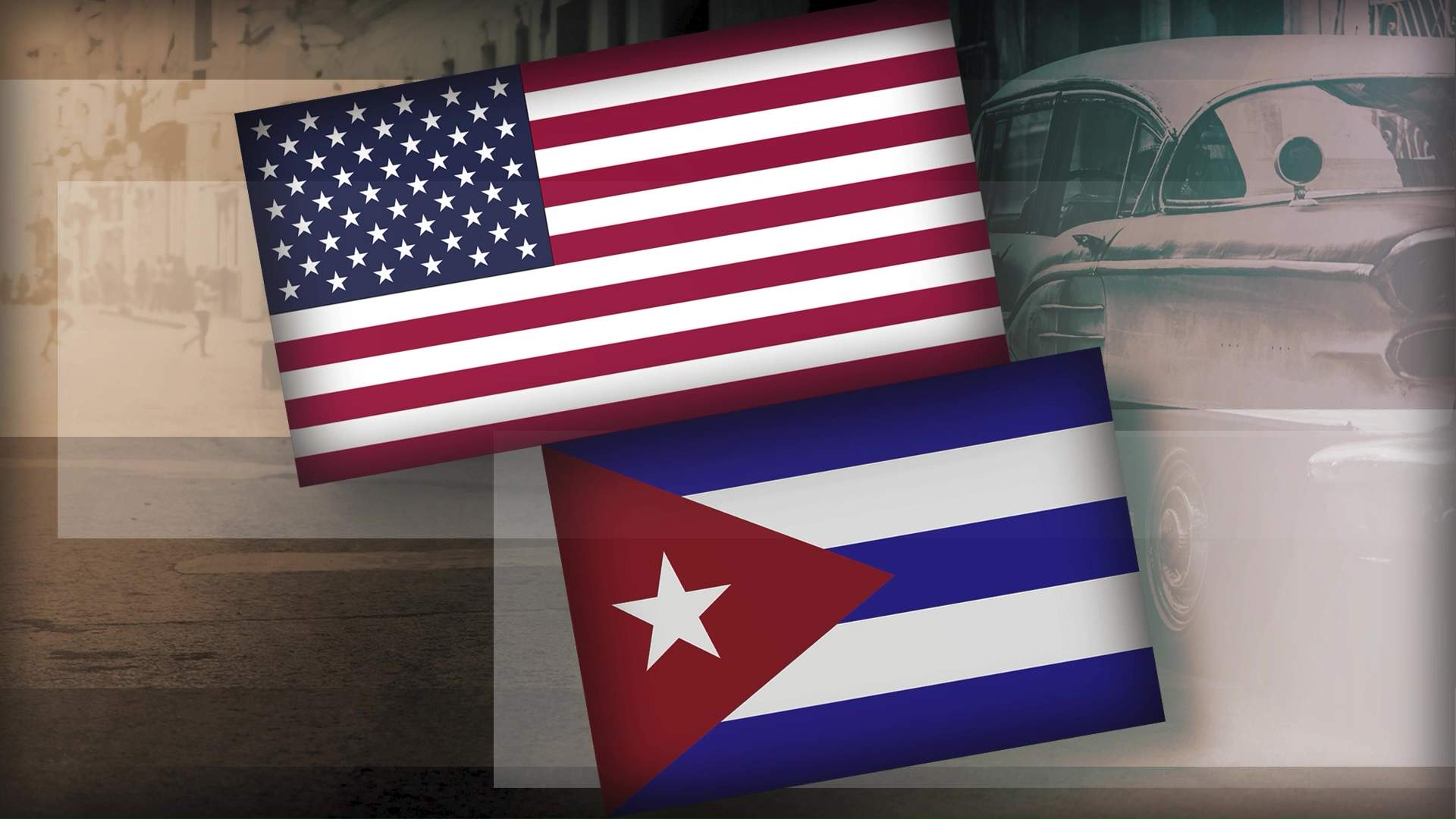
    Cuba is confronting severe economic pressures as the United States intensifies its longstanding embargo, creating critical fuel shortages and triggering widespread power outages across the island nation. The situation has escalated to the point where the United Nations has issued warnings about a potential humanitarian crisis if energy needs remain unmet.

    In an exclusive interview, Cuban Ambassador to Belize Yahima Martinez Millán denounced what she characterized as Washington’s deliberate campaign of ‘economic suffocation.’ Despite these extreme pressures, Ambassador Millán emphatically stated that Cuba has not been paralyzed. ‘As the world is seeing, Cuba is facing a very complex period caused by the intensification of the US blockade. However, the country is not paralyzed,’ she declared.

    The Cuban government has implemented emergency measures to prioritize essential services, with particular focus on maintaining healthcare and education systems despite severe resource constraints. An energy-saving protocol has been adopted nationwide to ensure these critical services continue functioning.

    Ambassador Millán articulated Cuba’s unwavering position: ‘Our response remains the same during more than sixty years. Our response is independence, dignity and sovereignty.’ She emphasized that Cuba refuses to negotiate under pressure and threats, maintaining instead a diplomacy of ‘peace and cooperation.’

    International response is emerging, with both Canada and Mexico announcing plans to provide humanitarian aid. This development follows calls from regional leaders, including Belize’s former Foreign Affairs Minister Assad Shoman, for broader international support to counter the effects of the US blockade.

    When confronted with assessments that US policies could lead to Cuban deaths, Ambassador Millán rejected characterizations of political fragility, attributing the crisis exclusively to ‘external threat’ rather than internal causes. She reaffirmed Cuba’s commitment to distributing resources equitably and protecting the most vulnerable populations throughout the crisis.

  • Will CARICOM Help Cuba?

    Will CARICOM Help Cuba?

    At the CARICOM leadership summit in St. Kitts and Nevis, Cuban Ambassador to Belize Yahima Martínez Millán emphasized Cuba’s deepening regional partnerships despite ongoing US economic pressure. The diplomat characterized Cuba’s relationship with CARICOM nations as historically significant, describing the Caribbean region as “home” rather than merely a political sphere.

    Ambassador Martínez Millán acknowledged CARICOM’s consistent support in condemning and seeking elimination of the US embargo, which she described as critically important for Cuba’s development. The bilateral relationship with Belize specifically was highlighted as exemplary, particularly in areas of healthcare cooperation and technical training programs that have spanned decades.

    Regarding Cuba’s strategic response to external economic pressures, the ambassador identified energy sovereignty as the nation’s top priority. “We are accelerating all proposals to transition to renewable energy sources,” Martínez Millán stated, while acknowledging the technological and financial challenges exacerbated by the embargo.

    The Cuban government is simultaneously pursuing diversified international partnerships, strengthening ties with the BRICS bloc and developing relationships across Asia, Europe, and Latin America. Additionally, Cuba is updating its economic model to include greater participation from non-state actors to enhance trade capabilities amid ongoing challenges.

  • Labour Dept Moves to Clarify CCJ Severance Ruling

    Labour Dept Moves to Clarify CCJ Severance Ruling

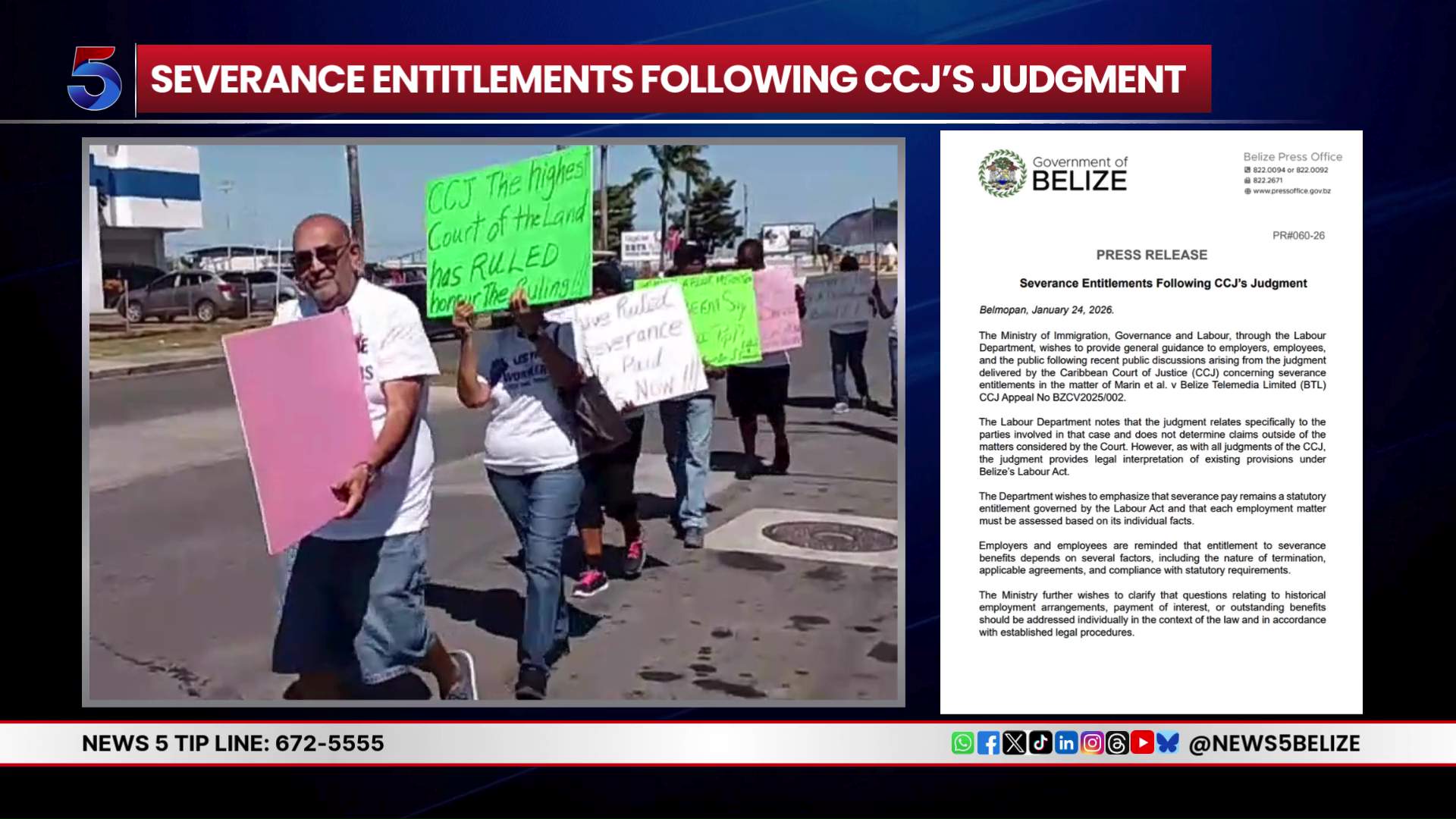
    The Belizean labor landscape faces mounting tension as conflicting interpretations of a landmark Caribbean Court of Justice ruling trigger both governmental intervention and worker mobilization. The Ministry of Immigration, Governance and Labour has moved urgently to address widespread public confusion stemming from the CCJ’s decision in Marin v. BTL, emphasizing that the ruling establishes precedent solely for the specific parties involved rather than creating universal entitlement to severance payments nationwide.

    Despite governmental assurances that existing severance regulations remain unchanged, the Belize Communication Workers for Justice (BCWJ) has intensified its campaign for compensation, alleging systematic non-compliance by Belize Telemedia leadership. The dispute has taken a decidedly personal turn as workers announced plans to demonstrate Friday at Southside Meat Shop on Albert Street West—a business owned by BTL board chairman Markhelm Lizarraga.

    BCWJ organizer Emily Turner articulated the strategic shift toward personal confrontation, stating: “We believe the chairman is behaving personally with us about paying our severance, and we must make it personal right back at him.” The decision follows collapsed negotiations that initially appeared promising when BTL indicated board approval for severance payments, only to subsequently maintain that many workers remained ineligible according to their interpretation of the CCJ ruling.

    Turner detailed the breakdown in negotiations, explaining that despite presenting good faith offers, company representatives reiterated their non-compliance stance regarding workers with over six years of service. The Labor Department continues urging both employers and employees to seek individualized legal guidance rather than presuming blanket application of the court decision, emphasizing that each case depends on specific contractual agreements and factual circumstances.

  • Teacher Denied Invalidity Benefits After Decades of Service

    Teacher Denied Invalidity Benefits After Decades of Service

    A veteran educator’s prolonged struggle for disability benefits has raised fundamental questions about social protection systems for long-serving public servants. Gerardo Aldana, who dedicated 28 years to teaching at Santa Elena Primary School, finds himself in financial distress despite decades of Social Security contributions after a career-ending spinal injury left him with five herniated disks.

    The former teacher’s ordeal began nearly ten years ago when he was compelled to resign following extended medical leave. Despite meeting contribution requirements and providing extensive medical documentation, Aldana’s application for invalidity benefits remains unresolved. His case highlights systemic challenges facing workers who develop severe health conditions after long careers.

    Social Security Board authorities have now initiated a formal investigation into the delayed processing of Aldana’s claim. Vanessa Vellos, SSB’s Public Relations Manager, acknowledged the seriousness of the matter while emphasizing the need for comprehensive review before reaching conclusions. “This matter is currently under review,” Vellos stated. “It has been my experience that when these cases emerge, there is always another perspective to consider.”

    The situation underscores broader concerns about social safety nets for aging educators and public servants. Aldana’s case represents numerous workers who transition from being contributors to claimants within systems they supported throughout their professional lives. His statement about being advised to undergo risky spinal surgery before reapplying for benefits has sparked debate about appropriate qualification criteria for disability claims.

    As the investigation proceeds, education advocates and workers’ rights organizations are monitoring developments closely, seeing Aldana’s experience as indicative of larger structural issues within social security administration for long-term contributors facing health crises.

  • SSB Invests $10M Contributors’ Funds in Heritage Bank Deal

    SSB Invests $10M Contributors’ Funds in Heritage Bank Deal

    The Social Security Board (SSB) of Belize has finalized a significant financial investment strategy, directing $10 million from contributor funds into a fixed-term deposit arrangement with Heritage Bank Limited. This strategic move, initially announced in December and now officially confirmed, involves monthly contributions from numerous Belizean workers and employers across the nation.

    Financial documents published in the Belize Gazette outline the specific terms of this banking agreement, revealing a two-year investment period with a fixed annual interest rate of 2.75%. This calculated financial maneuver is projected to generate approximately $275,000 in annual returns for the Social Security Fund.

    Heritage Bank Limited, the recipient institution of this substantial deposit, operates as a fully licensed domestic commercial bank under the regulatory oversight of the Central Bank of Belize. The bank has maintained a consistent record of exceeding statutory requirements for both capital adequacy and liquidity ratios, according to official statements.

    Vanessa Vellos, Communications and PR Manager for SSB, provided additional context regarding the investment decision-making process. In discussions with News Five, Vellos explained that the board’s Investment Services Department conducted thorough financial calculations before recommending this specific allocation. “The SSB maintains an investment committee that carefully evaluates our liquidity position,” Vellos stated. “Their analysis determined that this amount represented an optimal investment figure given current market conditions.”

    This investment approach follows established precedent for the Social Security Board, which has previously engaged in similar term deposit arrangements with other banking institutions. These prior investments have reportedly delivered strong returns and performed according to expectations, creating confidence within the board regarding the Heritage Bank placement.

    The investment strategy employs a phased implementation approach through multiple tranches, preserving operational flexibility while maximizing returns on funds that would otherwise generate minimal interest income. SSB officials emphasize that the resulting investment income will directly contribute to the long-term stability of the Social Security Fund, supporting critical payment obligations including pension disbursements and sickness benefits.

    Vellos confirmed the successful finalization of the investment, noting, “The transaction has been completed and is currently progressing according to plan. We have received no objections to this investment decision.”

  • Caribbean Leaders Meet Amid U.S. Actions in Region

    Caribbean Leaders Meet Amid U.S. Actions in Region

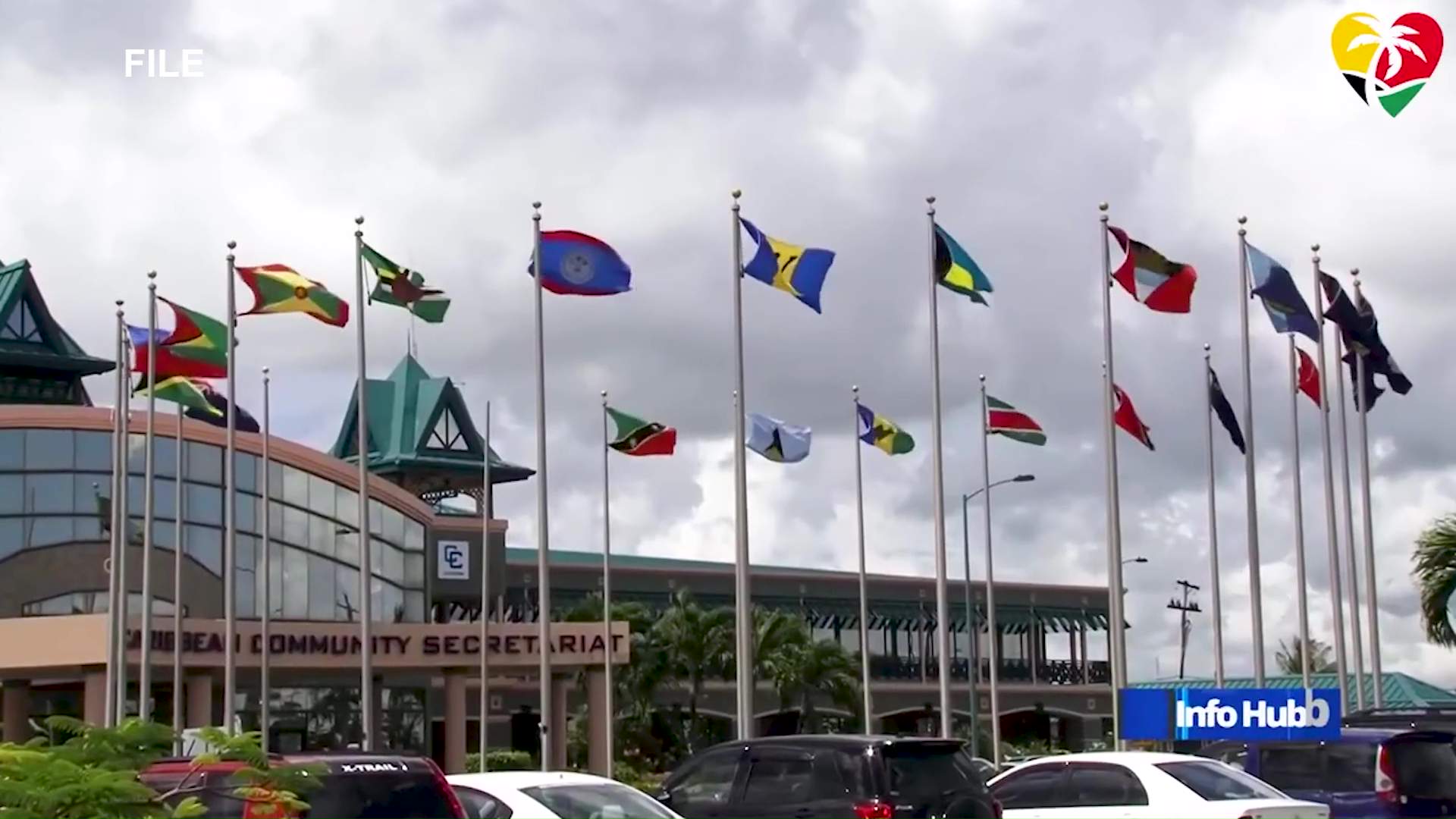
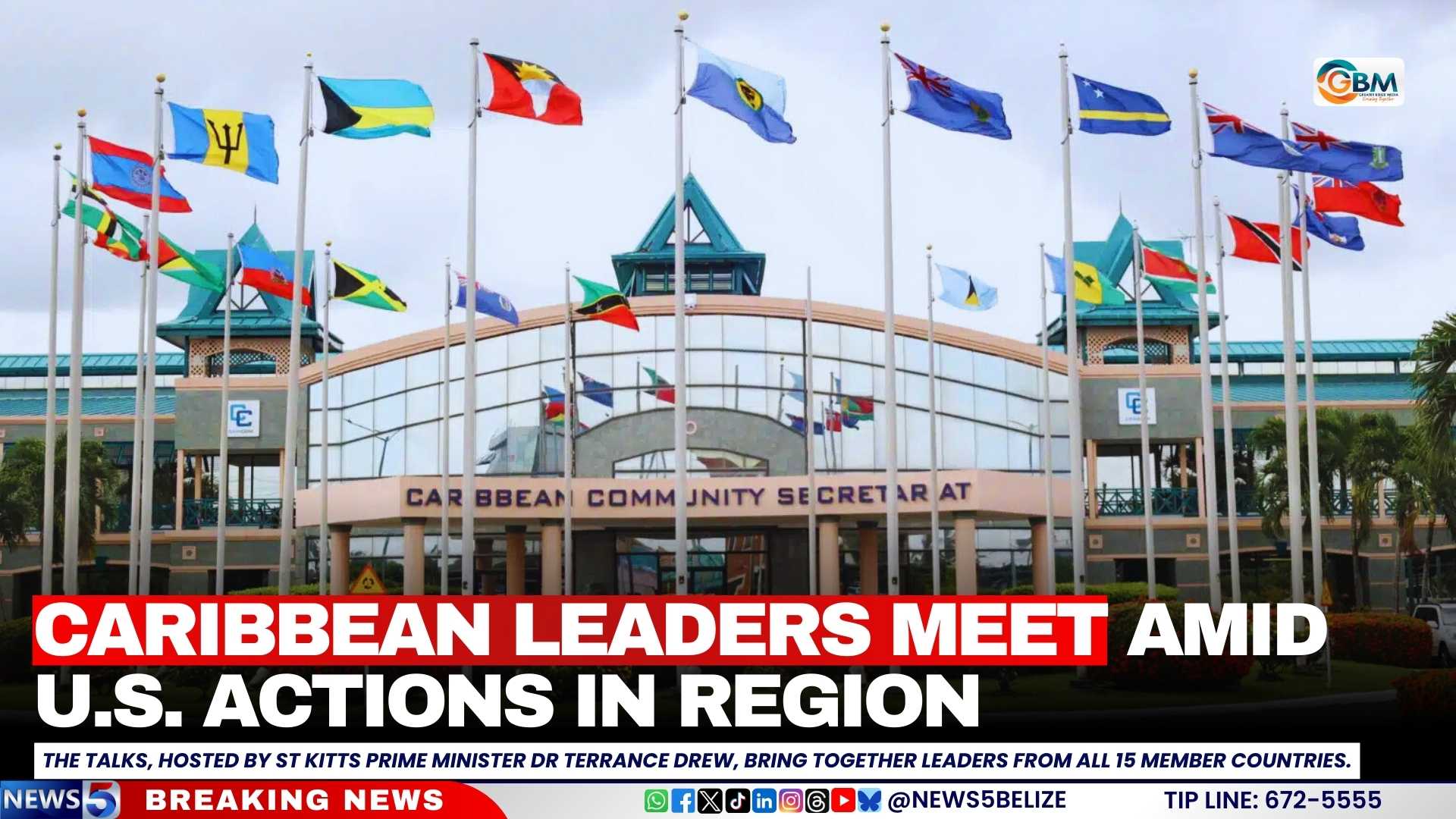
    Caribbean Community (CARICOM) leaders convened in St. Kitts this week for a pivotal four-day summit addressing pressing regional challenges and international relations. The gathering, hosted by Prime Minister Dr. Terrance Drew, assembled representatives from all 15 member states following extensive diplomatic preparations to ensure comprehensive participation.

    The summit occurs against a backdrop of significant geopolitical developments, with U.S. foreign policy decisions creating substantial regional repercussions. Recent American actions including the political isolation of Venezuelan President Nicolás Maduro and restrictions on Cuban access to Venezuelan petroleum resources have generated considerable debate throughout the Caribbean basin.

    Deputy Secretary General Dr. Armstrong Alexis indicated that leaders prepared for substantive dialogue on complex geopolitical matters affecting the region and global community. The potential attendance of U.S. Secretary of State Marco Rubio offers Caribbean diplomats a direct channel to communicate their concerns to Washington policymakers.

    Adding to regional tensions, the summit commenced just one day after U.S. military forces conducted a maritime strike against a suspected narcotics trafficking vessel in Caribbean waters, resulting in three fatalities. This military action, combined with existing policy measures, has created a complex diplomatic landscape for CARICOM members to navigate as they seek to balance regional cooperation with international relations.