标签: Belize

伯利兹

  • Minister Usher Reviews Hurricane Preparedness with NEMO

    Minister Usher Reviews Hurricane Preparedness with NEMO

    With less than two months remaining before the 2026 Atlantic Hurricane Season officially kicks off on June 1, Belize is moving full steam ahead to shore up its disaster readiness capabilities, led by top government officials and the nation’s emergency management authority. On a recent inspection tour, Henry Charles Usher, the country’s Minister of Public Service and Disaster Risk Management, traveled to the National Emergency Management Organization (NEMO) headquarters in the capital city of Belmopan to conduct a first-hand review of the nation’s preparedness standing.

    During his visit, Minister Usher held in-depth working sessions with Daniel Mendez, NEMO’s National Emergency Coordinator, alongside the entire NEMO technical team. The closed-door talks centered on two core priorities: refining existing national readiness plans for the six-month storm season, and mapping out optimized response protocols that would enable rapid, coordinated action in the event a tropical cyclone or hurricane makes landfall in Belize.

    NEMO officials presented the latest progress updates on a slate of ongoing preparedness initiatives, which range from updating inter-agency emergency response blueprints to strengthening cross-stakeholder coordination frameworks. Participants also used the meeting to address gaps in current operations, with a particular focus on improving public communication channels and streamlining emergency protocols across every regional and local jurisdiction in the country.

    One key initiative highlighted during the briefing is the ongoing update to the national hurricane shelter registry. Working hand-in-hand with local municipal authorities and non-government partners, NEMO has been verifying shelter locations and capacity to build an accurate, up-to-date list for public distribution. In the coming weeks, the inter-agency Shelter Repair Committee will convene for its pre-season inspection tour, where teams will assess every registered shelter facility to flag structures requiring urgent repairs or structural upgrades ahead of the season’s mid-August to October peak, when the majority of Atlantic storms typically develop.

    Beyond shelter preparations, cross-cutting needs assessments are currently underway at both the national and district levels to ensure all emergency stockpiles, heavy response equipment, and critical resources are accounted for, properly maintained, and positioned for rapid deployment when needed. Any gaps identified through these assessments will be addressed in the coming weeks to avoid shortfalls during a crisis.

    Following the briefing, Minister Usher emphasized that proactive preparedness, seamless inter-agency coordination, and widespread public awareness are the three most critical pillars for reducing the loss of life and damage caused by hurricanes and other extreme weather events. He extended formal commendation to the NEMO team for their consistent, rigorous work ahead of the season, and reaffirmed the Belizean government’s full financial and policy commitment to supporting disaster risk reduction and preparedness initiatives across the country.

    As final preparations continue, both NEMO and the Ministry of Public Service and Disaster Risk Management are issuing a public call to action for all Belizean residents. Officials are urging households to review and update their personal family emergency plans, monitor official weather and emergency updates from trusted sources, and complete all personal preparedness steps well in advance of the season’s June 1 start, rather than waiting for a storm to approach the country’s coast.


  • Belize’s Campaign Finance Reform Is Still MIA and Election Season Is Already Here

    Belize’s Campaign Finance Reform Is Still MIA and Election Season Is Already Here

    As Belize enters the final stretch of preparation for upcoming municipal elections, a long-deferred and contentious policy issue has returned to the national spotlight, sparked by a small, targeted campaign gesture from a local opposition politician. In early May 2026, United Democratic Party (UDP) caretaker Edward Broaster rolled out a $2 gas subsidy for local constituents, a move that appeared routine on its surface but quickly reignited long-simmering public debate over a gaping hole in Belize’s election regulation framework: the complete lack of mandatory campaign finance disclosure rules.

    With less than 10 months remaining before voters head to the polls, the status of campaign finance transparency in Belize remains identical to what it was ahead of the 2020 general election: there is no legal requirement for political candidates or parties to disclose who is funding their campaigns, leaving voters with no insight into the financial backers shaping election outcomes.

    The promise of sweeping campaign finance reform is not a new talking point for the current ruling People’s United Party (PUP). Long before the PUP won control of government, when current Prime Minister John Briceño served as opposition leader, he laid out a clear four-part framework for what the promised reform legislation would include. Briceño outlined that the bill would first establish formal legal definitions and universal operational standards for registered political parties. Second, it would settle the core question of what funding model is allowed for election campaigns, with three frameworks — strictly private funding, strictly public funding, and a mixed public-private model — all under consideration, alongside new rules to restrict the types of donations that parties can accept.

    When the PUP took power, reform advocates initially saw tangible momentum toward turning that promise into law. By May 2021, Briceño publicly pledged that the full reform legislation would be passed before the end of the year, with formal support already secured from two of the country’s most influential non-governmental bodies: the Belize Chamber of Commerce and Industry (BCCI) and the National Trade Union Congress (NTUC). The BCCI even took the extraordinary step of drafting its own full proposed bill and presented the text to the public, in a push to pressure the government to move forward. Then-BCCI President Marcelo Blake explained at the time that the group’s goal was to outline the key components of meaningful reform for media and the public, then collaborate with the Briceño administration to turn the draft into enforceable law.

    The NTUC, the country’s leading union federation, also threw its full institutional weight behind the reform push, with its leadership making clear the high stakes of closing the campaign finance transparency gap. NTUC President Ella Waight argued that the current anonymous system opens the door to persistent corruption, a particularly unacceptable outcome in a small country with limited public resources. Waight warned that without donation limits and disclosure rules, wealthy individuals, large corporations and powerful business interests can fund major parties during election cycles, then expect favorable policies and favors in return after candidates take office, leaving public resources misallocated to reward donors rather than serve the broader public.

    Five years after that high-profile push, that clear warning has not resulted any tangible policy change. Years of public consultations, multiple draft proposals, and repeated public promises from political leaders have failed to produce a single enforceable campaign finance reform law on the books. Political critics across the spectrum argue that the lack of progress is no accident: both of Belize’s major ruling parties benefit from the current opaque system, which allows them to keep their donors hidden and their campaign spending unaccountable to voters, giving them little incentive to alter the status quo ahead of the 2026 vote.

  • FIU Warns Public About Fraudulent Emails Impersonating Staff

    FIU Warns Public About Fraudulent Emails Impersonating Staff

    On May 14, 2026, the Financial Intelligence Unit (FIU) has issued an urgent public warning about a growing email scam that targets ordinary residents through sophisticated impersonation of the agency’s official staff.

    According to the FIU’s official announcement, scammers behind the fraudulent scheme have mastered techniques to forge convincing fake emails that closely mimic official communications from the unit. The malicious messages replicate real FIU staff names, job titles, official logos, personalized signatures, and are even designed to use email addresses that look almost identical to the organization’s legitimate domain. To trick recipients into falling for the trap, scammers frame their messages around familiar financial topics, including pre-approved loan offers, government-backed financial assistance programs, pending payment processing, requests to update banking details, and other seemingly routine financial transactions that make the fraudulent outreach appear authentic.

    The FIU has clarified a critical core policy to help the public distinguish legitimate communications from scams: the agency never approves or issues personal loans, never processes direct private financial transactions, and will never reach out via unsolicited, unexpected emails to request sensitive personal data or private banking information.

    Agency officials are calling on all residents to exercise extreme vigilance whenever receiving unprompted electronic messages that ask for personal identifiers, account passwords, banking credentials, upfront payment fees, or confidential personal documents.

    For anyone who encounters a suspicious email claiming affiliation with the FIU, the agency has outlined clear safety steps: do not reply to the message, do not click any embedded hyperlinks, do not download any attached files, and under no circumstances share personal or financial details or move forward with any loan application or payment transaction initiated through the suspicious message.

  • Xi Warns Trump on Taiwan as U.S.-China Talks Focus on Global Tensions

    Xi Warns Trump on Taiwan as U.S.-China Talks Focus on Global Tensions

    On May 14, 2026, the first day of high-level bilateral talks between Chinese President Xi Jinping and U.S. President Donald Trump concluded in Beijing, bringing the world’s two largest economies together to address a raft of pressing global and bilateral issues against a backdrop of longstanding geopolitical friction. The summit opened with formal ceremonial welcomes, followed by closed-door bilateral discussions, a state banquet held at Beijing’s iconic Great Hall of the People, and cultural excursions across the capital, with a second day of negotiations scheduled ahead of Trump’s departure on Friday.

    In his address at the state banquet, President Xi framed the bilateral relationship between China and the United States as the most consequential bilateral partnership for global stability and prosperity. He stressed that both nations bear a shared responsibility to manage ties responsibly, noting, “We must make it work and never mess it up.” Yet Xi also issued a firm, clear warning on the Taiwan issue, which has remained the single most sensitive flashpoint in U.S.-China relations for decades. Xi identified Taiwan as the most important core issue in bilateral ties, cautioning that any mismanagement of the question would trigger a “very dangerous situation” with far-reaching consequences for both countries and the broader Asia-Pacific region.

    The long-running dispute over Taiwan remains a persistent source of friction: Beijing views the self-governing island as an inalienable part of Chinese territory and has repeatedly pledged to achieve reunification, reserving the right to use military force if necessary. The United States, meanwhile, maintains unofficial diplomatic and security ties with Taipei, and continues to supply defensive military equipment to the island under its longstanding one-China policy framework. Following the first day of talks, U.S. Secretary of State Marco Rubio reaffirmed that Washington’s Taiwan policy remains unchanged, emphasizing that any unilateral, forced alteration to the status quo across the Taiwan Strait would damage the interests of both China and the United States.

    Beyond the Taiwan issue, the first day of talks focused heavily on the escalating regional conflict involving Iran and its cascading risks to global energy security. Senior White House officials confirmed that both leaders reached a shared agreement that the Strait of Hormuz, the strategic waterway through which roughly a fifth of global oil supplies pass each day, must remain open to commercial shipping and must not be militarized by any party.

    Rubio added that U.S. negotiators brought up longstanding American concerns over Iran’s nuclear development program during the discussions, though the U.S. side did not formally request direct intervention or assistance from China on the issue. Chinese representatives, for their part, reiterated Beijing’s longstanding public position that it opposes the development of nuclear weapons by Iran, aligning with the international community’s non-proliferation goals.

    A notable feature of President Trump’s visit is the delegation of top American business leaders accompanying him, including high-profile figures Tesla and SpaceX CEO Elon Musk, Apple CEO Tim Cook, and NVIDIA CEO Jensen Huang. Trump told reporters during the trip that the executives joined the visit to demonstrate respect for bilateral commercial ties and to work toward strengthening economic cooperation between U.S. firms and Chinese partners. The talks are expected to produce further clarity on bilateral economic and trade commitments when negotiations conclude on Friday.

  • Who Has the Final Say? HPV Debate Heats Up Behind Closed Doors

    Who Has the Final Say? HPV Debate Heats Up Behind Closed Doors

    As Belize moves forward with a national HPV vaccination program delivered through primary schools, a heated public debate has erupted over decision-making authority, pitting the country’s Catholic Diocese against public health officials and drawing divided opinions from parents across the nation.

    The dispute, which has been negotiated behind closed doors between church leaders and the Ministry of Health and Wellness, has spilled into public view, with sitting Church Senator Louis Wade stepping forward to outline the Diocese’s formal position. Contrary to widespread speculation, Wade emphasized that the church’s pushback is not rooted in anti-vaccine ideology – a point he repeated categorically, citing official Catholic Church guidance that does not reject the HPV vaccine outright.

    Instead, the core conflict centers on a fundamental question: who holds the final authority to make medical decisions for minor children, and what role should schools play in vaccine distribution? The Ministry of Health has repeatedly stressed that the entire school-based program is voluntary, requiring written parental consent before any student can receive a dose. But Wade argues that this process does not go far enough to guarantee truly informed, uncoerced consent from caregivers.

    Wade pointed to a recent public statement from the Ministry itself, which justified restricting over-the-counter access to contraceptives by arguing that medical products require direct consultation with healthcare professionals to ensure patients understand risks and implications. He questioned why the same standard does not apply to HPV vaccines delivered through schools, noting that the current model relies on schools to distribute consent forms, leveraging the inherent authority that teachers hold over many families. He argued that some parents may feel pressured to sign simply because the request came from a school official, rather than making a fully independent, informed decision after reviewing the medical details of the vaccine.

    “Decisions around childhood vaccination should be worked out directly between public health authorities and parents, not routed through school administrative systems,” Wade explained. “It is not just about checking a box on a form. It is about ensuring parents understand the full medical implications of the vaccine before they consent, and that their decision is not influenced by the institutional role of the school.”

    To date, both the Ministry of Health and Wellness and the Catholic Diocese have declined on-the-record interviews, stating that they prefer to resolve their differences through private negotiations. That has not stopped parents from flooding social media with passionate takes on both sides of the debate: proponents of the program highlight the life-saving impact of the HPV vaccine, which drastically reduces rates of cervical cancer and other life-threatening HPV-related diseases, while opponents align with the Diocese, arguing that schools overstep their mandate by serving as vaccine distribution hubs.

    With negotiations still ongoing, the standoff shows no signs of easing in the near term. News Five has confirmed that it will continue seeking updates on the program’s status in more than 200 non-diocesan primary schools across Belize, to clarify whether the debate will impact rollout plans for non-Catholic institutions. As the conversation continues, the core question hanging over the nation remains unchanged: who ultimately gets to decide what medical care is right for Belize’s children?

  • Embezzlement Probe and Lost Certificates Inside Immigration Dept.

    Embezzlement Probe and Lost Certificates Inside Immigration Dept.

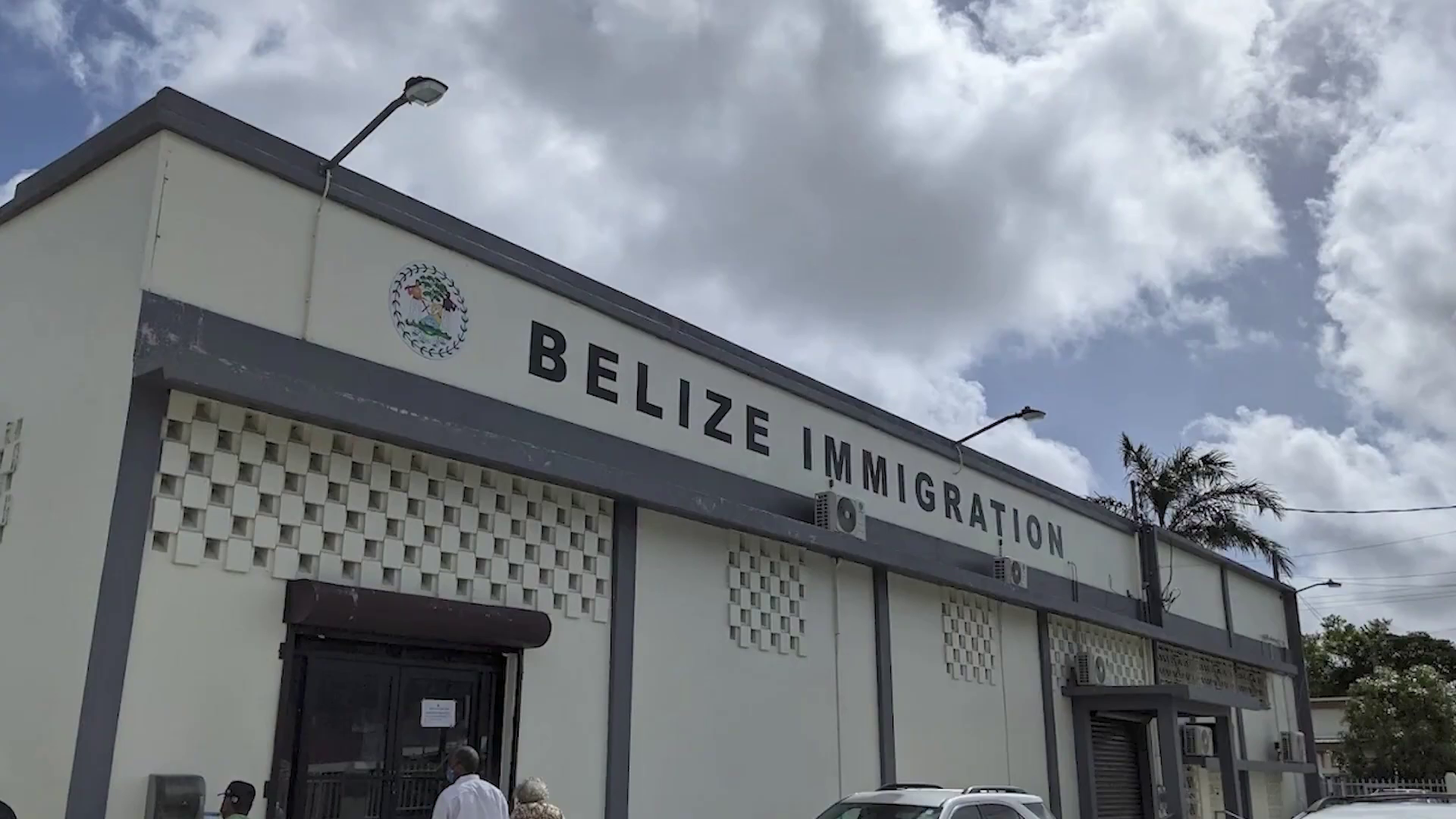
    As of May 13, 2026, the Belizean Ministry of Immigration is facing growing public scrutiny over major administrative and financial mismanagement incidents at two of its key facilities. The agency has confirmed that it has opened an internal investigation into allegations of suspected embezzlement of public funds at its Belize City regional office.

    Senior ministry officials confirmed that the inquiry remains in its preliminary phase, but have made clear that any confirmed proof of illegal activity will prompt a full, agency-wide financial audit and an immediate referral to national law enforcement for criminal prosecution. The embezzlement claim is not the only serious issue to emerge in recent days: two official nationality certificates stored at the department’s Belmopan headquarters have been unaccounted for, leading authorities to file a formal police report. Investigators are currently working to establish whether the documents were accidentally misplaced during administrative processes or deliberately stolen for illicit use.

    In response to these dual troubling developments, the Ministry of Immigration has highlighted ongoing institutional reforms designed to close gaps in oversight and accountability. A national digitization project, already in active implementation across all department facilities, is intended to strengthen financial controls, reduce systemic vulnerabilities that allow for administrative lapses, and prevent similar incidents from occurring in the future.

    At present, the ministry has declined to release additional details about the ongoing investigations to protect the integrity of the process, but has issued a formal public vow that it will fully uncover the facts behind both the embezzlement allegations and the missing documents, and hold any individual found responsible fully accountable under the law.

  • Self-Defense Claim After Woman Shot in Rural Land Dispute

    Self-Defense Claim After Woman Shot in Rural Land Dispute

    A simmering land disagreement in rural Lemonal Village erupted into deadly violence this Tuesday, leaving a 21-year-old woman hospitalized and sowing deep anxiety among local residents.

    Stacey Middleton, the victim, is currently undergoing treatment for a gunshot wound to her leg at Belize’s primary public medical facility, Karl Heusner Memorial Hospital, where her condition is listed as stable but recovering. The accused shooter, Rupert Gentle, is a licensed firearm holder who was in the process of clearing a plot of land with heavy bulldozer equipment at the time of the confrontation. Gentle has told law enforcement investigators that he had formal permission to conduct the land clearing work, framing the operation as a legitimate authorized activity.

    According to Gentle’s account to police, he opened fire only after Middleton and a group of other local residents confronted him aggressively over the land work, leading him to fear for his personal safety and exercise his right to self-defense.

    Law enforcement moved rapidly to contain the situation immediately after the shooting: officers took Gentle into custody for questioning, and seized his licensed weapon alongside 15 live rounds of ammunition. As of this report, no formal charges have been filed against Gentle, as detectives continue to piece together the sequence of events and identify the root catalyst that turned a verbal disagreement into gunfire.

    Middleton’s family has declined all requests for comment from reporters, a silence that has done little to ease the already heightened tensions rippling through the tight-knit rural community. Local police have stepped up patrols in Lemonal Village in an effort to de-escalate ongoing friction between the conflicting parties and prevent any additional outbreaks of violence, as the investigation moves forward.

  • Deadly Stabbing Ends in Ralph Martinez’s Arrest Within 24 Hours

    Deadly Stabbing Ends in Ralph Martinez’s Arrest Within 24 Hours

    In Belize City, a violent fatal stabbing has left a local community grieving, with law enforcement delivering a swift breakthrough that brings early hope of justice to the victim’s family. On the morning of Monday, May 12, 2026, passersby discovered 56-year-old Mark Longsworth with serious stab wounds at the intersection of Mopan and Ebony Streets. First responders immediately transported the injured man to the country’s main public healthcare facility, Karl Heusner Memorial Hospital (KHMH), but medical teams were unable to save his life, and he was pronounced dead shortly after arrival.

    Local law enforcement launched an urgent investigation immediately after the incident, with officers canvassing the neighborhood for witnesses and reviewing nearby surveillance footage to identify persons of interest. According to official police updates, 53-year-old Ralph Sherlock Martinez Sr. was taken into custody within hours of the attack. By the evening of Tuesday, May 13, investigators had formally filed a murder charge against Martinez, closing the initial apprehension phase of the case in less than 24 hours from the time Longsworth’s body was found.

    As of Tuesday evening, investigators have not released a confirmed motive for the killing. Law enforcement teams confirm they are still working through evidence and witness statements to reconstruct the sequence of events that led to the fatal stabbing. For Longsworth’s family, the fast processing of the suspect’s arrest has brought a small measure of closure amid their grief, as they continue making arrangements for his funeral and await the full judicial process to secure official justice for their late relative.

    This report is adapted from a transcript of a local television evening newscast, with any Kriol-language testimony transcribed using a standardized spelling system for public distribution.

  • 48 Days Missing: Where Is Deborah Bree Arthurs?

    48 Days Missing: Where Is Deborah Bree Arthurs?

    It has been 48 days since 28-year-old Deborah Bree Arthurs, a call center worker and single mother, was last seen alive in Belize, and her family still has no new updates from law enforcement about her fate, leaving their search for answers stalled at a dead end.

    Arthurs’ final confirmed activity dates back to March 27, 2026, when she traveled from her home in Belmopan to Belize City to drop her young son off at a local water taxi terminal. After completing the trip, she was scheduled to make the return journey to her residence in the nation’s capital – but she never arrived. No trace of her has been uncovered by investigators in the weeks that followed.

    As days stretch into weeks with no breakthroughs, Arthurs’ disappearance adds to a disturbing, growing roster of unresolved missing person cases across Belize that have left countless families in limbo. Her loved ones confirm that local police have not released any new information about the investigation, leaving the case completely cold with no actionable leads to pursue.

    For many observers, the stalled search for Arthurs raises urgent questions about the state of missing person probes in the country. With no closure for dozens of families already waiting for information about their missing loved ones, the public is increasingly asking how many more Belizean households will be forced to endure weeks, months or even years of uncertainty before getting the answers they deserve.

    This report is adapted from a transcript of a televised evening newscast originally published online. Any comments in Belizean Kriol included in the original broadcast were transcribed using a standardized spelling system for accuracy and accessibility.

  • Broken Promise? Placencia Residents Outraged Over Dredging Approval

    Broken Promise? Placencia Residents Outraged Over Dredging Approval

    On the Caribbean coast of Belize, a recently approved coastal development project has ignited fierce public anger, as residents of the Placencia Peninsula accuse government agencies of breaking a public commitment to pause new construction until a critical coastal erosion study is finalized.

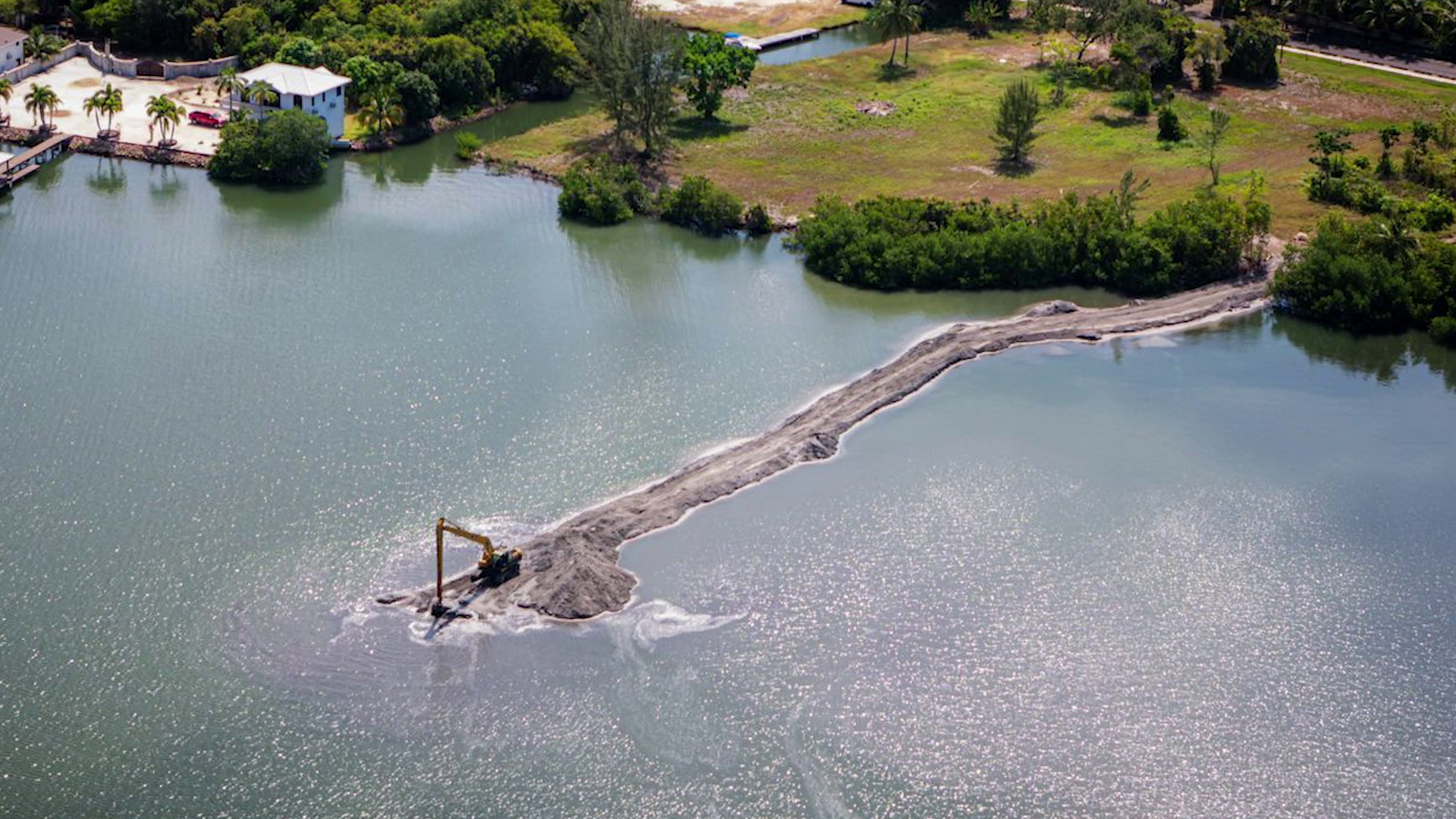
    In late April 2026, Belize’s Department of Environment quietly granted environmental clearance to Seaboard Holdings Limited for planned dredging and land reclamation work in the shared Placencia Lagoon. This move directly contradicts an earlier agreement between government bodies and local communities that all development permits would be put on hold until the comprehensive erosion assessment was completed and published. For a peninsula already grappling with accelerating coastal erosion that threatens homes, tourism infrastructure and natural ecosystems, the approval is far more than a bureaucratic misstep—it is a broken trust that has united local leaders and residents in demands for accountability.

    Warren Garbutt, chairman of the Placencia Village Council, outlined the long-simmering frustrations that have fueled the current backlash in a phone interview. For years, Garbutt explained, large-scale development projects on the peninsula have bypassed meaningful input from the local communities that stand to be most affected by the work. Instead of consulting village councils and residents, project developers typically submit applications directly to national agencies based in Belmopan, the country’s capital. Many of these agency staff, while professionally qualified in their fields, lack on-the-ground knowledge of Placencia’s unique coastal ecosystem and how development decisions impact local livelihoods, Garbutt argued.

    “If every approval can be issued out of Belmopan without any community consultation, what purpose is there for an elected village council?” Garbutt asked, noting that while the approved dredging work falls within the administrative boundaries of Seine Bight Village to the north of the peninsula, the entire Placencia region shares the lagoon’s ecosystem, leaving all communities exposed to potential environmental harm. He added that Placencia council representatives were not given any advance notice of the permit application or approval, deepening the sense of exclusion and disrespect.

    As public outrage spread across the peninsula, top environmental officials have broken their silence to address the controversy. Antonio Mai, Chief Executive Officer of Belize’s Department of Environment, defended his agency’s pre-approval due diligence process, noting that the department received formal letters of support from the Seine Bight Village Council before granting clearance. Mai also acknowledged that the project contractor violated key permit conditions: critical silt screens and sediment containment barriers designed to stop sediment runoff into the sensitive lagoon ecosystem were never installed, as required by the approval terms.

    Mai clarified that the approved work was framed as targeted excavation, not large-scale commercial dredging: the project was permitted to remove just 4,500 cubic yards of sediment to fill eroding shoreline along the developer’s seaside property and raise elevation on the project site. But during a post-approval site inspection, regulators found the contractor had built an unapproved 500-foot-long, 20-foot-wide excavation pit far beyond the scope outlined in the permit. Regulators have already ordered the unapproved structure removed. Mai also added that regulators were not aware of a recent study identifying the project area as critical manatee habitat until after the permit was granted, a gap that has amplified community concerns.

    A stakeholder meeting is scheduled for May 14, 2026, bringing together representatives from Belize’s Mining Department, the Seine Bight Village Council, and Seaboard Holdings to discuss community concerns and agree on immediate next steps to address the violations. Local news outlet News Five has confirmed it will publish full updates from the meeting as new details emerge.