标签: Belize

伯利兹

  • UDP Senator Says Ramen “Is Sickening Our People”

    UDP Senator Says Ramen “Is Sickening Our People”

    A fiery new debate over food policy, public health and economic strategy has erupted in Belize after United Democratic Party (UDP) Senator Sheena Pitts launched a sharp critique of government plans to prop up domestic processed noodle production, arguing that widely consumed ramen-style noodles are a nutritionally empty product worsening the country’s growing public health crisis.

    Speaking on recent legislative proposals to amend the nation’s Customs and Excise Duties Act, Pitts called into question the wisdom of a government plan that would raise import tariffs on foreign-produced noodles by 20% specifically to benefit local producer Manna Noodles. The policy, framed by the administration as a step to boost domestic food security and local manufacturing, has drawn renewed scrutiny from the senator, who says it prioritizes protectionist economic gains over the long-term health of Belizean people.

    Pitts framed her criticism within the context of a national shift in public attitudes toward economic struggle. “It appears and it has shown itself over time that people have been down so long that they begin to think that down is up. We glorify struggle, oppression, and everything,” she said. While she emphasized she held no personal disrespect toward people who rely on affordable ramen as a staple food, she stressed that the product qualifies as nutritionally empty food, offering minimal nutritional value to consumers who depend on it.

    Drawing on discussions held during a government-hosted Ministry of Health and Agriculture forum on national food health security, Pitts argued that framing food security solely around access to affordable calories is a dangerous mistake for a nation already grappling with skyrocketing rates of lifestyle-related non-communicable diseases. She specifically pointed to the widespread increases in hypertension and diabetes cases across the Caribbean region, noting that encouraging consumption of processed, low-nutrition noodles works against stated public health goals.

    “Here we are, looking at ways to promote a local manufacturer… to produce a food that is sickening our people,” she said.

    Beyond public health, Pitts also pushed back against the government’s unbalanced approach to domestic agricultural support, questioning why the administration’s “strategic trade policy” does not include equivalent protections for Belizean fruit and vegetable producers. Currently, she argued, imported produce undercuts local farmers on price, making it harder for affordable, nutrient-dense local fresh food to compete in domestic markets.

    She called for a more balanced policy framework that prioritizes expanding access to affordable healthy food options for all Belizeans, saying: “Where along with this ‘strategic trade policy’ is there any consideration in providing respite to Belizean farmers against the importation of fruits and vegetables that we grow here? So that at least on a balance we have on the market healthy food choices for Belizean people and, paramount to that, healthy food choices that are affordable.”

    Pitts’ intervention has reshaped the ongoing debate over the tariff amendment, shifting public discussion beyond the familiar arguments over trade protectionism and consumer price increases to a deeper, more fundamental question: what types of food should the Belizean government be actively encouraging its citizens to consume for long-term public health and food sovereignty.

  • 29 Countries Meet in Belize to Talk Tourism

    29 Countries Meet in Belize to Talk Tourism

    In the coastal nation of Belize, hundreds of senior tourism stakeholders, policymakers, and industry leaders from 29 countries are convening this week for the 17th annual Caribbean Conference on Sustainable Tourism Development, a landmark gathering focused on shaping the future of the region’s most critical economic pillar. Hosted in San Pedro Town and organized jointly by the Belize Tourism Board and the Caribbean Tourism Organisation, the 2026 conference carries the forward-looking theme “Tourism in Full Colour”, a nod to the region’s rich cultural diversity and varied natural landscapes that draw millions of visitors each year.

    In his opening address to more than 300 registered delegates, Belize’s Tourism Minister Anthony Mahler opened with a celebration of his country’s unique tourism assets, from the world-famous Belize Barrier Reef, a UNESCO World Heritage Site, to its sprawling intact tropical forests and the vibrant mosaic of Indigenous, Afro-Caribbean, and Latino cultures that shape the nation’s identity. These assets, Mahler emphasized, form the irreplaceable backbone of Belize’s tourism industry and set the template for sustainable development across the region.

    Mahler went on to underscore the outsized economic importance of tourism to the Caribbean that few other global regions can match. Across the Caribbean bloc, tourism contributes an average of 32% to total gross domestic product, a share that jumps to over 90% for the region’s smallest island developing states. Global data underscores the sector’s rapid recent rebound following the COVID-19 pandemic: in 2025, the international tourism sector welcomed a record-breaking 1.5 billion international tourists worldwide, generating $2.2 trillion in global export revenues. The Caribbean alone captured 70 million of these visitors, cementing its status as one of the world’s most popular leisure travel destinations. “For many of our nations, tourism is not merely a sector of the economy,” Mahler told attendees. “It is the economy.”

    Yet the minister did not shy away from the pressing existential challenges that threaten to undermine decades of tourism-led growth in the region. He highlighted that the global tourism sector accounts for roughly 10% of total global greenhouse gas emissions, and despite widespread net-zero commitments from major cruise line and aviation groups that drive much of the region’s visitor arrival, emissions from the sector continue to climb year over year.

    Worsening this imbalance, Mahler noted, is the profound climate injustice facing small Caribbean nations. While the region contributes less than 1% of global cumulative greenhouse gas emissions, it bears the brunt of climate change impacts that directly erode tourism assets. These impacts include accelerating beach erosion that degrades popular coastal resorts, widespread coral bleaching that damages the reef systems that draw millions of eco-tourists each year, and persistent sargassum blooms that foul popular shorelines across the Caribbean. “Those who continue to create the problems must pay for the solutions,” Mahler asserted, echoing longstanding calls from climate-vulnerable small island developing states for increased climate finance and emission reductions from major global emitters.

    Despite these challenges, Mahler highlighted Belize’s proactive steps to serve as a regional leader in sustainable tourism management. The country has established a connected network of more than 103 protected areas that conserve critical ecosystems while creating opportunities for low-impact eco-tourism. It also secured a landmark Blue Bond debt restructuring deal that freed up public funds for marine conservation, and became one of the first countries in the region to implement binding cruise tourism carrying capacity limits to prevent overcrowding and environmental degradation at popular visitor sites.

    The multi-day conference is scheduled to continue through the end of the week, with delegates set to hold working sessions on sustainable financing, climate adaptation, community-led tourism development, and strategies to cut tourism-related emissions across the Caribbean.

  • The Price of Ramen Going Up?

    The Price of Ramen Going Up?

    In a key legislative development that has amplified widespread anxiety over the rising cost of living across Belize, a controversial proposal to impose a new 20% tariff on imported ramen and similar instant noodle products has successfully passed its second reading in the country’s Senate this week. The policy, framed by ruling party officials as a targeted measure to nurture domestic food manufacturing, has already ignited fierce debate over competing national priorities: supporting local economic growth and protecting vulnerable households already stretched thin by years of persistent inflation.

    Government Senator Eamon Courtenay, who leads government business in the upper chamber, outlined the core rationale behind the tariff plan. The proposal adjusts the existing duty structure for imported ramen, setting a new rate that proponents argue will level the competitive playing field for domestic manufacturers. Courtenay emphasized that the policy’s ultimate goals are to expand domestic employment opportunities and generate broader economic activity across Belize’s local food production sector.

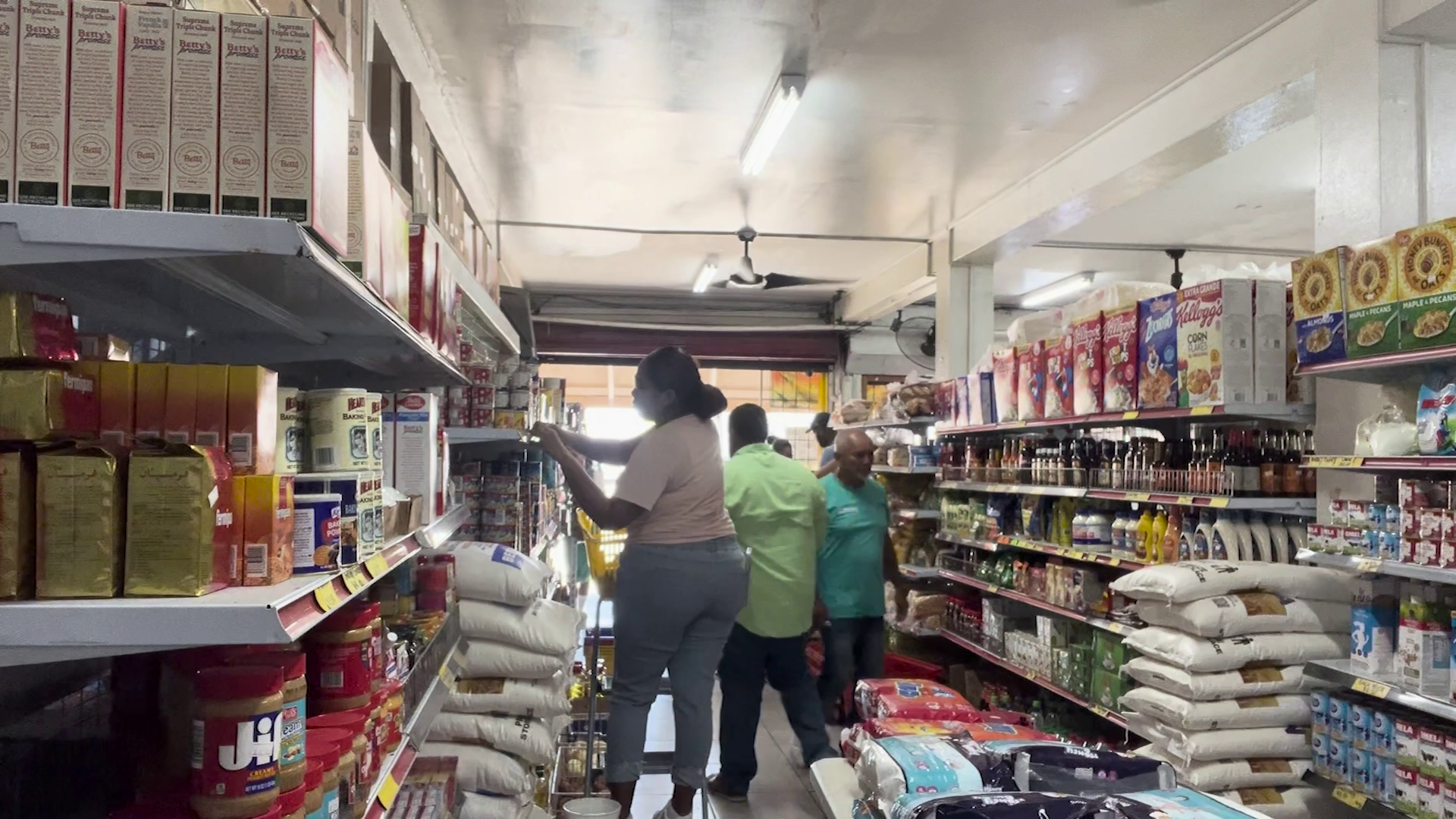
    In practical terms, the tariff would push up retail prices for imported instant noodles, creating a critical market advantage for domestic brands. One major beneficiary would be Manna noodles, produced by the Caribbean Organic Food Stuff Company based in Carmelita Village, Orange Walk District, which would see its locally produced offerings become more price-competitive against cheaper imported alternatives.

    For thousands of low-income Belizean households, ramen has emerged as an essential survival staple in the wake of skyrocketing food costs. In 2023, national inflation drove overall food prices up by more than 12%, and coupled with ongoing spikes in fuel costs that have pushed up all retail prices, many families have already cut non-essential spending to keep grocery bills manageable. Ramen has remained one of the last low-cost, filling food options available to cash-strapped consumers, cementing its status as a go-to meal for students, working parents, and single-income households.

    Opposition Senator Patrick Faber has emerged as the most vocal critic of the plan, launching a fierce pushback against the tariff. Faber warned that the price increase caused by the new duty will disproportionately harm the country’s most economically vulnerable groups, noting that ramen is far from a luxury product for many Belizeans. He pointed to already visible price hikes in recent years, recalling that consumers not long ago could purchase four to five individual packs of ramen for just one Belize dollar, a price point that has already disappeared from most store shelves.

    Faber argued that while the government has framed the change as necessary to comply with international trade agreements, compliance should never come at the expense of ordinary consumers. “Compliance with treaties must never replace the responsibility to protect the Belizean consumer,” he stressed.

    Ruling party Senator Christopher Coye pushed back against claims that the policy amounts to unfair protectionism, framing it instead as a deliberate, strategic trade policy correction. Coye explained that Belize’s current duty structure creates an inherent disadvantage for domestic ramen producers: local manufacturers pay import duties on the raw ingredients they bring in to make their product, while finished imported ramen enters the country with far lower cumulative duties, giving foreign brands an artificial price advantage.

    Looking ahead, Coye noted that the tariff adjustment is a temporary step toward broader tax reform, adding that a more comprehensive solution would eventually shift the country away from reliance on import duties toward a broader excise tax system. However, he acknowledged that this major policy overhaul remains far off in the future.

    As the bill moves forward in the legislative process, the core debate continues to divide policymakers: can the government nurture a growing domestic food production sector without raising the cost of living for families already struggling to put food on the table?

  • Planning to Catch a Bus This Evening? Here’s What You Need to Know

    Planning to Catch a Bus This Evening? Here’s What You Need to Know

    On a Monday morning in April 2026, commuters across Belize woke to a widespread transportation disruption, as the Belize Bus Association (BBA) followed through on a long-threatened strike that blocked critical infrastructure and upended travel for thousands. Dozens of BBA buses were positioned to block the Toll Bridge in Orange Walk Town on the Philip Goldson Highway, a major northern corridor, bringing passenger travel, private motor vehicle movement and cross-border commercial activity to a standstill for hours.

    Senior government officials including Ministry of Transport CEO Chester Williams and local law enforcement were deployed to the site to monitor the escalating standoff, which was only de-escalated after a direct phone conversation between Belize Prime Minister John Briceño and BBA Vice President Michael Frazer, who also owns LIMTD Bus Service. By 8:30 a.m., the two sides announced a verbal agreement that cleared the bridge and pulled back striking buses, though formal written sign-off remains pending ahead of scheduled negotiations in the capital Belmopan this afternoon.

    Under the terms of the tentative agreement, the national government will offer a $3 per gallon fuel subsidy to BBA operators serving inter-village, inter-town and inter-city routes. The sides also agreed to reopen discussions on a modest, targeted fare adjustment, and granted a key BBA demand: a representative from the Prime Minister’s office will attend all formal negotiating sessions. This concession comes in response to longstanding BBA claims that Transport Minister Dr. Louis Zabaneh has handled negotiations unfairly, a grievance the government has now formally acknowledged.

    Frazer confirmed the details of the verbal deal in a post-meeting statement, noting that the Prime Minister would share the agreed terms via digital message before issuing an official written copy, and that BBA crews cleared the highway immediately in exchange. “We have agreed to a three dollars discount from the fuel price,” Frazer said. “We will meet with the transport department in Belmopan to do a slight fare adjustment. We have asked for a person from his office to be present because we believe that Mr. Zabaneh is not being fair to us.”

    The current crisis is the culmination of weeks of escalating tension between the BBA and the Ministry of Transport, rooted in conflicting approaches to covering skyrocketing fuel costs that have squeezed bus operators for months. The standoff reached a breaking point last Friday, when the Ministry published new Cabinet-approved fare hikes set to take effect that same Monday. Under the proposed new rates, operators would be allowed to charge 18 cents per mile for regular routes and 20 cents per mile for express service – increases that translated to substantial cost jumps for long-distance passengers.

    For example, a 160-mile one-way trip from Punta Gorda to Belize City would have cost $39 on a regular bus, or $43.50 on an express route. A trip from Corozal to Belize City, which covers 89 miles, would have hit $15.25 for a one-way regular fare. Public pushback was immediate and overwhelming: a quick informal Facebook poll run by local outlet News Five drew more than 2,000 responses, with 96% of respondents opposing the planned fare increases.

    But the biggest rupture came Saturday morning, when the BBA issued an official press release rejecting the new fares categorically, claiming government negotiators never consulted bus operators on the new rate structure. The association alleged that the Ministry calculated the new fares using an internal formula that excluded any meaningful input from working operators, and issued an ultimatum: the government must implement a fuel subsidy capping retail pump prices at $9.50 per gallon by Sunday, or the BBA would launch a full national strike starting Monday.

    By Saturday afternoon, government officials appeared to back down. Minister Zabaneh announced at a press briefing that the entire planned fare increase would be pulled. “Since the BBA is saying they don’t wish for the rates, and that they reject the rates, then we will remove the rates,” he stated. “No increase in rates to our people. Instead, the Prime Minister has agreed we will work on a subsidy for the BBA.”

    For a brief window, it looked as though the crisis had been resolved. But tensions flared again on Sunday, when the BBA sent an urgent letter to Deputy Prime Minister Cordel Hyde accusing the Ministry of Transport of intentionally excluding Belize City routes from the proposed subsidy framework. The association called the omission part of a pattern of bad faith, not a simple mistake, and issued a new ultimatum: government had one hour to issue a corrected press release that extended the subsidy to all routes, including all village runs and Belize City services, with the subsidy kicking in for any pump price above $10 per gallon. When the hour passed without a correction, the BBA moved forward with the Monday strike.

    For commuters searching for alternative travel options, one key exception remains: the state-owned National Bus Company has not joined the strike and has not implemented any fare increases, so all NBC routes are expected to operate on their regular schedules. The Ministry of Transport also activated contingency plans after the strike began, requesting that NBC and other independent operators add extra capacity where possible to cover disrupted routes in Corozal and Orange Walk.

    Formal negotiations got underway at 12:30 p.m. at the Ministry of Transport headquarters in Belmopan, with reporters on-site to cover developments and share updates as they are released. Until a full written agreement is finalized and signed by both sides, BBA has confirmed that regular evening bus service cannot be guaranteed. Officials are urging commuters who rely on BBA routes to arrange alternate travel plans, such as a private ride with friends or family, to avoid being stranded.

    Prime Minister Briceño struck a cautiously optimistic tone in comments after the verbal agreement was reached, noting that the negotiating team is focused on finding a middle ground that addresses both sides’ core concerns. “We have to find a balance,” Briceño said, “noting that while operators are struggling with rising fuel costs, passengers cannot absorb steep fare increases either. We recognize that there is a crisis.”

  • Bahamian Officials Tour Belize Farms Ahead of Agric 2026

    Bahamian Officials Tour Belize Farms Ahead of Agric 2026

    In a strategic move to strengthen cross-Caribbean agricultural collaboration, a high-level delegation of Bahamian agriculture and trade officials is touring Belize this week, arriving ahead of the country’s 2026 National Agriculture and Trade Show to study Belize’s domestic food production systems.

  • GOB Launches $10 Million Solar Water Project in Four Villages

    GOB Launches $10 Million Solar Water Project in Four Villages

    In a major push to address long-standing rural water insecurity, the Government of Belize officially launched a $10 million sustainable infrastructure project this Friday that will deploy solar-powered water systems to households across four underserved communities in Toledo and Corozal Districts.

    Named the Securing Water Resources through Solar Energy and Innovative Adaptive Management (SEAM) initiative, the entire project receives full financing from the global Adaptation Fund, an international body dedicated to supporting climate adaptation actions in developing nations. The project targets four communities where consistent, clean access to potable water has remained an unmet need for years: three rural settlements in the southern Toledo District — Boom Creek, Dolores, and Otoxha — and one northern community, Copper Bank, located in Corozal District.

    Over the five-year implementation timeline, project officials estimate more than 1,800 local residents will gain direct, reliable access to improved water services through the new solar-powered infrastructure. Unlike traditional electric water systems that rely on costly, carbon-intensive grid power, the SEAM project’s solar design aligns with global climate adaptation goals, cutting operational costs while delivering long-term sustainable water access for vulnerable rural populations.

    The SEAM project first received formal approval in 2025 during the Adaptation Fund’s 45th Board Meeting held in Bonn, Germany. From its earliest planning stages, the initiative has been framed as a replicable pilot model: if successful, policymakers plan to scale the solar water model to dozens of other rural communities across Belize that grapple with identical water security challenges, many worsened by climate change-driven drought and shifting rainfall patterns.

    Oversight of the SEAM project will be managed by the Protected Areas Conservation Trust (PACT), while the country’s Ministry of Rural Transformation will lead on-the-ground implementation. Notably, preliminary construction and preparation work has already gotten underway in several of the target villages, marking an early milestone for the initiative that comes just one year after its formal approval.

  • Can Russia Help End the Iran Conflict?

    Can Russia Help End the Iran Conflict?

    On April 27, 2026, a high-stakes diplomatic meeting between Iranian Foreign Minister Abbas Araghchi and Russian President Vladimir Putin unfolded in St. Petersburg, bringing a new layer of regional dynamics to the escalating long-running conflict between Iran and the United States. Photographs published on Araghchi’s official Telegram channel captured a formal, cordial handshake between the two top diplomats alongside senior delegations from both nations, setting a cooperative tone for the discussions.

    In remarks carried by Russian state television, Araghchi framed the longstanding connection between Moscow and Tehran as a robust strategic partnership, one that both sides are committed to expanding in the coming months. Speaking to journalists after the closed-door talks, the Iranian foreign minister emphasized that his country has maintained a firm stance against pressure from what he called the world’s greatest superpower – the United States. He went on to assert that Washington has failed to secure any of its core policy objectives through its campaign of pressure on Iran, a remark that underscored Tehran’s continued defiance.

    Russian Foreign Minister Sergei Lavrov later characterized the bilateral talks as productive, confirming that the in-depth discussions ran for approximately 90 minutes. Long before the face-to-face meeting, Kremlin spokesperson Dmitry Peskov had already publicly announced that Russia stands prepared to take on the role of mediator in future peace negotiations aimed at de-escalating the ongoing Iran conflict. This announcement positions Russia as a key potential broker in a standoff that has gripped global security for decades, as Moscow seeks to expand its diplomatic influence in the Middle East while deepening its economic and security ties with Tehran.

    The meeting comes at a time of heightened friction across the Middle East, with U.S.-Iran tensions remaining at near-crisis levels after years of stalled negotiations over Iran’s nuclear program and regional military activities. By deepening bilateral cooperation and offering mediation, Russia is moving to solidify its role as a central player in Middle East peace processes, countering U.S. influence in the region while supporting its key ally Tehran.

  • Suspected Measles Case Detected in Toledo

    Suspected Measles Case Detected in Toledo

    Public health authorities in the Toledo District have confirmed the detection of a suspected measles case, triggering an immediate coordinated response to stop potential spread of the highly contagious virus, according to an official announcement from the local Ministry of Health and Wellness.

    The patient in question is a 19-year-old individual who recently returned from travel to Guatemala, a country currently grappling with a large, sustained measles outbreak that has already been linked to more than 5,000 confirmed cases since the end of 2025. The preliminary diagnosis of the suspected case was completed on April 24, 2026, and public health protocols were activated within hours of the result.

    To mitigate the risk of secondary transmission, health officials have implemented strict isolation protocols for the affected patient and ordered mandatory quarantine for all identified close contacts of the individual. In addition to these control measures, specialized health response teams have already launched two key containment initiatives: a targeted ring vaccination campaign for anyone potentially exposed to the virus, and expanded community outreach programs to educate local residents on measles symptoms and prevention strategies.

    The detection of the imported suspected case has amplified existing concerns about cross-border spread of the virus, given the ongoing widespread transmission in neighboring Guatemala. In a public advisory, the Ministry of Health and Wellness has renewed its urgent call for all community members to check their vaccination status and ensure they are fully protected against measles. Authorities emphasized that while measles is one of the most contagious viral diseases that can spread through respiratory droplets, it is entirely preventable through safe, effective vaccination.

    As of April 27, 2026, public health agencies say they remain at a high level of alert, with ongoing active monitoring of the situation to quickly identify any additional cases and stop transmission chains before they can escalate into a larger local outbreak.

  • Bus Strike Paralyzes Commute

    Bus Strike Paralyzes Commute

    On the morning of April 27, 2026, thousands of daily commuters across northern Belize woke up to widespread travel chaos after the Belize Bus Association (BBA) launched a planned strike over a long-running unresolved fuel subsidy disagreement with the national government.

    The industrial action, which the BBA had threatened weeks prior, came to fruition after negotiations between the group and state authorities failed to produce a mutually acceptable agreement. According to BBA representatives, the latest subsidy proposal put forward by the government failed to cover critical high-demand routes, most notably frequent intercity services connecting to Belize City, the country’s largest urban center. The association pinned full responsibility for the breakdown of talks on Belize’s Ministry of Transport, accusing the department of ignoring the pressing cost burdens facing private bus operators.

    As the strike got underway, participating operators escalated their demonstration by blocking the major Toll Bridge crossing in Orange Walk Town, a key transport artery connecting northern districts to the rest of the country. The blockade brought motor vehicle and pedestrian traffic to a complete standstill, leaving hundreds of workers, students, and residents stranded for hours as they attempted to reach their daily destinations. Local authorities finally cleared the blockage from the bridge structure shortly after 8:30 a.m. that same morning.

    In an official statement responding to the crisis, Prime Minister John Briceño acknowledged the severe disruption the strike had inflicted on everyday Belizeans, while tracing the root of the conflict to skyrocketing global crude oil prices that have driven up operational costs for transport providers across the country. “We recognize that there is a crisis… the price of fuel has been going up dramatically,” Briceño noted, adding that government negotiating teams had worked through the entire preceding weekend to craft a compromise proposal that would address operators’ concerns without placing undue burden on passengers.

    Under the framework the government put forward, subsidies would be extended to cover all inter-village, inter-town and intercity bus routes, paired with a controlled, modest increase in passenger fares to help operators offset remaining costs. Briceño emphasized that finding a balanced solution was critical to protecting both sides: “We have to find a balance. Operators are struggling with higher costs, but passengers also cannot absorb steep fare hikes.”

    The Prime Minister confirmed that immediate de-escalation efforts were already underway to end the standoff, including appointing a dedicated government negotiator to resume talks with BBA leadership. He reiterated that the immediate priority was reopening key transport infrastructure to restore normal movement for the public, noting that he had already received official confirmation that the Toll Bridge blockade had been removed. Negotiations between BBA representatives and the government are scheduled to continue the same day in the capital city of Belmopan, as both parties work toward a lasting resolution to the dispute.

  • UNICEF Raises Red Flag Over High Child Abuse Cases in Belize

    UNICEF Raises Red Flag Over High Child Abuse Cases in Belize

    In a stark public warning released in late April 2026, UNICEF has declared grave concern over a sharp uptick in disturbing child-related violence and abuse incidents across Belize over the preceding 30 days. The documented cases uncovered in this period range from missing teenage minors and the deaths of abused children, to the spread of non-consensual abuse content across digital platforms, and repeated accounts of sexual exploitation committed by individuals the child victims know and trust.

    In an official statement, the United Nations children’s agency emphasized that these repeated, high-profile incidents expose a deeply alarming reality: far too many young people in Belize are suffering harm in the very environments that are supposed to guarantee their safety. Sajid Ali, UNICEF’s top representative for Belize, stressed that violence against children constitutes a severe violation of fundamental human rights, and that this abuse must never be normalized or dismissed under any circumstances. He reiterated a critical message that children hold no blame for the harm inflicted on them, and that the full responsibility to act promptly and prioritize children’s well-being rests entirely with adults.

    UNICEF has also drawn attention to an underreported hidden crisis: while a small number of high-profile cases have gained national traction after being circulated on social media, a vast majority of abuse incidents are never brought to public attention or formally reported to authorities. Findings from the most recent seventh round of the Multiple Indicator Survey (MICS7) back this assessment, confirming that violence against children most frequently occurs in familiar settings — within homes, schools and local communities — perpetrated by people the victims already know and rely on.

    Moving beyond awareness-raising, UNICEF has partnered with Belize’s National Commission for Families and Children to roll out the Blue Teddy Bear Campaign, a community-focused initiative designed to equip local residents with the knowledge to identify warning signs of abuse and report suspected cases to relevant authorities. The agency notes that child protection is not a responsibility that falls exclusively to government agencies or law enforcement; every adult in Belize has a role to play in keeping young people safe.

    Looking forward, UNICEF says it will maintain close collaboration with the Government of Belize to strengthen the country’s national child protection framework, advance urgently needed legislative reforms, and ensure that adults tasked with safeguarding children are held fully accountable for failures to act. Even as it works to upgrade formal systems, the agency stresses that institutional changes alone cannot end the crisis. Sustainable, meaningful change to protect Belize’s children must start with shifting norms and practices at the community level.