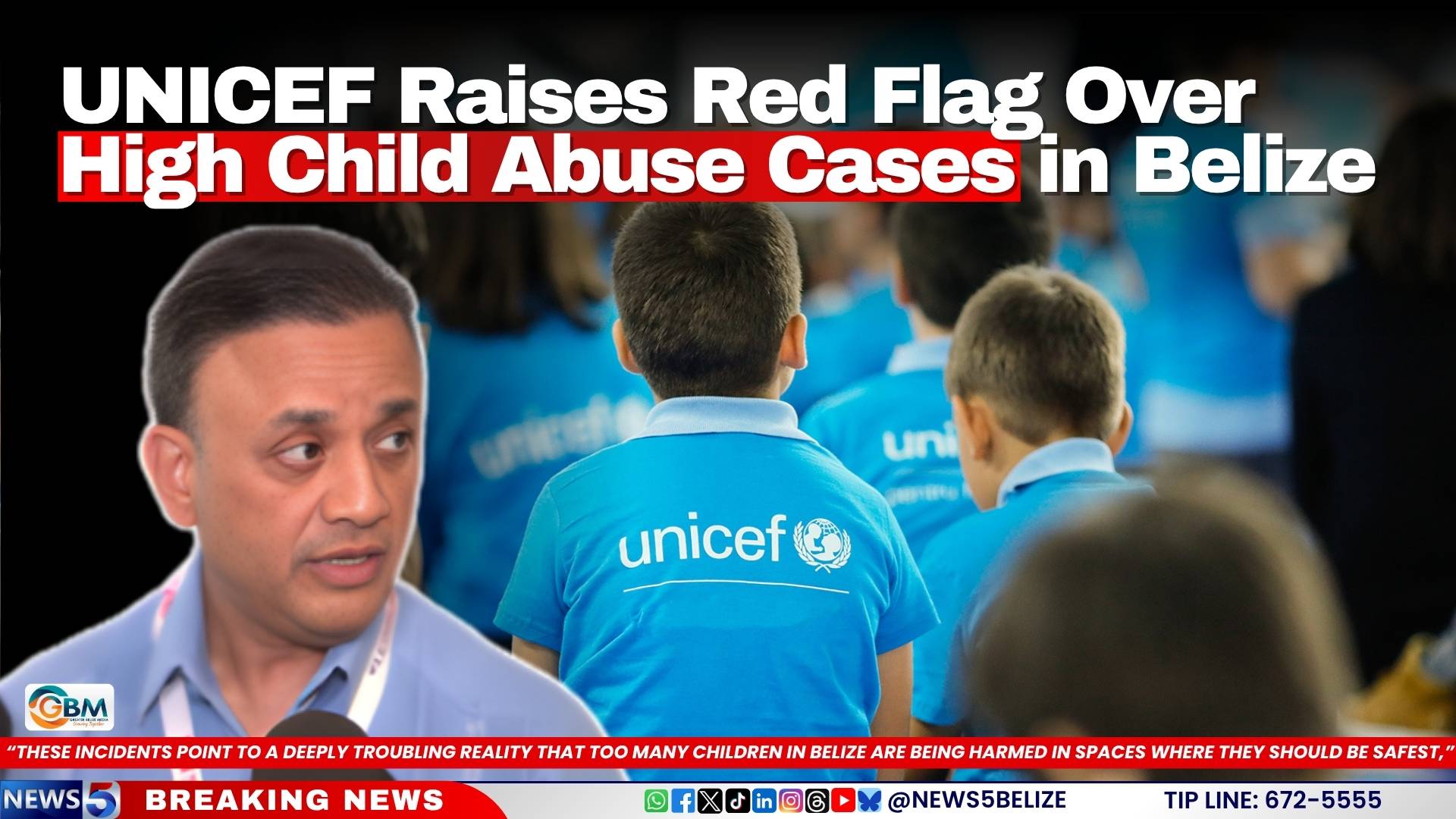
In a stark public warning released in late April 2026, UNICEF has declared grave concern over a sharp uptick in disturbing child-related violence and abuse incidents across Belize over the preceding 30 days. The documented cases uncovered in this period range from missing teenage minors and the deaths of abused children, to the spread of non-consensual abuse content across digital platforms, and repeated accounts of sexual exploitation committed by individuals the child victims know and trust.
In an official statement, the United Nations children’s agency emphasized that these repeated, high-profile incidents expose a deeply alarming reality: far too many young people in Belize are suffering harm in the very environments that are supposed to guarantee their safety. Sajid Ali, UNICEF’s top representative for Belize, stressed that violence against children constitutes a severe violation of fundamental human rights, and that this abuse must never be normalized or dismissed under any circumstances. He reiterated a critical message that children hold no blame for the harm inflicted on them, and that the full responsibility to act promptly and prioritize children’s well-being rests entirely with adults.
UNICEF has also drawn attention to an underreported hidden crisis: while a small number of high-profile cases have gained national traction after being circulated on social media, a vast majority of abuse incidents are never brought to public attention or formally reported to authorities. Findings from the most recent seventh round of the Multiple Indicator Survey (MICS7) back this assessment, confirming that violence against children most frequently occurs in familiar settings — within homes, schools and local communities — perpetrated by people the victims already know and rely on.
Moving beyond awareness-raising, UNICEF has partnered with Belize’s National Commission for Families and Children to roll out the Blue Teddy Bear Campaign, a community-focused initiative designed to equip local residents with the knowledge to identify warning signs of abuse and report suspected cases to relevant authorities. The agency notes that child protection is not a responsibility that falls exclusively to government agencies or law enforcement; every adult in Belize has a role to play in keeping young people safe.
Looking forward, UNICEF says it will maintain close collaboration with the Government of Belize to strengthen the country’s national child protection framework, advance urgently needed legislative reforms, and ensure that adults tasked with safeguarding children are held fully accountable for failures to act. Even as it works to upgrade formal systems, the agency stresses that institutional changes alone cannot end the crisis. Sustainable, meaningful change to protect Belize’s children must start with shifting norms and practices at the community level.