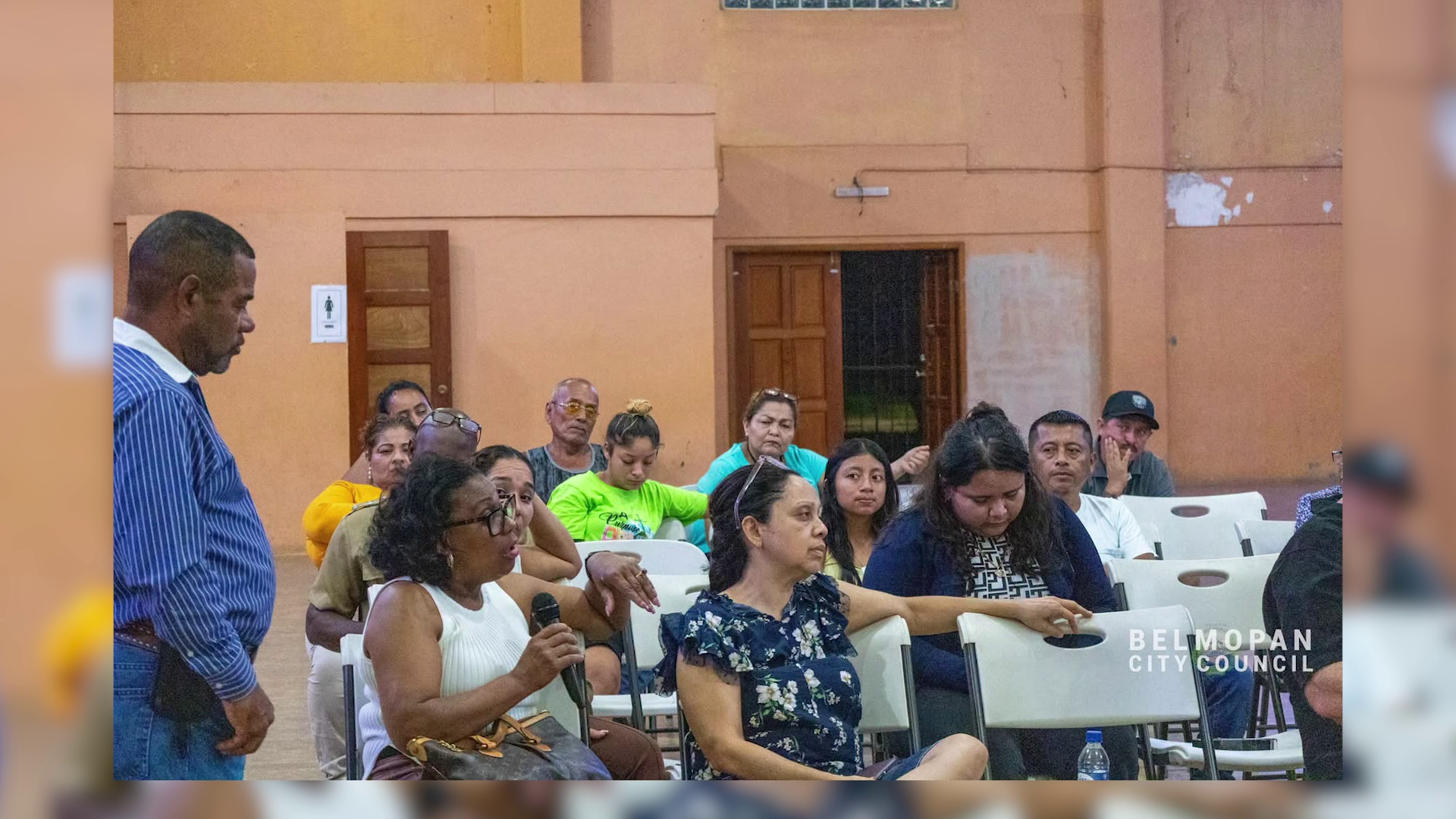
For decades, residents living in proximity to bars, nightclubs and open-air drinking establishments in Belize have raised persistent concerns over unregulated late-night noise, congested traffic, and opaque licensing processes that have allowed disruptive businesses to operate in residential neighborhoods. Now, more than a century after the current liquor licensing framework was first enacted, the Belizean government is launching a historic public consultation process to update these outdated rules, and it is calling on ordinary residents, business owners and community stakeholders to make their voices heard directly.
Next week, on Tuesday, July 28, the Ministry of Local Government will bring its national liquor licensing reform consultation tour to Belize City. The public forum is scheduled to kick off at 6 p.m. at the city’s House of Culture, where attendees will be able to share feedback on a broad slate of proposed changes to the century-old legislation. The discussions will cover key pain points that have plagued communities for years, including noise pollution control, revised operating hour restrictions, updated licensing categories, stronger enforcement mechanisms, and specific regulatory frameworks for open-air entertainment establishments.
Local government officials emphasize that the core goal of the reform effort is to modernize Belize’s outdated liquor regulation system and strike a more equitable balance between supporting legitimate business activity and protecting the quality of life and peace of residential communities. Clifford King, Director of Local Government, outlined the pressing need for reform in comments ahead of the consultation, noting that unregulated alcohol sale and consumption is linked to many of the country’s most persistent social challenges.
“We know that the sale and consumption of liquor is a contributing factor to a lot of the societal problems we’re having, whether it is road traffic accidents, domestic violence, property offenses, sexual offenses, and labor violations,” King explained. “So we know what the problems are, and we now have to bring those realities into a discussion framework.”
King also pointed out that the current system itself is riddled with structural flaws that create ongoing challenges for regulators and communities alike. These issues include unclear license classification, outdated fee structures for different license categories, problems with the governance and administration of licensing boards, including inconsistencies in board member appointments, insufficient penalties for violations, poor enforcement of existing rules, and the ongoing correlation between unregulated liquor establishments and excessive noise pollution from loud music.
Despite the widespread public frustration with these issues, King noted that public participation in earlier consultation stops around the country has been lower than hoped, with only a small group of attendees turning out to share feedback. Still, he said, the input that has been collected so far touches on critical issues and reflects broader public attitudes across Belize. He is urging all residents with a stake in the outcome of the reform process to attend the Belize City consultation, regardless of whether they have experience with policy discussions.
“Please come out, give your inputs, seek your clarification,” King said. “Even in the current framework, if you’re not clear about certain things, ask questions. And I want to say very clearly that we don’t just want complaints. We want to hear them, but we want solutions. We want to hear what your recommendations are.”
This public consultation marks a rare opportunity for Belize City residents to help shape major policy changes that will impact community life for decades to come, as the government moves to update a regulatory framework that has remained largely unchanged since the late 19th century.