标签: Belize

伯利兹

  • Police Officer Suspended for Dreadlocks?

    Police Officer Suspended for Dreadlocks?

    In a significant development within the Belize law enforcement community, Corporal Kenrick Bol has been officially suspended from active duty following a contentious dispute over his religious expression. The suspension, enacted on February 13, 2026, was formally communicated through the Police Department’s Standards and Accountability Branch.

    The disciplinary action was implemented under Section 8(1) of the Police Act, citing multiple alleged misconduct violations that authorities claim jeopardize departmental integrity and operational efficiency. While specific details remain undisclosed, the suspension letter confirms that several allegations are already undergoing separate disciplinary proceedings.

    Despite his suspension, Corporal Bol will continue receiving full salary benefits during the investigation period. His police powers have been temporarily suspended, though he remains obligated to participate in departmental inquiries when summoned.

    The controversy centers on Corporal Bol’s adherence to Rastafarian religious practices, particularly his refusal to comply with departmental grooming policies requiring the cutting of his dreadlocks. This religious accommodation dispute has drawn attention to the intersection of institutional regulations and individual religious freedoms within the police force.

    Police Commissioner Dr. Richard Rosado recently addressed the matter, emphasizing the department’s commitment to policy compliance while revealing that the case has been referred to the Attorney General’s Ministry for legal guidance. “We take policy implementation seriously,” Commissioner Rosado stated, indicating the complexity of balancing religious expression with uniform standards.

    The ongoing situation highlights broader conversations about cultural sensitivity, religious accommodation, and institutional conformity within Caribbean law enforcement agencies.

  • Two More Charged in Ladyville Murder

    Two More Charged in Ladyville Murder

    Belizean authorities have intensified their investigation into a January homicide case with the arrest and formal charging of two additional suspects. Izaiah Nigel Beeks and Camryn Lozano now face murder charges in connection with the fatal shooting of Elroy Edward Bainton, bringing the total number of accused individuals to three.

    The developments come approximately three weeks after the initial incident, which occurred on the evening of January 25, 2026, in the Ladyville area of Belize District. According to police reports, the violent attack took place outside the Jew Apartment Complex on Yellow Tail Street, where Bainton sustained multiple gunshot wounds.

    Emergency services transported the victim to a medical facility, where he was subsequently pronounced dead. Law enforcement officials have indicated that this killing represents one of two interconnected fatal shootings that evening, with both incidents allegedly stemming from an internal dispute within drug trafficking circles.

    The investigation previously led to the arrest of twenty-one-year-old Caryl Paul Rodas, a construction worker from Burrell Boom, who had been the sole suspect charged until this recent development. The expansion of the case suggests ongoing investigative efforts by Belizean police to identify all parties involved in the organized violence.

    Authorities have not disclosed whether additional suspects remain at large or if further charges are anticipated as the investigation continues to unfold. The case highlights ongoing challenges with drug-related violence in the region and law enforcement’s response to organized criminal activities.

  • What Led to the Double Murder in Belmopan?

    What Led to the Double Murder in Belmopan?

    The Belizean capital of Belmopan was struck by tragedy on Friday evening as two young men fell victim to a fatal shooting incident. Calvert Webster, 20, from Mahogany Heights, and Zamar Alvarez, 21, a resident of Belmopan City, were fatally shot while walking with companions at approximately 7:45 PM.

    Official reports from the Belize Police Department indicate that an unidentified assailant discharged a firearm in the direction of the group, striking both victims multiple times and inflicting critical injuries. Emergency services transported the wounded men to a nearby medical facility, where attending physicians subsequently pronounced them deceased.

    The community response has been characterized by profound grief and disbelief. Social media platforms have become virtual memorials where friends and acquaintances express their shock and sorrow. One tribute described Webster as “a very humble, very mannerly young man,” while another mourner expressed being moved to tears by the tragedy, emphasizing that neither victim deserved their fate.

    Law enforcement authorities have not yet disclosed any potential motive for the violent attack. The Belize Police Department has announced plans to provide additional information to media representatives during a scheduled briefing on Monday as their investigation continues to develop.

  • Seven Years Later, Justice Delivered in Bobby Garcia Murder

    Seven Years Later, Justice Delivered in Bobby Garcia Murder

    After a protracted seven-year judicial process, Belize’s High Court has finally rendered judgment in the brutal 2018 murder of eighteen-year-old Bobby Garcia. Pablo Catzim, who was fifteen at the time of the offense, received a fourteen-year sentence for the killing that occurred at the Cahal Pech archaeological site. The court acknowledged Catzim’s juvenile status at the time of the crime, ordering a parole eligibility review after three years of incarceration.

    The case involved particularly disturbing circumstances, with evidence indicating Garcia was lured to the location before being subjected to multiple stab wounds to the chest and severe lacerations to his face and throat. The assailants documented the murder through photographs during its commission.

    Justice Cumberbatch presided over the sentencing, weighing both the brutality of the crime and the defendant’s demonstrated rehabilitation efforts during his seven years in remand. Catzim completed secondary education with distinction and participated in over a dozen rehabilitation programs while incarcerated.

    The court considered mitigating factors including Catzim’s traumatic upbringing marked by domestic violence, the loss of his biological father, subsequent abuse by his stepfather, early cannabis use from age eleven, and documented struggles with suicidal ideation.

    Only one of the two originally charged teenagers faced conviction, as the alleged accomplice was acquitted after cooperating as a crown witness.

    Bobby Garcia’s family expressed profound disappointment with the sentence. Oscar Garcia Sr., the victim’s father, emphasized the irreversible nature of their loss, contrasting their permanent tragedy with the perpetrator’s opportunity for eventual reintegration into society.

    Defense attorney Bryan Neal characterized the judgment as balancing accountability with redemption, noting Catzim’s contrition and apology to the Garcia family and society. Legal provisions for juvenile offenders mandated the court’s structured approach to sentencing and potential rehabilitation.

    The case has sparked broader societal conversations about youth violence, parental responsibility, and juvenile justice reform in Belize, with both the judicial decision and family statements serving as a poignant reminder of the human impact of violent crime.

  • Cayo Ranchers Hit Hard by unexplained Cattle Deaths

    Cayo Ranchers Hit Hard by unexplained Cattle Deaths

    A multi-generational ranching family in El Pilar, Cayo District, is confronting an agricultural crisis as their cattle herd suffers mysterious fatalities that have claimed sixteen animals since January 2026. Despite comprehensive vaccination protocols and professional intervention, the unexplained deaths continue to devastate the family’s livelihood.

    Adrian Balan, representing the family-operated ranch, reported discovering three additional deceased animals during a routine vaccination visit on February 13th. The ranchers have implemented all standard preventive measures, including vaccinations against blackleg, rabies, and tick fever—diseases common to Belize’s cattle industry. The Belize Agricultural Health Authority (BAHA) has conducted extensive testing, including water quality analysis and blood work, yet all results have returned negative for known pathogens.

    “We vaccine every year back-to-back and we are still losing,” Balan stated in an emotional account. “The animals appear completely healthy before suddenly dying. Even with Ministry of Agriculture assistance, we cannot identify the cause.”

    The family’s frustration is compounded by the financial impact of each loss, with no clear solution in sight. Agricultural officials have ruled out blackleg based on post-mortem examinations but remain uncertain about the actual cause. While tick fever was initially suspected, multiple vaccinations against this disease have failed to stop the fatalities.

    This ongoing situation highlights vulnerabilities in local agricultural systems and the critical need for advanced veterinary diagnostics in rural farming communities. The Balan family continues to seek answers as they watch their traditional livelihood diminish with each unexplained death.

  • Caye Caulker Shooting Leads to Wild Pursuit

    Caye Caulker Shooting Leads to Wild Pursuit

    A violent shooting on the tranquil island of Caye Caulker escalated into a dramatic police pursuit on Thursday evening, disrupting the peaceful atmosphere of the Belizean paradise. The incident commenced at approximately 8:30 PM when gunfire erupted along Parrot Fish Street, prompting immediate police response.

    Upon arrival, law enforcement officers witnessed a golf cart carrying three male occupants accelerating away from the scene, initiating a high-speed chase through the village’s narrow thoroughfares. During the pursuit, one individual leaped from the moving vehicle, discarded a suspicious object into a roadside garbage container, and swiftly reboarded the fleeing cart.

    The trail ultimately led authorities to the Caye Caulker Health Center, where they discovered 22-year-old Dominic Castillo suffering from a gunshot wound to his back. Medical personnel provided emergency treatment at the local clinic before transferring the victim to the Karl Heusner Memorial Hospital in Belize City for advanced medical attention.

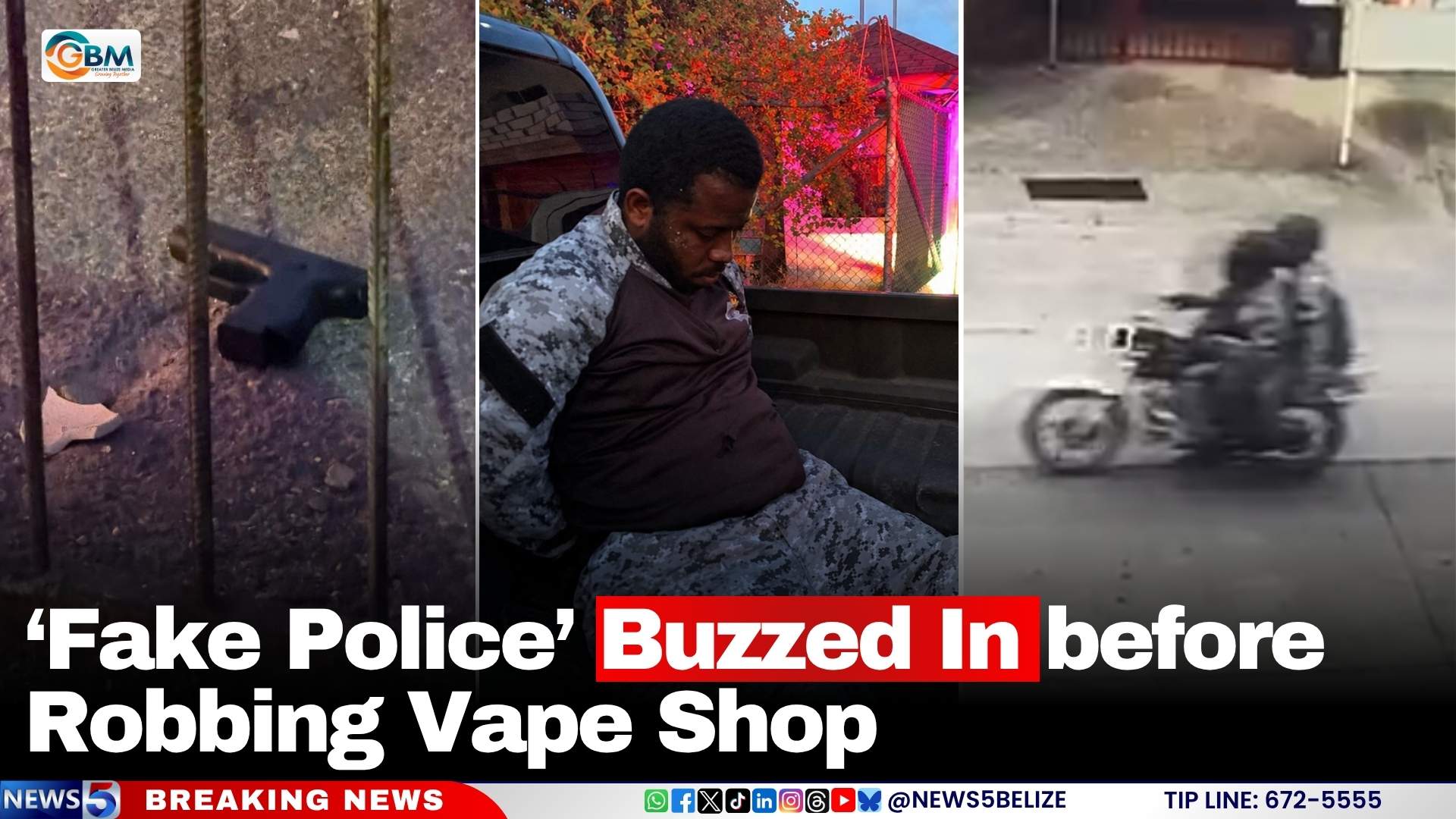
    Police investigators subsequently retrieved the discarded item, identified as a 9mm Taurus pistol loaded with seven live ammunition rounds. Law enforcement officials have detained a 29-year-old local resident in connection with the weapon’s possession. Additional forensic evidence collected near Hawkbill Street, including seven spent shell casings and blood traces, suggests a more complex sequence of events than initially apparent. The investigation continues as authorities work to reconstruct the precise circumstances surrounding this violent disturbance.

  • Armed Duo Targets Guard in Overnight Ambush

    Armed Duo Targets Guard in Overnight Ambush

    BELIZE CITY – A violent overnight assault on a security guard has triggered an intensive police investigation in Belize City. The incident occurred around 10 PM on February 13, 2026, when two armed individuals launched a direct attack on 49-year-old Justo Pineda during his security shift at JL’s Quick Loan establishment on Douglas Jones Street.

    According to law enforcement officials, the perpetrators approached the security booth with deliberate intent and discharged multiple rounds before fleeing the scene under cover of darkness. In a concerning development, investigators confirmed the assailants absconded with two firearms that were supposed to be properly secured on the premises.

    The Belize Police Department mounted an immediate response, resulting in the apprehension of two teenage suspects in proximity to the crime scene. Forensic teams documented the area extensively, collecting spent shell casings and live ammunition as critical evidence.

    Medical authorities report that Mr. Pineda sustained injuries but has now reached stable condition following emergency treatment. The suspects face serious charges including attempted murder and firearm theft, while detectives continue investigating the precise motives behind this audacious violent crime that has heightened security concerns throughout the community.

  • After Losing Arm in Attack, Navas Fights to Rebuild

    After Losing Arm in Attack, Navas Fights to Rebuild

    In a harrowing account of survival and resilience, San Ignacio resident Ilsida Navas is courageously rebuilding her life after surviving a vicious domestic assault that resulted in the amputation of her left arm. The August 2024 incident saw Navas attacked with a machete while sleeping, sustaining severe chop wounds to her limbs, stab injuries to her chest, and ultimately losing her left arm entirely.

    Navas recounted the terrifying prelude to the attack, describing how her partner had initially denied her basic necessities before forcing her to drink cleaning fluid. The violent escalation occurred around 3:00 AM when he assaulted her with the machete, attempting to drive the weapon into her heart before inflicting the injuries that would cost her limb.

    The single mother of four now faces new challenges in her recovery journey. While a Salvadoran physician has agreed to provide a prosthetic arm, the $3,800 cost presents a significant barrier. Navas has launched a public appeal for assistance to fund the prosthetic, which would restore her independence and ability to provide for her children.

    Compounding her trauma, Navas recently learned that her attacker has been released from Belize Central Prison, forcing her to live in constant fear while simultaneously navigating physical recovery and single parenthood. The father of her children relocated to the United States six years ago and has provided no support, leaving Navas as the sole caregiver despite her life-altering injuries.

  • Belizean Med Students in Cuba Struggle Through Deepening Hardships

    Belizean Med Students in Cuba Struggle Through Deepening Hardships

    Belizean medical students pursuing their education in Cuba are confronting unprecedented challenges as the Caribbean nation grapples with severe economic constraints exacerbated by intensified international pressures. What began as an ambitious educational pursuit has transformed into a daily struggle against infrastructure failures and resource scarcity.

    The deteriorating situation has manifested through critical fuel shortages, extensive power interruptions lasting up to eighteen hours daily, and severe disruptions to basic communication services. These conditions have created substantial barriers for students attempting to maintain academic focus while navigating survival in an increasingly unstable environment.

    Beverly Williams, a medical student from Dangriga who relocated to Cuba for her studies, exemplifies this struggle. Initially residing in private accommodation, Williams was compelled to return to university housing due to unsustainable power outages that rendered electric cooking appliances unusable. Educational institutions have implemented emergency measures by connecting student residences to hospital power grids, providing temporary relief through prioritized electricity access. However, this solution remains precarious and subject to Cuba’s worsening energy crisis.

    The communication breakdown presents particularly acute challenges. Unreliable internet connectivity has virtually eliminated video communication, forcing students to rely on sporadic text messages to maintain contact with concerned families in Belize. This technological isolation compounds the psychological strain of enduring resource scarcity.

    Transportation difficulties and inflationary pressures have further complicated daily existence. Soaring prices for essential commodities including food and hygiene products have created financial strain, while mobility constraints hinder access to supplies. Students report growing anxiety about potential complete disconnection from external support systems as the crisis deepens.

    Despite these adversities, institutional support provides some reassurance. The Belizean government and diplomatic representatives in Cuba have maintained consistent communication with students, emphasizing their welfare as a national priority. Ambassador Iliana Swift has implemented regular check-in protocols to monitor student wellbeing, though concerns persist regarding the sustainability of this support as Cuba’s economic situation deteriorates.

    The students’ predicament reflects broader regional challenges, highlighting how geopolitical tensions and economic policies can directly impact educational opportunities and cross-cultural exchange programs. Their experience underscores the vulnerability of international students during host country crises and the importance of contingency planning for overseas education initiatives.

  • Why has Postage to the US Increased by One Dollar?

    Why has Postage to the US Increased by One Dollar?

    The Belize Postal Service has instituted a mandatory one-dollar surcharge on all packages destined for the United States, effective immediately. This policy adjustment received formal approval from the Belizean Cabinet in response to sweeping changes in U.S. international trade regulations.

    The fee increase directly results from President Donald Trump’s July 2025 executive order that eliminated the longstanding $800 duty-free exemption for imported goods. This regulatory shift, implemented in late August 2025, now requires every international parcel entering the United States to undergo comprehensive customs declaration, including detailed documentation of contents, declared value, and country of origin.

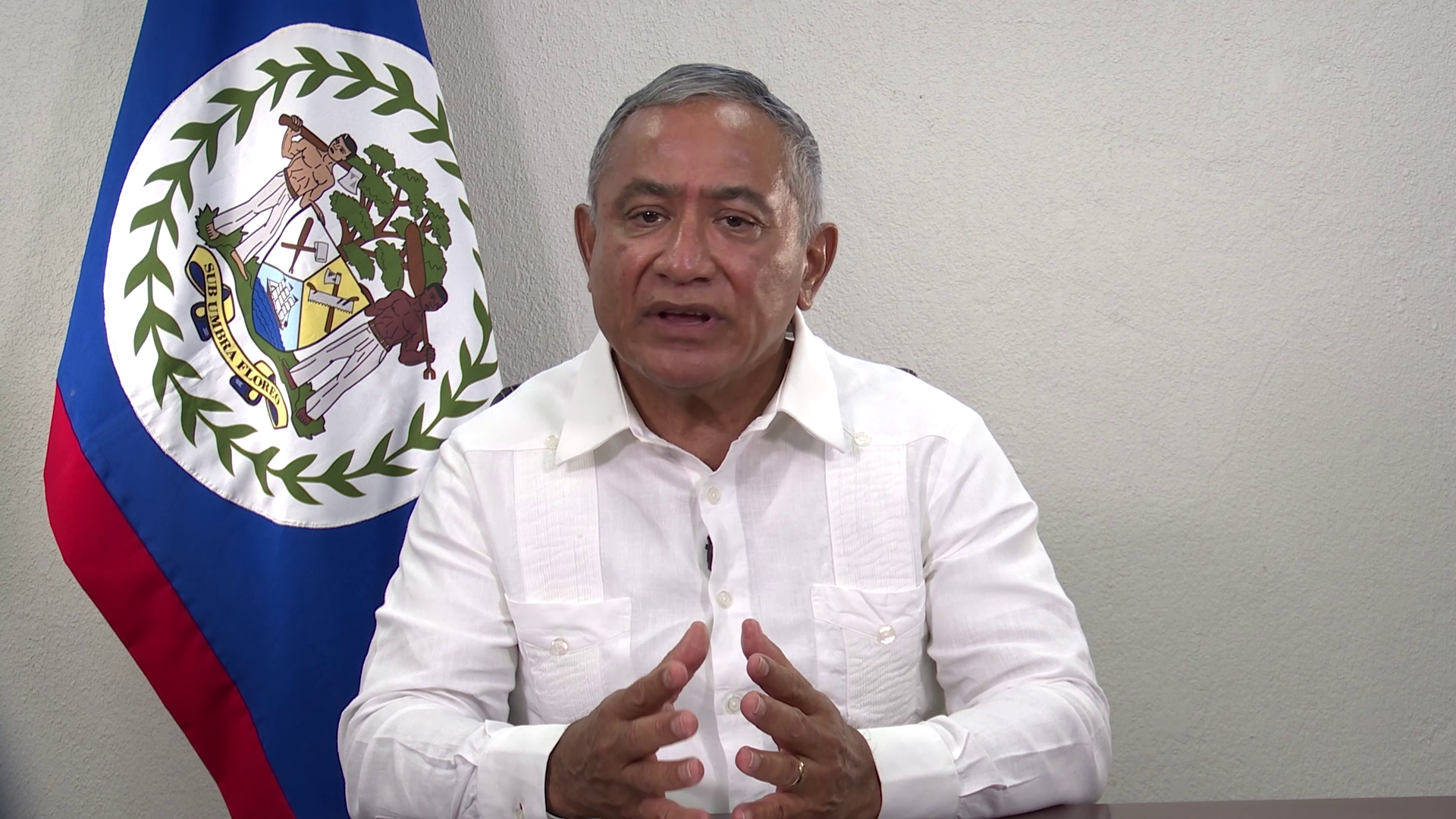
    Postmaster General Dr. Marsha Price explained that the Belize Postal Service must now utilize the Global Solution system developed by the Universal Postal Union to comply with these new requirements. This digital platform automatically calculates U.S. customs duties and associated fees, providing customers with transparent cost breakdowns before they visit post offices.

    “The system enables customers to view all relevant fees, including HS classification codes and customs duties payable to third-party zones, from their homes,” Dr. Price stated during a phone interview. The one-dollar fee specifically covers operational costs associated with implementing and maintaining this new digital infrastructure.

    When questioned whether the surcharge adequately addresses the new administrative burdens, Dr. Price confirmed that “for now, yes. For now, that is what we foresee” as sufficient. Belizean officials emphasize that this nominal fee ensures continued smooth operation of U.S.-bound shipping services while maintaining compliance with enhanced American regulatory requirements.

    The policy change represents how smaller nations must adapt their postal and trade infrastructures to accommodate unilateral policy decisions by larger trading partners, with operational costs ultimately transferring to consumers.