
In a dramatic high-profile murder trial that concluded at the High Court, Lyson James Cacho has been sentenced to 30 years in prison for his role in a fatal daytime shooting, after damning surveillance evidence convinced him to change his plea to guilty halfway through proceedings. The sentence was handed down late Monday by Justice Candace Nanton, who built the penalty from a 35-year benchmark before applying targeted reductions. While Cacho’s guilty plea spared him from a potential life sentence, his late decision to admit guilt meant he did not qualify for the full one-third sentence reduction typically granted to defendants who plead guilty at the earliest stage of legal proceedings. The court also granted Cacho credit for 770 days he had already spent in remand detention leading up to the trial. Justice Nanton outlined several mitigating factors that shaped the final sentence, including Cacho’s expression of what the court ruled as genuine remorse, his early admission to carrying out the shooting, positive behavioral records during his pre-sentencing detention, and his completion of four structured rehabilitation programs hosted by the Kolbe Foundation. The pivotal turning point in the case came on April 29, 2026, when prosecutors presented clear surveillance footage capturing the public killing on Barbara Harris Street. The video footage, recorded in broad daylight, documents Cacho riding up behind the unsuspecting victim, who was walking away from the shooter, before firing a single fatal shot to the back of the victim’s head. After the footage was played for the jury and key witnesses delivered their testimony against Cacho, the defendant chose to end the trial following in-depth legal consultations with his defense attorney, Ian Gray. In his final address to the court ahead of sentencing, Cacho reiterated his deep regret for the crime, claiming he had carried out the shooting under external threat. Justice Nanton acknowledged the defendant’s statement but emphasized that the severe gravity of the offense required a substantial fixed-term sentence. Court records also show that Cacho had previously been tried on serious criminal charges, including murder and attempted murder, in 2015. He was ultimately acquitted of all charges in that earlier case. This news comes as part of regular court coverage from a transcribed broadcast of evening television news, with appropriate transcription standards applied for any local Kriol language testimony included in the original reporting.
标签: Belize
伯利兹
-

Crime Spike in Belize City Prompts Urgent Response from Officials
A sharp uptick in violent criminal activity across Belize City has placed significant public and political pressure on national security officials to implement urgent interventions, following a particularly deadly weekend that left multiple innocent people dead and deepened public fear over community safety.
In an official statement addressing the crisis, Rear Admiral Elton Bennett, Chief Executive Officer of Belize’s Ministry of Home Affairs, outlined the targeted operational adjustments authorities have already rolled out to counter the rising violence. Bennett explained that the Belize Police Department has reallocated personnel and resources to launch focused patrols and investigations in the city’s most violence-plagued neighborhoods. Specialized investigators and intelligence units have been reassigned to proactively map high-conflict zones and defuse escalating tensions between rival criminal groups, with additional support from the department’s Gang Suppression Unit, now working directly within at-risk communities to broker de-escalation and restore calm.
Bennett also extended sincere condolences to the families of victims of what he called “heinous crimes”, noting that the challenge of violent crime extends far beyond the scope of traditional law enforcement action. He emphasized that the root of the crisis lies in a profound erosion of respect for human life among criminal actors, requiring long-term cultural and value-based changes within families and local communities to address.
The bloody weekend of violence has also ignited fierce political backlash, with the main opposition United Democratic Party (UDP) calling for the immediate resignation of Home Affairs Minister Oscar Mira, holding him directly accountable for the escalating security crisis. UDP Senator Patrick Faber delivered scathing criticism of Mira’s leadership, accusing the minister of prioritizing personal and family financial gain over public safety, and claiming he has been completely ineffective in leading the fight against organized violent crime.
Faber pointed to the contrast between Mira’s inaction and the swift response of previous administrations, recalling that past prime ministers would immediately travel to crime scenes and address the nation directly alongside senior police leadership following major violent events. He argued that Mira has become completely impotent in addressing the crisis and must step down to make way for new, more accountable leadership.
In a particularly emotional rebuke, Faber highlighted the case of 25-year-old Eric Nelson, an innocent regular worshiper at St John’s Cathedral who was killed simply for wearing a red shirt in a neighborhood controlled by a rival gang. Nelson left behind a wife and young child, joining other innocent victims including Dr. Bonilla, murdered in front of his daughter, and Mr. McKenzie, gunned down on Albert Street while his children waited in his car. Faber questioned what Mira could possibly say to the grieving families of these unnecessary deaths.
-

Home Affairs Ministry Defends Strategy Amid Post-SOE Violence
Less than a fortnight after Belize wrapped up a one-month State of Emergency (SOE) targeting gang-related criminal activity, a fresh wave of deadly violence has reignited public and political debate over whether the emergency security measures delivered on their promises. With growing public skepticism over the effectiveness of the government’s high-profile crackdown, local reporters pressed senior leadership at the Ministry of Home Affairs to address lingering questions: did the SOE achieve its core goals, or does the recent spike in killings prove the initiative fell short of its objectives?
In an exclusive response to media queries, Rear Admiral Elton Bennett, chief executive officer of the Ministry of Home Affairs, defended the multi-pronged policing strategy implemented during the SOE, pushing back against claims that the renewed violence invalidates the emergency measure’s impact.
Bennett explained that during the State of Emergency, authorities deployed a layered approach to address chronic gang violence concentrated in Belize City. The first pillar of the strategy was a aggressive, targeted law enforcement crackdown focused on high-risk hardened criminals and known gang affiliates. What was initially framed as a Belize City-focused operation was later expanded to outlying regional areas to ensure no high-priority targets could evade capture, Bennett said, noting that this hard-line intervention produced clear, positive results in disrupting criminal networks.
Crucially, Bennett emphasized that the hard enforcement action was always paired with complementary intervention and mediation initiatives designed to de-escalate long-standing inter-gang tensions. Even for suspects detained and incarcerated at the Kobe Foundation during the SOE, the League of Indigenous Unions (LIU) conducted regular engagement sessions, hosting between two and three mediation sessions for incarcerated individuals to address root causes of conflict between rival groups.
When directly asked whether the surge in violent incidents over the most recent weekend serves as a full indictment of the SOE’s work, Bennett flatly rejected that framing. “Not at all,” he stated, arguing that the individuals driving the recent violence are deeply entrenched in criminal activity and extremely resistant to behavioral change, regardless of the intervention efforts deployed by authorities.
“These individuals are very hard to crack and regardless of what intervention effort we may make attempt at, these individuals are very hard to deal with when it comes to changing their intent,” Bennett explained. “All we can do is to make every effort to have the hard police presence and try to achieve deterrence through policing efforts and make every effort to go into these individual communities, which we did to a large extent.”
The SOE, which covered Belize City and its surrounding rural communities, remained in effect for a full 30 days before being lifted by authorities earlier this month. This report is adapted from a transcript of an evening television newscast originally published by the local outlet.
-
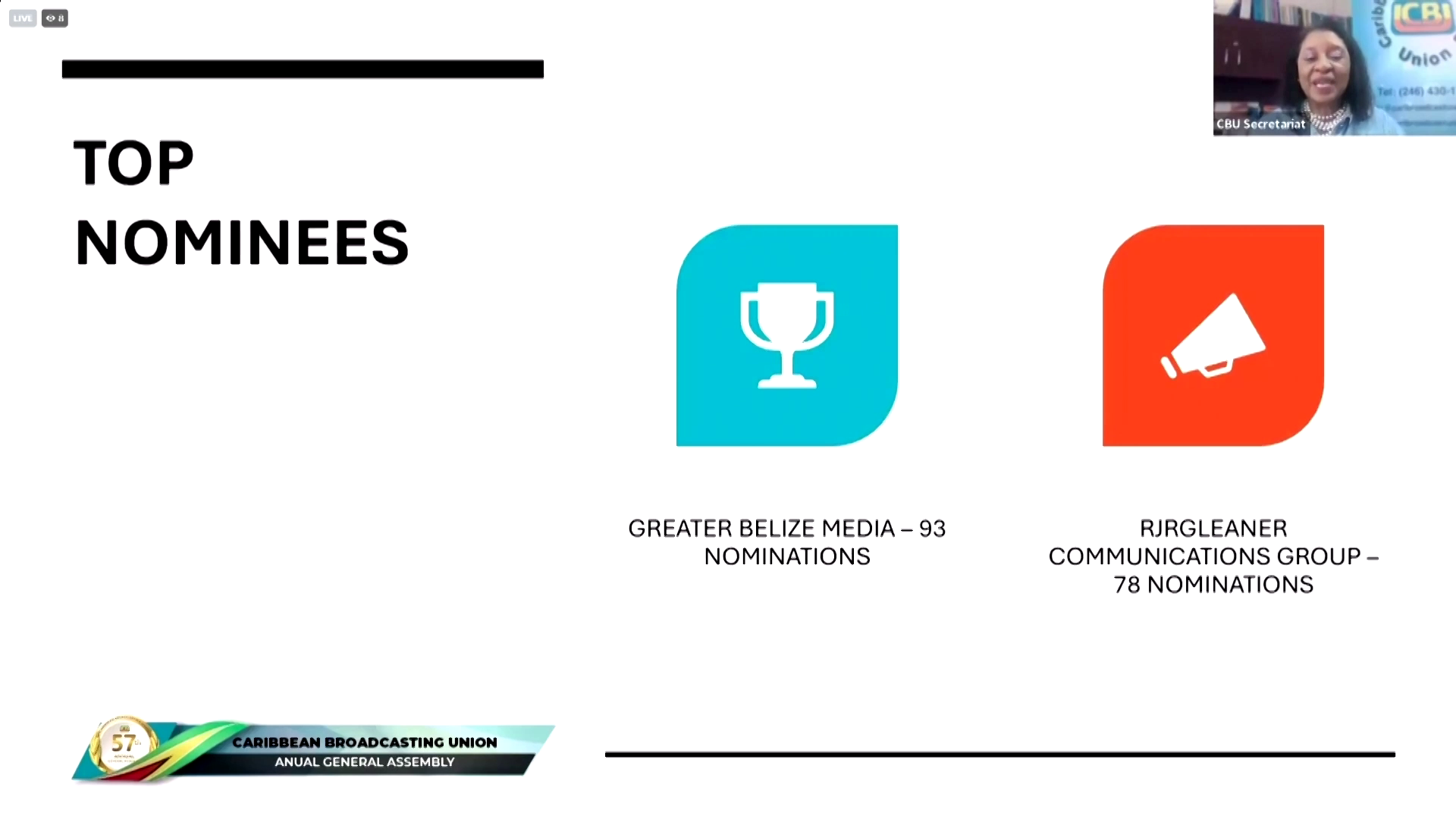
GBM Leads Region with Record 93 CBU Award Nominations
As the regional media landscape prepares for one of its most prestigious annual gatherings, a Belizean media powerhouse has made history by securing an unprecedented number of nominations for the 37th Caribbean Broadcasting Union (CBU) Media Awards, set to take place this August.
Greater Belize Media (GBM), the parent organization of leading Belizean news outlet News Five, has outpaced every other participating broadcaster across the Caribbean region this awards cycle, racking up a record-breaking 93 nomination nods ahead of the August 19 ceremony. The landmark haul cements GBM’s position as the most-nominated media entity entering this year’s awards program.
The company’s impressive showing spans nearly every major award category, demonstrating consistent quality across multiple content verticals. GBM has secured heavy representation in core television categories, ranging from daily news programming and long-form documentaries to in-depth investigative journalism, live sports coverage, and general entertainment content. Beyond these mainstream categories, the media organization achieved a clean sweep of all nominations in the awards’ dedicated child rights programming categories, highlighting its long-standing commitment to elevating critical social issues through its work.
GBM’s cross-platform excellence is further reflected in nominations across digital media projects, radio programming, and the publicly voted People’s Choice awards, marking a strong all-around performance that touches every corner of modern media production.
This year’s CBU Media Awards will be hosted in Georgetown, Guyana, where hundreds of regional media leaders, producers, journalists, and industry stakeholders will gather not only to celebrate outstanding journalism and broadcasting from across the Caribbean, but also to address one of the most pressing challenges facing the industry today: the growing influence of artificial intelligence on journalistic practice, content creation, and media ethics.
As the countdown to the August announcement begins, all eyes will be on GBM to see if its record-breaking number of nominations will translate into an equally historic haul of awards at this year’s ceremony.
-

Despite Mira Scandal, Cawich Confident in Belmopan PUP Victory
As scrutiny tightens around Belmopan’s City Hall, local political attention is already turning to the upcoming 2027 municipal election, with a critical nomination deadline just days away for candidates of the People’s United Party (PUP). By June 19, all PUP hopefuls must submit their candidacy applications, and political observers have been buzzing with two key questions: will incumbent Mayor Pablo Cawich face an internal challenge for his spot, and can the PUP municipal ticket survive the growing controversy surrounding Belmopan’s Area Representative Oscar Mira? For his part, Cawich is dismissing concerns that the ongoing Mira scandal will drag down his campaign, and says he remains confident in a PUP victory at the polls.
In an on-the-record interview with local media, Cawich confirmed that he and his full incumbent slate have already submitted their applications to run for re-election under the PUP banner, laying out their commitment to another term serving Belmopan residents. “My team and I have submitted our application, the full team. We are running again as a team. The deadline you’re referring to is the PUP application deadline, so yes, we are running under the PUP banner again. We do all have intentions to continue serving the people of Belmopan,” Cawich stated.
When asked directly whether sustained public allegations against Area Representative Oscar Mira would spill over and damage his municipal ticket’s electoral prospects, Cawich pushed back on the idea. He framed ongoing political friction as an unfortunate but expected part of electoral politics, noting his long-standing opposition to negative campaigning. During his 2021 campaign, Cawich recalled, he already called for toning down partisan attacks, arguing that elections should be decided on candidates’ track records and policy merits rather than personal or scandal-driven attacks.
While Cawich is unphased by the Mira controversy, he does acknowledge that one of his administration’s key policy pushes could be a harder sell for voters: the stricter, more aggressive tax compliance regime his team has implemented over the last term. “I know that is a problem that all citizens complain about. It is a reality that funds don’t take you as far away as they used to so any extra expense does hurt. But we also have a responsibility as the municipal administration to try and ensure that everyone is compliant so that we can invest the funds into the city,” Cawich explained.
The mayor added that the push for stricter compliance has already delivered measurable results, with far more property owners and businesses meeting their tax obligations than when he took office. This transcript is adapted from an original evening television broadcast, with all remarks preserved accurately for online publication.
-
Millions Unaccounted for as Audit Targets Former Belmopan Mayor
A sweeping financial audit of Belmopan’s City Hall has uncovered more than $4.6 million in potentially unaccounted-for funds linked to the final term of former mayor Khalid Belisle, laying bare systemic gaps in governance and accountability that have sparked new political debate in the Belizean capital. Released in June 2026, the audit flags a range of problematic practices, from unapproved land transactions to opaque asset exchanges that left the municipal council facing major financial losses. In an interview with local reporters, current mayor Pablo Cawich, who succeeded Belisle in office, acknowledged that clear wrongdoing emerged from the audit, but stopped short of demanding law enforcement take the former mayor into custody. Cawich detailed that the losses stemmed in large part from undervalued asset deals, many of which were structured as barter arrangements rather than direct cash sales. “When I say sold, I don’t necessarily mean that they were sold at cash exchange. In some cases, it was in exchange of services. For example, I ask you to do a job and then I can’t pay you, so I give you land instead. Again, those types of practices is where the council lost a lot of funding or money because the exchanges were not always one-to-one,” Cawich explained. When pressed directly on whether Belisle should face arrest for the documented irregularities, Cawich deferred to law enforcement and audit oversight bodies, noting that the question of criminal charges falls outside the scope of the current municipal administration. “I can’t necessarily speak to that. I can say personally that wrongdoing was committed. I wouldn’t know if I would go as far as to say anybody should be incarcerated. That is more of a police and auditor’s perspective,” he said. The timing of the audit’s public release has fueled speculation among political observers that the announcement was intended to distract public attention from an ongoing separate controversy involving Mira, a political rival of Belisle. But Cawich rejected that claim outright, emphasizing that the public release of the audit findings was scheduled weeks in advance of the unrelated political controversy breaking. “I don’t see how an allegation like that could be made. This audit is regarding local government. We obviously release information at public meetings, which is when we released it. The public meeting had been scheduled weeks ahead of that time so there is absolutely no correlation between both topics,” Cawich said. This report is based on a transcribed broadcast from local Belizean news, with original quotes retained for accuracy. As the audit process moves forward, questions remain about whether any individual will face formal consequences for the millions in documented losses, and how the findings will shape local political discourse ahead of future municipal elections.
-

UDP Signals Early Show of Force for 2027 Municipal Elections
In an early show of organizational strength ahead of the 2027 Belize municipal elections, the country’s United Democratic Party (UDP) has announced a robust surge in candidate interest, signaling the opposition’s aggressive preparation to unseat the incumbent People’s United Party (PUP) government. UDP Chair Sheena Pitts shared details of the party’s nomination cycle, which ran from February 26 to March 31, 2026, revealing that more than 90 aspiring politicians have already submitted their applications to run on the UDP ticket. The flood of early contenders demonstrates far greater grassroots momentum than many observers expected, Pitts said, countering any narrative that the party lacks widespread public and political support ahead of the upcoming vote. The candidate pool already holds competitive races for top municipal posts across the country. In Belize City, the nation’s largest urban center, three candidates have already put their names forward for the mayoral nomination, with 18 more hopefuls vying for city council seats. In the national capital of Belmopan, the contest is similarly competitive: two candidates are seeking the UDP’s mayoral endorsement, while 11 residents have applied to run for city council positions. Beyond the two major urban centers, the UDP has already secured full candidate slates for multiple municipalities: three complete slates for Dangriga, and full slates for Orange Walk, Punta Gorda, Benque Viejo del Carmen, San Pedro, and Corozal. Pitts emphasized that the early nomination surge is a deliberate strategy, not an accident. Rather than waiting until the final months before the 2027 election to begin organizing, the UDP has moved months ahead of schedule to lock in candidates and build campaign infrastructure across the country. “If unu mih think Belizean nuh ready, the report we have gotten from our nomination chair show proof positive that there are a number of Belizeans ready to join with the UDP leadership to take down this PUP government,” Pitts said, speaking in Kriol, transcribed in standard spelling per the outlet’s translation policy. The party has already begun the vetting process for applicants, and has sent acceptance notices to the first wave of successful candidates, Pitts confirmed. All remaining notification letters will be sent out by the end of the week, she added, noting that not all applicants passed the party’s vetting requirements to appear on the UDP ticket. This early display of force positions the UDP as an organized, energized opposition more than a year out from the municipal contests, setting the stage for a competitive campaign cycle across Belize’s municipal governments. This report is adapted from a transcript of an evening television news broadcast.
-

UDP Demands Budget, Contractor Details on NHI Expansion
As the Government of Belize pushes forward with a nationwide expansion of its National Health Insurance (NHI) Scheme, the country’s main opposition United Democratic Party (UDP) is escalating demands for accountability by invoking the Freedom of Information Act (FOIA) to obtain unshared critical administrative and financial records.
The formal request for documents, announced publicly by UDP leader Tracy Panton on June 16, 2026, comes after the party’s representatives on the official NHI oversight committee were repeatedly blocked from accessing key details through standard legislative and committee channels. Panton emphasized that this lack of transparency is a major cause for concern for all Belizean residents, who deserve clarity on how the public-funded health scheme is being managed as it scales up.
Among the core documents the UDP has requested are detailed budget allocations for the NHI program for both the current fiscal year and the upcoming fiscal cycle. The party is also demanding a complete, public roster of all public and private primary care providers contracted to deliver NHI-covered services, alongside full disclosures of the ownership of each contracted provider entity.
Panton pointed to conflicting and incomplete remarks made by the Minister of Health during a recent sitting of Belize’s National Assembly to underscore the need for full disclosure. During that assembly session, Panton noted, the health minister only confirmed that seven public health facilities currently hold NHI contracts, leaving the vast majority of participating providers unaccounted for.
“What that leaves unaccounted for is the next ninety percent of providers,” Panton said. “We need to know the names of these providers, the names of the owners.”
Beyond administrative and ownership details, the UDP has also directed a request to Belize’s Financial Secretary for a line-by-line breakdown of all medical services covered under the expanded NHI scheme, as well as the full list of reimbursement rates that the government pays to contracted providers for each covered service.
The formal FOIA filing marks a significant intensification of public pressure on the ruling administration to open its books on the NHI expansion, a major public health policy initiative that affects access to care for all Belizeans. Transparency advocates have long flagged that large public health schemes with contracted private providers carry inherent corruption risks without regular public disclosures, making the UDP’s demand a key test of the government’s commitment to open governance as it rolls out the expanded program nationwide.
This report is adapted from a transcript of an evening television newscast originally published by local Belizean media.
-
UDP Questions $73M BEL Share Purchase
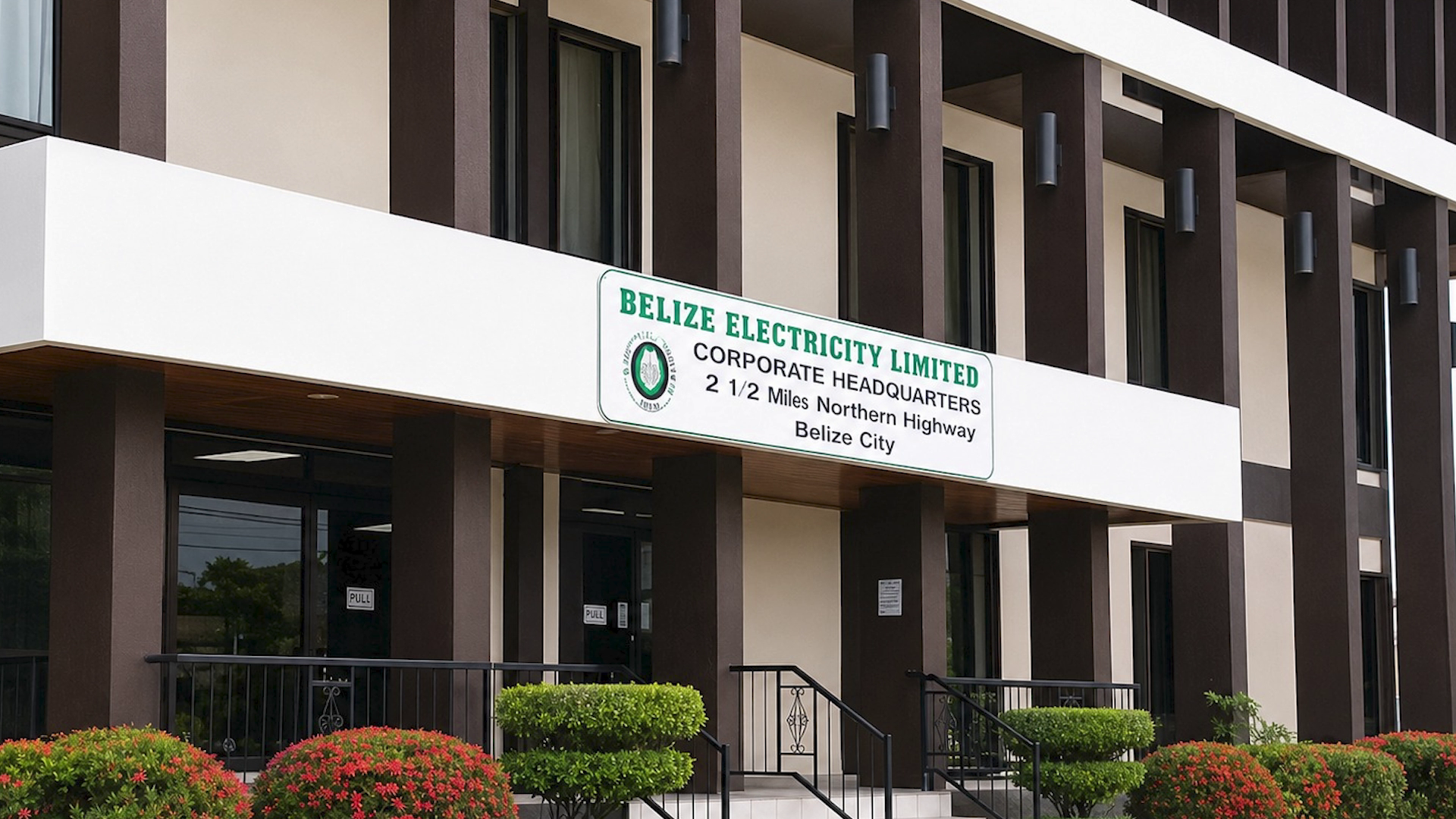
Nearly two weeks after Belize’s Prime Minister John Briceño unveiled a controversial $73 million plan to acquire shares in national utility BEL, the opposition United Democratic Party (UDP) is escalating scrutiny over the proposal, pressing the administration to answer critical questions about funding sources and the ultimate purpose of the transaction. The plan, which calls for the government to buy just over 8.1 million BEL shares at a price of $9 per share, has sparked fierce political debate over whether it amounts to a hidden bailout for the struggling utility, with growing concerns that public social security funds could be tapped to cover the massive cost.
Tracy Panton, leader of the UDP and the country’s opposition, told reporters that the party has repeatedly pushed the ruling People’s United Party (PUP) administration for full transparency, and is set to demand clear answers when the proposal goes before a House Committee meeting on Wednesday. Panton emphasized the staggering scale of the proposed expenditure, noting that the $73 million price tag is no trivial sum at a time when the country’s total national debt is already approaching $1 billion.
Drawing a parallel to the earlier controversial BTL acquisition, Panton declined to pre-empt her party’s formal position ahead of Wednesday’s committee review, where the party will conduct a line-by-line critical examination of the legislation backing the share purchase. She did, however, warn the public of the risks tied to the plan, noting that when she questioned a senior PUP government official about the funding source during a recent visit to Belmopan for separate legislative business, the official could not provide a definitive answer — only offered an unconfirmed denial that funds would come from the Social Security Board (SSB) Investment Fund.
Panton stressed that regardless of where the administration sources the $73 million, the ultimate cost will fall on ordinary Belizean taxpayers. She added that while the public might be willing to accept the expenditure if it delivered tangible benefits like lower electricity bills and more reliable service, there is no evidence those outcomes will materialize from the proposed purchase. If the committee meeting reveals any concrete indication that SSB public funds will be used for the transaction, Panton said the UDP will immediately alert the Belizean public to the plan’s risks.
The proposal marks the latest high-stakes political flashpoint between the ruling PUP and opposition UDP, with public accountability for public spending emerging as a central campaign and legislative issue ahead of upcoming political processes.
-

Women in Fisheries Push for Power and Progress
Opening on June 16, 2026 at Old Belize, the second annual Women in Fisheries Forum has kicked off, turning a long-overdue spotlight on the underrecognized women who form a critical backbone of Belize’s coastal blue economy. Co-hosted by the Wildlife Conservation Society and Belize’s National Women in Fisheries Association, the two-day gathering unites working fishers, small business owners, and marine conservation leaders to address the overlapping systemic and environmental challenges that have long sidelined women in the industry, from soaring operational costs and climate-driven ecological shifts to limited access to capital and professional opportunities.
For generations, commercial fishing has been the economic lifeline of Belize’s coastal communities, supporting nearly 20,000 households and contributing millions of dollars annually to the national economy. Yet despite this outsized impact, women remain vastly underrepresented, holding less than 4% of formal industry roles. The forum’s organizers and attendees are working to shift that imbalance, centering conversations that elevate women’s lived experience and push for greater leadership access, expanded market opportunities, and equitable sustainable financing for women across the marine sector.
Paula Jacobs Williams, chair of the National Women in Fisheries Association and a third-generation fisher from Punta Negra, says fishing is embedded in her identity. “I grew up in a fishing community. My mom and dad were fisher folk, and I always tell people I’ve been fishing from inna di belly — when I was pregnant with my children, I was still out fishing, so they didn’t know a life without it,” she shared at the event. Like many women in the industry, Williams has adapted to mounting pressures in recent years: rising fuel costs, shifting fish populations driven by climate change, and new regulatory changes have forced many small-scale fishers to diversify their income streams. Williams and her family have expanded into coastal tourism to supplement their fishing income, allowing her to continue working on the water she has called home her whole life.
Ralna Lamb Lewis, marine conservation director at the Wildlife Conservation Society, explained that outdated cultural perceptions of fishing as a “male-only” industry have created systemic barriers that lock women out of critical resources. “When there’s a widespread perception that only one group belongs in this space, it limits access for everyone else to the resources and opportunities the sector offers,” Lewis said. “Our focus right now is identifying what resources and opportunities exist for women to fully participate in the growing blue economy, and supporting innovative ideas that let them generate sustainable income for themselves, their families, and their whole communities.”
The 2020 national ban on gill nets, implemented to protect vulnerable marine ecosystems, reshaped fishing practices across Belize — but it also created new challenges for small-scale operators. With net fishing restricted, many fishers have shifted to fish traps, increasing competition for limited fishing grounds. Vonetta Dawson, a small-scale fisherwoman from Dangriga, says southern coastal communities have borne the brunt of these new pressures. “Since the net ban, more and more fishers are using traps, so more fishing area is taken up, leaving less space for small operators like me,” Dawson explained. She added that skyrocketing operational costs have made it nearly impossible to earn a living wage: “Gas prices are incredibly high, and a sack of ice costs $20 here, compared to just $5 in other parts of the country. For most of us, it’s hand to mouth — there’s no extra money to reward ourselves after a long day out on the water.”
Despite these persistent challenges, the forum has become a space for collective action and solidarity. As the Belizean fishing industry continues to evolve amid climate and economic change, the country’s fisherwomen are organizing to claim their space, supporting one another, advocating for policy change, and building a more inclusive, sustainable future for the nation’s marine economy.