标签: Belize

伯利兹

  • Chebat Says Over 20 Internet Providers in Belize

    Chebat Says Over 20 Internet Providers in Belize

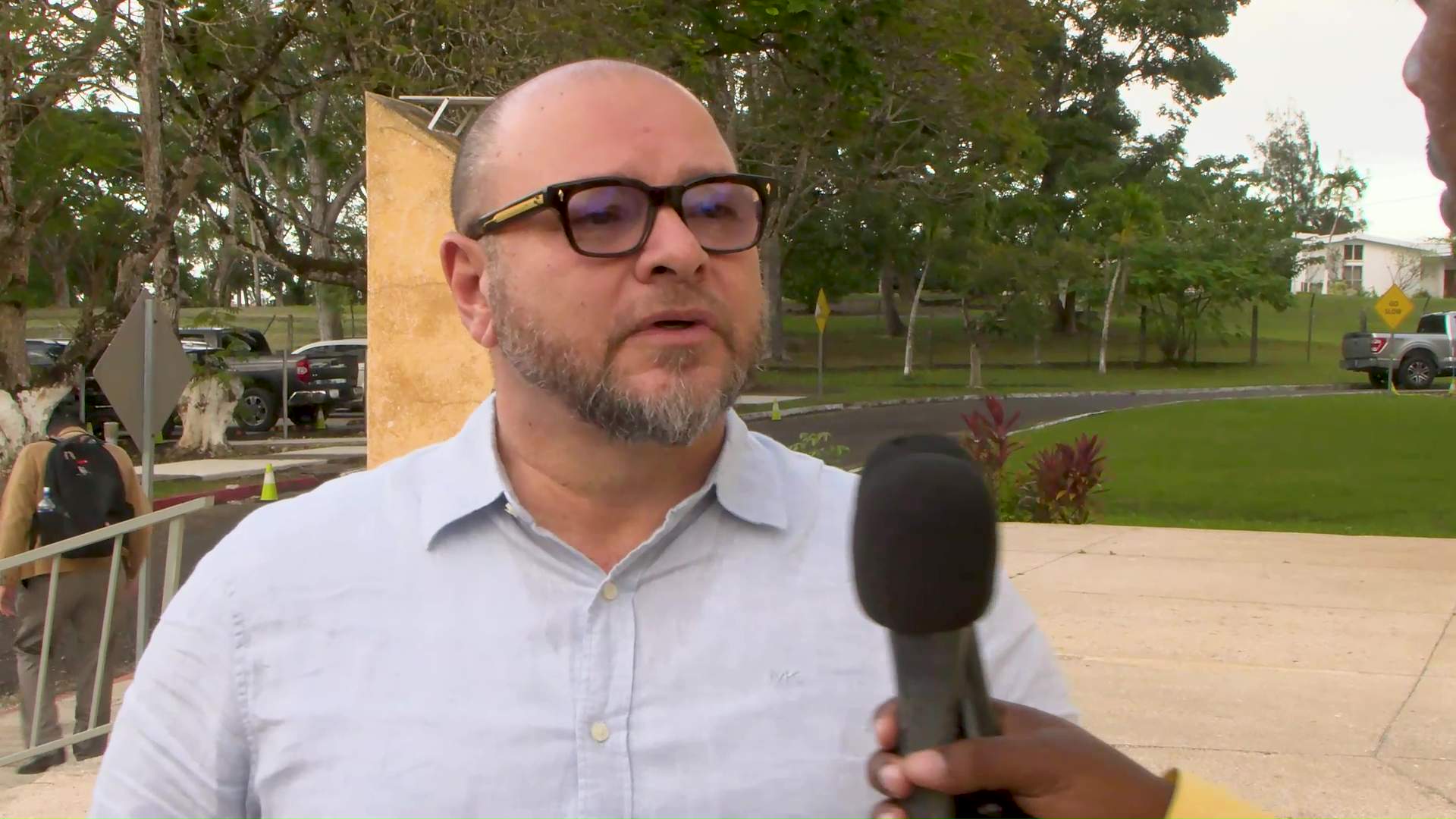
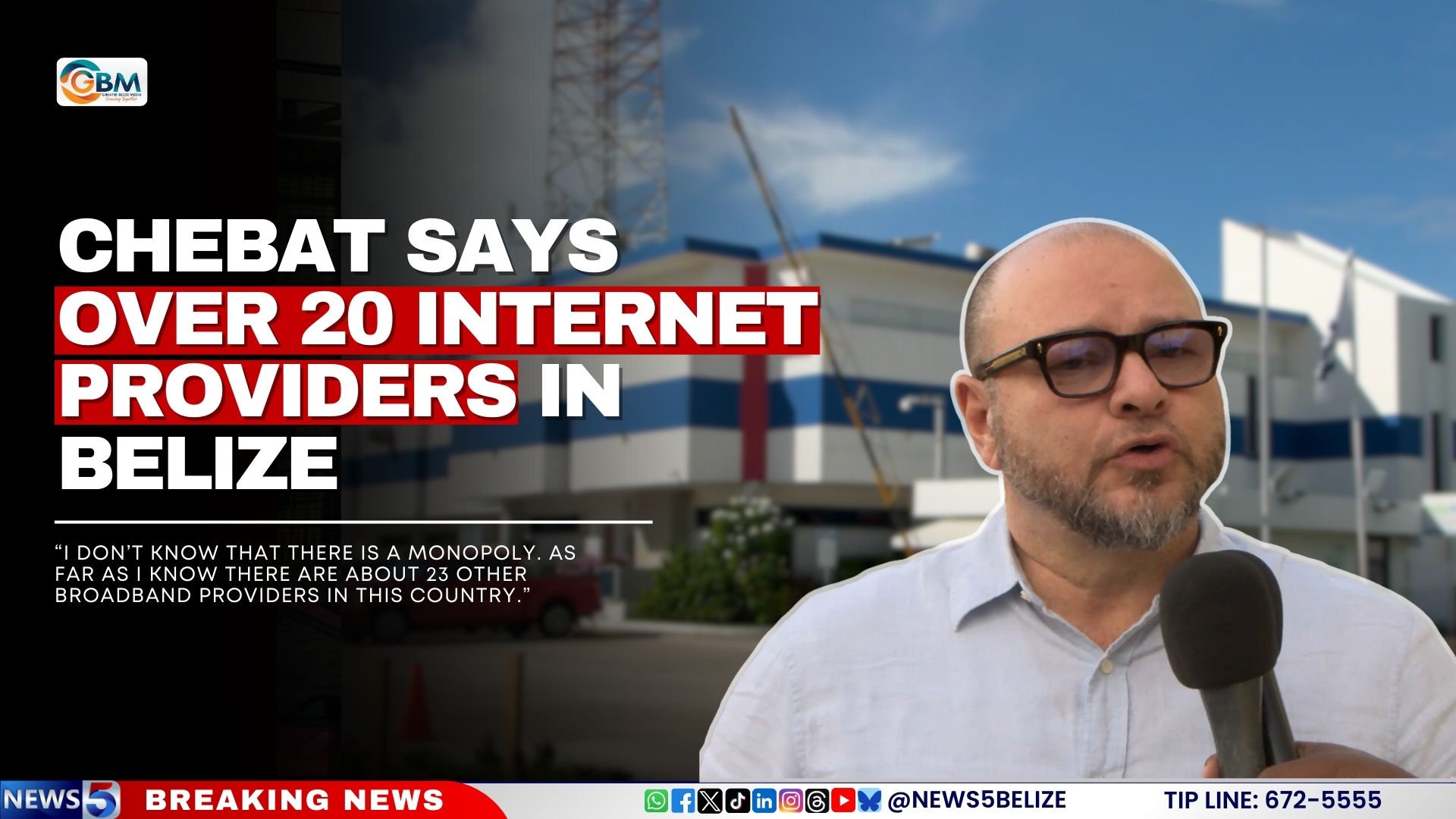
    Belize’s telecommunications sector faces a pivotal moment as Belize Telemedia Limited (BTL), the nation’s dominant internet service provider, seeks governmental approval for its proposed acquisition of SpeedNet. Public Utilities Minister Michel Chebat has directly addressed mounting concerns about potential market consolidation, asserting that the transaction would not establish a broadband monopoly given Belize’s competitive landscape.

    Minister Chebat revealed these insights on Tuesday following BTL’s formal presentation of its acquisition proposal to the Cabinet. The minister emphasized that no definitive decision has been reached, with Cabinet members awaiting the conclusion of BTL’s ongoing stakeholder consultations before rendering judgment.

    In a significant regulatory development, Chebat confirmed the Public Utilities Commission (PUC) is drafting a statutory instrument designed to safeguard consumer interests. This legislation would mandate that internet service rates and package offerings remain frozen throughout any potential ownership transition period.

    When confronted directly about monopoly apprehensions, Chebat responded: “The notion of a monopoly doesn’t align with market reality. To my knowledge, approximately 23 other licensed broadband providers currently operate within our national borders.” This statement finds support in a 2024 International Trade Administration report acknowledging BTL’s market leadership while noting 27 companies hold official operating licenses. However, the report simultaneously questioned whether average Belizean consumers recognize this competitive diversity.

    BTL’s Cabinet presentation culminated weeks of negotiations with key stakeholders including the Social Security Board and the Belize Communications Workers’ Union. Company Chairman Markhelm Lizarraga characterized the high-level meeting as “productive,” noting Cabinet engagement with numerous aspects of the proposal. “The discussion progressed exceptionally well with highly engaged participation from Cabinet members,” Lizarraga stated, reflecting optimism about the proposal’s reception despite pending deliberations.


  • Santa Ana Women Turn Tradition into Enterprise

    Santa Ana Women Turn Tradition into Enterprise

    In a significant cultural recognition event, the National Institute of Culture and History alongside the Institute of Creative Arts has honored the Santa Ana Cultural Sewing and Embroidery Group from Corozal District. The collective, predominantly comprising senior women artisans, has successfully converted traditional textile craftsmanship into a viable commercial venture.

    The recognition ceremony coincided with the inauguration of a special exhibition displaying the group’s intricate handmade creations. These artisans recently completed an intensive training program focused on enhancing production efficiency, refining product quality, and preparing their traditional embroidery for commercial distribution in broader markets.

    Gilvano Swasey, the exhibition curator, emphasized the profound significance of the women’s artistic endeavors, noting: “What distinguishes this art form is its fundamental purpose beyond mere decoration. This represents the art of survival—manifested through culinary traditions, wearable textiles, and oral storytelling practices.”

    Swasey further highlighted the substantial challenges faced by women pursuing creative professions, particularly in rural communities. “Visiting their workspace provides genuine appreciation for both their artistry and cultural preservation efforts, especially when understanding the obstacles these female artists consistently overcome,” he explained.

    The curator humorously acknowledged the personal sacrifices involved, joking about potential domestic tensions: “I teased the ladies that their husbands must frequently dine on Chinese takeout due to their late working hours.”

    The ongoing exhibition offers visitors unique insight into how traditional cultural practices can successfully integrate with contemporary entrepreneurial ambition, creating sustainable economic opportunities while preserving heritage.

  • EXCLUSIVE: Caribbean Sprinter Details Credit Card Fraud

    EXCLUSIVE: Caribbean Sprinter Details Credit Card Fraud

    A comprehensive investigation into Belize’s burgeoning Business Process Outsourcing (BPO) sector has uncovered widespread credit card fraud operations with devastating financial consequences for local enterprises. Water taxi operator Caribbean Sprinter has emerged as a primary case study, revealing sophisticated fraudulent activities that have systematically targeted Belizean businesses.

    The scheme involved perpetrators utilizing stolen US credit card information to purchase transportation tickets, which were subsequently resold domestically at discounted cash rates. The fraudsters employed fabricated bank transfer confirmations to validate transactions, creating an elaborate facade of legitimacy. The financial damage compounded when legitimate cardholders initiated chargebacks—automatic payment reversals mandated under US consumer protection regulations.

    Caribbean Sprinter reported sustaining approximately $5,000 in monthly losses before implementing enhanced security protocols. The company’s forensic analysis revealed multiple failed authorization attempts preceding successful fraudulent transactions, indicating systematic testing of compromised card data.

    Through the deployment of multi-layered security measures including identity verification systems, advanced bank transfer monitoring software, and specialized credit card fraud detection technology, the company successfully reduced monthly losses to under $500. This represents a 90% reduction in financial damage.

    The investigation has illuminated the broader economic threat posed by these operations, particularly to smaller enterprises with limited financial resilience. Caribbean Sprinter emphasized that beyond direct financial losses, businesses risk termination of merchant services due to excessive fraudulent activity, potentially crippling their operational capabilities.

    In a particularly distressing case, the company documented how a US cancer patient’s payment card was disabled due to fraudulent charges, preventing her from securing transportation to chemotherapy treatments. This highlights the human impact extending beyond commercial consequences, affecting vulnerable individuals thousands of miles away.

    The revelations underscore the critical need for enhanced cybersecurity measures and cross-border financial cooperation to combat increasingly sophisticated international fraud networks targeting developing economies.

  • Africa–CARICOM Trade Could Top US$1 Billion

    Africa–CARICOM Trade Could Top US$1 Billion

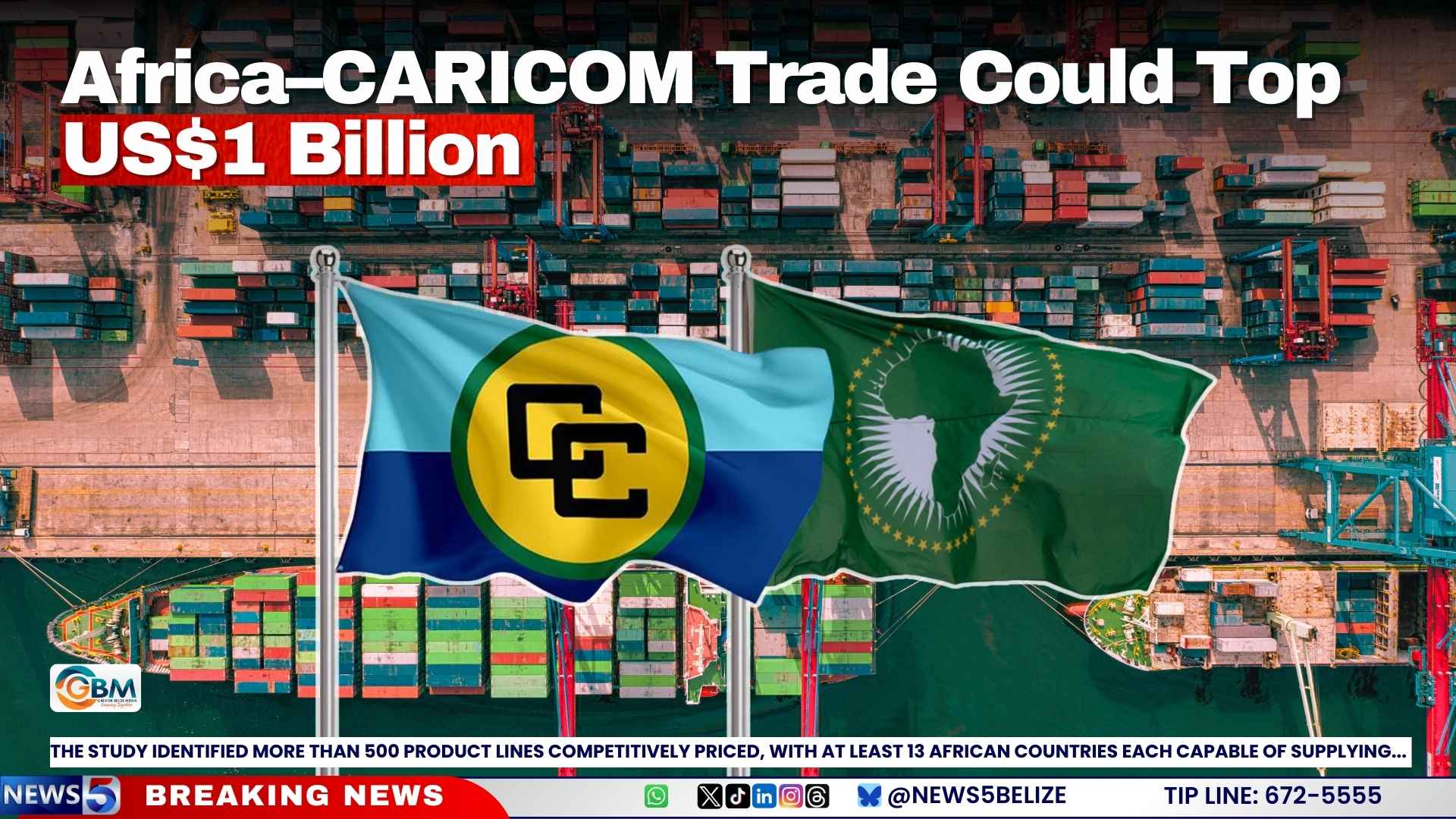
    A groundbreaking economic study reveals that trade between the African Union and CARICOM (Caribbean Community) is positioned to exceed the US$1 billion milestone. The comprehensive analysis, titled “Africa Union–CARICOM Trade in Goods: Scope and Potential,” was unveiled during the inaugural AfriCaribbean Private Sector Webinar Series this Tuesday.

    The research, conducted by the CARICOM Private Sector Organization (CPSO), attracted over 200 prominent business executives, government representatives, and organizational leaders from both regions. These stakeholders convened to explore emerging commercial opportunities and investment prospects strengthening transatlantic economic cooperation.

    During his keynote presentation, Antigua and Barbuda’s Minister of Foreign Affairs and Trade, E.P. Chet Greene, emphasized the critical importance of enhanced Africa-CARICOM relations within the evolving global trade landscape. He characterized this strategic partnership as an urgent imperative rather than merely an option.

    Dr. Patrick Antoine, Chief Executive Officer of CPSO, presented compelling findings indicating substantial untapped trade potential. The investigation identified more than 500 competitively priced product lines, with at least thirteen African nations individually capable of supplying over US$58 million in CSME non-mineral fuel imports. Notably, these offerings typically average approximately 60% of current benchmark prices.

    Dr. Antoine encouraged CARICOM enterprises to diversify their trading networks to enhance resilience against global market fluctuations. The webinar series will continue in subsequent weeks, featuring dedicated sessions on agricultural development, creative industries, and health and wellness sectors.

    For Belize specifically, the report highlights significant advantages for local exporters and manufacturers. As CARICOM deepens its economic integration with African markets, Belizean businesses stand to gain substantially through expanded market access and reinforced trade alliances.

  • Trump Labels U.S. “Unstoppable” if It Seized Greenland

    Trump Labels U.S. “Unstoppable” if It Seized Greenland

    Speaking at the World Economic Forum in Davos, Switzerland on January 21, 2026, former U.S. President Donald Trump renewed his controversial campaign to acquire Greenland while delivering sharp criticisms of European allies. During an extensive hour-long address, Trump asserted that the United States stands as the only nation capable of properly securing the strategically vital Arctic territory, though he explicitly stated he “won’t use force” to achieve this goal.

    The former president intensified his rhetoric against Denmark, labeling the country “ungrateful” for previously rejecting his proposal and suggesting the nation owed the United States for its defense during World War II. Trump made the striking claim that while America would be “frankly unstoppable” if he decided to employ “excessive strength,” he would refrain from such measures.

    European officials attending the forum expressed concern that the Greenland dispute could significantly strain NATO unity, with many preparing to address these tensions during the gathering. Adding economic pressure to the geopolitical confrontation, Trump revealed plans to impose a 10% tariff on goods from eight European countries that have opposed his territorial ambitions regarding the Danish autonomous territory.

    The renewed push for Greenland acquisition, coupled with threatened trade measures against European allies, marks a significant escalation in Trump’s approach to international relations and territorial expansion, potentially creating fresh diplomatic challenges for Western alliances.

  • Caribbean Conference Condemns US Attack

    Caribbean Conference Condemns US Attack

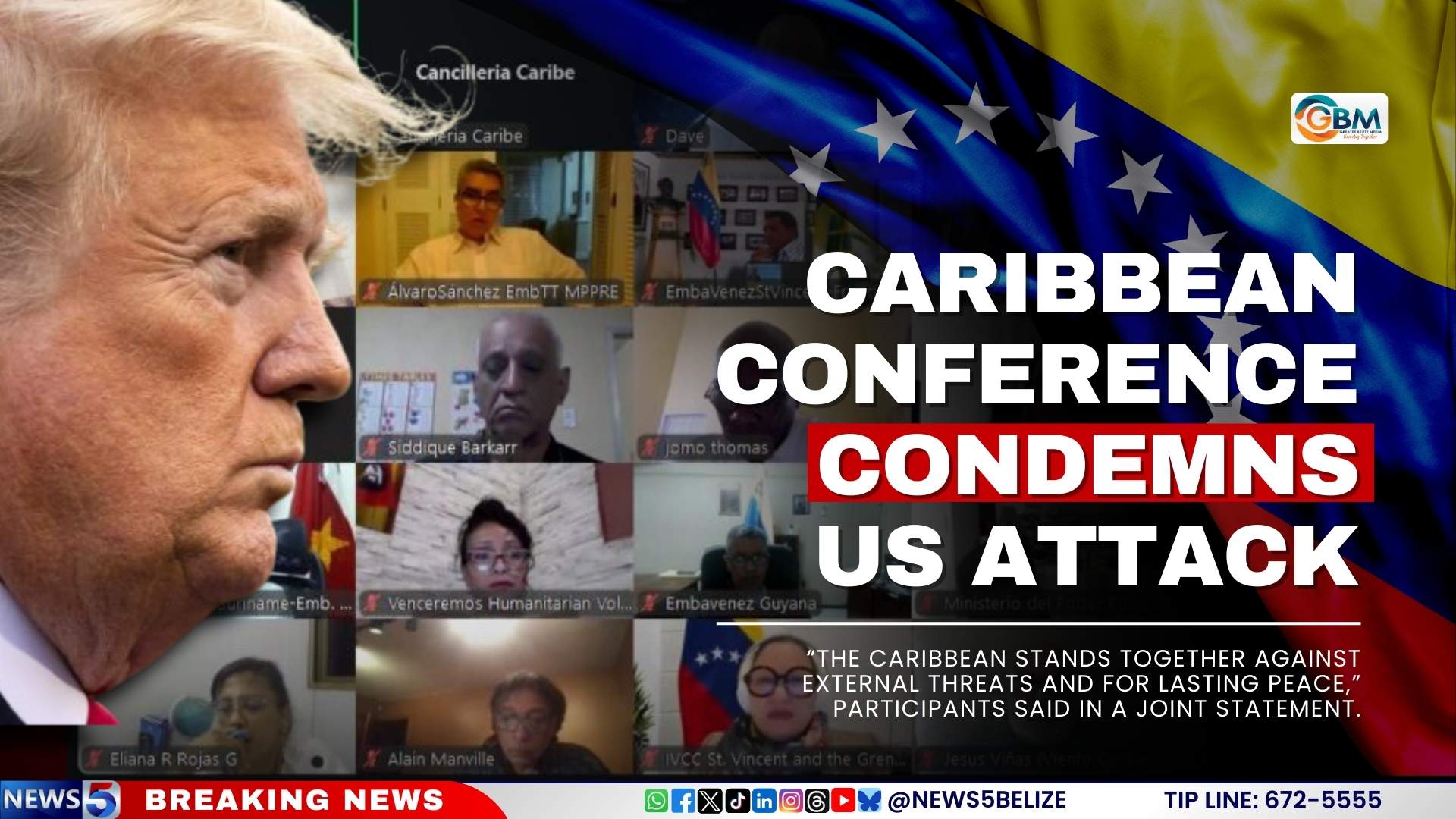
    In an unprecedented show of regional solidarity, political leaders, jurists, and civil society representatives from across the Caribbean and Latin America have issued a forceful condemnation of United States military operations against Venezuela. The collective denunciation emerged from the inaugural Regional Conference: The Voices of the Caribbean in Defence of Venezuela and International Law, convened on January 21, 2026.

    The landmark gathering assembled more than 180 delegates from over 20 nations, including Belize, Jamaica, Cuba, Guyana, and Trinidad and Tobago. The conference centered on reaffirming Latin America and the Caribbean as a Zone of Peace while opposing external interventions perceived as threats to regional sovereignty.

    Participants attributed responsibility for a January 3, 2026 bombing incident in Venezuela to the administration of former U.S. President Donald Trump. According to conference statements, the military operation resulted in approximately 100 casualties and involved the extraordinary capture of Venezuelan President Nicolás Maduro and First Lady Cilia Flores.

    Delegates unanimously endorsed the creation of a regional solidarity network and committed to pursuing coordinated legal and diplomatic initiatives aimed at influencing foreign policy across Caribbean states. The conference declaration emphasized that this gathering represents the commencement of sustained legal action, public advocacy, and international engagement to preserve regional unity and peace principles.

    The joint statement concluded with a powerful affirmation: ‘The Caribbean stands together against external threats and for lasting peace,’ signaling a new chapter in regional cooperation and resistance to foreign intervention.

  • Cabinet Awaits Final Consultations on BTL–Speednet Deal

    Cabinet Awaits Final Consultations on BTL–Speednet Deal

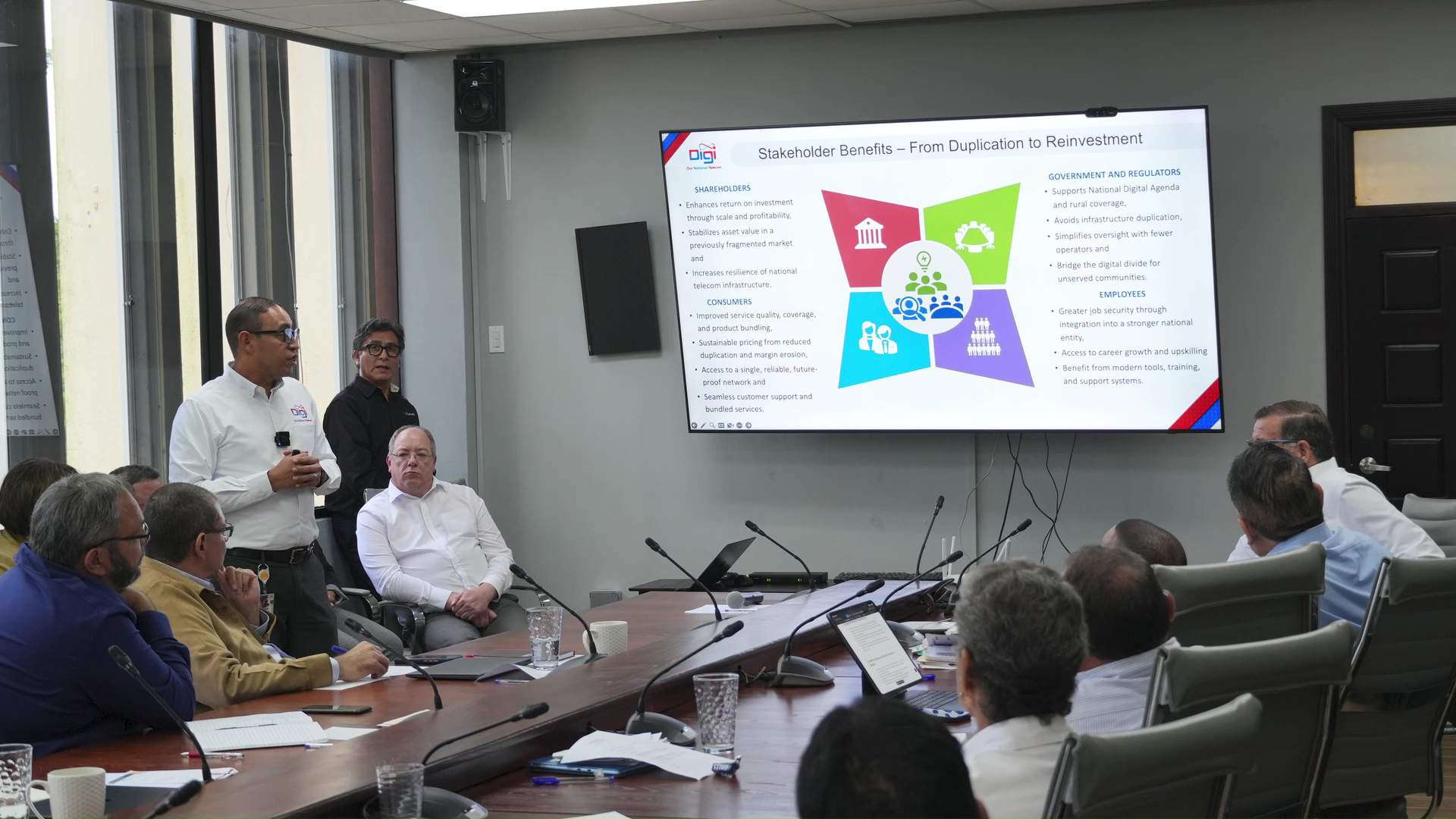
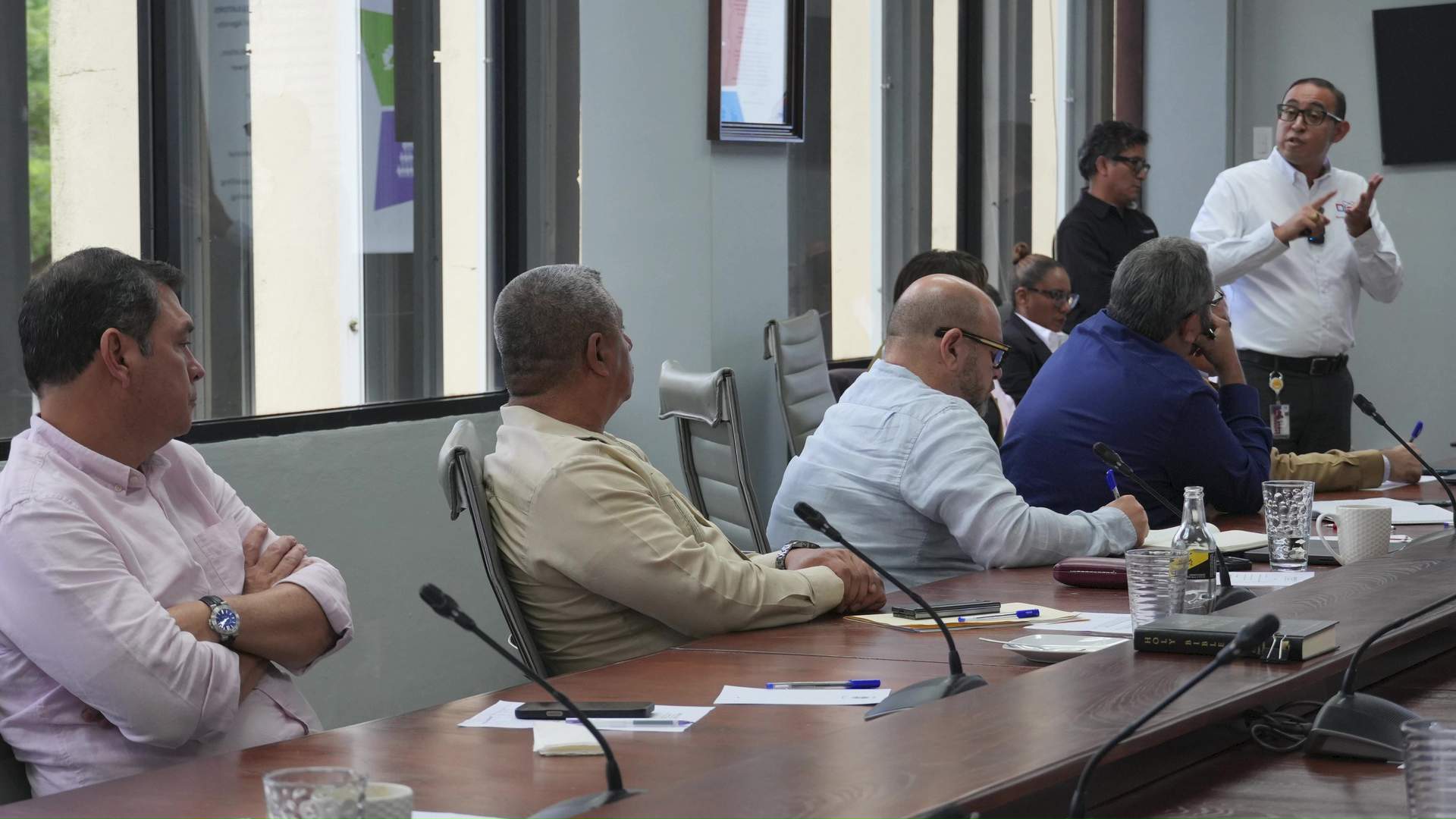
    BELMOPAN, BELIZE – January 20, 2026 – Belize Telemedia Limited (BTL) executives underwent extensive deliberations with the Cabinet today regarding their proposed acquisition of Speednet. The high-stakes presentation lasted over three hours as BTL leadership detailed their consolidation strategy before government officials.

    This meeting represents the latest phase in BTL’s comprehensive stakeholder engagement process, which has included discussions with the Social Security Board, the Communications Workers’ Union, and the National Trade Union Congress of Belize (NTUCB). Following the lengthy session, Cabinet officials announced they would withhold final judgment until BTL completes its full consultation round with all relevant parties.

    BTL Chairman Markhelm Lizarraga expressed confidence following the presentation, stating the team effectively addressed governmental concerns regarding the telecommunications merger. “I think it went very well,” Lizarraga told reporters. “Cabinet was very engaged. They had numerous questions, and we provided thorough explanations for our proposed consolidation.”

    The chairman emphasized that as a nationally-owned utility, any benefits derived from the merger would ultimately serve the Belizean public. Lizarraga outlined the strategic rationale, noting that eliminating redundant infrastructure and operational inefficiencies would enhance revenue generation capabilities while strengthening Belize’s digital infrastructure.

    When questioned about mounting pressure from social partners demanding his resignation, Lizarraga remained defiant, stating he serves at the pleasure of the Prime Minister rather than responding to external stakeholders. The chairman maintained unwavering confidence that his presentation resonated positively with Cabinet members, citing the engaged nature of the extended discussion.

  • BTL Labels Media as Essential Services

    BTL Labels Media as Essential Services

    In a significant policy shift, Belize Telemedia Limited (BTL) has officially reclassified media organizations as essential services. Chairman Markhelm Lizarraga announced the decision on January 20, 2026, directly addressing recent concerns about potential censorship through service disconnections.

    The classification change follows a contentious incident where Channel 7 was mistakenly disconnected due to an automated billing system error. Lizarraga confirmed the company had issued a formal apology letter to the media outlet after reviewing internal records that verified the erroneous disconnection.

    Under the new essential service designation, media houses will now receive personalized courtesy calls from BTL before any potential disconnection for nonpayment occurs. This procedural overhaul represents a departure from the company’s fully automated billing system, which previously disconnected services automatically upon payment delinquency without human intervention.

    Lizarraga emphasized that the policy adjustment aims to safeguard information flow rather than restrict it. “It is not the policy of government and it is not the policy of BTL to unplug anybody,” he stated during the announcement, acknowledging the serious concerns raised by media representatives.

    The essential service category already includes hospitals, police departments, and other critical infrastructure entities that receive special billing considerations. Media organizations will now join these prioritized services, ensuring continuous operation even during billing disputes or administrative delays.

    This development comes one week after three major media outlets held a press conference expressing concerns about potential censorship through utility disconnections, indicating BTL’s responsive approach to these apprehensions.

  • Chebat Responds as GOB Moves to Freeze Telecom Rates Amid Buyout Questions

    Chebat Responds as GOB Moves to Freeze Telecom Rates Amid Buyout Questions

    The Belizean government is taking preemptive measures to protect telecommunications consumers amid ongoing discussions about potential industry consolidation. Public Utilities Minister Michel Chebat has clarified the government’s position regarding a proposed Statutory Instrument that would freeze telecom rates during any transitional period.

    Minister Chebat emphasized that the preparation of this regulatory framework does not indicate a finalized decision on the widely discussed merger of telephone companies. “Cabinet has not made a position,” Chebat stated during recent discussions. “We are waiting for the process to take place. We understand there are some consultations going on and we want to allow that to happen first.”

    The proposed legislation, currently being prepared by the Public Utilities Commission (PUC), would establish consumer protections including a prohibition on rate increases, changes to service bundles, and unauthorized subscriber transfers between rate plans during any transition. The instrument must pass through the Attorney General’s office before reaching Cabinet for approval.

    Chebat characterized the measure as prudent regulatory preparation rather than an endorsement of consolidation. “As the regulator, I think PUC has to prepare for every eventuality,” he explained, noting that the proposal is already being publicly discussed. This approach suggests the government is maintaining a neutral position while ensuring consumer interests are protected regardless of industry developments.

    The clarification comes following a presentation to Cabinet by Belize Telemedia Limited (BTL), which Chebat described as “thorough” but insufficient to form a government position without further consultation processes.

  • Former BPO Worker Exposes Scam Pipeline

    Former BPO Worker Exposes Scam Pipeline

    A sophisticated credit card fraud operation originating from within Belize’s Business Process Outsourcing (BPO) sector is systematically draining thousands of dollars from local businesses, according to an explosive investigation. In an unprecedented disclosure, a terminated BPO employee has come forward anonymously to detail the intricate mechanics of this widespread scam, speaking only after the business he defrauded cleared his outstanding debt.

    The former agent, whose identity remains protected, revealed how call center employees exploit varying security protocols across different BPO facilities to harvest sensitive payment information. While some centers employ advanced PCI compliance measures that automatically mask customer data, others maintain inadequate safeguards that enable agents to copy and transfer financial details during live customer interactions.

    “The effectiveness of security systems varies dramatically between call centers,” the source explained. “Some utilize number-masking technology that replaces digits with X’s, while others merely mute sensitive information during quality assurance reviews. This creates vulnerabilities that sophisticated agents exploit by simultaneously copying data onto blank pages or utilizing phone applications that automatically sync stolen information to personal devices.”

    Despite comprehensive surveillance and supervisory oversight, the former employee described how agents with exemplary performance records and low-profile behavior often evade suspicion. His own termination came only after a defrauded business connected the fraudulent transactions to his activities, though surprisingly no criminal charges were filed.

    The scale of data theft appears staggering, with the source admitting to accumulating “lot, lot, lot” of credit card numbers—so many that he lost count. The theft process itself can occur within minutes during routine customer service calls, often disguised as extended customer engagement to verify purchase details.

    Perhaps most alarmingly, the stolen financial information has spawned an underground economy within the BPO sector. Agents reportedly use purloined credit cards to purchase group meals for colleagues while pocketing cash payments from coworkers. More disturbingly, this sensitive data is now being traded on the streets, with the source noting that some call center employees with gang affiliations actively participate in these illicit markets, often influenced by what he termed “scamming music” that glorifies financial fraud.

    These revelations highlight critical vulnerabilities in Belize’s growing BPO industry and raise urgent questions about data protection standards, employee screening processes, and regulatory oversight as businesses continue absorbing substantial financial losses from these sophisticated operations.