标签: Belize

伯利兹

  • Three Injured in Lords Bank Shooting; Police Investigate Attempted Murder

    Three Injured in Lords Bank Shooting; Police Investigate Attempted Murder

    A violent shooting incident in rural Belize has left three local men wounded, sparking an active attempted murder investigation by law enforcement authorities, according to official reports. The attack unfolded on Thursday evening in the quiet community of Lords Bank Village, located within the Ladyville area of Belize District.

    First responders received the emergency call shortly before 8 p.m. local time, directing officers to the Karl Heusner Memorial Hospital (KHMH) in Belize City. Upon arrival at the main public medical facility, investigators encountered two of the wounded victims – 24-year-old Alfredo Flores and 19-year-old Giovanni Gillette – already undergoing emergency care for multiple gunshot wounds.

    Preliminary investigative details outline that the three targets had been gathered with a small group of other people socializing in an outdoor yard when the gunman approached the property from outside. Without warning, the attacker opened fire on the assembled crowd, striking all three men before fleeing the scene. As of the latest update, no suspects have been taken into custody, and police have not released a confirmed motive for the attack.

    Among the three victims, 42-year-old Edgar Flores – Alfredo Flores’ relative, per local naming conventions – also suffered non-life-threatening gunshot injuries in the attack. Unlike the other two wounded men, Edgar Flores declined formal medical treatment at the hospital and has not yet provided a formal statement to investigating officers. Police have appealed to any members of the public who were in the Lords Bank area the evening of June 25 with information about the shooting or the attacker’s identity to come forward anonymously to assist with the probe.

  • What Would a Permanent ‘Tehran’s Tollbooth’ on Oil Mean for the World?

    What Would a Permanent ‘Tehran’s Tollbooth’ on Oil Mean for the World?

    The Strait of Hormuz, one of the world’s most critical energy chokepoints, could soon become a permanent fee-collecting corridor if Iran advances its proposed policy, a shift that experts warn would upend decades of global energy market stability and reshape international maritime norms. The proposal emerges against a fragile new diplomatic backdrop: following the recent signing of a tentative memorandum of understanding between the United States and Iran, behind-the-scenes diplomatic negotiations have intensified, and Iranian officials are already planning long-term changes to how shipping is managed through the strategic waterway.

    Abas Aslani, a senior research fellow at Tehran’s Center for Middle East Strategic Studies, shared details of Iran’s long-term vision in an interview with Al Jazeera, noting that Tehran sees the current 60-day diplomatic cooling-off period as a stepping stone to permanently revise maritime rules governing the strait. “For Iran, the Strait of Hormuz after 60 days … will be subject to receiving fees for the services that are provided,” Aslani stated, confirming that the country intends to formalize the “Tehran’s Tollbooth” system that has been floated by hardline factions within the Iranian government.

    The stakes of this proposal are enormous: roughly 20% of the world’s total petroleum supplies pass through the narrow Strait of Hormuz daily, bound for markets across Europe, Asia, and North America. Energy policy analysts argue that institutionalizing a permanent transit fee would amount to de facto maritime extortion, forcing Western powers and global energy consumers into an untenable position: either formally recognize the fee and send billions in revenue to an adversarial Iranian regime, or refuse and risk disruptions to global oil supplies that would fracture already fragile supply chains and send energy prices skyrocketing.

    Diplomatic efforts to mitigate the risk have already hit major roadblocks. In an attempt to bypass Iranian control of the strait, the U.S. has pressured Oman to develop a new southern alternative pipeline corridor that would carry oil from Gulf producers to global markets without passing through Hormuz. But according to Al Jazeera’s reporting, the Islamic Revolutionary Guard Corps (IRGC), Iran’s most powerful military and security body, has issued an outright rejection of any alternative route that would cut off Iran’s leverage over global energy shipping.

    The United States has issued a firm rejection of Iran’s proposal, with top administration officials doubling down on opposition at a recent gathering of Gulf allies. Speaking at a tense Gulf Cooperation Council summit hosted in Bahrain, U.S. Secretary of State Marco Rubio made clear that Washington has no intention of compromising on the issue. “There is no reconstruction fund or financial compromise on the table for Tehran,” Rubio stated, adding that the U.S. has seen “zero support” from regional Gulf states for what Western allies uniformly characterize as unacceptable maritime extortion. Former U.S. President Donald Trump has also publicly refuted Iran’s right to impose any transit toll on commercial shipping moving through the strait, framing the proposal as a direct threat to global energy security.

    As the 60-day diplomatic window ticks down, global energy markets and geopolitical actors are bracing for a potential showdown over one of the world’s most vital maritime trade routes.

  • Over 100 Dead After Two Earthquakes Hit Venezuela Seconds Apart

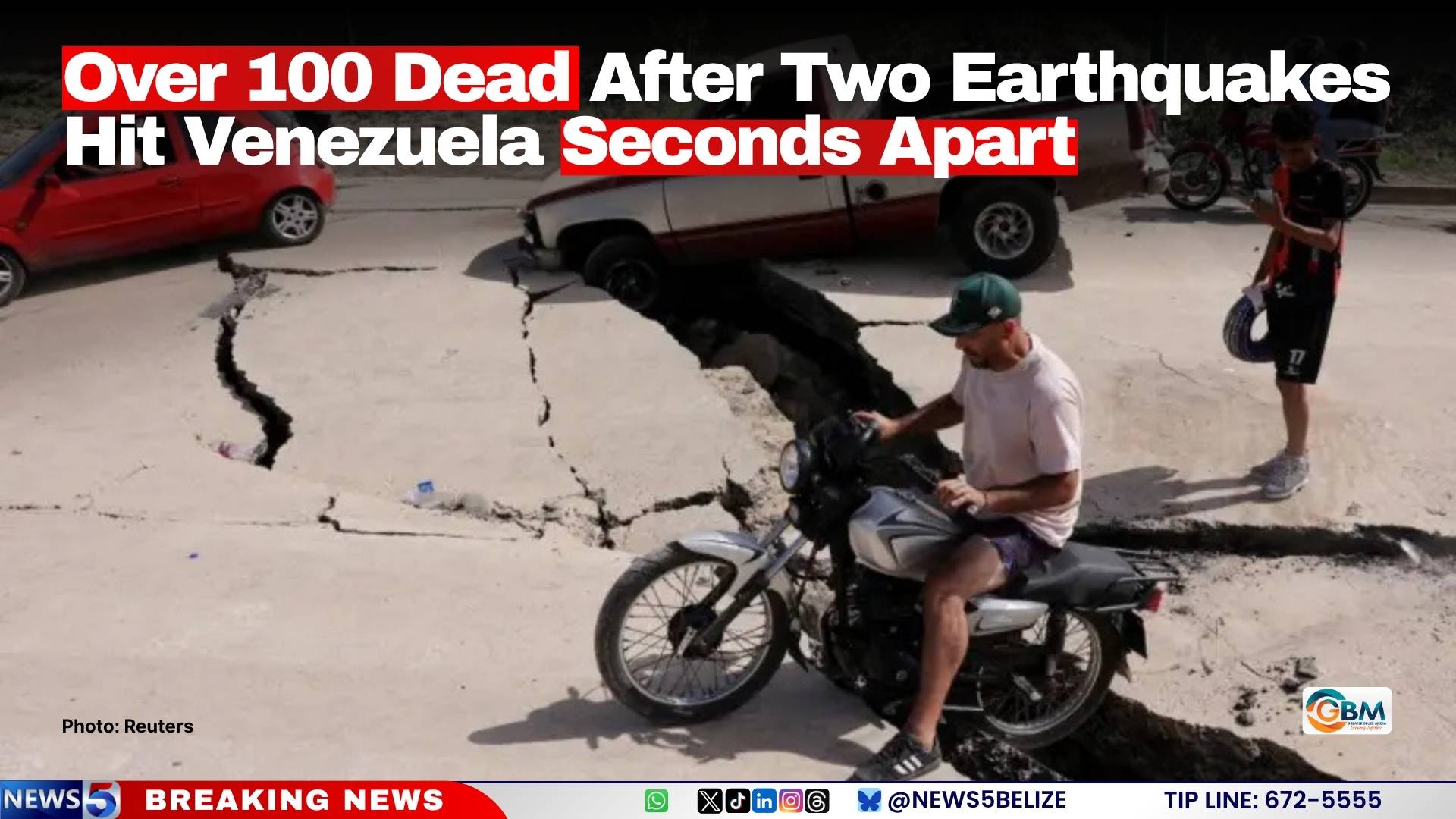
    Over 100 Dead After Two Earthquakes Hit Venezuela Seconds Apart

    On the evening of Wednesday, June 25, 2026, Venezuela suffered one of its worst seismic disasters in recent history, when two major earthquakes struck just seconds apart, leaving a staggering toll of death and destruction across the country’s northern region. As of the latest official updates, at least 164 people have been confirmed killed, and close to 1,000 more have sustained injuries ranging from minor cuts to severe, life-threatening conditions. The two seismic events, registering magnitudes of 7.2 and 7.5 respectively, hit within 60 seconds of one another at approximately 6:00 p.m. local time.

    Geologists note that both earthquakes originated at shallow depths of less than 30 kilometers below the Earth’s surface, a geological trait that significantly amplifies the shaking and damage experienced at ground level. Unlike deeper quakes, which often dissipate energy before it reaches the surface, shallow high-magnitude events almost always lead to widespread structural collapse and heavy casualties.

    Northern Venezuela’s La Guaira state has borne the brunt of the disaster, with local reports confirming dozens of building collapses across the region. One of the most devastating losses is a 10-story hotel that was completely leveled, leaving rescuers scrambling to locate any potential survivors trapped in the rubble. The impact also extended to the national capital Caracas, where emergency response teams have been working around the clock to clear debris and extract survivors from collapsed structures. Multiple unconfirmed social media reports state that rescue teams have heard cries for help coming from beneath broken concrete and steel.

    User-posted video footage circulating across digital platforms captures the chaotic moment the tremors struck, showing homes and high-rise buildings shaking violently, with glass shattering and furniture tumbling across rooms. The scale of the disaster has prompted alarm from international geological bodies: the United States Geological Survey (USGS) has issued a warning that the final death toll could eventually exceed 10,000 as search and rescue teams reach more isolated, heavily damaged areas.

    In response to the catastrophe, Venezuela’s acting president Delcy Rodríguez has moved quickly to authorize a $200 million emergency reconstruction fund, which will be allocated to rebuilding destroyed housing, repairing critical damaged infrastructure, and supporting ongoing rescue and relief operations across the impacted region. International humanitarian organizations have already begun mobilizing resources to support local response efforts, as rescue crews continue the search for survivors amid the wreckage.

  • Asking Miller to Step Aside for Pollard?

    Asking Miller to Step Aside for Pollard?

    Internal jockeying for the People’s United Party’s (PUP) mayoral nomination in Belize City has entered a new, covert phase, multiple insider sources confirm to News 5. After weeks of open party rhetoric touting a transparent, competitive convention to select the PUP’s candidate for the upcoming municipal election, well-placed sources say actors aligned with prospective candidate Allan Pollard Jr. are lobbying top party leadership — including Prime Minister John Briceño himself — to convince sitting Deputy Mayor Eluide Miller to withdraw his candidacy.

    Deputy Prime Minister Cordel Hyde is reported to have already brought the request for Miller’s exit to the Prime Minister’s desk, according to the sources. Crucially, insiders clarify that Miller has not received a formal, binding order to step down; instead, senior allies of Pollard have only issued informal appeals for Miller to reconsider his campaign and clear a path for Pollard’s nomination.

    But Miller has shown zero willingness to exit the race. Multiple contacts close to the deputy mayor confirm he remains fully committed to seeing his candidacy through to the scheduled convention, where registered PUP delegates will cast votes to select the party’s nominee.

    The behind-the-scenes maneuvering has already sparked public pushback from a sitting PUP Belize City councillor. Kaya Cattouse recently took to Facebook to publicly endorse Miller and condemn the last-minute efforts to upend the party’s initial commitment to an open contest.

    “A week ago, we were told that everyone had the right to run and that democracy should take its course. Today, because the numbers are not lining up the same way, there are now attempts to force a different outcome,” Cattouse wrote in her social media post. She doubled down on calls for the full convention process to proceed unimpeded, arguing that ordinary party delegates deserve the final say over who will lead the PUP into the next municipal election cycle.

    As of Wednesday, neither Miller nor Pollard has issued any public statement addressing the latest developments in the nomination fight. The unfolding intra-party drama comes as the PUP prepares for upcoming municipal elections across Belize, with the Belize City mayoral post widely viewed as one of the most high-profile contests on the ballot.

  • The MP Farms Story: A Trail of Payments and Questions

    The MP Farms Story: A Trail of Payments and Questions

    An ongoing investigative probe by local outlet News Five has uncovered a series of troubling financial irregularities in government payments made to MP Farms, a private company tied to the sibling of Oscar Mira, Belmopan’s sitting Area Representative. The investigation, which traced hundreds of processed invoices dating back to late 2024, reveals a shifting pattern of disbursements that has sparked urgent questions about oversight and potential mismanagement of public funds.

  • Top Finance Officer Suspended Amid Payment Probe

    Top Finance Officer Suspended Amid Payment Probe

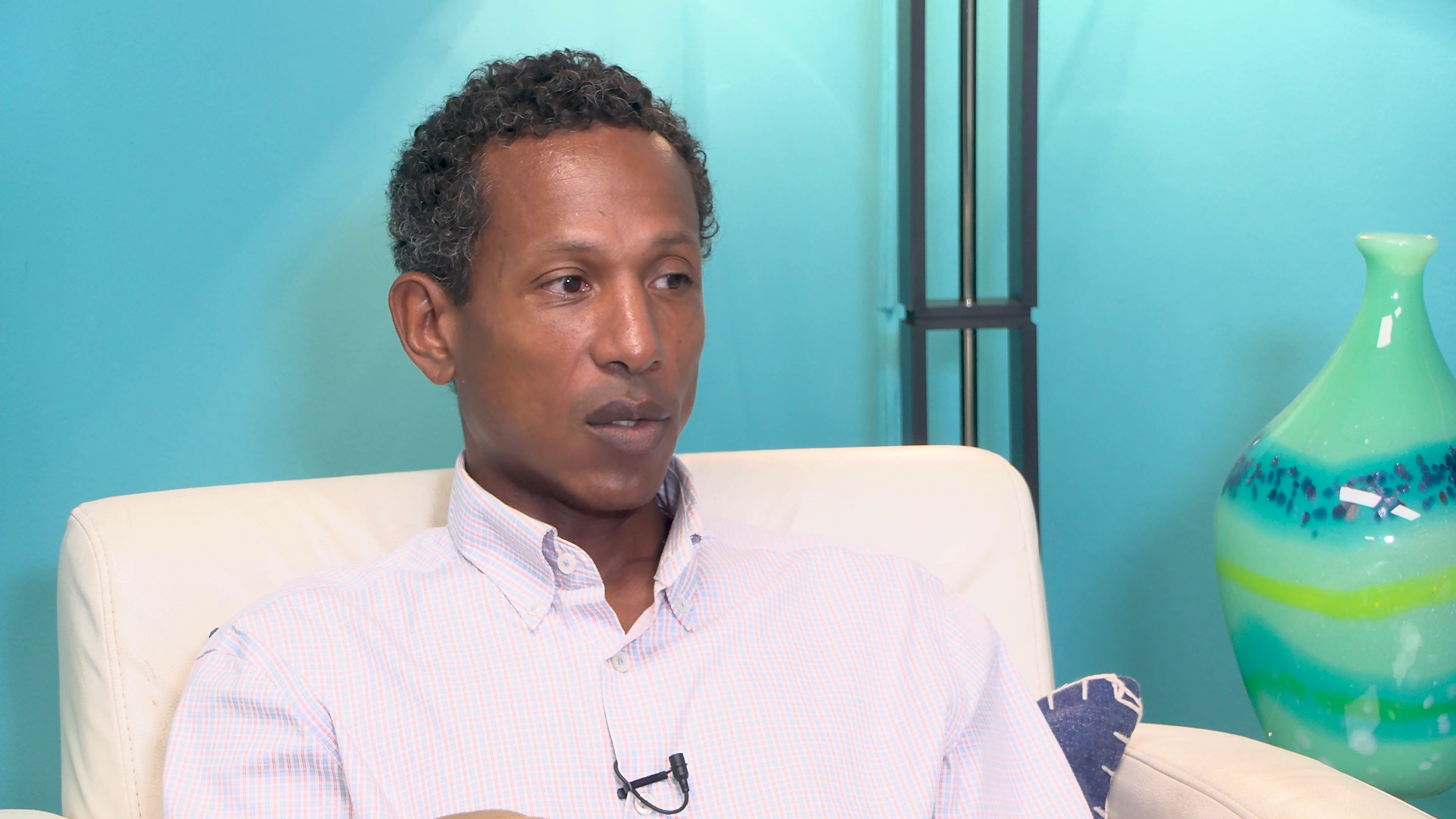
    In a developing controversy centered on irregular government payments, a top finance official who authorized multiple high-profile questionable transactions has been removed from active duty pending a formal probe. Local outlet News Five has verified that Salvador Alas, the financial officer who oversaw payment approvals at Belize’s Ministry of Defense and National Security before a recent departmental transfer, has been placed on paid administrative leave while investigators examine the case.

    Multiple sources with direct knowledge of the probe confirmed the development, noting that Alas was recently reassigned from the defense ministry to the Ministry of Sustainable Development prior to the launch of the formal investigation. The transfer, which was initially framed as a routine personnel change, has now drawn additional scrutiny as auditors begin tracing the full paper trail of the transactions in question.

    At this stage of the inquiry, investigators have not publicly confirmed whether the approvals granted by Alas constitute intentional misconduct, administrative error, or another unreported issue. The focus of the probe remains on documenting the full scope of the questionable payments and clarifying the role Alas played in authorizing each transaction. Government officials have not yet released an official statement on the timeline for concluding the audit or announcing any potential disciplinary action if wrongdoing is uncovered.

  • Shyne Lashes Out at UDP Hypocrisy, Including His Father and Brother

    Shyne Lashes Out at UDP Hypocrisy, Including His Father and Brother

    In a startling rebuke of his own party dated June 24, 2026, former United Democratic Party (UDP) opposition leader Shyne Barrow has launched a scathing attack on senior party leadership, calling out widespread hypocrisy over recent corruption allegations leveled against party figure Oscar Mira. Barrow argues that the claims facing Mira mirror long-unaddressed controversies tied to top UDP officials — including members of his own immediate family.

    Barrow’s criticism centers directly on current UDP leader Tracy Panton, whom he accuses of turning a blind eye to systemic corruption within the party’s own ranks while targeting others for similar misconduct. At the heart of his argument is the high-profile Boledo lottery contract, a decades-old controversial deal that Barrow calls the most “flagrant and deviant” example of the party’s corruption. He alleges that the deal, worth hundreds of millions of dollars, was awarded to shell corporations and trusts where the then-prime minister’s son held hidden shares — a relationship that party insiders deliberately concealed from public view.

    That son, Barrow confirms, is his own brother. Barrow stresses that he was never involved in the transaction and did not benefit from it, a fact that he says gives him the standing to call out the misconduct openly. He further pushes back on Panton’s criticism of another party member, Khalid, drawing parallels between Khalid’s ties to controversial figure Lev Derman and corruption allegations against John Saldivar. Barrow confirms he has photographic evidence showing Khalid traveling with both Saldivar and Derman, the same connections that have led to corruption claims against Saldivar. Adding another layer of scrutiny, the Belmopan City Council is currently conducting an audit into Khalid over claims millions of dollars in public funds went missing during his tenure.

    Barrow also extended his criticism to another senior UDP figure, Patrick Faber, arguing that Panton’s ongoing public support for Faber and other tainted party members automatically disqualifies her from positioning the UDP as a trustworthy alternative government. Until the party confronts the corruption allegations within its own ranks, Barrow says, it cannot credibly claim to offer Belizean voters a clean alternative to the current administration.

    This report is adapted from a verbatim transcript of an evening television newscast.

  • Deadly Crash Shocks Hummingbird Highway Travelers

    Deadly Crash Shocks Hummingbird Highway Travelers

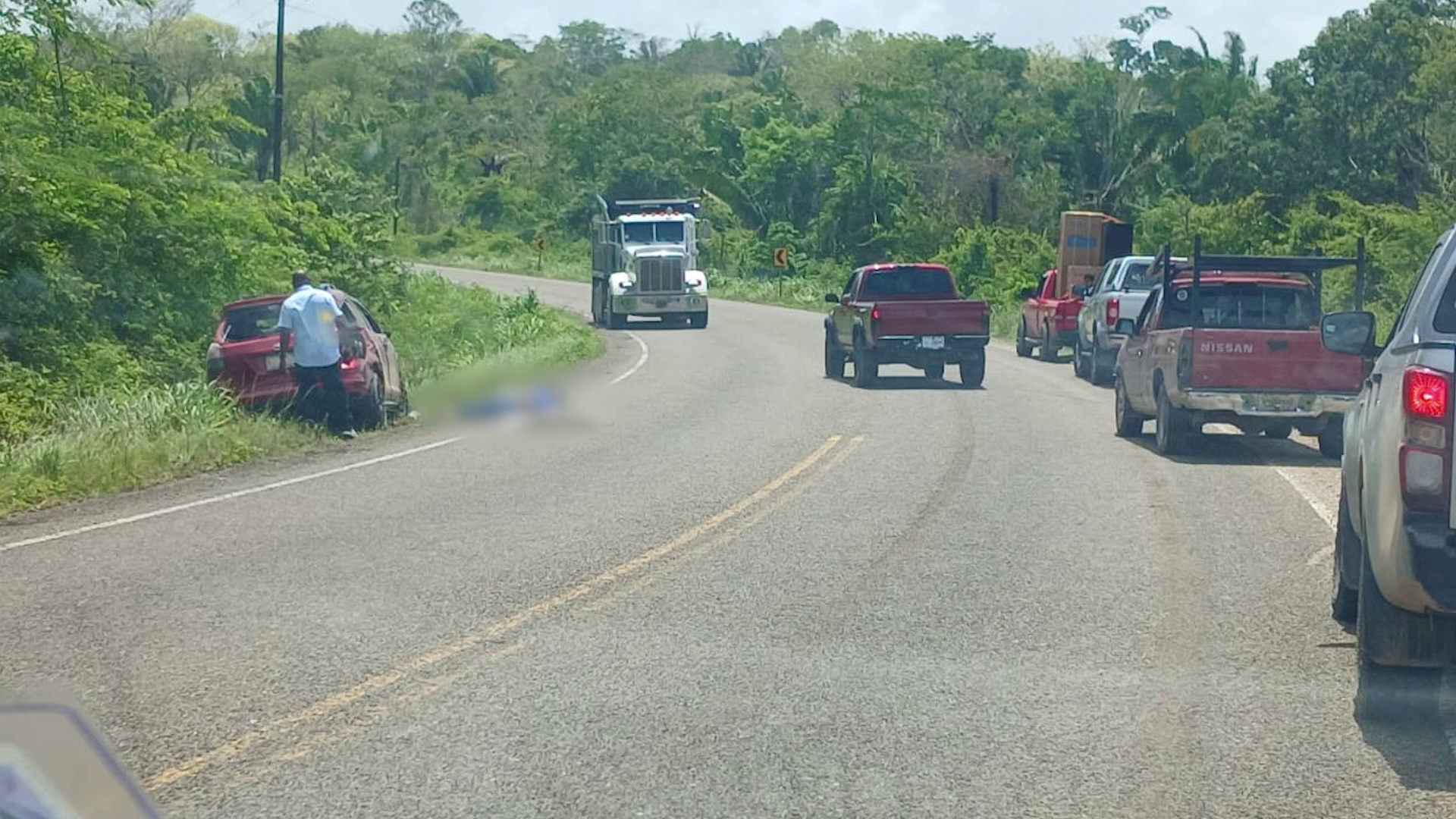
    A devastating fatal traffic collision has shaken communities and travelers along Belize’s Hummingbird Highway, leaving one person dead on Wednesday afternoon just outside Armenia Village in the Cayo District. The crash unfolded shortly before 1 p.m. along the heavily traveled stretch connecting the capital city of Belmopan to Armenia, catching both regular commuters and passing travelers off guard.

    Scene documentation from first responders on location shows the deceased victim lying on the highway pavement, as emergency personnel and local law enforcement raced to the site to secure the area and render aid. As of the initial public announcement, official investigators have not released any identifying information about the person killed in the collision, nor have they confirmed key details including what caused the crash, how many vehicles were involved, or whether any additional parties suffered injuries.

    The tragedy has already reignited long-simmering safety concerns among area residents, who report that this busy major thoroughfare has seen a steady and concerning uptick in severe, life-threatening crashes in recent months. Local authorities note that investigations into the collision are still ongoing, and a full briefing with additional official details is expected to be released to the public once preliminary probe work is completed.

    This report is adapted from a televised evening newscast originally published online, with transcribed speaker content standardized for written distribution.

  • Two Realities: Rising Incomes, Falling Earnings for the Underemployed

    Two Realities: Rising Incomes, Falling Earnings for the Underemployed

    Newly released labor market data from Belize paints a complex, uneven portrait of the country’s economy in mid-2026, with aggregate growth masking deep hardship for a significant segment of the workforce. According to the Statistical Institute of Belize (SIB), the nation’s average monthly income has ticked upward in recent months, a gain driven largely by growth in formal employment positions and a small overall increase in the average number of hours worked across the labor force. But a closer breakdown of the statistics exposes a stark divide in economic outcomes between fully employed workers and their underemployed peers.

    Underemployed workers – defined as individuals who are currently employed but do not receive enough working hours to meet their financial needs or full employment expectations – have seen a dramatic collapse in their monthly earnings, SIB manager Christian Orellana confirmed in an interview with local broadcaster Paul Lopez. At the start of 2025, the average monthly earnings for underemployed Belizeans stood at $1,009. As of mid-2026, that figure has plummeted to just $603, representing a $406 monthly drop that has left this group significantly worse off financially than 18 months prior.

    Orellana noted that the steep decline is directly tied to the core challenge of underemployment: underemployed workers are now working fewer average hours on aggregate than they did at the beginning of 2025, cutting deeply into their total take-home pay. The aggregate income growth recorded across the entire labor force, by contrast, is entirely fueled by gains in the formal sector, where expanded hours and stable positions have pushed the overall average income up by $27 per month.

    The conflicting numbers have sparked new discussion among labor analysts and policymakers about what metrics truly reflect economic health in Belize. While headline employment growth and rising aggregate incomes are typically framed as positive economic indicators, the sharp decline in earnings for underemployed workers raises urgent questions about job quality, rather than just raw job counts. Many analysts argue that the diverging trends show that broad economic growth is not benefiting all workers equally, with marginalized members of the workforce seeing their financial stability erode even as the national headline numbers improve.

    Full additional analysis of the SIB’s latest labor force survey findings is expected to be published in a subsequent newscast from the outlet. This report is a transcript of a televised evening news broadcast, with translated Kriol speech adapted to a standardized spelling system for the online publication.

  • Unsafe at Home: Two-Thirds of Belizean Children Face Abuse

    Unsafe at Home: Two-Thirds of Belizean Children Face Abuse

    For millions of children around the world, home is supposed to be the ultimate sanctuary – a space of safety, care, and unconditional support. But in the small Central American nation of Belize, newly released survey data paints a deeply disturbing picture of this foundational expectation failing. According to the latest round of UNICEF’s Multiple Indicator Cluster Survey (MICS 7), nearly 66 percent of Belizean children experience some form of abuse, ranging from physical violence and emotional trauma to chronic neglect, most often within their own households.

    This alarming statistic, featured in a recent collaborative investigative segment from News Five’s *Five Point Breakdown* series produced in partnership with UNICEF, goes far beyond raw numbers to unpack the systemic gaps that leave Belize’s youngest citizens vulnerable. Reporter Britney Gordon explores the layered structure of Belize’s national child protection system, examining how current frameworks operate, where they fall short, and what collective action is needed to better safeguard children across the country.

    Experts across the sector agree that formal child protection infrastructure – including court systems, government agencies, and law enforcement – can only do so much. “Protection starts at home, with families as the first line of defense,” explained Michelle Segura-McGann, Child Protection Officer for UNICEF Belize. When that foundational line of defense breaks down, Segura-McGann says communities become the next critical safeguard. “If there is no protection or protective mechanisms in the home, the next network or safeguard could be the community. So the community could offer spaces where children can come report cases where they have been abused, neglected, where they have experienced violence, and people in the community could refer.”

    To equip communities with this critical capacity, UNICEF and local partners have invested in widespread outreach campaigns such as the Blue Teddy Bear initiative, which educates community members on how to recognize abuse and properly report concerns through official referral channels. The stakes of inaction at the community level are high: when bystanders choose to look the other way or dismiss child safety concerns as “private family business,” at-risk children fall through the cracks of the formal system, experts warn.

    Shakira Sutherland, Executive Director of Belize’s National Commission for Families and Children (NCFC), emphasized that effective child protection is not the sole responsibility of any single government agency or institution. Mandatory reporters – including teachers, medical professionals, and law enforcement officers – are required by law to report suspected abuse, but consistent follow-through and cross-sector coordination remain ongoing challenges. “We want to ensure that we have the community at large to speak up when they see something,” Sutherland said. “It’s not only one institution.”

    Across the system, different stakeholders carry distinct but complementary roles. Government social services, led by the Ministry of Human Services, deliver ongoing care and case management for vulnerable children and families, while non-governmental organizations and community groups step in to fill unmet needs and reach isolated at-risk households. Shawn Vargas, Director of Belize’s Department of Human Services, framed investment in child protection as a critical investment in the nation’s long-term future. “The children are the future for Belize, and if you have a country that is not protecting their children, the next generation and the other generation, then you’re going to be in problems,” Vargas said.

    Beyond responding to reported abuse, Vargas highlighted the system’s growing focus on proactive prevention, through initiatives such as the Community and Parent Empowerment Program, which delivers early childhood education and evidence-based parenting support to at-risk families. For reported cases, the department maintains a policy of investigating 100 percent of all referrals, whether they come from mandatory reporters in schools, hospitals, or law enforcement, or from community members themselves. Assigned social workers conduct on-the-ground investigations and coordinate follow-up support centered on the best interests of the child, connecting families and children with the resources they need to heal and thrive. Inclusive initiatives such as the children’s parliament, which elevates children’s own perspectives on policy, have also helped center youth needs in government planning, with outcomes directly incorporated into national policy.

    UNICEF plays a supporting role in strengthening Belize’s child protection ecosystem, focusing on improving national legislation, training personnel, and ensuring systems are adequately resourced to meet demand. Sajid Ali, UNICEF Representative for Belize, explained that the organization acts as a convener and technical advisor rather than a frontline implementer, partnering with the Belizean government and local agencies to align systems with international child protection standards. “We are here to strengthen systems,” Ali said. “We wanna be there at least for the standards that are set and to be advising at every aspect.”

    In a landmark step toward improving coordination, the Government of Belize, UNICEF, and national partners have recently launched a joint Child Protection and Child Justice Steering Committee, bringing all key stakeholders to the table to break down long-standing institutional silos. The goal of the new committee is to build a more coordinated, responsive, and proactive protection system that puts children’s needs first. As Gordon concluded in her reporting, when it comes to protecting children from abuse, neglect, and violence, cross-sector collaboration is not an optional add-on – it is a critical requirement for success. Protecting children is everyone’s responsibility, and collective action from families, communities, and institutions is the only way to build a safer Belize for every child.