标签: Barbados

巴巴多斯

  • Economist wary of financial benefits of cruise tourism to Barbados

    Economist wary of financial benefits of cruise tourism to Barbados

    Dr. Delisle Worrell, former Governor of the Central Bank of Barbados, has issued a compelling call for Caribbean governments to reassess the economic value of cruise tourism through updated data analysis. In his December economic letter, the distinguished economist presents evidence suggesting traditional retail sectors across the region no longer benefit from cruise ship arrivals due to fundamental industry transformations.

    Dr. Worrell identifies three structural shifts undermining local economies: The proliferation of massive cruise vessels now feature extensive onboard shopping complexes offering brands previously exclusive to shore-based retailers. Additionally, the democratization of cruising has altered passenger demographics and spending patterns, with contemporary tourists showing preference for inexpensive imported souvenirs rather than high-value duty-free purchases. Finally, local artisans cannot compete with mass-produced imports on price points, despite offering superior quality and authenticity.

    These market transformations have produced visible economic consequences. The economist cites Punda in Curaçao—once a thriving commercial Mecca for cruise tourists—as now representing a mere shadow of its former glory. Similarly, Bridgetown’s Broad Street in Barbados, which historically flourished with venerable retail establishments and international banking operations, has experienced significant commercial decline. Contemporary travel bloggers now focus on Swan Street’s bazaar rather than the formerly prestigious shopping district.

    Dr. Worrell’s observations extend beyond these documented cases. A recent visit to Bermuda’s Dockyard, despite substantial government investment converting historic naval buildings into commercial spaces, revealed quiet streets and empty shops despite nearby cruise ship presence. The former IMF consultant concludes that the assumed positive economic net balance of cruise tourism requires urgent empirical verification through updated research methodologies.

  • Cave Hill med grads take oath

    Cave Hill med grads take oath

    In a significant milestone for Caribbean medical education, twelve newly minted physicians from the University of the West Indies Cave Hill campus formally entered the medical profession Thursday during a solemn ceremony at Queen Elizabeth Hospital. The graduates, having completed their intensive five-year Bachelor of Medicine and Bachelor of Surgery (MBBS) program, pledged their commitment to medical ethics through the historic Hippocratic Oath.

    Faculty Dean Dr. Damian Cohall addressed the cohort, emphasizing that their oath-taking ceremony marked merely the commencement of their professional responsibilities rather than a culmination of their training. He clarified that provisional registration would enable their transition into internship programs, but stressed this phase demands rigorous accountability and performance evaluation. ‘This internship constitutes far more than merely serving time—it involves continuous assessment leading to full Medical Council registration upon successful completion,’ Dr. Cohall stated.

    The dean notably dispelled any assumptions about automatic internship placements, asserting that positions must be competitively earned rather than expected as entitlements. He simultaneously highlighted Cave Hill’s exceptional educational standards, revealing the campus achieved top performance in recent unified MBBS examinations across Barbados and Trinidad’s St. Augustine campus. Graduate Dr. Liyee Su received special recognition for attaining the highest overall scores and excelling in clinical examinations.

    While celebrating these accomplishments, Dr. Cohall urged graduates to embrace lifelong learning, ethical practice, and compassionate patient care. His sentiments were echoed by QEH Director of Medical Services Dr. Carlos Chase, who reminded the new physicians of their privileged position in one of humanity’s oldest professions. Dr. Chase emphasized the non-traditional nature of medical careers, noting ‘This transcends conventional nine-to-five employment—you carry continuous duty of care responsibilities.’

    Medical Students’ Association president Joshua Grant-Desir reflected on the resilience forged through shared challenges, emphasizing that professional camaraderie would sustain them through future difficulties. Graduating doctor Aleysha Williams acknowledged the demanding nature of their training journey while expressing profound gratitude to faculty, mentors, and family supporters.

    The hybrid ceremony, accommodating virtual participants from Trinidad and Eastern Caribbean nations, included special recognitions for academic excellence. Graduates now await further communication regarding provisional registration and regional internship placements at accredited hospitals throughout the Caribbean.

  • Not ready for work or unfit by design?

    Not ready for work or unfit by design?

    A persistent anxiety reverberates through the employment sector with concerning regularity: employers consistently report that young entrants into the workforce are fundamentally unprepared. The litany of complaints is familiar—deficiencies in communication, independent thinking, and proactive initiative. However, this perceived lack of readiness is not a sudden development manifesting at age eighteen or during job interviews; rather, it represents the culmination of systemic educational and developmental failures that begin in early childhood.

    The foundation of this readiness crisis becomes visible at the earliest stages of formal education. Educators at nursery and reception levels increasingly observe children entering school without foundational abilities once considered basic. These challenges range from difficulties in following simple instructions and inadequate pencil control to incomplete toilet training and an inability to perform basic personal tasks without adult assistance. These observations highlight critical gaps in early development of confidence, motor skills, and self-efficacy—cornerstones of future independence.

    As students progress to primary education, the pattern persists with concerns shifting to academic fundamentals. Educators note declining fluency in reading, deteriorating numeracy skills, and poor recall of basic information such as multiplication tables. The unspoken reality is that these skills were historically reinforced through consistent home and community support—a reinforcement mechanism that has become increasingly inconsistent or absent in contemporary society.

    The transition to secondary education reveals how these early gaps widen into significant deficits. As academic content becomes more demanding, students struggle with shaky foundational skills that affect every subject. Poor reading comprehension hinders learning across disciplines, while weak writing skills mask actual understanding. Organizational deficits are misinterpreted as laziness, and lack of confidence manifests as disengagement—all while education systems prioritize exam results over addressing the missing scaffolding necessary for genuine learning.

    The decline of handwriting offers a particularly revealing case study in this educational crisis. The physical act of writing serves as a cognitive process that strengthens memory, reinforces letter recognition, supports reading development, and builds fine motor skills essential for broader learning. As technology advances, handwriting practice diminishes, leading to deteriorated penmanship that prompts educators to allow typing—addressing immediate legibility concerns while inadvertently weakening the cognitive processes that support deeper understanding.

    These educational deficits do not vanish upon graduation but accompany young adults into vocational training programs and workplace environments. When employers note difficulties with communication, expectation management, and professional adaptation, they are witnessing the end result of years of compounded developmental gaps rather than sudden failures of individual candidates.

    The emergence of artificial intelligence has further complicated this landscape. With AI now capable of generating resumes, cover letters, and application responses, the disconnection between polished documentation and actual capability has never been greater. Educational institutions struggle to detect and restrict AI use, but such prohibitions cannot prevent external utilization of available technological tools.

    This technological shift necessitates a fundamental transformation in both educational assessment and employment recruitment. Evaluation must move beyond polished outputs to demonstrate real-time capability—through interviews requiring verbal explanation of thought processes, practical task completion, problem-solving exercises, and real-time skill demonstration. In an AI-driven world, human interaction skills, adaptive thinking, and responsive communication become increasingly valuable attributes.

    Forward-thinking voices like Philip Tempro of JADA emphasize the critical importance of actual skills over paper qualifications, challenging a system that prioritizes completion certificates over genuine competence while undervaluing technical, creative, and vocational pathways. The resulting surprise at workforce unpreparedness reflects systemic failures rather than individual shortcomings.

    Similarly, employer complaints about unrealistic expectations among young employees reflect an educational system that fails to provide meaningful exposure to workplace realities, progression mechanisms, and the relationship between skill development, effort, experience, and earning potential.

    Addressing this multifaceted crisis requires moving beyond blame directed at youth, parents, or teachers individually. Instead, it demands a comprehensive conversation about multi-level support systems encompassing early childhood development, family engagement, community responsibility, school design, curriculum relevance, and industry partnership. These interconnected elements represent different stages of the same developmental pipeline.

    Historically, communities collectively reinforced learning and development across multiple environments and through various adult influences. While this collective scaffolding has weakened in contemporary society, expectations for capable, work-ready adults remain unchanged despite the erosion of systems that once produced them.

    The fundamental question is not whether young people are ready for work, but whether our education systems, social structures, and collective priorities are prepared to take responsibility for creating the conditions that genuine readiness requires. Without confronting this challenge, we risk perpetuating cyclical debates about educational failure without addressing the systemic design flaws that prevent success.

  • Christmas carelessness could reverse drop in fires – Fire Service

    Christmas carelessness could reverse drop in fires – Fire Service

    The Barbados Fire Service has documented a notable reduction in fire incidents across multiple categories this year, though authorities caution that seasonal complacency during Christmas celebrations could rapidly reverse these safety improvements. Acting Chief Fire Officer Henderson Patrick revealed that emergency responders addressed 1,557 incidents during the initial eleven months of 2025, comprising 64 residential fires, 58 vehicle fires, and 11 commercial property blazes. These figures represent significant decreases of nine percent in both residential and vehicle fires, alongside a four percent reduction in commercial building incidents compared to the equivalent period in 2024.

    Patrick attributed this positive trajectory to enhanced public awareness and improved safety-conscious decision making among citizens. However, he emphasized the heightened vulnerability during the festive period, noting that traditional Christmas activities involving increased cooking, elaborate decorations, extensive travel, and social gatherings substantially elevate fire risks. The Fire Service specifically warned against electrical circuit overloading, unattended cooking appliances, and improper placement of decorative lighting near flammable materials or water sources.

    In his comprehensive Christmas safety message, Patrick urged particular vigilance regarding live Christmas tree maintenance, certified decorative light usage, and overnight unplugging of decorations. The Service additionally reinforced road safety protocols, advocating against speeding, distracted driving, and impaired operation of vehicles following social functions.

    The acting fire chief reiterated the critical importance of immediate emergency reporting through the 311 hotline, emphasizing that prompt notification remains essential for preventing minor incidents from escalating into catastrophic events. Patrick concluded with an expression of continued commitment to public safety education and risk mitigation strategies, while appealing for special community attention toward vulnerable populations including elderly residents, individuals with disabilities, and those living alone during the holiday period.

  • Muscling in on healthcare, doc channels bodybuilding grit into innovation

    Muscling in on healthcare, doc channels bodybuilding grit into innovation

    Dr. Christina Dowell is revolutionizing Barbados’ healthcare landscape through an unconventional fusion of athletic discipline and medical expertise. The 34-year-old general practitioner and entrepreneur has translated the rigorous mindset of competitive bodybuilding into creating Pinnacle MedSuites, a innovative medical co-working facility in Belleville, St Michael.

    Her journey began with athletic pursuits that evolved into competitive bodybuilding, where she mastered the arts of endurance, precision planning, and mental resilience. These qualities proved critical when facing overwhelming odds—just a 2% chance of matching into a US medical residency program. Rather than deterring her, this statistical reality fueled her determination, using weightlifting as both stress management and structural foundation during exam preparation.

    Dr. Dowell’s medical practice revealed systemic gaps in patient care, particularly the over-reliance on medication without addressing underlying lifestyle factors. Her personal experimentation with diet, exercise, and clinical science produced measurable health improvements that became the foundational philosophy behind Pinnacle MedSuites.

    The facility offers fully-equipped consultation suites with shared reception services, linen, Wi-Fi, janitorial services, and optional clinical additions. Its membership model provides flexible options from virtual offices to four-hour blocks, enabling healthcare providers to scale operations according to patient demand.

    Drawing from experiences in both Barbadian and American healthcare systems, Dr. Dowell designed the facility to combine operational efficiency with the warmth and practicality appropriate for the Barbadian context. Key features include streamlined workflows, online scheduling, consistent room standards, and transparent pricing—all while maintaining rigorous safety and professionalism protocols.

    The greatest challenge has been overcoming traditional healthcare models and reassuring clinicians about privacy, cost, autonomy, and care continuity. Pinnacle MedSuites addresses these concerns through clear policies, robust infection control, flexible booking, and responsive on-site support.

    Dr. Dowell acknowledges the collaborative effort behind her success, citing family support, medical mentors, clinical colleagues, and her operational team. Looking forward, she envisions the model as scalable beyond Barbados to other Caribbean islands and potentially international markets once firmly established.

    Her advice to aspiring young women embodies her journey: “Let data inform you, not define you. Small, honest wins beat perfect plans that never launch. Stay coachable—feedback isn’t a verdict, it’s an aid.”

  • US donates patrol vessel to enhance BDF maritime security

    US donates patrol vessel to enhance BDF maritime security

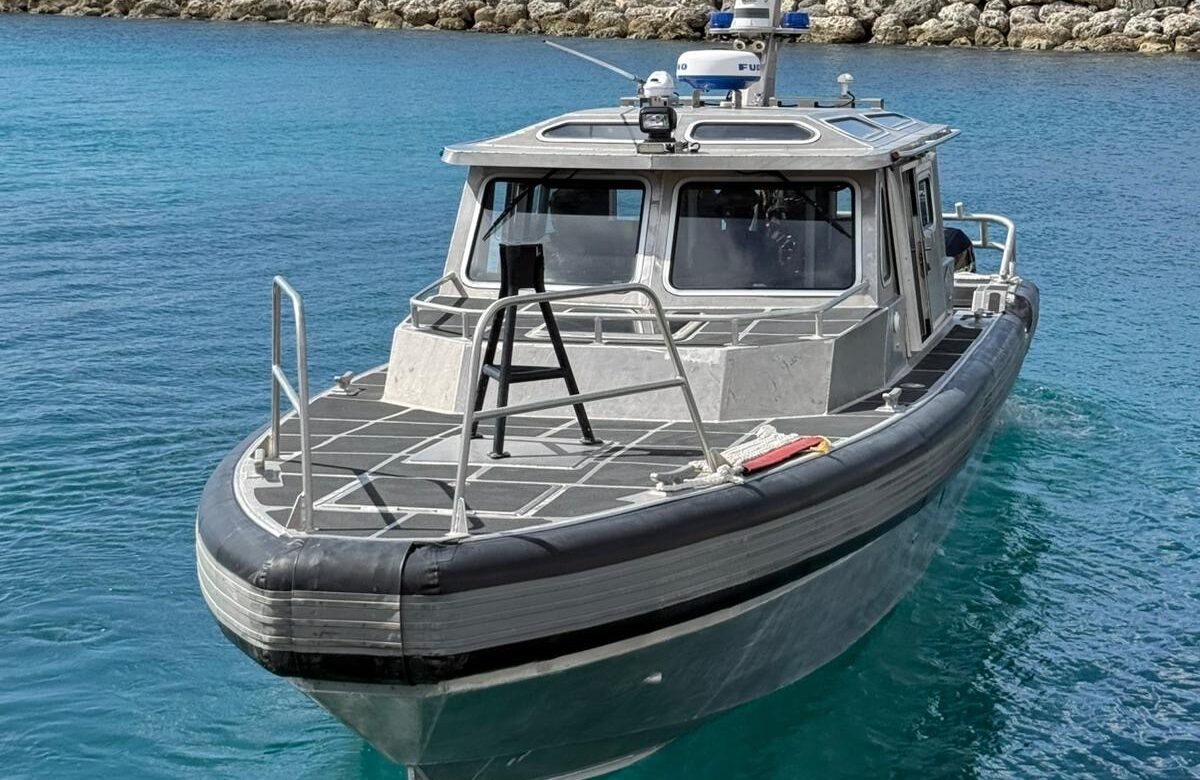
    In a significant move to enhance regional security cooperation, the United States formally transferred a 35-foot patrol vessel valued at $750,000 to the Barbados Defence Force during a ceremony at the Pelican Coast Guard Station on Wednesday. This strategic donation represents the initial delivery in a series of three planned vessel transfers, underscoring Washington’s sustained commitment to strengthening Caribbean maritime capabilities.

    The advanced patrol craft will substantially upgrade Barbados’ operational capacity through enhanced maritime domain awareness and rapid response mechanisms. The vessel is specifically designed to support critical missions including joint security operations, combined military exercises, and humanitarian disaster response initiatives across the Caribbean region.

    US Chargé d’Affaires Karin Sullivan emphasized the profound significance of the bilateral partnership during her ceremonial address. “Our nations’ cooperation is deeply rooted in shared democratic principles and mutual respect,” Sullivan stated. “This ongoing collaboration directly enhances our collective ability to confront transnational criminal networks, respond to natural disasters, and address evolving regional security challenges.”

    Barbados Defence Force Chief of Staff Brigadier Carlos Lovell welcomed the equipment transfer as a tangible demonstration of international partnership. “These vital donations significantly strengthen Barbados’ operational capabilities in combating criminal activities,” Lovell affirmed. “They further solidify the United States’ position as a dependable and effective ally in our regional security efforts.”

    The vessel transfer forms part of a comprehensive assistance package that includes specialized training programs and joint operational exercises, all aimed at improving interoperability between US and Barbadian forces while modernizing the island nation’s maritime defense infrastructure.

  • Martin remanded after failing to return to court

    Martin remanded after failing to return to court

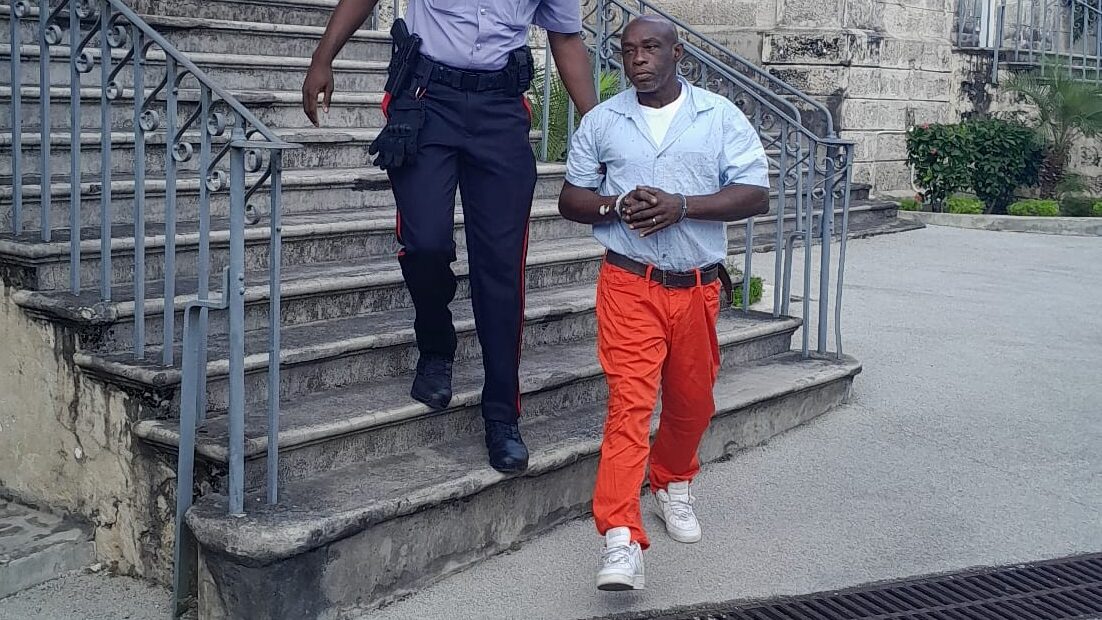
    A Barbados magistrate has ordered the incarceration of a repeat offender following his failure to comply with court-mandated bail requirements. Richarre Rossini Steve Angelo Martin, a 47-year-old individual without a permanent residence, faced judicial consequences in the District ‘A’ Traffic Court on Thursday after violating the terms of his release.

    The sequence of events began when Martin initially appeared before the court on November 17, where he entered guilty pleas for three distinct criminal charges. These included possession of equipment intended for cannabis use, obstructing Police Constable Terron Greenidge in performing official duties, and unlawfully wounding the officer during an incident on November 14.

    During his November court appearance, Martin successfully petitioned Magistrate Alison Burke for personal bail, claiming sole responsibility for an elderly relative’s care and asserting he had no immediate access to a surety. The court granted his release under a $1,000 bail arrangement with instructions to return on November 19—a commitment Martin failed to honor, prompting the issuance of an arrest warrant.

    When finally brought before the Bridgetown court, Martin presented a mitigation plea citing his father’s medical emergency, claiming the elder suffered multiple strokes beginning on November 19. Magistrate Burke demonstrated limited tolerance for this explanation, noting the defendant had an entire month to communicate with the court regarding his circumstances but chose not to do so.

    The court also considered Martin’s extensive criminal history, which includes seventeen prior convictions. Despite his apologetic appeal for another chance based on personal difficulties, Magistrate Burke remained unwavering in her decision. She ordered Martin remanded to Dodds Prison, where he will remain incarcerated until his next scheduled court appearance on January 16, 2026.

  • Gunshots in St Philip spark frustration and calls for action

    Gunshots in St Philip spark frustration and calls for action

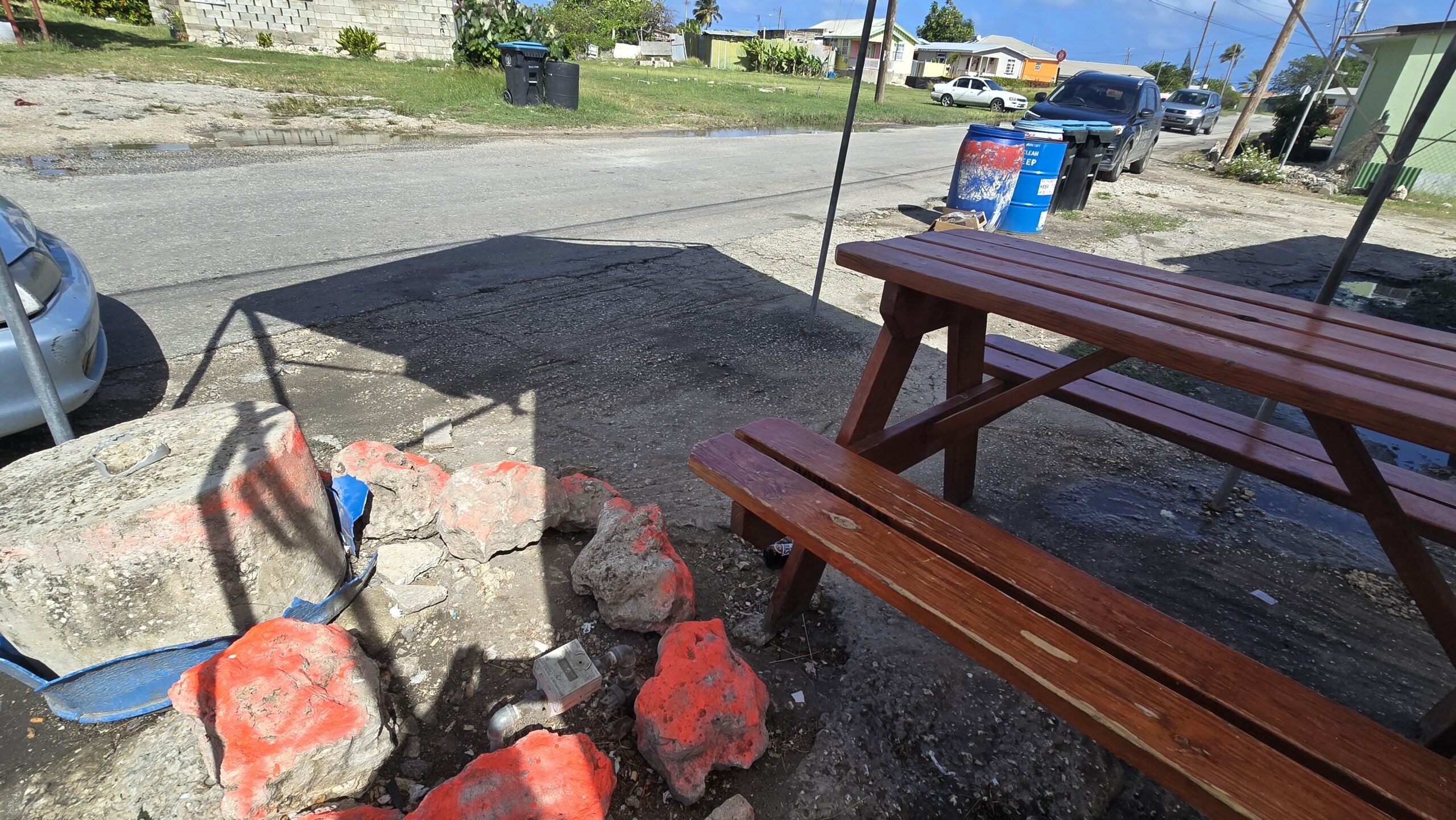
    A tranquil afternoon in Merricks, St Philip, was shattered by a burst of gunfire on Wednesday, leaving a 25-year-old man hospitalized and a community grappling with fear and frustration. The incident, occurring near Bayleys Primary School at approximately 2:25 p.m., has exposed deepening concerns about public safety and social decay in this Barbadian parish.

    According to official police reports, the violence erupted when a vehicle approached a group socializing outside a local business establishment. An occupant from the vehicle discharged multiple rounds before speeding away from the scene. Eyewitness accounts provided to Barbados TODAY indicate the same assailants, described as masked men, subsequently traveled to the River Land area where additional shots were fired, allegedly injuring more victims.

    Local residents described the scene with visceral horror. One man, interrupted while preparing his lunch, recounted the terrifying moments: ‘A fella got shot in his hand and the other in some other part of his body. He was hollering real loud. It was really loud, a heavy gun too, about 20 shots.’ The victim required emergency medical attention, with first responders taking measures to treat what appeared to be an air embolism in the wound.

    The shooting marks the second such incident in the community within three months, ending what elderly residents describe as decades of peaceful coexistence. An 89-year-old lifelong resident expressed her disbelief: ‘I was eating soup. I live here all my life and I never see a thing like that.’ Her daughter, living elsewhere, immediately called to check on her safety, highlighting how news of the violence spread rapidly through concerned family networks.

    Community members are now speaking out about what they perceive as a dangerous cultural shift. One male resident voiced his disgust at the normalization of violence: ‘This thing cruel, man. When a man could be hollering so hard, he in the ambulance, and you hear him hollering.’ He criticized the culture of idleness among young men, stating, ‘Get work. Work never does anybody anything. When you always liming on the block, what you expect going to happen? Gunshots have no direction.’

    The concerned neighbor drew troubling comparisons to Jamaica’s gang violence, suggesting Barbados is mirroring negative regional trends: ‘We going on like Jamaica, they practicing to be like Jamaica… a lot of turf wars does be going on. Barbados too small for that.’ As a father of two, he issued an urgent plea for government intervention to ‘clear out blocks across the country,’ describing the situation as ‘out of hand.’

    Parents also came under scrutiny for what community members perceive as inadequate supervision. ‘The children leave home on a morning and come out on a block to smoke. You don’t befriend your children, you need to be stern,’ one resident admonished, emphasizing the importance of instilling discipline and work ethic in youth.

    The aftermath has transformed the typically vibrant neighborhood into what residents describe as a ‘ghost town,’ with the usual sounds of music and socializing replaced by an uneasy silence. In River Land, where the shooting continued, residents maintained a wall of silence when approached for information, reflecting widespread fears about retaliation.

    One woman who was at work during the incident proposed establishing an anonymous hotline separate from police channels, noting that residents are too frightened to speak openly. While grateful her family remained unharmed, she joined growing calls for concrete solutions to address what many now describe as a crisis threatening the very fabric of their community.

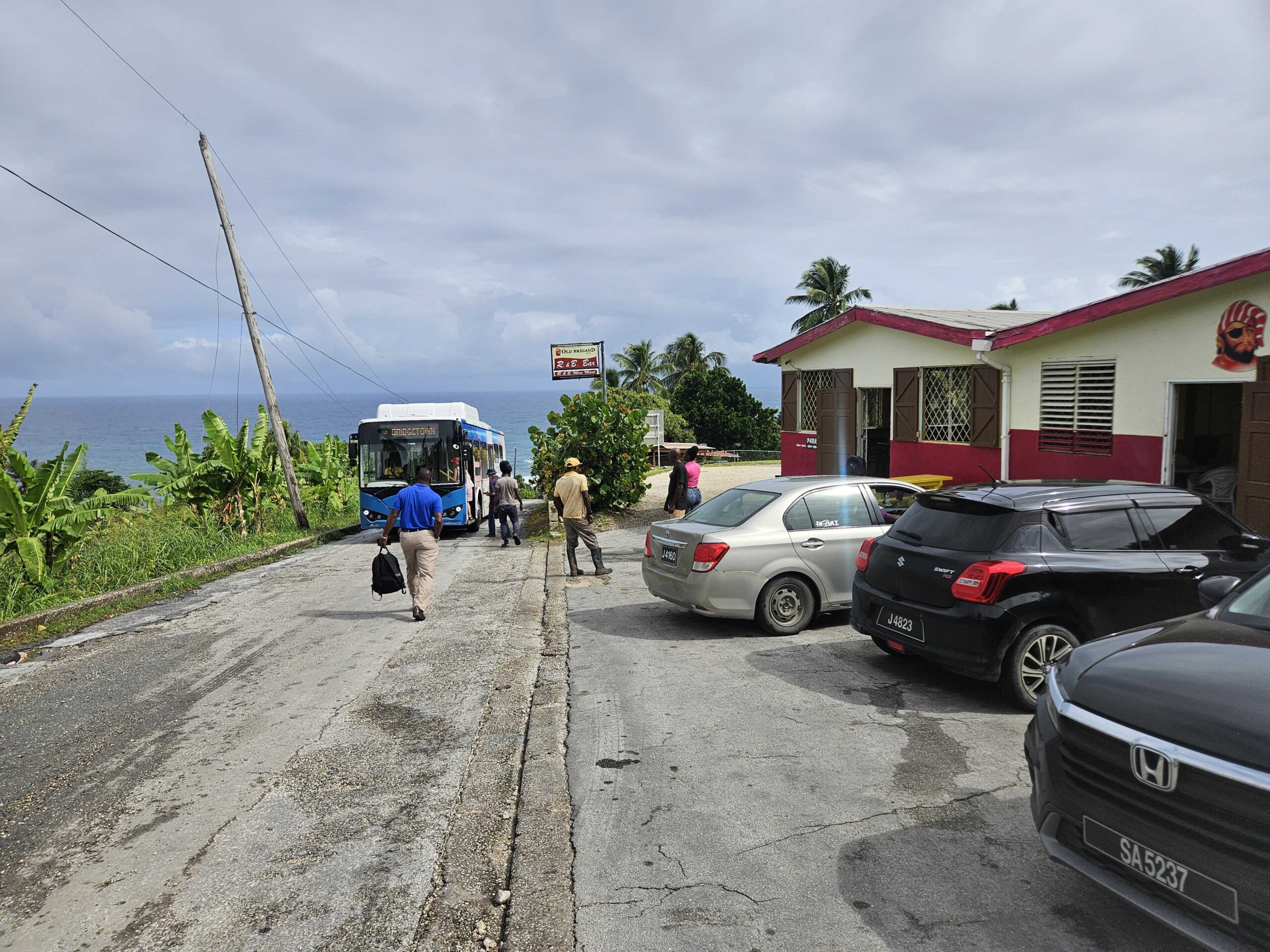
  • Residents lament unreliable bus service in Martins Bay

    Residents lament unreliable bus service in Martins Bay

    The community of Martins Bay in St John faces severe disruption to daily life due to chronically unreliable bus services, forcing residents to adopt extreme measures for basic mobility. Workers and commuters report leaving home hours early and incurring substantial expenses for alternative transportation amid complete uncertainty about bus arrivals.

    Local resident Danesha Maxwell, 26, characterized the service as ‘exceptionally poor,’ particularly during daytime and evening operations. ‘There are days with two-hour gaps between buses,’ Maxwell explained. ‘This creates tremendous frustration for workers with fixed schedules, requiring us to depart at least an hour earlier than necessary since missing one bus doesn’t guarantee another will arrive.’

    Multiple residents interviewed near Newcastle junction detailed systematic service failures. Buses supposedly scheduled hourly often fail to materialize, with particularly severe gaps between 2:00 PM and 7:30 PM. The transportation breakdown creates safety concerns and severely restricts mobility, with commuters sometimes not reaching home until 7:30 PM despite theoretically earlier departures.

    The inadequate service forces residents into difficult choices: walking long distances, seeking rides from neighbors, or paying exorbitant taxi fares exceeding $100 for trips from Bridgetown to Martins Bay. Some residents allege certain drivers refuse to service the Martins Bay route despite instructions, a claim Transport Board Chief Operations Officer Lynda Holder says will undergo internal investigation.

    While road conditions in the area show gradual improvement through the Scotland District Road Rehabilitation project—funded by a BDS$230 million loan from China’s Export-Import Bank—residents emphasize that transportation reliability remains the immediate crisis. Beyond infrastructure, community members advocate for enhanced social facilities, including parks and youth engagement programs to address broader community needs.

  • Chamber warns of supply chain risks amid rising Venezuela-US tensions

    Chamber warns of supply chain risks amid rising Venezuela-US tensions

    Business authorities in Barbados are raising alarms about potential regional economic fallout from escalating geopolitical tensions between Venezuela and the United States. The Barbados Chamber of Commerce and Industry (BCCI) has identified this developing situation as a significant threat to Caribbean supply chains, potentially triggering increased costs and operational delays throughout the region.

    BCCI President Paul Inniss expressed particular concern during a recent press briefing at the organization’s Deighton Road headquarters. ‘As a chamber representing business interests, we must view any tension involving our trading partners with serious concern,’ Inniss stated. ‘This represents one of several strategic risks that require careful consideration and contingency planning.’

    The chamber has proactively begun advising its membership on business continuity strategies, highlighting vulnerabilities within current shipping logistics. Inniss revealed an inefficient pattern in regional trade routes: ‘Our analysis indicates many goods originate from South America, travel northward, only to subsequently return south—a circuitous routing that unnecessarily inflates costs.’

    Despite these concerns, officials downplayed immediate impacts on Barbados’ energy sector. ‘Our current import volume from Venezuela remains minimal,’ Inniss clarified, referencing two recent diplomatic engagements with Venezuelan delegations. While acknowledging global oil markets have already reacted to geopolitical announcements, he characterized potential energy impacts as ‘still in early stages.’

    Christopher Sambrano, chair of the chamber’s economic advisory committee, addressed broader implications, including effects on Trinidad’s energy imports and regional tourism. ‘The fundamental concern involves added market uncertainty,’ Sambrano noted. ‘As a business community and society, we’ve demonstrated resilience through previous global challenges and must remain adaptable.’

    Emphasizing Barbados’s identity as a peaceful destination, Sambrano expressed hope for swift resolution: ‘Visitors seek refuge in our region from global tensions. Maintaining our status as a zone of peace remains paramount to our tourism economy.’

    The BCCI continues collaborating with Barbados’ Ministry of International Trade to develop direct sourcing alternatives, aiming to mitigate potential inflationary pressures on imported goods throughout the supply chain.