标签: Barbados

巴巴多斯

  • Youth discounts get thumbs up from businesses

    Youth discounts get thumbs up from businesses

    To honor International Youth Day, Barbados launched its first-ever Youth Discount Day on Wednesday, and participating local businesses have already shared overwhelmingly positive feedback from the day’s early activity.

    The initiative, created through a three-year partnership between the Barbados Youth Development Council (BYDC) and the island’s Small Business Association (SBA), locked in an annual August 7 observance. Under the program, any young person aged 16 to 35 can unlock exclusive discounts at SBA member businesses by presenting a valid official ID. For this year’s launch, more than 100 small and medium local businesses across the island signed on to participate.

    Tamirah Moore, owner and head chef of local eatery Beyond Sushi, joined the initiative by offering a 10 percent discount on all menu items for eligible young customers. Moore, who began her culinary journey at just 16 years old, shared that her passion for sushi grew from its combination of culinary skill and artistic creativity. “I was interested in culinary arts and I was very artistic, and to be honest, I just really wanted to work with sushi because it is such an art form itself,” she explained. Beyond Sushi caters to a wide range of diners, offering classic options like California rolls and hand rolls alongside innovative creations such as sushi sandwiches and sushi burritos, plus side dishes for guests who do not eat sushi. Moore added that ahead of the end of the day, she hoped more young patrons would stop by to explore what her business has to offer and enjoy the discounted fares.

    Another major local participant, Italia Coffee, rolled out a 20 percent discount on all custom beverages across all 10 of its Barbadian locations for youth with valid ID. Nikita Abed-Caplen, the brand’s marketing director, said the company was eager to back the initiative because young Barbadians deserve intentional recognition. “Too often, public conversation around youth centers only on negative narratives, but across this country there are thousands of young people doing incredible work, chasing their dreams, and adding real value to our communities,” Abed-Caplen noted. “International Youth Day and this discount initiative give us a chance to shift that story and simply tell young people: today, we celebrate you.”

    While it is still too early to calculate the full long-term impact of the first-time event, Abed-Caplen said the company was pleased with steady foot traffic from young customers taking advantage of the offer throughout the day. Looking ahead, both participating businesses and organizing bodies expect that as public awareness of the annual event grows, youth and business participation will continue to rise in coming years.


  • Pest control tech granted bail on wounding charge

    Pest control tech granted bail on wounding charge

    A 42-year-old pest control specialist from Barbados has entered a formal plea of not guilty to an unlawful wounding charge during a recent hearing at the No. 1 District ‘A’ Magistrates’ Court, and has been released from custody ahead of his next court date after posting $3,000 bail.

    Kevin Emerson Victor, who lists his residential address as Plymouth Square, Cave Hill in the parish of St Michael, stands accused of intentionally and illegally wounding Zabari Spooner in an incident that allegedly took place on August 3. When Acting Chief Magistrate Douglas Frederick formally read the charge against the defendant, Victor immediately rejected the accusation and entered his not guilty plea.

    As part of the bail conditions approved by the court, Victor is required to maintain no contact of any kind with the alleged victim, Spooner, for the duration of the ongoing legal proceedings. The case is scheduled to resume for further hearing and progression on October 7. Victor is receiving legal representation from experienced local attorney Ensley Grainger, who is guiding him through the judicial process.

  • Green eyes future success following World Championship bronze

    Green eyes future success following World Championship bronze

    After a breakthrough performance that earned him a bronze medal in the men’s 200-meter event at the World Junior Athletics Championships held in Oregon, U.S.-based Barbadian sprinter Jayden Green touched down back on his home island to a rousing welcome late Tuesday night.

    Green and the rest of the Barbadian national contingent stepped out of the airport’s arrivals hall just minutes ahead of midnight, where cheering supporters and senior representatives from the Athletic Association of Barbados had gathered to celebrate the team’s successful run at the global under-20 competition.

    In interviews following his arrival, the young sprinter expressed satisfaction with his showing in Oregon, even as he revealed he is already looking ahead to a well-deserved break during the upcoming off-season to recharge ahead of future competitions.

    “There’s no better feeling than bringing another world-level medal back to my country, and earning a spot among the top under-20 sprinters on the global stage,” Green shared with reporters.

    The bronze medal in Oregon marks a significant turnaround for the athlete, who opened the 2024 season with underwhelming results that left him dissatisfied. After competing at the CARIFTA Games in Grenada and the domestic Barbados Grand Prix, Green openly admitted he was unhappy with his race times at both early-season events. Looking back, he credits his commitment to consistent training and sticking to his team’s planned process for delivering when it mattered most at the world championships.

    “For me, this result came down to showing up every day, staying consistent, and executing my race plan when it counted. Even though my final time in Oregon wasn’t as fast as I had hoped I would run, at the end of the day, it’s the medal that matters most in a championship setting,” Green said. “I knew going into the back half of the season that I would get another chance to compete for a medal, and I just had to stay ready to take advantage of the opportunity.”

    Framing his world junior bronze as a key stepping stone in his burgeoning athletic career, Green said he views the result as proof that he can compete with the world’s best young sprinters, and he is already confident he can deliver even stronger performances in future competitions.

    Opening up about the pressures of the 200m final, Green acknowledged that the race was far from an easy outing. He confessed to feeling nervous lining up against the top under-20 sprinters from around the globe, but worked to channel that energy into focus rather than letting it derail his performance.

    “I was definitely a little nervous going up against those guys, but at the end of the day, they’re just normal athletes like me,” he explained. “Even with the nerves, I just focused on blocking out the noise, sticking to my race plan, and listening to the advice my coaches had given me. It was an extra special feeling to be the only Caribbean competitor in that final and come home with a medal.”

  • Green leads Tridents to winning CPL start

    Green leads Tridents to winning CPL start

    The 2024 Republic Bank Caribbean Premier League kicked off with a heart-stopping opening clash at Kingston’s Sabina Park on Tuesday night, where new Barbados Tridents captain Chris Green enjoyed a dream debut in leadership, guiding his side to a tense five-run victory over host franchise Jamaica Kingsmen.

    Sent into bat first by Jamaica’s skipper Rovaman Powell, the Tridents got their campaign off to a blistering start through opening pair Brandon King and Zachary Carter. The duo scattered boundaries across every corner of Sabina Park, with Carter blasting 27 runs from only 15 deliveries before falling in the 16th over of the innings. King carried on his aggressive form, finishing as the Tridents’ top scorer with a 51-ball 73, studded with five fours and four sixes. Wicket-keeper batter Quinton de Kock added a quickfire 42 from 25 deliveries, while all-rounder Sherfane Rutherford remained unbeaten on a 28-ball 50. By the end of their 20 overs, the Tridents had posted a challenging total of 206 runs for the loss of three wickets, a target the Kingsmen ultimately could not reach.

    In response, the Kingsmen got off to a solid start, with Powell contributing a quick 38 from 24 deliveries and Keacy Carty hitting 42 from 27 runs to keep the hosts in the hunt. It was Tridents paceman Daniel Sams, named Player of the Match, who turned the tide with timely wicket-taking bursts at critical stages of the innings, finishing with outstanding figures of four wickets for just 20 runs.

    The match came down to a nail-biting final over, with the Kingsmen requiring 15 runs to seal a win off the last six balls. Tridents seamer Ramon Simmonds took the ball and delivered a dramatic finish, claiming two key wickets to swing the result back in his side’s favour. After a single and two wides from Simmonds’ first three deliveries, Andre Russell launched a massive six that left the Kingsmen needing just six runs off three deliveries. Simmonds responded with a clutch wicket, catching Russell off his own bowling the very next delivery. Russell had carried the Kingsmen’s late-innings charge with an explosive 68 off 38 balls, which included nine towering sixes. On the very next delivery, Simmonds dismissed Vitel Lawes (who had compiled a well-set 32 off 20 balls) to put the game out of Jamaica’s reach. The Kingsmen closed their innings at 201 runs for nine wickets, falling five runs short of the target.

    Speaking after the match, Green acknowledged the quality of Jamaica’s star batters and praised his side’s ability to hold their nerve under pressure. “Rovman Powell and Andre Russell are two of the most powerful hitters in the world. They’re some of the best in the business for a reason, and even when you think you’re ahead of the game or sneaking close to home, they just hit their way out of it. Sometimes you just have to tip the cap and say we entertained the crowd tonight,” the Tridents captain said.

  • Unhealthy food marketing must be tackled, coalition says

    Unhealthy food marketing must be tackled, coalition says

    As childhood obesity rates continue to climb across Barbados, public health advocates and government nutrition officials are urging policymakers to place strict limits on the marketing of unhealthy processed foods and sugary beverages to children, identifying this industry practice as one of the most underaddressed drivers of the national public health crisis.

    During a recent IN FOCUS virtual discussion exploring how food marketing shapes youth eating habits, Francine Charles, program manager for the Barbados Childhood Obesity Prevention Coalition, argued that consumer choices are never truly independent. With her professional background spanning communications, media and advertising, Charles pushed back against the common narrative that obesity is purely a result of poor individual decision-making.

    “I always laugh when people talk about making a choice. You’re not making a choice,” Charles explained. She noted that food and beverage brands deploy highly sophisticated, data-driven advertising strategies designed to manufacture artificial demand for their products, programming consumers to develop cravings for items high in salt, sugar and fat. Many of these products are also intentionally engineered to have specific textures and flavor profiles that trigger repeated overconsumption, a cycle that directly contributes to unhealthy weight gain and obesity over time.

    Charles emphasized that young children are uniquely susceptible to these marketing tactics, as most kids under 10 lack the critical thinking skills needed to distinguish between unbiased information, opinion, and persuasive advertising content. To address this gap, the coalition recently organized a youth summit attended by roughly 52 secondary school students, designed to teach them how brands target them with manipulative marketing. Many participants left the event shocked at how effectively they had been influenced without realizing it, Charles reported. Early exposure to this advertising also builds lifelong brand loyalty, cementing unhealthy eating habits that persist into adulthood.

    Beyond restrictive marketing, public health workers also highlight the disproportionate cost of healthy eating as a major systemic barrier that must be addressed by policymakers, civil society groups, and the private sector. Sheena Edwards, social media manager and communications officer for the Healthy Caribbean Coalition, shared research showing that while covering basic calorie needs for children only takes up roughly 20% of a family’s food budget, meeting nutritional guidelines with healthy foods can consume as much as 90% of a household’s food spending.

    To push for systemic change, Edwards announced that civil society organizations across the country will launch an ambitious advocacy campaign starting in September, demanding policy and market changes that make nutrient-dense healthy foods far more accessible and affordable for all families. Edwards added that constant aggressive marketing of unhealthy products remains pervasive across every space children occupy: her team conducts daily monitoring of advertising in schools, on digital platforms and across social media, and finds round-the-clock promotion of sugary drinks, salty snacks, and sugary processed treats. Reduced levels of daily physical activity among children, she added, acts as a compounding factor that exacerbates the risk of obesity.

    Brian Payne, Deputy Nutrition Officer at the Ministry of Health’s National Nutrition Centre, echoed these concerns, framing unregulated food marketing to children as a core public health issue rather than a purely commercial matter. He explained that taste preferences are established in early childhood, so repeated exposure to high-sugar, high-salt, ultra-processed and fast foods creates lifelong preferences for these unhealthy items that are hard to reverse. “When we expose our children to [these foods], they develop that taste preference from very early and oftentimes they are hooked on these foods for life,” Payne said.

    In response to growing evidence of systemic drivers of obesity, Payne confirmed that the Ministry of Health is shifting its public health strategy away from an overemphasis on individual responsibility, and instead prioritizes reforms that change the broader food environment that shapes consumer choices. Marketing is a central pillar of that environment, he noted, and lasting progress against childhood obesity will not be possible without meaningful change to how unhealthy products are promoted to young people. “Unless the food environment changes… it’s going to be very difficult,” Payne concluded.

  • Teen remanded after admitting robbery, theft

    Teen remanded after admitting robbery, theft

    An 18-year-old manual laborer has been ordered to remain in custody at Dodds Prison until a September 9 court hearing, after entering guilty pleas to a series of robbery and theft charges before the No. 1 District ‘A’ Magistrates’ Court in Barbados.

    Tashon Ricardo Omari King, a resident of Thorne’s Gap, Land’s End, St. Michael, admitted to two separate counts of theft committed between July 29 and 30. The first theft targeted Delisha Smith, whose stolen property included a $400 bag, a $200 laptop charger, a $3,400 mobile phone, a $60 phone charger, a $800 pair of earphones, a $15 pencil case, and three $40 notebooks. The second theft was against Island Developments Limited, from which King stole a $3,000 laptop, 10 keys worth $100 total, and two gate openers valued at $200 combined. The cumulative worth of all stolen goods from both incidents amounts to BDS$8,610.

    King additionally confessed to a robbery committed on June 30, where he took property totaling $424 from Rudolph Haynes: an $84 bag, a $90 mobile phone, and $250 in cash.

    The teen was not required to enter a plea for the more serious indictable offense of robbing Nadeen Haynes on April 30. That robbery saw King allegedly steal a $400 handbag, US$8,000 (equivalent to BDS$16,000), BDS$200 in local currency, three Coach purses valued at $1,390, a $300 pair of Ray-Ban sunglasses, and five visa debit cards worth $250 total.

    Following the guilty pleas, police Sergeant Reginald Blackman filed a formal objection to King being granted bail. Blackman cited multiple compelling grounds for the objection: a high risk that King would reoffend if released, the need to protect the general public from further potential crime, the use of violence in the alleged robbery offenses, and the strong body of evidence prosecutors hold in the case.

    Acting Chief Magistrate Douglas Frederick accepted the objection and ruled that King would be remanded to Dodds Prison to await his next scheduled court appearance on September 9. At that upcoming hearing, the prosecution will lay out the full formal facts of the charges to which King has already pled guilty.

  • Ombudsman presses for clearer promotion rules, stronger complaint systems

    Ombudsman presses for clearer promotion rules, stronger complaint systems

    A damning new annual report from Barbados’ independent government watchdog has laid bare widespread public service dysfunction, revealing that complaints were filed against nearly two-thirds of all state agencies in 2025, prompting a series of urgent recommendations to overhaul accountability, transparency and service delivery across the civil service.

    Presenting his 2025 annual findings to Parliament, Ombudsman Rev Dr Nigel Taylor outlined that the scope of public dissatisfaction is far-reaching: official complaints were registered against 70 percent of all public service organizations in the country. While many agencies received only one or two grievances, nine departments attracted five or more formal complaints, with three agencies accounting for the bulk of concerns. The Barbados Revenue Authority topped the list with 43 complaints, followed closely by the National Insurance and Social Security Service (NISSS) with 33, and the Ministry of Education Transformation with 15. Other agencies with five or more complaints include the Barbados Police Service (11), Barbados Prison Service (7), People Resourcing and Compliance Barbados (7), Planning and Development Department (6), Grantley Adams International Airport (5), and the National Housing Corporation (5).

    As an independent statutory officer, the Ombudsman’s core mandate is to investigate grievances against government agencies and departments, facilitating fair and impartial resolution of disputes between members of the public and the state. In his report, Taylor emphasized that unaddressed public service inefficiencies pose more than just an inconvenience: they erode public trust in government, damage civil service staff morale, and create long-term risks to Barbados’ social, economic and political stability.

    To tackle these systemic issues, Taylor has put forward a targeted package of reforms, starting with a comprehensive public sector human resource audit. The audit will specifically examine patterns of unfair workplace practices, including unauthorized supercession, untransparent non-promotion decisions, and inconsistent grievance handling, with the stated goal of advancing enhanced human resource fairness across the civil service. Taylor also called on policymakers to improve transparency around promotion processes by requiring clearer communication of criteria to all staff, a step designed to reduce widespread perceptions of bias in career advancement.

    Central to Taylor’s recommendations is a push to embed accountability and transparency as core values of the civil service. One key proposal requires all public agencies to publish regular public reports that detail the volume of complaints received, the rate at which complaints are resolved, and the specific reform measures agencies have implemented to address recurring issues. Taylor also suggested adding structured citizen feedback mechanisms, such as regular client satisfaction surveys, to complement the complaint data collected by his office, giving the public more opportunities to weigh in on service quality.

    Taylor further recommended that the government strengthen existing legislative frameworks to enforce compliance with minimum service delivery standards, alongside building out more robust internal complaint resolution systems within agencies. He pointed to existing successful models already in use by high-complaint agencies: he proposed expanding dedicated communication channels across all major public bodies, modeled on NISSS’ established email update channel and the Barbados Revenue Authority’s dedicated team meetings to share Ombudsman case updates.

    The Ombudsman also called for systemic investment in institutional learning and professional development across the civil service. He urged policymakers to embed targeted training into the existing Performance Review and Development System (PRDS) to close documented performance and knowledge gaps among staff. Additionally, Taylor recommended cross-agency mapping of organizational mandates to create structured cross-training and knowledge-sharing opportunities, breaking down bureaucratic silos that hinder effective service delivery and foster institutional learning across the public sector.

    Finally, Taylor pushed for a widespread cultural shift toward greater public responsiveness across all government agencies. He called for regular joint review meetings between the Ombudsman’s office and agencies with the highest volumes of complaints, following the successful collaborative model already established with the Barbados Revenue Authority. He also insisted that the government operationalize formal public service charters that clearly outline citizen rights, agreed service standards, and agency obligations to the public. To improve access and efficiency, Taylor added that the government must expand and strengthen ongoing monitoring of e-governance platforms, which have become a primary channel for public service delivery in recent years.

    In closing his report, Taylor noted that the recommended reforms are designed to both advance and streamline public service delivery for all Barbadians, addressing systemic gaps that have contributed to widespread public dissatisfaction.

  • Sinckler: Caribbean could be investment hub

    Sinckler: Caribbean could be investment hub

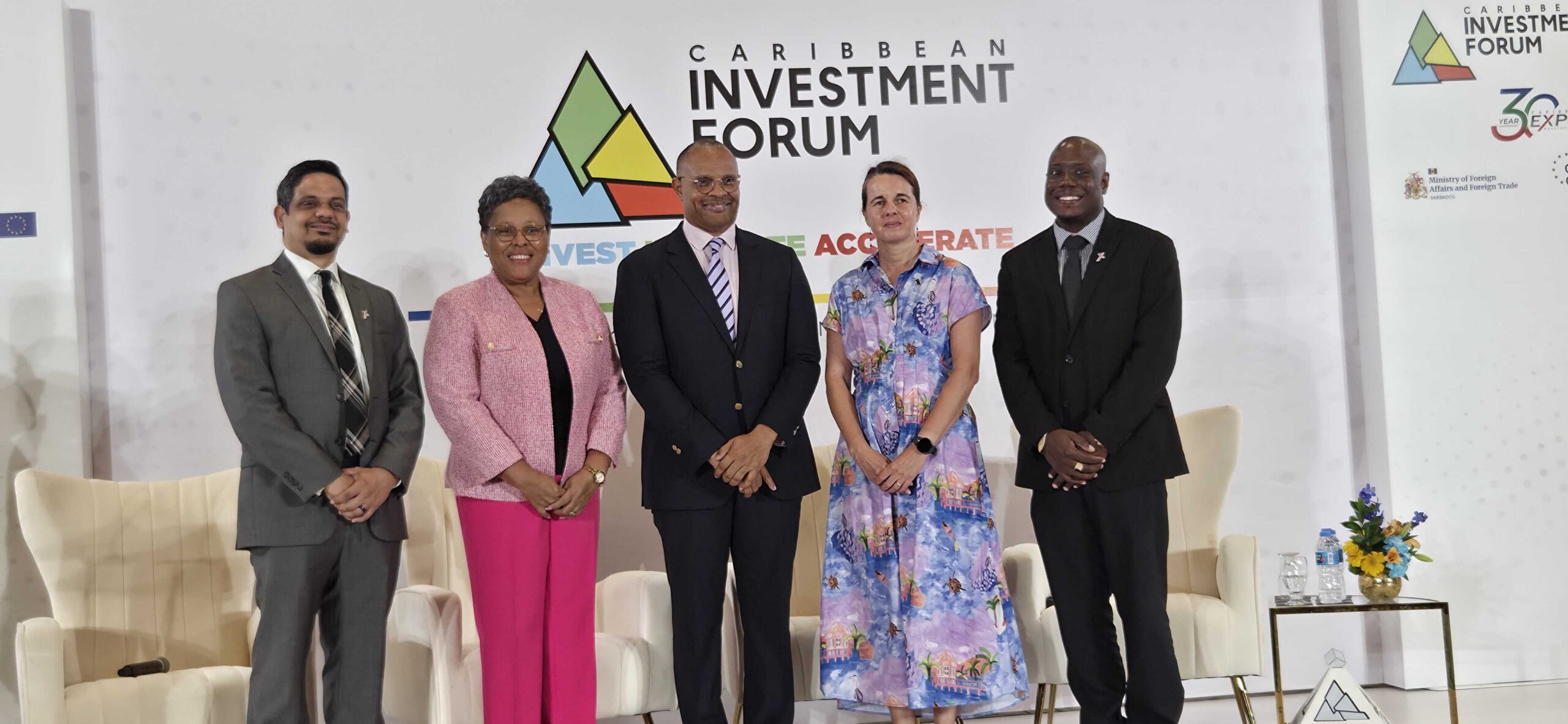
    Against a backdrop of uneven global foreign direct investment (FDI) flows to developing economies, Barbados’ Senior Minister and Minister of Foreign Affairs and Foreign Trade Chris Sinckler has issued a bold call to international investors on Wednesday, challenging long-held misconceptions that frame the Caribbean as a fragmented collection of small, high-risk markets. Instead, he positioned the region as a cohesive, stable, and innovation-driven economic hub primed to deliver strong commercial returns across sectors aligned with pressing global priorities.

    In his address to a gathering of diplomats, C-suite business leaders, and cross-sector global stakeholders, Sinckler pushed back against the pervasive narrative that Caribbean nations sit on the margins of the global economy, waiting for incremental scraps of development. “The truth is that nothing could be further from the truth,” he stated. “Our region is a stable, connected, and increasingly innovative geopolitical and economic space that offers commercially sound opportunities in sectors that are top global priorities.”

    Key high-growth areas Sinckler highlighted include renewable energy, digital technology, modern logistics infrastructure, climate resilience infrastructure, and food security systems – all sectors that have seen rising global investor appetite amid efforts to decarbonize economies and strengthen global supply chains.

    Central to Sinckler’s pitch is the upcoming high-level regional investment forum hosted by Barbados this October, themed “Invest, Innovate, and Accelerate.” The event is designed to connect global capital with regional opportunities, and build a unified regional investment strategy that can capture a larger share of global FDI.

    Citing recent international trade data, Sinckler noted that total global FDI rose 6% to $1.6 trillion in 2025, but flows to developing countries – including Caribbean nations – grew by just 2% over the same period. This divergence, he explained, reflects a clear trend: global capital is increasingly selective, flowing only to jurisdictions that demonstrate preparedness, credibility, and the capacity to deliver on investment projects. “We must ensure our regional assets are positioned to secure a far larger proportion of that capital,” he emphasized.

    To unlock this potential, Sinckler called for urgent systemic reforms across the region’s public and private sectors, targeting persistent administrative bottlenecks and outdated institutional rigidity that he described as one of the biggest constraints on regional investment growth. From customs clearance and port facilitation to tax policy, transportation, banking, and access to finance, he argued that inflexible operational procedures have held the region back from realizing its full investment potential. “We continue to shoot ourselves in the foot if we fail to harness and unleash the hidden capacity that exists in this region,” he said.

    Sinckler also stressed that regional policymaking must shift toward a more empirical, data-driven model, leveraging emerging technologies such as artificial intelligence to deliver the transparency, speed, and regulatory stability that international investors require.

    To back his argument, Sinckler pointed to Barbados’ own track record of successful structural reform, which has built sustained investor confidence. The country has logged 22 consecutive quarters of economic expansion, cut unemployment to 6.1%, and grown international reserves to $3.1 billion – enough to cover nearly 26 weeks of imports. The island nation has also delivered major public infrastructure investments to reduce trade frictions, including the recently completed $213.5 million Berth 6 project at Bridgetown Port, which is set to boost shipping and logistics capacity across the entire Caribbean.

    Barbados has also advanced digital financial inclusion with the launch of BiMPay, its national instant payment platform. By integrating commercial banks and credit unions onto a single network, the system lowers transaction costs and speeds up cash flow for micro, small, and medium-sized enterprises – the backbone of the Caribbean’s domestic economy.

    “Barbados is ready because we have done the heavy lifting in the past few years in rebuilding the foundations of our economy on which investment depends,” Sinckler said. “We have restored economic stability, modernised legislation, upgraded infrastructure, and fast-tracked cutting-edge digital technology.”

    He also paid tribute to Dr Lynette Holder, outgoing chair of the Caribbean Export Development Agency, for her leadership in developing the regional forum into the Caribbean’s leading investment matchmaking platform. Dr Damie Sinanan, the agency’s executive director, and Ambassador Fiona Ramsey of the European Union Delegation to Barbados and the Eastern Caribbean also participated in the event.

    Sinckler closed by urging global entrepreneurs and business leaders to take full advantage of the forum’s business-to-business matchmaking sessions, framing the gathering as a critical catalyst to turn innovative ideas into tangible, revenue-generating projects. “Our investment proposition must include not only what can be built in the Caribbean, but the assets that Caribbean people can use to build things for the world,” he said. “Barbados is open for business. We welcome investors to come, innovate with us, grow with us, and build a prosperous future together.”

  • Elite senior athletics training programme on the cards

    Elite senior athletics training programme on the cards

    Fresh off a standout performance from its junior team at the 2022 World Athletics Junior Championships in Oregon, Barbados is laying out an ambitious plan to secure its first multi-medal haul at the 2028 Los Angeles Olympic Games. The Athletics Association of Barbados (AAB) has announced a $1.5 million annual elite athlete development program tailored to accelerate the progress of the nation’s top senior track and field talent, building directly on the success of its existing junior development pipeline. AAB President Noel Lynch publicly unveiled the initiative Tuesday night, greeting the 11-member junior squad as it returned home from Oregon, where the team impressed global observers by advancing to four event finals and eight semi-finals – highlighted by a bronze medal in the men’s 100m from rising star Jayden Green.

    Lynch framed the new senior program as the logical next step after the AAB’s junior work delivered consistent competitive gains, designed to give Barbadian athletes the specialized support they need to compete for top honors on the world’s biggest sporting stage. He revealed that the idea for the expanded effort gained immediate buy-in from the highest levels of national government, noting that just 15 minutes after Barbados won the men’s 4x400m relay at this year’s CARIFTA Games, Prime Minister Mia Mottley reached out to ask what resources the team needed to elevate athletes to elite global status. Mottley has followed through on that commitment with full financial backing for the program, Lynch confirmed.

    Structured similarly to the successful junior development framework, the senior initiative will launch with a small, focused cohort of 10 to 12 athletes who are not yet prepared to relocate to the United States to take up collegiate athletic scholarships. A key pillar of the program is a living stipend for participating athletes, a change Lynch said addresses a longstanding barrier to elite training: many local athletes have been forced to work full-time jobs to support themselves, leaving them too exhausted to put in the rigorous daily training required to compete at the world level.

    In addition to structured morning and evening training sessions, cohort members will gain access to a full suite of wraparound support services, including professional massage therapy, personalized nutritional planning, and sports psychology counseling. The program will also accommodate athletes who have already completed collegiate scholarships abroad and returned to Barbados, but still retain the potential to deliver elite competitive results. Lynch emphasized that, just like the junior program, the impact of the senior initiative will unfold gradually, with visible improvements expected in coming years.

    Looking ahead to upcoming competitions, Lynch said the team will test its progress at the 2023 World Athletics Championships in Beijing and the 2023 NACAC Senior and Junior Championships, before building toward the 2028 Games. He set a clear, bold target of winning two or three medals in Los Angeles, pushing back against critics who dismiss the goal as unrealistic. Lynch recalled that when the AAB predicted sprinter Obadele Thompson would win an Olympic medal ahead of the 2000 Sydney Games, observers dismissed the claim as outlandish – a prediction that ultimately proved correct. “Barbadians can do this,” he said.

    Lynch pointed to the Oregon results as proof that the development pipeline is already producing world-class talent. Comparing times, he noted that the U.S. men’s 4x400m relay team won World Junior gold in 3:01.39, while Barbados’ junior 4x400m squad clocked a CARIFTA Games record of 3:05.49 earlier this year. Lynch argued that if the Barbadian core of Jayden Green, Amir Thompson, Aidan Moore and Shamari Greenidge Lewis had the chance to compete against the U.S. team, they could have beaten the American time and even taken home a world junior record. “All the members of this team endorse that,” he added.

    Beyond the relay squad, Lynch highlighted the breakthrough performances of several individual athletes in Oregon, saying the results prove the AAB’s development model is working. He called Jayden Green a potential 19-second 200m runner, noted that Amir Thompson – an athlete with elite pedigree – has committed to competing for Barbados, and highlighted surprise breakout performances from previously unranked Taylor Foster and Rashad Gibson, who advanced to a World Junior semi-final against expectations. Shot putter Jayden Walcott finished sixth at the global competition in a discipline that is not a traditional Barbadian strength, while 400m runner Kadia Rock demonstrated world-class skill, Lynch added.

    Looking forward, the AAB is actively working to recruit top talent from the global Barbadian diaspora, with the goal of fielding a fully competitive world-class senior men’s 4x100m relay team for future international competitions, including the 2028 Olympics.

  • Bayview Urgent Care partners with RUBIS to offer discounted preventative health screenings

    Bayview Urgent Care partners with RUBIS to offer discounted preventative health screenings

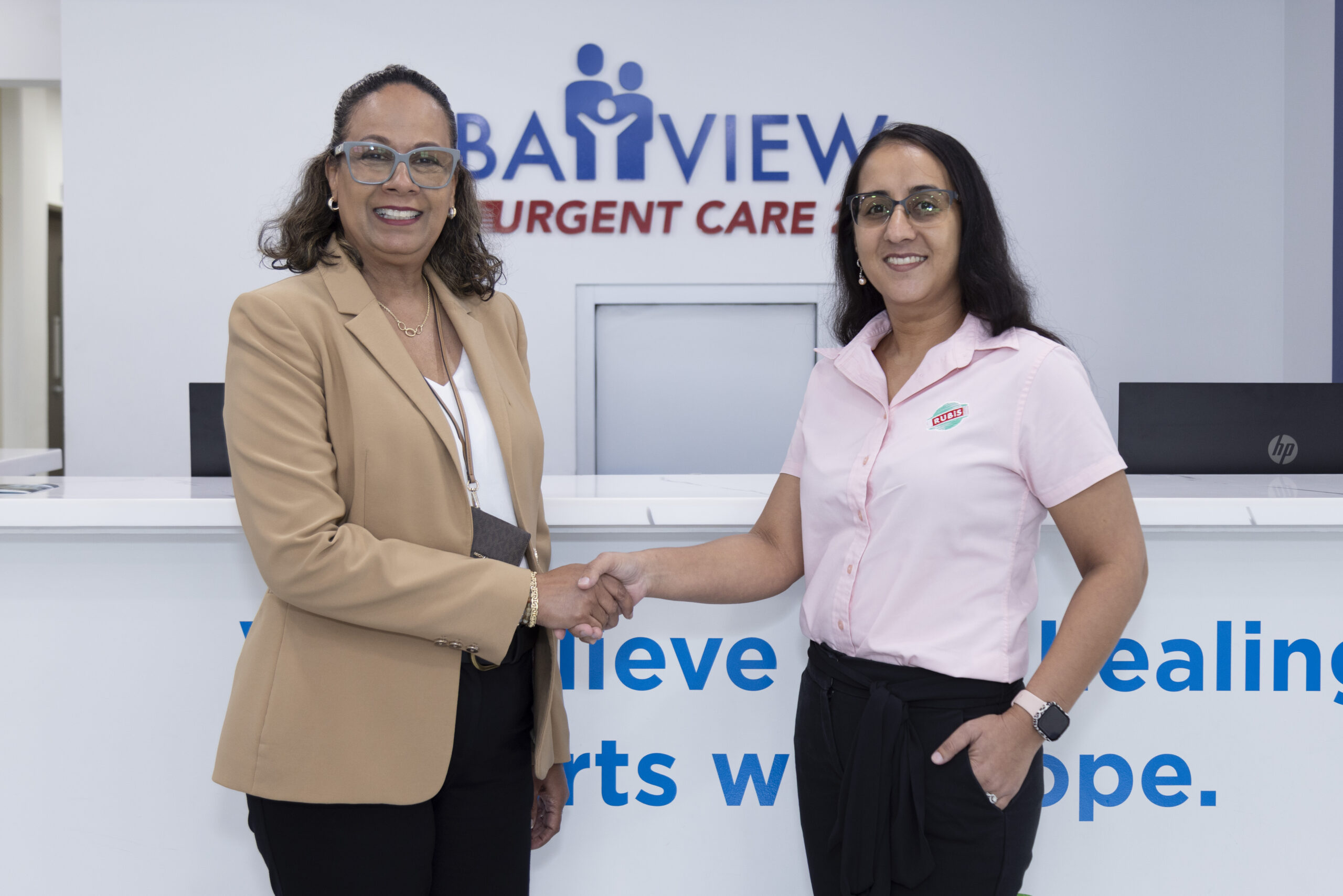
    Barbados is seeing a groundbreaking public-private collaboration that aims to expand access to life-saving preventive healthcare for thousands of residents, as Bayview Urgent Care has officially launched a new partnership with energy firm Rubis to deliver discounted basic health screening packages to both corporate and retail customers of Rubis.

    Against a backdrop of rising rates of non-communicable diseases (NCDs) across the Caribbean, the initiative targets a long-standing gap in care: the financial barriers that leave many uninsured Barbadians putting off routine check-ups that can catch chronic conditions early. This aligns directly with Bayview Urgent Care’s core mission to shift healthcare from reactive treatment of advanced illness to proactive prevention before symptoms develop.

    Dr. David Byer, Lead Consultant at Bayview Urgent Care, emphasized the urgent on-the-ground need for this program. “Working in urgent care, we see every day how much difference early intervention makes for patients facing chronic conditions like diabetes and hypertension,” Byer explained. “By making these basic screening packages available at a discount to Rubis customers, we’re encouraging all Barbadians to take control of their wellbeing before small health concerns become life-threatening. Early detection remains our most powerful tool in the fight against NCDs, and this partnership lets us put that tool in more people’s hands.”

    For Rubis, a leading fuel retailer operating across Barbados, the collaboration is a natural extension of the company’s long-standing commitment to local community welfare. Unlike traditional corporate social responsibility initiatives that focus only on large-scale projects, this effort brings direct, tangible benefits to every customer who walks through Rubis’ doors or holds a RubisCard.

    “At Rubis, our promise to the communities we serve goes way beyond supplying high-quality fuel,” said Andrea Gooding, Rubis’ Marketing Manager. “Corporate social responsibility isn’t an afterthought for us—it’s baked into everything we do. We’re always looking for meaningful ways to support our customers, and this partnership lets us deliver life-saving value to every driver that stops at our stations. We want to help people prioritize their health, so they can be truly fueled for every part of their life journey ahead.”

    The basic screening package at the core of the partnership includes all the core baseline tests needed to flag early signs of chronic illness: a full physical examination, urinalysis, blood sugar testing, and cholesterol screening, with all consultation fees included in the discounted price. For patients who require additional follow-up testing based on initial results, a range of advanced diagnostics are also available, including prostate-specific antigen (PSA) testing, full blood counts (FBC), ECGs, digital mammograms, and CT calcium scoring, when medically necessary.

    Peter Harris, Chairman of Bayview Hospital, noted that the partnership reflects a broader shared goal to make high-quality private healthcare accessible and affordable for a wider cross-section of Barbadian society. “Our top priority with this collaboration is opening up affordable quality care to more families across the country,” Harris explained. “Addressing the NCD crisis in Barbados can’t be done by the healthcare sector alone—it takes collective action from all parts of society, and that work starts with making affordable preventive screening available to everyone. The Bayview Board is fully committed to keeping our urgent care center a welcoming, accessible hub for wellness, and partnering with community-focused organizations like Rubis is the key to turning that vision into real change for people across the island.”

    Residents interested in booking a screening appointment can contact Bayview Urgent Care’s Patient Coordination team at 433-9999 between 8 a.m. and 5 p.m. Monday through Friday, or reach out via email at patientcarecoordinator@bayviewhospital.com.bb to schedule their visit.