标签: Barbados

巴巴多斯

  • Sewage leaks, water damage plague Grotto housing complex

    Sewage leaks, water damage plague Grotto housing complex

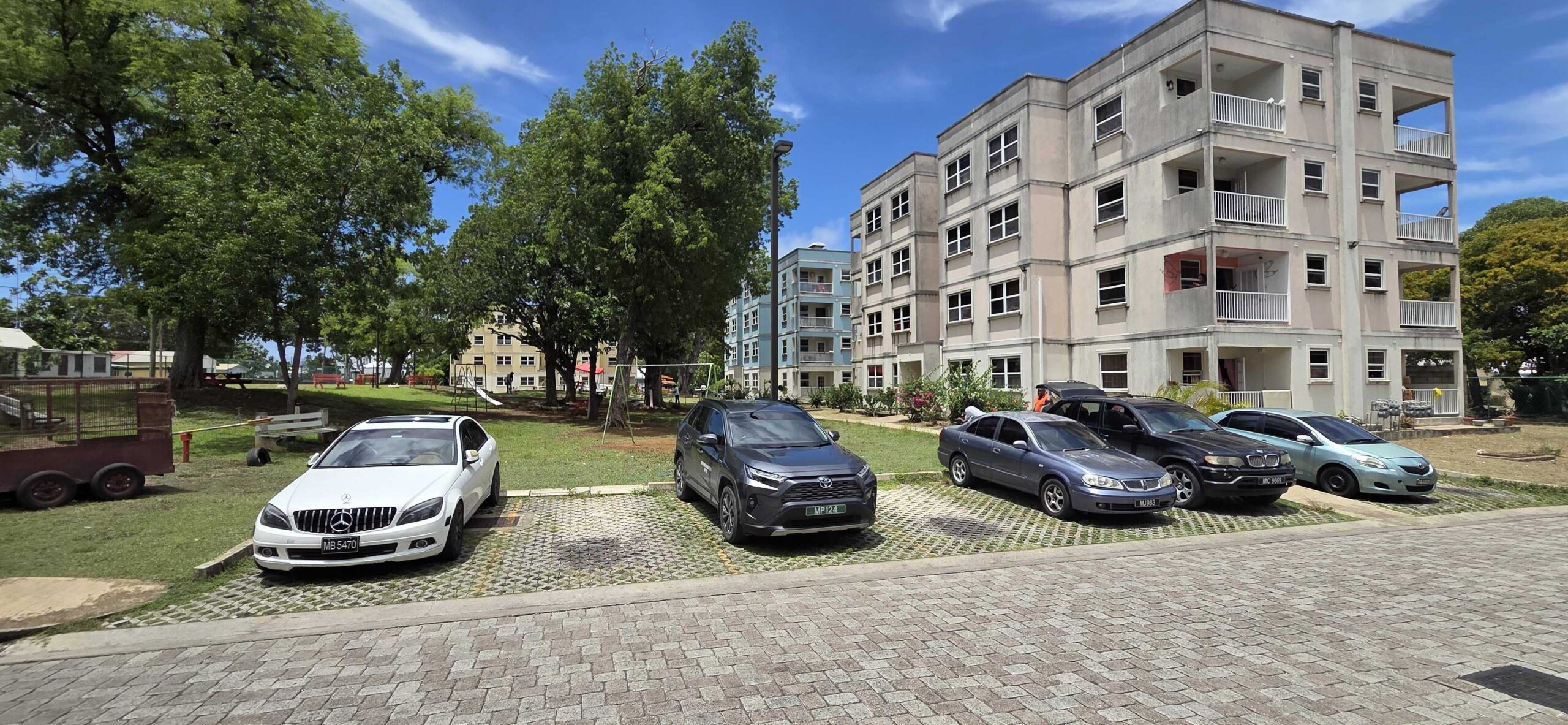
    Residents of the National Housing Corporation (NHC)-managed Grotto housing complex in Barbados have issued a fresh plea for urgent intervention, saying years of unaddressed maintenance failures have left their state-provided homes unsafe, uninhabitable and riddled with persistent health hazards. Tenants who moved into the Beckles Road high-rise development as early as 2017 told local outlet Barbados TODAY that living conditions have steadily deteriorated to an unbearable level, bringing both serious health risks and unplanned financial strain that has upended their daily lives.

    At the core of the crisis are long-standing systemic plumbing failures that repeatedly force raw sewage and contaminated wastewater to back up directly into residents’ living spaces. One second-floor tenant detailed how any water use by upper-floor neighbors – from bathing and flushing toilets to running laundry or washing dishes – results in dirty, hazardous water pooling in her home. She explained that multiple severe flooding events have occurred over the past 12 months alone, leaving her to clean up human waste from her floors on multiple occasions. Just one day before her interview, she woke to find her entire bathroom flooded with murky brown sewage water, with feces and urine spread across the floor.

    The frequent overflows have forced the tenant to miss scheduled work shifts repeatedly to handle emergency cleanups, and even required her to take extreme measures to stop continuous water intrusion. She explained that even turning off her own unit’s water supply does not stop wastewater from backing up, forcing her son to go downstairs and shut off water service for the entire building to halt the flow. “I keep hearing this bubbling in the pipe. When I opened the toilet bowl, the toilet bowl was bubbling and coming over, everything rushing in at me,” she described.

    These upper-floor plumbing failures create cascading hazards for lower-level residents, with leaking water damaging structural elements, triggering electrical fire risks, and destroying personal belongings. A ground-floor tenant has lived with unresolved ceiling damage from chronic leaks since 2019, and said water intrusion from above has destroyed household items and created pervasive mold growth that has harmed her respiratory health. Her ceiling was partially removed for repairs in 2019, but no permanent work was completed until 2024 – and even then, the structure was left improperly sealed and unfinished.

    “The ceiling was damaged, it was partially taken down from 2019 to 2024 or 2025 before anybody did any work or came and checked on it. Then the ceiling was put back up, but it wasn’t sealed or plastered. My TV has been damaged, my blinds, my towels, everything used to soak up the water. You’ve been sick all the time with headaches and sinuses,” she said. Pointing to visible water damage and sewage residue on interior walls, she warned that the saturated structural materials pose a serious fire risk, adding: “This is sewage water on the walls. You can’t live in these conditions.”

    The ongoing crisis comes despite a high-profile promise of urgent action from government officials earlier this year. In April, Minister of Housing, Lands and Maintenance Chris Gibbs announced that the NHC had secured full funding to address all structural failures at the Grotto complex, including leaking roofs and security gaps, and that repair work would begin “almost immediately” after the announcement. Gibbs added that specialized materials had already been ordered for the project.

    But six months on, residents say none of the promised reforms have translated to tangible improvements on the ground. While maintenance technicians occasionally respond to individual emergency calls, tenants say large-scale systemic issues – including the need to upgrade undersized 4-inch drainage pipes to larger 6-inch lines to prevent blockages and overflows – remain completely unaddressed.

    Compounding residents’ frustration is the fact that housing authorities continue to send formal notices for unpaid rent and threaten eviction proceedings, even as tenants are forced to live in squalid, unsafe conditions that violate basic housing standards. “How can you pay when nothing is being done?” the ground-floor tenant asked. “When you were paying, you had issues. If I was renting from a private landlord and you got an issue, they’ll fix it because people want their money. But you can’t live in these conditions.”

    The second-floor tenant echoed this frustration, emphasizing that tenants are not refusing to pay rent out of disregard for their obligations, but simply expect safe, well-maintained housing in exchange for regular payments. “The first thing people are gonna say is about paying. It’s not about paying, it’s about being comfortable. You’re not gonna pay for something that has you uncomfortable. We should not have to be paying rent and still maintaining a home. That’s what rent is for,” she said.

    Residents have exhausted multiple channels to seek redress, including reaching out directly to NHC management, submitting formal written requests for compensation for damaged personal property, and contacting local Member of Parliament Kirk Humphrey. Despite these efforts, no systemic solutions have been implemented to resolve the chronic plumbing and structural issues.

    As leaks, pipe blockages and dangerous structural decay continue to disrupt residents’ lives, Grotto tenants are renewing their call for Minister Gibbs, the NHC and other government officials to keep their April promises, conduct full, independent assessments of the complex, and complete lasting, comprehensive repairs that will restore safe living conditions. Barbados TODAY attempted to contact Minister Gibbs for comment on the ongoing situation multiple times, but received no response ahead of publication.
  • Update: High-Wind Advisory as Tropical Wave nears Barbados

    Update: High-Wind Advisory as Tropical Wave nears Barbados

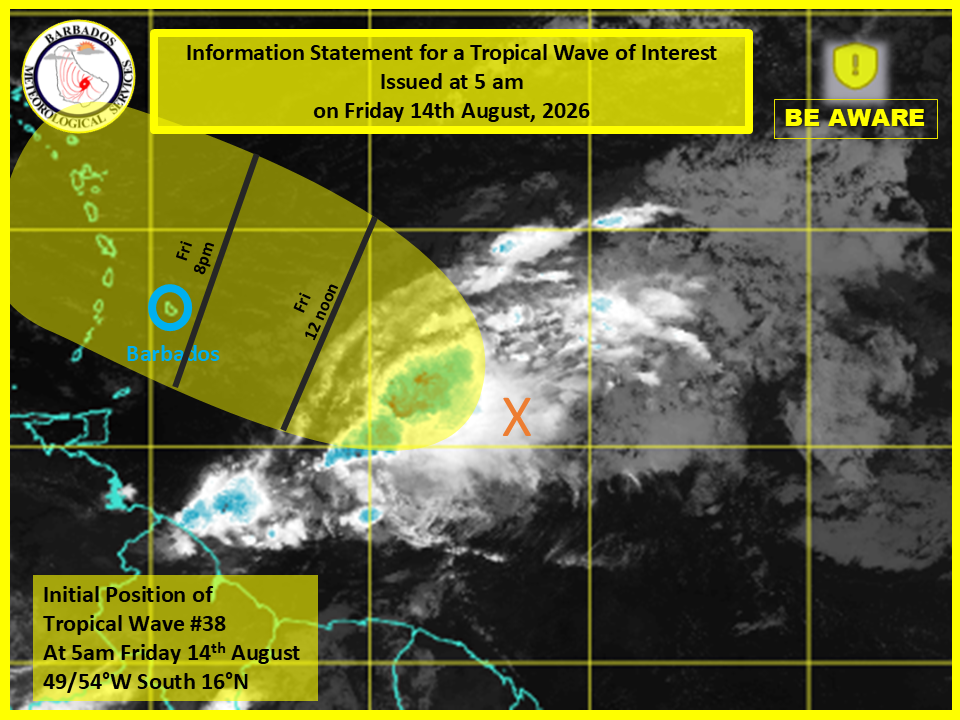
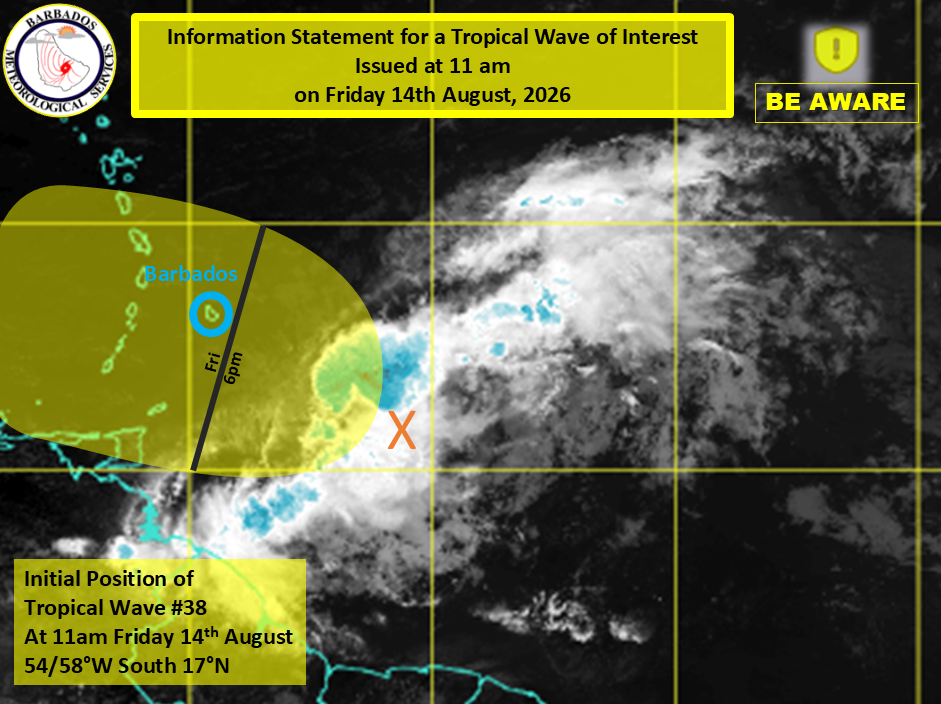
    Barbados has been placed under a high-wind advisory as a tropical wave already battering the island is forecast to gain strength through the rest of the day and into overnight hours. Meteorological officials report the unstable weather system is currently positioned roughly 290 miles, or 500 kilometers, east-southeast of the Caribbean island.

    Alongside the high-wind advisory, two additional warnings remain in force: a Small Craft Warning and a High Surf Warning. The already gusty winds have churned up dangerous conditions for mariners and coastal areas across Barbados, putting small vessels and beachgoers at significant risk.

    According to the Barbados Meteorological Services (BMS), cloudy conditions and shower activity will begin building steadily by late afternoon. The heaviest precipitation is projected to peak overnight, continuing into Saturday. Forecasters also warn that excess accumulated rainfall and severe thunderstorms are likely scenarios, which could prompt the issuance of flash flood watches or warnings and severe thunderstorm alerts as the system moves across the island.

    In a key note of reassurance, the BMS added that the tropical wave has stayed structurally disorganized throughout its approach. At this stage, there is no chance the system will strengthen into a named tropical cyclone during its time impacting Barbados.

  • Global action against weedkiller sharpens focus on future here

    Global action against weedkiller sharpens focus on future here

    Barbados TODAY has exclusively obtained information that the island nation’s agricultural regulators are currently reviewing the highly toxic herbicide paraquat, sold under the brand name Gramoxone, with a possible full ban or tighter import and use restrictions on the table. This review comes more than four decades after researchers first flagged the chemical’s potential to cause severe harm to human health, and follows a growing global trend of nations phasing out the product, most recently California in the United States.

    Decades of scientific research have increasingly linked paraquat exposure to Parkinson’s disease and a range of other chronic health conditions, earning the herbicide a long-held reputation as one of the most dangerous pesticides in global circulation. As early as 1985, the Pesticide Action Network International included paraquat in its high-profile “Dirty Dozen” campaign, which called for strict regulation, full bans, and eventual elimination of the 12 most hazardous pesticides on the market. By the start of the 1990s, dozens of countries had already implemented full bans or severe restrictions on paraquat due to its extreme acute toxicity and long record of fatal poisoning incidents.

    Deputy Chief Agricultural Officer Michael James confirmed the ongoing review in an interview with Barbados TODAY Thursday. “That is but one of the products under our radar that we are currently discussing,” James said. “I can’t give you our final policy on that just yet, because we haven’t come to a conclusion on that; but I can tell you that it is one of the chemicals we are actively evaluating.” He added that international health and agricultural agencies regularly submit chemicals for local review to determine whether continued use is appropriate, and paraquat is currently at the top of that list. James also emphasized that regulators cannot move forward with a ban until a suitable replacement is identified. “You can’t just ban certain products overnight,” he explained. “You have to look at what alternatives exist for these products. All of this is currently being taken under consideration. We are aware of the studies linking it to Parkinson’s disease, as well as the risks associated with accidental or intentional ingestion.”

    Barbados TODAY has learned that the Pesticide Control Board, an independent watchdog under the Ministry of Agriculture, will hold an upcoming meeting to decide the future of the fast-acting, widely used herbicide on the island. Options on the table include restricting sales exclusively to registered professional farmers, or only to certified personnel trained in safe paraquat handling. “There may be different options, but I can’t speak to the final outcome, because it is currently still under discussion,” James noted.

    Paraquat has been available on Barbados’s domestic market for decades, sold under a range of brand names beyond Gramoxone. James Paul, chief executive officer of the Barbados Agricultural Society (BAS), said any final regulatory decision should be left to scientific and agricultural experts, noting that local farmers already adhere to strict national safety guidelines for chemical use. “We have to follow the science in terms of it,” Paul told Barbados TODAY. “We have very strict safety guidelines in terms of chemicals in this country; and one of the things that we try to do is encourage farmers to abide by those safety guidelines, and by and large, I believe that they do. As to whether or not it should be banned, I do not know. It is widely used in local food production, and there are still many countries around the world, including Caribbean nations that we import food from, that still permit its use. If it is ultimately banned, we will of course need to transition to a suitable alternative. The key issue for us is whether users are following all established safety protocols, that is where the public can find reassurance.”

    The recent decision by California, the largest agricultural producing state in the United States, to phase out paraquat has amplified global concerns about the chemical’s long-term health impacts. This move comes even as many American farmers argue paraquat is an irreplaceable tool for their operations, and the U.S. still sees millions of pounds of the herbicide sprayed on crops annually. Earlier this year in March, following thousands of lawsuits from plaintiffs who blame paraquat exposure for their chronic illnesses, global agrochemical giant Syngenta announced it would end all production of the chemical, leaving only generic manufacturers to supply the market. A company spokesperson has repeatedly stated that all claims linking paraquat to illness in lawsuits are completely meritless. In May, Vermont became the first U.S. state to implement a full paraquat ban. Just one month later, two U.S. congresswomen from opposing political parties—Democrat Chellie Pingree of Maine and Republican Anna Paulina Luna of Florida—introduced federal legislation to ban paraquat across the entire country. To date, federal regulators have declined to take action, a situation environmental advocates say highlights the gridlock and weaknesses of U.S. pesticide regulation, which makes it extremely difficult to remove chemicals that many farmers have come to rely on from the market.

    Paraquat has a long commercial history dating back to the 19th century. It was first synthesized in 1882 under the name methyl viologen, and was originally used as an industrial chemical dye. Its powerful weed-killing properties were not discovered until 1955, in laboratories operated by British firm Imperial Chemical Industries (ICI). ICI launched full industrial production in 1961, and began international marketing under the brand name Gramoxone in 1962, quickly positioning it as a solution for controlling grass and broadleaf weeds. After media coverage highlighted paraquat’s widespread availability in Barbados back in 1992, ICI, the original developer, defended the product as “the poor man’s hoe”—a low-cost, fast-acting, non-selective herbicide that boosted smallholder productivity.

    Paraquat’s popularity grew rapidly across the globe, thanks to its unique mechanism of action: it disrupts plant photosynthesis and releases free radicals that kill targeted weed cells, causing visible wilting and browning within hours of application, and immediately becomes inactive once it contacts soil, preventing runoff or long-term soil contamination. But across the Caribbean region, paraquat has carried a far deadlier reputation beyond agricultural use. After its widespread introduction to the region in the 1970s, paraquat became one of the most common methods of intentional self-poisoning, due to its easy over-the-counter access and extremely high lethality even in small ingested doses.

    Historical public health data confirms the scale of this crisis across the Caribbean. Paraquat-linked suicides have been recorded in Suriname, Dominica, and Jamaica, with the worst impact seen in Trinidad and Tobago. In southern Trinidad in 1996, 39 out of 48 recorded suicides—81.3 percent of the total—involved paraquat. A 1996–1997 forensic review found paraquat was responsible for 80 out of 105 fatal acute poisoning cases across the country. In response to this crisis, as well as a rising number of accidental poisoning deaths, ICI modified the formulation of Gramoxone: it changed the product’s original cola-like color to a distinct bright green to reduce accidental ingestion, and added an emetic to trigger vomiting if the chemical is consumed.

    Today, paraquat is already fully banned or severely restricted in more than 70 countries, including the United Kingdom and all 27 member states of the European Union. Corporate restructuring over the decades shifted production rights from original developer ICI to Zeneca in 1993, and then to Syngenta in 2000, when the company was formed through a merger of Novartis Agribusiness and Zeneca Agrochemicals.

  • 10 teams set for historic Women’s Prime Minister’s Cup

    10 teams set for historic Women’s Prime Minister’s Cup

    Barbados is set to make history for women’s football with the launch of its first-ever women’s Prime Minister’s Cup, and organizers have locked in the full lineup of participating teams after extending the registration deadline to last weekend. A total of ten squads will compete for the $100,000 first place prize, headlined by all eight teams from the Barbados Football Association (BFA) Kotex Women’s League: Paradise, Empire, RF Prime, Mavericks, Technique, Whitehall, FVFC Femeni and Police. Two additional outside squads, Kickstart Rush Women and Weymouth Wales, round out the inaugural tournament field.

    Omari Eastmond, chair of the Prime Minister’s Cup Organising Committee, shared that the event’s planning team had initially set a target of 12 teams for the first women’s edition, but confirmed that ten will be the maximum final entry count this cycle. He added that one additional side had expressed interest in joining, but was unable to assemble a complete roster. Rather than dropping out entirely, the interested players opted to merge with existing competing squads to deepen their rosters ahead of kickoff.

    The women’s tournament operates as a parallel competition to the men’s Prime Minister’s Cup, which is already in its third consecutive year and is scheduled to get underway on September 7 at the Friendship Playing Field in St Michael. To date, 21 men’s teams have been confirmed for the 2024 tournament, with organizers working to finalize the final three spots by the end of next week, when the group stage draw will be held to reveal each team’s placement. A transfer window for the men’s competition opened August 10 and will close August 19, allowing player moves between participating squads, and players from teams that did not qualify for the cup are also eligible to sign with competing sides for the duration of the tournament. Eastmond noted that planning for the men’s event is moving forward without significant issues.

    However, the upcoming women’s cup has drawn discussion around competitive balance, following a string of lopsided results in the ongoing eight-team BFA Women’s League. Fans and football analysts have warned that the competitive gap between teams could be even more extreme in the cup competition, and have put forward a proposal to restructure the format: implementing a seeded player draft to create franchise-based teams that would create a more level playing field for all participants.

    Eastmond confirmed that organizers have taken note of the feedback, and have already held preliminary discussions with representatives from the competing women’s teams. The full organizing committee will meet in the coming weeks to review all submitted suggestions and finalize a way forward, with a further public update expected once a decision is reached. The committee remains open to adjusting format rules to address concerns about competitive imbalance as it works to launch a successful first edition of the women’s tournament.

  • BMS continues to track Tropical Wave

    BMS continues to track Tropical Wave

    As a tropical wave inches closer to the eastern Caribbean island of Barbados, unfavourable atmospheric conditions have so far prevented the system from strengthening into a larger cyclonic storm, but residents are still warned to prepare for severe disruptive weather starting this weekend. The Barbados Meteorological Services (BMS) has confirmed that pre-existing conditions from the approaching wave have already started to worsen sea conditions around the island, with hazardous marine activity expected through the coming days.

    As of 5 a.m. local time, the first tropical wave was tracked approximately 535 miles, or 860 kilometres, east of Barbados. Forecasters noted that the system remained disorganized through overnight hours, held back by persistent dry air intrusion and disruptive upper-level winds that have stifled any potential for organized development. The BMS confirmed that current environmental projections indicate unfavourable conditions will persist for the next 24 to 48 hours, eliminating the near-term risk of tropical cyclone formation. At present, no tropical storm watches or warnings have been activated for the island. However, an active Small Craft and High Surf Warning remains in effect as the system moves closer to Barbados’ territorial waters.

    Even without cyclonic development, the BMS warned that the island will still face significant weather impacts between Friday night and Saturday. Gusty high winds, heavy bursts of excess rainfall, and widespread thunderstorms are projected to sweep across Barbados, and meteorologists have not ruled out upgrading alerts if conditions shift unexpectedly. Additional watches or warnings will be issued promptly should changing weather patterns warrant new precautions for residents and visitors.

    In addition to the approaching first system, the BMS is also monitoring a second, more distant tropical wave located roughly 1,661 miles, or 2,674 kilometres, east of Barbados. Forecasters note that this second system will move westward over the coming days through an atmospheric environment that is only marginally conducive for development. While long-range tracking continues, current climate model projections do not indicate that the system will pose any significant direct impact to Barbados at this stage of monitoring. The BMS says it will issue regular updates on both systems as new tracking data becomes available.

  • Disability community calls for urgent action on accessibility

    Disability community calls for urgent action on accessibility

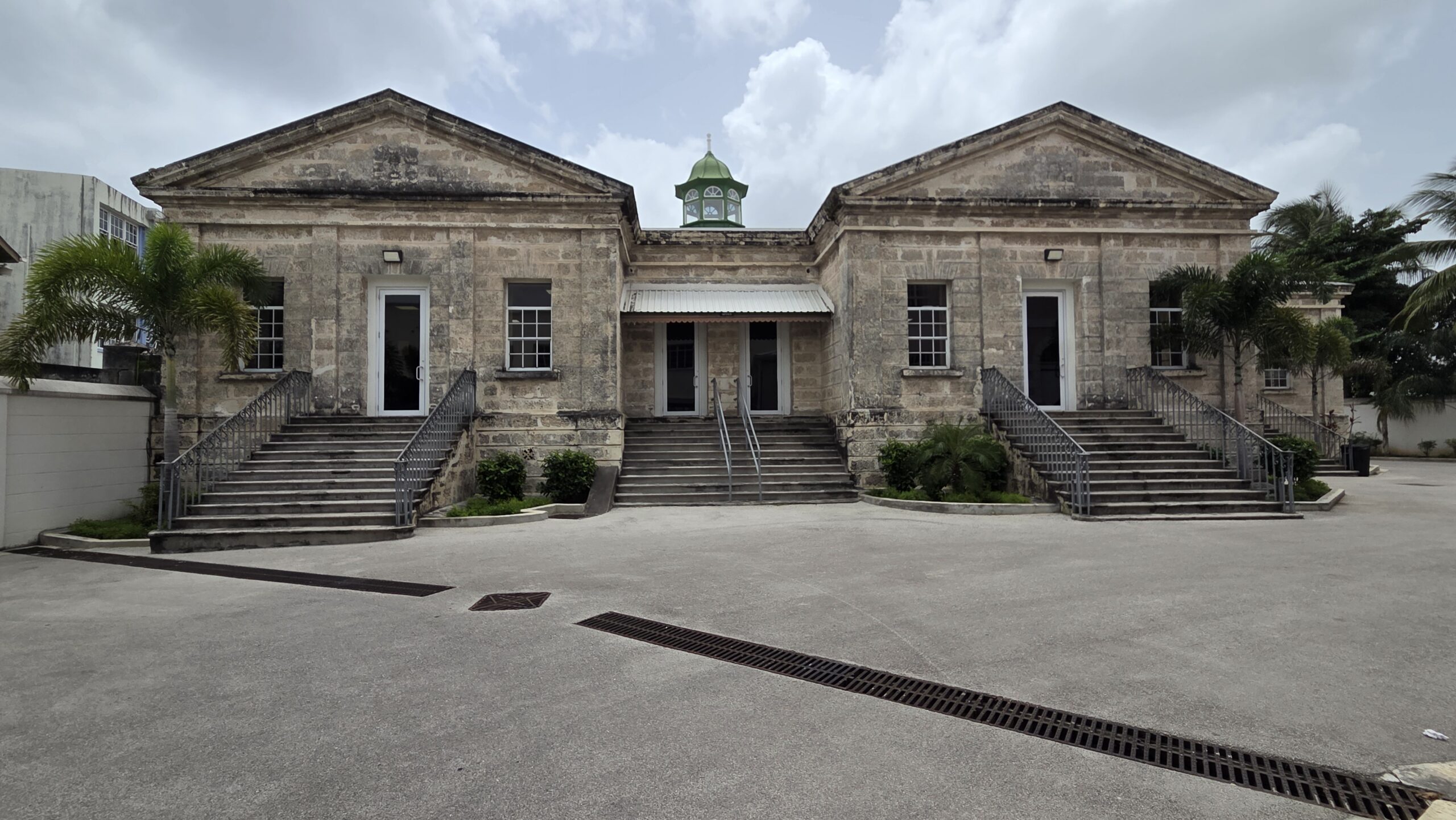
    As a prominent disability rights advocate and sitting senator in Barbados, Janeil Odle, who is also an experienced attorney-at-law, is pushing for urgent, tangible action to guarantee that disabled people’s accessibility rights are fully protected across the country. Her call to action comes amid growing outcry from the disability and limited mobility communities, who have repeatedly documented significant barriers to entering key public facilities — including several of the island nation’s highest-traffic magistrates’ courts and traffic courts.

    For decades, Odle emphasized in an exclusive interview with Barbados TODAY, disability advocates have pressed authorities to enforce existing accessibility requirements embedded in the country’s national building codes. These rules mandate that any new construction or renovation of public infrastructure must include accommodations for people with varying disabilities. What makes the ongoing inaccessibility crisis particularly frustrating, she argues, is that the regulatory framework to fix the problem already exists — it has simply never been properly put into practice.

    “The crazy part is that we in Barbados have the building codes. We had it for a while now, but it’s not enforced,” Odle said.

    The island’s recently passed Rights of Persons with Disabilities Act offers a critical new opening to address this long-standing gap, Odle noted. The law requires all public buildings to meet full accessibility standards within a three-year timeline, a mandate that creates clear accountability for government agencies and building owners. While Odle acknowledged that accessibility is a “progressive right” and that large-scale infrastructure changes cannot be completed in a single step, she stressed that delaying action indefinitely is not an option. “We can’t just decide not to do anything at all,” she said.

    Priority for accessibility upgrades, Odle argued, should go to the core public facilities that disabled people rely on for essential services, starting with healthcare centers and the country’s court system. She voiced cautious optimism that meaningful progress is on the horizon, saying, “I am very hopeful that sometime soon, we can see these rights being realized, especially in buildings that we have to depend on every day, like health-care buildings, the courts, and different places that we have to rely on. I want to see these spaces done first actually as it relates to making buildings accessible.”

    Odle also praised the ongoing accessibility audit launched by the Ministry of People Empowerment, which is conducting a comprehensive assessment of all public buildings to identify required upgrades. She described the audit as “a good step in the right direction”, but added that physical infrastructure changes are only one piece of the puzzle. True inclusion, she explained, requires addressing accessibility across all areas of public life, including transportation systems and access to communication and information.

    “So even if we get it right tomorrow and have accessible roads and have accessible buildings, if we don’t have accessible transportation and accessible communication and information, we are still excluded,” Odle said.

    Many proven solutions to common accessibility barriers already exist, Odle pointed out. Examples include assistive screen reading technology that allows visually impaired people to access official documents, and digital applications that convert spoken audio into real-time sign language for deaf community members. The biggest barrier to widespread adoption of these tools, she explained, is their prohibitive cost for most disabled people and underfunded public agencies. “The sad reality is that there are solutions to a lot of accessibility issues, but it’s extremely costly to have accessible devices and assisted devices,” she said.

    In addition to systemic infrastructure changes and funding for assistive technology, Odle called for broader public and institutional education around simple, low-cost adjustments that can make public spaces and information far more inclusive. For visually impaired people, for example, providing official information in a digital format that is compatible with common voiceover and text-to-speech tools is a simple change that requires little additional work but makes a massive difference in access.

    “It’s not that difficult to include people; it’s just more education is needed and awareness is needed so persons can understand what is needed to be done to include the community,” Odle said.

    To avoid unnecessary delays, Odle stressed that officials do not need to wait to implement permanent, long-term fixes before taking action. Even temporary accommodations, such as removable ramps for public building entrances, can immediately improve access while plans for permanent upgrades are developed. “Whether it is a temporary ramp today, and tomorrow we’ll work more on it, and a few weeks down the line have an engineer or somebody else in place to make the permanent ramp, we need to take steps to ensure that the right of accessibility is respected,” she said.

  • Rochester claims Dr Philip Corbin Chess crown

    Rochester claims Dr Philip Corbin Chess crown

    One of Barbados’ most promising chess players, Ronaldo Rochester, has capped off a dominant run of play to take the top prize at the 2024 Dr Philip Corbin Open Chess Tournament, which wrapped its preliminary rounds recently at the Barbados Football Association headquarters. The tournament, which drew 28 competitive players from across the island, built to a tense final round that saw the top rankings hold steady despite late surges from lower-seeded competitors.

    Heading into the final day of play, Rochester held a clear edge over the field, having accumulated 5.5 points through his first six matches. This gave him a half-point lead over second-ranked Justin Kirton, who in turn held a half-point advantage over third-place contender Julissa Figueroa on 4.5 points. The tight standings left the door cracked open for five other competitors sitting on four points, all of whom still carried a mathematical chance to crack the top three and advance with a strong final round performance.

    When the final matchups concluded, however, the pre-round hierarchy held firm, with all three top contenders securing results good enough to protect their positions. Rochester, playing with the black pieces, forced a draw against Charis Stuart to lock in his overall lead, while Kirton and Figueroa battled to an even draw in their head-to-head matchup. When final points were tallied, Rochester finished the tournament with six total points to claim the championship title, while Kirton landed in second place with 5.5 points. Figueroa secured the third and final automatic qualifying spot with five points, edging out Loki Clarke and Aidan Singh on tiebreaks. Both Clarke and Singh posted strong late comebacks, defeating higher-rated opponents Mileke Sinckler and Adam Roachford respectively to climb to five points and force the tiebreaker decision.

    Notably, Figueroa makes history as the only female player to qualify for the National Open Championship finals in several years, marking a milestone for women’s chess participation in Barbados. Rochester, Kirton, and Figueroa will join six already qualified competitors, along with defending national champion Martyn Del-Castilho, for the national finals, scheduled to kick off August 21 at the Fine Arts Gallery of the Barbados Community College.

    Alongside the open competitive division, the tournament also hosted a novice section for emerging local players. In that bracket, Kevin St Hill turned in a near-perfect performance, claiming the novice title with an outstanding 6.5 points across his seven matches. Tanish Chaturvedi finished as runner-up in the novice division with six points, while Liam Martin rounded out the top three with four points.

  • City homelessness must not be ignored in redevelopment plans – Saffrey

    City homelessness must not be ignored in redevelopment plans – Saffrey

    As large-scale infrastructure and development projects continue to reshape the Barbadian capital of Bridgetown, a leading homelessness advocacy organization is sounding the alarm that current revitalization efforts are at serious risk of sidelining unhoused residents – particularly those living with untreated mental health conditions.

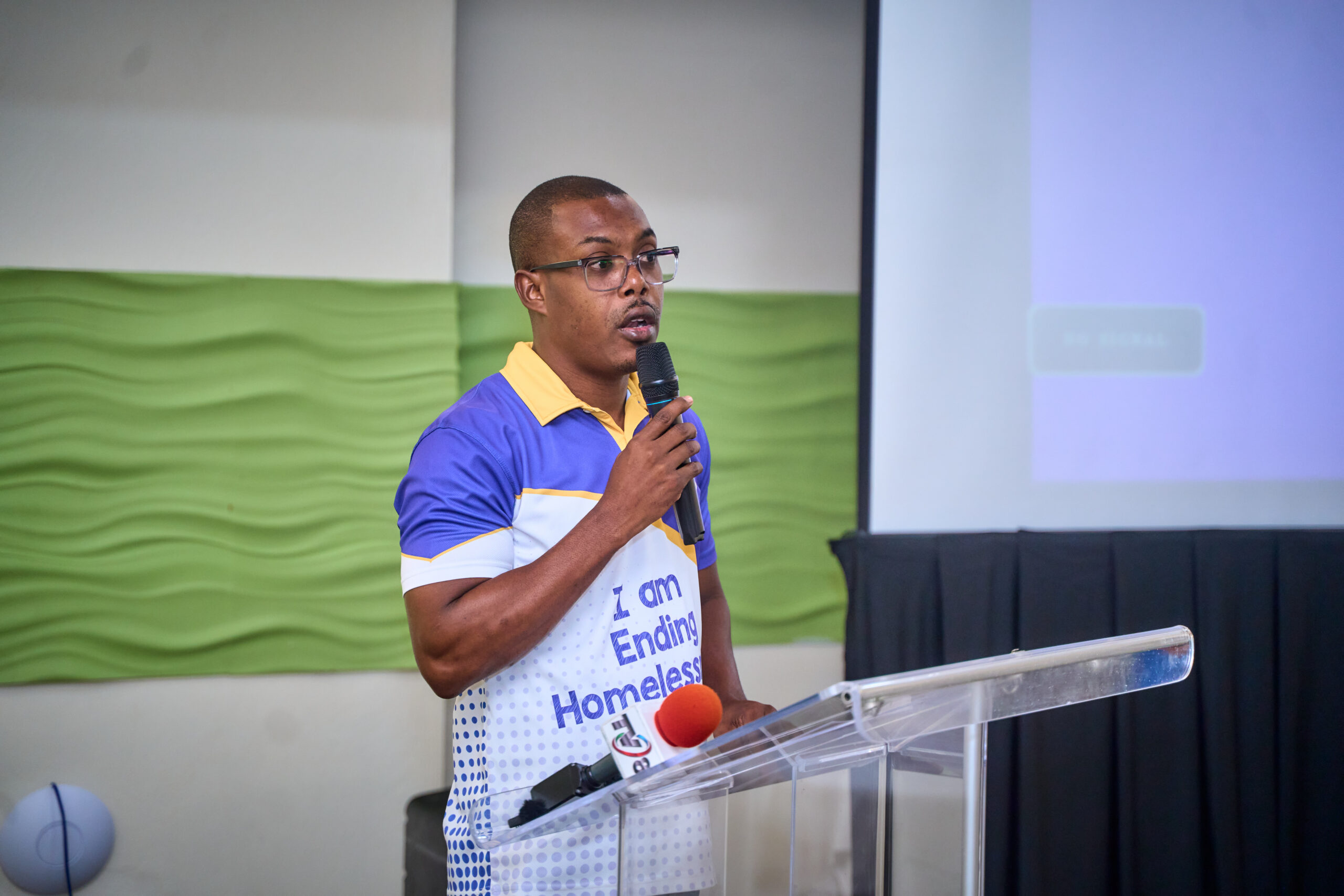
    Kemar Saffrey, chief executive of the Barbados Alliance to End Homelessness (BAEH), raised the urgent call to action Thursday during a national homelessness consultation the group organized at Bridgetown’s Radisson Aquatica Resort. The forum was convened in direct response to a growing tide of public complaints about unhoused people sleeping in high-traffic public spaces across the capital, including Independence Square, Heroes Square, Jubilee Gardens, and Golden Square.

    Saffrey emphasized that as Bridgetown undergoes its ongoing transformation, addressing homelessness cannot fall solely to BAEH. A coordinated, cross-stakeholder response is required to prevent the crisis from escalating amid major new development. He told attendees that the organization brought all key local stakeholders to the table specifically because every sector has a shared responsibility to tackle the issue, not just the nonprofit advocacy group.

    The urgency of the conversation is amplified by the wave of major upcoming developments set to change the face of the capital, including the construction of the new regional headquarters for the African Export-Import Bank (Afreximbank), along with multiple large projects along Wharf Road and surrounding areas. Saffrey warned that without immediate intervention, the growing visibility and unaddressed needs of unhoused residents will impact both local residents and the critical tourism sector, which forms the backbone of Barbados’ economy. Rather than waiting for a public incident to force reactive changes, he argued, policymakers must take proactive steps now.

    One of the most pressing unaddressed issues Saffrey highlighted is the lack of consistent mental health care for unhoused residents. Many people living on Bridgetown’s streets have not accessed psychiatric treatment or medication for years, he said, and their unmanaged conditions can lead to behavior that alarms the public and erodes perceptions of the capital as a safe, welcoming space. Saffrey referenced multiple on-the-ground cases he has responded to where unmedicated unhoused people experienced public crises that could have been prevented with consistent care.

    Saffrey also acknowledged limitations within BAEH’s own 140-bed shelter facility. The organization is required to enforce rules prohibiting residents from staying under the influence of drugs or alcohol, and requires people with mental health diagnoses to maintain their prescribed medication regimens to protect the safety and well-being of all people staying at the shelter. These rules mean that some of the highest-need unhoused people cannot be accommodated at the shelter, leaving them on the streets.

    To close these gaps, Saffrey is calling for far more robust, coordinated partnerships between BAEH and local government agencies, particularly increasing access to trained health and social service professionals to support unhoused residents with complex needs. He also noted that homelessness is no longer confined to central Bridgetown, with rising complaints of unhoused people in suburban and regional hubs including Dover, Oistins, and Speightstown.

    Saffrey stressed that meaningful solutions will not be flashy or politically popular, but they are necessary to protect both unhoused residents and the broader community. He warned that waiting for a violent or high-profile incident to force action is irresponsible, and that the country cannot allow unhoused people with untreated mental health conditions to remain without support on public streets. The country needs a proactive national approach to homelessness, he said, and it needs it immediately.

  • Forde parts ways with Bagatelle

    Forde parts ways with Bagatelle

    Barbadian Premier League side Bagatelle is now in the market for a new senior leader ahead of the upcoming third edition of the Prime Minister’s Cup, following the voluntary departure of head coach Norman Forde. A former Barbados national team star, Forde engineered a stunning turnaround for the club in his tenure, delivering promotion from Division One to the top flight and successfully keeping Bagatelle in the Premier League last season. Now, the coach says he has decided to move on after feeling he had taken the squad as far as he could in his current role.

    In an exclusive conversation with Barbados TODAY, Forde emphasized that the split was entirely amicable, with no unresolved tension or major disputes driving his exit. “It was an absolute privilege to work with everyone at Bagatelle,” he explained. “I’ve achieved everything I set out to do here, and now I’m ready to seek out new challenges. Right now, my priority is stepping back to rest and recharge, with an eye toward potentially joining a new side next year for a fresh opportunity.”

    Forde went on to reflect on his surprisingly successful stint with the club, noting that even he did not anticipate how far the team would go during his time in charge. In his first season at the helm, Bagatelle finished second in Division One to secure promotion to the Premier League, then managed to avoid relegation in their first top-flight campaign the following year. “I don’t carry a single bad memory from my time at Bagatelle,” he said. “Like any football club, we had small growing pains and minor challenges along the way, but none of those were ever serious enough to make me want to leave. This was always a positive environment for me and the squad.”

    With the Prime Minister’s Cup set to kick off in just over a month, speculation has already begun about whether Forde could jump into a new coaching role in time for the competition. The coach remained noncommittal, however, saying he plans to step away from the game entirely for the immediate future. “I’m traveling out this weekend for a couple of weeks, and my only plan right now is to rest,” he said. “Last season took a huge physical and mental toll from all the preparation and training, so I need that time to recharge. I can’t say yes or no to a new role right now — I’m just going to wait and see what opportunities come my way once my break is over.”

    This departure marks the end of Forde’s second major coaching stint in Barbadian club football. He previously spent several years leading his old youth club Youth Milan, though that tenure ended with the club being relegated from the top flight. Looking back on his career, Forde said he considers his work at Bagatelle a resounding success, even compared to his earlier role. “I was far more prepared and knowledgeable when I took this job, so I’d definitely give myself a passing grade for what we accomplished here,” he noted.

    Forde also highlighted the unique challenge of leading Bagatelle, which ranks among the smaller clubs in the Premier League and lacks the depth of elite talent that sides like Wales and Paradise boast. Despite that gap in resources, Forde and his squad managed to exceed all expectations by building a cohesive, disciplined group committed to executing the game plan week in and week out. That culture-building achievement is something he remains particularly proud of as he moves on to the next phase of his career.

  • Crop Over’s breakout star shares Berger Jam Tunes win

    Crop Over’s breakout star shares Berger Jam Tunes win

    After a decade-long break, one of Barbados Crop Over festival’s beloved music competitions is back – and two talented artists have walked away with joint top honors in the 2026 revived Jam Tunes contest. LaStacia, one of this year’s breakout Crop Over stars, has spoken of her overwhelming excitement after being named co-winner, calling her victory a perfect milestone for the competition’s long-awaited comeback.

    The official award presentation took place on Wednesday at the launch of sponsor Berger Paints’ new showroom, hosted at Blades & Williams on Tweedside Road, where contest winners were formally honored by organizers and industry partners. LaStacia shared that sharing the first-place title with fellow Barbadian artist Leadpipe makes the win even more special, against the backdrop of the contest’s 10-year absence from the festival calendar.

    “I am overjoyed. No words can explain the fact that this competition was not going on for 10 years, and now to come back after 10 years and be first place… it’s an amazing feeling,” LaStacia said in an interview after the ceremony. She also extended public recognition to Leadpipe, who was unable to attend the in-person presentation event, noting that she is confident he shares in the excitement of their shared win. “I just want to say big up my brother Leadpipe. Although he cannot be here, I’m sure that he’s very, very excited as well. We thank Berger very much, and we look forward to the competition again next year,” she added.

    Omar Beckles, marketing officer for festivals and events at Barbados’ National Cultural Foundation (NCF), explained that Jam Tunes was reintegrated into the Crop Over festival’s Foreday Morning lineup this year for the first time since 2016, with Berger Paints stepping in as the official sponsor. Beckles outlined that while the original competition rules planned for a single first-place prize of $7,500, organizers made the decision to split the top honor after determining LaStacia and Leadpipe delivered equally outstanding entries. This adjustment resulted in each artist receiving a $5,000 cash prize.

    Beckles thanked Berger Paints for its financial and institutional support, and commended all participating artists for their role in nurturing and sustaining the unique cultural spirit of the Crop Over festival through their original music. Tameka Thompson, market development manager at Berger Paints Barbados Limited, used the event as an opportunity to reaffirm the company’s long-term dedication to uplifting and supporting Barbadian cultural traditions. “Our commitment continues to be committed to the culture in Barbados. That’s our responsibility, and we will continue to do so,” Thompson stated.