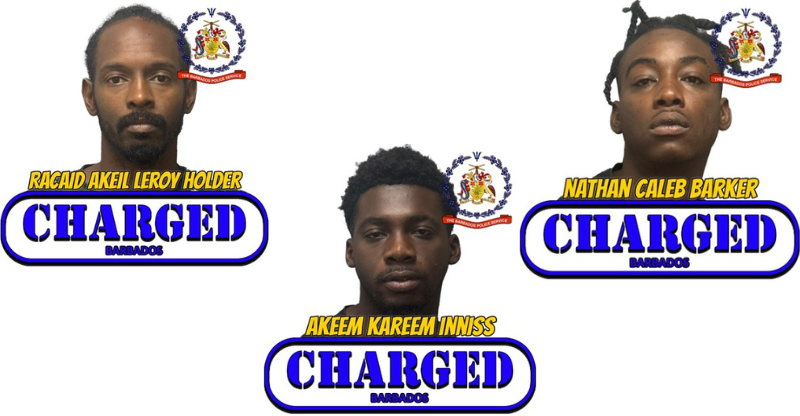
Three men accused of a raft of criminal offences spanning armed robbery, violent assault and multiple driving violations are set to make their first court appearance this Saturday at Barbados’ District ‘A’ Criminal Court. The defendants, whose ages range from 22 to 34, hail from parishes across the country: 22-year-old Nathan Caleb Barker calls Citrus Drive in Workmans, St George home; 23-year-old Akeem Kareem Inniss resides on Bonwell Road, St Joseph; and 34-year-old Racaid Akeil Leroy Holder lists Orange Grove, St Joseph as his address. Court documents outline a string of overlapping allegations tied to two separate days of alleged criminal activity in mid-September. All three men face joint charges stemming from a September 12 incident in District ‘B’, where prosecutors say they brandished a firearm, carried out an armed robbery, and inflicted serious bodily harm on a victim. Just one day earlier, on September 11, Inniss and Holder are accused of working together to commit another armed robbery, again carrying a firearm during the offence. Beyond these joint allegations, Inniss faces an additional slate of five traffic-related charges connected to a separate September 12 incident in Belleplaine, located in District ‘F’. Prosecutors allege Inniss was operating a vehicle without valid insurance coverage, without a legally required driver’s license, and drove without reasonable care for other road users, including failing to exercise proper due care and attention while behind the wheel. He is also accused of failing to pull over and comply when law enforcement activated their emergency beacon and siren to stop him. Saturday’s arraignment will mark the first time all three men formally answer to the charges filed against them, opening the court process that will see the allegations tested in the criminal justice system.
标签: Barbados
巴巴多斯
-
BKA karters back on Bushy Park track this Sunday
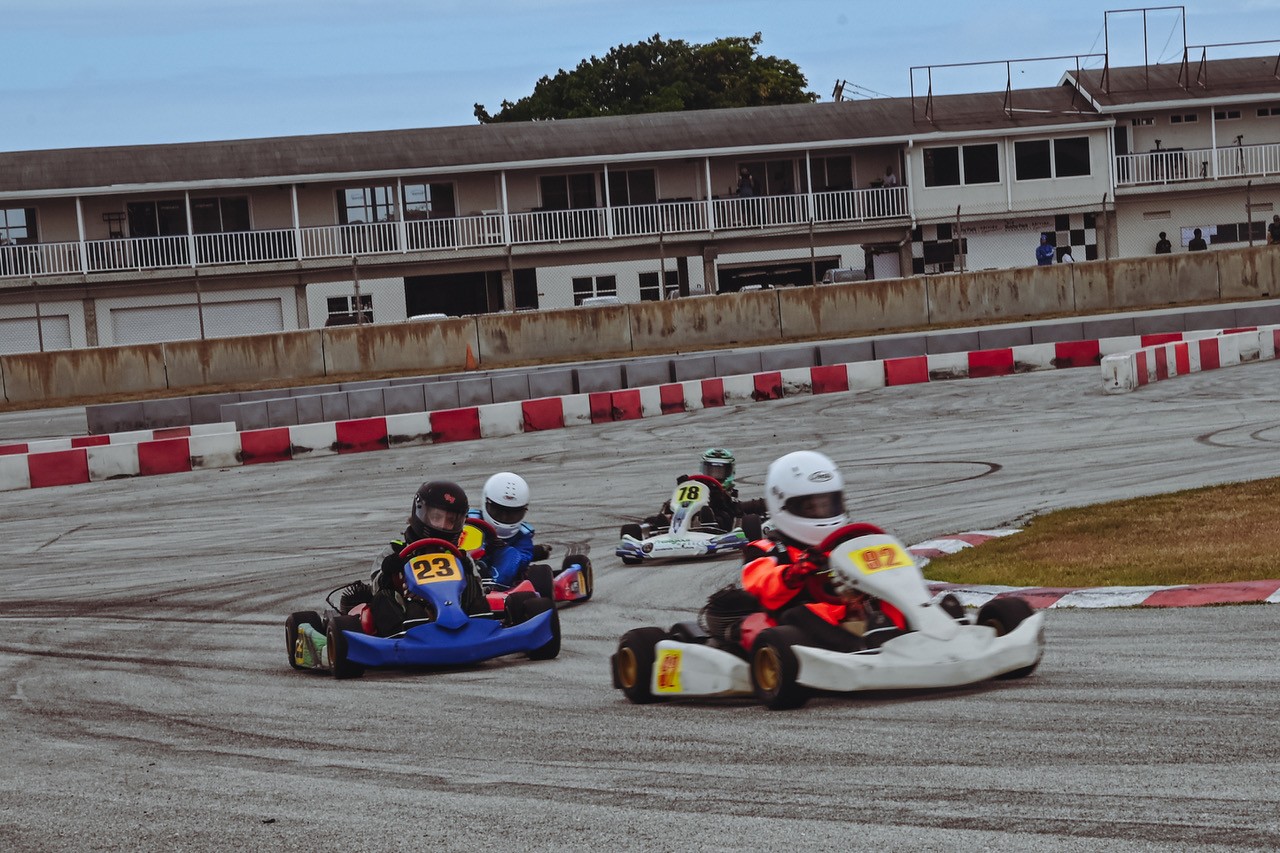
After a 12-week pause in domestic competition, Barbados’ top karting talent is gearing up to return to the track this Sunday, September 20, as the Barbados Karting Association’s (BKA) Sectus Technologies Championship kicks off its fifth round at Bushy Park. This event comes fresh off the regional Nations Cup Caribbean hosted last month in Trinidad and Tobago, where the Barbados national team claimed an impressive second-place finish overall, just behind the host nation.
Leading the charge for local hopefuls in this weekend’s round is 14-year-old rising star Aeden Bruce, who turned heads at the Nations Cup with an standout individual performance. Bruce was the only competitor across all participating nations to complete every one of the tournament’s six races, a feat that saw him secure three podium placements and three additional top-five results. His consistent performance earned him second place in the individual overall standings, outperforming every other visiting driver and finishing only behind Trinidad and Tobago’s Jonathan Sharam, who took the top individual spot. Already crowned the 2025 BKA 100cc champion, Bruce now makes his debut season in the more competitive Easykart 125cc category, where he currently sits third in the standings heading into round five. He is chasing two more experienced drivers: current leader Aaron Blackett and former champion Jacob Mayers, who hold the first and second positions respectively. However, Mayers will not return for the remainder of the 2025 season, as he has relocated overseas to pursue higher education, opening up a spot for competitors like Bruce to climb the rankings.
Bruce is not the only member of Barbados’ Nations Cup squad looking to advance their standings this weekend. Jordyn Hinkson and Jaylan Priddee, both of whom represented their country at the regional event, currently occupy second and third place in the Easykart 100cc class, trailing current leader Jaydn Brathwaite as they push to close the points gap.
In the tightly contested Easykart 60cc Cadets division, Edward Norris holds both the class lead and the top spot in the overall Champion Driver title race, with two other Cadets class drivers ranking in the overall top six. Sitting second in the class and fourth overall is Ava Mayers, who made history for the BKA back in April this year. Mayers became the first female karting driver in the association’s 40-year history to finish as the highest points-scorer in an official championship round, breaking a long-standing gender barrier in Barbados karting. Rounding out the top five overall standings is Finn Cox, who claims third place in the Cadets class and fifth in the overall hunt for the Champion Driver title.
With seven of the season’s eight total races now completed after this weekend’s round, competitors are gearing up for a tight push to the season finale, with multiple titles still up for grabs across all classes.
-

Five juveniles remanded, another on bail
A multi-jurisdictional criminal case involving six juvenile defendants in Barbados has concluded its initial court appearances, with five of the six young people accused of 24 separate offenses being placed in the custody of the Barbados Prison Service at Dodds. The sixth juvenile has been released on $2,000 bail, ahead of the next scheduled court date in October 2026.
All six defendants face charges stemming from a string of alleged criminal incidents across four separate police districts that occurred between April and September of this year. The offenses span a wide range of serious violent and property crimes, including unlawful firearm use, motor vehicle theft, aggravated burglary, robbery, assault on police officers, and escape from custody.
Court proceedings unfolded in two phases: four of the juveniles made their initial appearance before Acting Magistrate Jared Richards at the District ‘A’ Traffic Court this past Thursday. The remaining two defendants appeared a day earlier before Chief Magistrate Douglas Frederick. All six are scheduled to reappear in court on October 15, 2026, to continue the legal process.
The most extensive list of charges originates from the Hastings/Worthing policing district. According to court documents, the juveniles are accused of endangering human life on five separate occasions: June 3, June 8, three separate incidents on July 4, and a further incident on July 20. They also face charges of wounding with intent on July 5, aggravated burglary on June 3, and multiple counts of robbery committed on February 7, July 20, August 5, August 18, and August 31. Firearm use charges are connected to the June 3, June 8, July 4, and July 5 incidents, while one count of motor vehicle theft is tied to an August 31 incident in this district.
In the Central policing district, the accusations include a single count of robbery on August 22, assault with intent to rob on September 6, two separate counts of assaulting a serving police officer, and one count of resisting arrest, both of the latter charges dating to September 7.
Charges filed in the Black Rock district relate to a single April 7 incident that includes wounding with intent and unlawful firearm use, alongside an additional charge of escaping lawful custody. A second separate charge of motor vehicle theft was also filed in connection with an August 31 incident in District ‘A’, bringing the total number of offenses to 24.
-
Citizens invited to nominate national honours recipients
Barbados is rolling out a one-of-a-kind national distinction to mark two landmark national milestones: six decades of independence and five years since the country transitioned to a republican system of governance, the island nation’s Cabinet Office confirmed in a public announcement Friday. The award, named the Barbados Diamond Anniversary Honour, is designed to shine a spotlight on Barbadian citizens whose extraordinary work and commitment have advanced the cause of national growth and development.
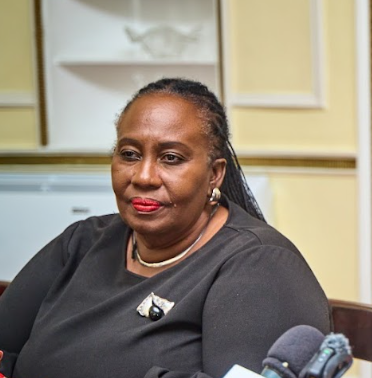
The announcement was delivered by Cabinet Secretary Selma Green during an official press event launching the full calendar of national independence celebrations, held at Ilaro Court, the official residence of the Prime Minister of Barbados. Green also used the occasion to confirm that nominations are now open for the 2026 iteration of the country’s existing National Independence Honours, alongside the new commemorative award.
Green outlined that the special Diamond Anniversary Honour will accept nominations across a wide cross-section of national life. Eligible fields of contribution include public administration, education, healthcare, commerce, arts and culture, athletics, local community development, scientific research and technological innovation, national security, philanthropic work, and contributions from members of the global Barbadian diaspora.
To qualify for the Diamond Anniversary Honour, candidates must hold Barbadian citizenship, and have demonstrated a track record of distinguished service, consistent commitment to national progress, unwavering integrity, strong leadership, exemplary professional or personal conduct, or outstanding achievement in their chosen field. One key eligibility caveat, Green clarified: individuals who already hold any existing national honour or state decoration will not be considered for the new commemorative award.
In a call to action to the Barbadian public, Green urged nominating citizens to look beyond the nation’s most high-profile public figures when putting forward candidates for recognition. “As we commemorate 60 years of Independence and five years as a Republic, we’re reminded that the story of Barbados is ultimately the story of its people – those who have served, sacrificed, led, created, cared and worked often quietly and without expectation of recognition to build this beautiful nation,” Green said.
She framed national honours as one of the most meaningful gestures a nation can extend to say thank you to the citizens who built it. “National honours and decorations are one of the most meaningful ways in which we as a grateful nation can say thank you,” she added.
Unlike the special commemorative Diamond Anniversary award, the recurring National Independence Honours was established to recognize outstanding achievement and meritorious service across all sectors of Barbadian society, Green explained. Repeating her call to uplift unsung contributors to national life, she said, “I particularly encourage Barbadians to look beyond the familiar names.”
Green highlighted a range of underrecognized contributions that deserve consideration: long-tenured teachers who have shaped multiple generations of Barbadian youth, community workers who have served local neighborhoods quietly for decades, creative artistes who have preserved and advanced Barbados’ unique cultural heritage, local entrepreneurs who have created jobs and economic opportunity for fellow citizens, and public service and national security officers who have consistently exemplified the highest standards of duty to the public.
Green also noted that Barbadians living and working abroad who have brought positive international distinction to their home country are also eligible for nomination, and encouraged the public to put forward these candidates as well. The nomination window for both the 2026 National Independence Honours and the new Barbados Diamond Anniversary Honour will close one week from the announcement date, next Friday.
All applications can be submitted digitally via an official nomination form hosted on the Barbadian government’s official website. The nomination portal will be promoted across the Barbados Government Information Service and all other official government digital platforms. For citizens who require support submitting their nomination, the Cabinet Office has committed to providing assistance upon request.
-
Blackman and Gollop pupils in national tree-planting drive
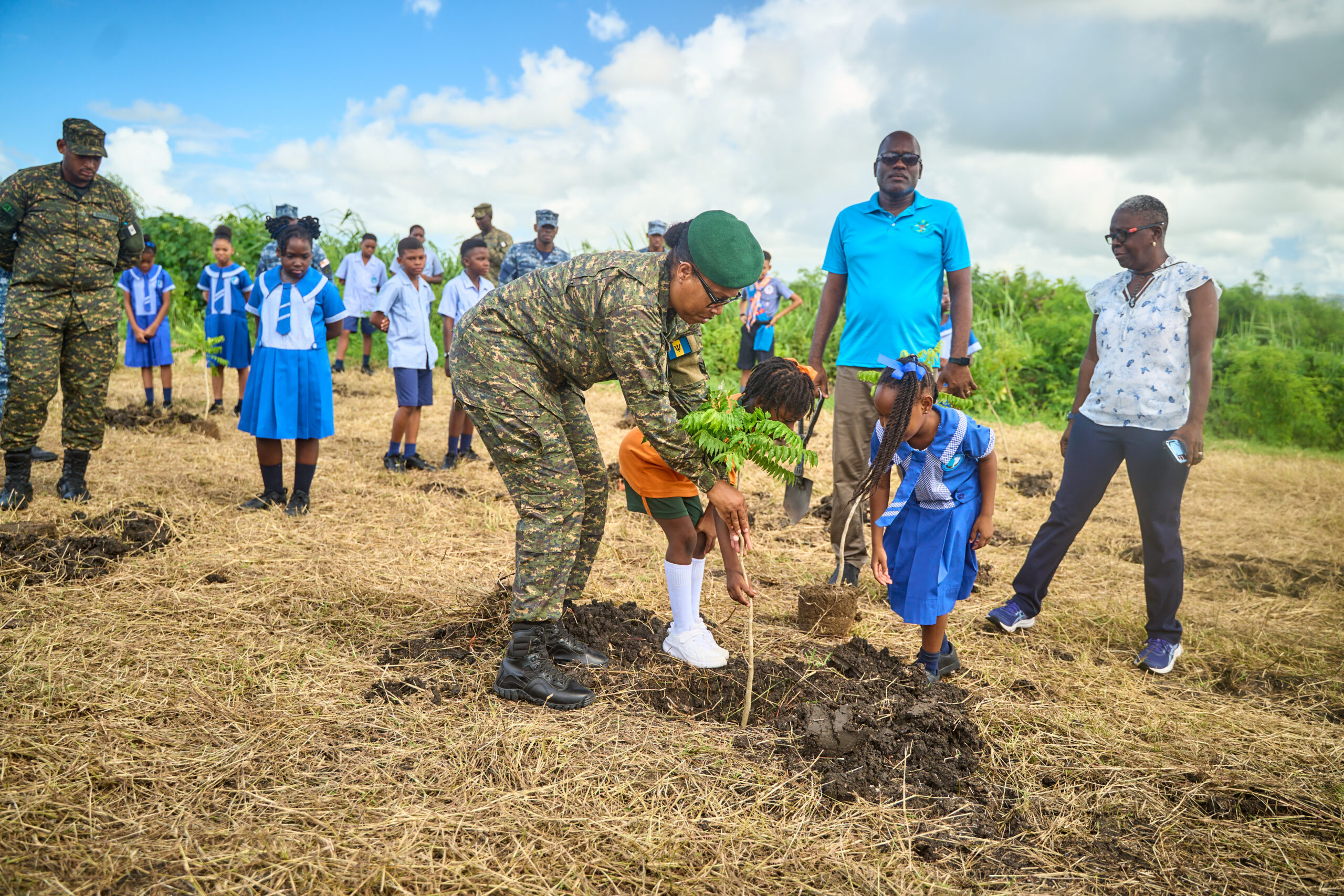
On a sunny Friday in Barbados, young students from Blackman and Gollop Primary School swapped classroom lessons for shovels and soil, teaming up with uniformed soldiers and sailors from the Barbados Defence Force (BDF) to plant 65 native shade trees across the school grounds. This collaborative activity is not an isolated community event, but the first step in a sustained national initiative kicking off months ahead of the country’s landmark “60 and Five” celebrations scheduled for November 30, when Barbados will mark two defining milestones: six decades of independence from colonial rule and five years as a sovereign republic. The monthly tree-planting campaign is the product of a formal partnership between the BDF and the National Conservation Commission (NCC), with organizers committed to planting 65 trees each month in the lead-up to the November celebrations.
Speaking to local outlet Barbados TODAY, Blackman and Gollop Primary School Principal Harriet Blackman shared details of the day’s activity, noting that 36 students spanning Classes 1 to 4 took part in the planting, with every pupil paired one-on-one with a BDF service member.
“I am incredibly pleased our school was selected to take part in this national Tree Planet initiative tied to the 60 and Five celebrations,” Blackman said. “Having 36 of our students standing here today, putting shovels to ground, is something the entire school community is proud of.”
Beyond contributing to the national goal, Blackman emphasized that the initiative aligns perfectly with the school’s long-standing environmental education objectives, offering young learners a hands-on opportunity to engage with national civic life while building lifelong conservation habits. “This project lets students be active contributors to something that matters to the entire country. We are fully committed to nurturing these trees as they grow, because this work fits directly into our school’s environmental mandate. Not only will the new trees provide much-needed shade across our campus, but the entire experience will encourage our students to prioritize protecting our natural environment.”
By assigning students direct responsibility for the care of their planted trees, the school aims to foster a deeper personal connection between young people and the natural world, Blackman explained. “When students have a personal stake in these trees, they carry that memory with them, and they understand firsthand why environmental stewardship matters,” she said.
The project is also set to deliver a long-term educational benefit to the school: the development of a new shaded outdoor learning and recreation space on campus. “As we cleared and prepped the area this morning, we were already thinking about how we can use this space for years to come. Eventually, we plan to add benches and outdoor tables, so teachers can bring lessons outside and students can use the area for recreation as well,” Blackman added.
Dewyn Phillips, coordinator of the National Tree Planting Programme under Barbados’ Ministry of Environment, praised the cross-sector collaboration that makes the initiative possible, highlighting that the partnership unites three critical pillars of national life: national security, education, and environmental conservation.
“If you break down the collaboration, the BDF brings a focus on protecting our national boundaries and interests, the schools represent the future of our country through education, and the NCC leads our work to conserve our natural environment,” Phillips explained. “By leveraging these synergies across sectors, we are able to deliver a meaningful monthly activity that builds momentum all the way up to Independence Day.”
Looking ahead, Phillips shared that program organizers are working to expand the tree-planting initiative to more schools across Barbados in the coming months, with the goal of engaging as many young people and communities as possible before the November 30 celebrations. The ongoing drive not only marks a historic national milestone but also advances long-term environmental goals that will benefit Barbadian communities for generations to come.
-
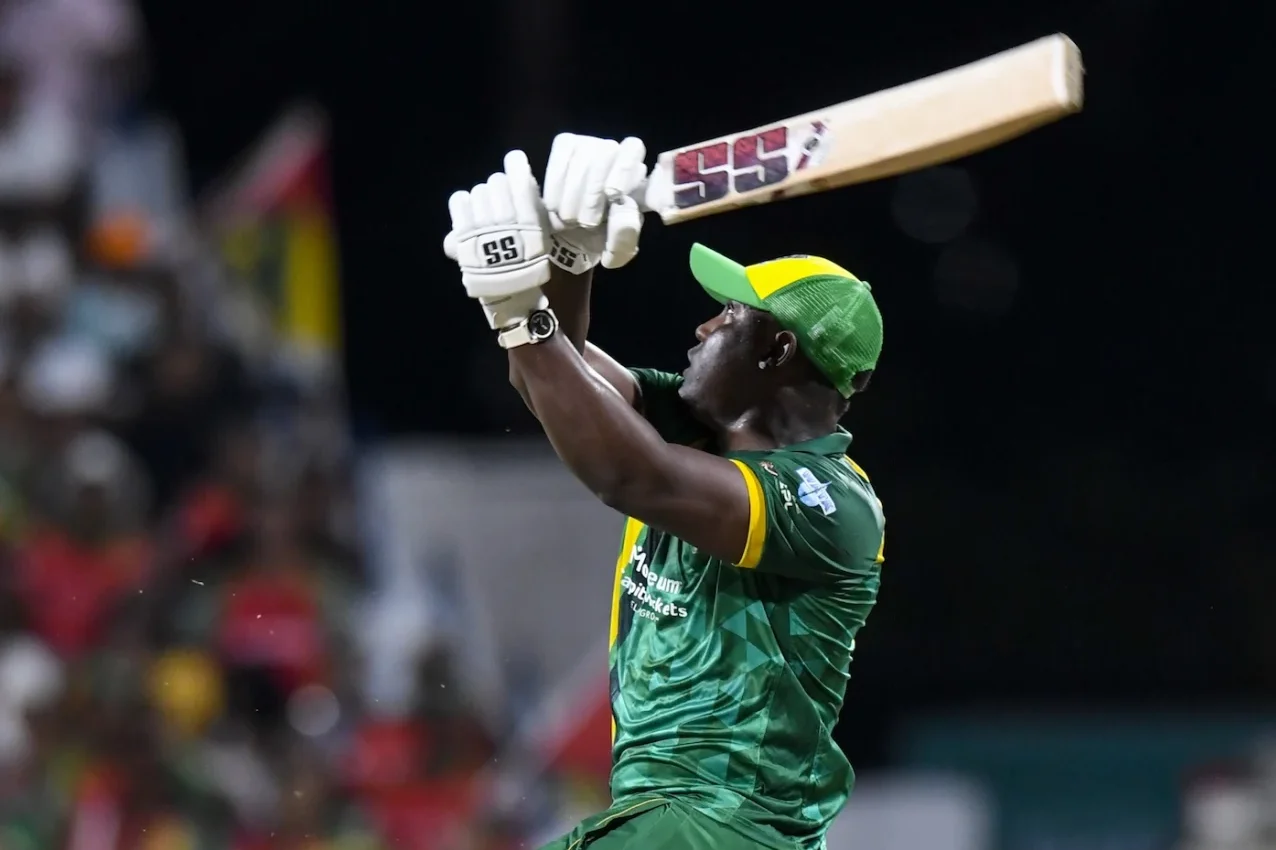
Jamaica Kingsmen advance to CPL final
The Caribbean Premier League (CPL) has reached its final act, with Jamaica Kingsmen set to lock horns with Antigua and Barbuda Falcons in Sunday’s championship decider at Barbados’ iconic Kensington Oval. The path to the final for Jamaica was secured after a heart-stopping semi-final clash on Friday, where the franchise held their nerve to beat crowd-favorite Guyana Amazon Warriors by five wickets, finishing their winning run chase with just three deliveries left to spare.
Set a mammoth target of 207 runs on a pitch that has historically posed major challenges for batting sides, the Kingsmen got off to a blistering opening that put them in early control. By the end of the mandatory powerplay, the side had raced to 75 runs for the loss of just one wicket. Maaz Sadaqat, who was dismissed in the final delivery of the third over, had already turned the game on its head with a devastating knock of 41 runs off only 14 balls, laced with five fours and three towering sixes.
After Sadaqat’s departure, Keacy Carty joined opener Kirk McKenzie at the crease, and the pair built a solid 48-run second-wicket partnership that kept Jamaica on track for victory. McKenzie fell for a quickfire 34 off 20 balls in the ninth over, leaving the Kingsmen at 90 runs for two wickets, setting the stage for captain Rovman Powell to take control.
Leading the expansion franchise in its debut season after leaving long-time side Barbados Tridents, Powell delivered a captain’s innings to remember, finishing unbeaten on 40 runs off just 17 deliveries, including two boundaries and four massive sixes. He guided the Kingsmen across the finish line in the final over, with the side reaching 207 for five to seal the win. The result left the huge crowd of Amazon Warriors supporters who packed Kensington Oval deeply disappointed. South African all-rounder Dwaine Pretorius was Jamaica’s standout bowler, finishing with figures of two wickets for 47 runs.
Earlier in the match, Kingsmen skipper Powell won the toss and elected to field, putting the Amazon Warriors into bat. The Guyana side stumbled early, slipping to 20 runs for the loss of two wickets inside the first five overs, putting their match total in doubt. However, a sensational late innings from Shimron Hetmyer dragged the side to a competitive total. Hetmyer notched his third century of the 2024 CPL, smashing an unbeaten 104 off 45 deliveries, with four fours and eight sixes, bringing up his ton off the final ball of the innings. He received crucial support from Shai Hope, who contributed 40 runs off 33 balls, and Quentin Sampson, who added a quick 29 off 17 to bolster the late innings total, finishing at 206 for four after 20 overs.
Speaking after his match-winning performance, Powell spoke of his pride in his side’s comeback journey to the final, after a rocky start to their debut campaign. “It started out with us losing three games early in the competition. In the middle of the competition, we found some form and confidence and realised that we can play cricket as a bunch,” he explained. “We just wanted to squeeze into the playoffs because, you know, once you get a Jamaica team into the playoffs, they’re dangerous.”
Looking ahead to the final against Antigua and Barbuda Falcons, Powell noted that the side would take time to prepare a focused game plan. “You know, we’ll take the next 24 hours to sit down, revise some plans and see if we can come up with some good plans against their match-winning players,” he added.
For the Amazon Warriors, who have now fallen at the semi-final stage after reaching the final in three of the previous four CPL editions, skipper Imran Tahir was gracious in defeat. “Yeah, look, I think that’s what we were expecting from our batting. They took the responsibility and put a very good score for us to defend. In the end this was a really good game. Obviously, it’s a tough one to swallow, but give credit to the other team. They played better cricket than us tonight,” Tahir said.
-
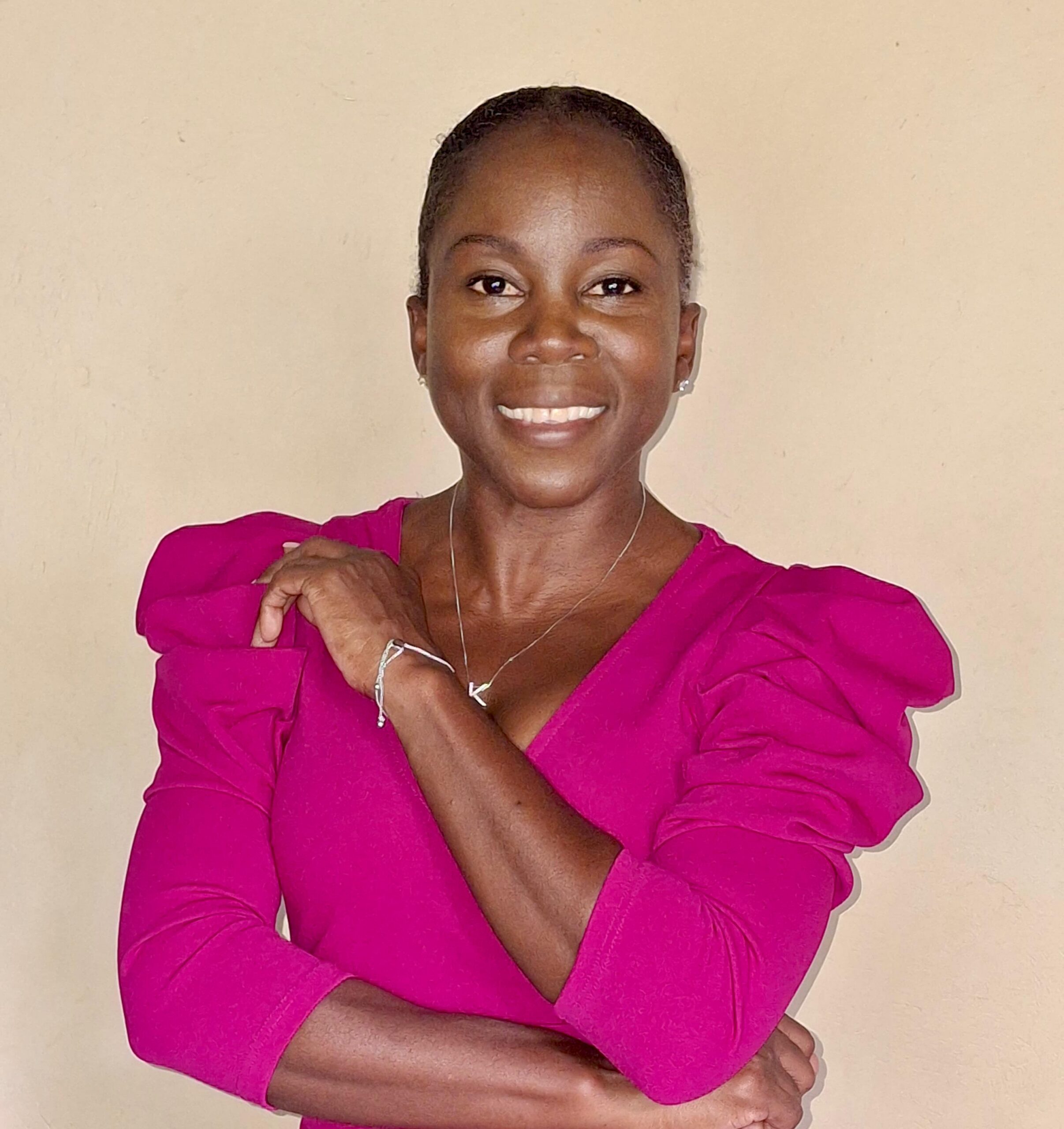
BAA: ‘Make dementia public health priority’
As Barbados observes World Alzheimer’s Month this September, the Barbados Alzheimer’s Association is intensifying its call for a country-specific national dementia strategy and full local adoption of the World Health Organization’s (WHO) global framework for dementia action. The push comes amid growing concerns that the island nation still lacks comprehensive, authoritative data on how many of its residents live with dementia, a progressive neurological condition that impacts millions globally.
-
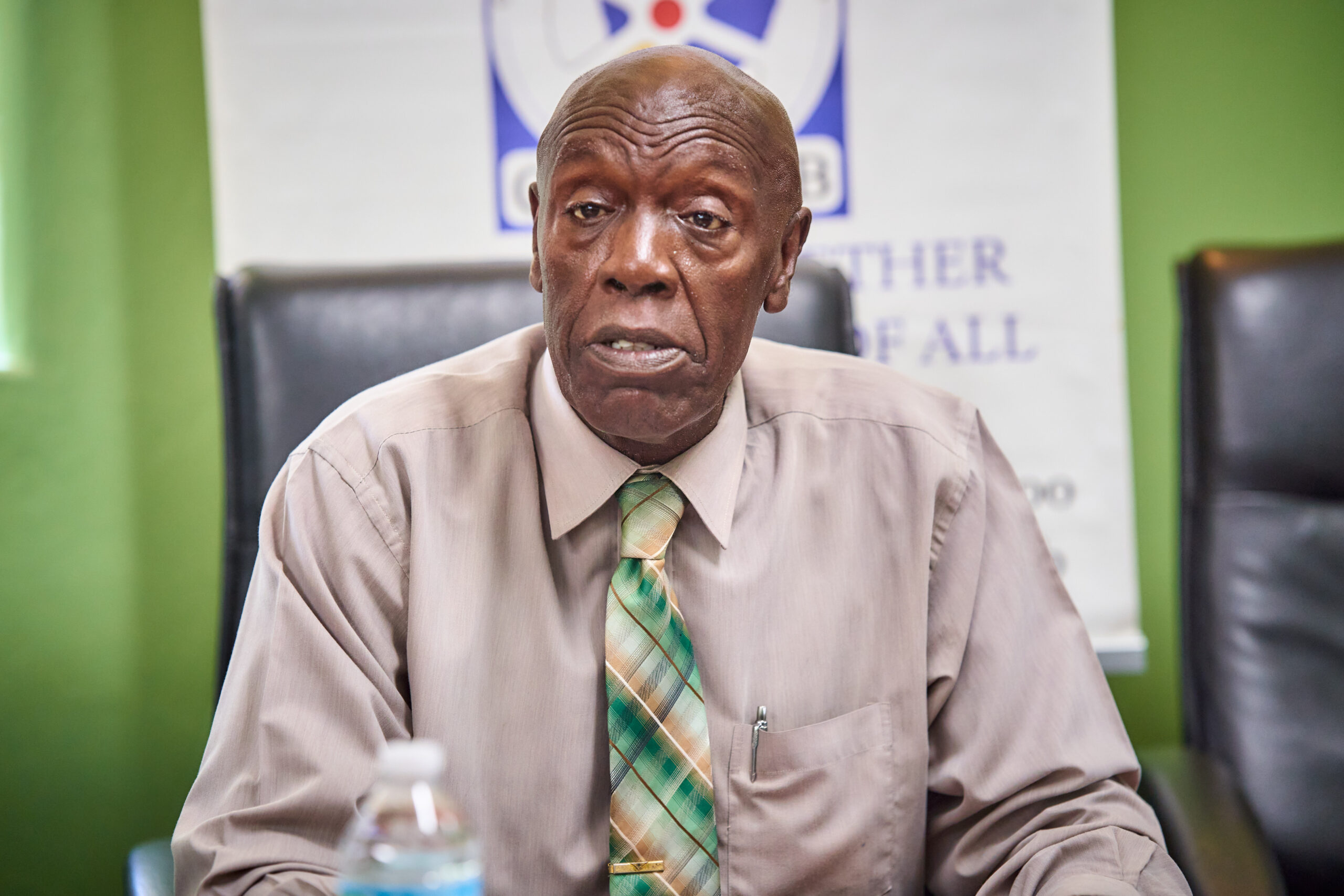
De Peiza steps down from CTUSAB leadership
After four decades of dedicated service to the global labour movement, Dennis De Peiza has officially vacated his role as general secretary of the Congress of Trade Unions and Staff Associations of Barbados (CTUSAB), leaving behind a set of critical recommendations for the future of organized labour in the Caribbean nation. In an exclusive confirmation with local media outlet Barbados TODAY, the long-serving union figure confirmed he chose not to stand for re-election during the organization’s recently concluded 31st Biennial Delegates Conference, bringing his tenure in the top leadership post to a close.
Reflecting on his decades-long career advocating for workers’ rights, De Peiza framed his departure as a natural and necessary step in any leader’s journey. “It’s time…everybody has to know [when] to move on,” he stated, emphasizing that his exit from the general secretary role does not signal a complete break from the movement he has served for most of his professional life. The veteran trade unionist made clear he will remain engaged in the CTUSAB’s work in a variety of advisory and supporting capacities, reaffirming his unwavering “commitment and support to the Congress of Trade Unions and Staff Associations of Barbados and to the cause of labour”.
As he prepares to step back from day-to-day leadership, De Peiza is calling on the broader Barbadian trade union movement to undertake a critical self-examination and reframe its core priorities. While he stopped short of harsh public criticism of existing union structures, he stressed that a fundamental re-evaluation of union purpose is long overdue. “I am not going to throw the unions under the bus, but I’m going to say that the unionism in Barbados needs to have a look, a rethink, and we have to focus on what is the agenda for the unions,” he explained.
In De Peiza’s view, the movement’s central mission must always remain centered on advancing the interests of working people and contributing to inclusive national development. “It cannot be on anything else but the causes of workers and what’s good for the country,” he said, repeating that workers’ interests must remain the non-negotiable top priority, even as leaders account for the broader social and economic ripple effects of the movement’s actions. Beyond refocusing on core mission, he warned current union leaders against the growing threat of outside interference that has impacted organized labour globally. He urged leaders to stay vigilant against external infiltration, emphasizing that the movement exists to serve the collective good of workers, not individual ambitions or outside agendas. “One has to bear in mind that we have to be wary of the influences, external influences, that are infiltrating the labour movement across the world. Our leaders have to be vigilant. They have to be respectful of the fact that it is not about individuals, it’s about the cause, and therefore it is not about self, it is about the collective,” he noted.
One of the most pressing challenges De Peiza highlighted is the ongoing failure of many unions to build intentional, effective succession pipelines. He called the lack of robust succession planning “a big problem” for the movement globally, and argued that Barbadian unions must proactively mentor younger activists and create pathways for them to step into leadership roles. Simply recruiting young people to participate is not enough, he stressed: emerging leaders must be given meaningful, substantive responsibility and trusted to grow into their roles without excessive overmanagement from veteran leaders. “When you start to give me a responsibility and you want to do it yourself, then clearly you really don’t have confidence and trust in me, and that creates a problem for the relationship,” he explained, adding that a lack of trust between senior leaders and emerging talent undermines the entire development process.
De Peiza concluded by noting that building a sustainable future for the labour movement does not require discarding the hard-won knowledge of past generations. He argued that leaders must balance the need for new perspectives and fresh leadership with the preservation of institutional wisdom accumulated over decades of organizing and advocacy. “We have to focus on those and see how we can make the best pathways so that we can keep the movement alive and hopefully don’t throw out the baby with the bathwater. Always remember wisdom. There’s always institutional knowledge, and there’s always wisdom that comes through experiences,” he said.
-
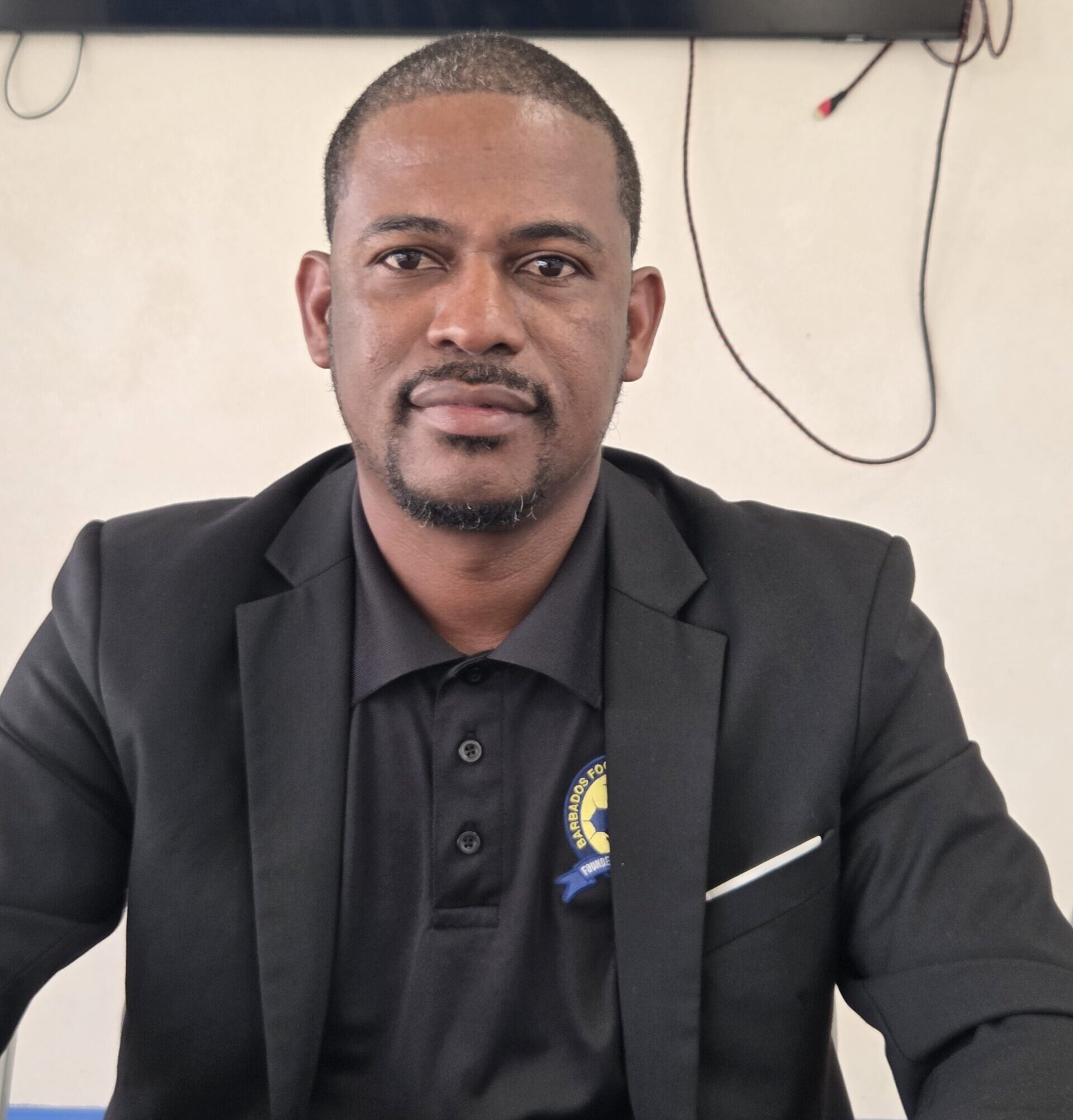
Bajan ballers bound for historic FIFA stage
Barbados’ young football hopefuls are in the final stretch of intensive preparations, gearing up to make history as one of the competing nations at the first-ever FIFA U-15 World Cup and Festival kicking off later this month in Baku, Azerbaijan. The newly installed Technical Director of the Barbados Football Association, Philip Marin, officially confirmed the nation’s participation and ongoing training efforts during a media briefing this Thursday, noting that the country’s national U-15 side, nicknamed the Tridents, will take the pitch between October 24 and 30 for the landmark tournament.
In an interview with local outlet Barbados TODAY shortly after his formal introduction to press, Marin broke down key details of the groundbreaking competition. Unlike traditional 11-a-side youth football, this inaugural tournament will be played in an 8v8 format across more than 900 total matches, a scale made possible by the unprecedented level of global participation. FIFA extended invitations to all 211 of its member associations to join the event, and to date, 191 member nations have accepted the call to compete. Marin explained that the massive participating field has been organized into 32 groups: 31 groups made up of six teams each, and one final group of five to accommodate the 191-team total.
Barbados has been drawn into Group E, where it will face off against some of the most promising youth football programs in the world, headlined by global football powerhouse Spain, which currently holds the number one global ranking. Rounding out Group E alongside Barbados and Spain are Chile, Congo, Kuwait, and Tajikistan. While Marin acknowledged that the young Tridents enter the group stage as statistical underdogs, he emphasized that the match-up against top-ranked Spain offers an unparalleled opportunity for global exposure. With millions of viewers expected to tune into the tournament across global broadcasting platforms, the young Barbadian players will have a chance to showcase their skills to a massive international audience.
With roughly four weeks remaining until the tournament kicks off, Marin said the team is focusing on sharpening its tactical organization, refining offensive strategies, and solidifying defensive structures ahead of their first match. He also shared that the squad is led by head coach Stefan Stephan King, a highly capable leader who has been working closely with Marin to structure the team’s preparation plan.
FIFA’s Chief of Global Football Development, legendary football figure Arsène Wenger, also shared his perspective on the tournament in an official FIFA statement released Thursday, highlighting the event’s long-term transformative impact on youth football development. Wenger noted that raw football talent exists in every corner of the globe, but young athletes from smaller nations and less-resourced federations rarely get the same chance to test their skills against top international competition at an early age. This new U-15 tournament was created specifically to fill that gap, bringing together emerging young talents from every continent to compete against one another. Wenger explained that by gathering U-15 teams from across the world, the tournament gives young players access to high-stakes meaningful matches, exposes them to diverse playing styles and global football cultures, and creates valuable learning experiences that will support their growth as athletes throughout their careers.
-
Calendar for 60th Independence anniversary launches
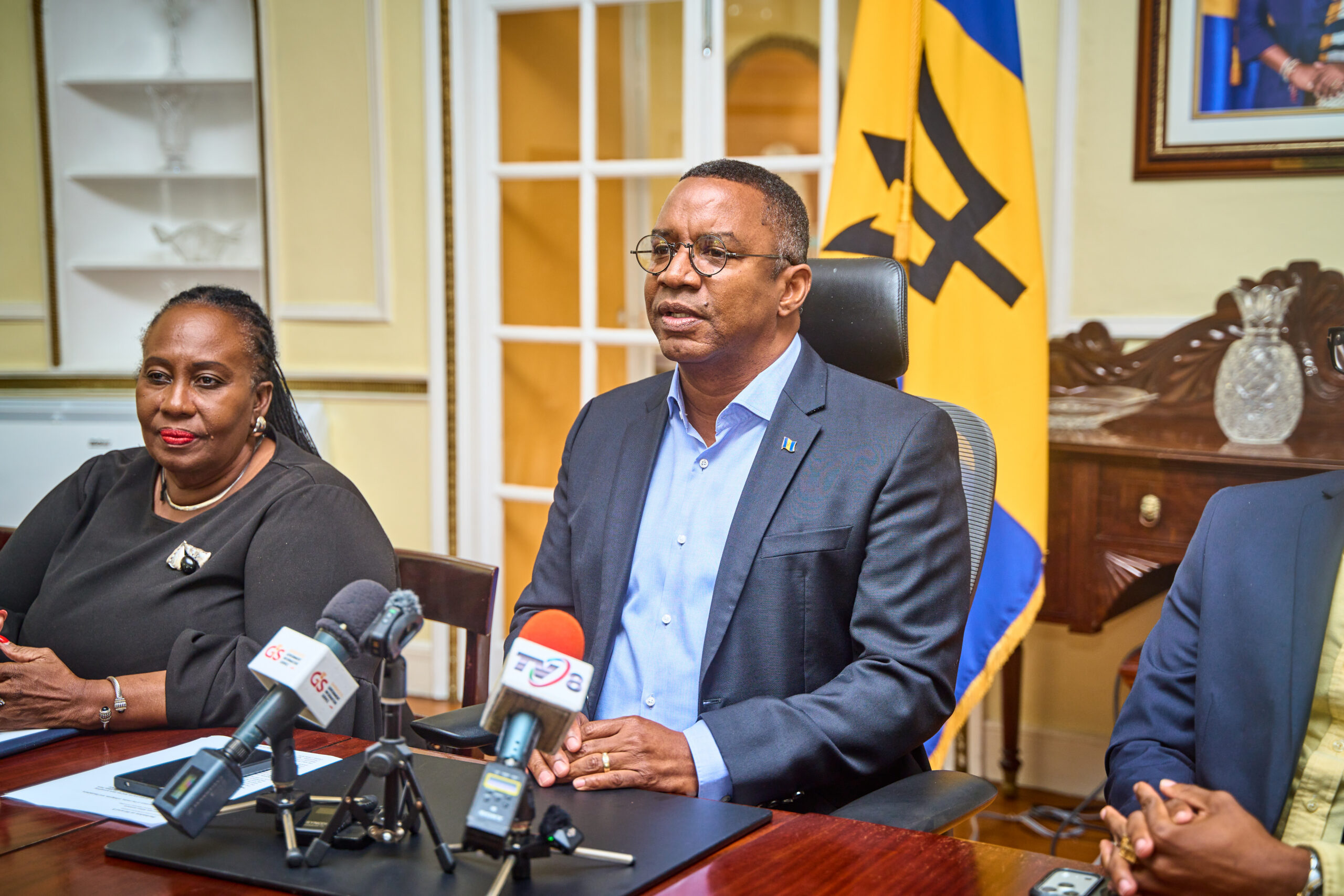
Barbados is preparing to mark two landmark national moments – six decades of independence and five years as a republic – with a packed, inclusive schedule of public events and community projects that was officially launched to the public this Friday at Ilaro Court.
Addressing journalists at the launch of the National Calendar of Independence Celebrations, Attorney General Wilfred Abrahams framed the dual milestone as a unique chance to bring together Barbadians across every generation and community, fostering shared memories that will last for decades to come. “The countdown to 60 and five is officially on,” Abrahams told attendees. “Our entire planning team has been buzzing with ideas, preparations are well underway, and today we’re excited to share that momentum with the whole country.”
He emphasized that the anniversary carries different meaning for different cohorts of the population: for older Barbadians, it is a chance to reflect on the historic moment when the country’s flag was first raised in 1966, while for younger generations, it will likely stand as the first major national milestone they remember clearly. “This is an opportunity to give those young people memories they will carry for the rest of their lives,” Abrahams said. “We want every Barbadian, no matter their age or where they live, to feel they have a role to play in these celebrations.”
Two core community-led initiatives anchor the celebration schedule: *Let We Paint Barbados* and the National Clean Up Campaign, both designed to bring neighbours together to spruce up public and private spaces across the island. “Just imagine what a difference local communities can make when they come together to help a family paint their home or tend to a shared neighborhood green space,” Abrahams noted.
Beyond these projects, Abrahams encouraged widespread participation in *Barbados Day Fridays*, calling on residents to wear the country’s national colours, fly the national flag, and make a personal “promise to Barbados” – a small, meaningful commitment to strengthening national and community bonds. These personal pledges can range from teaching a young person a marketable skill, to spending regular time with an isolated elderly neighbour, to establishing new unifying family traditions, he explained.
Senator Shane Archer, Minister of State in the Prime Minister’s Office with oversight for Youth and Culture, detailed the newly unveiled official anniversary logo, which was designed to honor Barbados’ national heritage while projecting confidence in the country’s future. “The logo brings the numbers 60 and 5 together under a rising golden Trident, with the Pride of Barbados flower – our national emblem – set at its base in our national colours of blue and gold,” Archer explained. “It celebrates who we are as a nation, and looks boldly toward what comes next. We want every Barbadian to feel proud to display this logo.”
Archer also announced major retail discounts to support the *Let We Paint Barbados* initiative, open to all Barbadian residents starting this coming Monday. Leading paint supplier Harris Paints will offer discounts of up to 30 percent on most products, with selected items marked down by 60 percent on specific celebration days. Rival brand Sherwin Williams will match the offer, providing 30 to 60 percent off select paint lines for the initiative. Additionally, the Seventh-day Adventist Church has offered to provide volunteer labour for painting projects at 60 low-income homes across the island, a contribution Archer welcomed as a key example of community partnership.
Other scheduled events include the *My Voice, My Barbados* national oratory competition, which will open to participants from primary, secondary, and tertiary education institutions to give young Barbadians a platform to share their vision for the country’s future. Archer also highlighted the annual Prime Minister’s Cup football tournament, which this year will add a women’s division for the first time in the event’s history. The women’s champion will take home a top prize of $100,000 Barbadian dollars, with the final match scheduled to be held on November 30 – the date that will cap off the country’s months-long 60/5 anniversary celebrations.