As Barbados prepares to mark a landmark milestone – 60 years of national independence and five years as a republic – the island’s annual Food and Rum Festival is turning the celebration into an edible journey through Bajan identity, putting local culture, heritage, and culinary talent front and center.
For acclaimed Barbadian chef Damian Leach, the connection between home and flavor is not just a professional focus – it is a lifelong, sensory memory. Before any dish touches his tongue, the scent of saltfish simmering in a pot is enough to carry him back to his childhood. Roasted breadfruit, its soft, creamy texture paired perfectly with salted cod, is another staple etched into his culinary origin story. Leach credits his mother and grandmother for his first lessons in flavor, noting that a great cook’s education begins at the family table. “You gotta learn flavours from home first,” he says, laughing that growing up eating well is the foundation of any great culinary career. Years of global exploration have expanded his palate, but he says those early, familiar tastes remain the heart of his work.
That focus on home as a starting point is the core theme of this year’s festival, running from November 5 to 8. For event lead Carol Roberts Reifer, the 2025 gathering carries extra weight amid the dual national celebrations. “This year is especially meaningful as we celebrate 60 and five,” she explains. “Food allows us to share who we are in a way people can experience for themselves.”
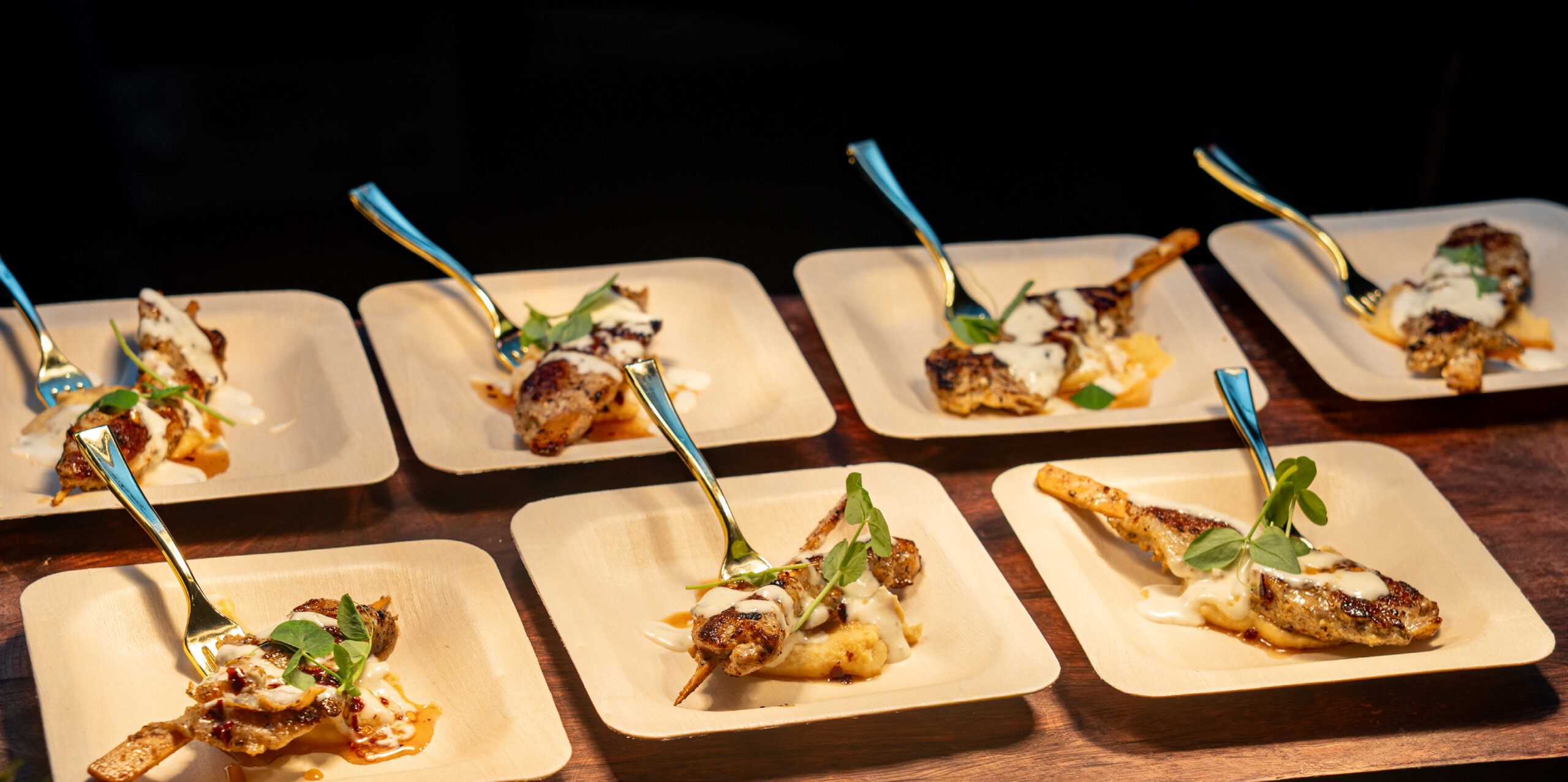
Widely hailed as the culinary capital of the Caribbean, Barbados already offers instant, joyful flavor experiences from the grilled fresh marlin served at Oistins beachside stalls to the crispy, hot bite of a traditional Bajan fishcake. This year’s festival builds on that legacy, inviting attendees to explore how a new generation of local chefs is reimagining those beloved classic flavors.
The event traces its origins back to 2010, when it launched as the Barbados Food, Wine and Rum Festival, drawing big-name international culinary stars like Marcus Samuelsson and Anne Burrell to the island. In 2016, ahead of the 50th anniversary of Barbados’ independence, the festival rebranded to its current name, shifting the spotlight to local Barbadian culinary talent. A decade on, that commitment to elevating homegrown creators remains central to the festival’s programming.
One of the festival’s most anticipated signature events is Rise & Rum, themed “Bridgetown, Early Saturday Morning”, which honors the island’s culinary roots. Leach’s personal, memory-rich connection to homegrown flavor infuses the event, bringing warmth rooted in the people who shaped him and the tastes he first discovered as a child.
No celebration of Bajan culinary identity would be complete without rum, Barbados’ iconic gift to the world. The island is universally recognized as the birthplace of rum, with a distilling tradition stretching back to the 17th century – legendary distillery Mount Gay traces its own heritage all the way to 1703. For award-winning local mixologist Ashley Morgan, a distinctly Bajan cocktail is about more than just local rum: it draws from every ingredient grown on the island. “Most of everything that you can find [in a great Bajan cocktail] is local on the island,” she says, pointing to the unique, bright flavor of locally grown Barbadian grapefruit as a standout ingredient. Morgan has kept most of her festival menu under wraps, sharing only one tantalizing hint: meringue will make a surprise appearance in one of her signature creations. The full reveal will have to wait until November.
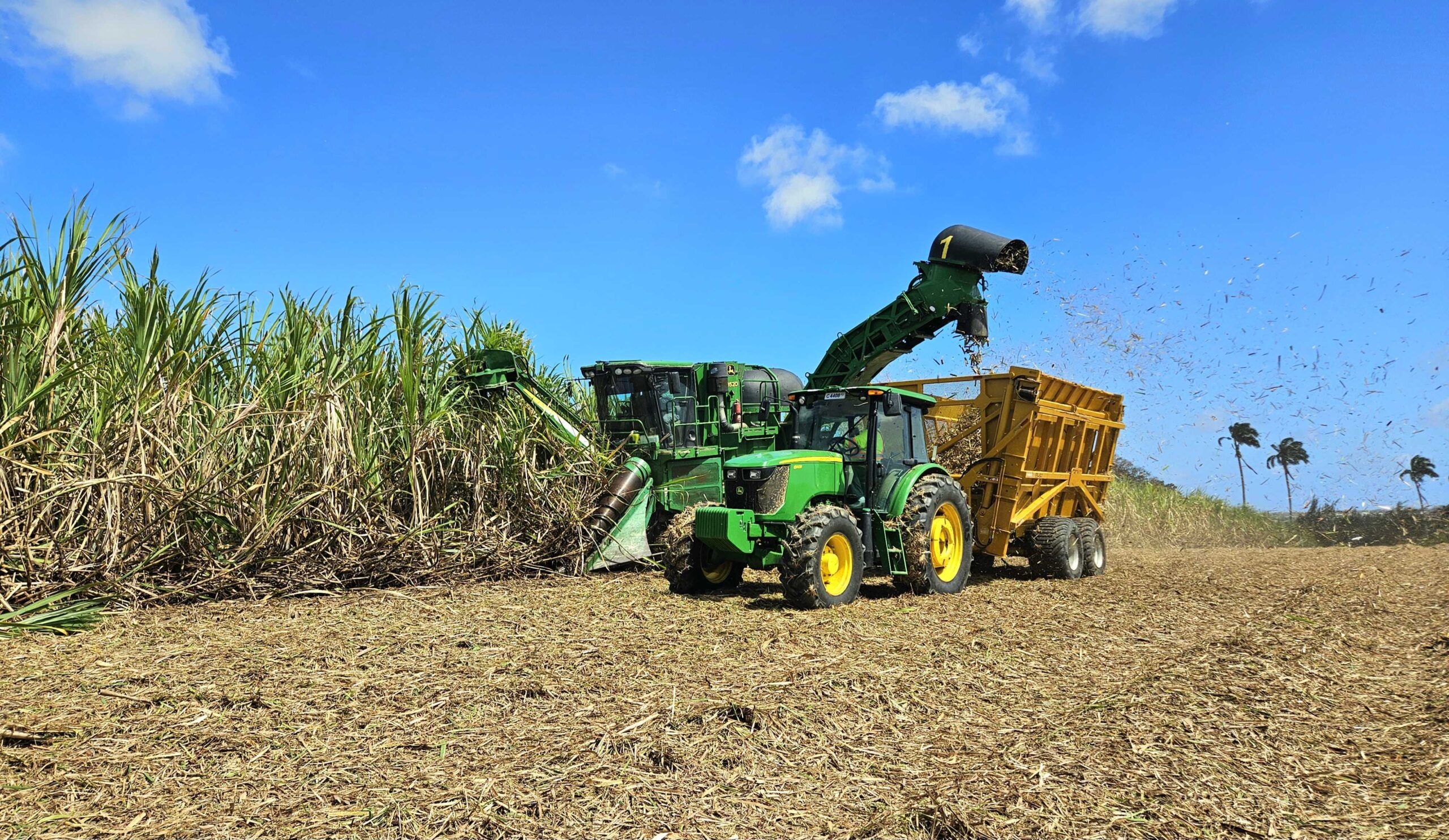
The festival’s premium Liquid Gold Feast event carries the theme “These Fields and Hills”, centered on the slogan “This is what sustains us”. The event centers the often-unrecognized work of local farmers and producers, tracing the full journey of Bajan cuisine from farm to table. Over the coming weeks, the festival will highlight more of these growers and their work ahead of the main event.
The festival officially kicks off with a launch event at Haymans on October 10, with the main November programming opening with “Oistins Under the Stars” on Thursday, November 5, starting at 6 p.m. with free admission for the public. The beachside location already draws crowds for its evening grilled fish and live music, making it a natural, welcoming opening for the celebration.
On Friday, November 6, international chef demonstrations will take place across three scenic locations: Speightstown Esplanade, Hastings Rocks and Pile Bay. Later that evening, the Rum Route event kicks off at 6 p.m., dedicating an entire evening to celebrating the island’s most famous spirit.
Saturday brings an early start for Rise & Rum, which begins at 4 a.m. on November 7 at Copacabana on Bay Street, with Morgan leading the mixology programming. Attendees will enjoy breakfast and signature cocktails as the sun rises over Carlisle Bay. The festival also features live entertainment from top local Bajan acts including Alison Hinds, Rupee and Lil Rick, adding another layer of local culture to the celebration of Bajan identity.
The festival wraps up on Sunday, November 8 with the Liquid Gold Feast at CARIFESTA House in Waterford. Leach will be joined by other leading local culinary talents including Javon Cummins and pastry chef Esther James, alongside visiting international chefs Fatmata Binta and Jason Howard.
Roberts Reifer says the festival’s core goal is to create a space that feels meaningful for both locals and visitors. “We want Barbadians to recognise something of themselves here, and visitors to get to know the people behind the food,” she explains. “The farmers, fishermen, the mixologists, the culinary artists and the families who kept these traditions alive all have a place in this celebration.”
A celebration marking two major national milestones deserves a generous spread, and this year’s festival makes room for both beloved familiar favorites and exciting new discoveries. This November, the whole island of Barbados is on the menu – and all are invited to come hungry.
Ticket pricing for individual events is set in Barbados dollars: $200 for Rum Route, $250 for Rise and Rum, and $350 for Liquid Gold Feast. A combination ticket for Rise and Rum and Liquid Gold Feast is available for $500. More information and ticketing can be found at ticketnation.bb.