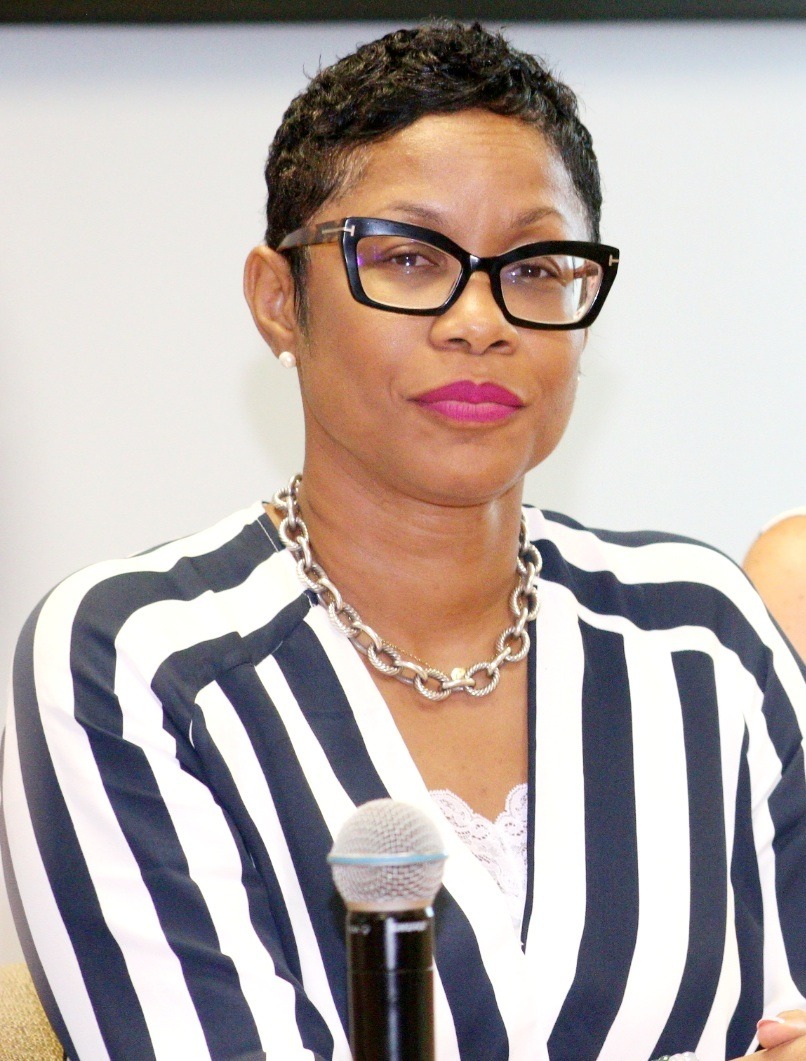
On Wednesday, Barbados’ Health Minister sounded the alarm over a rapidly escalating “crisis of elder abandonment”, as sweeping new draft legislation was brought to the Senate to impose binding legal duties on relatives and reinforce state protections for the country’s aging senior population. Senator Lisa Cummins, who also serves as leader of government business in the upper legislative chamber, used the second reading debate of the Older Persons Care and Protection Bill to urge a nationwide cultural reckoning, arguing that the crisis extends far beyond gaps in regulation to a gradual erosion of intergenerational empathy.
Cummins painted a grim, unflinching portrait of a growing trend: the same generation that laid the foundation for modern Barbados is increasingly being forgotten, left to reside indefinitely in hospital wards and community care facilities cut off from contact with the children and families they raised. The crisis comes at a demographic turning point for the small island nation: the national median age has climbed to 42.5 years, and the country’s death rate now outpaces its birth rate, transforming what was once a private family care burden into a pressing national emergency.
Opening her remarks to the Senate, Cummins appealed directly to Barbadian families, pointing out that for thousands of abandoned elders, hospital nurses and doctors have stepped into the role of surrogate family. She emphasized that abandonment is not merely a physical act of leaving a senior in a care facility; it inflicts deep emotional and psychological harm, as elders are left with the painful awareness that their loved ones have no interest in checking in, bringing favorite foods, or even carving out 30 minutes of free time to visit.
Cummins drew on firsthand observations from her recent tours of the island’s Queen Elizabeth Hospital and Psychiatric Hospital to illustrate the scale of the crisis. She detailed a troubling trend she labeled the “cruel to be kind” phenomenon, where family members intentionally drop off elderly relatives at hospital accident and emergency departments, knowing they will receive safe care but intentionally abdicating their own long-term care responsibilities. What is most distressing, she added, is the total absence of contact after admission: when she asked medical staff how many families visit their elders admitted for long-term care, the overwhelming answer was that most never show up at all.
“From the Queen Elizabeth Hospital to the Psychiatric Hospital, there is no family engagement,” Cummins lamented. “In our district hospitals, whether it is St Lucy or St Philip, family members not only are leaving them there, but they’re not coming back even to visit them. There’s something fundamentally wrong in Barbados with that. These are our elders. These are our older persons.”
The Older Persons Care and Protection Bill has been framed as a robust legal framework that will shift the Barbadian government’s role from passive tolerance of neglect to active safeguarding of seniors. For the first time in Barbadian legal history, the bill explicitly recognizes elderly people as rights-holders, redefining respect and care from discretionary acts of kindness to enforceable legal entitlements. The legislation seeks to break the long-standing culture of silence around domestic elder neglect by introducing mandatory reporting requirements, granting broad investigative powers to state authorities, and imposing enforceable penalties for anyone found to have abused or exploited vulnerable seniors.
Beyond addressing physical abuse and neglect, the bill targets non-physical harms including financial exploitation—most notably the widespread practice of cashing elderly seniors’ pension checks while leaving them to be cared for in state facilities—psychological manipulation, and the deliberate withholding of necessary medical care. Cummins also noted that the legislation will introduce consistent regulation for the fast-growing private residential care industry, requiring both state-owned and private facilities to meet a strict “gold standard” for comfortable, home-like environments with proper amenities including air conditioning.
Despite these sweeping legal changes, Cummins was open about the clear limitations of legislation alone. No amount of legal reform, she argued, can replace the fundamental care and connection that comes from families and local communities. She pointed to everyday examples of normalized ageism across Barbadian society, from able-bodied young people refusing to give up seats on public transit to drivers taking disabled parking spots for quick, unneeded trips.
“Legislation can punish abuse, it can regulate facilities, it can create duties and responsibilities… but legislation on its own will not create care,” Cummins told the Senate. “Legislation on its own will not provide for our elderly. We must still take responsibility for teaching our families respect and care for our elderly. It must be taught, it must be reinforced, and it must be socially expected.”
The proposed bill forms just one part of a broader whole-of-society government strategy to address population aging, which is also tied to ongoing mental health system reforms and new workplace flexibility policies designed to help working-age people balance caregiving responsibilities with employment. The overarching goal is to build a sustainable support system for an aging population that does not leave the shrinking working-age population facing financial and personal ruin.
Closing her address, Cummins challenged all Barbadians to confront the crisis within their own communities, noting that the “builders of our nation” deserve far more than just a hospital bed—they deserve the fundamental dignity of being remembered by the families they built. “This bill applies to all of us who want change, because change begins with us,” she said. “Let the answer be clear for all of us. Let us focus on the rights of our elderly. Let us ensure that we enforce this bill in our homes and in our society.”