标签: Barbados

巴巴多斯

  • From desert to tundra: Jaryd Niles Morris’ Arctic pilgrimage

    From desert to tundra: Jaryd Niles Morris’ Arctic pilgrimage

    Tracy Moore

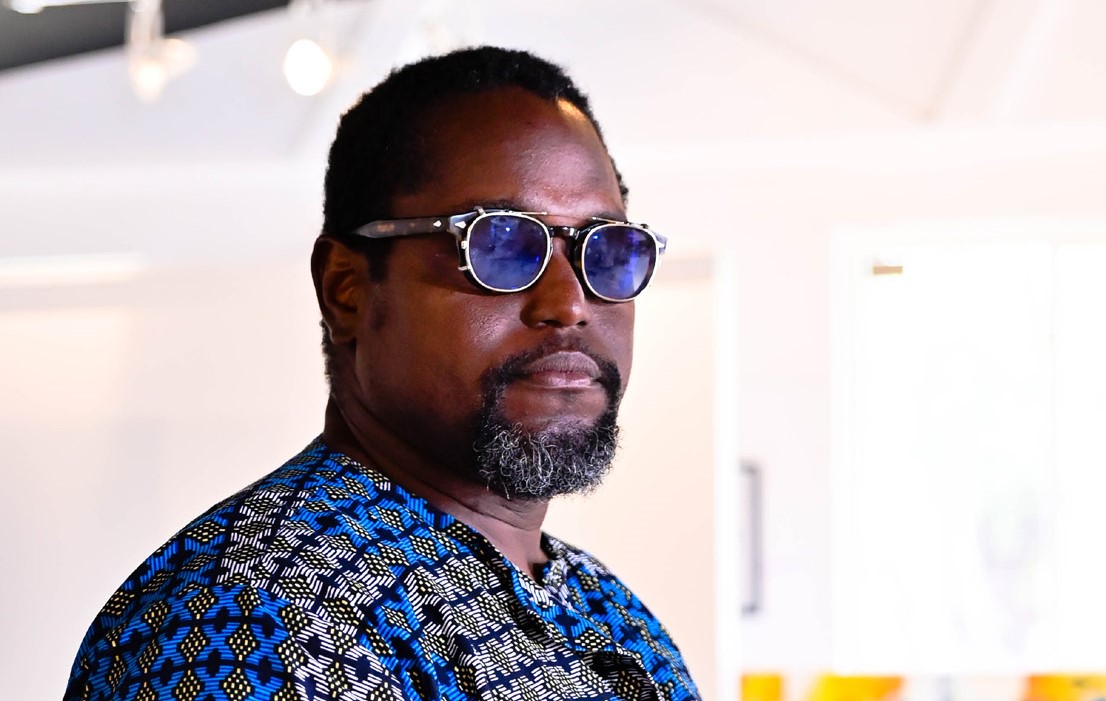
    Barbadian visual artist Jaryd Niles Morris is preparing for an extraordinary artistic expedition to the Arctic Circle in June 2027, having been selected for an internationally acclaimed artist residency program that challenges participants to create work addressing Arctic themes with global significance.

    This polar journey represents the latest chapter in Morris’s transformative artistic evolution, following profound residencies in Senegal and Morocco during 2024 that fundamentally reshaped his creative perspective. His Sahara Desert experience at Café Tissardmine—an artist residency embedded within an Amazigh (Berber) community—proved particularly impactful. “It reset me as a person,” Morris reflects. “Immersing myself within a community that has persevered through millennia of colonial pressure heightened my awareness of my Caribbean identity.”

    This awakened consciousness continued during his Senegalese residency, where Morris observed how cultural symbols and belief systems are actively preserved. “African communities maintain powerful connections to their cultural foundations through physical artifacts that constantly reaffirm their values,” he notes. This starkly contrasted with his Barbadian context, where he perceives traditional folk elements sometimes drifting toward entertainment rather than meaningful cultural remembrance.

    These comparative cultural observations have directly inspired Morris’s Arctic project: the creation of a groundbreaking cultural character rooted in Caribbean values, environmental stewardship, and collective responsibility. This modern figure—conceived as a cultural vehicle rather than policy document—aims to embed conservation awareness directly into Caribbean cultural consciousness.

    “We cherish our beaches and environment,” Morris explains. “This character will encapsulate ideals of activism and ocean conservation, bringing these priorities to the cultural forefront. The goal is integrating conservation into daily life through cultural means.”

    Originally discovering the Arctic residency opportunity online, Morris initially felt unprepared until his North African experiences provided the conceptual foundation. “Ironically, Morocco triggered the ideas now carrying me from desert to tundra,” he observes.

    Envisioned as a regional collaboration, the project will involve artists across the Caribbean, reflecting Morris’s commitment to pan-Caribbean cultural development. “We share history but not necessarily shared reality,” he notes, emphasizing his desire to create “a Caribbean project, not just Barbadian.”

    Morris describes his upcoming Arctic journey as essentially spiritual: “This is a pilgrimage. A Caribbean envoy traveling to the Arctic to witness and comprehend.” During his two-to-three-week residency, his sole expectation remains that the resulting work generates positive global impact.
  • Ministry defends sargassum removal methods amid criticism

    Ministry defends sargassum removal methods amid criticism

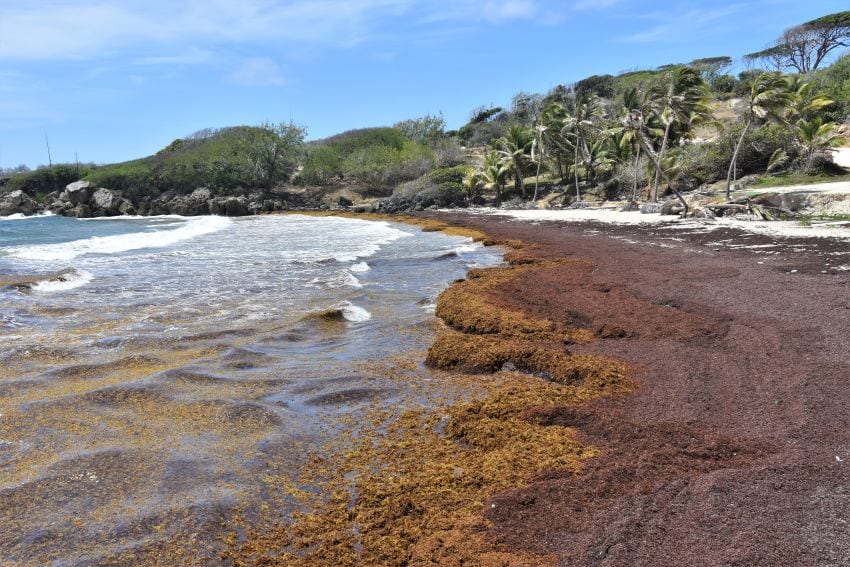
    The Barbados Ministry of Environment and National Beautification has publicly justified its operational protocols for sargassum seaweed extraction from coastal areas following mounting critiques across digital platforms regarding its beach rehabilitation initiatives. Official communications from the ministry elaborate that the Sargassum Seaweed Project constitutes a structured governmental response to the persistent accumulation of algal biomass along the nation’s coastline. This ecological initiative has engaged substantial local workforce participation through systematically coordinated cleansing operations over consecutive annual cycles. According to the ministry’s disclosure, the extraction methodology incorporates a multi-phase, rigorously supervised procedure engineered to equilibrate recreational beach accessibility with ecological conservation imperatives. The implemented techniques specifically aim to conserve critical natural ecosystems while ensuring protective measures for endangered marine turtle species and broader biodiversity preservation along Barbados’ shores.

  • New Party: Reform Barbados enters political arena

    New Party: Reform Barbados enters political arena

    Barbados’ political arena witnesses a significant development with the establishment of Reform Barbados, a new political entity aiming to disrupt the longstanding dominance of the two major parties. Founded by Steve Prescott, a British-Barbadian employment rights attorney, the party positions itself as a viable alternative to the ruling Barbados Labour Party (BLP) and opposition Democratic Labour Party (DLP).

    Prescott, who holds Barbadian citizenship, revealed his strategy to contest all 30 parliamentary seats in upcoming elections, potentially running solo initially if necessary. While his specific constituency remains undecided, he indicated a likely candidacy in Christ Church’s Parish Land area, his late father’s former residence before emigrating to the UK in the 1960s.

    The party leader demonstrates unwavering confidence despite historical challenges faced by third parties in Barbadian politics. “I will face that by having a message and real policy change that Barbadians have been crying out for,” Prescott stated in an exclusive interview with Barbados TODAY. He attributes previous third-party failures to inadequate messaging and lack of longevity rather than voter receptiveness.

    Reform Barbados distinguishes itself through methodical policy development. Prescott emphasized that all proposed policies, developed over two years, will undergo rigorous economic validation before implementation. “Policy execution is the big number one,” he contended. “You can have all the ideas in the world, and if you don’t know how to execute properly, you’re not going to make any change.”

    The party’s formation stems from Prescott’s profound concern about Barbados’ socioeconomic stagnation. After examining the island’s development since independence and observing minimal progress in living standards and infrastructure over four decades, he concluded that “as a country, we need to do better.” This conviction inspired the party’s dual slogan: “We’ve got to do better at being better… we’ve got to be better at doing better.”

    Symbolism plays a crucial role in the party’s identity, with its logo featuring a broken trident above a crown—a design inspired by stained-glass artwork created by Prescott’s father in a UK church. While already engaging voters through social media and personal interactions, Reform Barbados plans official public launch events alongside the publication of its economically-vetted manifesto in the near future.

  • Elections on February 11, PM announces

    Elections on February 11, PM announces

    Barbados Prime Minister Mia Mottley declared the dissolution of Parliament on Saturday evening, setting the stage for a swift general election scheduled for February 11th. The announcement came following her formal consultation with President Jeffrey Bostic and subsequent directives to election officials to commence immediate preparations.

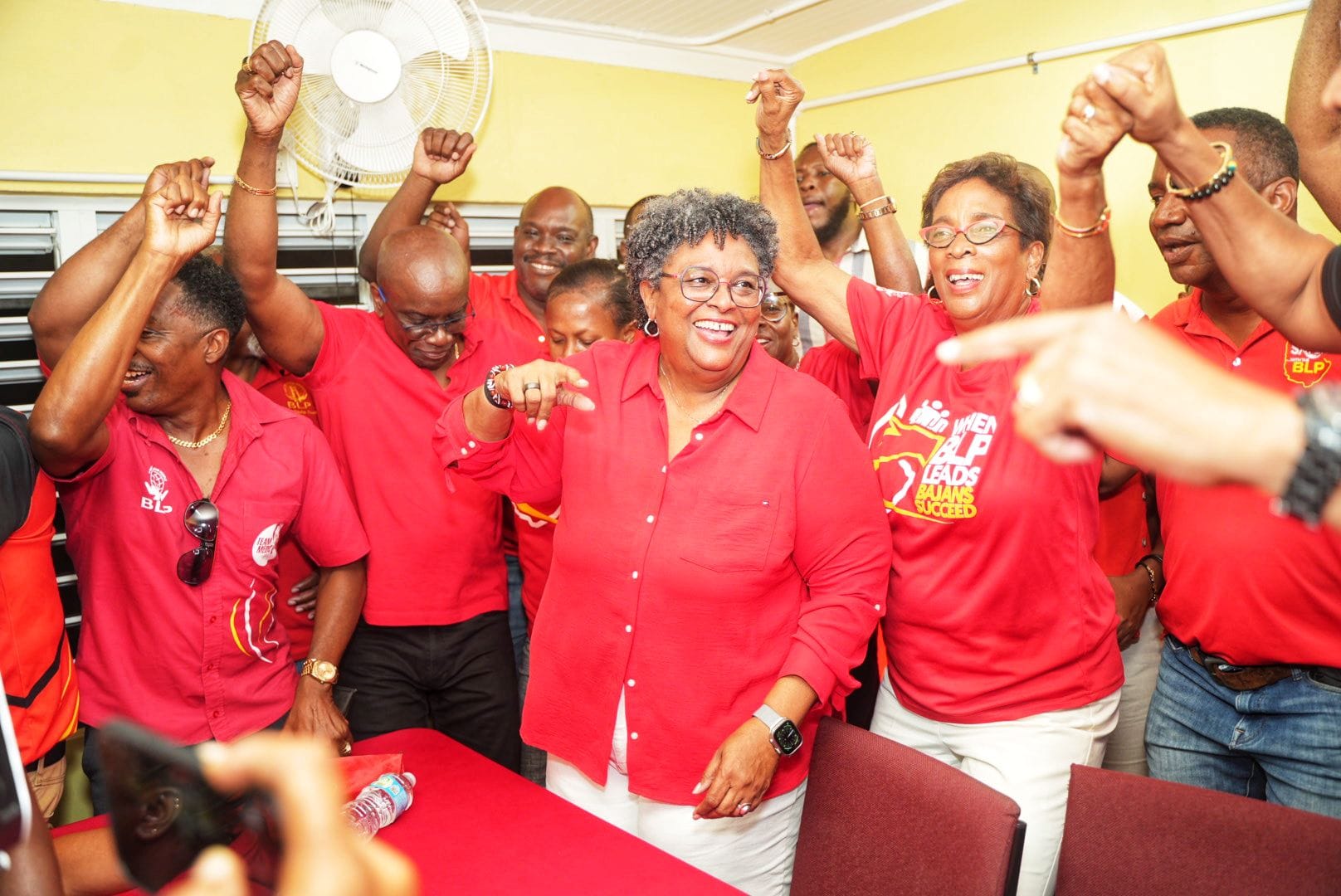
    Addressing supporters in Bridgetown after the nomination of former Democratic Labour Party Cabinet minister Michael Lashley as the Barbados Labour Party candidate, Mottley revealed her late-afternoon meeting with the President. She confirmed that election writs would be formally issued following approval by the Attorney General’s office.

    The Prime Minister outlined a compressed electoral timetable, with Nomination Day established for January 27th and Polling Day scheduled for February 11th. This accelerated timeline presents significant logistical challenges for both election authorities and political organizations requiring rapid mobilization.

    Mottley framed the parliamentary dissolution as an exercise in democratic renewal, emphasizing that continuing leadership requires fresh electoral mandates. She invoked unifying rhetoric, repeatedly urging party cohesion with calls for strength and collective effort.

    The Prime Minister simultaneously highlighted recent legislative achievements, specifically referencing parliamentary action that established property ownership rights for residents of housing estates. This initiative, described as fulfilling previous commitments, effectively transferred titles to over 200 citizens just prior to the election announcement.

    The dissolution marks the beginning of an intensive three-week campaign period that will test both electoral infrastructure and political mobilization capabilities across the island nation.

  • Mottley rings bell for early polls

    Mottley rings bell for early polls

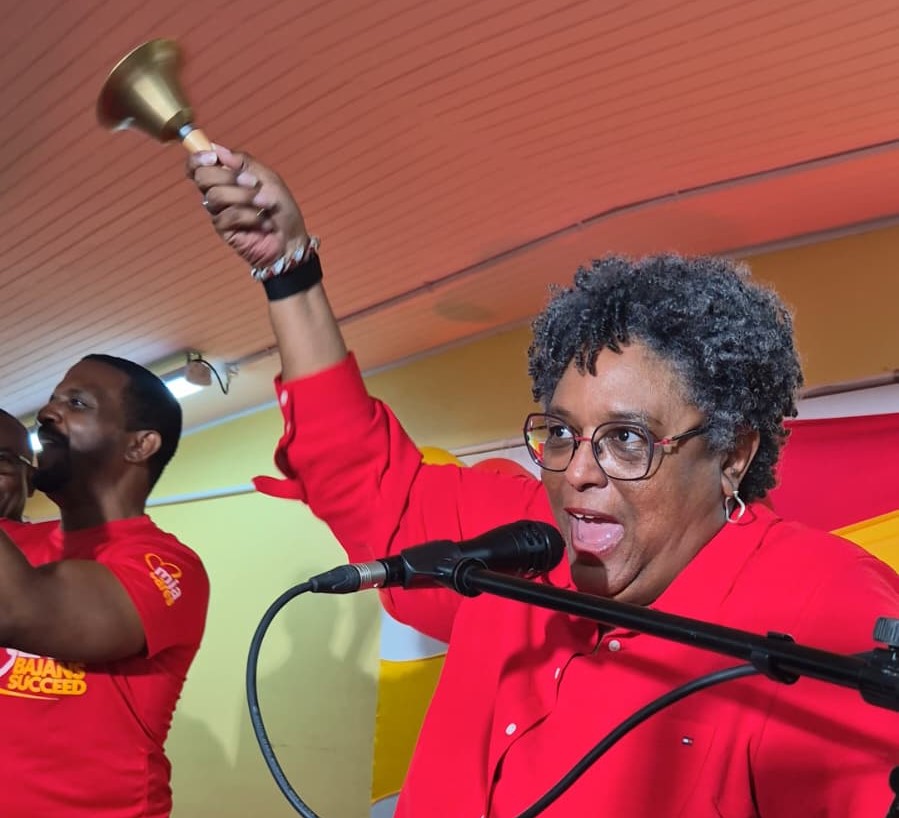
    Prime Minister Mia Mottley has officially declared that Barbados will conduct a general election on February 19th, initiating the democratic process months ahead of the constitutional mandate. The announcement was delivered during a Barbados Labour Party nomination ceremony at Westbury Primary School, where senior attorney Michael Lashley KC received formal confirmation as the party’s candidate for Bridgetown. This nomination completes the ruling party’s full roster of candidates for all 30 constituencies in the parliamentary system. The dissolution of Parliament will immediately commence the election period, with Nomination Day scheduled for January 27th. This strategic move to advance the electoral timeline represents a significant political calculation by the incumbent administration, potentially aiming to capitalize on current economic and social conditions. The election will determine the leadership direction for the Caribbean nation amid ongoing regional challenges and global economic uncertainties. International observers are monitoring the electoral process as Barbados continues to strengthen its democratic institutions following its transition to a parliamentary republic.

  • Lashley secures BLP nomination to represent The City

    Lashley secures BLP nomination to represent The City

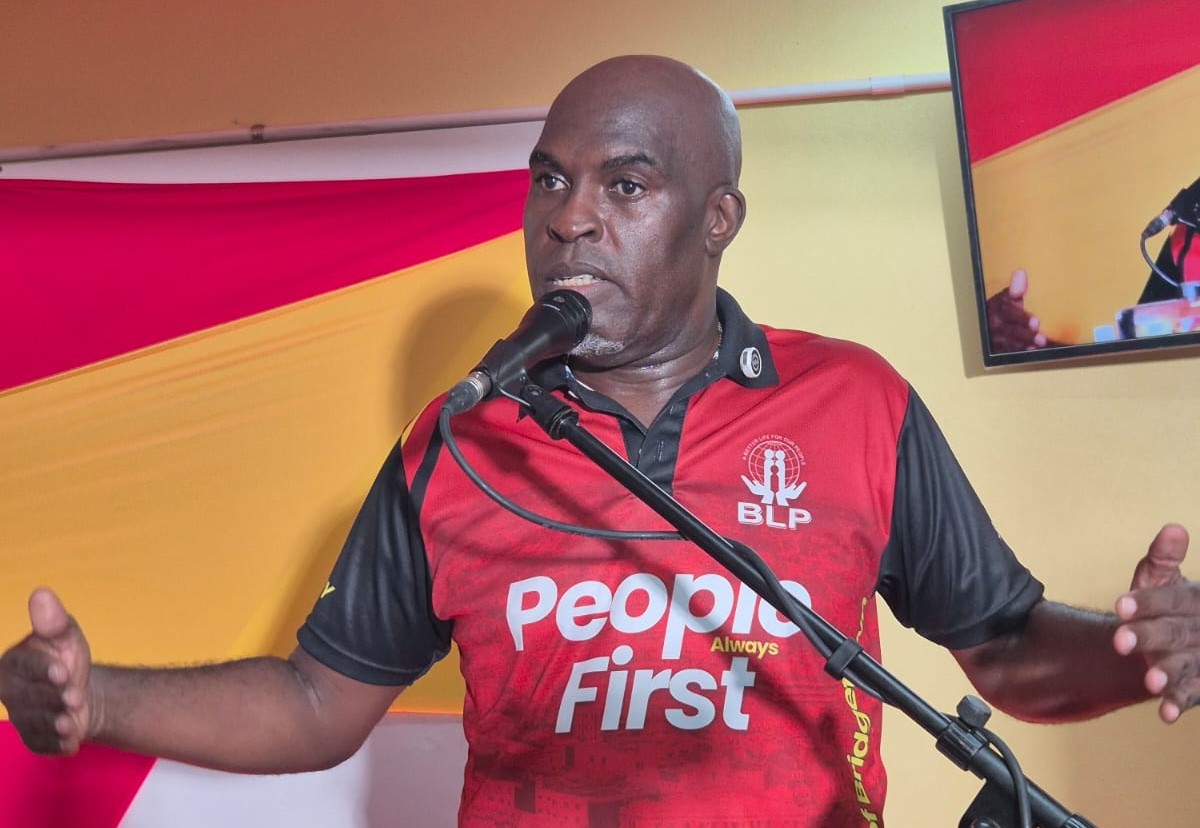
    In a significant political development, Michael Lashley has been formally confirmed as the Barbados Labour Party’s uncontested candidate for The City of Bridgetown constituency. The election, which concluded on Saturday without opposition, positions the seasoned attorney for a crucial role in the party’s electoral strategy.

    Addressing supporters during his acceptance address, Lashley expressed profound gratitude for the overwhelming endorsement from both constituency residents and senior party leadership. ‘I am truly humbled by the confidence placed in me,’ stated Lashley, acknowledging the significance of this political mandate.

    The newly selected candidate extended particular appreciation to constituents of St Philip North, recognizing their sustained backing throughout his dual career in legal practice and public service. Lashley emphasized his philosophical approach to governance, declaring: ‘My political engagements stem from genuine commitment rather than electoral calculations. Politics represents service above all.’

    In a compelling conclusion to his remarks, Lashley formally signaled his readiness to Prime Minister Mia Mottley with the declarative statement: ‘This is Michael Lashley reporting for duty.’ This ceremonial phrasing underscores his alignment with the current administration and reinforces party unity ahead of forthcoming electoral contests.

  • DLP calls out government ministers over QEH crisis

    DLP calls out government ministers over QEH crisis

    Barbados’ Democratic Labour Party (DLP) has launched a direct accusation against Health Minister Senator Dr. Jerome Walcott and Minister of Health and Wellness Davidson Ishmael, holding them personally accountable for the deteriorating situation at Queen Elizabeth Hospital (QEH). This political confrontation emerged following an urgent meeting convened by Prime Minister Mia Mottley with QEH medical consultants as the nation’s primary healthcare institution faces unprecedented strain.

    Senator Andre Worrell, the DLP’s health spokesperson, declared in an official weekend statement that the current hospital crisis represents the culmination of systemic failures within the Health Ministry rather than a sudden emergency. According to Worrell, numerous alerts from medical professionals, nursing staff, patients, and opposition representatives regarding critical shortages in personnel, medical supplies, equipment, and administrative coordination have been consistently disregarded.

    The opposition party reiterated several previously proposed emergency measures, including expanded operating hours at polyclinics, immediate staffing interventions, evening general practitioner clinics at QEH, and urgent financial injections to stabilize medical supply chains. A particularly emphasized recommendation involves reactivating the Harrison Point Facility to alleviate overwhelming patient overcrowding, a solution the DLP claims has been ignored despite worsening conditions.

    Beyond the immediate QEH crisis, the DLP highlighted systemic failures across Barbados’ healthcare infrastructure. Significant concerns include substandard conditions at the Geriatric Hospital on Beckles Road, postponed operational timelines for the Waterford facility (now delayed beyond its November 2025 target), critical staff deficiencies at the Psychiatric Hospital, and resource limitations throughout the polyclinic network that compromise nationwide healthcare delivery.

  • Killer gets life for ATM murder

    Killer gets life for ATM murder

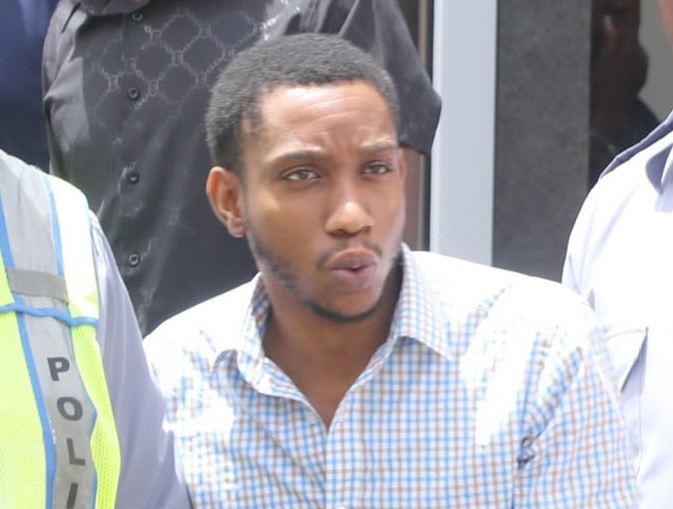
    In a landmark ruling at Barbados’ No. 3 Supreme Court, Justice Carlisle Greaves has imposed a life sentence with a 40-year tariff upon 26-year-old Kishon Lemar Anderson Thomas for the 2017 murder of 58-year-old Colleen Payne. The sentencing concludes an eight-year judicial process surrounding the brutal killing that occurred at a Royal Bank of Canada ATM on University Hill, St. Michael.

    Justice Greaves characterized Thomas as a ‘dangerous, conniving, manipulative individual’ requiring prolonged societal protection. After accounting for 633 days spent on remand and a 24-month reduction for procedural delays, Thomas will serve 36 years at Dodds Prison before parole eligibility.

    The court established that Thomas and an accomplice were stalking ATM users for robbery opportunities when he shot Payne as she withdrew funds for her church. Justice Greaves emphasized deterrence as a critical sentencing factor, noting that thousands of citizens and visitors rely on ATMs at all hours without fearing violent criminal acts.

    A perplexing aspect emerged during proceedings: Thomas came from privileged circumstances with relatives claiming he ‘lacked nothing’ and was even purchased a vehicle while on bail for the murder. Justice Greaves observed this case demonstrates how privilege doesn’t preclude criminal behavior, citing Thomas’s documented association with criminal elements in Black Rock despite repeated family warnings.

    The human toll was articulated by victim’s sister Ella Noelle, who revealed the murder triggered a family tragedy extending beyond Payne’s death. Their ill father succumbed to grief within weeks, followed by their mother’s death one year later, still mourning their daughter’s loss. In an extraordinary statement of forgiveness, Noelle expressed hope Thomas would ‘find a relationship with God,’ believing her sister would have wanted the same.

    Thomas maintained his innocence from the dock while acknowledging sympathy for the life lost. The prosecution was led by Deputy Director of Public Prosecution Krystal Delaney, with defense representation by Andrew Pilgrim and Sian Lange.

  • Bajans turning to Canada as new US visa policy spurs uncertainty

    Bajans turning to Canada as new US visa policy spurs uncertainty

    Recent United States immigration restrictions targeting nationals from 75 countries are projected to have minimal impact on Barbadian migration patterns, according to legal experts. Immigration attorney Samuel Legay revealed that declining interest in US migration among Barbadians has been steadily shifting toward Canada and other destinations over recent years.

    Legay explained that Canada has substantially expanded its immigration pathways, creating more accessible opportunities compared to the United States. “Within the last three or four years, more persons seek Canadian migration due to expanded programs,” Legay stated, noting that most current US-related cases involve complications with existing visas rather than new applications.

    The attorney detailed that many recent consultations concern Barbadians facing deportation, visa denials, or cancellations, often resulting from overstaying or unauthorized employment. “Immigration officers frequently discover work-related communications on mobile devices during questioning,” Legay added.

    Conversely, Canada’s system has welcomed more diverse immigration categories, including asylum seekers and LGBTQ individuals from Barbados seeking refugee status. This accessibility has fundamentally altered traditional migration routes from the Caribbean nation.

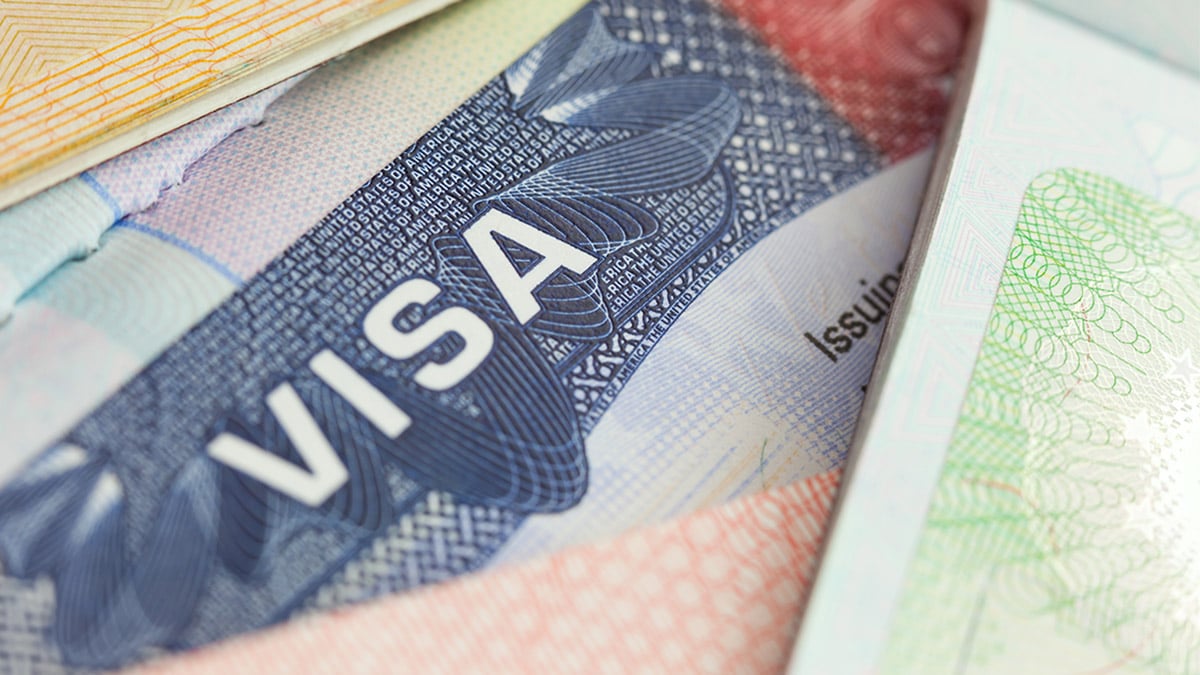
    The newly implemented US policy, announced by the Trump administration, indefinitely suspends immigrant visa processing for numerous CARICOM members including Barbados, Jamaica, and Saint Lucia. The measure specifically targets family and employment-based permanent residency applications while excluding temporary tourist, business, student, or work visas.

    Despite the policy’s breadth, Legay noted limited immediate concern among potential migrants. “The implications remain undigested within the community,” he observed, citing a prevailing wait-and-see attitude. One client reportedly secured a three-year work permit extension prior to the announcement, highlighting the advantage of early application.

    As uncertainty persists regarding the policy’s long-term effects, Barbadians continue prioritizing alternative migration destinations until clearer outcomes emerge from the US immigration restructuring.

  • Cane growers decry extra-regional imports threatening centuries-old sugar heritage

    Cane growers decry extra-regional imports threatening centuries-old sugar heritage

    Barbados’ centuries-old sugar industry stands on the brink of catastrophic failure as local cane farmers issue urgent warnings about market destabilization from imported brown sugar. Industry leaders report that unrestricted importation of low-cost sugar from outside the Caribbean Community (CARICOM) threatens to eliminate domestic production within months, jeopardizing agricultural stability and rural employment.

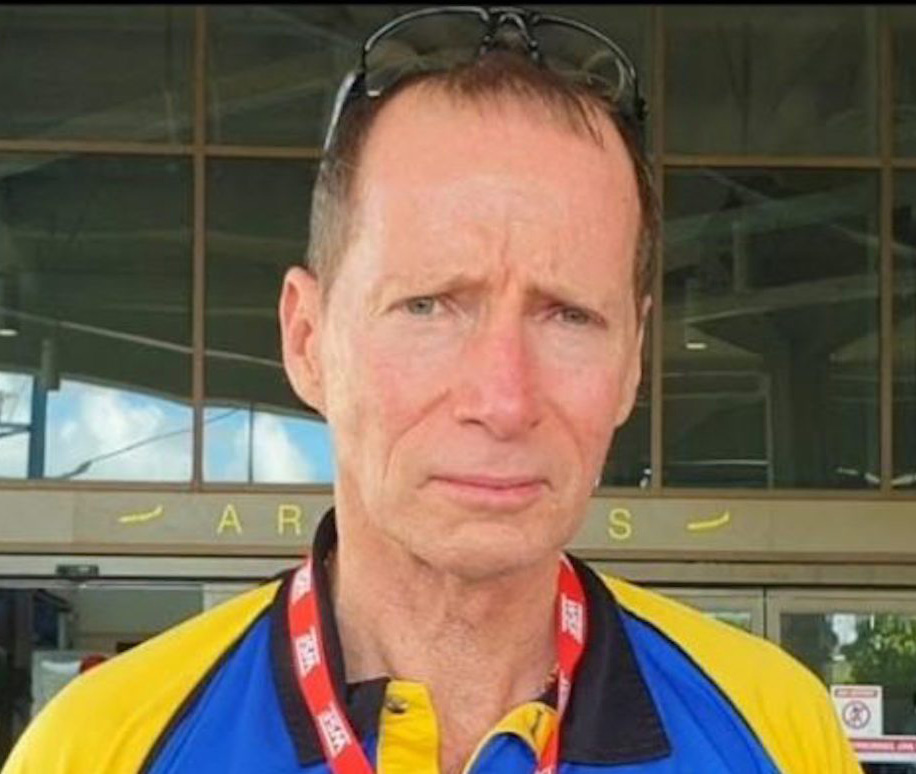
    Mark Sealy, Chairman of the Barbados Sugar Industry Limited (BSIL), expressed profound concern about licensing practices that permit distributors to bring foreign sugar into the domestic market. “We understand there is brown sugar coming from outside CARICOM and competing with local Barbados sugar,” Sealy stated. “That’s basically shooting yourself in the foot — it needs to stop.”

    The economic implications extend beyond direct sales, as sugar production remains intrinsically linked to Barbados’ rum manufacturing through molasses production and contributes significantly to food security through crop rotation practices. Approximately 25% of sugar acreage alternates with food crops, creating an agricultural ecosystem now under threat.

    Sealy emphasized the market dynamics creating unsustainable pressure: “The market for brown sugar in Barbados is between 3,500 and 4,000 tonnes. If you’re bringing in cheaper sugar from countries with lower labor and fuel costs, the factory cannot compete or sell to retailers.” This price disparity creates cash flow constraints that ultimately prevent timely payments to local farmers.

    Contrary to potential justification through supply shortages, Sealy confirmed adequate domestic inventory: “There is no shortage. The factory has sugar in storage. Allowing these imports makes no sense — distributors just want a higher margin because they can buy cheaper elsewhere.”

    The situation has drawn previous governmental concern, with Minister of Agriculture Indar Weir having previously criticized “excessive sugar imports” that undermined the “beleaguered local industry.” While the Ministry continues monitoring the situation, industry representatives await concrete intervention to prevent total sector collapse.