At a recent virtual gathering focused on intercontinental cultural collaboration, leading cultural preservation advocates have emphasized that active youth participation stands as a make-or-break factor for the long-term survival of cultural heritage across both Barbados and the African continent. The urgent appeal was delivered during the Office of Pan-African Affairs and Heritage’s annual Heritage Month youth webinar, an event that convened hundreds of young cultural stakeholders from both regions to exchange ideas on protecting collective cultural traditions, historic landmarks, and shared communal identities.
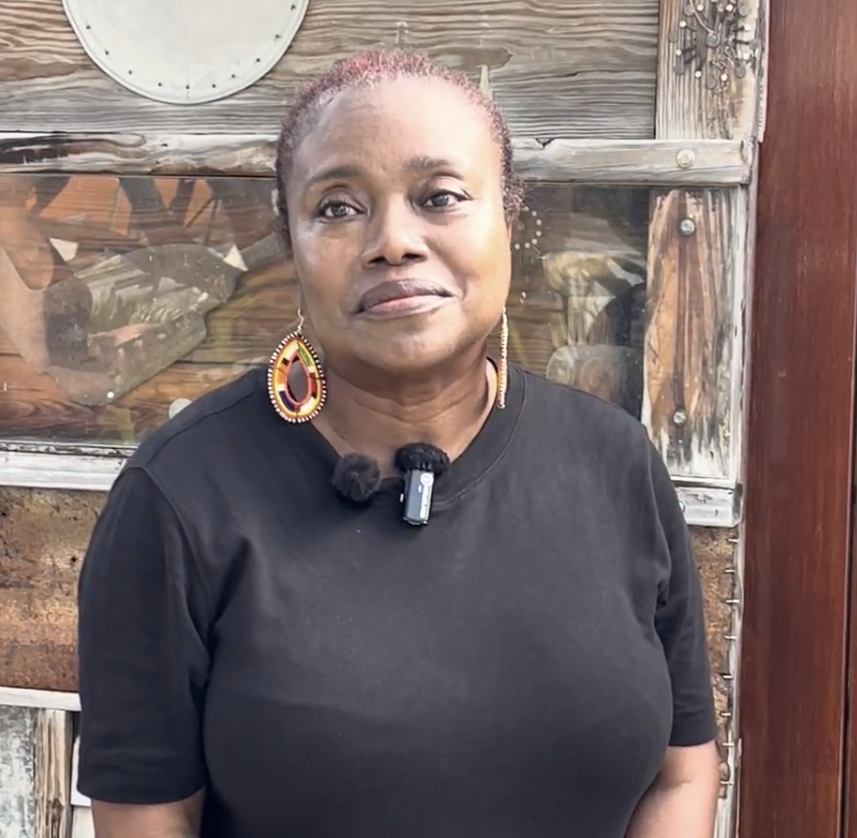
Dr. Sheron Johnson, Heritage Month Coordinator for the Office of Pan-African Affairs and Heritage, explained that the annual webinar was intentionally structured to center youth perspectives in global conversations about heritage stewardship, a space that has long been dominated by established institutions and older experts. “As part of our core mandate to build long-term stewardship capacity across the heritage sector, each year we create a dedicated platform for young people to share their thoughts and take ownership of preservation work,” Johnson said during the opening remarks.
She pushed back against the widespread misconception that heritage protection falls exclusively to government bodies, formal cultural institutions, and senior academic experts, arguing that younger generations bring irreplaceable value to the movement. “All too often, heritage preservation is framed as a job for established organizations and long-time specialists. But young people hold an equally critical role in safeguarding the stories, traditions, ancestral spaces, and core values that shape who we are as communities,” Johnson noted.
She added that the unique combination of youth creativity, digital innovation, boundless energy, and fresh commitment is essential to making heritage feel relevant to contemporary and future generations, rather than a static artifact of the past. Johnson also highlighted that the webinar forms part of a broader diplomatic and cultural push to deepen ties between Barbados and African nations, most notably Kenya, where Barbados recently opened a dynamic embassy to cement cross-continental collaboration.
“Barbados is moving quickly to build and solidify meaningful partnerships across the African continent. As many know, we have launched a thriving embassy in Nairobi, and today’s conversation is a direct extension of that commitment to building people-to-people bridges between our regions,” she explained.
The event’s featured special guest, Khaulah Abdulkadir, a rising young Kenyan expert in cultural heritage conservation, echoed the call for broad public engagement, particularly from younger demographics, to keep heritage alive. “Heritage cannot survive without people. Our collective memories, cultural practices, and shared histories depend on active participation from communities to endure,” Abdulkadir said. She went on to outline the multifaceted benefits of intentional heritage stewardship, noting that it provides marginalized and local communities with a renewed sense of confidence, cultural pride, collective identity, and tangible economic opportunities through cultural tourism and heritage-related enterprise.
Abdulkadir encouraged young people around the world to start their heritage journey by building connections to their own cultural roots, through engagement with elder community members, master artisans, and local cultural organizations. “To protect something, you first have to understand it and feel connected to it,” she said. She outlined accessible entry points for young people interested in the field, including visiting local museums, reading independent histories of their regions, attending public educational events like the webinar, and following the work of global heritage bodies such as UNESCO on digital platforms.
“Volunteering is almost always the first step into the heritage preservation field. When you show up and contribute your time, casual interest grows into meaningful, lasting impact,” Abdulkadir said. Drawing from her own professional path, she shared that her career in conservation began with volunteer work in Kenya’s UNESCO World Heritage Site of Lamu Old Town, where she supported projects to digitize fragile historical manuscripts and document at-risk traditional cultural practices for future generations. That hands-on community work, she explained, gave her first-hand insight into how local heritage stewardship can help communities protect culturally significant sites from the growing threats posed by climate change, including coastal erosion and extreme weather.
The youth-focused webinar is one of dozens of events hosted during this year’s Heritage Month, all designed to break down barriers to youth participation in heritage work and strengthen people-to-people cultural ties between Barbados and the African continent.