标签: Barbados

巴巴多斯

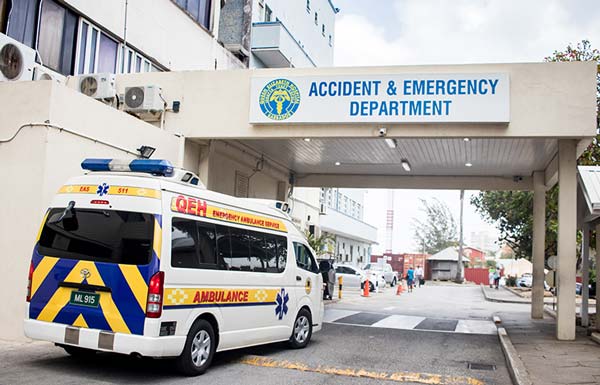
  • Increased patient volumes at Accident & Emergency Department

    Increased patient volumes at Accident & Emergency Department

    The Queen Elizabeth Hospital (QEH) has issued a public advisory concerning a substantial increase in patient volume at its Accident and Emergency Department (AED). Hospital authorities report a concerning rise in trauma cases stemming from interpersonal conflicts and vehicular accidents, compounded by a spike in complications from chronic non-communicable diseases.

    This unprecedented influx has resulted in significantly extended waiting periods for non-urgent cases, while the department’s capacity to admit new patients has been temporarily constrained. The hospital emphasizes that its established triage protocol remains in effect, ensuring immediate attention for life-threatening conditions.

    For individuals experiencing non-urgent medical issues, QEH recommends contacting the Patient Advice and Liaison Service (PALS/Help Desk) at 536-4800 for preliminary guidance. The service is accessible through regular and WhatsApp calls from 8:00 a.m. to 12 midnight.

    To alleviate pressure on emergency services, the public is encouraged to utilize alternative healthcare options including the 24-Hour Clinic at Winston Scott Polyclinic in Jemmotts Lane, St. Michael, or consulting with private physicians where available.

    In response to heightened respiratory illness concerns, QEH strongly recommends mask-wearing in clinical areas to protect patients, staff, and visitors. Hospital management has expressed appreciation for public patience and cooperation during this period of elevated demand for emergency medical services.

  • Disabled voters ‘dismayed’ by barriers at polls

    Disabled voters ‘dismayed’ by barriers at polls

    The Barbados Council for the Disabled (BCD) has declared last week’s general election a missed opportunity for electoral accessibility, revealing that systemic voting barriers for disabled citizens remain fundamentally unaddressed despite repeated government assurances. According to BCD Operations Manager Roseanna Tudor, while no formal complaints were registered, the election perpetuated longstanding structural deficiencies that particularly disadvantage visually impaired voters and individuals with mobility challenges.

    The core issue, Tudor explained, revolves around the violation of ballot secrecy. Visually impaired voters must currently rely on companions to mark their ballots, fundamentally compromising their democratic right to a confidential vote. This arrangement creates a trust dilemma that may deter participation among those who cannot verify their vote was cast as intended.

    Tudor emphasized that accessibility solutions cannot be implemented reactively but must be integrated during initial election planning stages. The council has subsequently presented a comprehensive proposal to the Human Rights Commissioner containing four critical recommendations: establishing a formal post-election accessibility review involving disability stakeholders; creating clear accessibility guidelines with measurable standards for polling stations; implementing early consultation protocols with disability organizations before elections; and developing a national mechanism to systematically collect data on disabled voters’ experiences.

    Notably, the BCD questioned why early voting facilities currently available to essential services workers aren’t extended to disabled citizens, suggesting this would alleviate election day congestion and accessibility challenges. Tudor stressed the importance of centralized national data collection to properly assess participation barriers rather than relying on fragmented private surveys.

    The council expressed appreciation for former minister Kirk Humphrey’s collaborative approach to disability policy development while affirming their commitment to working with new minister Adrian Forde to translate policy advancements into tangible improvements. Additionally, the BCD urged parliamentarians to ensure year-round accessibility of constituency offices, having previously distributed guidance documents on interacting with persons with various disabilities.

  • Man shot dead in daylight attack at Chapman Lane

    Man shot dead in daylight attack at Chapman Lane

    A shocking daylight homicide unfolded near St Mary’s Primary School on Tuesday afternoon, marking a brazen act of violence that has rattled the inner-city community of St Michael, Barbados. According to official reports from the Barbados Police Service, law enforcement units were dispatched to Chapman Lane following emergency calls reporting gunfire at approximately 1:42 p.m.

    Acting Public Affairs and Communications Officer Inspector Ryan Brathwaite disclosed that police operators received initial alerts about the shooting, prompting an immediate multi-unit response. Subsequent communications directed officers to 3rd Avenue, Chapman Lane, where witnesses reported discovering a motionless body.

    Preliminary investigative findings indicate the victim was seated in a local gathering spot known as ‘the canal’ when two assailants approached him from both sides. The perpetrators opened fire with multiple rounds, causing the victim to flee before collapsing fatally on 3rd Avenue. Despite urgent medical response, a attending physician confirmed the victim’s death at the scene.

    Inspector Brathwaite has issued a public appeal for information regarding the shooting, emphasizing that ‘no information is too small’ for investigative purposes. Authorities have directed potential witnesses to contact Crime Stoppers Barbados at 1-800-8477, Police Emergency at 211, or the Criminal Investigations Department directly.

    The incident has provoked profound community distress, particularly given its proximity to school grounds during afternoon hours. A longtime resident who knew the victim described him as non-confrontational and expressed deep sorrow over the tragic nature of his death. ‘Any person that dies that way is very bad, especially for the family and friends,’ she stated, noting the widespread emotional impact on neighborhood residents and children.

  • CARICOM urged to aid Cuba amid deepening crisis

    CARICOM urged to aid Cuba amid deepening crisis

    Cuba’s escalating humanitarian crisis, characterized by severe fuel shortages, prolonged electricity blackouts, and critical shortages of food and medical supplies, has prompted a senior Caribbean diplomat to call for urgent regional action against the longstanding US embargo. Ambassador David Comissiong, Cuba’s envoy to the Caribbean Community (CARICOM), has issued a compelling appeal for collective response ahead of next week’s CARICOM summit in St Kitts and Nevis.

    The current crisis has intensified following recent US measures strengthening enforcement of the 64-year embargo, including an executive order imposing punitive tariffs on nations supplying oil to Cuba. These restrictions have exacerbated existing economic challenges including rampant inflation, limited foreign exchange reserves, and persistent pandemic-related disruptions.

    Social media has circulated disturbing images of extensive queues for basic necessities, shuttered essential services, and darkened neighborhoods across the island. International organizations including the United Nations have expressed grave concern about the mounting hardship, particularly affecting vulnerable populations such as elderly citizens and children.

    In his published letter to Barbados TODAY, Ambassador Comissiong highlighted emotional testimony from a Cuban woman describing the human toll: elderly patients dying prematurely due to blocked medication access, newborn infants endangered by non-functional incubators resulting from fuel shortages, and what she termed ‘terrorism through hunger.’

    The ambassador grounded his appeal in historical context, recalling how four CARICOM founding members—Barbados, Jamaica, Guyana, and Trinidad and Tobago—established diplomatic relations with Cuba in 1972 despite external pressure. This established what he described as a ‘special relationship’ evidenced by Cuba’s longstanding support in medicine, education, sports, arts, agriculture, and disaster response throughout the region.

    Dr. Ronnie Yearwood, international law lecturer at the University of the West Indies, analyzed the situation as part of broader geopolitical patterns, drawing parallels with US policy toward Venezuela. He warned that the combination of hyperinflation, fuel shortages, and electricity deficits indicates an escalating crisis potentially aimed at regime change. Dr. Yearwood criticized what he characterized as insufficient regional response while emphasizing CARICOM’s collective economic leverage as a significant trading partner with the United States.

    The diplomatic appeal calls for concrete contributions of food supplies, medical resources, and renewable energy equipment to alleviate Cuba’s critical situation, framing the response as both a humanitarian imperative and a test of regional sovereignty.

  • ‘Blue insurance’: Community-crafted climate insurance plan unveiled

    ‘Blue insurance’: Community-crafted climate insurance plan unveiled

    A groundbreaking initiative to provide affordable, customized climate disaster insurance for Barbados’s most vulnerable populations has reached a critical development phase. The Barbados Association of Non-Governmental Organisations (BANGO) has unveiled an insurer-backed prototype following years of extensive consultations across the Caribbean region.

    Funded by the German Federal Ministry for Economic Cooperation and Development (BMZ), this regional program has engaged five nations—Antigua and Barbuda, Barbados, Grenada, Jamaica, and Dominica—with Barbados now leading the final development of a ‘fit for purpose’ insurance product ready for local pilot testing.

    Dr. Marcia Brandon, former BANGO Secretary-General and director at the Caribbean Centre of Excellence for Sustainable Livelihoods, emphasized the program’s focus on protecting those in the blue-green economy. ‘People living in vulnerable situations regarding climate disaster—those on coastlines, farmers, fisherfolk, and maritime workers—need instruments that help them recover quickly after disasters,’ she stated.

    The development process has been uniquely participatory, with target communities actively designing insurance concepts through iterative feedback cycles. ‘They have actually created these insurance products which would be fit for purpose to help them if a disaster came,’ Dr. Brandon explained, noting how different groups refined proposals based on their specific needs.

    The current prototype represents a significant milestone—an actual insurance company proposal that is both affordable and accessible. However, Dr. Brandon stressed this remains an evolving process: ‘When I say final product, I’m sure there will be further iterations because we want to meet people’s needs, not just make money for insurance companies.’

    Dr. Christopher Walton, current BANGO secretary-general, highlighted the importance of customizing coverage for Barbados-specific risks. ‘Insurance is needed by everyone, but this isn’t one-size-fits-all,’ he noted, explaining how risks vary dramatically even within small geographic areas—from flooding in St. James to wind damage in St. Joseph.

    The initiative faces significant cultural challenges, particularly overcoming complacency about climate threats. ‘It was years before Barbados saw a hurricane, so people got complacent,’ Dr. Walton observed. ‘Now that it’s really starting to pick up, we’re changing that mindset.’

    Accessibility remains another critical concern. Noting that Barbados ‘is paper-heavy,’ Dr. Walton emphasized the need for digital processes to accommodate busy workers like fisherfolk for whom ‘any time off their boat is less money they make.’

    The proposed solution features an innovative hybrid parametric insurance model explained by Olivia Chase, Senior Development Specialist at the Caribbean Policy Development Centre. This model would trigger payouts based on measurable parameters like wind speed or excess rainfall, verified by official bodies like the Barbados Met Services. Consultants have recommended a three-layer approach: parametric triggers for rapid payouts, an indemnity layer for operational expenses, and a savings component potentially managed through credit unions.

    The final consultation at the Oceana Innovation Hub underscored the connection between climate education and community resilience. Director Ché Greenidge noted the facility’s focus on climate education and ocean literacy, while emphasizing the importance of involving community organizations and fisherfolk in insurance discussions.

    This micro-level approach contrasts with macro tools like the Caribbean Catastrophe Risk Insurance Facility by focusing specifically on individual and community needs. The initiative aims to build resilience beyond physical infrastructure, providing liquidity to avoid debt or asset sales post-disaster while promoting awareness and equitable access.

    With the final engagement session complete, gathered feedback will now inform revisions before the pilot insurance product is officially launched, marking a significant step toward climate resilience for Barbados’s most vulnerable workers.
  • Churches pivot to win back youth as attendance lags post-Covid

    Churches pivot to win back youth as attendance lags post-Covid

    Religious institutions across Barbados are implementing innovative strategies to address a concerning trend of dwindling congregation attendance, particularly among younger demographics, as the Christian community observes the commencement of Lent. This decline, which church leaders characterize as a persistent ‘new normal’ following the pandemic, extends beyond mere statistical reductions to reflect deeper shifts in engagement patterns and spiritual practices.

    Reverend Dr. Cicely Athill-Horseford, Head of the Barbados Christian Council, confirmed that congregational numbers have failed to return to pre-pandemic levels. She observed that streaming services have inadvertently created a permanent alternative to physical attendance, affecting not only youth but older parishioners as well. ‘People choose to come when they want,’ noted Rev. Athill-Horseford, highlighting a broader apathy toward institutional church participation that has manifested even during significant liturgical periods like Ash Wednesday services.

    In response to these challenges, religious leaders are deploying targeted approaches. Rev. Athill-Horseford has implemented a personalized outreach program where church officers individually reconnect with absent members—a strategy already showing promising results, especially with younger congregants. Meanwhile, at Calvary Moravian Church, Pastor Adrian Smith reported maintaining consistent engagement through intergenerational programming that combines traditional ministries with culturally relevant activities like steelpan groups and youth fellowship initiatives.

    Reverend Lucille Baird of Mount Zion’s Missions Barbados Foursquare Church revealed proactive measures to address the engagement gap, including sending senior leaders overseas for specialized training in next-generation ministry approaches. ‘We have to adjust our programs to accommodate the next change because they are very much different in how they do business and what their expectations are,’ explained Rev. Baird, while emphasizing that such adaptations would not compromise core theological standards.

    As the Lenten season progresses, church leaders unanimously agree that revitalizing youth participation requires strategic innovation in engagement methodologies rather than doctrinal modifications. This collective recognition underscores a significant transformation in how religious institutions conceptualize community building and spiritual development in a post-pandemic reality characterized by digital alternatives and changing attendance patterns.

  • Pig farmers to launch ‘Sousie’ following ‘strong’ Christmas output

    Pig farmers to launch ‘Sousie’ following ‘strong’ Christmas output

    Barbados’ pig farming sector is capitalizing on strong Christmas season performance to launch a new locally-developed brand called Sousie, despite persistent concerns about meeting national demand and competing with imported pork products. Henderson Williams, President of both the Barbados Agricultural Society (BAS) and the Barbados Pig Farmers’ Association, confirmed the development while reporting sustained industry performance throughout 2024.

    The strategic move toward branded, value-added products represents a significant shift in the industry’s approach to market challenges. While production statistics for 2025 remain unavailable, Williams noted that farmers have maintained positive momentum built over previous years. The sector has witnessed remarkable growth, with producer membership more than doubling in 2024 as farmers intensified efforts to counter imported pork and expand domestic market share.

    Industry expansion has been fueled by multiple factors including government loans facilitated through BAS, innovative product development, and an influx of younger farmers entering the sector. Official data reveals substantial production increases, with pig slaughter numbers rising from 30,975 in 2023 to an additional 1,257 animals in 2024.

    The Sousie brand initiative marks a critical evolution in the industry’s strategy, moving beyond primary production into processed goods including burgers and pork sausages. This value-added approach complements what Williams describes as ‘solid production levels’ while addressing the fundamental challenge of stimulating consumer demand for local products.

    Collaboration with Barbados’ hospitality industry has formed another key component of the sector’s growth strategy, alongside the introduction of refreshed branding for both fresh and processed pork products. Despite ongoing competition from cheaper imports, industry indicators suggest rising output and renewed market interest in Barbadian pork products.

  • Analyst: Holder likely to return as Speaker

    Analyst: Holder likely to return as Speaker

    Barbados is set to witness a significant parliamentary development this Friday with the anticipated return of Arthur Holder as Speaker of the House of Assembly. This appointment marks a historic first, as he will be the initial individual to assume the role from outside the lower chamber, a move made possible by a recent constitutional amendment.

    Renowned political analyst Peter Wickham expressed strong confidence in the selection, stating the choice appears ‘pretty clear.’ Wickham emphasized Holder’s unique qualifications, noting, ‘I can’t think of anybody who is more qualified than him.’ He further clarified that Holder’s previous service as an elected Member of Parliament does not preclude an independent return, citing ample precedent for such a transition.

    Holder, a seasoned lawyer elevated to Senior Counsel in 2023, originally served as the MP for St Michael Central from June 2018 until his departure from elective politics in January. He made history as the first Speaker in the 387-year-old Parliament to sport lengthy dreadlocks, becoming known for his candid yet relaxed presiding style. Prior to his political career, Holder built a substantial background in social services. A graduate in social work, he held managerial and program officer positions at the Child Care Board and the National Council on Substance Abuse.

    His tenure as Speaker has been internationally recognized. Holder has been an active participant in global parliamentary affairs, presenting research at prestigious forums such as ParlAmericas and the Parliamentarians for Global Action Forum. He has also chaired specialized workshops focusing on critical issues like parliamentary cybersecurity, demonstrating a forward-thinking approach to governance.

  • Police probe unnatural death

    Police probe unnatural death

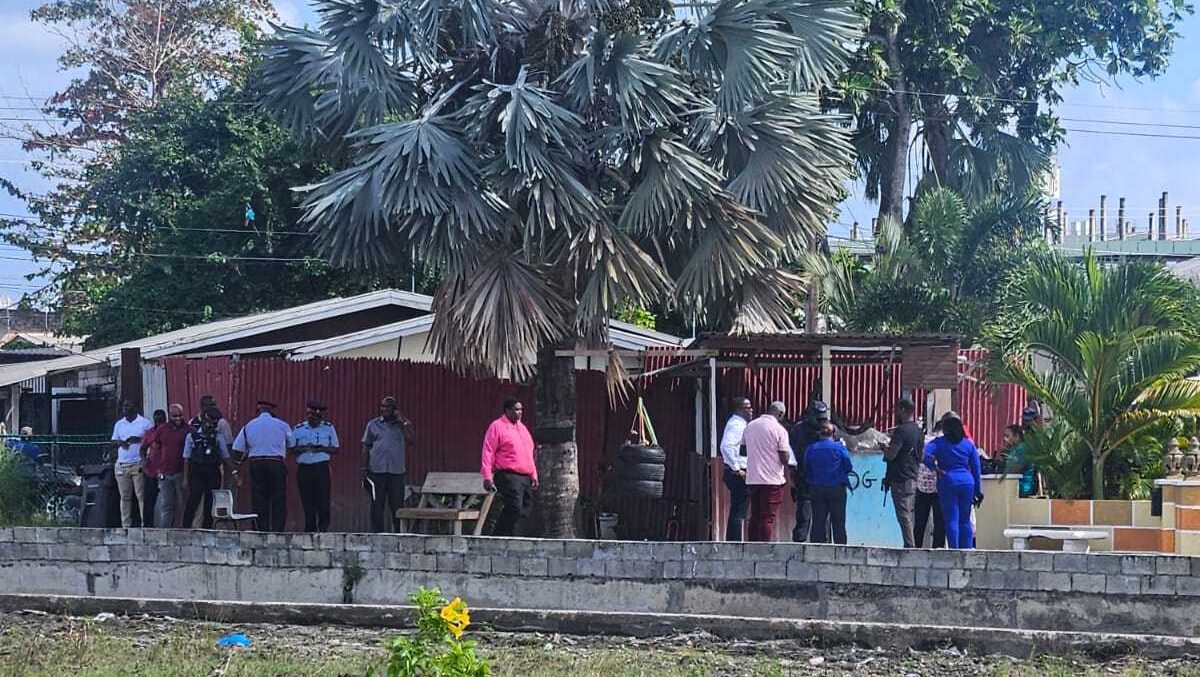
    Law enforcement authorities have mobilized at Chapman Lane in the parish of St Michael following what appears to be a deadly shooting incident. Police units have established a secured perimeter around the crime scene as investigators work to determine the circumstances surrounding the tragic event. While official details remain limited during the preliminary investigation phase, the presence of multiple police vehicles and forensic personnel indicates the seriousness of the situation. Community members have been advised to avoid the immediate area to facilitate uninterrupted investigative operations. The Barbados Police Service is expected to release an official statement once initial evidence collection and witness interviews are completed. Such incidents remain relatively uncommon in the generally peaceful community, raising concerns among local residents about public safety. The investigation continues as authorities pursue all available leads in the case.

  • Twenty-year-old facing possession, manufacturing firearm charges

    Twenty-year-old facing possession, manufacturing firearm charges

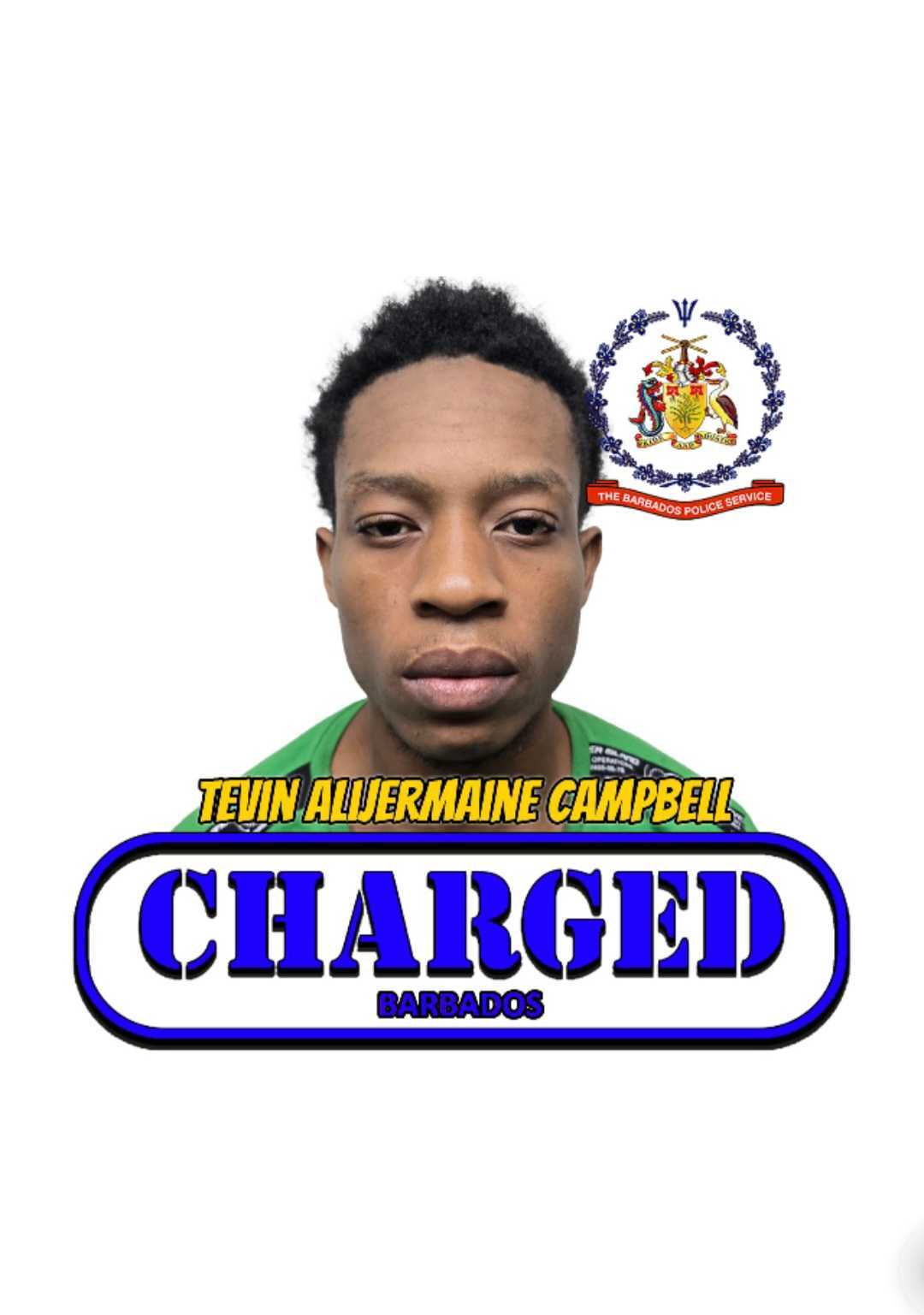
    Barbadian law enforcement authorities have formally charged Tevin Alijermaine Campbell, a 20-year-old resident of The Belle Main Road in St. Michael, with multiple serious firearm-related offenses. The charges stem from alleged criminal activities occurring on February 8 at Belle Gully Main Road, where Campbell stands accused of unlawfully manufacturing seven firearms according to police reports.

    In addition to the manufacturing charges, Campbell faces seven separate counts of unlawful firearm possession alongside ammunition-related offenses. Court documents indicate he was found in possession of ten rounds of ammunition without proper authorization on the same date, further compounding the legal allegations against him.

    In a separate but concurrent development, the young defendant has been charged with committing fear of violence on February 7, one day prior to the firearm-related incidents. This additional charge suggests a pattern of alleged threatening behavior that authorities have deemed serious enough to pursue through the judicial system.

    The case is scheduled for preliminary hearing at the Oistins Magistrates’ Court on Tuesday, where prosecutors will present evidence supporting the multiple charges. Legal experts note that firearm manufacturing charges represent particularly serious offenses in Barbados, where gun control measures have been strengthened in recent years to combat rising violence.

    This case emerges against the backdrop of ongoing regional efforts to address illegal weapon trafficking in the Caribbean, where homemade firearms have become an increasing concern for law enforcement agencies. The severity and quantity of charges suggest prosecutors consider this a significant enforcement action against alleged weapons proliferation activities.