标签: Barbados

巴巴多斯

  • Barbados to make licence applications digital

    Barbados to make licence applications digital

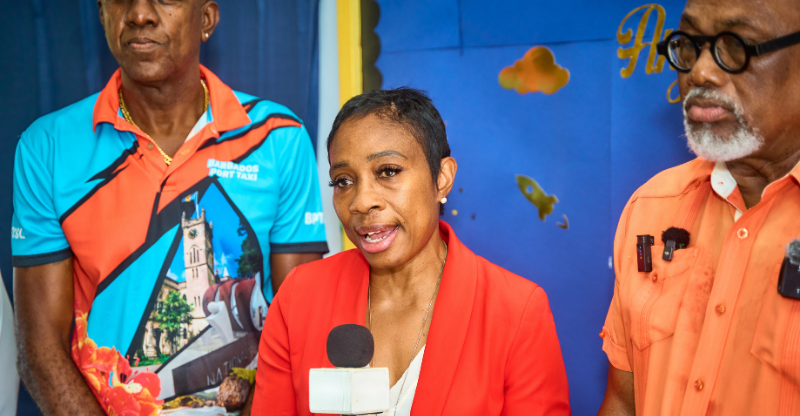
    Barbados’ Deputy Prime Minister Santia Bradshaw has announced an ambitious government-wide initiative to modernize public services through digital transformation, with license applications and secure payments set to move entirely online in the coming months. The announcement was made during the 50th Anniversary Thanksgiving Service for the National Security Division, held Sunday at the People’s Cathedral.

    Bradshaw outlined that the digital push extends far beyond just online licensing, framing it as a comprehensive overhaul of public sector operations. The administration is currently upgrading core technological systems, integrating cutting-edge digital tools, and revising outdated pieces of legislation to ensure all regulatory frameworks align with modern operational needs. The ultimate goals of this transition are to boost service efficiency, strengthen government transparency, and make critical public services more accessible to all citizens and industry stakeholders.

    Beyond licensing and payment processing, the broader modernization agenda includes full digitization of public records, expansion of existing e-government platforms, and the rollout of integrated cross-agency data systems designed to improve coordination between separate ministries and government departments. Bradshaw confirmed that preparatory work, including investments in national information and communications technology infrastructure and specialized training for public sector staff, is already underway to support a smooth transition to the new digital systems.

    The modernization drive also reaches into national security operations, where long-used manual processes are being replaced by technology-driven solutions to strengthen accountability and speed up service delivery. Speaking to the gathered congregation about the National Security Division’s five decades of work, Bradshaw celebrated the agency’s 50-year legacy of upholding safety and stability across all government institutions. She noted that the division, founded on April 1, 1976, now employs more than 200 dedicated personnel, and praised both retired and current members for their unwavering commitment to national service.

    While emphasizing the transformative power of new technology to improve public and security operations, Bradshaw stressed that human expertise and judgment remain irreplaceable for effective governance and national safety. “A nation is not made safe by systems alone; it is made safe by its people choosing every single day to be their brother’s keeper,” she said.

    Closing her remarks, Bradshaw called on all Barbadians, especially young people, to uphold the core values of peace, collective responsibility, and community engagement. She reminded attendees that a nation’s strength stems not only from robust, modern systems, but also from the small, consistent choices its people make every day to support one another.

  • Trinidad’s PM escalates feud with Caribbean neighbours

    Trinidad’s PM escalates feud with Caribbean neighbours

    Diplomatic rifts within the 15-member Caribbean Community (CARICOM) have exploded into open conflict, as a long-simmering disagreement between Trinidad and Tobago and its regional neighbors over United States policy toward Venezuela and international drug trafficking erupted into a full verbal confrontation on Friday. At the center of the new clash is Trinidad Prime Minister Kamla Persad-Bissessar’s demand that CARICOM Secretary-General Carla Barnett leave her post when her five-year term expires this coming August.

    Regional friction first flared late last year, when a majority of CARICOM member states openly condemned growing United States military activity in the South Caribbean. Tensions rose further as Washington deployed an atypically large American military contingent near Venezuela’s borders, as part of a 2025 operation aimed at capturing then-Venezuelan President Nicolás Maduro.

    For years, CARICOM member states have collectively endorsed the vision of the Caribbean as an official “zone of peace,” a principle designed to keep major power rivalries out of the regional bloc. But since winning Trinidad’s general election one year ago, Persad-Bissessar has rejected that framing as nothing more than “zone of peace fakery.” She has openly aligned her administration with U.S. military actions in the region and thrown her full support behind the Trump administration’s broader campaign targeting transnational drug trafficking and organized crime.

    The prime minister has waged a months-long public campaign to oust Barnett ahead of any potential reappointment vote, leaning on Trinidad’s outsized financial contribution to the bloc to back her demands. Trinidad covers roughly 22 percent of CARICOM’s total annual operating budget, a sum equal to around $20 million, a point Persad-Bissessar has repeatedly highlighted to regional leaders to press for Barnett’s removal.

    Persad-Bissessar has made no secret of her deep frustration with the bloc’s current direction, stating publicly that she cannot understand why most regional leaders have aligned with Venezuela and Maduro instead of backing the U.S. position. In a statement released in late 2025, as the U.S. finalized preparations for its anti-Maduro military operation and regional governments raised alarms about the legality of fatal U.S. boat strikes in Caribbean waters, she doubled down: “Caricom has chosen to support the Maduro narco-government through the fake zone of peace narrative.”

    Persad-Bissessar’s relentless pressure ultimately forced CARICOM leadership to convene an emergency closed-door meeting on Friday to address the question of Barnett’s reappointment, marking one of the deepest crises the regional trade bloc has faced in recent years.

  • Govt turns to faith groups with $5m youth action fund

    Govt turns to faith groups with $5m youth action fund

    Against a backdrop of rising youth disengagement and growing public concern over antisocial behavior among young people, the government of Barbados has launched a transformative annual BBD 5 million fund to empower faith-based organizations to lead targeted interventions addressing youth deviance, while supporting skills building, employment inclusion, and the reinforcement of positive community values.

    Third Sector Minister Colin Jordan made the formal announcement during the annual Faith-based Symposium hosted Friday at the Lloyd Erskine Sandiford Centre, which convened religious leaders and community organizers under the central theme “Building Our Young People, Our Future, Our Legacy”. In his keynote address, Jordan emphasized that funding is not the end goal of the initiative, but merely a strategic tool to deliver meaningful, long-term change.

    “Funding is not the goal. Funding is merely an instrument. Impact is the goal: changing lives, changing perspectives, changing outlooks. That is the goal of the fund that government has set up. Transformation is the goal,” Jordan told attendees. He explained that the dedicated annual fund was established specifically to address the persistent resource gaps many faith-based organizations have faced in the wake of the COVID-19 pandemic, which stretched community organizational budgets and limited their ability to expand youth programming.

    The funding is open to both expanding existing successful programs and launching new, innovative interventions aligned with the initiative’s core objectives. For established projects, the support will strengthen programming that keeps young people engaged in constructive activities, equips them with market-relevant practical skills, and opens clear pathways to formal employment and small business entrepreneurship. For emerging ideas, the fund is designed to back new guidance and development projects that faith leaders believe can deliver meaningful impact for local youth populations.

    As the initiative moves toward final implementation, government has shared a draft framework with symposium attendees and is actively soliciting feedback to refine the proposal before it receives final Cabinet approval. Jordan noted that the draft has already been submitted for Cabinet review, but policymakers intentionally paused formal approval to center input from the faith organizations that will lead the work on the ground. “We use this opportunity in the ministry to hear perspectives and to see if there are any tweaks, any adjustments that we have to make, or if you feel it is so badly put together that we have to toss it out and start fresh,” Jordan said, underscoring the government’s commitment to collaborative, community-led design.

    Jordan stressed that the initiative’s success will be measured by tangible, quantifiable outcomes rather than good intentions alone. Key performance indicators will include increased youth participation in structured positive programming, expanded access to certified skills training and employment pathways, measurable reductions in youth involvement in crime and antisocial behavior, stronger family and community connections, and the broader embedding of positive moral and social values among young program participants. The overarching vision, he explained, is to nurture a generation of young Barbadians that are both employable and socially responsible, ambitious but rooted in community, skilled and guided by strong ethical principles.

    Accountability for public fund expenditure is also a core requirement of the initiative. “Good intentions must be translated into well-designed programmes where vision is supported by planning and passion, met with measurable targets. We must be able to look back and see whether or not our expenditure has been met with the results we expected,” Jordan said.

    Beyond direct project funding, the symposium also focused on building long-term organizational capacity for faith-based groups, ensuring they have the spiritual, administrative, and strategic resources needed to deliver sustainable impact. To help organizations develop competitive, high-quality funding proposals, the government has partnered with Karen Phillips, founder of Kainos Caribbean, to deliver targeted training in grant writing and proposal development. Jordan noted that many community groups have strong, impactful ideas but lack the technical skills to present those ideas clearly to funders, and the training is designed to remove that barrier.

    Outlining the broader social and economic benefits of the initiative, Jordan framed the investment in youth development as a catalyst for whole-community transformation. “When young people are trained, certified and supported, they transition more effectively into the labour market, they become contributors rather than dependents, and they become innovators rather than bystanders,” he said. “When communities rally around their young people, something powerful happens. Hope replaces despair, purpose replaces idleness, and peace replaces disorder.”

  • Saint Lucia PM urges UWI to remain ‘cutting-edge’ at Cave Hill Law Gala

    Saint Lucia PM urges UWI to remain ‘cutting-edge’ at Cave Hill Law Gala

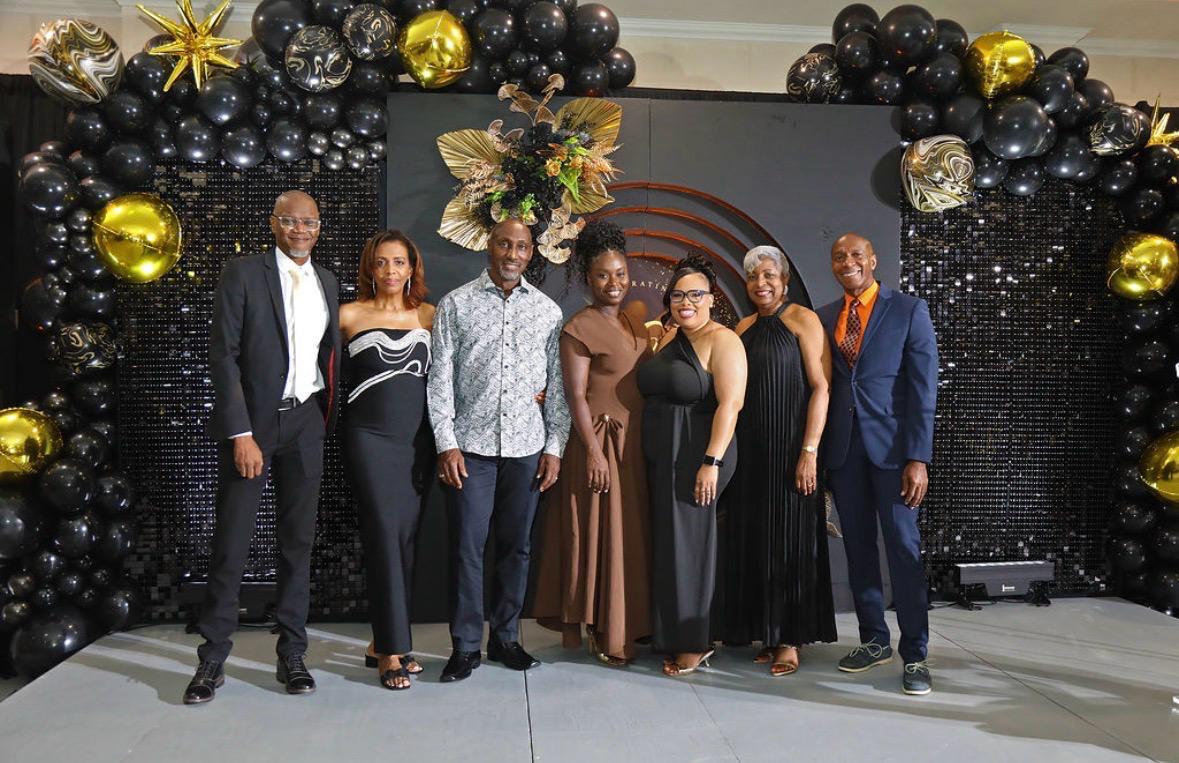
    The weeks-long build-up to the annual University of the West Indies Cave Hill Law Week reached its glamorous conclusion Thursday evening, as the legal community gathered at Barbados’ Savannah Beach Hotel for the coveted Law Society Legal Regal Gala. Framed around the creative theme of “Masquerade Night”, the event brought a refined, celebratory atmosphere to one of the law faculty’s most anticipated annual traditions.

    Organized jointly by the student-run Law Society executive committee and the UWI Cave Hill Faculty of Law, the Legal Regal Gala has grown into a signature gathering that bridges classroom learning and professional connection, bringing students, faculty and established legal professionals together for an evening of dinner, networking and recognition. This year’s gathering drew a roster of distinguished guests, led by guest of honor Philip J. Pierre, Prime Minister of Saint Lucia. In attendance alongside Pierre were Dr. Antonius R. Hippolyte, Dean of the Faculty of Law; Dr. Ronnie Yearwood, Deputy Dean of Academic and Student Affairs; and faculty members Carla Ali and Jaydene Thomas.

    In opening remarks, outgoing Law Society President Darrion Poyotte-Lionel reflected on the event’s core purpose, noting that it gives aspiring legal professionals space to celebrate their progress through the notoriously rigorous curriculum of legal education. “Legal Regal has always stood as a hallmark event within the faculty—one that brings together students, faculty, and members of the wider legal community in a space that is both professional and celebratory,” Poyotte-Lionel told attendees. “It is a reminder that while the study of law is rigorous, it is also deeply human—built on relationships, shared experiences, and a collective pursuit of growth.”

    As a UWI alumnus himself, Pierre brought a personal perspective to his keynote address, opening by highlighting the institution’s long legacy of shaping influential leaders who have gone on to make transformative impacts across global academia and professional industries. Beyond celebrating that legacy, the Prime Minister—who also holds cabinet portfolios for finance, constituency development, people empowerment, justice and national security—laid out a series of urgent priorities UWI must address to retain its position as the Caribbean’s leading academic institution.

    Pierre emphasized that academic programs and administrative processes must evolve continuously to meet modern demands, identifying intentional technology integration as a critical investment to keep UWI the top higher education choice for students across the region. He also called for the development of a sustainable, ideally self-financing operating model with full buy-in from regional governments, warning that a lack of coordinated support risks increasing fragmentation of the cross-national institution.

    A core point of Pierre’s address centered on expanding access for economically marginalized students, outlining a new initiative his own government has launched to open higher education to more Saint Lucians. His administration’s “one university per household” project, partially funded by the state, offers full-tuition first-generation scholarships to students with no prior family history of university attendance. “These policies seek to create some level of equity and the basis for wealth creation, and an end to intergenerational poverty,” Pierre explained.

    The Prime Minister went on to touch on other pressing regional and global challenges, including climate change, economic diversification, technological innovation, and public security, framing each as a priority for emerging leaders graduating from UWI. He urged the student audience to develop context-specific solutions for the challenges within their reach, stressing that the university plays an irreplaceable role in navigating an increasingly shifting global geopolitical landscape.

    “The UWI must never lose its place as a leader in the world of intellectual, social and economical activism. A place where critical thinking prevails, but it must also be able to provide solutions for problems of decision makers,” Pierre added.

    Following the keynote, the evening continued with structured networking opportunities for students to connect with faculty and legal practitioners, alongside special awards recognizing outstanding academic achievement from first, second and third-year law students. Attendees were also treated to live entertainment performed by fellow Faculty of Law students, before the event closed with the official public announcement of the 2026–2027 Law Society Executive leadership team.

  • Folks cry foul over hazardous dumping of dead animals, waste

    Folks cry foul over hazardous dumping of dead animals, waste

    In the quiet rural community of Bayleys Plantation Road in St Philip, Barbados, a decades-long public health crisis has finally been brought to light by frustrated local residents, who say repeated illegal dumping of waste — including decaying animal carcasses and discarded household appliances — has upended their daily lives and damaged local livelihoods.

    Local farmer Alvin Wilson, one of the most vocal critics of the ongoing problem, recently spoke out against those responsible for the reckless dumping, describing the toll the unregulated waste has taken on the area’s residents and farms. When a reporter from Barbados TODAY visited the community this Friday, Wilson led a tour of multiple dumping sites along the main highway, where discarded old refrigerators, stoves and other large appliances sit abandoned alongside piles of general household rubbish.

    The most alarming find, however, lies on the only access road leading to Wilson’s home, his farm, and the properties of his neighbors: a large flour bag stuffed full of dead chickens, swarming with flies and emitting a putrid stench that hangs in the air along the entire stretch of road. Wilson explained that this type of dumping is far from an isolated incident. For years, the area has been a regular dumping ground for unwanted waste, ranging from dead farm animals to broken home appliances.

    “Mostly it’s dead animals we find here — chickens, sometimes pigs, sometimes sheep,” he said. “And it’s not just animals. You also get old fridges, old stoves, all kinds of rubbish. This has been going on for years now.” The stench from decomposing animal carcasses is so strong that it has immediate health impacts for anyone passing by. Wilson told reporters he already had a splitting headache on the day of the visit, brought on by direct exposure to the foul odor coming from the latest dump site.

    This most recent batch of dead chickens was dumped earlier this week, Wilson said — and brazenly, in the middle of the day, not under cover of darkness that dumpers usually rely on. “I’d say it was Tuesday afternoon this was dumped here, not even at night. It was broad daylight when they left that batch of dead chickens right here,” he explained, gesturing to the fly-blown bag behind him.

    What makes the situation particularly untenable for local residents is that this dumping is happening on the only road connecting their homes and farms to the rest of the island. Every single person who lives or works in the area has to pass the dumping sites multiple times a day, no exceptions. “You have to pass there to get home, and you have to pass there to get to the farmlands — this entire area is surrounded by agricultural land,” Wilson said.

    The stretch of road from Mapps to Golden Grove has become the preferred dumping ground for perpetrators, he explained, because it is poorly lit at night, making it easy for truck drivers and even local homeowners to drop off unwanted waste unseen. But what worries Wilson most is that dumpers have become so emboldened by the lack of enforcement that they are now willing to dump in broad daylight, a sign the problem is growing worse rather than improving. “Something needs to be done about these culprits,” he emphasized.

    Longtime resident Wilbert Gollop, who has lived in the area for 16 years, confirmed that the illegal dumping has been a persistent problem throughout his time in the community. He recalled one Sunday after returning home from worship at the Kingdom Hall, he found a large, dead ram sheep bloated and stinking right on the roadside just a short distance from where he stood speaking to reporters.

    Gollop also had his own run-in with the bag of dead chickens, discovering it shortly after dumpers left it on the road. He said that in addition to dumping dead animals, some irresponsible actors have even released live chickens onto the roadside, where the animals are left to starve to death before becoming part of the waste problem. “I’ve never seen anything like it. They release dozens of live chickens here, and with no one to feed them, they all die along the road,” Gollop said. “It’s pigs, it’s dogs, mainly chickens — they just come dump whenever they feel like it, no regard for anyone who lives here. It’s ridiculous. You wouldn’t want this dumped outside your door, so why do it to us?”

    Unlike waste handled by official authorities, residents are forced to clean up the mess dumpers leave behind, Gollop explained. When the dead ram was dumped near his home, it was so close that flies from the carcass began moving into his house, leaving him no choice but to handle the disposal himself. “I had to drag it out to the pasture, get wood and tires, and burn it myself. That should never have been my job,” he said. “If you’re raising chickens and making money from it, why should local residents be stuck with the cost and work of disposing your waste? Why do you get to dump it next to people’s homes and on our road?”

    For Wilson, the problem is not just a public health nuisance — it is an active threat to his livelihood. His farm, which grows pumpkins, butternut squash, watermelon, okra and cucumbers, relies on customers being able to access his property to buy produce. Now, many customers refuse to travel through the foul-smelling, partially blocked road, and Wilson is losing critical revenue as a result.

    “This year, customers aren’t coming back through here because it stinks, and the road is blocked,” he said. “I’m losing revenue right now. I’ve had to start delivering all my produce to customers myself, which takes time I don’t have — and I don’t get compensated for that extra time and cost. What’s worse, some customers tell me they just won’t come at all anymore, so I end up stuck with produce I can’t sell. Sometimes sales get delayed for days just because we can’t get products out easily.”

    Wilson said he has already reached out to the Sanitation Service Authority and the Ministry of Health to report the ongoing problem, and during Barbados TODAY’s visit to the area, reporters observed health inspectors conducting an on-site assessment of the dumping sites.

    In closing, Wilson issued a direct plea to those responsible for the dumping to change their behavior immediately. “Stop the dumping,” he urged. “If you have dead animals to dispose of, call the relevant authorities and let them handle the waste properly. At the end of the day, this is affecting real people’s lives. Don’t put us through something you would never want to deal with yourself.”

  • Global partners rally behind RSS to confront threats

    Global partners rally behind RSS to confront threats

    Against a backdrop of growing transnational security challenges across the Caribbean, international partners have announced new commitments of funding, resources and strategic backing to the Barbados-headquartered Regional Security System (RSS), multiple official sources confirmed to Barbados TODAY following the bloc’s recent Council of Ministers’ Meeting in Saint Lucia.

    The gathering, which Attorney General Wilfred Abrahams characterized as highly productive, brought together regional leaders and global stakeholders to align on priorities for countering the rising tide of cross-border criminal activity. Attendees hammered out a series of binding agreements and strategic initiatives designed to shore up the region’s collective security capacity.

    At the top of the meeting’s agenda was a mandate for coordinated, collective action across all RSS member states, centered on enhanced cross-border collaboration, aligned operational strategies, and real-time intelligence sharing to disrupt transnational criminal networks. A second key priority formalized standards for the third-country Refugee/Deportee Relocation Protocol, which operates under bilateral agreements between the United States and individual Caribbean member states. The framework requires full, unredacted information exchange between all parties, and the U.S. Chargé d’Affaires presented a complete briefing on outstanding questions and protocol details to the ministerial council, according to the official meeting outcome document obtained by Barbados TODAY.

    Ministers also approved a comprehensive review of national legislative frameworks across all member states, with the goal of updating and standardizing anti-gang legislation and strengthening legal tools to counter transnational organized crime. Separately, the CARICOM Implementation Agency for Crime and Security (IMPACS) updated attendees on a new centralized gang database being developed by the Civil Gang Injunctions Unit (CGIU), and issued a formal call for member states to contribute local data to complete the initiative.

    During open discussion, representatives from St. Vincent and the Grenadines raised awareness of significant unintended negative consequences stemming from kinetic strikes on commercial and civilian vessels operating in the region’s shared maritime domain, prompting further deliberation on alternative counter-maritime crime strategies.

    In his executive report to the council, the RSS Executive Director confirmed that the ratification process for the Treaty of San José has been fully completed at RSS headquarters. He also outlined ongoing infrastructure upgrades: modernization work for Maritime Operations Centres across all member states will move forward as planned, funded through a development project administered by Global Affairs Canada. Additionally, a new policy provision has been approved to reallocate funds seized from criminal operations to directly support frontline crime-fighting initiatives across the region.

    The meeting also advanced the RSS’s 2026 strategic action plan, which lays out a clear roadmap for expanding security cooperation. Key priorities outlined in the plan include: strengthening regional data collection and intelligence sharing frameworks; formalizing a strategic partnership with the Caribbean Electric Utility Services Corporation (CARILEC) via a memorandum of understanding set for signing in May 2025; establishing formal partnership agreements with Belize and the British Virgin Islands to boost regional capacity for financial crime investigations and illicit asset recovery; deepening collaboration with European Union member states on cross-border criminal investigations through alignment with the European Judicial Network. The RSS also announced plans to submit an application for observer status on the Budapest Cybercrime Convention Committee, as the region works to address rising digital criminal threats.

    In a final decision addressing shifting regional drug policy trends — as more Caribbean jurisdictions move to legalize cannabis for medical or recreational use — the Council of Ministers enacted a strict zero-tolerance policy for illicit drug use among all active law enforcement officers across member states. A formal policy paper outlining implementation guidelines will be reviewed and approved by senior police and military leadership in the coming months.

  • Bajan men struggle at Table Tennis Championships

    Bajan men struggle at Table Tennis Championships

    The 2024 ITTF-Americas Central American & Caribbean Championships kicked off in the Dominican Republic’s capital of Santo Domingo on Thursday, bringing together top table tennis talent from across the region to compete for continental honors. Through the first two days of men’s team play, one team has yet to claim a victory: Barbados.

    In their opening round-robin matchup on tournament day one, the Barbadian side suffered a lopsided 3-0 sweep at the hands of Puerto Rico. The Puerto Rican squad dominated every set across all three singles matches, with Steven Moreno delivering a straight-sets win over Barbados’ Tyrese Knight (11-6, 11-6, 11-6), Angel Naranjo claiming an equally decisive victory against Mark Dowell (11-3, 11-5, 11-3), and Enrique Rios closing out the sweep with a straight-sets win over Tre Riley (11-7, 11-10, 11-5).

    Looking to bounce back in their second group match on Friday, Barbados showed significant improvement on the court, but still fell just short of their first win, dropping another 3-0 decision to Costa Rica. While the final score mirrored their opening day result, the matchups were far more competitive. Costa Rica’s Sebastien Alviles was pushed to a full five-set thriller before he secured a win over Dowell (9-11, 11-6, 7-11, 11-3, 11-6). Jeison Martinez had to come from behind after dropping the opening set to defeat Knight (5-11, 11-9, 11-9, 14-12), and Alejandro Montoya also dropped a set before locking in a four-set win over Riley (13-11, 6-11, 11-9, 11-9) to seal the sweep for Costa Rica.

    Barbados was not the only Caribbean side struggling in the early stages of the tournament, with other English-speaking Caribbean teams also facing tough results against higher-ranked regional competitors. Cuba claimed a narrow 3-2 win over St. Lucia in their first matchup before following that up with a 3-0 sweep of the same side in a second contest. Mexico shut out Guyana 3-0, Guatemala earned a 3-0 win against St. Vincent and the Grenadines, and the host Dominican Republic delivered a 3-0 sweep of Jamaica. Puerto Rico notched another 3-0 victory against Trinidad and Tobago to round out early results.

    Among the struggling Caribbean nations, Jamaica was able to rebound in a later match on Friday, picking up its first win of the tournament with a 3-1 victory over St. Lucia to keep its hopes of advancing out of the group stage alive.

  • Empire eyeing BFA Premier League return this season

    Empire eyeing BFA Premier League return this season

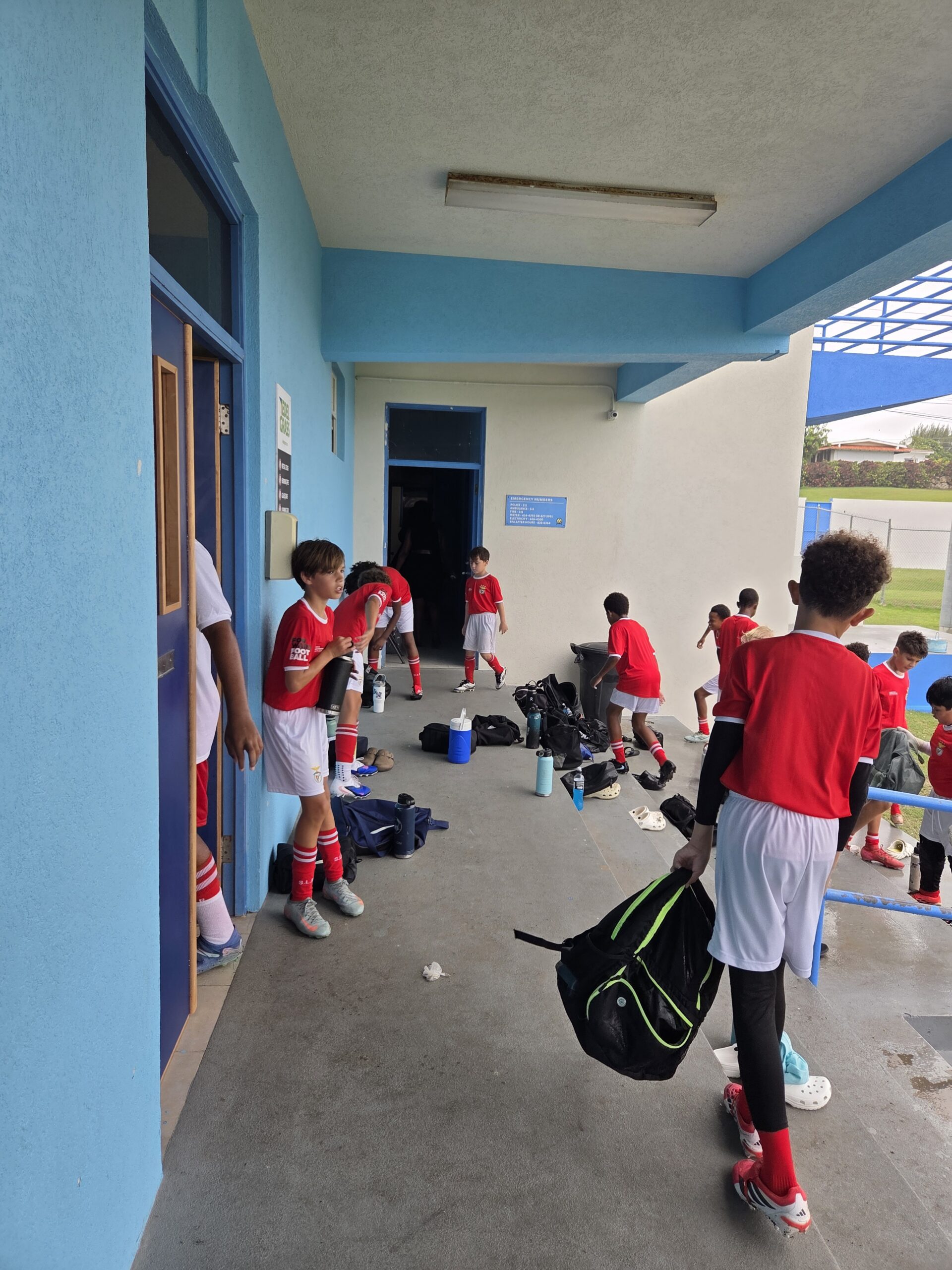
    For Empire Football Club, the 2024 Barbados Football Association Division One campaign is far more than just a series of matches — it is a deliberate push to return to the top flight of Barbadian football. After a blistering opening run of results, the Bank Hall-based side has climbed to the summit of the division’s points table, putting down an early marker as one of the competition’s title favorites. Their most recent outing on Wednesday served as a perfect demonstration of their current form, as Empire delivered a dominant 5-0 thrashing of Barbados Soccer Academy to extend their lead at the top.

    In an interview with local outlet Barbados TODAY following the lopsided win, Empire manager Captain Al Walcott broke down the factors behind the club’s flying start to the season, crediting consistent preparation and intentional off-season recruitment for the team’s early success. “The real secret to our results right now is the consistency our players bring to every training session,” Walcott explained. “We’ve worked hard to build a structured, systematic style of play that we can adapt no matter what conditions or opposition we face on match day.”

    The club’s off-season moves were specifically targeted at fixing a key problem that derailed their promotion push 12 months prior: a lack of cutting edge in front of goal. After finishing the previous campaign with too few goals to challenge for the top two promotion spots, the front office moved aggressively to add attacking talent to the roster, and those changes are already showing results. “We knew our finishing was holding us back last season, so we went out and added new attacking options to fix that gap, and so far that investment has paid off,” Walcott said.

    The new crop of talent brings a diverse range of experience and skill to Empire’s side. Among the standout signings is Saint Vincent native Romario Denny, who has already added a new dimension to the club’s attack. Another notable addition is Arantes Lawrence, who previously featured in the Welsh Premier League and now splits his time between playing for Empire Masters and mentoring the club’s younger rising stars. Completing the new attacking group are Brazil-born Brino da Silva — a left back who regularly pushes forward to join attacks — and attacker Kevron Durrant, both of whom have contributed to the team’s improved goalscoring form.

    The depth of the current roster has created a welcome challenge for the club’s coaching staff: selecting a starting 11 and matchday substitutes for each fixture. Walcott noted that as many as 23 players attend mandatory pre-match training sessions, with multiple players competing for every starting spot. While narrowing down the matchday squad is no easy task, Walcott emphasized that having this abundance of talent is a positive problem for any ambitious club to face.

    Promotion back to the Barbados Premier League remains the team’s non-negotiable ultimate goal, a target that slipped out of reach last season despite a strong defensive performance. Last term, St Andrew Lions and Bagatelle claimed the two promotion spots, while Deacons and Silver Sands were relegated from the top flight. Walcott recalled that last season, Empire conceded far fewer goals than most of their promotion rivals, but too many drawn matches — at least six over the course of the campaign — left them short of the places they needed to move up. This season, the club is determined to correct that mistake and secure their return to the top tier of Barbadian football.

    “Promotion to the Premier League is still our number one goal,” Walcott said. “We missed out last year, but we’ve fixed the gaps in our team, and we’re going to keep working every day to make that goal a reality this time around.”

  • Evening Stars Barbados pushes for autism support and inclusion

    Evening Stars Barbados pushes for autism support and inclusion

    Across Barbados, a quiet, community-led revolution in autism care and support is gaining momentum, driven by a mother’s personal journey and a commitment to ensuring no family affected by autism navigates their challenges in isolation. At the center of this growing movement is Evening Stars Barbados (ESB), a volunteer-led nonprofit organization established in 2025 by Sonia Maloney, whose experience raising an autistic daughter inspired her to turn personal struggle into a mission of widespread change.

    In an exclusive interview with local outlet Barbados TODAY, Maloney shared that her 13-year-old daughter’s diagnosis and the subsequent challenges of navigating existing support systems revealed critical gaps that extended far beyond her own experience. After connecting with other parents of autistic children, she confirmed these systemic shortcomings were not isolated incidents, prompting her to launch an organization that could guide families through complex processes and help them avoid the obstacles she had encountered.

    The core unmet need ESB was created to address is the lack of structured support for autistic children and their families outside of standard school hours—a gap that places disproportionate strain on low-income and single-parent households. To solve this, the nonprofit has centered its work on three key priorities: direct practical support, community education, and systemic advocacy, all while partnering with established disability organizations rather than competing with them.

    Practically, ESB offers two immediate, high-impact services: after-school programming for autistic children and respite care that gives caregivers much-needed breaks to preserve their personal and financial independence. Looking ahead, Maloney has laid out an ambitious plan to expand this practical support with an innovative cooperative model that allows neurodivergent people and parents with marketable skills to sell their crafts and products through an ESB shop, helping families retain economic stability while building community.

    Education forms the second foundational pillar of the organization, with monthly workshops open to parents, educators, and community members. Maloney noted that three-quarters of past workshop attendees have been classroom teachers, revealing a clear unmet demand for training: most educators report feeling under-equipped to support autistic students and are actively seeking evidence-based guidance to create more inclusive learning environments. The next public workshop is scheduled for April 14 from 6 p.m. to 7:30 p.m. at the Black Rock Chapel of The Church of Jesus Christ of Latter-day Saints, with open registration available via the organization’s Facebook page.

    To mark Autism Awareness Month, ESB has also been conducting outreach to primary and secondary schools across the island, leading informational sessions for both parents and teachers to deepen public understanding of autism. Maloney emphasized that one of the most persistent cultural barriers to support is the stigma that leaves many autistic children invisible: many self-regulatory behaviors commonly misunderstood by the general public are simply healthy coping mechanisms for autistic people, a misconception that targeted education can correct.

    To build long-term cultural change, Maloney argues that education must start early, teaching younger generations about neurodiversity and how to support their autistic peers. On a systemic level, she is advocating for simple, inclusive changes across all Barbadian schools—not just special education facilities—including adding small sensory-friendly spaces in every classroom to give autistic students the environment they need to thrive. “Inclusion is not segregation. It is making sure every child gets what they need to be able to function,” she explained.

    While Maloney acknowledged that public awareness of autism has improved in Barbados in recent years, she stressed that widespread acceptance and comprehensive support remain out of reach for too many families. As a volunteer-driven nonprofit affiliated with the community giving network Give Back Barbados, the organization relies on ongoing support from the public, with recruitment for new volunteers open via ESB’s social media channels.

    ESB also prioritizes collaboration over competition, partnering with long-standing local groups including the Autism Association of Barbados and the Barbados Council for the Disabled to amplify existing services rather than duplicate them. At its core, the organization is built on the values of hope, dignity, and radical inclusion, with a vision of a Barbados where every autistic child is valued, fully supported, and given the space to shine. Far from waiting for systemic change to come from the top down, Maloney and the ESB community are building that future from the ground up: “We’re not waiting… we’re helping ourselves. We’re advocating for our communities,” she said.

  • ‘Moral blindness’: UK far-right pol slammed for plan to deny visas over reparations

    ‘Moral blindness’: UK far-right pol slammed for plan to deny visas over reparations

    A major diplomatic and political row has erupted after Nigel Farage, leader of Britain’s far-right Reform UK party, sparked international outrage by proposing that a future Reform UK government would block all visa applications from Caribbean and African countries that demand reparations for the transatlantic slave trade. The policy, which explicitly targets nations including Barbados and other former British Commonwealth states that have led global reparations advocacy, has drawn sharp condemnation from Barbadian officials, who have labeled Farage’s stance a demonstration of “profound moral blindness”.

    Despite holding just eight seats in the UK national parliament, Reform UK – an ultra-conservative, anti-immigration party that has gained significant traction among British voters – currently leads national opinion polls ahead of the UK general election scheduled to take place by 2029. In defending Farage’s proposal, Reform UK officials have described reparations demands as “insulting”, arguing that they erase the UK’s historical legacy as the first major global power to abolish slavery and enforce its ban across the Atlantic.

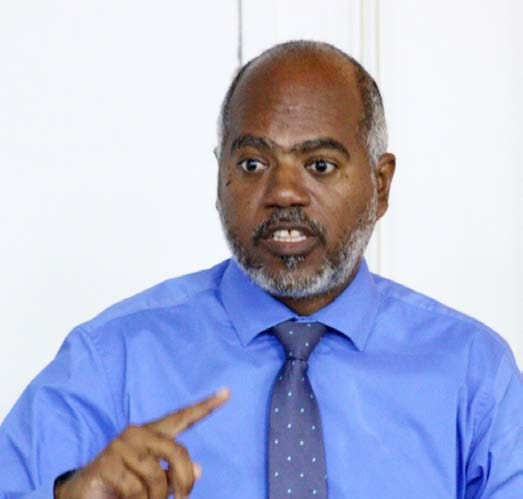
    That framing has been firmly rejected by leaders of Barbados’ reparations movement. Ambassador David Comissiong, deputy chair of the Barbados National Task Force on Reparations, told local outlet Barbados TODAY that Farage’s out-of-touch position will not weaken the reparations campaign – instead, it will galvanize advocates to double down on their efforts. The core goals of the reparations movement extend far beyond direct cash payments, Comissiong explained, and include targeted action: restoring stolen cultural artifacts and institutions, addressing ongoing public health disparities rooted in centuries of slavery, eliminating illiteracy across former enslaved nations, and facilitating equitable technology transfer.

    “Far from causing anyone to back off from the reparations issue, it is going to, in fact, motivate us, the reparations campaigners, to actually double down in telling the story, educating national public opinion, confronting people like Mr Farage with the hard facts and truth of that tragic history,” Comissiong said in the Friday interview. He added that Farage appears to misunderstand the massive scope of his own proposal: a visa ban would bar entry to the UK for nearly all citizens of English-speaking Caribbean and African nations, a policy that would carry severe negative consequences not just for affected countries, but for the UK and the entire Commonwealth of Nations.

    Comissiong argued that Farage’s stance reflects a stubborn historical strain of denial within sections of British society, one that refuses to acknowledge the grave crimes committed by the British Empire. “As an empire, they committed serious, serious crimes in dominating non-native people, enslaving, carrying out genocide of the native people, and constructing this terribly devilish and inhumane system of racialised chattel slavery, where they denied human status to a large segment of the human family,” he said. Centuries after abolition, this persistent refusal to confront the harms of slavery – harms whose intergenerational impacts endure to this day – and to humbly admit wrongdoing is exactly what qualifies Farage’s position as morally blind, he added. The only cure for this denial, Comissiong noted, is widespread public education about the true history of the transatlantic slave trade.

    Crucially, Comissiong emphasized that Farage’s position is out of step even with leading British institutions. He pointed to King Charles III’s public acknowledgment that a conversation about reparations is long overdue, as well as the Church of England’s formal admission of complicity in the crime of slavery, followed by a public apology and the launch of a dedicated reparative justice funding program. He also noted that prominent established British families with ties to the slave trade, such as the descendants of the Jacobeans and the Gladstones, have issued public apologies for their ancestors’ roles and launched their own reparative justice initiatives.

    In a separate exclusive interview with Barbados TODAY from his London office on Friday, Barbados’ High Commissioner to the UK Edmund Hinkson reaffirmed Barbados’ unwavering commitment to the reparations cause, even as he declined to comment on UK domestic political protocol. Hinkson stressed that Barbados fully endorses the United Nations resolution that formally classifies the transatlantic slave trade as the worst crime against humanity in recorded history. He also expressed regret that while the resolution passed with overwhelming support, endorsed by 152 of the UN’s 193 member states, the UK and all European Union nations that participated in the slave trade abstained from the vote.

    Hinkson also pushed back against a common misleading narrative in British media and political circles that Caribbean reparations advocates are demanding direct cash payments of between £18 trillion ($48 trillion) and £24 trillion ($65 trillion), an estimate of the value of forced labor extracted from enslaved people by British actors including commercial banks, insurance companies, the Church of England, and a majority of 19th-century British parliament. “Of course, none of the countries that were involved in this tremendous international crime have that money right now. We are not asking for that kind of money by itself … that is not at the forefront. We understand that the practicality of that money will not be paid,” he explained.

    Instead, Hinkson outlined the movement’s core priorities, starting with a full, formal apology from the British government for the country’s role in the slave trade. Critics often argue that modern Britons should not apologize for crimes committed by their ancestors, but Hinkson countered that descendants of slave owners and traders continue to reap massive economic and social benefits from their ancestors’ exploitative actions. Beyond a formal apology, the movement’s demands mirror those laid out by Comissiong: the repatriation of stolen cultural artifacts held in British museums, targeted support to address the public health crisis that stems from the intergenerational trauma of slavery – Caribbean nations have some of the highest global rates of chronic conditions including hypertension and both types of diabetes – programs to eliminate illiteracy, support for psychological rehabilitation for affected communities, equitable technology transfer, and widespread debt cancellation for former colonial nations.