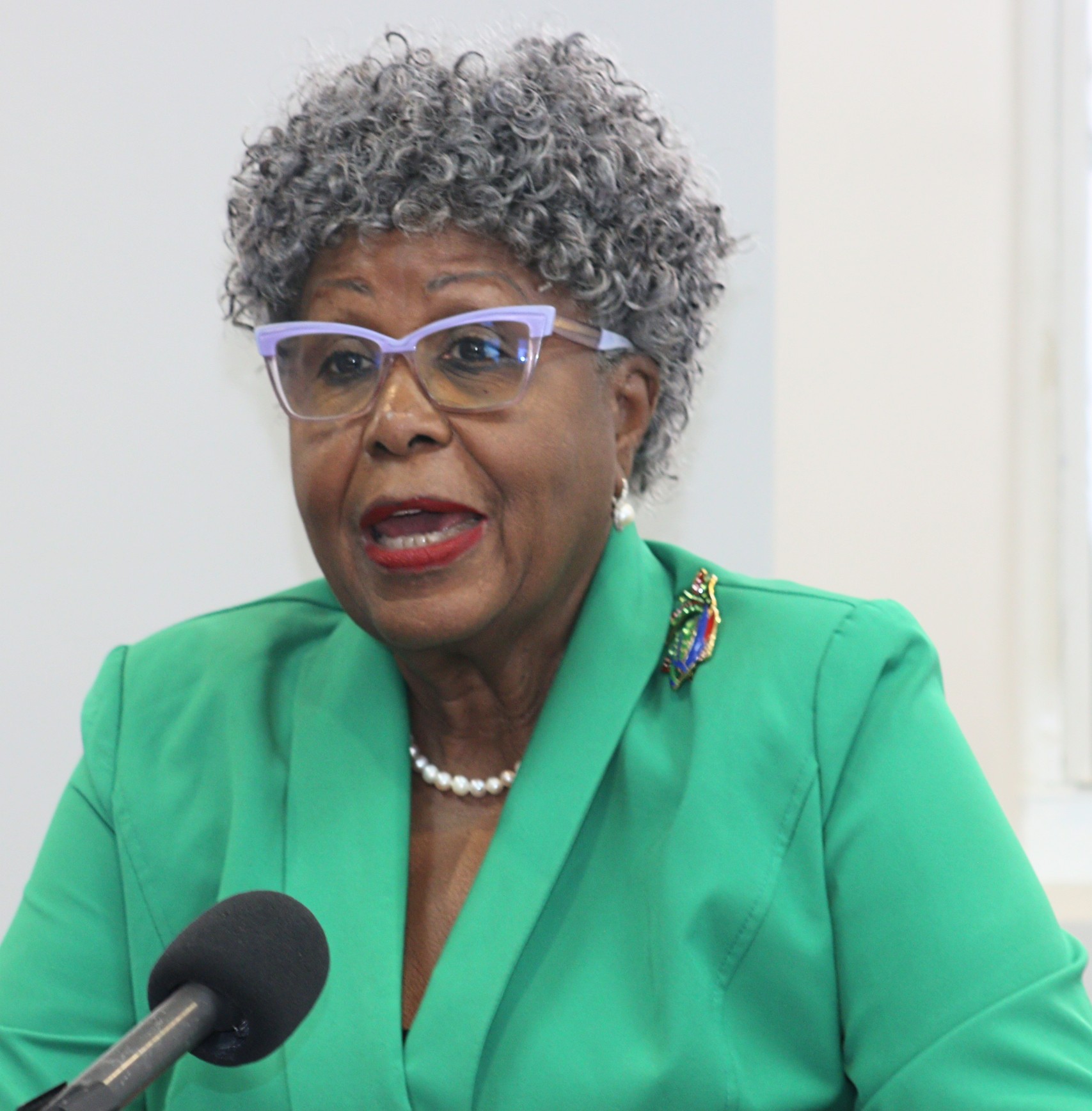
As record-breaking high temperatures and persistent dry conditions push the risk of heat-related illnesses sharply higher across Barbados, public health and senior advocacy leaders are sounding the alarm for the island nation’s older population to prioritize safety amid the extended heatwave. Meteorological authorities confirmed in an updated official weather bulletin that unusually hot conditions will remain locked in across the entire country through September and October, bringing repeated stretches of dangerous heat that require proactive precautions from all residents, especially vulnerable groups. With forecasters warning of elevated threats ranging from heat exhaustion and rapid dehydration to life-threatening heat stroke and sudden fainting, Marilyn Rice-Bowen, president of the Barbados Association of Retired Persons (BARP), has stepped up outreach to encourage older adults and their family members to take the ongoing heat emergency seriously. Speaking in an interview with Barbados TODAY, Rice-Bowen noted that while hot, sunny weather is a constant for the Caribbean nation, the current heat event poses unprecedented risks that cannot be overlooked. “For many of us, Barbados’ heat is nothing new. We have lived with hot days, strong sunshine and sometimes some uncomfortable nights. But what we are experiencing now is different,” she emphasized. Current air temperatures regularly hit 32°C to 33°C across the island, and apparent temperatures – which factor in humidity to measure how heat actually feels on the human body – often climb close to 45°C. This combination places extreme physiological strain on older bodies, Rice-Bowen explained, because aging reduces the body’s ability to regulate internal temperature efficiently. Older adults face a far higher risk of rapid dehydration, dizziness, fainting, heat exhaustion, and fatal heat stroke compared to younger populations, she added. To help seniors stay safe, BARP has released a full set of actionable guidelines tailored to older residents. Key recommendations include drinking water consistently throughout the day, even when a person does not feel thirsty, avoiding extended outdoor activity during the peak heat hours between mid-morning and late afternoon, and wearing loose-fitting, light-colored clothing that reflects sunlight. For those venturing outside, the association advises using wide-brimmed hats or sun umbrellas to block direct sun exposure. BARP also urges older adults to keep their living spaces cool and well-ventilated, using fans or air conditioning when available to lower indoor temperatures, and taking regular cool showers or baths to bring down core body temperature. Beyond individual precautions, Rice-Bowen is calling on community members to step up and support vulnerable older residents, particularly those who live alone. A quick daily check-in via a simple phone call or brief doorstep visit can make a life-saving difference for seniors who may struggle to recognize the early signs of heat illness, she said. Most critically, Rice-Bowen warned against dismissing early warning symptoms of heat-related sickness. Common red flags include confusion, persistent muscle weakness, dizziness, unexpected fainting, and severe headaches, and anyone experiencing these symptoms should seek immediate medical care, she stressed. The warning comes after Dr. Lynda Williams, president of the Barbados Association of Medical Practitioners (BAMP), confirmed earlier this month that local doctors are already seeing a sharp rise in heat-related illness among elderly patients who became sick while at home, underscoring the urgent need for proactive safety measures.
标签: Barbados
巴巴多斯
-
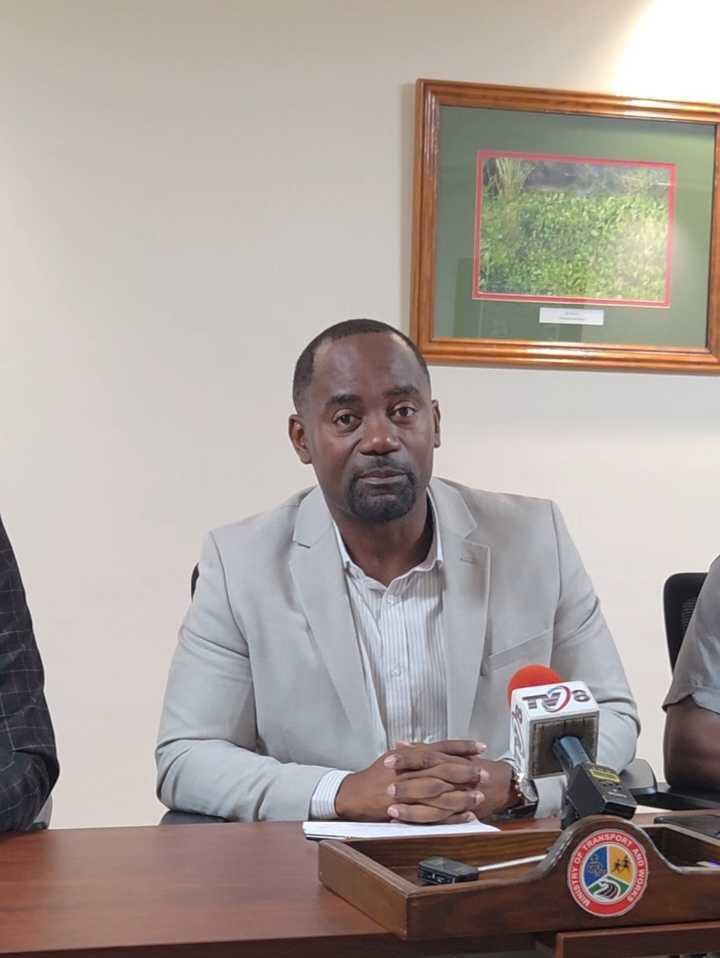
Minister announces major road repair drive across Barbados
Barbados’ Minister of Transport and Works Kirk Humphrey has unveiled a large-scale national road repair and pothole mitigation initiative that will roll out across communities across the country, kicking off first in the island’s northern parishes. The announcement comes in direct response to growing public frustration over the worsening condition of many local roads, with the minister moving to reassure residents that targeted relief is on the near horizon. The programme leverages government resources, private sector collaboration and a phased community-by-community implementation strategy to address long-standing infrastructure issues.
-
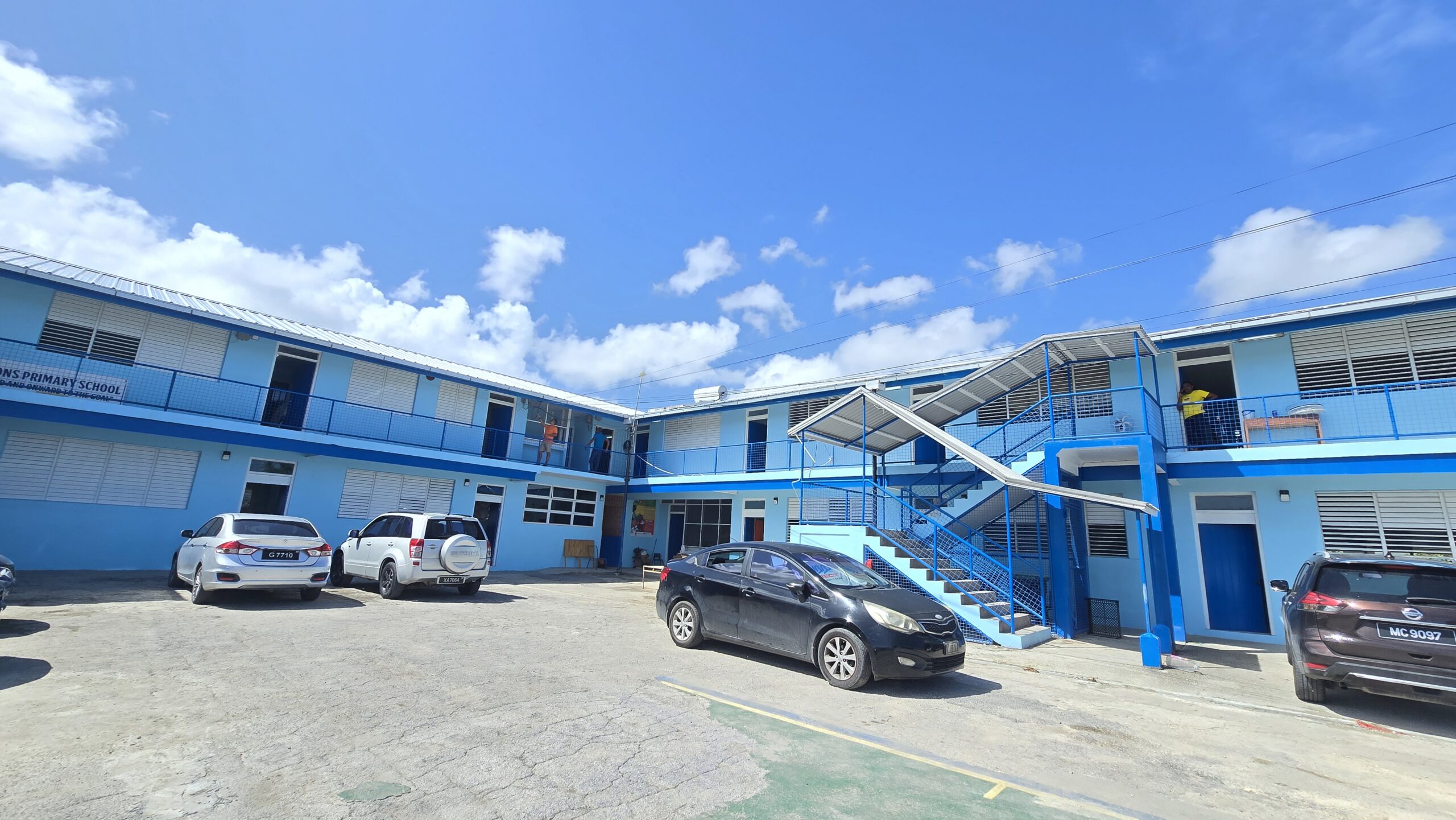
Four schools on the move for major upgrades
Barbados’ Ministry of Education has announced a major, year-long infrastructure upgrade project that will require relocating students from four primary schools for the 2026–2027 academic year, while wrapping up a separate round of facility improvements ahead of the upcoming 2024 school term starting Monday. Minister of Education Transformation Chad Blackman confirmed the long-term plans during a Friday press conference, noting that the relocation decision follows routine summer facility inspections carried out as part of the ministry’s ongoing nationwide school infrastructure improvement program.
Blackman named the four affected campuses as Good Shepherd Primary, Saint Paul’s Primary, Milton Lynch Primary and Eagle Hall Primary. Chief Education Officer Dr. Ramona Archer-Bradshaw outlined the detailed temporary placement plan for all impacted students: At Good Shepherd, nursery through Infants B students will move to Eden Lodge Primary; Classes 1 and 2 will hold classes at Trent’s Resource Centre, and Classes 3 and 4 will relocate to the John the Baptist Church. All students from Eagle Hall Primary will be temporarily hosted at Lawrence T. Gay Primary School.
For Saint Paul’s Primary, Reception and Class 1 students will attend classes at Bay Primary, while students in Grades 2 through 4 will move to Luther Thorne Primary. At Milton Lynch Primary, Reception through Class 1 students will be hosted at St Christopher Primary, and older students in Grades 2 through 4 will take classes at St Dominic’s Roman Catholic Church.
Officials emphasized that the multi-million dollar upgrades are designed to transform the four schools into safer, more modern, inclusive and climate-resilient learning facilities. A public statement from the ministry outlined the full scope of planned works, which includes full roof replacement and structural repairs, upgrades to structural steel frameworks, the addition of new emergency exit staircases, installation of accessible, gender-inclusive restroom facilities, construction of covered outdoor learning spaces, new security guard posts, purpose-built classrooms for inclusive education programs, overhauls of outdated electrical and plumbing systems, replacement of old windows and doors, full interior and exterior repainting, improvements to school grounds and athletic fields, installation of new large-capacity water storage tanks, and structural upgrades to bring the campuses into full compliance with Category 1 hurricane shelter standards.
Alongside the long-term 2026–2027 project, the ministry is currently putting finishing touches on a separate round of upgrades for 13 schools, scheduled for completion ahead of the new school term starting this Monday. The 13 schools included in this summer’s immediate upgrade cycle are Blackman and Gollop Primary, A. DaCosta Edwards Primary, All Saints Primary, Roland Edwards Primary, St James Primary, St Stephen’s Primary, Hilda Skeene Primary, Bayley’s Primary, Christ Church Girls’ Primary, Hillaby Turners Hall Primary, St George Primary, Grantley Prescod Memorial Primary and Deacons Primary.
A Barbados TODAY on-site inspection Friday found campuses across the island already preparing for student arrival. School staff were documented deep-cleaning kitchen appliances, sanitizing classroom furniture, pressure-washing exterior walkways and restocking classroom supplies, while construction teams conducted final safety inspections and walkthroughs to confirm all works meet regulatory standards.
Specific on-site checks confirmed that repainting and kitchen upgrades at Blackman and Gollop Primary are fully complete. At St George Primary, the full roof replacement project has been finished, along with a full renovation and repainting of the school assembly hall. Grantley Prescod Memorial Primary has completed a full building repaint, replacement of damaged hall and corridor ceilings, and construction of a new auxiliary wing to host students from the Wilkie Cumberbatch Infants Department. At Deacons Primary, workers have applied a fresh coat of paint across the campus, and finished replacing the roof and windows on the school’s east wing.
-
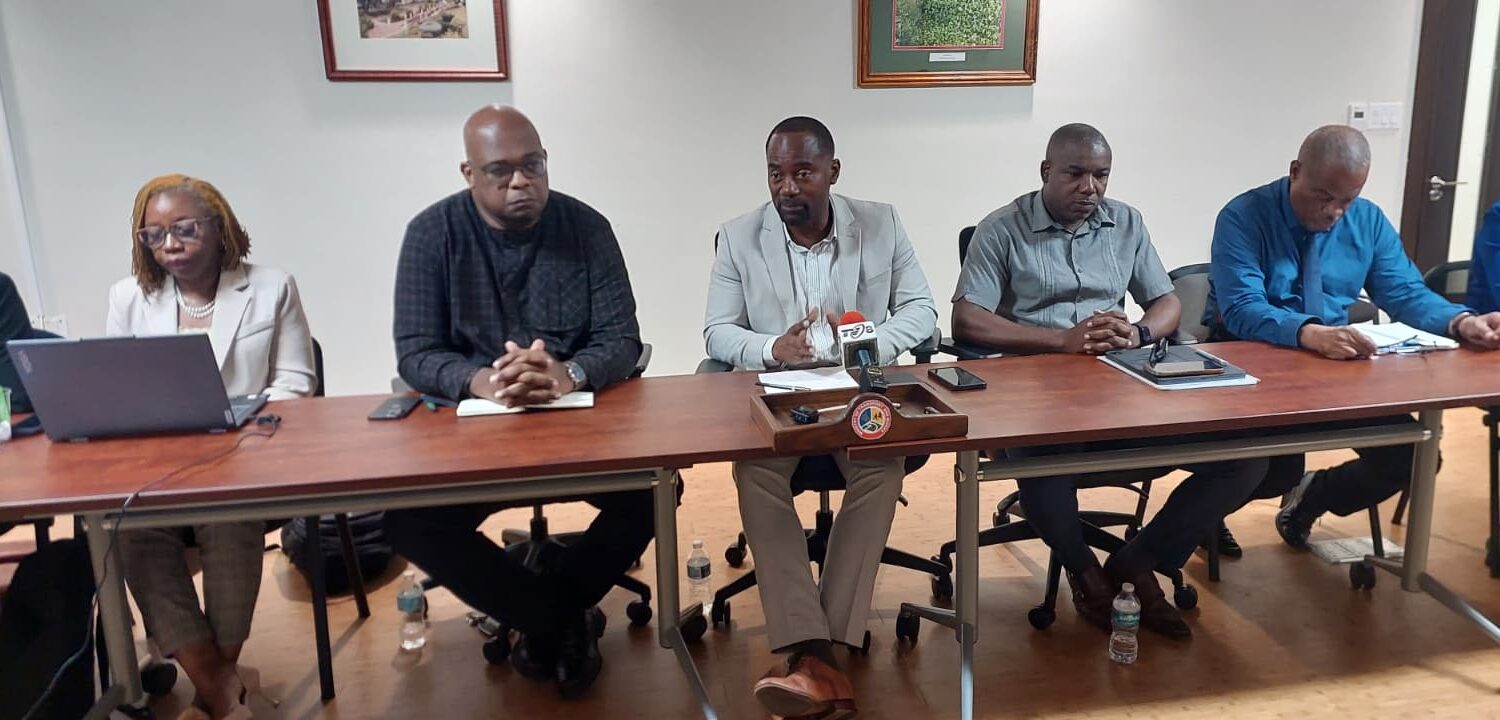
Traffic relief measures set for school reopening
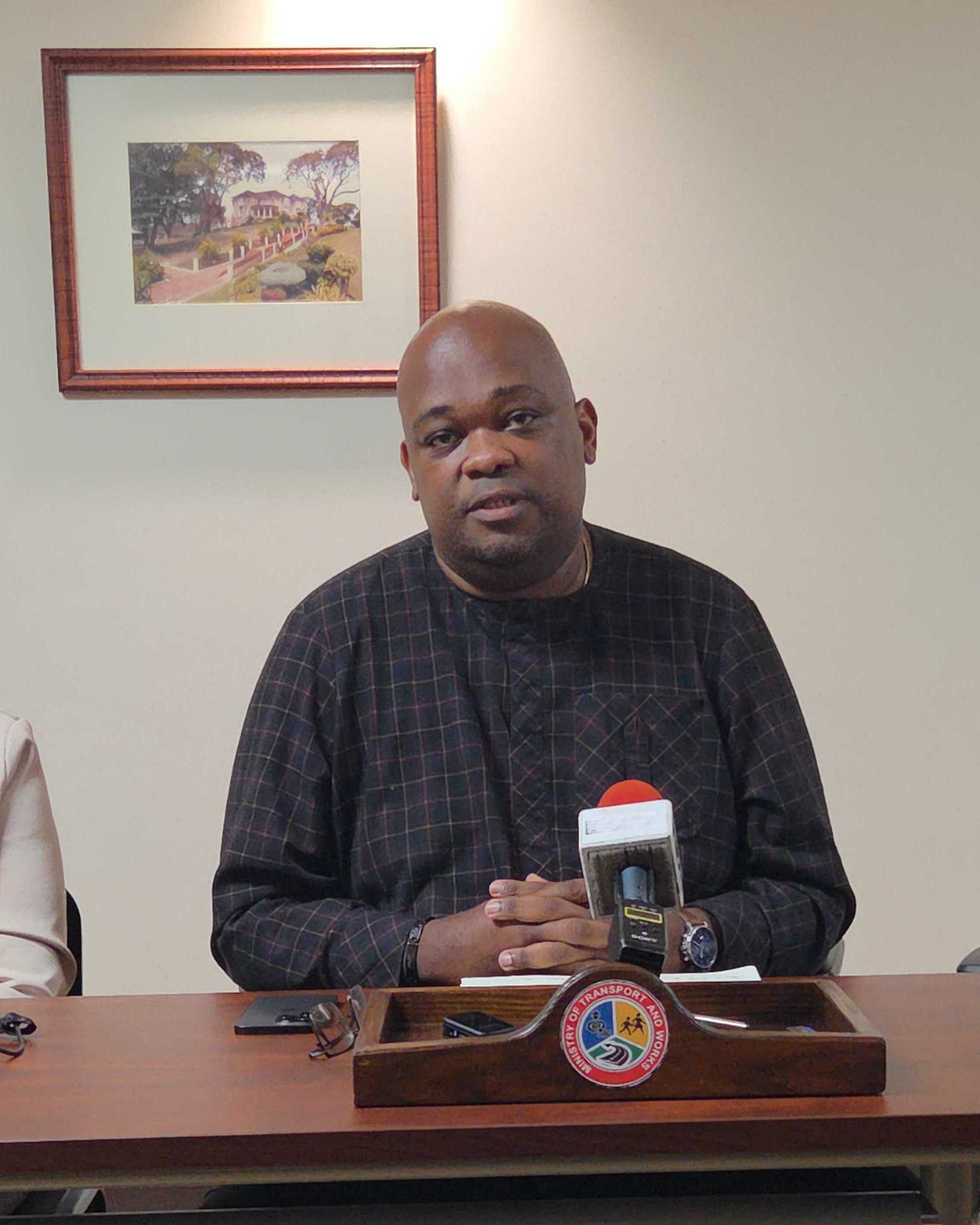
As Barbados prepares for a surge in road traffic tied to the approaching start of the new academic year, a comprehensive cross-agency traffic management plan featuring short, medium and long-term interventions has been submitted to the national Cabinet to address persistent congestion issues, Transport and Works Minister Kirk Humphrey has announced. The plan was developed following a coordination meeting bringing together senior leaders from law enforcement, education and transport sectors, and was presented to the public Friday alongside Education Transformation Minister Chad Blackman.
-
Universal Breakfast Programme to launch in public primary, nursery schools next week
A landmark universal breakfast initiative for public primary and nursery school students is set to launch this Monday, crafted to deliver balanced nutrition that fuels classroom focus without overtaxing young learners, Education Transformation Minister Chad Blackman has announced. Framing the rollout as a long-awaited milestone for public education, Blackman detailed the program’s core mission and preparations during a recent press briefing, addressing public questions about future expansion to secondary education.
Unlike large, heavy morning meals that can leave students drowsy during lessons, Blackman explained that nutrition experts have carefully calibrated portion sizes and menu options to keep children alert and energized through their first classes of the day. “This will not be a massive breakfast that sends kids off to sleep mid-lesson,” he told reporters. “The menu that the team has put together is so well-designed, I even joked that I wish this program had existed when I was a primary school student.”
Blackman emphasized that the program goes far beyond simply providing free food to enrolled students; its core goal is to close nutritional gaps that often leave food-insecure children unable to concentrate on their studies, setting them up for academic success from the moment they arrive at school. The rollout marks the culmination of years of public demand for modernization of the national school feeding system, he added, noting that his ministry has worked systematically to restructure and upgrade the School Meals Department to deliver consistent, high-quality meals across all public educational institutions.
“For years, we’ve heard public calls to revamp the school meals system. We’ve all been through primary school, and we’ve listened closely to what communities want: a modern, improved service that meets student needs,” Blackman said. “This breakfast program is just the first step; our goal is to lift the entire school meals framework into a new era of quality and accessibility.”
In response to questions about food insecurity and financial hardship among secondary school students, Blackman clarified that existing support systems for at-risk secondary students will remain fully in place as the government reviews options for expanding the universal program to older grade levels. Currently, the School Meals Department already provides targeted breakfast access for secondary students who demonstrate need, and ongoing public consultations have identified broader demand for universal access at the secondary level. No final policy decision on expansion has been made, but the ministry is conducting a full review of student needs across all age groups, Blackman said.
The minister also highlighted that long-standing public-private partnership programs that currently provide breakfast to vulnerable secondary students will continue operating uninterrupted while the government formalizes a broader national policy. “These community and private partners have been doing critical work to address nutritional gaps for years, and they will continue to collaborate with us to support secondary students as we map out the next steps,” he stated. “I want to give the entire public full assurance: the ministry and the broader government are committed to ensuring every student, whether in primary or secondary school, has access to the adequate nutrition they need to thrive.”
Closing the briefing, Blackman reaffirmed that all infrastructure and preparations are complete for the Monday launch, with universal access ready to roll out immediately across every public primary and nursery school in the country. “We’ve left no stone unturned to make sure this program is ready to serve our kids, and to create a more comfortable, supportive learning environment for both students and teachers alike,” he added.
-

Coach Penny: Tridents still in good form
Amid a turbulent three-match losing streak that has left the franchise at the foot of the 2024 Republic Bank Caribbean Premier League (CPL) table, Barbados Tridents head coach Trevor Penney has maintained unshakable optimism that his side can still secure a spot in the tournament’s knockout stage.
After opening their 2024 campaign with back-to-back victories that gave the side an early promising start, the Tridents have dropped three consecutive matches, leaving them with four points from five outings and sitting last among the seven competing teams. Speaking exclusively to Barbados TODAY at a welcome reception hosted by the team’s official franchise partner, Guardian Life of The Caribbean Limited, Penney emphasized that team morale remains high even after a contentious late defeat to the St Kitts-Nevis Patriots in Basseterre on Tuesday night.
“We posted a competitive total that I truly believed would be enough to win the contest. Of course, some controversial calls unfolded during that match, but at the end of the day, we failed to deliver the level of bowling performance we know we are capable of. Even with everything that happened out there, we should have closed out that win,” Penney explained.
Despite the recent run of poor results, the head coach stressed that the side’s early two wins give them a solid foundation to build from as they return to home soil for their upcoming fixtures. The Tridents’ home leg of the tournament kicks off this Saturday at Bridgetown’s iconic Kensington Oval, and Penney says the entire squad is laser-focused on securing critical wins in front of their home crowd.
“One of the core principles I instill in this team is that results, whether good or bad, shouldn’t shake our focus. We understand that cricket is a game of wins and losses, and I have always held the belief that tournament success is determined by how you finish the competition, not how you start it. We’ve hit a few small bumps in the road recently, but we still have two wins under our belt heading into the home stretch, and that’s something I’m really pleased with,” Penney said.
Beyond his own team’s performance, Penney also praised the overall quality of this year’s CPL competition, highlighting the high number of tightly contested, down-to-the-wire matches that have entertained fans across the Caribbean. “With seven teams in the mix this year, there are a few small gaps in the overall depth, which makes it a slightly different setup than previous editions. That said, the quality of cricket we’ve seen has been really outstanding. This is one of the most competitive CPL seasons I’ve seen, and as anyone watching can see, we’ve had no shortage of close, thrilling finishes,” he added.
Looking ahead to Saturday’s opening home match against defending champions Trinbago Knight Riders, Penney pushed back on calls for the Tridents to make sweeping, wholesale changes to their lineup and game plan in search of a much-needed win. The coach argues that the side is already playing strong, competitive cricket, and only small adjustments are needed to turn their current form around.
“We are so much closer to putting together consistent winning performances than the results sheet shows. This group is playing some really good cricket, and I truly believe our best performances are still ahead of us. We don’t need to tear everything up and start over; we just need to make a few small tweaks and execute our skills a little more consistently under pressure,” Penney noted.
Penney closed by issuing a public call to Barbadian cricket fans to turn out in force at Kensington Oval this weekend, framing the home crowd as a critical 12th man that can push the Tridents over the line. “I know how passionate Barbadian fans are, and I have no doubt they will come out to support us. When we had that great tournament run a few years back, they packed the Oval every match and lifted the team when we needed it most. Having that kind of home support is just like having an extra player on the field for us, and we can’t wait to feel that energy on Saturday,” he said.
-
Ivy man identified as victim of Fairchild Street stabbing
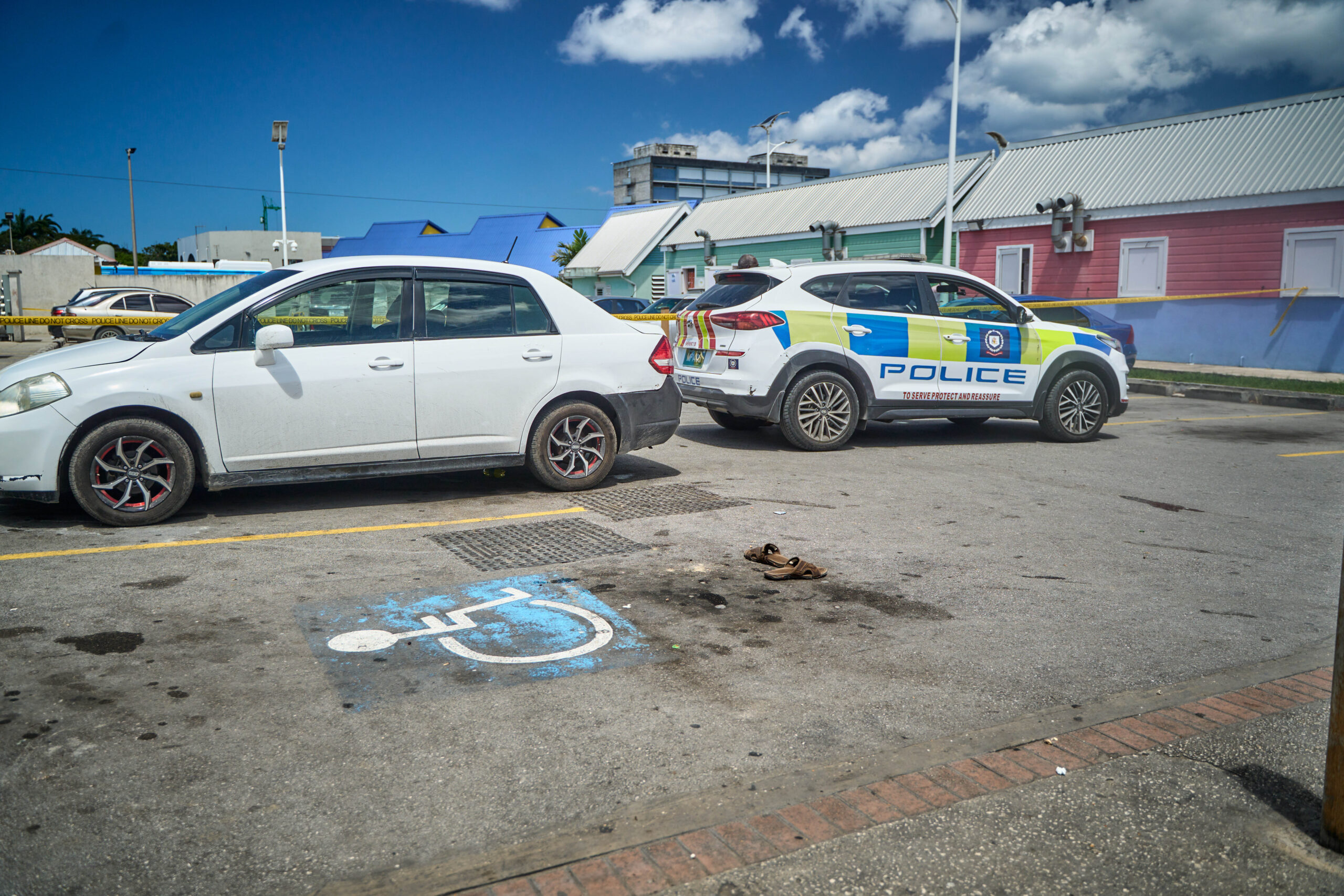
A fatal stabbing incident near the Vendors Market on Fairchild Street has left one man dead, and authorities in Barbados are now working to piece together the details of what unfolded on Wednesday morning. Local law enforcement has officially identified the deceased as Andre Jamal Harry, a 42-year-old resident of 1st Avenue, Ivy, St Michael.
According to official statements from the Barbados Police Service, early investigative work shows the violence broke out around 9 a.m., when a verbal dispute between several men escalated into a physical confrontation. During the clash, Harry sustained multiple penetrating stab wounds that quickly proved life-threatening.
Unlike typical emergency transport, Harry was carried to the island’s main care facility, Queen Elizabeth Hospital, via a public service vehicle. Despite medical teams’ efforts to stabilize and treat his injuries, he was pronounced dead shortly after arriving at the hospital.
In the days following the incident, investigators have made early progress in the case: a person of interest is currently cooperating with law enforcement to help answer remaining questions about the confrontation. However, police are still reaching out to members of the public who may have been in the area at the time of the stabbing, as their accounts could be critical to closing the case.
Any individual who witnessed the altercation, or who holds any details that could advance the investigation, is encouraged to reach out to law enforcement through multiple confidential channels. Options include contacting Crime Stoppers directly at 1-800-8477, the 24/7 Police Emergency line at 211, or the Criminal Investigations Department Central office at either 430-7189 or 430-7190. Authorities have emphasized that every piece of information submitted will be held in strict confidence, to protect witnesses and encourage open cooperation with the investigation.
-
QEH expansion targets chronic lab, bed shortages
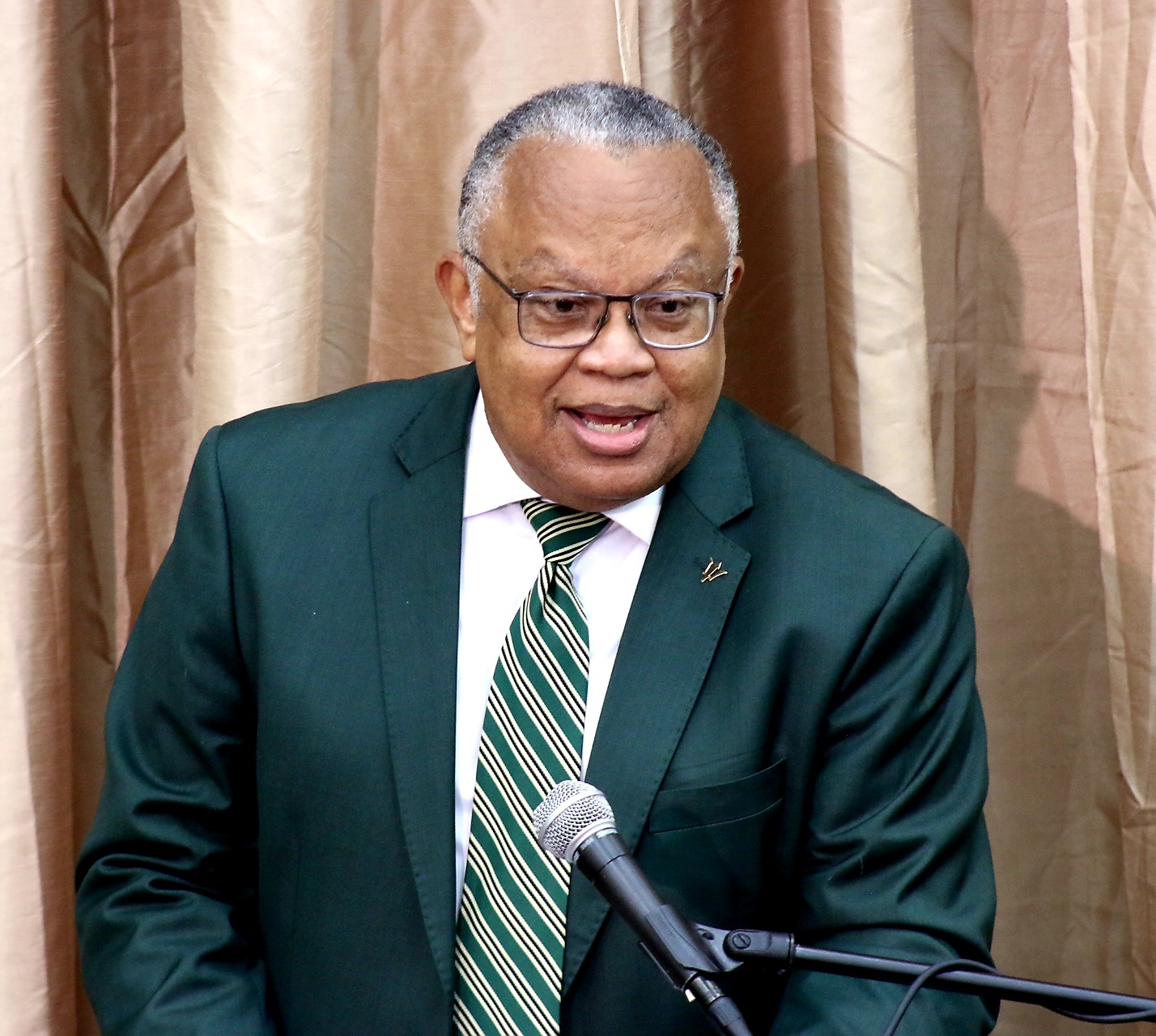
Barbados is poised to undertake a sweeping, multi-year modernization project for its primary public healthcare facility, the Queen Elizabeth Hospital (QEH), backed by $175 million in development bank financing. Senior Minister for Social and Environmental Policy Senator Dr. Jerome Walcott outlined the urgent needs and planned transformations during a recent community and stakeholder consultation focused on the QEH/Enmore redevelopment, a 42-month initiative that will reshape the island nation’s tertiary healthcare capacity over the next three to four years.
For decades, QEH has grappled with systemic gaps that have compromised its ability to deliver high-quality care to Barbadian residents, Dr. Walcott revealed. Longstanding challenges include overcrowded inpatient areas, chronic bed shortages, outdated and undersized laboratory infrastructure, limited access to comprehensive cancer care, and a critical gap in specialized burn treatment – a gap that has already resulted in preventable deaths. Decades ago, the hospital operated a functional burn unit, but that service was discontinued, leaving the island without capacity to treat severe burn injuries locally. In the most recent four serious burn cases, all patients required emergency airlift to Panama for specialized care, and none survived, according to Dr. Walcott, a former practicing physician at QEH. He emphasized that a 21st-century tertiary hospital cannot credibly claim to serve the public without a dedicated burn unit, which provides specialized intensive care that is standard across North America and Europe. “When I was a doctor years ago at the hospital, there was a burns unit, and I believe as we go forward in the 21st century to speak of having a tertiary hospital and not having a burn unit, you’re making fun,” he said.
The most neglected part of the current facility is the hospital’s laboratory, which has suffered from unresolvable mould infestation since before the COVID-19 pandemic. Years of targeted repairs, reconfigurations, repeated industrial cleaning, and in-house maintenance efforts by QEH’s engineering team have failed to eliminate the mould, creating unsafe working conditions for staff and compromising testing reliability. A 2020 independent assessment of the facility identified two potential solutions: reallocate existing space by moving other departments to expand the current lab, or construct an entirely new laboratory facility. Stakeholders have now finalized a decision to build a new, purpose-built lab, addressing the persistent safety and capacity issues.
The redevelopment project, centered at the Enmore site, will add two new multi-story towers to the QEH campus. The first tower will house the upgraded outpatient department and the new state-of-the-art laboratory, while the second will be dedicated to oncology services and hospital administrative offices. For inpatient care, the project will add four entirely new wards with 96 additional beds to alleviate chronic overcrowding. Outpatient services will also be expanded to offer dedicated, separate space for specialized clinics including otolaryngology (ENT), neurology, and paediatrics, with new on-site equipment for EEG and EMG diagnostic testing.
A core priority of the expansion is closing gaps in cancer care that currently force many patients to travel overseas for life-saving treatment. The project will add critical specialized oncology infrastructure including a new Positron Emission Tomography (PET) scanner, an updated Gamma CT scanner, and a dedicated brachytherapy facility. For the first time, Barbados will also acquire a cyclotron to produce its own radiopharmaceuticals – radioactive compounds used both for diagnostic imaging and targeted cancer treatment. Chemotherapy treatment capacity will also be scaled up, allowing the facility to treat 10 to 12 patients simultaneously, cutting wait times and reducing the need for off-island care.
Dr. Walcott framed the $175 million transformation as a strategic investment that will strengthen the resilience of Barbados’ entire national health system. Beyond improving care for local residents, the project aims to restore Barbados’ historic role as the leading medical referral hub for complex cases across the Eastern Caribbean. The recent consultation is part of ongoing stakeholder engagement as the government prepares to launch construction and finalize project planning for the large-scale redevelopment.
-
Clearer water but poor roads frustrate St Lucy folk
Residents of two northern Barbados communities, Checker Hall and Six Men’s in the parish of St. Lucy, are finally seeing tangible improvements to their drinking water quality and supply pressure after months of complaints about discolored, low-flow water. However, long-running grievances over dangerously deteriorated roads leading to the nearby settlement of Pie Corner continue to go unresolved, leaving local motorists and pedestrians at constant risk.
The progress on water services follows a site visit to the Barbados Water Authority (BWA)’s Alleynedale treatment facility last week, where agency officials met with community representatives to address ongoing concerns. At that meeting, BWA leadership confirmed that the tap water that had been turning brown for local households still meets all World Health Organization (WHO) safety standards for drinking, even when discolored. BWA Water Resources Manager Alex Ifill explained that the authority has rolled out a dual strategy to target the discoloration issue, and that the situation has improved dramatically across the district since interventions began.
When Barbados TODAY reporters visited Checker Hall this week, many local residents confirmed the noticeable upgrades to their water service. Long-time resident Valerie Husbands said the change has transformed daily life for her household. “You see a little improvement, but some days, for a few hours sometimes, it may come a little brown, but not like before,” Husbands explained. “It’s good now because we’re getting plenty of water right now. I can wash clothes now. We couldn’t wash clothes before. The last two months right here it come clear so we can wash.”
Fellow resident Michael Husbands echoed that positive assessment, noting that water is now consistently clear and supply pressure has returned to a usable level after years of low pressure. “Some days it’d be a little off…like with the smell a little. I ain’t got no filter or anything and it’s clear,” he said. “The pressure is pretty good too, because before the water pressure was real low, you know, and the quality of the water was like brown. There’s one or two areas that I still hear people complain. That’s a little minority though.”
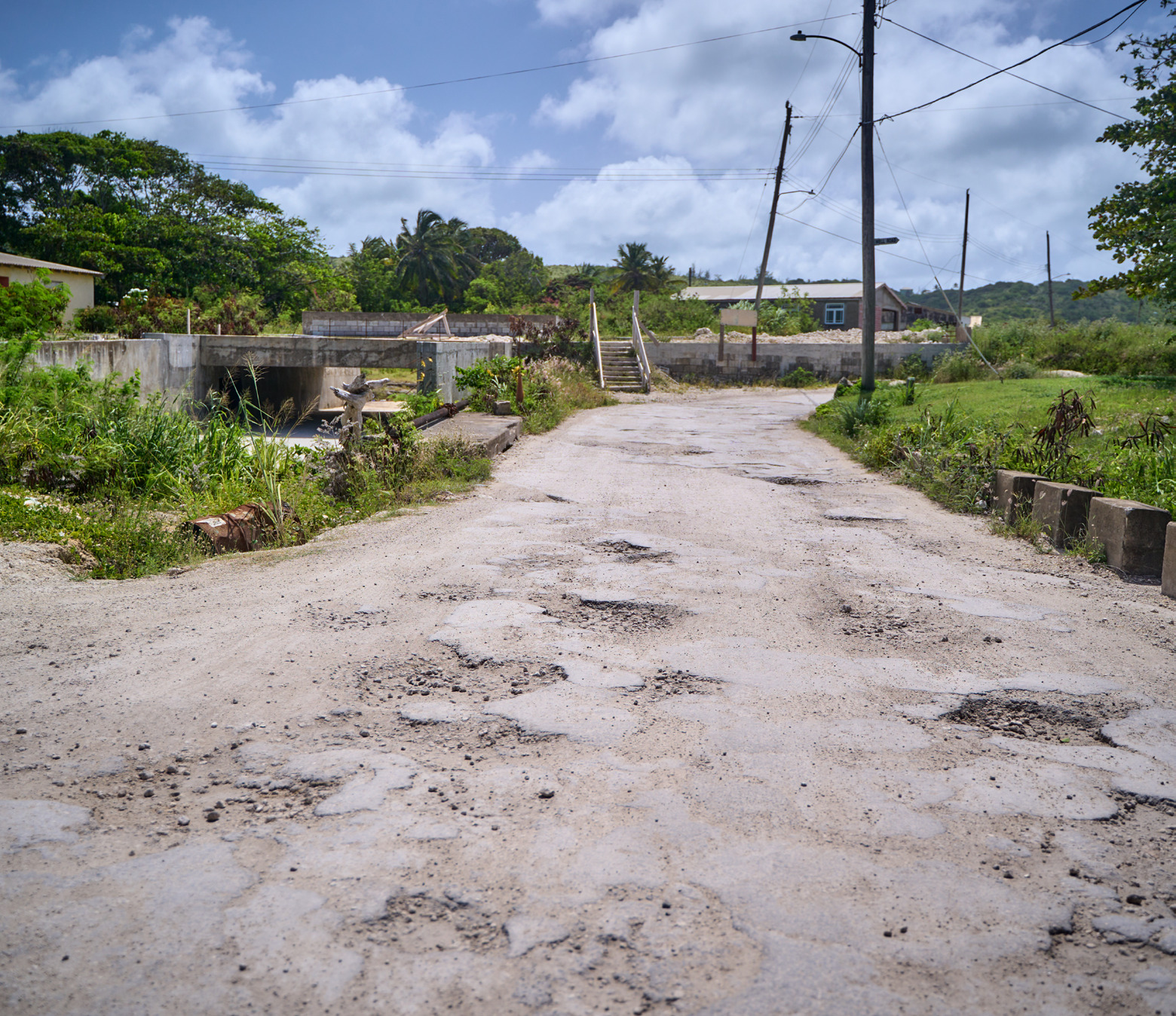
Despite this widespread progress on water services, the unresolved state of the roads leading into Pie Corner has continued to frustrate local resident Roger Feliciano, who says the dangerous conditions pose a daily threat. While Feliciano acknowledged the incremental improvements to water service, noting occasional minor discoloration that residents have learned to adapt to, he emphasized that the road crisis demands urgent government action. “However, the roads are awful. The roads are awful straight up to Pie Corner,” Feliciano said.
He explained that the dangerous conditions were created months ago, when crews from the Ministry of Transport and Works (MTW) excavated sections of the roadway for infrastructure work, but never completed repairs or refilled the excavated trenches. The unmarked pits create a major hazard for drivers, who often do not see the hazard until it is too late to avoid it. “What I find is that MTW men dug out about five to six inches of the road straight across the road, they don’t put the cones to show you that they dug out anything, and they have not refilled them or anything like it… didn’t patch them or anything like it,” Feliciano said. “Sometimes you are driving in and you forget and [drop] into a hole. The roads in Pie Corner are terrible.”
-

New agriculture scholarship awarded to three BCC students
Three associate degree students at Barbados Community College (BCC) have become the first beneficiaries of a newly launched agriculture scholarship that will cover all remaining registration fees for their programs, opening new doors for young talent invested in the island’s agricultural future.
Named the Lion Roy Ward Scholarship, the initiative was developed through a year-long partnership between BCC and the Lions Club of Barbados North, created to honor the club’s founding charter president, the late Elkins Leroy Ward—universally known as Lion Roy—who spent decades advancing Barbados’ agricultural sector. The scholarship was formally awarded during an official presentation ceremony held Wednesday.
The three selected recipients are Delano Lorde, Traude Walton and Joshua Yearwood. Each brought diverse agricultural interests that reflect the modern evolution of the industry: one focuses on dairy farming, another on entomology, and the third on integrating artificial intelligence into agricultural practices.
Dr. Arlyn Linton-Jones, Acting Senior Tutor in BCC’s Division of Natural Sciences, explained that the project filled a longstanding gap for agriculture students at the institution, which had not previously offered a dedicated scholarship for the field. Over 12 months, the college and the Lions Club worked to finalize eligibility criteria, selection processes and funding structures to bring the award to fruition. “We have worked on this scholarship, getting all the requirements in place… where we can officially reward these students,” she noted.
Louis Ifill, chair of the Lions Club of Barbados North Special Projects Committee, said advancing agricultural development and strengthening Barbados’ food security were core motivations for creating the scholarship, a mission directly aligned with Ward’s life’s work. “He was deeply involved in the production of sugar cane, various ground provisions, vegetables and also dairy farming as well,” Ifill shared. Beyond crop production, Ward helped grow the island’s iconic Sea Island cotton industry, was once Barbados’ largest dairy farmer, and counted among the first milk suppliers to the prominent local brand Pine Hill Dairy. He also made his mark in agricultural leadership: he was the first appointed chairman of the Barbados Agricultural Development Company and contributed to a landmark government project that launched the national school meals programme back in 1962. Most importantly, Ifill added, nurturing the next generation of agricultural professionals was one of Ward’s greatest passions.
To earn the award, applicants were required to hold a minimum grade point average of 3.0 and submit a detailed essay outlining their long-term career plans for agriculture in Barbados. Shortlisted candidates then moved forward to personal interviews with the Lions Club selection panel before the three winners were chosen.
Ward’s daughter, Linda Ward-Bowen, called the scholarship a perfect tribute to her father’s lifelong dedication to the sector. She recalled his core belief that still resonates amid ongoing conversations about food sovereignty: “One of the things he used to say all the time was ‘you should grow what you eat and eat what you grow, that way you would never starve.’”
BCC Deputy Principal Samuel Bowen framed the scholarship as more than just immediate financial relief for students; it is a strategic investment in Barbados’ agricultural future. He noted the launch comes at a particularly meaningful moment, as the first cohort of students officially began studies this week at the new Hope Agricultural Training Institute in St Lucy, marking a broader push to expand agricultural education across the island.
Speaking on behalf of the three recipients, Traude Walton expressed gratitude to BCC staff and the Lions Club for recognizing the students’ potential and investing in their education. “Having our registration cost covered throughout the remainder of our associate degree was a major help to us and it will allow us to focus even more on our studies,” he said, adding that all three awardees plan to apply their education to drive growth and innovation in Barbados’ agricultural sector.