标签: Barbados

巴巴多斯

  • Lady Tridents coach eyes rebuild after heavy defeats

    Lady Tridents coach eyes rebuild after heavy defeats

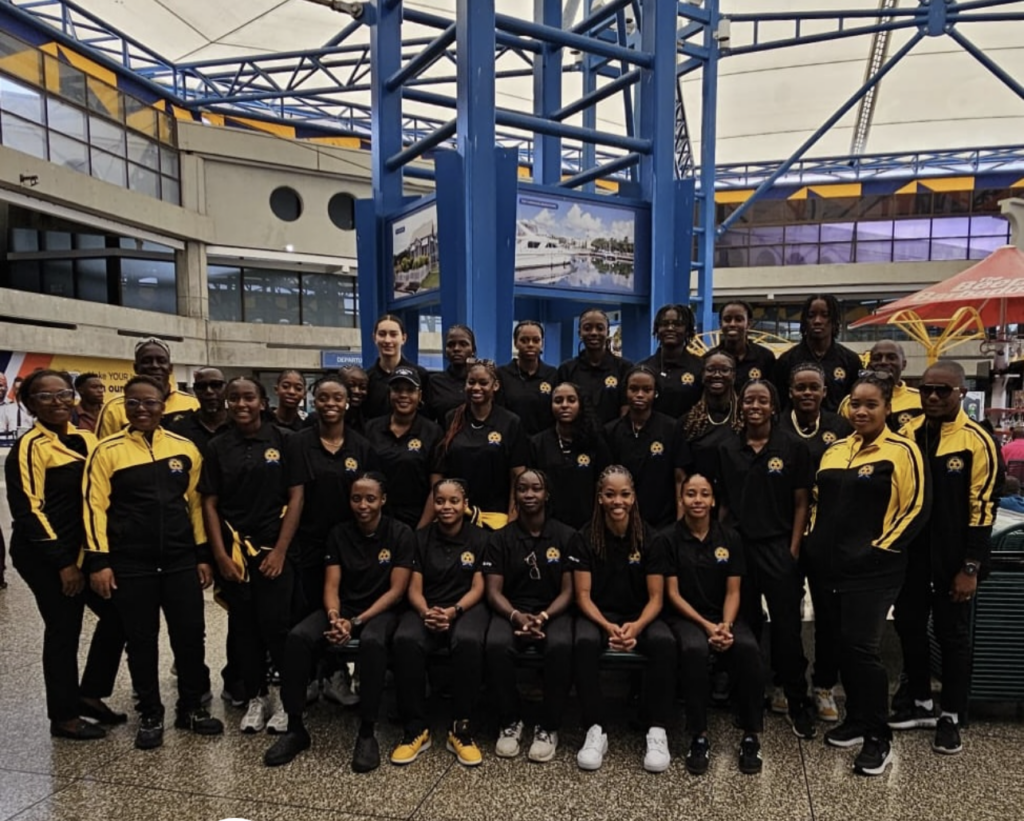
    Interim head coach Richard Forde maintains strong confidence in the Barbados Senior National Women’s Football Team’s capacity to recover from a series of decisive losses and establish a competitive presence on the international stage. The team, known as the Lady Tridents, recently endured a challenging 13-0 defeat against El Salvador on March 1st, compounding a previous 5-0 loss to Trinidad and Tobago last December at Kensington Oval.

    In an exclusive discussion with Barbados TODAY, Forde highlighted a significant constraint: an extremely abbreviated preparation period. He revealed his interim appointment occurred merely two weeks prior to the team’s departure, following an urgent request from the Barbados Football Association after the primary coach became unavailable. Despite the adverse results, Forde regards the experience as an invaluable learning opportunity for a squad comprising many young athletes promoted from Under-17 and Under-20 levels, supplemented by a few seasoned players.

    Forde emphasized the stark disparity in experience between the teams, noting that El Salvador’s roster included 21 seasoned professionals. This contrast underscored a fundamental challenge for Barbados, where limited match play and rigorous preparation put them at a distinct disadvantage against top-tier competition.

    Looking forward, the coach advocates for essential structural improvements. He stressed the necessity of implementing a more graduated progression for players moving from youth teams to the senior national squad, rather than accelerated promotions that bypass critical developmental stages like the Under-20 level. Furthermore, Forde identified the recruitment of foreign-based players as a crucial strategy to enhance squad depth and physical readiness, providing the team with the fitness and continuous training exposure required to compete internationally.

    Amid the setbacks, Forde reports unwavering team morale. Instead of defeatism, players demonstrated a resilient attitude and a renewed commitment to intensive improvement. Acknowledging the emotional weight of representing their nation, the squad is channeling their disappointment into motivation, determined to elevate their performance and make their country proud in future competitions.

  • MudDogs March Safari kicks off 2026 Championship

    MudDogs March Safari kicks off 2026 Championship

    The Barbados Rally Club (BRC) MudDogs March Safari marks its highly anticipated return on March 8th, signaling the commencement of the 2026 Chefette MudDogs Safari Championship after a four-month winter hiatus. This inaugural round sets the stage for an intense five-round championship extending through November, featuring a competitive field of eight crews evenly composed of veteran contenders and emerging newcomers.

    In Class A, the competition escalates with top-tier drivers including the formidable father-son partnership of Stephen and Ben Moore. They will confront formidable opponents such as Ben Norris and Kirk Watkins, piloting a Jeep Rubicon—a team that has secured second place in the MudDogs year-end standings three times since 2019. The class is further strengthened by Christopher King with Warrick Eastmond in a Suzuki Jimny, and the reigning Class B Champion Driver Alexander Gill, now teamed with Gary Mendes in an Isuzu DMax.

    Class B showcases a compelling rivalry between George Mendes and Johnathan King in a Suzuki Vitara against Charles Clarke and Austin Barber in a Mitsubishi Pajero. This matchup is intensified by Mendes’ previous tie-break victory over Clarke to claim the 2024 Champion Driver title. Adding fresh dynamics to the class are two relatively new crews, both featuring female navigators: Nadcarnie Cyrus, guided by 2024 Class B Champion Navigator Leslie Evanson in a Range Rover Classic, and Jaden Eastmond in a Nissan Frontier, partnered with first-time navigator Trislyn St Hill.

    Ricky Holder, MudDogs Chairman, expressed optimism for the new season: ‘Everyone is looking forward to getting started again after the long winter break. We extend special gratitude to Chefette, now in their 17th year of supporting MudDogs and 13th as title sponsor, and to Ace H & B Hardware for hosting the start and providing prizes. The entry list is robust with previous Safari winners and Class B Champions from the last three years, and it’s particularly encouraging to see new participants. We wish everyone good luck.’

    The event logistics promise a demanding challenge. Crews will depart from Ace H & B Hardware in Warrens, St Michael, at 7:30 a.m. on Sunday, navigating two meticulously designed routes by Wayne Clarke. The morning segment, approximately 45 kilometres, incorporates two Driver Challenges: the first on the south side of the Vaucluse Raceway in St Thomas around 8 a.m., followed by a second at Manor Farms, Clifton, two hours later. A lunchtime halt is scheduled for approximately 11:00 a.m. at Chefette, Charles Rowe Bridge, St George.

    The afternoon presents a more grueling 80-kilometre route, featuring a third Driver Challenge back at Vaucluse Raceway before guiding crews north through the parishes of St Joseph, St Peter, and St Lucy. The journey concludes at Chefette Speightstown around 5 p.m. Official results will be announced at the Prizegiving ceremony scheduled for 7 p.m. on March 10 at Savvy on the Bay.

  • Free primary school breakfast programme from September – minister

    Free primary school breakfast programme from September – minister

    Barbados is set to implement a groundbreaking national policy providing free breakfast to all primary school students beginning September 2026. Minister of Educational Transformation Chad Blackman unveiled this initiative as a cornerstone of the government’s comprehensive education reform agenda, timed with the nation’s 60th Independence anniversary and fifth year as a Republic.

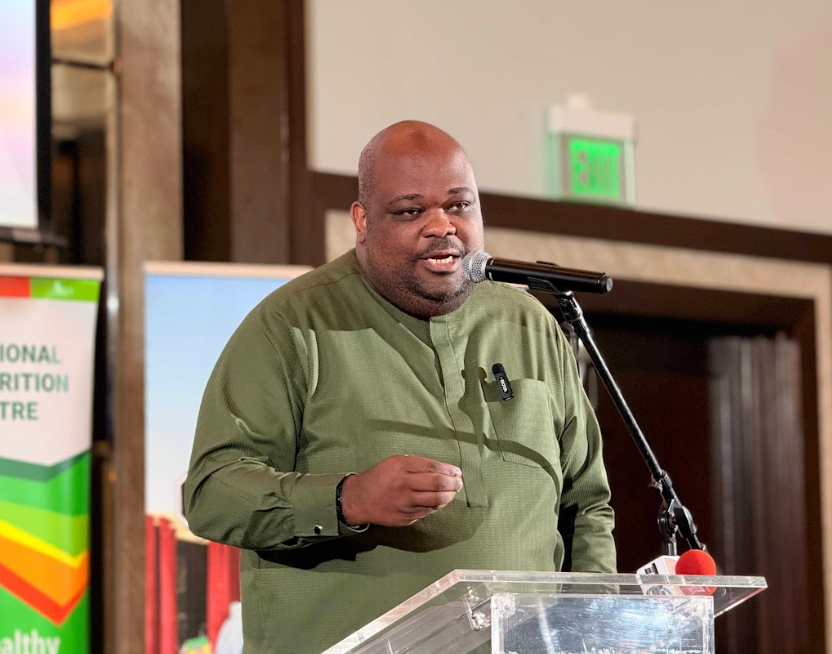
    The decision emerged from concerning observations by educators and behavioral specialists indicating approximately 25% of students arrive at school without proper nourishment. Minister Blackman revealed during the Childhood Obesity Prevention Youth Health Summit that hunger directly impacts classroom dynamics, manifesting as restlessness, fatigue, and disengagement among children. “When we encounter a child with head on desk or displaying disruptive behavior, nine out of ten times the root cause is simply hunger,” Blackman explained.

    This nutritional intervention addresses both immediate educational needs and long-term public health objectives. The breakfast program complements existing measures including the 2023 School Nutrition Policy that eliminated sugar-sweetened beverages from public schools—a move achieving 85% compliance rate according to government reports. Additionally, students have consumed over 4.2 million bottles of water from school stations since the policy implementation.

    The initiative continues Barbados’ legacy of institutional meal programs dating to the 1930s when elementary schools provided milk and biscuits. The current expansion specifically targets primary education, building upon the established national school lunch service initiated in 1963 that provides cooked midday meals. Secondary schools continue to operate through independent catering contracts.

    Minister Blackman positioned the breakfast program as fundamental to national development: “If we aspire to transform our education system and provide children optimal success opportunities, nutritional foundations are non-negotiable.” The government envisions this investment in student wellness as crucial for developing a competitive, healthy population capable of critical thinking and academic excellence.

  • DLP vows sweeping reset after 30–0 loss, Thorne exit

    DLP vows sweeping reset after 30–0 loss, Thorne exit

    Following three consecutive electoral whitewashes and the abrupt resignation of its president, Barbados’s Democratic Labour Party (DLP) has initiated a comprehensive organizational overhaul. The party, which failed to secure a single seat in the last general election, is undertaking a radical transformation of its 71-year-old structure and policy platforms.

    Former cabinet minister and DLP spokesman Stephen Lashley confirmed the Executive Council convened Tuesday evening to address the crisis triggered by former MP Ralph Thorne’s immediate resignation. The party’s highest decision-making body, the General Council, will receive a full report on Thursday where Thorne’s resignation letter will be formally tabled.

    Lashley announced the launch of “a candid and frank review” examining the party’s electoral performance, constitutional framework, and policy positions. “We wish to assure Barbadians that in this review exercise, the party will seek out, and listen to their views and ideas,” he stated, emphasizing the process would be “people-driven” and incorporate public feedback as the party embarks on “the vital process of rebuilding and refocusing.”

    The DLP’s rebuilding phase includes continued support for Senator Ryan Walters, its sole parliamentary representative in the Senate. The critical vacancies of president and political leader created by Thorne’s departure will be addressed by the General Council, though the party acknowledged Thorne’s contributions and noted his membership remains intact.

    Political analysts responded with cautious optimism. Political scientist Peter Wickham welcomed the renewal commitment but urged constitutional reform, stating: “The key change I would like to see is a review of the DLP’s constitution to delink the presidency from political leadership,” noting the party currently lacks representation in the Lower House.

    University of the West Indies political scientist Dr. George Brathwaite described the statement as “sound on the surface” but expressed skepticism, noting the absence of “the urgent need to attract new membership and to offer an olive branch to those who left.” He emphasized that “mass-based parties need committed members and, I daresay, youthful” leadership, indicating he would “wait and see” if public views are genuinely incorporated into the reform process.

  • Vendors outside schools drawn into healthy food policy drive

    Vendors outside schools drawn into healthy food policy drive

    Barbados education authorities are implementing a comprehensive training program to bring off-campus snack and beverage vendors into compliance with national school nutrition standards, marking a significant expansion of childhood obesity prevention efforts. Rather than employing punitive measures, the Ministry of Educational Transformation has adopted a guidance-oriented approach to help vendors transition toward healthier product offerings while maintaining their livelihoods.

    Education Officer Nicole Elliott, overseeing the Barbados School Nutrition Policy, revealed that compliance checks within school environments initiated last September have yielded an 85% success rate for beverages but only 45% for snacks. This disparity prompted officials to extend their outreach to vendors operating outside school premises where students frequently purchase items after being dropped off by parents.

    “Our engagement isn’t about reprimanding vendors but providing practical guidance on healthier alternatives,” Elliott stated during the Childhood Obesity Prevention Youth Health Summit. “We recognize these entrepreneurs depend on this trade for their income, and our objective involves facilitating their transition toward compliant products.”

    The ministry confronts substantial challenges in implementing the 2023 School Nutrition Policy, which aims to regulate sugary drinks and snacks sold near educational institutions. Minister Chad Blackman emphasized the urgency of addressing childhood obesity and non-communicable diseases through improved nutritional access, noting that government responsibility extends beyond school fences.

    A significant hurdle identified involves vendors’ difficulty sourcing approved products. Education officials now actively connect vendors with distributors and wholesalers supplying compliant items. Some companies have developed promotional packages specifically for school vendors, offering reduced prices that maintain profit margins while making healthier options more accessible.

    Despite training sessions attended by approximately 35 vendors and providing equipment vouchers for food handling improvements, compliance remains uneven. Elliott attributes the snack compliance gap to the overwhelming market variety—initially 1,700 snack variations identified in Barbados, now refined to 450-500 approved products through phased nutritional standardization.

    The ministry continues its outreach as compliance checks progress, offering registration opportunities for vendors seeking guidance through direct contact with Education Officer Nicole Elliott via phone or email at nelliott@mes.gov.bb.

  • Trade unionists gear up to train future leaders for changing workplace

    Trade unionists gear up to train future leaders for changing workplace

    In a strategic response to evolving workplace dynamics, the Congress of Trade Unions and Staff Associations of Barbados (CTUSAB) has inaugurated an intensive leadership development program aimed at cultivating a new generation of trade union representatives. The two-day workshop, convened at the Ministry of Labour conference facility in Warrens, marks a significant investment in strengthening worker representation through comprehensive skill development.

    Under the thematic framework ‘Building Strong Workplace Representation,’ CTUSAB President Ryan Phillips outlined the program’s critical importance in addressing generational transitions within union leadership. “Our analysis reveals a pressing need to develop competent successors as veteran unionists retire,” Phillips stated during proceedings. “Emerging leaders require systematic training in practical union operations to effectively navigate contemporary labor challenges.”

    The curriculum delivers rigorous instruction in multiple essential domains: grievance resolution protocols, Barbados employment legislation, tribunal procedures, and governance principles. Participants receive specialized training in financial oversight mechanisms and strategic decision-making processes within statutory boards and national institutions.

    Phillips emphasized the critical intersection between representative training and national development: “Board-level representation directly shapes policy direction, financial accountability, and strategic planning. Without proper preparation, union representatives cannot adequately protect worker interests or contribute substantively to national progress.”

    Noting improved engagement across essential services, Phillips reported increased participation from police, fire, and prison service personnel—a development signaling broader organizational inclusivity. The initiative further prioritizes financial sustainability through enhanced local, regional, and international partnerships.

    The union movement demonstrates growing influence as domestic social organizations increasingly seek collaborative opportunities with CTUSAB. This trend reflects rising institutional credibility and presents opportunities for expanded societal impact.

    Future expansion plans include educational outreach through revitalized school programs and targeted youth initiatives. CTUSAB is preparing governmental proposals addressing youth development challenges, aiming to channel young Barbadians toward productive engagement while countering negative social influences through meaningful workforce participation.

  • BWU launches drive to upgrade shop steward training

    BWU launches drive to upgrade shop steward training

    In a significant modernization effort, the Frank Walcott Labour College has initiated a comprehensive strategic planning program to fundamentally transform how the Barbados Workers’ Union (BWU) prepares its shop stewards for contemporary workplace challenges. This initiative represents a paradigm shift from reactive, occasional training sessions to a continuous, structured developmental framework designed to meet the complexities of today’s rapidly evolving labor environment.

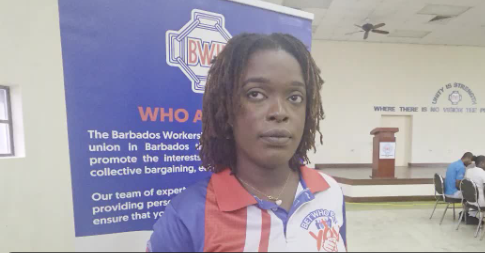
    The BWU has partnered with the government’s workforce development program, bringing together union representatives for a collaborative planning exercise. Speaking at the union’s Harmony Hall headquarters, Senator Roshanna Trim, BWU Training and Education Co-ordinator, emphasized that technological advancements and evolving labor legislation have created an increasingly complex industrial relations landscape requiring stewards to develop multidimensional capabilities.

    Senator Trim elaborated that modern shop stewards must extend beyond traditional grievance management to interpret sophisticated legislative frameworks, navigate changing organizational cultures, and engage constructively with management in digitalized work environments. “The future of labor representation demands leaders who are not only knowledgeable about established processes but also adaptable, strategically minded, and technologically aware,” Trim stated, characterizing the initiative as “a deliberate strategic intervention to ensure we remain fit for purpose.”

    A cornerstone of this educational transformation involves enhanced collaboration with the National Transformation Initiative (NTI). Rafael Saul, NTI Assistant Director, participated in the planning session to announce the relaunch of the “BWU Hub”—a dedicated digital platform providing stewards with direct access to curated professional development courses. These resources emphasize “success skills” including emotional intelligence, advanced communication techniques, negotiation strategies, and leadership development to complement technical training.

    “We aim to empower shop stewards to become exceptional representatives and ambassadors who can bring these upskilling opportunities back to their respective organizations,” Saul explained.

    The college is adopting an inclusive approach, actively soliciting honest feedback from shop stewards to shape the future curriculum. By centering workers in the planning process, the BWU intends to create a sustainable leadership cultivation roadmap that maintains the union’s relevance as a worker-focused organization in an era of unprecedented workplace transformation.

  • Barbados adjusting $80m foreign policy with CARICOM as ‘strategic anchor’

    Barbados adjusting $80m foreign policy with CARICOM as ‘strategic anchor’

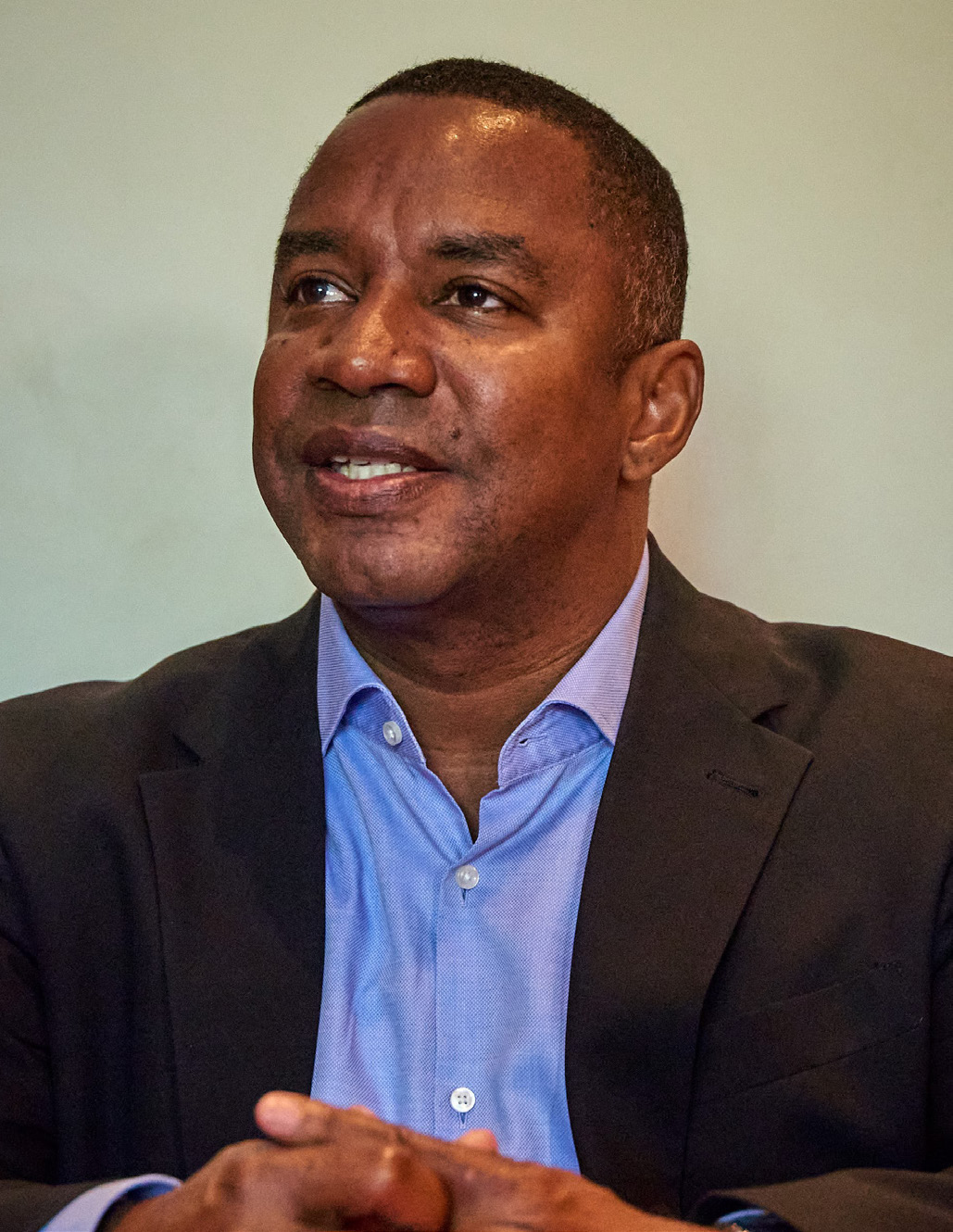
    In a significant address to the House of Assembly, Barbados’ Senior Minister of Foreign Affairs and Foreign Trade, Senator Chris Sinckler, unveiled a comprehensive strategy to reformulate the nation’s international engagement framework. The announcement came during the opening of the Estimates debate, where his ministry sought an BDS $80.7 million appropriation for the upcoming fiscal year.

    Senator Sinckler characterized the contemporary global environment as undergoing profound structural transformation, marked by geopolitical fragmentation, supply chain realignments, technological disruptions, and security-driven trade policies. He emphasized that these shifts represent permanent features of the new international landscape rather than temporary disturbances.

    The minister articulated a vision of disciplined recalibration rather than abandonment of existing principles. This strategic pivot aims to convert diplomatic capital into tangible economic and developmental returns during an era of geopolitical volatility and fiscal constraints. The approach will remain grounded in Barbados’ core values: respect for international law, commitment to multilateralism, advocacy for climate justice, and support for rules-based global systems.

    CARICOM will continue to serve as the strategic anchor of Barbados’ foreign policy, even as the nation strengthens ties with other regional bodies including the Association of Caribbean States and the Organization of American States. Beyond the hemisphere, Barbados is intensifying engagement with both Global South nations and traditional allies, with particular focus on enhancing relationships with EU institutions in Brussels and the World Trade Organization in Geneva.

    Significantly, Senator Sinckler highlighted evolving relations with Canada under new Prime Minister Mark Carney, noting that the two nations have initiated negotiations on a comprehensive cooperation and development agreement. Key discussion areas include skills recognition, mobility frameworks, trade expansion, and migration management.

    The foreign minister also announced plans to modernize Barbados’ diplomatic toolkit through data-driven trade analysis, digital diplomacy platforms, enhanced market intelligence systems, and structured diaspora engagement. This modernization effort aims to enable proactive, intelligence-driven responses to global developments rather than reactive policymaking.

    Senator Sinckler concluded with a cautionary note about operating without firm foundations in an increasingly volatile international environment, outlining a layered diplomatic approach with national interests and CARICOM at its core.

  • CIBC speeds up digital banking: ‘20 minutes to open account’

    CIBC speeds up digital banking: ‘20 minutes to open account’

    In a significant leap for Caribbean banking digitization, CIBC Caribbean has launched a transformative digital onboarding platform that enables customers to open new deposit accounts in approximately 20 minutes. This breakthrough dramatically reduces the traditional paperwork and extended waiting periods that have long characterized the regional banking experience.

    The accelerated account opening service, already operational in Barbados, Antigua, St. Lucia, and St. Kitts and Nevis, represents the bank’s commitment to technological modernization. According to CEO Mark St Hill’s message in the recently published 2025 annual report, the enhanced client onboarding platform has fundamentally reshaped the customer experience for personal accounts.

    Beyond deposit services, CIBC has extended its digital transformation to lending operations through a newly upgraded online LoanStore. This innovation allows customers to complete digital loan applications and receive funds within ten minutes of approval—a previously unimaginable timeframe in conventional banking.

    The technological backbone of these advancements incorporates Artificial Intelligence and Advanced Automation systems, which the bank is actively integrating to strengthen operational controls and automate error-prone manual processes. This strategic implementation addresses both efficiency and accuracy in banking operations.

    Concurrent with this digital expansion, CIBC has significantly bolstered its cybersecurity infrastructure and implemented comprehensive fraud-awareness training programs for staff, recognizing the increased risks associated with accelerated digital banking services.

    Financially, the bank navigated a challenging 2025 fiscal year marked by a unfavorable US interest rate environment that negatively impacted net interest income. Operating expenses from continuing operations increased by 6% ($26 million) compared to 2024 levels. The institution faced additional headwinds including losses from non-core investments in Cayman Islands-based structured notes, a fraud incident in Trinidad, and significant credit losses.

    Despite these challenges, CIBC Caribbean achieved an adjusted net income of $213.5 million (down from $285.2 million the previous year) and maintained a strong financial position through what Chairman Brian McDonough characterized as exceptional leadership and staff resilience across the Caribbean region.

  • Schools drug research freeze after IDB survey fallout blocks data

    Schools drug research freeze after IDB survey fallout blocks data

    A critical national effort to monitor drug use among Barbadian schoolchildren has remained suspended for over three years, Parliament learned this week. The standstill originated from a deeply controversial 2022 survey conducted by the Inter-American Development Bank (IDB), which has since created a climate of reluctance within the Ministry of Education toward approving any school-based research.

    This disclosure emerged during parliamentary debates on the 2026–27 Education Estimates. Attorney General Wilfred Abrahams, whose former ministerial portfolio included the National Council on Substance Abuse (NCSA), revealed the impasse has effectively barred the council from accessing schools to conduct vital research. Abrahams attributed the paralysis directly to the aftermath of the ‘highly publicised survey,’ which triggered national outrage and led to a comprehensive overhaul of research protocols.

    The contentious IDB survey, initially disguised as a computer science pre-test administered without parental knowledge, involved over 700 first-form students across five secondary schools. The nearly 300-question instrument probed sensitive topics including sexuality, gender identity, and substance abuse, alongside collecting personal information about the students’ parents. The revelation sparked intense public debate and prompted immediate calls for stricter oversight.

    Abrahams emphasized the severe operational impact on the NCSA, which traditionally relies on survey data to shape drug treatment policies and early warning systems for emerging substance trends. ‘They need to know from the children: are you using drugs, what drugs are you using? This is not to call out a child, but so we know what programmes can be specifically designed,’ he argued, cautioning that essential safeguards must not create bureaucratic paralysis.

    In response, Minister of Education Transformation Chad Blackman defended the newly established rigorous frameworks while acknowledging the indispensable value of reliable data for formulating effective interventions. Chief Education Officer Dr. Ramona Archer-Bradshaw detailed the revised, multi-tiered approval process now governing all academic research. This includes a mandatory preliminary review by a newly formed committee of research experts within the ministry, followed by additional scrutiny from individual school principals.

    Dr. Archer-Bradshaw clarified that these stringent protocols were instituted precisely because the ministry could ‘no longer take for granted’ that researchers would act ethically. The process is further guided by compliance with the Data Protection Act, involving consultations with the Data Protection Commissioner and requiring parental consent in specific instances. While encouraging continued dialogue with the NCSA, she firmly maintained that ‘the protocols are there to be followed’ and cannot be overstepped, balancing child safety with the nation’s need for crucial public health data.