标签: Barbados

巴巴多斯

  • Pride rout Scorpions to stay in playoff hunt

    Pride rout Scorpions to stay in playoff hunt

    The West Indies Championship’s playoff race has been thrown into dramatic new chaos after a stunning three-day innings victory for Barbados Pride, who crushed Jamaica Scorpions by an innings and 11 runs to completely flip the script on regional cricket’s domestic first-class competition. Heading into the third day of play, Jamaica Scorpions sat comfortably in third place in the standings, holding an almost 10-point advantage over Barbados Pride that seemed likely to secure their place in the final three-team playoff. But that advantage is now in serious jeopardy, leaving the Jamaican side waiting on other results to find out if their early-season form will be enough to advance. Across the other two match venues in Antigua, tense unfinished encounters leave two more playoff spots still up for grabs as the tournament heads into its final day of round-robin play.

    At Kingston’s Sabina Park, Barbados Pride’s spin attack once again proved unplayable, with the slow bowlers sharing nine second-innings wickets to wrap up a clinical victory on Tuesday. Forced to follow on after falling 297 runs short of Barbados Pride’s first innings total, the Scorpions produced a far improved performance in their second turn at bat, but still fell well short of forcing the visitors to bat again. They were bowled out for 286 across 70.4 overs, handing Barbados Pride the decisive victory.

    Left-arm spinner Joshua Bishop was the undoubted star of the match, adding a five-wicket haul in the second innings to his four first-innings wickets to finish with nine match wickets as the primary architect of Jamaica’s collapse. Jomel Warrican chipped in with two more wickets, while off-spinners Roston Chase and Kraigg Brathwaite picked up one wicket apiece to round out the spin-driven victory.

    Resuming the third day at 22 for one wicket, the home side was on the back foot from the first ball. Fast bowler Jediah Blades removed opener Kirk McKenzie for 12 early, and Bishop’s dismissal of Javelle Glenn left the Scorpions reeling at 65 for 3. Brad Barnes made 16 before being cleaned up by Chase, and Romaine Morris chipped in with 17 before offering a return catch to Brathwaite, leaving the score at a precarious 128 for 5. Warrican then trapped Brandon King leg before wicket to end his patient 63-run knock off 144 balls, leaving the Scorpions at 158 for 6 and all but ending their resistance.

    Lower-order batters offered a late fightback, led by a devastating half-century from Odean Smith. After Bishop removed Peat Salmon for 28, Smith and Abhijai Mansingh put on an 86-run eighth-wicket stand that looked set to force Barbados Pride to bat again. But Warrican dismissed Mansingh for 35, and six runs later Bishop outfoxed Smith to end his blistering 73-run knock off just 45 deliveries – which included seven sixes and five fours – leaving the Scorpions at 286 for 9. The final wicket fell on the very next ball, with Bishop bowling Khari Campbell for a first-ball duck to end the match. Bishop finished with second-innings figures of 5 for 72, while Warrican ended with 2 for 39.

    At the Antigua Recreation Ground, Trinidad and Tobago Red Force are on the cusp of victory over Leeward Islands Hurricanes heading into the fourth and final day on Wednesday. Despite putting on their best batting performance of the entire tournament, the Hurricanes are fighting to avoid defeat after being forced to follow on in response to the Red Force’s mammoth first innings total of 522 for 9 declared. The Hurricanes were bowled out for 345 in their first turn at bat, even with a dogged century from Jahmar Hamilton and a 90-run knock from Karima Gore.

    Red Force pacer Anderson Phillip tore through the Hurricanes’ top order in the second innings, leaving the home side at 160 for 4 by the close of play, giving the Red Force an overall lead of just 17 runs. Phillip removed Kofi James for 3, Gore for 2 and Mikyle Louis for 20 to reduce the Hurricanes to 55 for 3 early in the innings. Keacy Carty, who ended the day unbeaten on 84, stemmed the wicket collapse with a 42-run stand with Jewel Andrew, before Andrew was dismissed by Bryan Charles for 27, leaving the score at 97 for 4. Carty and Hurricanes captain Justin Greaves then put on an unbroken 63-run stand to force the Red Force to bat a second time. Phillip has so far taken 3 wickets for 30 runs in the second innings, and 7 wickets overall for the match.

    In the first innings, Hamilton hit a blistering 121 off just 119 balls, including nine sixes and nine fours, while Gore’s 90 off 98 balls included 16 fours to anchor the Hurricanes’ batting effort. Lower-order contributions from Rahkeem Cornwall (38) and Cameron Pennyfeather (29) helped push the first innings total past 300. For the Red Force, Phillip finished with 4 for 92 and Terrance Hinds took 3 for 49 in the first innings.

    At Coolidge Cricket Ground, also in Antigua, table-topping defending champions Guyana Harpy Eagles are well-positioned to claim a third consecutive victory against Windward Islands Volcanoes heading into the final day on Wednesday. Resuming play on Tuesday at 44 for 2 in their second innings, the Harpy Eagles recovered from a mid-innings collapse that saw them slip to 129 for 6 to post a total of 299, setting the Volcanoes a target of 318 runs to win. By the close of play on Tuesday, the Harpy Eagles had already removed opener Ackeem Auguste, leaving the Volcanoes at 17 for 1 at stumps.

    The Harpy Eagles’ recovery was led by opener Tagenarine Chanderpaul, who anchored the second innings with an unbeaten 117 off 297 balls to drag his side past the 300-run lead mark. The Volcanoes looked set to take control of the match early in the second innings, removing Harpy Eagles captain Tevin Imlach (32), Kemol Savory (12), Keemo Paul (11) and Richie Looknauth (1) to collapse the score to 129 for 6. But Chanderpaul and Gudakesh Motie turned the tide of the match with a 91-run partnership. Motie scored a crucial 53 off 66 balls, including eight fours and one six, before being dismissed by Kavem Hodge. After that, Chanderpaul added a further 52 runs with veteran bowler Veerasammy Permaul, who made 29, and a useful 17 from Shamar Joseph helped push the total past the 300 target mark. For the Volcanoes, Kenneth Dember took 3 for 52 and Ryan John took 3 for 58, with Gilon Tyson picking up 2 for 53.
  • MP Straughn hosts constituency fun day

    MP Straughn hosts constituency fun day

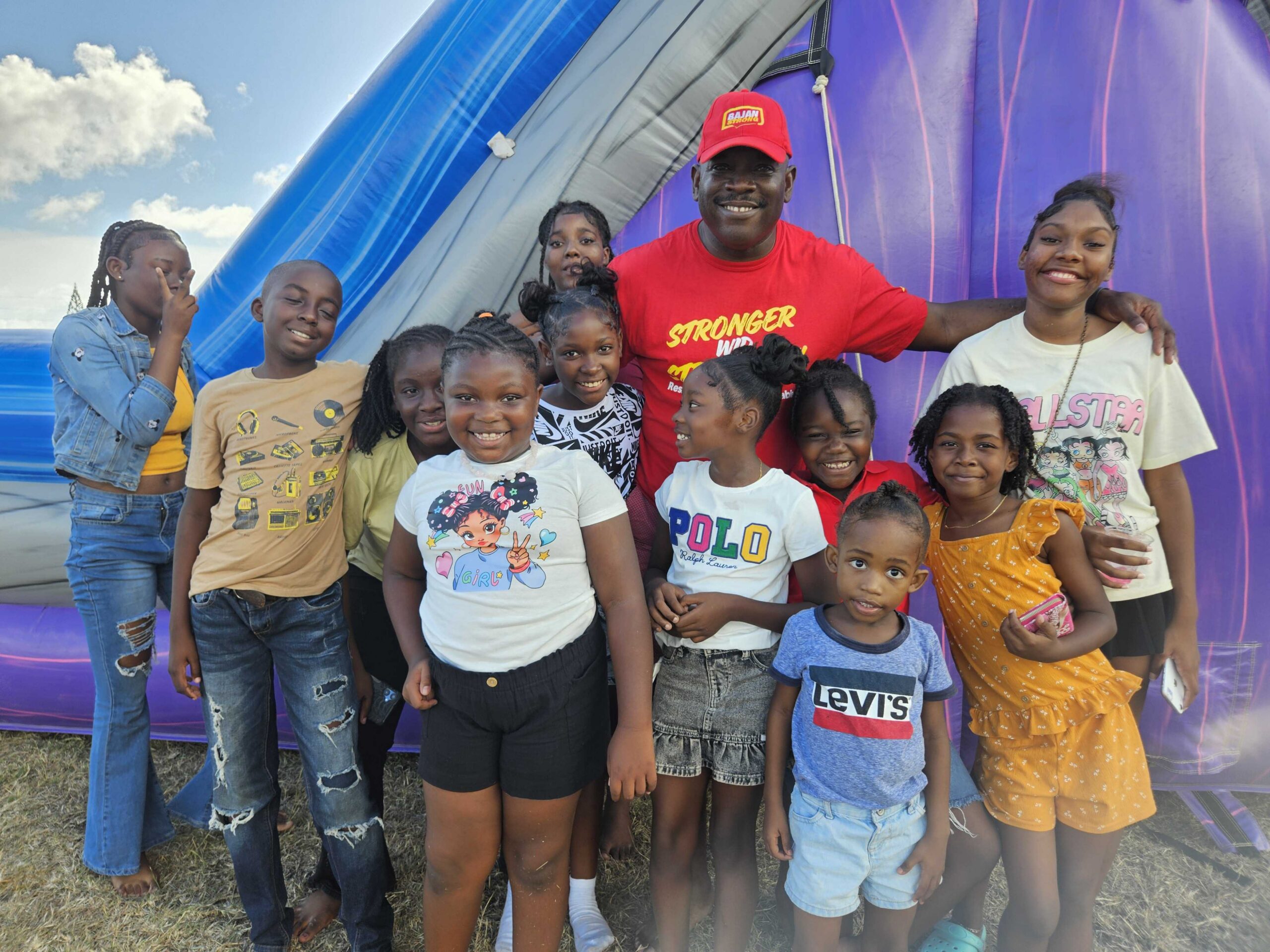
    On Barbados’ annual National Heroes Day this Tuesday, residents of the Christ Church East Central constituency did not let the cancellation of a long-standing traditional event dim their festive spirit, thanks to a rapid, community-focused response from their local representative. When the Barbados Labour Party was forced to call off its yearly Heroes Day Picnic and Rally – a gathering that typically draws crowds to the island’s East Coast – Member of Parliament Ryan Straughn moved quickly to organize an alternative family fun day in the Wotton neighborhood. The last-minute event far exceeded expectations, drawing hundreds of residents from across the constituency who turned out to connect with neighbors, celebrate the national holiday, and enjoy a full slate of family-friendly activities. Attendees were treated to upbeat live music, open karaoke sessions, inflatable jumping tents for children, and a spread of local culinary favorites that created a warm, lively, and inclusive festive atmosphere. In an interview on-site, Straughn shared that the impromptu event quickly came together after organizers had to completely restructure their original holiday plans. “From all reports, we’ve had a good time. The food is great. The entertainment is nice,” he said, emphasizing that the laid-back, interactive tone of the day helped bring neighbors closer than the larger, more formal annual rally often allowed. Straughn himself joined in the recreational fun, racing a dozen young attendees to the popular jumping tent as part of the day’s focus on intergenerational connection. He called the gathering a “good, wholesome family event” that aligned perfectly with the unifying spirit of National Heroes Day. Beyond the fun and festivities, Straughn highlighted that the event carried a meaningful, deeper message about the role of community in building strong, cohesive societies. “Community life and family life is critical to social cohesion,” he explained, expanding on the ongoing local initiative to encourage neighborhood watch and collective responsibility for public safety. The representative noted that this outreach encourages residents to speak up when they observe potential risks, a practice that directly helps protect the safety of children and all family members. He stressed that safeguarding young people cannot fall solely to parents or official authorities; it requires shared commitment across entire communities. “That is why it is critical that as stakeholders, as parents, guardians, families, that we need to make sure that we safeguard the best interests of our children for the love for the future,” Straughn added. For attendees, the day served as both a joyful national holiday celebration and a powerful reminder of how strong local bonds can turn unexpected setbacks into meaningful community building opportunities.

  • CMPI issues warning on youth violence

    CMPI issues warning on youth violence

    A prominent Caribbean peace advocacy organization is sounding the alarm over Barbados’ escalating gun violence crisis, warning that without immediate, coordinated cross-sector action to address the underlying drivers of bloodshed, the island nation could face irreversible social breakdown.

    During a press briefing held in downtown Bridgetown’s Golden Square, Ian Marshall, a long-time educator and active member of the Caribbean Movement for Peace and Integration (CMPI), emphasized that the worsening violence—disproportionately impacting young men—requires a unified, collaborative response from all of the country’s core public institutions.

    Marshall argued that piecemeal blame-shifting between different groups will not deliver meaningful progress. “Too often, we point fingers: society blames parents, parents blame community leaders, everyone points to politicians and police. But solving this crisis demands every stakeholder step up to the table. Only a holistic, collective approach can turn the tide,” he explained.

    So far this year, Barbados has recorded more than 20 homicides, with a sharp spike in fatal shootings linked to illegal firearms. Recent weeks have seen multiple public shootings, including brazen, daylight attacks in populated community spaces, confirming both the growing accessibility of illegal guns and the rapid spread of violence across neighborhoods once considered safe.

    Marshall called the steady loss of young lives a devastating national tragedy, noting that ongoing violence poses a direct threat to Barbados’ long-term social cohesion and economic stability. “It is an incalculable loss when young Black men are lost to this violence, especially at a moment when we need the energy and contribution of all young people to build a stronger, more equitable nation. Without young men and women playing their part in national development, Barbados has no viable future,” he said.

    A key point of Marshall’s call to action is the urgent need for early intervention within the national education system, where he said problematic behavioral patterns first emerge, often as early as primary school. “We have been flagging emerging issues in primary schools for years. When we fail to address these problems at their root, they do not go away—they grow into far more serious, violent challenges as young people age,” he noted.

    While Marshall acknowledged that law enforcement has a critical role to play in curbing immediate violence, he stressed that policing alone cannot resolve the deeper crisis. He explained that most offenders who end up in the criminal justice system first exhibited unaddressed behavioral challenges during their early school years. “Police are only called in at the end of the process. Law enforcement leaders themselves will tell you that the patterns of violence we see today trace back to primary and secondary schools, where these issues first took root,” Marshall said.

    Beyond early intervention, he called for a fundamental shift in educational priorities, arguing that schools need to expand their focus beyond core academic subjects to embed life skills, critical thinking, and strong cultural identity into student learning. “We cannot fixate solely on test scores in English and mathematics. We need to teach young people how to navigate life, how to reason through conflict, and how to think critically about the world around them,” he said. Marshall added that reconnecting youth to Barbados’ full historical context is essential to helping them understand and address the modern social challenges they face.

    He traced the current cycle of violence to deep historical roots, noting: “Barbadian society was built on a foundation of colonial violence, and that pattern of harm has persisted through generations. Today’s youth are just adopting new, more deadly methods to act on that legacy.”

    The veteran educator also highlighted systemic gaps in student support, pointing to chronic resource shortages that leave schools ill-equipped to address the social and emotional needs of at-risk youth. “We need more trained staff, more targeted programming, and the necessary resources to meet young people where they are. We can’t expect under-resourced schools to solve a national crisis on their own,” he said.

    Marshall also voiced concern over the steady erosion of the shared social values that once bound Barbadian communities together. “We’ve moved sharply away from the core values we once held dear, the values we taught and passed down to each new generation. Those values are eroding day by day, and it’s past time we ask as a nation: where did we go wrong?”

  • Renewed call for two new national heroes

    Renewed call for two new national heroes

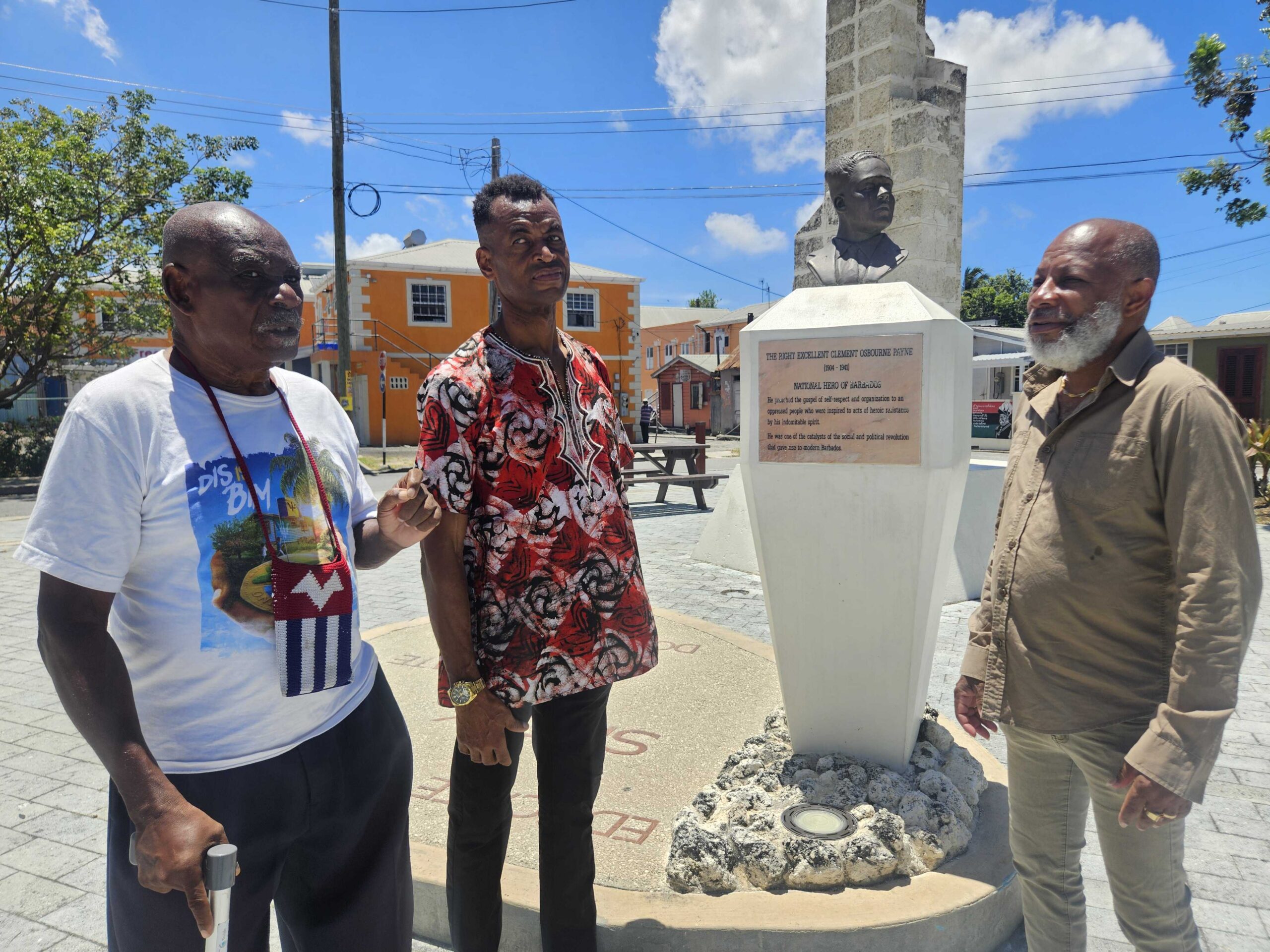
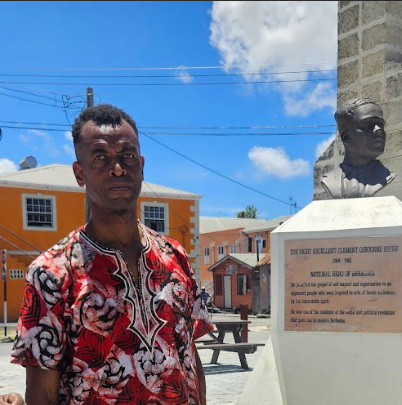
    On Barbados’ annual National Heroes Day, a prominent regional activist has reignited longstanding public demands to expand the island nation’s roll of honoured national figures and officially rename a major St. Michael traffic circle to recognize two underrepresented trailblazers of Barbadian history. David Denny, General Secretary of the Caribbean Movement for Peace and Integration, made the formal appeal during a press gathering convened Tuesday at the Clement Payne Monument, framing the push as a critical step to more fully reflect Barbados’ journey of social and political emancipation.

    Denny opened his remarks by grounding the appeal in the legacy of Clement Payne, the iconic labor organizer whose work laid the groundwork for the 1937 Barbados labour uprising. Payne, who arrived in Barbados to organize exploited working people, educated, mobilized, and unified workers across the island, Denny explained. His movement directly spurred the formation of the country’s first formal political parties, trade unions, and grassroots working-class advocacy groups that remain central to Barbadian public life today. It is against this backdrop, Denny argued, that one of Payne’s closest and most influential collaborators has been unfairly overlooked for national recognition.

    “Today I am using this occasion, when we gather to honor the heroes who built our nation, to call for Israel Lovell to be officially named a National Hero of Barbados,” Denny said. “His tireless work, unwavering commitment to the 1937 labor movement, and critical contributions to our fight for working-class justice make him fully deserving of this highest national honor.”

    Beyond Lovell’s recognition, Denny also renewed multi-decade calls to honor Nanny Grigg, a revolutionary female anti-slavery organizer who played a pivotal, under-documented role in the 1816 Bussa Rebellion, Barbados’ largest mass uprising against chattel slavery. Denny highlighted that Grigg dedicated her work to educating enslaved people across the island, sharing news of the successful Haitian Revolution — the first successful slave revolt in modern history — to fuel hope and organize for emancipation.

    Barbados already officially recognizes Bussa, the leader of the 1816 rebellion, as the “father of Barbadian emancipation,” Denny noted. On that basis, the Caribbean Movement for Peace and Integration is calling on the Mia Mottley administration to grant Nanny Grigg National Hero status, framing her as the rightful “mother of Barbados” for her foundational contributions to the fight for freedom.

    In addition to updating the National Heroes list, Denny is calling for official action to rename a prominent public space to reflect the new recognition. Currently called the J.T.C. Ramsay Roundabout, the busy St. Michael intersection is already colloquially known to most Barbadians as the Bussa Roundabout. Denny argued that the government should formalize the public’s common usage and expand it, renaming the circle the Bussa and Nanny Grigg Roundabout. This change, he said, would give long-overdue public recognition to Grigg’s pivotal role in Barbadian history and help correct the historical erasure of women’s contributions to the nation’s emancipation.

    Denny emphasized that these proposals are not isolated demands, but part of a broader movement to deepen national awareness of Barbados’ full history and expand public participation in National Heroes Day celebrations. “We will continue to stand behind this day as a core national celebration, and we will do whatever it takes to create space for the Barbadian people to honor the full range of leaders who built our nation,” he said.

    Calls to expand Barbados’ National Heroes roster have circulated for decades among historians, cultural commentators, and grassroots activists, who have repeatedly argued that the current list of 10 honorees fails to capture the full diversity and breadth of the country’s social and political development. Under the country’s National Heroes Act, Barbados currently recognizes 11 National Heroes, with the most recent addition being global music icon and diplomat Robyn Rihanna Fenty, who was conferred the honor on November 30, 2021, during the country’s transition to a republic.

  • Calls for greater autism awareness in public spaces

    Calls for greater autism awareness in public spaces

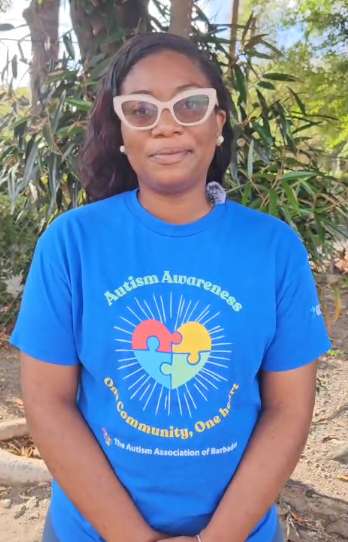
    A rising tide of complaints from families of autistic children across Barbados, centered on rigid policies in high-traffic public spaces such as supermarkets, has reignited advocacy for greater flexibility, public awareness, and empathy from local business operators. Chantal Fields, Events and Coordination Chairman of the Autism Association of Barbados, outlined the ongoing everyday challenges faced by autistic people and their caregivers during an interview with Barbados TODAY, held on the sidelines of the organization’s annual Autism Awareness Walk earlier this week.

    Fields emphasized that while public understanding of autism has grown incrementally in recent years, many families still encounter unnecessary barriers during routine outings. A core point of frustration is supermarket policies that ban children from riding inside shopping baskets, a safety measure many caregivers rely on to manage autistic children who are prone to elopement, or unexpected wandering.

    “Many parents have reached out to me about this issue,” Fields explained. “A little bit of grace goes a long way, because not everyone can navigate a supermarket trip the same way. For autistic children prone to wandering, a trip to pick up groceries turns into a constant effort to keep them safe. Restricting the use of shopping carts as a safety space directly undermines that effort.”

    Fields proposed a common-sense compromise that balances business concerns with family safety: “Businesses don’t have to drop their rules entirely. Even allowing the practice for caregivers who can show verification of their child’s autism would be a huge step forward. Everyone on the autism spectrum functions differently, and a small accommodation can drastically cut the burden on families.”

    Despite these ongoing public access challenges, Fields highlighted incremental progress in other areas of daily life. In the workplace, a growing number of Barbadian employers have adopted more flexible policies to support parents of autistic children, allowing adjusted shift times to accommodate therapy appointments and excused leave for care-related needs. “Many parents have told me their workplaces have been really supportive,” she noted. “That flexibility makes a world of difference for families balancing care and work.”

    In the education sector, however, systemic change remains in its early stages. Fields said the Ministry of Education has begun rolling out pilot programs for more inclusive schooling, but widespread implementation is still years away, meaning current families will not see the full benefits of these reforms. “The ministry is putting in the work, but it’s still at the pilot stage,” she said. “It won’t help many of the families currently navigating the system, but it will create better outcomes for the next generation.”

    Looking toward long-term improvement, the Autism Association of Barbados has partnered with the Samuel Jackman Prescod Institute of Technology (SJPIT) to launch new skills-based training programs for autistic adults, focused on employable trades such as cooking and carpentry. The initiative aims to expand employment opportunities and increase economic independence for autistic people across the island. Fields noted that public receptiveness to these efforts has grown, with slowly opening opportunities for autistic people to participate fully in Barbadian society.

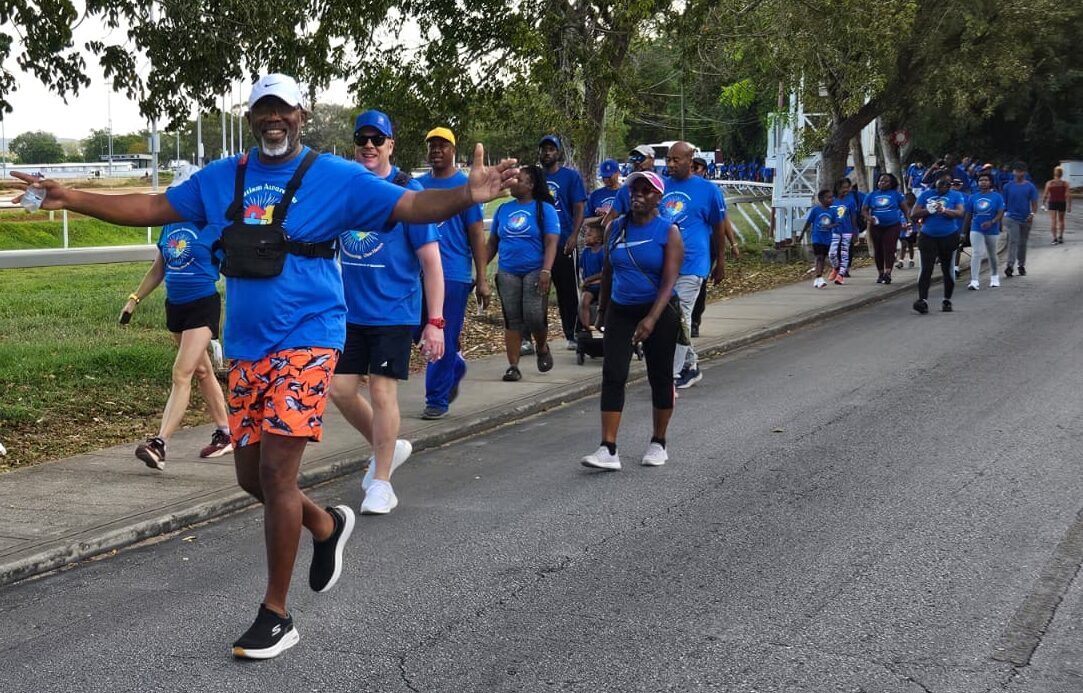
    Fields’ comments came as more than 300 community supporters gathered before dawn on Tuesday for the annual Autism Awareness Walk. Participants started at the Social Empowerment Agency, traversed a marked route through Lower Collymore Rock, Culloden Road, Beckles Road, Dalkeith Road, circled the historic Garrison district, continued along Highway 7, and returned to the starting point. The event concluded with a community cool-down session, reinforcing the association’s core mission: building widespread public acceptance, practical support, and understanding for autistic people and their families across Barbados.

  • Mental health key to workplace safety — NMHC

    Mental health key to workplace safety — NMHC

    As the Caribbean island of Barbados marks the annual World Day for Safety and Health at Work, the country’s National Mental Health Commission (NMHC) is delivering a critical wake-up call to all local employers: mental health cannot be sidelined as an add-on to workplace safety protocols—it is foundational to occupational safety itself.

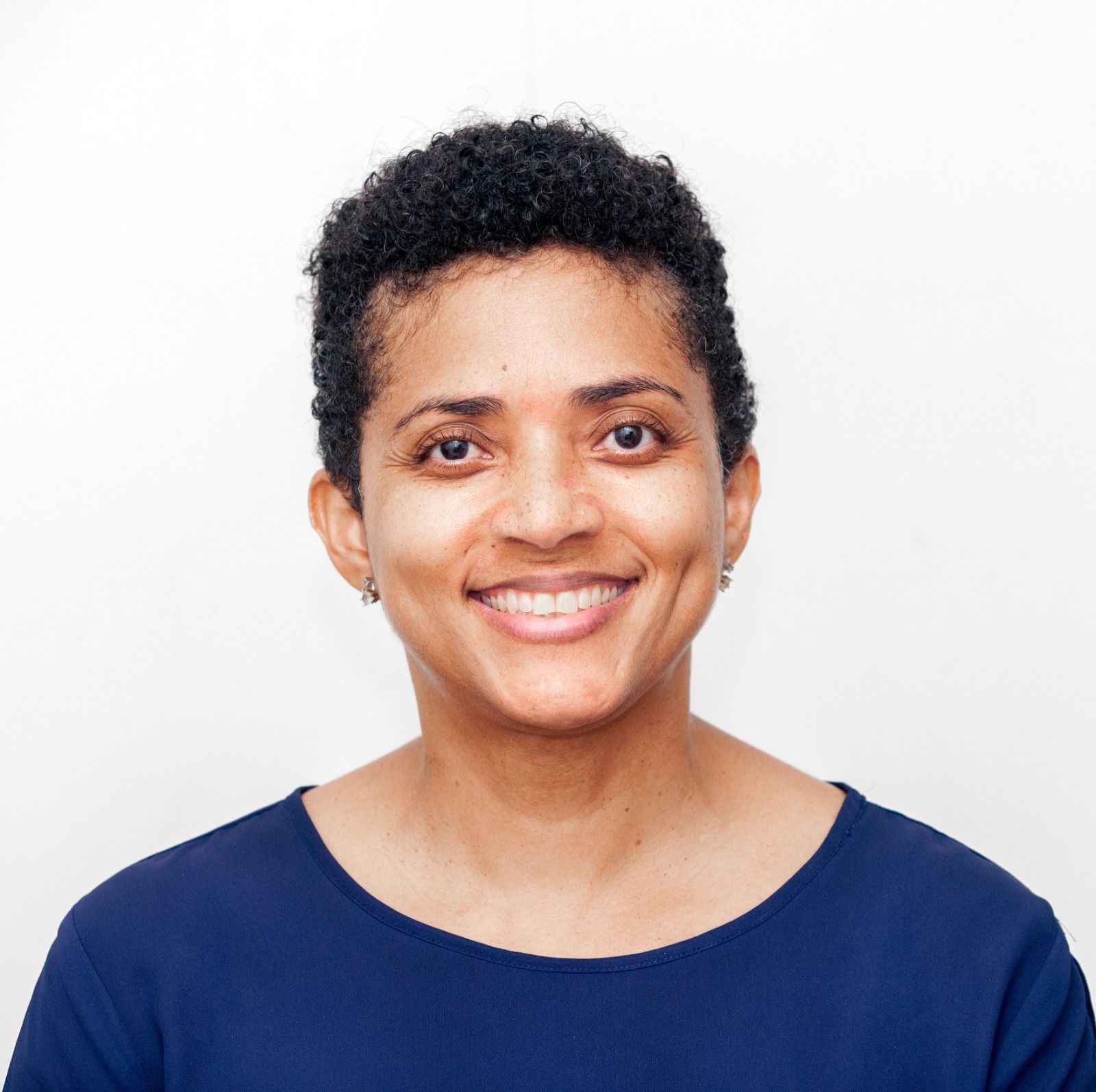
    Dr. Maisha Emmanuel, chair of the NMHC, laid out the commission’s stance in a public statement, stressing that any conversation about safe, healthy work environments must integrate mental and psychosocial well-being alongside long-standing physical safety protections. She explained that common work-related issues including chronic stress, occupational burnout, workplace harassment, and on-the-job violence are every bit as much occupational health hazards as traditional dangers such as exposure to toxic chemicals, poorly maintained machinery, or inadequate ergonomic design.

    The commission’s argument highlights the direct causal link between poor workplace mental health and elevated safety risks. Unmanaged stress, clinical anxiety, and depression all impair core cognitive functions: they reduce focus, slow response times, cloud critical judgment, and diminish a worker’s ability to assess their surrounding environment. Each of these impairments is a known precursor to workplace accidents and injuries. Workers navigating untreated mental health challenges are far more likely to make costly errors, experience preventable incidents, and fail to respond effectively when emergency situations arise.

    Dr. Emmanuel noted that the problem is far from abstract for Barbadian workers, with thousands currently grappling with psychosocial hazards on the job. Excessive unmanageable workloads, extended shift hours, pervasive workplace bullying, lack of managerial support, and persistent job insecurity have become common experiences for many across the island’s labor force. “These psychosocial hazards are as real and dangerous as any physical hazard, and they must be addressed with the same seriousness and urgency,” she emphasized.

    To turn the commission’s call into action, the NMHC has outlined a series of concrete steps employers can implement immediately to improve workplace mental health and safety. First, organizations should conduct full systematic assessments to identify psychosocial risks specific to their workplaces, then roll out targeted measures to prevent and mitigate those hazards. Employers must also prioritize widespread mental health literacy, expand access to support resources, and build inclusive workplace cultures where workers feel comfortable disclosing mental health concerns without fear of stigma, retaliation, or discrimination.

    Key actionable recommendations from the commission include adjusting workload distribution to prevent endemic burnout, defining clear job roles and performance expectations to reduce worker uncertainty, offering flexible work arrangements where feasible to support healthier work-life balance, enacting and enforcing strict zero-tolerance policies for workplace bullying and harassment, providing specialized training for managers to recognize early signs of mental health strain and support struggling team members, and guaranteeing all staff access to confidential Employee Assistance Programmes and affordable specialized mental health services.

    The message is not directed solely at employers, however. The NMHC also reminded workers that protecting collective and individual mental health at work is a shared responsibility. For employees, the commission recommends speaking up about harmful stressors when they arise, setting clear healthy boundaries around work and personal time, taking regular scheduled breaks to avoid fatigue, building supportive connections with colleagues, practicing evidence-based stress management techniques, and reaching out for professional support early if mental health challenges begin to impact daily work and well-being.

    In closing, Dr. Emmanuel reaffirmed the core principle of the commission’s campaign: “A safe workplace protects both physical and mental health. Every worker in Barbados has the right to return home safe and healthy — in body and mind — every day. On this World Day for Safety and Health at Work, let us commit to creating workplaces where mental health is valued, protected, and supported as the essential component of workplace safety.”

  • Call for greater autism awareness in public spaces

    Call for greater autism awareness in public spaces

    Over the last 12 months, families of autistic children in Barbados have reported a sharp uptick in frustrating encounters in public spaces, especially grocery stores, reigniting demands for local businesses to adopt more flexible, compassionate policies and deepen public understanding of autism spectrum needs.

    Chantal Fields, Events and Coordination Chairman of the Autism Association of Barbados, shared these insights with local outlet Barbados TODAY on the sidelines of the organization’s annual Autism Awareness Walk, held Tuesday. While she acknowledged that general public awareness of autism has advanced in recent years, Fields emphasized that countless caregivers still face unnecessary barriers during routine outings.

    “I’ve had so many parents reach out to me with these complaints,” Fields said. “A little grace goes such a long way; people need to understand that not everyone can navigate a supermarket trip the same way.”

    She explained that one of the most common points of friction stems from widespread supermarket rules banning children from riding inside shopping baskets or trolleys — a safety measure many parents rely on to prevent elopement, a common behavior among autistic children that can put kids at severe risk in crowded, busy public spaces.

    “For example, some autistic individuals are prone to wandering off unexpectedly,” Fields explained. “That turns a simple trip to pick up groceries into a constant exercise in keeping your child contained. But when parents try to keep their child safe by placing them in a shopping trolley, many supermarkets now have signs prohibiting the practice, and staff will step in to stop them. For our families, this isn’t a convenience — it’s a safety issue.”

    Fields called on local businesses to adopt a more accommodating approach, noting that small adjustments could drastically reduce the daily burden carried by autism families. She even proposed a simple compromise: allowing children to ride in trolleys if parents can provide formal confirmation of their child’s autism diagnosis, to balance store policies with safety needs.

    “Every person on the autism spectrum functions differently, and some need that extra layer of support, whether that means containing a child who elopes or other small accommodations,” she said. “Just a little flexibility can make a world of difference.”

    Fields did highlight bright spots amid ongoing challenges, pointing to gradual improvements in workplace support for autism parents. A growing number of Barbadian employers have introduced more lenient scheduling policies, allowing caregivers to adjust shift times or step out for therapy appointments without fear of penalty. “A lot of parents have told me their workplaces have been really supportive,” she said.

    When it comes to inclusive education, however, progress remains in early stages. Fields noted that the Barbadian Ministry of Education is currently piloting new inclusive schooling frameworks, but the reforms are not yet fully rolled out. “It hasn’t been launched system-wide yet, it’s still in its pilot phase,” she explained. “It might not benefit families currently navigating the system, but it should create better outcomes for the next generation of autistic people coming through in the next five years.”

    Looking ahead, the Autism Association of Barbados is partnering with the Samuel Jackman Prescod Institute of Technology (SJPIT) to launch new skills-based training programs for autistic adults, covering in-demand vocational areas such as cooking and carpentry. The initiative is designed to help participants build employable skills and access sustainable work opportunities. “Opportunities are starting to open up, and people are becoming more receptive to including autistic individuals in the workforce,” Fields said.

    Overall, Fields assessed that while ongoing autism awareness campaigns have moved the needle on public knowledge, significant gaps in understanding remain. “It’s a mixed picture,” she said. “We’ve been doing consistent outreach and awareness work, and people are learning more, but there are still a lot of areas where understanding just hasn’t caught up.”

    Fields’ comments came during the association’s annual Autism Awareness Walk, which drew more than 300 supporters who gathered as early as 6:30 a.m. to participate. Participants began their route at the Social Empowerment Agency, winding through Lower Collymore Rock, Culloden Road, Beckles Road and Dalkeith Road, circling the Garrison, traveling along Highway 7, and returning to the starting point. The event concluded with a group cool-down session led by Spinny, serving as a visible public push for wider acceptance, awareness and practical support for autistic people and their families across Barbados.

  • PM urges Barbadians to ‘be a hero to somebody’ in Heroes Day message

    PM urges Barbadians to ‘be a hero to somebody’ in Heroes Day message

    Barbados came together on April 28 to observe its annual National Heroes Day, a occasion dedicated to honoring the iconic figures who shaped the nation’s trajectory, with Prime Minister Mia Mottley delivering a stirring address that redefined heroism for modern citizens. In her message delivered to both domestic residents and the sprawling Bajan diaspora across the globe, Mottley rejected the common misconception that courage and heroism are reserved only for celebrated public figures, pushing instead for a vision of heroism rooted in daily action and service to others. The commemoration carries a special significance this year, as it marks the birthday of The Right Excellent Sir Grantley Herbert Adams, Barbados’ first Premier, a founding father of both the nation and the Barbados Labour Party. For current public servants, Mottley emphasized that Adams’ enduring legacy serves as a constant reminder that politics’ core purpose must be lifting up marginalized communities, upholding human dignity, expanding access to opportunity, and ensuring every Barbadian sees a place for themselves in the country’s future. Mottley opened her address by extending warm wishes to all Barbadians, at home and abroad, urging the nation to reflect on the sacrifices of the heroes who fought to build the independent, resilient country Barbados is today. During the ceremony, the Prime Minister paid special tribute to the nation’s two living National Heroes, highlighting their unique contributions to elevating Barbados’ global profile. The first, The Right Excellent Sir Garfield Sobers, showcased to the world that Barbadian talent combines grace, discipline, and unmatched skill that sets a global benchmark. The second, Her Excellency The Right Excellent Robyn Rihanna Fenty, has become a beacon for young generations across the island and the globe, proving that creativity, boldness, relentless hard work, and unwavering patriotism can carry a Bajan voice to every corner of the world. Drawing on the examples set by both historical and living national heroes, Mottley reiterated her core thesis: heroism is not measured by fame, formal ceremonies, or public applause. Instead, it lives in the values that guide daily life, the quiet examples people set for others, the burdens that individuals choose to carry on behalf of neighbors and community members, and the hope that is instilled in people who will never have the chance to repay that kindness. Against this backdrop, Mottley issued a straightforward but profound challenge to all Barbadians in 2026: step forward and be a hero to someone. She broke down what that everyday heroism looks like across age groups and communities. For a child, that means being a person they can look up to, modeling how to speak with integrity, work diligently, treat others with respect, and bounce back from failure. For a young person navigating an uncertain world, everyday heroism means proving that decency remains a strength, honesty still matters, discipline still yields meaningful rewards, and kindness is never a sign of weakness. For an elderly neighbor, heroism can be as simple as a phone call, an in-person visit, a warm meal, a helping hand, or just the quiet comfort of knowing they have not been abandoned or forgotten by their community. Mottley framed the concept of a hero simply: a hero is anyone who acts as a positive role model for at least one other person. It is a person whose core values, consistent virtues, and intentional choices give others a blueprint for how to live well. A hero inspires those around them to stand taller, work harder, live more purposefully, dream bigger, and deepen their love for their home country of Barbados. Echoing the words of the Barbadian National Anthem, which calls on citizens to be “Firm craftsmen of our fate,” Mottley noted that this is not just a lyric to be sung on ceremonial occasions—it is a binding duty that all citizens must live out every day. She closed her address by urging every Barbadian to commit to one small act of service: lift up one person whose life can be strengthened, encourage one young person who needs support, right one wrong that has been overlooked, and complete one act of service that leaves their home, school, workplace, house of worship, or community better than they found it. The national heroes honored today built the foundation of the modern Barbados that current citizens enjoy. Mottley left the nation with a closing question: what kind of Barbados will today’s citizens leave for the generations that come after them? Closing out the address, the Prime Minister wished all Barbados a happy National Heroes Day, repeating her core call to action: “Let each of us be a hero to someone.” (Issued by the Prime Minister’s Office)

  • New deal includes farming, energy, Spanish as second language

    New deal includes farming, energy, Spanish as second language

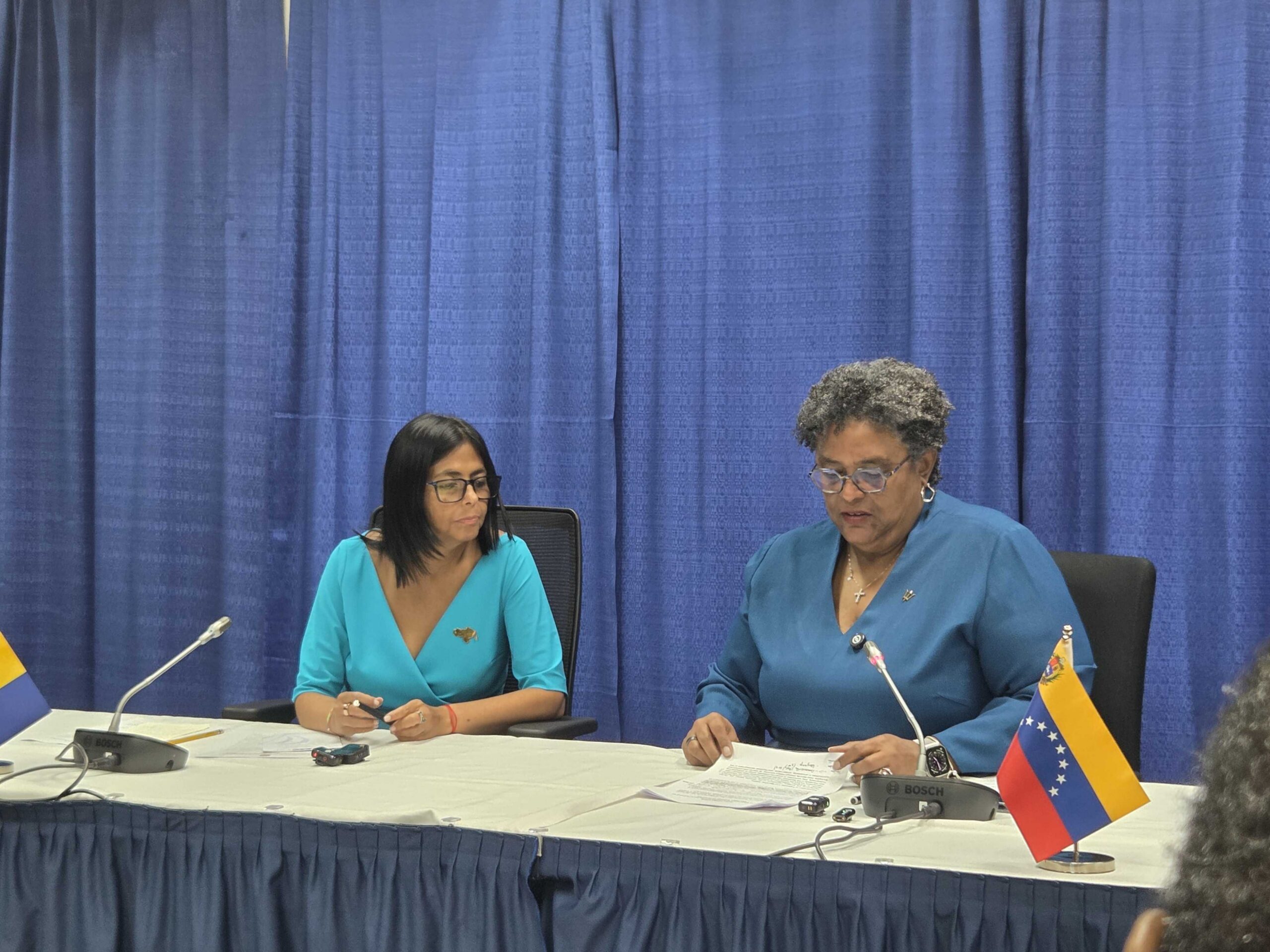
    In a landmark diplomatic gathering hosted in Bridgetown on Monday, Barbados and Venezuela unveiled a wide-ranging strategic alliance covering food production, energy investment, and language education, marking the first high-level visit from Venezuela’s new interim government following the US removal of former president Nicolás Maduro. The meeting, held at the Lloyd Erskine Sandiford Centre, brought together Barbadian Prime Minister Mia Mottley and Venezuelan Acting President Delcy Rodríguez, who jointly announced the start of a new, transformative era of bilateral collaboration after a full day of closed-door negotiations.

    Both leaders emphasized that the close geographical proximity of the two nations — a mere one-hour flight apart — has long been underutilized, and the new partnership will finally build the deep economic and social connections that match this geographic advantage. Mottley framed the cooperation as a critical collective defense mechanism against the ongoing global economic strains of soaring inflation and disrupted supply chains, noting that the two countries already have a foundational history of dialogue from prior diplomatic engagements.

    “Venezuela has made impressive progress in securing food sovereignty, and it is well positioned to help many nations across our region access affordable, nutritious food,” Mottley stated. A core initiative of the new partnership will allow Barbadian government representatives and private farmers to cultivate food directly on Venezuelan territory. This arrangement is designed to stabilize volatile food prices on Barbados’ import-dependent island economy, while leveraging the nation’s established Caribbean logistics networks to turn the island into a regional export hub for Venezuelan-grown produce. Mottley added that the plan will eliminate wasted cargo capacity on trade routes between the two countries, ensuring that planes and ships returning from Barbados to Venezuela are not carrying empty holds, boosting economic efficiency for both sides.

    In a surprising policy announcement, Mottley reaffirmed a decades-old pledge to make Spanish Barbados’ second official language, a policy first outlined almost 50 years ago that was never fully implemented. Under the new target, all Barbadians under the age of 18 will receive formal Spanish language education by 2030, a move designed to eliminate language barriers and streamline cross-hemisphere trade and travel. Mottley noted that this linguistic integration will also lay the groundwork for future cooperation in tourism and transport connectivity, which the two nations plan to advance in subsequent negotiations.

    Turning to energy cooperation, Mottley recognized Venezuela’s long history as an energy security stabilizer for the Caribbean, referencing landmark prior agreements including the San Jose Agreement and PetroCaribe. She confirmed that the Barbados National Energy Company will now begin exploring joint investment opportunities in Venezuela’s existing oil and gas fields, to strengthen Barbados’ long-term energy security amid the current global energy crisis. Mottley added that the partnership will also extend beyond fossil fuels to collaborative development of renewable energy technologies.

    Acting President Rodríguez, who assumed leadership of Venezuela after US special operations forces invaded Caracas in early January and removed Maduro to face US criminal charges, described the new agreement as a “new birth” of bilateral relations, officially marking April 27 as the starting date of the revitalized economic and trade alliance. Rodríguez echoed Mottley’s praise for the food production initiative, confirming that the arrangement will not only improve food access for Barbadians but also position Barbados as a global export hub for Venezuelan agricultural products.

    Rodríguez also outlined plans to expand air and maritime connectivity between Caracas and Bridgetown, noting that increased flight frequencies will unlock new tourism markets for both countries. She extended an invitation for Barbadian tourism professionals to lead training programs for Venezuelan hospitality workers, while offering Venezuelan energy expertise to help Barbados expand its domestic energy output. The two sides also agreed to explore joint manufacturing of solar panels as part of their renewable energy collaboration.

    On the education and language front, Rodríguez announced that Venezuela will expand the operations of its Venezuelan Institute for Cultural Cooperation in Barbados, integrating digital education technology to connect Venezuelan language teachers with Barbadian students to support the push for Spanish proficiency across the island.

    The visit comes amid a deeply unstable political transition in Venezuela, with widespread international debate over the legitimacy of US intervention and the nation’s future democratic governance. The US military operation that removed Maduro has been widely condemned by global policymakers as a violation of Venezuelan sovereignty and international law. Currently, Maduro is being held at the Metropolitan Detention Center in Brooklyn, New York, alongside his wife Cilia Flores. He has pleaded not guilty to all charges of drug trafficking and corruption, telling a Manhattan federal court that he is a “prison of war” who was illegally kidnapped by US forces.

    The high-level talks concluded with a ceremonial exchange of cultural gifts, including an indigenous handcrafted beach bag from Venezuela and a original work of Barbadian art, symbolizing the deep cultural ties the two leaders aim to solidify through the new partnership. “We invite you and your delegation to always treat Barbados as your home,” Mottley told Rodríguez at the closing of the summit. “Our core goal is to build a relationship that delivers tangible benefits to ordinary citizens of both nations, so that everyone can access the best that both our countries have to offer.”

  • YouTube star draws crowds, global online audience

    YouTube star draws crowds, global online audience

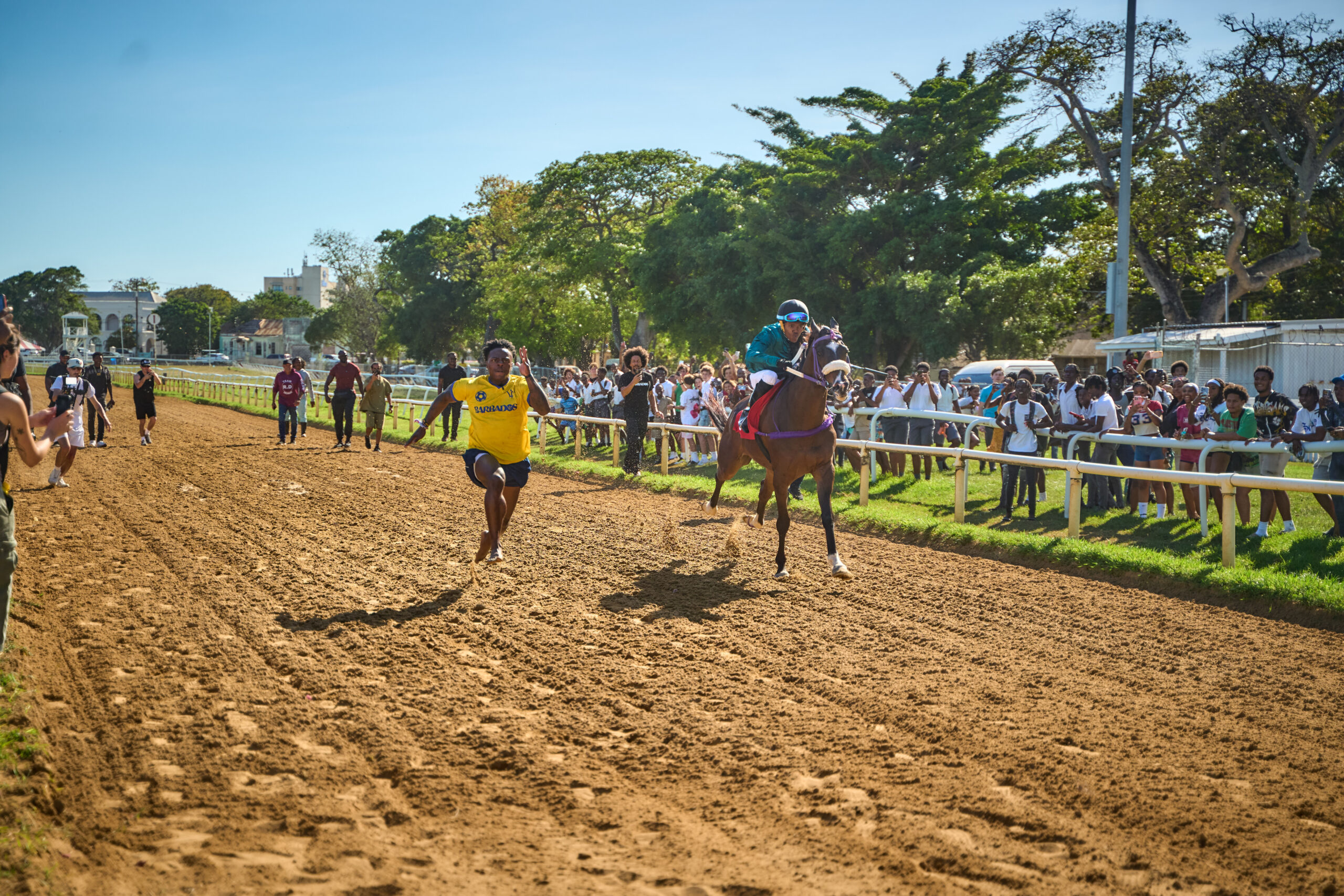
    On Monday, the world-famous American streaming creator Darren Watkins Jr., universally known by his online alias IShowSpeed, transformed an impromptu tour of Barbados into an unprecedented cross-platform global cultural event, drawing tens of thousands of local fans onto the island’s streets while amassing millions of concurrent online viewers.

    Famous for his unfiltered, high-octane livestreams that have earned him a massive global youth following, IShowSpeed stuck to a packed, carefully curated itinerary designed to immerse him in every corner of authentic Bajan life. Within a single day, he traveled across the island, stopping at secondary schools, sun-soaked public beaches, iconic local food spots and landmark historic sites. Excited crowds made up of schoolchildren, parents and long-time fans gathered at every stop along his route, from Christ Church Foundation School and the fishing village of Oistins to Dover Beach, Golden Square Freedom Park and central Bridgetown’s Heroes Square, with many fans trailing his movement across the island all day to catch a glimpse of the creator.

    The full day of activities included an interactive visit with Christ Church Foundation students, a walking tour of the Oistins fishing jetty, a casual domino match with locals, one-on-one conversations with street vendors, a ride on a classic Bajan public bus where he learned popular local slang, a stop at beloved island fast-food chain Chefette, visits to the Garrison Savannah historic site and Savvy on the Bay retail complex, and a closing cultural showcase with the Barbados Landship Association. The tour wrapped with a traditional sticklicking demonstration, a mock Crop Over celebration (Barbados’ famous annual harvest festival), and a visit to Rihanna Drive, the childhood street of global music icon Rihanna, where IShowSpeed ended his stream with a signature green apple send-off gifted by Rihanna herself.

    Caleb Brathwaite, President of the Barbados Youth Development Council, shared that the livestream captured the authentic warmth and vibrant energy of Barbadian culture in real time for a global audience. “I was glued to the stream from the moment he got on the bus with school kids and asked them why they weren’t in class, all the way through to the end when he got that green apple from Rihanna at her childhood home,” Brathwaite explained. “In just a few hours, IShowSpeed was able to show millions of people around the world the full beauty and culture we have right here in Barbados.”

    As of Monday evening, the archived livestream had already crossed 2.6 million views, with numbers continuing to climb. Brathwaite noted that the creator’s combined social media reach extends to tens of millions of followers worldwide, making this level of organic global exposure an extraordinary opportunity for the island nation. “This kind of international attention is exactly what Barbados needs — it proves to the whole world that we are one of the most incredible destinations on the planet,” he said.

    Beyond tourism benefits, Brathwaite highlighted the meaningful social impact of the event for local communities. At a time when local media has focused heavily on negative narratives surrounding segments of Barbados’ youth population, Brathwaite said it was refreshing to see young people across the island coming together peacefully to have fun. “It was so good to just see young people being young people, kids being kids, all enjoying themselves,” he said.

    The Barbados stop is part of IShowSpeed’s ongoing multi-nation Caribbean tour, which has already brought the creator to Trinidad and Tobago and Grenada. On each stop, he has partnered with local creators, sampled regional cuisine, and highlighted unique local cultural traditions.

    Brathwaite emphasized that the outpouring of local enthusiasm for IShowSpeed’s visit reflected a deep shared national pride across all generations of Bajans. “I honestly think IShowSpeed brought the entire country together,” he said. “Everyone was watching the stream, everyone was talking about it — your mom, your dad, your aunt, your uncle, your grandma, everybody. It just goes to show how much pride we all have in our country, and that our national motto of ‘pride and industry’ beats in all of our hearts.”