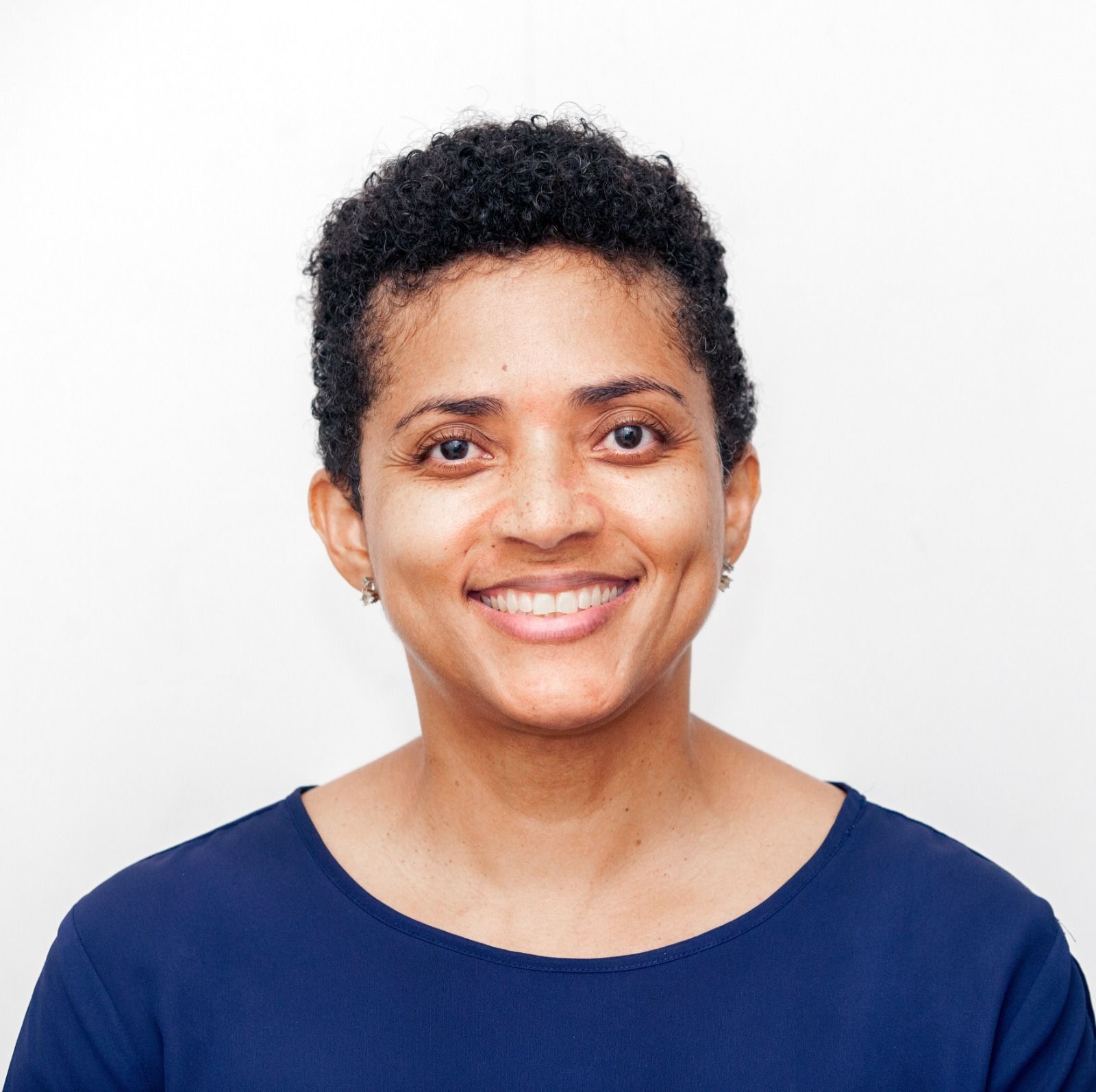
As the Caribbean island of Barbados marks the annual World Day for Safety and Health at Work, the country’s National Mental Health Commission (NMHC) is delivering a critical wake-up call to all local employers: mental health cannot be sidelined as an add-on to workplace safety protocols—it is foundational to occupational safety itself.
Dr. Maisha Emmanuel, chair of the NMHC, laid out the commission’s stance in a public statement, stressing that any conversation about safe, healthy work environments must integrate mental and psychosocial well-being alongside long-standing physical safety protections. She explained that common work-related issues including chronic stress, occupational burnout, workplace harassment, and on-the-job violence are every bit as much occupational health hazards as traditional dangers such as exposure to toxic chemicals, poorly maintained machinery, or inadequate ergonomic design.
The commission’s argument highlights the direct causal link between poor workplace mental health and elevated safety risks. Unmanaged stress, clinical anxiety, and depression all impair core cognitive functions: they reduce focus, slow response times, cloud critical judgment, and diminish a worker’s ability to assess their surrounding environment. Each of these impairments is a known precursor to workplace accidents and injuries. Workers navigating untreated mental health challenges are far more likely to make costly errors, experience preventable incidents, and fail to respond effectively when emergency situations arise.
Dr. Emmanuel noted that the problem is far from abstract for Barbadian workers, with thousands currently grappling with psychosocial hazards on the job. Excessive unmanageable workloads, extended shift hours, pervasive workplace bullying, lack of managerial support, and persistent job insecurity have become common experiences for many across the island’s labor force. “These psychosocial hazards are as real and dangerous as any physical hazard, and they must be addressed with the same seriousness and urgency,” she emphasized.
To turn the commission’s call into action, the NMHC has outlined a series of concrete steps employers can implement immediately to improve workplace mental health and safety. First, organizations should conduct full systematic assessments to identify psychosocial risks specific to their workplaces, then roll out targeted measures to prevent and mitigate those hazards. Employers must also prioritize widespread mental health literacy, expand access to support resources, and build inclusive workplace cultures where workers feel comfortable disclosing mental health concerns without fear of stigma, retaliation, or discrimination.
Key actionable recommendations from the commission include adjusting workload distribution to prevent endemic burnout, defining clear job roles and performance expectations to reduce worker uncertainty, offering flexible work arrangements where feasible to support healthier work-life balance, enacting and enforcing strict zero-tolerance policies for workplace bullying and harassment, providing specialized training for managers to recognize early signs of mental health strain and support struggling team members, and guaranteeing all staff access to confidential Employee Assistance Programmes and affordable specialized mental health services.
The message is not directed solely at employers, however. The NMHC also reminded workers that protecting collective and individual mental health at work is a shared responsibility. For employees, the commission recommends speaking up about harmful stressors when they arise, setting clear healthy boundaries around work and personal time, taking regular scheduled breaks to avoid fatigue, building supportive connections with colleagues, practicing evidence-based stress management techniques, and reaching out for professional support early if mental health challenges begin to impact daily work and well-being.
In closing, Dr. Emmanuel reaffirmed the core principle of the commission’s campaign: “A safe workplace protects both physical and mental health. Every worker in Barbados has the right to return home safe and healthy — in body and mind — every day. On this World Day for Safety and Health at Work, let us commit to creating workplaces where mental health is valued, protected, and supported as the essential component of workplace safety.”