标签: Barbados

巴巴多斯

  • Energy minister: Oil price surge demands ‘vigilance, policy interventions’

    Energy minister: Oil price surge demands ‘vigilance, policy interventions’

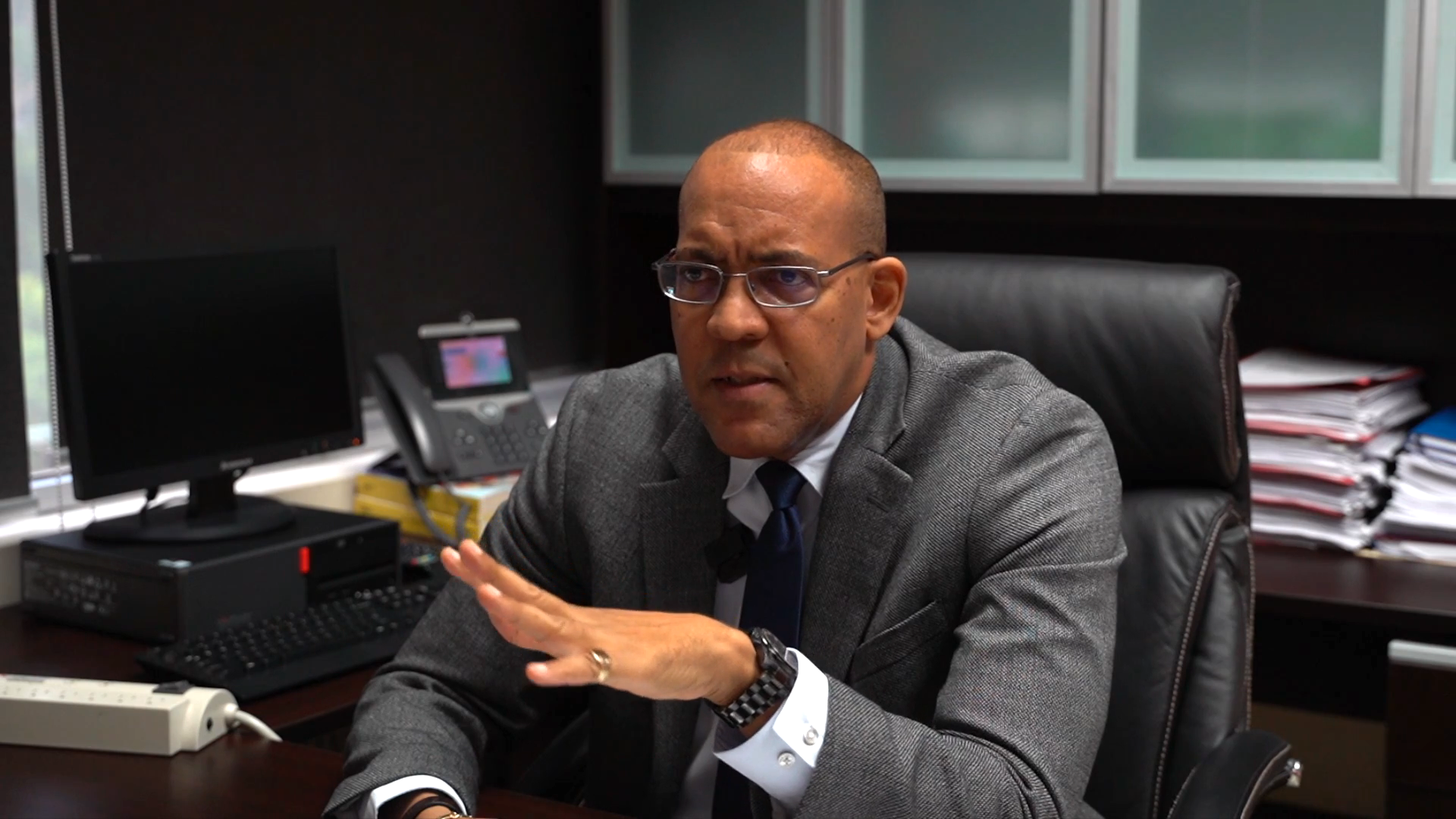
    In response to mounting global energy market instability, Barbados Energy Minister Kerrie Symmonds unveiled a comprehensive $81.1 million economic stabilization package during Friday’s parliamentary session. The strategic initiative aims to fortify the nation’s economic foundations against international energy shocks while accelerating domestic business development.

    The substantial funding allocation for the Ministry of Energy, Business Development and Commerce will be strategically distributed across six critical operational divisions: Energy and Natural Resources, Microenterprise Development, Cooperative Development, Utilities Regulation, Commerce and Consumer Affairs, and Private Sector Enhancement. Minister Symmonds emphasized the particular urgency surrounding energy security, noting that global oil prices have surged 16-24% recently due to Middle East tensions, with Brent crude jumping from $68 to $84 per barrel within a single week.

    Despite Barbados’ committed transition toward renewable energy, the minister acknowledged the nation’s continued dependence on fossil fuel imports, projecting a nine-year timeline to achieve full energy independence. The ongoing US-Iran conflict has raised concerns among international traders about potential closure of the Strait of Hormuz, which would severely disrupt global oil exports and further escalate energy costs worldwide.

    The government’s multi-pronged strategy includes enhancing national storage capacity to mitigate market volatility, diversifying energy supply contracts, and implementing a balanced ‘multi-energy’ approach that integrates traditional resources with low-carbon technologies. Ambitious investments in both onshore and offshore wind projects form a cornerstone of Barbados’ renewable expansion efforts.

    Beyond energy security, the comprehensive plan incorporates significant business sector reforms. The government will double the trust fund ceiling from $10,000 to $20,000 to provide enhanced support for small enterprises and vendors. A nationwide financial literacy campaign will distribute educational materials to ensure public readiness for economic participation.

    Critical regulatory modernization includes establishing an electronic single window system and collateral registry to streamline business operations and improve financial access. Minister Symmonds positioned these coordinated interventions as transformative opportunities to fundamentally reset and advance Barbados’ economic trajectory.

  • China donates $136 000 in medical equipment to QEH

    China donates $136 000 in medical equipment to QEH

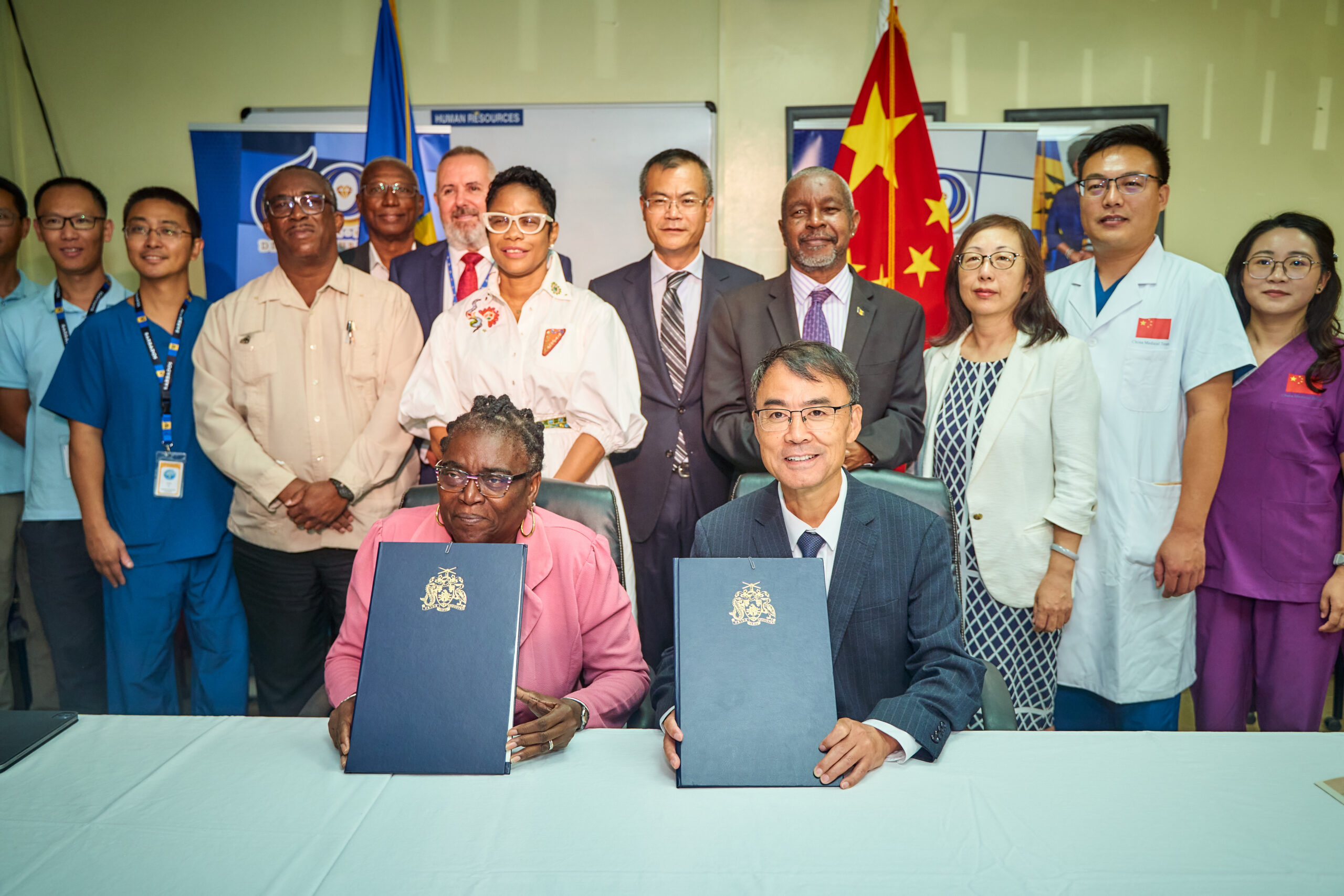
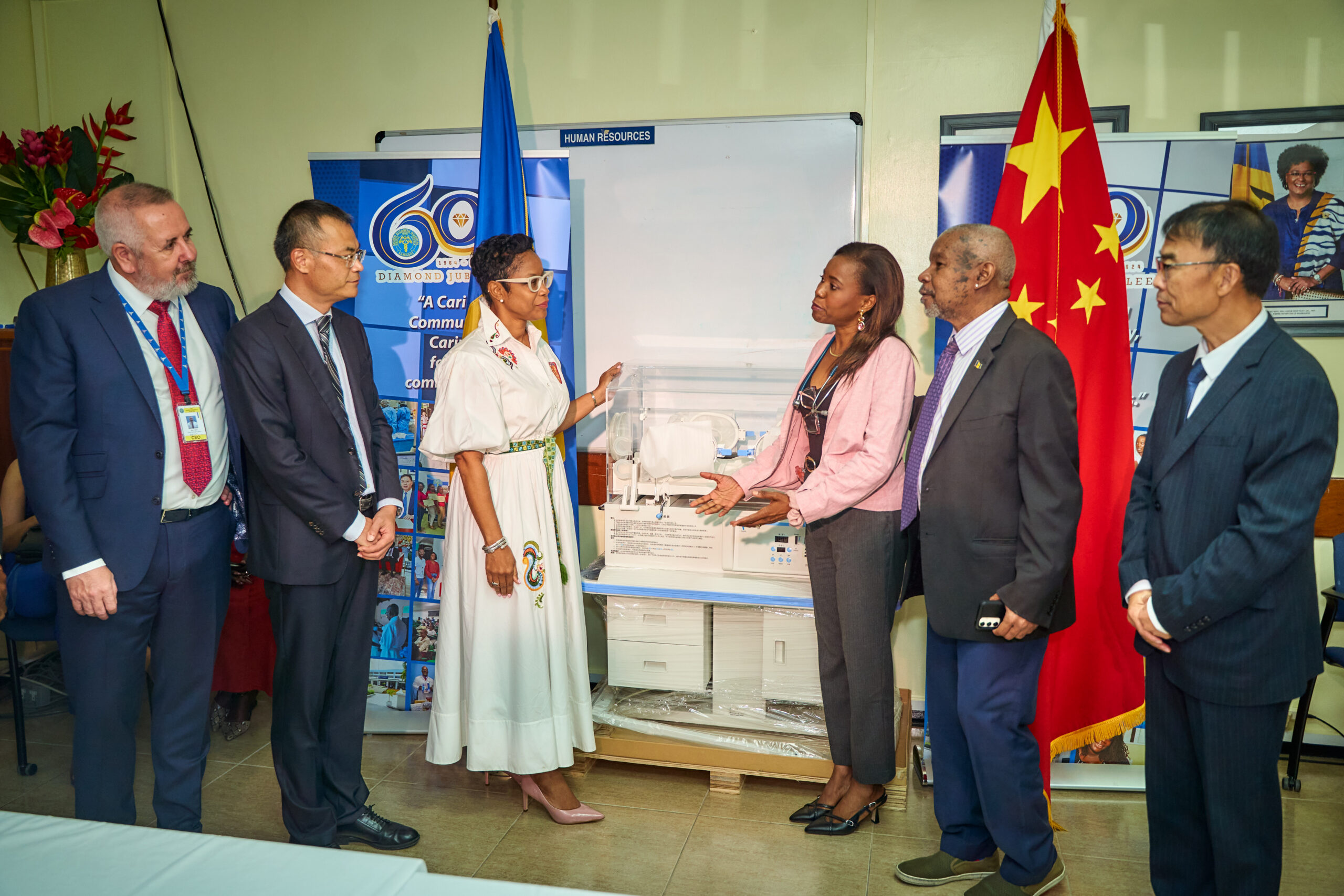
    In a significant enhancement of bilateral health cooperation, the Queen Elizabeth Hospital (QEH) in Barbados has received a substantial donation of medical equipment and supplies valued at over $136,000 from the Government of the People’s Republic of China. The formal handover ceremony held at the hospital premises marks the latest development in the ongoing medical partnership between the two nations.

    Chinese Ambassador to Barbados Zheng Bingkai emphasized that this contribution represents a concrete implementation of existing agreements between China and Barbados regarding medical personnel deployment and support. “These medical resources will enhance the capital’s medical capacity and directly benefit the people of Barbados,” Ambassador Zheng stated during the ceremony, highlighting how the donation would simultaneously advance healthcare services while strengthening diplomatic ties.

    The donation includes specialized medical equipment such as advanced infant incubators, modern medical beds, and precision surgical instruments that will directly impact patient care across multiple departments. This year’s contribution builds upon China’s sustained support for Barbados’ healthcare infrastructure, which has previously included anesthetic machines, ultrasound systems, and vital sign monitoring equipment.

    QEH Chief Executive Neil Clarke confirmed the transformative impact of these resources, noting they would “directly enhance our ability to deliver safe, timely and high-quality care for the people of Barbados.” The equipment is expected to strengthen clinical services throughout the institution, particularly in specialized areas requiring advanced technology.

    The collaboration features an enduring human element, with Ambassador Zheng revealing that since 2016, China has dispatched eight medical teams comprising 34 doctors, nurses, and specialists who have worked alongside Barbadian healthcare professionals. These medical personnel have operated under the core values of dedication and healing that characterize China’s international medical cooperation programs.

    Senator Lisa Cummins, Minister of Health and Wellness, expressed profound gratitude for the continuing partnership, noting the long-standing relationship between the two countries extends beyond healthcare into multiple sectors. The minister specifically acknowledged the consistent support from successive Chinese ambassadors and diplomatic staff in strengthening this strategic health alliance.

  • Worrell: Barbados can’t get cheaper oil deals in CARICOM as regional trade still in US dollars

    Worrell: Barbados can’t get cheaper oil deals in CARICOM as regional trade still in US dollars

    Renowned economist and former Central Bank of Barbados Governor Dr. Delisle Worrell has delivered a sobering assessment of energy trade dynamics within the Caribbean Community (CARICOM), asserting that member states should abandon any expectation of preferential oil pricing from regional partners. In his March Economic Letter, the distinguished monetary expert—who previously consulted for the International Monetary Fund on financial stability matters—explained that all petroleum transactions among CARICOM nations are conducted exclusively in US dollars, mirroring global market conditions.

    Dr. Worrell clarified that Barbados faces identical financial implications whether purchasing fuel from Trinidad and Tobago, the United States, or India. “The impact on foreign currency markets remains consistent regardless of procurement source,” he stated, emphasizing that contract-specific terms might vary but the fundamental economic effect does not differ based on origin.

    The analysis reveals surprising trade patterns: despite Guyana’s emergence as CARICOM’s largest oil producer in 2023, no member country currently imports petroleum from this resource-rich nation. Instead, Guyana itself imported $21 million worth of refined petroleum products from Jamaica in 2024—highlighting Jamaica’s refining capacity versus Guyana’s extraction-focused industry. Barbados and Eastern Caribbean Currency Union members do import some fuels from Trinidad and Tobago, though their primary suppliers remain the US and India.

    Dr. Worrell identified structural limitations constraining regional energy trade: Caribbean markets remain too small to justify local crude refining or intra-regional shipping operations. Existing refineries were constructed primarily to serve North American markets, with regional sales representing merely residual operations that have stagnated following refinery closures in Trinidad and Aruba.

    The economist presented a broader monetary critique: without a commonly adopted regional currency, intra-CARICOM trade provides no foreign exchange advantages to member states. All transactions—whether for petroleum, agricultural products, or manufactured goods—require US dollar payments identical to extra-regional imports. This dollar dependency negates any potential balance-of-payments benefits from increased regional trade.

    Dr. Worrell provided historical context, noting that prior to 1971, Caribbean currencies maintained fixed exchange rates against the US dollar, creating de facto regional currency acceptance. The abandonment of this system led to divergent currency values, prompting the creation of the CARICOM Multilateral Clearing Facility in the 1970s—a mechanism that collapsed in the 1980s and was never replaced.

    The last serious effort toward monetary integration occurred in 1982 when CARICOM leaders endorsed the West Indian Commission’s proposal for a US dollar-pegged common currency. This initiative required participating nations to meet strict criteria regarding currency stability, foreign reserves, and fiscal discipline. The proposal ultimately failed because Trinidad and Tobago and Jamaica—representing two-thirds of CARICOM’s GDP—could not satisfy these requirements.

    Concluding his analysis, Dr. Worrell asserted that after three decades of stagnation, prospects for a common CARICOM currency have effectively vanished. He recommended that regional leaders and populations adapt their exchange rate strategies to acknowledge the US dollar’s permanent dominance in Caribbean trade and finance.

  • Govt renews health pledge as China donates equipment to QEH

    Govt renews health pledge as China donates equipment to QEH

    Barbados has intensified its commitment to revolutionize its national healthcare infrastructure through strategic international partnerships and comprehensive system reforms. This renewed initiative follows China’s substantial donation of medical equipment and supplies valued at over $136,000 to the Queen Elizabeth Hospital (QEH), formally presented during a ceremony last Friday.

    Health Minister Senator Lisa Cummins revealed her extensive consultations with healthcare stakeholders since assuming office, emphasizing a listening-focused approach to identify systemic challenges and opportunities. The minister has conducted daily meetings with QEH representatives, Ministry officials, private sector partners, and other stakeholders to develop cohesive strategies for enhancing the island’s medical services.

    ‘There exists a clear and resolute commitment among all stakeholders to provide world-class healthcare for Barbadian citizens,’ Senator Cummins stated, while openly acknowledging existing system shortcomings. She confirmed the government’s adoption of a ‘deconstruct and reconstruct’ methodology—carefully analyzing all healthcare components to identify functional strengths, operational deficiencies, and complete failures.

    This analytical process will inform the rebuilding of a robust healthcare ecosystem designed to deliver premium medical services. International collaborations, particularly support like China’s equipment donation, are recognized as crucial elements in strengthening Barbados’ healthcare capacity and advancing toward medical excellence.

    The minister personally committed to collaborative leadership, stating: ‘I pledge to work collectively with our dedicated team to achieve this transformative goal for all Barbadians.’ The newly acquired medical resources will immediately enhance service delivery at QEH while supporting broader primary healthcare system strengthening initiatives.

  • Gov’t moving to clean up former Mobil refinery site

    Gov’t moving to clean up former Mobil refinery site

    The Barbadian government has initiated a comprehensive environmental assessment of the long-abandoned Mobil Oil Refinery site at Aquatic Gap, St Michael, marking a significant breakthrough after nearly thirty years of public concern and environmental uncertainty. Officials confirmed to parliamentary members that modern characterization of the contaminated coastal property is now actively underway, representing a crucial advancement toward eventual remediation and restoration.

    The former refinery, which operated for several decades in the Needhams Point area before ceasing operations in the late 1990s, left behind substantial industrial contamination when Mobil departed the island. For generations, the derelict facility has stood as both a symbol of industrial mismanagement and a potential environmental hazard, particularly concerning given its proximity to popular beaches and vital tourism infrastructure.

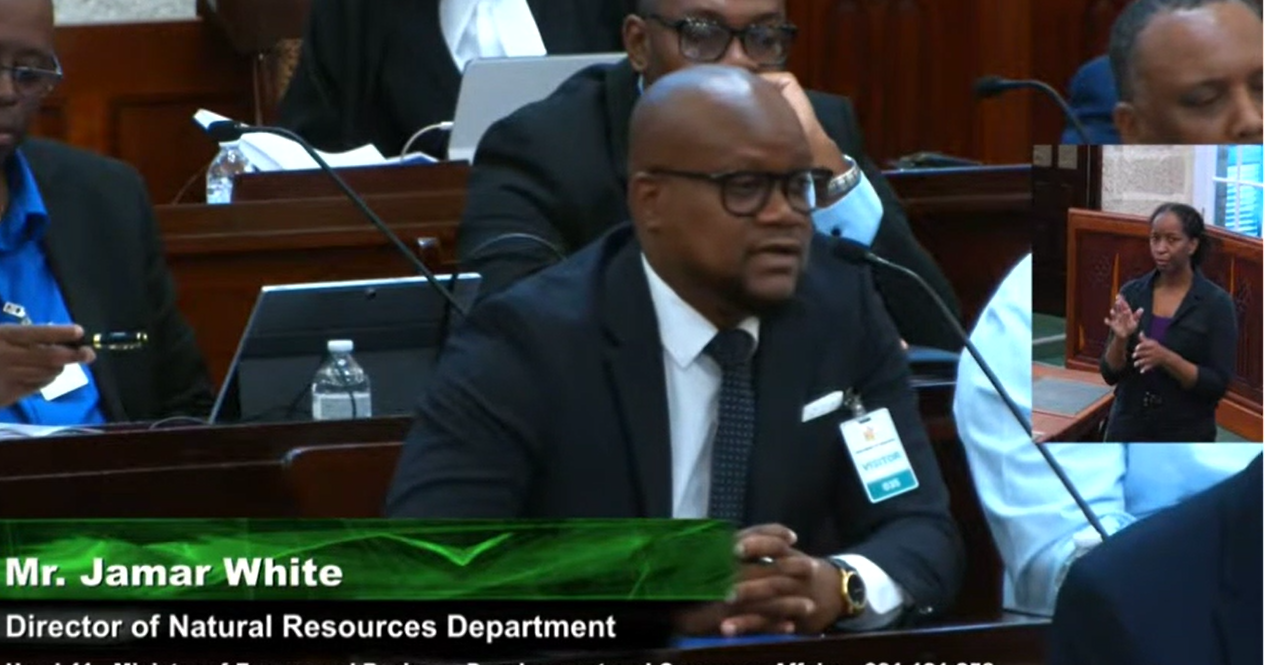
    During recent parliamentary estimates, government authorities acknowledged the unreasonably prolonged delay in addressing the site’s contamination, issuing strong criticism regarding the absence of proper decommissioning protocols when the refinery originally closed. Jamar White, Director of Natural Resources at the Ministry of Energy, Business Development and Consumer Affairs, emphasized that previous environmental studies—including one conducted as early as 1998—have become entirely obsolete for contemporary remediation planning.

    “Understanding the current contamination levels and their potential impact on surrounding areas became absolutely essential,” White explained. Consequently, the government has engaged an international environmental firm to conduct state-of-the-art site characterization beginning November 2025. The sophisticated process has involved extensive stakeholder consultations alongside the installation of specialized monitoring wells and soil borings to collect precise groundwater and soil samples mapping contamination concentration and distribution.

    The government anticipates completion of the comprehensive characterization report between June and July 2026, which will establish a definitive roadmap for remediation by identifying contamination hotspots and recommending internationally recognized cleanup standards. Beyond environmental restoration, officials have begun outlining redevelopment visions for the prime coastal property, noting significant interest from tourism and hospitality investors.

    Energy Minister Kerri Symmonds characterized the project as a pivotal governance lesson, pledging that historical mistakes would not be repeated. The ministry is now embedding stringent decommissioning requirements into all new investment agreements, as demonstrated by recent licenses granted to the Barbados Light and Power Company for battery storage initiatives.

    Symmonds reflected: “It is a crying shame that between the 1980s and today, we have been forced to endure that situation. The principle of having decommissioning written into all our agreements is something this ministry will be enforcing moving forward.” As technical analysis continues through 2026, the public remains hopeful that the Aquatic Gap site will transition from persistent environmental liability to safe, sustainable space for future generations.

  • Govt advances renewable energy drive with grid storage projects

    Govt advances renewable energy drive with grid storage projects

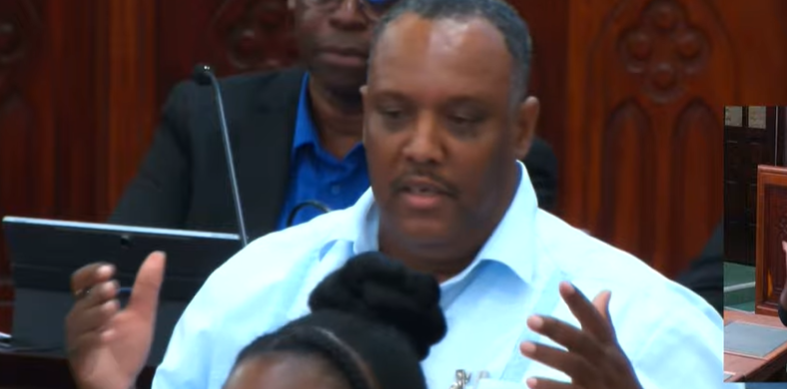
    A senior energy official has announced significant advancements in the nation’s grid modernization efforts, revealing ambitious plans for large-scale battery storage systems and innovative pilot projects designed to enhance reliability and encourage public involvement in the energy transition. Bryan Haynes, Director of Renewable Energy, provided these updates during Friday’s House Estimates debate, outlining a comprehensive strategy to strengthen the country’s electricity infrastructure. The government’s Integrated Resource and Resilience Planning framework has identified a critical need for approximately 370 megawatts of energy storage capacity to support the national grid. This substantial storage capability will primarily serve to stabilize the grid against fluctuations inherent in variable renewable energy sources, particularly wind and solar power, ensuring consistent electricity delivery as the country increases its dependence on green energy alternatives. In a groundbreaking development, officials have begun designing a virtual power plant pilot project that combines renewable energy systems with advanced storage technologies to create an additional support layer for the grid infrastructure. This initiative explores innovative approaches including vehicle-to-grid technology, which would enable electric vehicle owners to supply stored electricity back to the national network with appropriate compensation mechanisms. The pilot phase will focus on studying consumer behavior patterns and establishing proper regulatory frameworks before broader implementation. Utility companies, partners, and the Fair Trading Commission are collaborating to ensure the development of an effective regulatory environment. Meanwhile, the application process for participation in energy storage programs officially launched in November last year, already generating substantial interest with 96 submissions currently undergoing validation procedures.

  • Female drivers gear up for Rally Barbados

    Female drivers gear up for Rally Barbados

    The Barbados Rally Club is set to make motorsport history as BCIC Rally Barbados 2026 features three female drivers competing simultaneously for the first time in the event’s prestigious history. Scheduled for May 29-31, this groundbreaking development arrives just days before International Women’s Day celebrations, spotlighting the remarkable progress of women in Caribbean motorsport.

    The historic lineup comprises Welsh newcomer Debby Goodband, England’s seasoned campaigner Cheryl Spencer making her 11th appearance, and Barbados’ own Natya Soodeen, who has transitioned from show jumping to rally racing. Beyond the driver roster, the event will showcase over twenty women serving as co-drivers, creating the most significant female participation in the rally’s history.

    Leslie Evanson, Rally Club Secretary and leader of Barbados’ Women in Motorsport initiative, hailed this development as a transformative moment for regional motorsport. An experienced co-driver herself, Evanson emphasized that this milestone represents years of dedicated development and encouragement within the sport. “Having a three-way contest for the top female driver award represents brilliant progress,” Evanson noted, while extending good luck wishes to all female competitors.

    Each competitor brings distinct expertise to the starting line. Goodband returns to rallying after a lengthy hiatus, having previously competed in Ford Escort MkII and Focus models between 2001-2010. Her Suzuki Swift, specially built by partner Cliff Evans, underwent preliminary testing in North Wales alongside co-driver Clare Berrisford, a four-time National Autograss Champion new to stage rallying but exceptionally skilled in motorsport.

    Soodeen, previously Barbados’ sole female rally driver, transitioned from equestrian sports in 2019 and has since claimed the 2022 Autocross Championship before dominating her class in both BRC and MCBI Championships last year with co-driver Sameisha Williams. Meanwhile, veteran competitor Cheryl Spencer will race alongside husband Barry for the 11th time, having completed the event six times previously with a class podium finish in 2025.

    Evanson highlighted the broader significance beyond competitors: “Women in Motorsport isn’t just about drivers—it encompasses officials, stewards, marshals, and timing professionals, demonstrating comprehensive female engagement across all sporting dimensions.” This sentiment echoes Goodband’s recent role as Chief Marshal of the 2025 Cambrian Rally, illustrating the diverse pathways for women’s participation.

    The Executive Autocentre team, including Soodeen and Williams, has secured new sponsorship from regional customer loyalty program Fun Miles for the 2026 season, providing additional support for their competitive campaigns. This historic moment in Barbados motorsport reflects both individual dedication and systematic development efforts creating unprecedented opportunities for women in a traditionally male-dominated sport.

  • Paradise cling to top spot in BFA Premier League

    Paradise cling to top spot in BFA Premier League

    The Barbados Football Association Premier League has reached a pivotal stage in its season, with the title race hanging in a delicate balance after eight rounds of intense competition. Paradise FC from Dover currently maintains the narrowest possible advantage at the summit, clinging to first place solely through superior goal difference despite being level on points with their closest rivals.

    The league leaders have accumulated 17 points alongside an impressive +16 goal tally, just marginally ahead of second-placed Ellerton who also boast 17 points but trail significantly with a +7 goal difference. The tension between these top contenders was palpable during their recent encounter last Tuesday, which concluded in a stalemate without any goals scored, further intensifying the competition for championship glory.

    Kickstart Rush and Brittons Hill United remain firmly in contention, both sitting on 16 points with varying goal differences of +9 and +3 respectively. In a surprising development, the defending champions Weymouth Wales find themselves in an uncharacteristic fifth position. The team that has dominated local football for the past five years remains very much in the hunt however, having gathered 15 points that place them merely one victory away from reclaiming the top spot.

    The mid-table presents its own compelling narratives, with UWI Blackbirds experiencing a season of fluctuations after losing their initial three matches before securing three consecutive victories. Their rebuilding process continues following the departure of several key players. Meanwhile, the relegation battle intensifies at the bottom of the table, with Wotton facing severe challenges having failed to secure any points thus far. Their recent performance against Brittons Hill demonstrated promising quality despite ultimately falling to a 3-2 defeat.

    The upcoming weekend fixtures promise significant reshuffling of the league standings. Paradise will observe from the sidelines as their competitors battle it out, potentially jeopardizing their slender advantage. Critical matches include Wales facing Pride of Gall Hill where a victory could propel them to the top position, while Ellerton could reclaim leadership if they triumph over Brittons Hill in the nightcap encounter. The mathematical possibilities extend even to Brittons Hill, who could surprisingly ascend to the summit depending on results from other fixtures.

  • Labour ministry takes workplace wellness campaign on the road

    Labour ministry takes workplace wellness campaign on the road

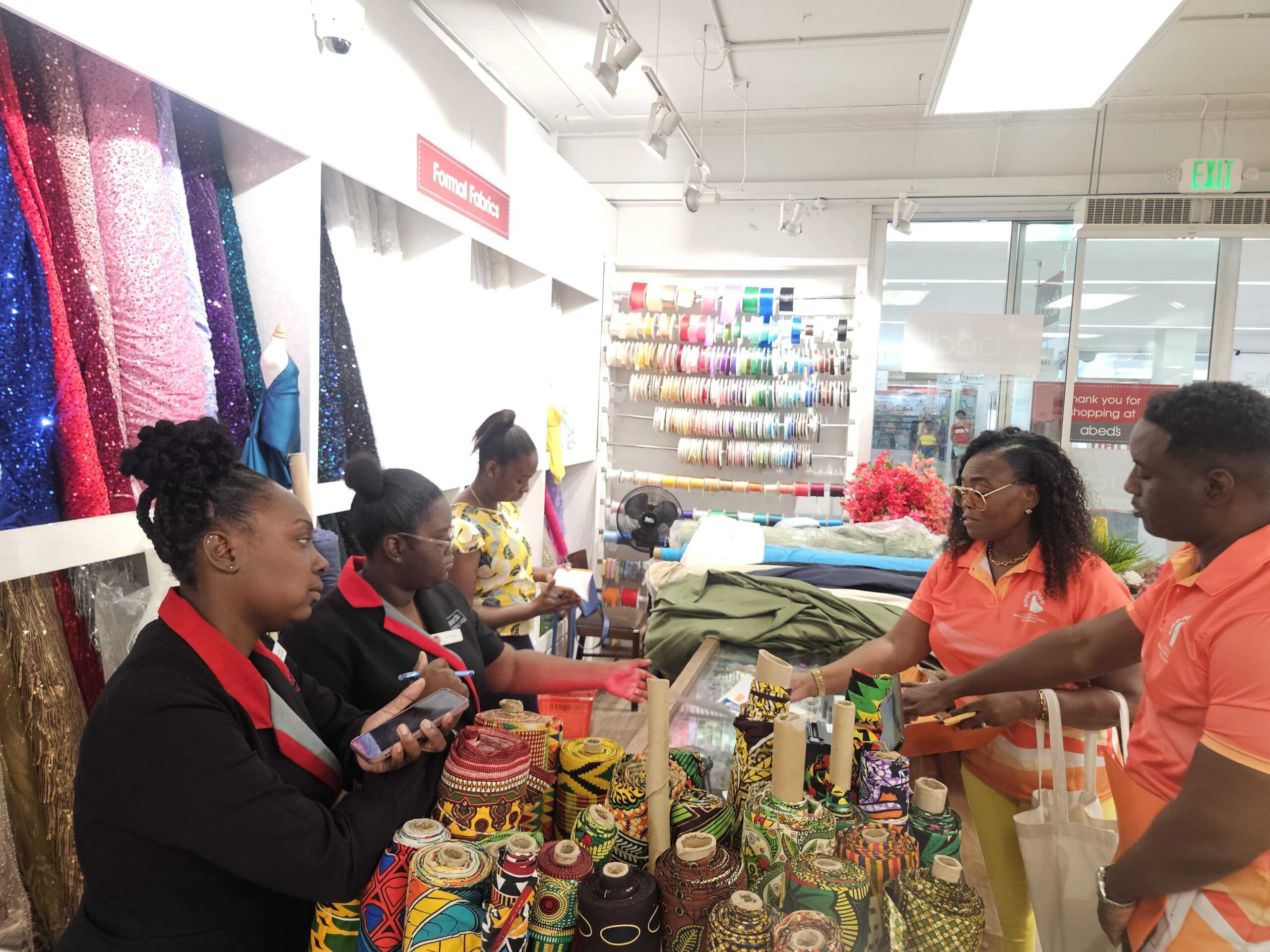
    Barbados is witnessing a transformative public health initiative as government officials launch an ambitious Workplace Wellness Outreach Bus Tour across the island. Spearheaded by the Ministry of Labour, Social Security and Third Sector, this mobile campaign represents a strategic effort to implement the National Workplace Wellness Policy through direct engagement with businesses and their workforce.

    The innovative program features ministry representatives conducting site visits to various enterprises, facilitating crucial dialogues about comprehensive wellness frameworks. These discussions emphasize three fundamental pillars: establishing structured wellness programs, enhancing workplace safety protocols, and promoting responsible sexual health practices to curb sexually transmitted infections.

    Professor Dwayne Devonish, the distinguished management and organizational behavior specialist who designed the national policy, expressed particular concern about the significant number of businesses operating without formal wellness frameworks. His assessment highlights the critical need for this intervention.

    Acting Permanent Secretary Faye Prescod reinforced the policy’s strategic importance, noting the demonstrable correlation between employee wellbeing and organizational productivity. “The overall wellbeing of employees directly affects productivity and organizational performance,” Prescod emphasized during the campaign’s stop at Sheraton Mall in Sargeant’s Village, Christ Church.

    The tour’s itinerary includes targeted visits to major business districts across Christ Church, with scheduled stops at Popular Supermarket, Kooyman in Kendal Hill, Newton Plantation Yard establishments, Barbados Steel Works, and the Newton Industrial Estate. This comprehensive approach ensures diverse industry representation and maximum policy dissemination.

  • Parents advocate welcomes free breakfast move but urges clear planning

    Parents advocate welcomes free breakfast move but urges clear planning

    In a significant endorsement of educational reform, Barbados’ Group of Concerned Parents has applauded the government’s forthcoming universal free breakfast program for primary schools, characterizing it as a crucial intervention addressing socioeconomic barriers to student achievement. The initiative, scheduled for nationwide implementation in September 2026, represents the latest evolution in the nation’s nine-decade tradition of school nutrition programs that began with milk and crackers in the 1930s before transitioning to hot lunches in 1963.

    Spokeswoman Paula Ann Moore emphasized the program’s recognition of the tangible challenges confronting financially disadvantaged children. “No child can learn properly when they are hungry,” Moore stated, connecting nutritional deficits to behavioral issues observed in educational and social settings. She noted that many children exhibiting deviant behavior originate from households struggling with provision of basic necessities.

    Beyond addressing hunger, the breakfast initiative promises practical benefits for school logistics. Moore highlighted potential alleviation of cafeteria congestion, suggesting that universal morning meal access could eliminate the protracted lunchtime queues that currently consume entire lunch periods. This operational efficiency could simultaneously assist families in morning planning through guaranteed nutritional access.

    However, the parents’ group issued measured cautions regarding program execution. Success determinants include adequate financial allocation, realistic timelines, adherence to nutritional standards, and careful implementation to prevent stigmatization should means-testing be introduced despite the program’s universal designation. Moore posed critical implementation questions: “How will we measure the success of this school breakfast initiative? Adequate planning with realistic timelines, adequate financial and other logistical resources, and accordance with the school nutrition policy ensuring healthy food is provided—all of which aren’t cheap—are all essential for long-term sustainability.”

    The breakfast program constitutes one component within a broader education transformation project whose comprehensive documentation the group has requested be made public. Drawing parallels to Jamaica’s 2021 Education Reform Report, Moore advocated for transparency to ensure stakeholder alignment in this “critical backbone of our national development.”

    This initiative continues Barbados’ distinctive tradition of educational investment within the Caribbean Community, including universally free secondary education, textbook loan schemes, and existing meal programs. Moore characterized this consistent policy focus as “unique in CARICOM, if not globally,” particularly for a small developing nation.

    The group concluded with cautious optimism, expressing willingness to collaborate with authorities to realize the broader education transformation, while acknowledging that ultimate validation will emerge through implementation: “The proof of the pudding is in the eating.”