标签: Barbados

巴巴多斯

  • Crash triggers gas leak at Haggatt Hall

    Crash triggers gas leak at Haggatt Hall

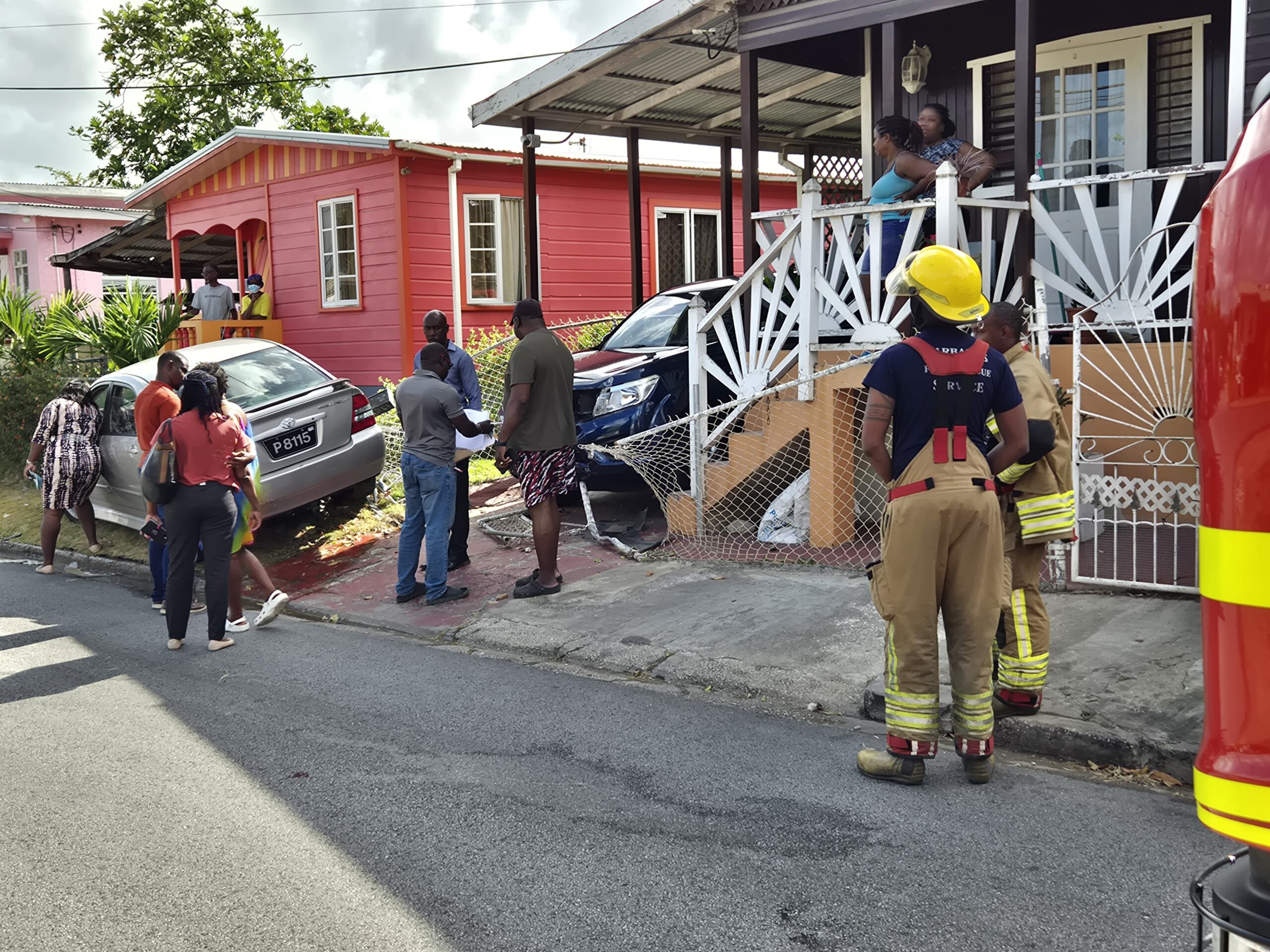
    A violent two-vehicle collision in the St Michael district of Barbados on a weekday morning caused a significant gas leak and forced local emergency services to launch a rapid coordinated response to contain the hazard. The incident unfolded on Roberts Road in the Haggatt Hall neighborhood just after 7:30 a.m., when the Barbados Fire Service received an urgent emergency call reporting the crash and the associated risk of gas escaping from damaged infrastructure.

    Fire Officer Ramsey, who was identified by service number 250, shared details of the first responders’ arrival on site. When fire crews pulled up to the collision scene, they confirmed that two passenger vehicles had been involved in the crash, and one of the vehicles had come to rest directly on top of a residential gas meter. The weight of the vehicle had damaged the meter, leading to an uncontrolled leak of natural gas that created an immediate safety risk for anyone in the surrounding area.

    Given the specialized nature of the gas hazard, emergency commanders immediately called in technicians from the National Petroleum Corporation (NPC), the country’s national petroleum and gas authority, to carry out a controlled shutoff and repair the damaged infrastructure. Local ambulance services were also dispatched to the scene to provide immediate medical assessment and care to any individuals injured during the collision.

    Reverend Byron Waithe, a local resident whose property was directly affected by the crash, described the chaotic moment the incident occurred. He told reporters he was in his home when he heard a deafening bang that shook the surrounding area. One of the vehicles involved in the crash careened off the road, crashed through his residential gate, and collided with a van that was legally parked on his property, causing significant damage to both the gate and the parked vehicle.

    Waithe added that in order to protect public safety while emergency crews worked to seal the gas leak and secure the scene, all residents in the immediate impact zone were ordered to evacuate their properties temporarily. Despite the disruption and damage to his property, Waithe offered high praise for the speed and professionalism of the emergency response teams. He emphasized that both fire service personnel and NPC gas technicians arrived at the scene within minutes of the crash being reported, and worked efficiently to bring the dangerous situation under control.

    By the end of the response operation, emergency teams had fully secured the scene, and authorities had begun conducting detailed on-site assessments to determine the cause of the collision and document the full extent of the damage to infrastructure and private property.
  • Man removed from Gall Hill library after complaints

    Man removed from Gall Hill library after complaints

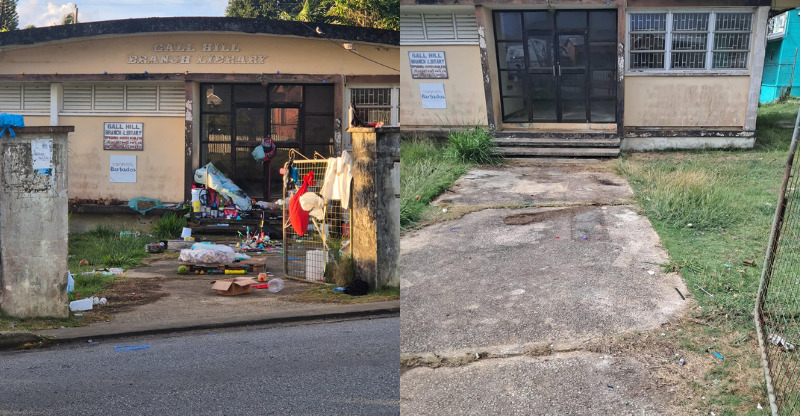
    In a coordinated multi-agency operation carried out on Wednesday, public officials removed an unhoused man who had been squatting at the disused Old Gall Hill Library in St John, Barbados, after months of growing community pushback over unsafe conditions and public disturbance. For an extended period, the vacant former public library has served as an informal shelter for the man, who took up unauthorized residence on the property. In the process of occupying the unused space, the facility’s surrounding yard became heavily cluttered with construction debris, discarded personal goods, and other accumulated waste, creating both health and aesthetic hazards for neighbors living nearby. Local MP Charles Griffith, who represents the St John constituency, confirmed that the intervention was a direct response to sustained complaints from area residents, who had repeatedly raised alarms about the deteriorating state of the property and persistent public disruptions stemming from the occupation. As authorities moved to clear the site, the man’s behavior became increasingly agitated, prompting responding officials to arrange for him to be transported to Barbados’ Psychiatric Hospital for evaluation and care by medical professionals. Griffith extended public recognition to the three government bodies that collaborated to resolve the long-running issue: the Barbados Police Service, the Department of Environmental Health, and the Sanitation Service Authority. He also credited local residents for their persistent advocacy, noting that their consistent efforts to draw official attention to the unsafe situation were key to推动ing the coordinated response that resolved the community concern.

  • BNCPTA backs ministry push to curb student truancy

    BNCPTA backs ministry push to curb student truancy

    On Tuesday, the Barbados National Council of Parent-Teacher Associations (BNCPTA) formally committed to partnering with the country’s Ministry of Education Transformation to curb the growing issue of students loitering on public streets during scheduled school hours. BNCPTA President Nicole Brathwaite outlined a clear, actionable framework for cross-stakeholder cooperation, noting that the association is prepared to coordinate with both the ministry and local parent-teacher associations across the island to implement practical, people-centered solutions. These measures include strengthening two-way communication between households and schools, rolling out attendance-based incentives for students, organizing neighborhood carpool programs to address transportation barriers, and sharing proven successful strategies among schools that have reduced truancy rates. The push for collective action comes just days after Minister of Education Transformation Chad Blackman announced that he and a coalition of education-focused stakeholders would travel across Barbados to address what he has called a persistent and frustrating problem plaguing the island’s education system. Brathwaite emphasized that the priority of the effort aligns with the core values of all caregivers: no parent wants their child to be on public streets instead of in a classroom, where they can access structured learning opportunities. When students are absent from school and out in the community during school hours, she explained, they forfeit more than just academic instruction; they lose out on critical social development opportunities and the controlled, safe environment that educational institutions are designed to provide. The BNCPTA leader stressed that caregivers hold the primary responsibility for ensuring children arrive at school consistently, noting that the vast majority of parents already work diligently to meet this obligation every day, even in the face of significant barriers. Common obstacles that contribute to unexcused absences include rising transportation costs, conflicting work schedules that leave parents unable to drop off and pick up children, competing caregiving demands for other family members, and unaddressed personal challenges that students themselves face. Brathwaite pointed out that truancy is a complex issue with multiple overlapping root causes, so one-size-fits-all enforcement is unlikely to deliver long-term results. She shared that BNCPTA expects the ministry’s approach to the problem to balance firm accountability with targeted support for struggling students and families. For truancy monitoring teams to be most effective, she argued, they must be paired with school social workers who can deliver early intervention for at-risk students and households. Brathwaite also highlighted a critical unmet need: these social work professionals are already overstretched by existing caseloads, so sustained, adequate resourcing for support services will be make-or-break for the success of any anti-truancy initiative. To guide participation from parents and community members, Brathwaite laid out three clear actions people can take immediately. First, she encouraged parents to stay actively connected to their child’s school: familiarize themselves with official attendance policies, keep school contact information up to date to enable fast alerts when a student is marked absent, and respond quickly to outreach from school administrators. Second, she called for early action: caregivers should flag barriers ranging from transportation issues, problems accessing uniforms or school meals, to personal mental health or family challenges before occasional absences turn into a persistent pattern of truancy. Finally, she urged community members to engage in respectful, proactive outreach: a simple, polite question asking a student found out of school during class hours if they should be in class can still have a meaningful deterrent effect. Brathwaite concluded by emphasizing that truancy cannot be resolved by any single stakeholder working alone. “If we – parents, schools, the ministry, and the wider community – commit to tackling the root causes together, consistently, we protect our children’s future,” she said. “Let’s do this together.”

  • Climate workshop urges urgent action as Caribbean faces ‘lived reality’

    Climate workshop urges urgent action as Caribbean faces ‘lived reality’

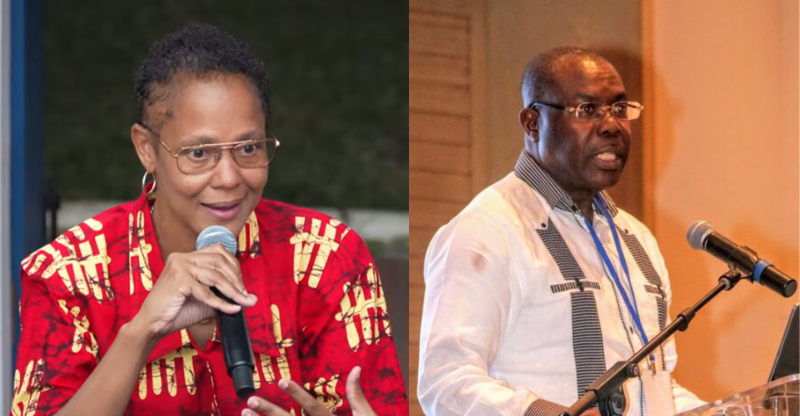
    This week, high-ranking officials from across the Caribbean gathered in Barbados for the Santiago Network Regional Workshop, hosted at the Caribbean Development Bank’s Wildey campus, to sound an urgent alarm over the accelerating climate crisis facing small island developing states (SIDS) and push for immediate, actionable measures to shield at-risk local communities. Against a backdrop of global climate projections showing the planet is on track to warm by close to 3 degrees Celsius this century – far exceeding the 1.5-degree target agreed in the Paris Climate Accords – leaders emphasized that climate breakdown is no longer a distant risk for the region: it is an ongoing, daily crisis reshaping life for Caribbean populations. The workshop centered on scaling demand-driven technical assistance for SIDS and other climate-vulnerable regions, connecting global climate pledges to tangible on-the-ground implementation. Opening the event, Barbados Deputy Prime Minister Santia Bradshaw, who also holds cabinet portfolios for Environment, National Beautification and Fisheries, called out a troubling retreat from global climate ambition, noting that critical resources for adaptation and mitigation are being redirected even as scientific reports confirm the world is drifting toward a catastrophic 3-degree warming threshold. “The world is not on track to limit global temperature rise to 1.5°C,” Bradshaw told attendees. “Instead, we are heading closer to a three-degree increase, an outcome with potentially devastating consequences, particularly for vulnerable regions. For the Caribbean, this is not an abstract threat. It is a lived reality.” Outlining Barbados’ ambitious 2035 national climate strategy, Bradshaw stressed that the region can no longer rely on passive advocacy alone to drive change. Echoing the consistent stance of Prime Minister Mia Mottley, she noted that Caribbean nations are prepared to lead by example, innovate on climate solutions, and prioritize the protection of their citizens. “As our Prime Minister Mottley has said repeatedly, we will not be passive in the face of climate change. We will not wait for others to act. We will lead, we will innovate, and we will protect our people. Our region must not only build resilience, we must become a model of resilience,” Bradshaw said. She also laid out specific, measurable national targets to demonstrate the region’s commitment to proactive climate action: by 2030, 85% of all residential housing in Barbados will be engineered to withstand the force of a Category 3 hurricane, and the country will continue expanding what is already the largest electric bus fleet in the Caribbean, cutting transportation emissions while building cleaner, more resilient infrastructure. Following Bradshaw’s address, Caribbean Development Bank Vice President Dr. Isaac Solomon reinforced the critical mission of the Santiago Network, which was created to coordinate global support for addressing climate loss and damage in vulnerable nations. Dr. Solomon emphasized that the network fills a long-unmet gap between non-binding global climate commitments negotiated at UN Climate Change Conferences (COPs) and the concrete, country-led implementation needed to protect communities. Like Bradshaw, he noted that climate loss and damage is not a future scenario – it is an escalating current crisis. “Extreme weather events, sea level rise, flooding, droughts, and heat stress impose recurrent human, social, and economic costs that strain public finances and erode decades of development gains,” Dr. Solomon explained. He argued that while climate finance is an essential component of climate action, funding alone cannot deliver lasting impact without robust, functional institutional frameworks to support it. The Santiago Network’s core role, he said, is to deliver demand-aligned technical assistance that makes ambitious climate action “bankable” for SIDS. “Addressing loss and damage is not only about post disaster response. It is about institutional readiness, strengthening data systems, legal frameworks, inter-agency coordination, and decision-making processes before disasters occur. Finance alone is insufficient without strong systems, data, and institutions,” Dr. Solomon said. The three-day workshop focused on advancing three core priority outcomes to deliver tangible progress: first, supporting country-led identification of specific climate action needs, rather than imposing external priorities; second, improving cross-institutional coordination to cut down on redundant efforts and maximize the impact of limited resources; and third, directly linking targeted technical assistance to accessible concessional climate finance. Both Bradshaw and Solomon closed their remarks by urging all workshop participants to ensure the event translates into real, tangible benefits for Caribbean communities, shifting from years of high-level policy discussions at global COP summits to concrete, on-the-ground action that will protect current and future generations of Caribbean residents from the worst impacts of climate change.

  • New 50/50 assessment system to begin in 2026/2027 school year

    New 50/50 assessment system to begin in 2026/2027 school year

    Barbados’ Ministry of Education Transformation has announced a sweeping overhaul of the country’s primary-to-secondary school transition assessment system, confirming the long-discussed replacement of the traditional common entrance examination will launch in September 2026. The new framework introduces a balanced 50/50 evaluation model that spreads assessments across two final years of primary education, replacing the current system that relies entirely on a single high-stakes exit exam.

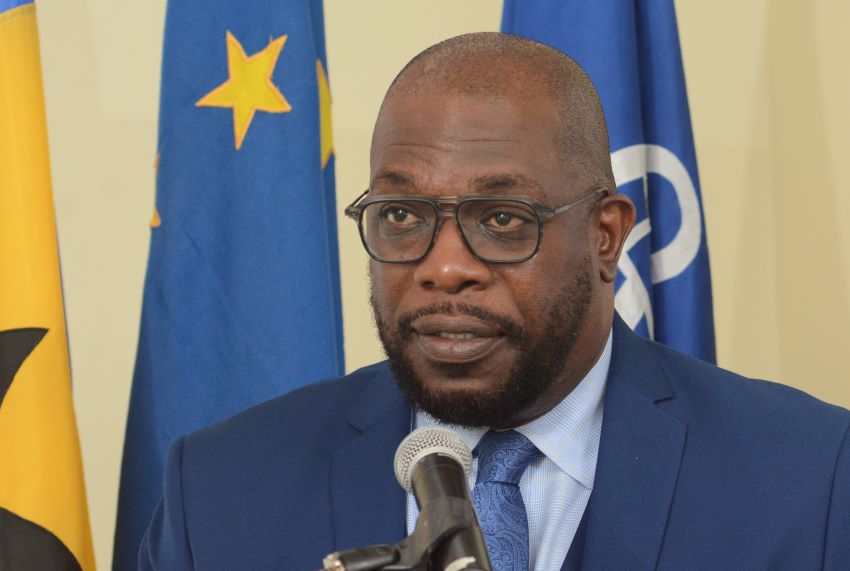
    Education Minister Chad Blackman shared the details of the phased transition during a press briefing at Deighton Griffith Secondary School, outlining which student cohorts will follow the old and new rules. Current second-year primary (Class Two) students will be the first group to complete the revised assessment when they move into Class Three next September. In contrast, the current crop of Class Three students will become the final cohort to sit the common entrance exam in its existing format in 2025.

    Under the reformed system rolling out for the 2026/2027 academic year, half of a student’s final transition score will come from work completed during Class Three, with the remaining 50 percent accumulated through assessments in Class Four. This replaces the current model that hinges on a single three-hour sitting testing English, mathematics and composition at the end of Class Four. Blackman explained the core motivation for the shift: the new structure is designed to give students broader opportunities to showcase their full range of abilities, rather than having their entire academic future determined by performance on a single high-pressure day.

    Chief Education Officer Dr. Ramona Archer-Bradshaw broke down the structure of the new evaluation model, confirming 50 percent of the total score will come from ongoing continuous classroom assessment, while the other half will be determined by standardized end-of-cycle testing. She emphasized that the shift to continuous assessment recognizes that students are multifaceted learners whose abilities cannot be accurately captured by a one-off exam. “They should not be judged by one examination, but they should be judged by what they know and what they can do over a period of time,” she noted, adding that in-class continuous assessment allows educators to accurately measure what students can achieve independently, addressing the common issue of over-parental support on take-home assignments that can inflate scores and mask gaps in learning.

    Despite the government’s framing of the reform as a student-centered improvement, the announcement has drawn mixed reactions from local parents, with some expressing immediate skepticism over the phased rollout. Karen Franklin, a parent waiting for her child at Deighton Griffith Secondary, argued that starting the new system mid-sequence rather than building it into the curriculum from the earliest primary years puts the first cohort at an unfair disadvantage. “To me, if you going to do that, you have to start from full circle not in the middle,” she said, calling for a multi-year delay to the implementation so that assessment can be built into student learning from Reception year.

    Another parent, Marisa Bynoe, said she is adopting a wait-and-see approach to the transition — noting that talks of replacing the common entrance exam have circulated for decades — but she remains concerned about persistent social stigma attached to school placement in Barbados. Bynoe pointed out that cultural norms prioritize admission to a small set of elite government secondary schools, leaving students placed at other institutions feeling marginalized, even when zoning plays a role in assignment. She also noted the widespread hidden cost of this elite school culture: many students enrolled at top-tier institutions end up taking after-school lessons at less prestigious schools to keep up with the curriculum, leaving families burdened with extra education expenses.

    Althea Gill, principal of St Bartholomew’s Primary School, pushed back on the cultural focus on elite school placement, emphasizing that the most critical outcome of the transition process is matching each student to a school that fits their unique needs. “Regardless of where your child ends up after this exam, he or she is in a good place,” she said. “I’ve realised that some schools will cater best to what your child is good at, wherever that child ends up is gonna be the best place for him or her.”

    In response to ongoing public questions and concerns about the reform, education officials announced that public town hall meetings are being planned to walk communities through the new model and address feedback. Full details of these engagement sessions are expected to be released to the public in the near future.

  • Bank warns of rise in phone-based fraud targeting customers

    Bank warns of rise in phone-based fraud targeting customers

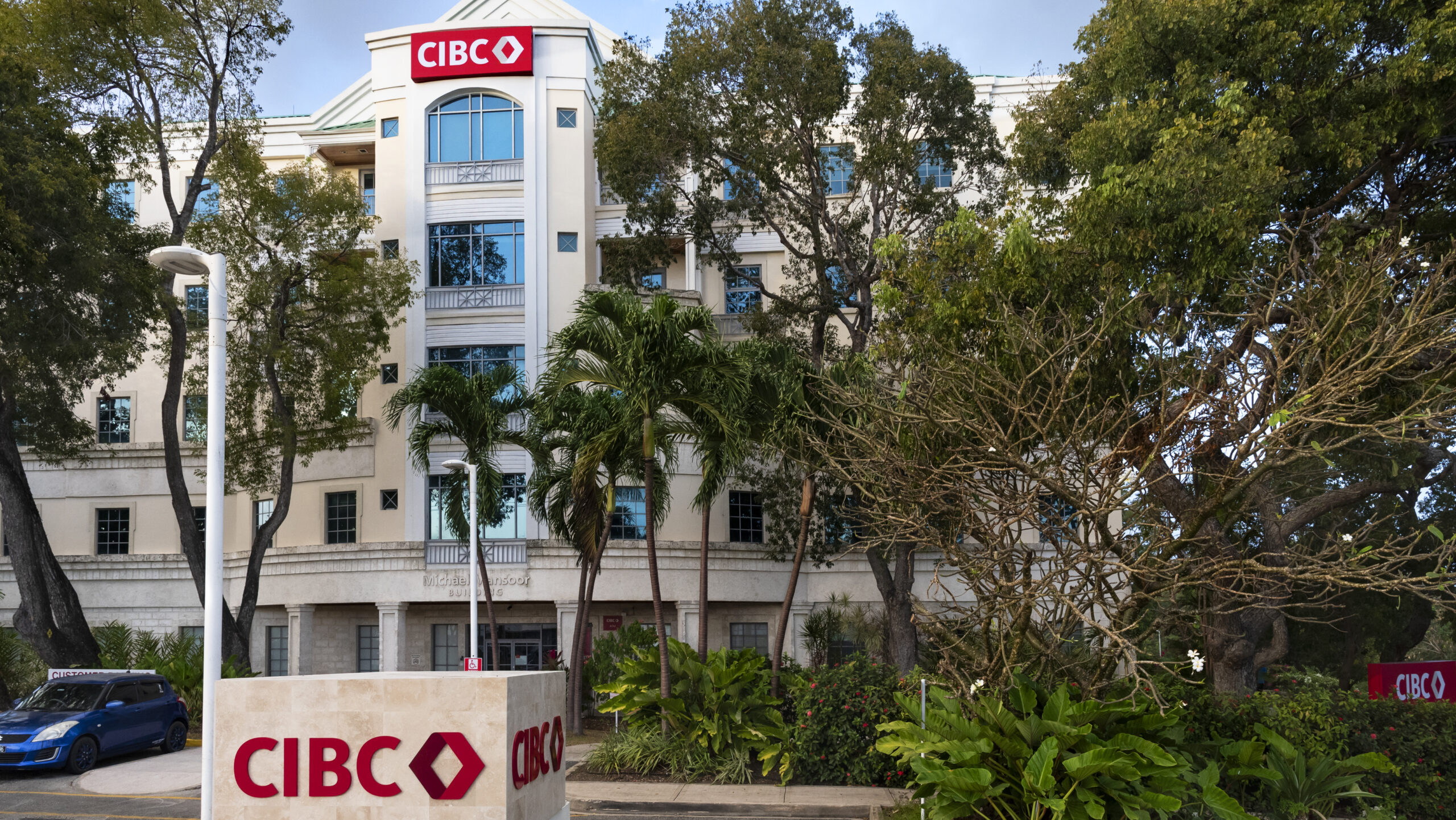
    Amid a sharp rise in elaborate, multi-platform fraud schemes targeting banking customers, CIBC Caribbean has issued an urgent public warning, urging clients to heighten their vigilance against scammers impersonating bank staff to steal sensitive personal and financial data. The bank confirmed in an official statement released Tuesday that fraudulent actors are ramping up their operations across a wide range of digital and communication channels, using increasingly convincing tactics to trick consumers into disclosing private account information.

    What makes the latest wave of scams particularly alarming is the scammers’ willingness to leverage mainstream digital collaboration tools to build false credibility. Fraudsters are now hosting fake meetings on platforms like Google Meet, where they display CIBC Caribbean’s official logo to convince targets that their communication is legitimate. Beyond video platforms, scammers also rely on common tactics including unsolicited phone calls, deceptive social media outreach, and fake email addresses crafted to closely mimic official bank domains. One common example cited by the bank is the address “cibccustomer@gmail.com” — a Gmail account designed to look like an official customer service channel to lower recipients’ guard.

    In a clear clarification for its customer base, CIBC Caribbean emphasized that it will never initiate contact about sensitive account matters through these unorthodox channels. The institution stressed that none of its authorized representatives will reach out to customers via social media, text message, or unsolicited phone calls to request confidential information. This ban covers all high-risk sensitive data, including one-time verification codes (OTVC), personal identification numbers (PIN), full debit or credit card numbers, CVV security codes, and online banking login credentials. Additionally, bank officials will never instruct customers to download third-party remote desktop software or click on unvetted, suspicious links shared through informal channels.

    For customers who encounter suspicious outreach, the bank has outlined clear step-by-step security protocols. The first action anyone should take upon receiving an unexpected request for personal banking details is to immediately cut off contact with the potential imposter, then document the attempt to share with the bank’s security team. CIBC Caribbean urges all targets of suspected scams to avoid engaging with the fraudsters, and to report all suspicious activity directly to the bank’s dedicated Fraud Team at fraud@cibccaribbean.com, including a screenshot of the suspicious call or message whenever possible.

    For customers who realize they have already shared sensitive information with an impersonator, the bank advises an immediate response: contact the official customer service line printed on the back of your debit or credit card without delay to lock down your account and prevent unauthorized access. While CIBC Caribbean noted that it maintains industry-standard robust protective systems to safeguard customer data, the institution reminded the public that digital account security is a shared responsibility. The bank reaffirmed its ongoing commitment to protecting customer personal and financial information, but emphasized that consistent vigilance from customers remains a critical line of defense against evolving fraud tactics, working in tandem with the bank’s security infrastructure to keep accounts safe.

  • BUT reports orderly BSSEE administration

    BUT reports orderly BSSEE administration

    The Barbados Secondary Schools’ Entrance Examination (BSSEE), widely known as the Common Entrance or 11-Plus exam, was successfully carried out across the island nation on Tuesday, with zero major logistical failures or security breaches recorded at any testing site, according to the Barbados Union of Teachers (BUT).

    In an interview with Barbados TODAY, conducted hours after thousands of eligible students sat the high-stakes assessment that determines secondary school placement, BUT General Secretary Gilbert Carmichael confirmed the union had not received a single negative report from testing centers around the country. Carmichael highlighted that despite the pressure surrounding this make-or-break academic milestone for young students, local educators handled the transition from pre-exam preparation to active testing with remarkable professionalism.

    Addressing widespread public concerns around student anxiety that typically dominates pre-exam discourse, Carmichael credited the decades of experience and steady temperament of the nation’s invigilating teaching staff for keeping testing environments calm and focused. He explained that veteran educators have honed specific strategies to ease nervous students the moment they enter examination halls, resulting in a low-anxiety atmosphere by the time papers are distributed. “Teachers, given the experience of doing this over a long period of are equipped with the skills to calm students and make sure that they are aware that this is a day where their best interests are at heart. They do everything to make sure that the students feel comfortable,” Carmichael stated.

    Carmichael added that the dominant mood among students after completing the exam was not stress or overwhelm, but a sense of accomplishment and relief. “What I’ll say is that there is a great sense of relief, I’m sure, among students who, following the guidance of their parents and the tutelage of their teachers, certainly gave their best during the examination this morning,” he said.

    The BUT head also addressed questions around accommodations for students with special learning needs, a critical component of inclusive testing policy. While he did not share an exact count of students requiring modified arrangements, Carmichael emphasized that established protocols for supporting these students functioned without a single glitch. The process for identifying, approving, and placing students requiring special accommodations is a well-structured system with clear deadlines that are strictly followed by both parents and educators, he explained, and no challenges were reported in providing an equitable testing environment that allowed these students to sit the exam alongside their peers.

    When asked about an unconfirmed report of a delayed start at The St Michael School testing center, Carmichael urged the public to take a balanced view of the incident, framing it as a minor hiccup in a massive nationwide logistical undertaking. He noted that the union planned to follow up with local union stewards at the site to identify the root cause of the delay, but stressed that even small hold-ups never put candidates at a disadvantage. Under standard exam protocols, any lost exam time due to late starts is fully compensated by extending the finish time for affected students, guaranteeing all participants get the full allotted time to complete their work. “The exam is a very fluid day,” Carmichael explained. “There are things that arise that sometimes are unforeseen, but students are not disadvantaged in any way. Any time that the exam starts late, that time is obviously given back to the students. The teachers from the secondary schools understand that, and they don’t have any challenges with making sure that these students are comfortable.”

    Closing out his formal assessment of the 2024 BSSEE, Carmichael extended the Barbados Union of Teachers’ formal commendation to all participating students, noting that the exam day marks the culmination of years of consistent hard work and academic discipline for young learners. “At this juncture, I would say that the Barbados Union of Teachers salutes all students today and encourages them to continue striving for excellence as they continue on their academic journey,” he said.

  • Students toast end of 11-Plus exams with afternoon of relaxation

    Students toast end of 11-Plus exams with afternoon of relaxation

    After weeks of focused preparation and high-stakes testing, primary school students across Barbados kicked off their post-exam celebrations on Tuesday, trading textbooks and study guides for pool splashes, group games and shared meals at two specially organized venues across the island.

    The first major celebration hub was Savannah Beach Hotel, where three local schools – Charles F. Broome Memorial Primary, Eden Lodge Primary and The Rock Christian School – gathered for a full day of low-pressure fun designed to help young learners decompress after hitting one of the biggest academic milestones of their primary education. The hotel pulled out all the stops for the annual tradition, providing students with a catered lunch, bottomless non-alcoholic drinks, organized group activities, and full access to the property’s dedicated Kids Club and swimming pool.

    Kerri Phillips, Kids Club Manager at Savannah Beach Hotel, explained that the post-11-Plus outing has grown into a beloved yearly ritual for both the hotel and local school communities. “This is something we do every year for the kids. The parents pay a small participation fee, and we cover all amenities and food for the day,” Phillips shared in an interview, adding that while the hotel schedules structured games for later in the afternoon, the pool has remained the unrivaled star attraction year after year. “Once they’re in the pool, that’s it. They enjoy it,” she said with a laugh.

    Beyond giving students a well-earned break, the event has also served as a positive introduction for local families to the hotel’s full range of family-focused services, from children’s birthday parties to other group recreational experiences. Phillips noted that feedback from participating schools and parent groups has always been overwhelmingly enthusiastic, with many marking the outing on their calendars years in advance. “The response is always beautiful,” she said.

    Across the island at Buzo Osteria Italiana, a popular Hastings eatery, another group of students from Charles F. Broome Primary, Wilkie Cumberbatch Primary and Luther Thorne Primary marked the occasion with a special celebratory lunch, while students from All Saints Primary erupted into cheers and impromptu dance parties on the grounds of The Coleridge and Parry School immediately after turning in their final exam papers. Multiple local media outlets captured candid images of the joyous day, showing groups of students posing with their teachers, preparing to dig into their meals, and celebrating with their classmates after months of hard work.

    The 11-Plus examination is a landmark assessment for Barbadian primary school students, marking the end of their primary education and determining placement for secondary schooling, making post-exam celebrations a long-held cultural tradition for school communities across the country.

  • Govt hints push for freedom of information legislation

    Govt hints push for freedom of information legislation

    On the recent observation of World Press Freedom Day, the Mia Mottley-led administration of Barbados has announced a renewed commitment to advancing long-promised freedom of information (FOI) legislation, with outdated existing media regulations and the rapidly shifting global digital landscape cited as primary catalysts for long-overdue regulatory reform. Home Affairs and Information Minister Gregory Nicholls made the announcement in his official address marking the international observance, though he declined to share specific details on the bill’s proposed scope, regulatory parameters, or timeline for presentation to the country’s legislative body.

    Across the English-speaking Caribbean, the development and adoption of national FOI frameworks has unfolded incrementally over the past 30 years, with only a small group of nations fully operationalizing full access-to-information regimes, while Barbados has remained stuck in the draft legislative stage for years. As of 2024, seven Caribbean Community (CARICOM) member states – Jamaica, Belize, Trinidad and Tobago, St Vincent and the Grenadines, Antigua and Barbuda, Guyana, and The Bahamas – have already codified FOI laws that grant citizens formal legal rights to access government-held records. Barbados, along with St Lucia and Grenada, have completed draft bills but have not advanced them to a final parliamentary vote.

    In his address, Nicholls emphasized that the digital age has forced small open economies like Barbados to overhaul outdated regulatory frameworks governing data protection, freedom of information, and digital platform accountability. For small island developing states like Barbados, he argued, World Press Freedom Day is far more than a ceremonial tribute to traditional press freedoms. It is an opportunity to address the structural shifts reshaping modern media ecosystems, and to ensure that independent journalism can remain sustainable, independent, and centered on serving the public good in an increasingly converged media landscape where print, broadcast, and digital platforms operate as a single interconnected system.

    “Safeguarding democratic resilience in small countries, where media ecosystems are tightly interconnected, is critical,” Nicholls noted. “Our journalists, politicians, and business leaders often operate in overlapping circles, and it is the converged media that amplifies both the reach and the risk. We appreciate that misinformation spreads faster, but so does vigilance and scrutiny. World Press Freedom Day reinforces the need for independent journalism to hold power accountable, even when social and economic pressures are intense.”

    Nicholls acknowledged that small island states face unique barriers to navigating digital media transformation, most notably limited institutional and financial resources to upgrade local news infrastructure. “Media convergence requires investment in digital tools, cybersecurity, and multimedia storytelling. For smaller economies like Barbados, newsrooms often lack the financial and technical capacity to fully adapt. The day highlights global support mechanisms in training, funding, and partnerships that can help small markets remain viable and competitive,” he explained.

    The minister also flagged the growing risk of cross-border misinformation as a critical threat to small states like Barbados, noting that border-agnostic digital platforms make these nations uniquely vulnerable to imported false narratives spanning political, economic, and climate-related topics. To counter this risk, he emphasized the urgent need for expanded media literacy initiatives and enforced strong editorial standards to preserve public trust in domestic media. Nicholls added that working journalists in small close-knit societies face amplified professional and personal pressures in the new digital ecosystem, requiring renewed commitments to protecting journalists’ safety both online and offline, as their roles expand far beyond traditional reporting.

    Beyond domestic governance reforms, Nicholls highlighted that a strong independent domestic media sector also allows small-state voices to gain traction on the global stage, amplifying critical narratives around climate resilience, global financial system reform, and equitable sustainable development that are often sidelined by large international media conglomerates.

    Regional media and good governance advocates have echoed the government’s call for reform, noting that while some CARICOM states have made significant progress in adopting FOI legislation, implementation across the region remains inconsistent. Widespread weaknesses in government record-keeping, limited digital publication of official public documents, and implicit political resistance to robust transparency measures often block meaningful public access to government information, even in states with active FOI regimes on the books.

  • Child mortality trends show progress but concerns remain – CMO

    Child mortality trends show progress but concerns remain – CMO

    Barbados has made decades of steady progress cutting child and maternal mortality rates, but growing vaccine hesitancy among the public puts these hard-won public health gains at risk, the island nation’s top public health advisor has warned in an exclusive interview with Barbados TODAY.

    Chief Medical Officer Dr. Kenneth George shared his assessment Tuesday of a new comprehensive country health profile for Barbados published recently by Our World in Data (OWID), a respected international online scientific publication that tracks global public health, social and environmental challenges. The in-depth OWID report compiles a wide range of health metrics for Barbados, covering everything from child and maternal mortality rates to malnutrition indicators, leading causes of death for children and birthing people, skilled birth attendance, life expectancy and childhood stunting.

    Per the 2023 data included in the report, Barbados’ youth mortality rate – the share of newborns that die before reaching age 15 – stands at 1.2%, down significantly from 2.2% recorded in 1990. The report also tracks the under-five child mortality rate, one of the most widely used global benchmarks of population-level child health, which fell to 1% in 2023 from 1.8% in 1990. OWID data shows 66% of under-five child deaths in Barbados are caused by birth disorders, while another 20% stem from non-communicable conditions including neonatal asphyxia, trauma, respiratory disease, cardiovascular disease, genetic blood disorders and COVID-19.

    Dr. George confirmed the island’s performance on key child mortality metrics is a major public health success, noting that all categories of early childhood death – neonatal, infant and under-five – have dropped sharply over the past 50 years.

    “With respect to the indices of child mortality, we are doing well,” Dr. George told reporters. “Barbados is holding its own. If you look at the figures, there has been a significant decrease over the last five decades with respect to child mortality in Barbados. Of course, we realize that every death of a child is a concern. Although we are doing well, there is always room for improvement.”

    He explained that most neonatal deaths – deaths occurring within the first 28 days of life – are tied to prematurity, congenital abnormalities and infectious complications, a trend that matches global patterns. While preterm births inherently carry higher risk of poor outcomes, Dr. George said local health authorities continue working to improve survival rates for vulnerable newborns.

    The chief medical officer offered broad praise for the OWID report, calling it “fairly decent” and generally aligned with local health data, but pushed back on the report’s finding that 5.8% of Barbadian children experienced stunting – a marker of chronic malnutrition tied to long-term developmental harm – in 2024. Dr. George emphasized that malnutrition-related stunting is not a public health issue in modern Barbados, where the dominant pediatric nutritional challenge is childhood overweight and obesity.

    “With respect to stunting, that is the issue I have here. We in Barbados do not have a problem with stunting; we have a problem with children being overweight or obese. So, I can’t support the report of widespread malnourishment in Barbados,” Dr. George said. “We would have one or two cases where a child is failing to thrive because of some chronic medical issue. But let me make it clear that Barbados has moved over the decades away from malnutrition, one in which our major problem is obesity.”

    On the maternal health front, Dr. George said the report’s findings on falling maternal mortality are encouraging. OWID data puts Barbados’ maternal mortality ratio at 39.1 deaths per 100,000 live births in 2023, down from 48.4 per 100,000 in 2000. Dr. George noted that Barbados requires full, rigorous investigations of every maternal death to identify gaps in care and prevent future fatalities, a policy that has supported the steady downward trend.

    He also highlighted that nearly 100% of all births in Barbados are now attended by skilled healthcare workers, a critical public health win that enables early intervention for life-threatening complications during labor and delivery. Dr. George urged all expectant mothers to complete routine screening for HIV, hepatitis and other infectious risk factors during prenatal care to help clinicians identify and support high-risk pregnancies early.

    Closing out his assessment, Dr. George reaffirmed that Barbados’ core family public health system remains strong, but issued a stark warning about an emerging threat to child survival gains. “I must add that our child mortality rate may be at threat because of vaccine hesitancy,” he said. “We encourage the public to understand that vaccination is the most significant public health achievement globally over the last century. So, I am happy that Barbados controls its situation, but that we are always looking for ways to improve. Ideally we would like some of these numbers to be zero; and that’s our ultimate goal.”